Support

Kolar

About

Kolar is a small but surprisingly vibrant city located in the southern part of India, in the state of Karnataka. It lies approximately 70 kilometers northeast of Bangalore, the state capital, and is spread across the picturesque Deccan Plateau, surrounded by hilly terrain that gives it a special charm.

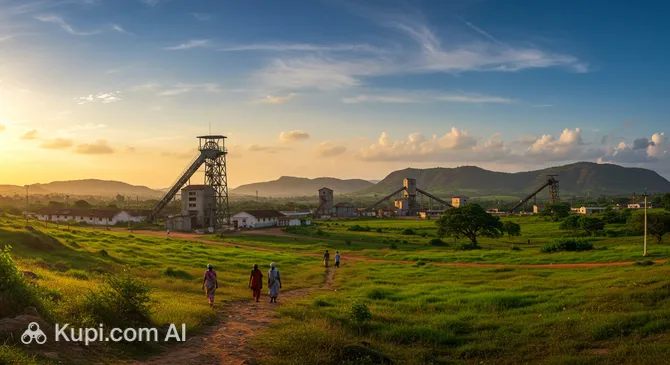
With a population of about 150,357 people, Kolar serves as the administrative center of the district of the same name. Despite its modest size, the city boasts a rich history that is inextricably linked to gold mining. The famous Kolar Gold Fields, though not active today, were once among the deepest in the world and brought the city global fame.

Kolar. Illustration.
Source: Kupi.com AI

The atmosphere of Kolar is a fascinating blend of traditional Indian culture and colonial-era heritage. Here, you can see ancient temples, majestic colonial buildings, and modern structures harmoniously existing side by side. The city attracts those who seek to experience authentic India, away from the bustling tourist hubs.

Kolar offers travelers a unique opportunity to immerse themselves in the steady rhythm of life of a South Indian city, enjoy local cuisine, and explore the region's rich cultural heritage. If you are looking for something more than standard tourist routes, Kolar will be a true discovery for you.

You can find more interesting facts on the Kolar city history page.

Weather Overview

A warm climate prevails in Kolar. Expect hot weather from March to May, when temperatures often reach 32-34°C. The period from May to November is characterized by an increase in precipitation, peaking in October (up to 5 mm), and the highest number of rainy days in July. Winter (December-February) is drier and milder here, with daytime temperatures around 25-27°C and nighttime temperatures around 15-17°C. You can find out all the details on the Kolar Climate page.

Average monthly temperature

Average monthly precipitation

Interesting Facts

Beyond its obvious historical significance, Kolar holds many surprising details and lesser-known stories that make it even more attractive to curious travelers. Ready to learn a few secrets of this ancient Indian city?

  • Few people know that the Kolar Gold Fields (KGF) were among the deepest in the world, descending into the earth to a depth of over 3 kilometers. They operated for more than 120 years, providing the region with gold and prosperity until they were closed in the early 2000s.

  • Many ancient temples have been preserved in the vicinity of Kolar, some of which are over a thousand years old, dating back to the 9th-10th centuries. The Someshwara Temple, dedicated to Lord Shiva, deserves special attention—it is a magnificent example of Chola dynasty architecture, attracting not only pilgrims but also connoisseurs of ancient craftsmanship.

  • Kolar is the birthplace of the unique and colorful Karaga festival. This annual religious celebration, accompanied by impressive processions and ritual dances, deeply reflects the region's rich cultural heritage and is a significant event for its residents.

  • The city and its surroundings represent a true historical mosaic where traces of different eras intertwine: from ancient Indian dynasties like the Chola and Pallava to the times of British colonial rule. This makes Kolar a fascinating place for those seeking to trace the centuries-long evolution of the region.

How to Get There

When planning a trip to this historical city, keep in mind that it does not have its own airport; however, its convenient location near major metropolises makes the journey quite comfortable. You can find all the details and alternative routes by following the link for more details on how to get to Kolar.

Since there is no airport in Kolar itself, the main hub for tourists is Kempegowda International Airport (BLR), located in Bengaluru. It is only 46 km from Kolar, making it an ideal arrival point. A taxi ride from the terminal to the center of Kolar takes about 1.5 hours, depending on traffic. This is a large and modern aviation hub that receives flights from all over the world.

Alternatively, especially if you are planning an extensive journey through South India, you might consider Chennai International Airport (MAA). It is located in Chennai, approximately 221 km from Kolar. The drive by car from there takes about 4-5 hours. This is also a major international airport with excellent connections.

For convenience, here is summary information on the main airports:

AirportPassenger trafficDistance
Kempegowda International Airport41.9 mln46 km
Salem130 132150 km
Tirupati Airport995 640163 km
Chennai Airport22 mln221 km
Pondicherry Airport85 000224 km

As for land transport, rail connections play a vital role in the region's logistics. Although there is a station in Kolar itself, many travelers prefer to arrive via the major junction of Bangarapet (Bangarapet Junction), located about 15-20 km from the city. This is one of the key railway hubs through which trains from Chennai, Bengaluru, and other major Indian cities pass. From Bangarapet station, Kolar can be easily reached by bus or auto-rickshaw in just 30-40 minutes.

Bus services are also well-developed. State-run KSRTC buses run regularly between Bengaluru and Kolar, departing from the Majestic central bus station. The bus journey takes about 2 hours and is one of the most budget-friendly ways to reach the city.

Main Attractions

The city of Kolar, located in the Indian state of Karnataka, offers travelers several remarkable sites that attract both pilgrims and those interested in the rich history and culture of the region. Here are some of the key attractions that are definitely worth including in your itinerary:

Kotilingeshwara Temple is undoubtedly the most famous landmark in Kolar. The heart of this unique temple complex is one of the tallest Shiva Lingams in the world, reaching a height of about 33 meters. It is surrounded by countless smaller lingams (the name "Kotilingeshwara" hints at ten million), creating a truly breathtaking and spiritually charged sight. This place is an important pilgrimage center and draws believers from all over India.

Someshwara Temple is an ancient temple dedicated to Lord Shiva and is a magnificent example of Vijayanagara Empire architecture. Visitors are captivated by the exquisite stone carvings, with the monumental gopuram (entrance tower) and pillars decorated with detailed sculptural images being particularly impressive. A visit to Someshwara Temple is an opportunity to touch centuries of history and the architectural traditions of South India.

Kolaramma Temple is another ancient sanctuary that plays an important role in the city's life. This temple is dedicated to the goddess Kolaramma, who is considered the patron deity of Kolar. Built over a thousand years ago, it showcases characteristic features of the Dravidian architectural style. The temple attracts not only pilgrims but also everyone who appreciates ancient architecture and historical heritage.

Antharagange is a picturesque mountain range near Kolar, known for its unique volcanic rock formations and ancient caves. The name "Antharagange" means "Ganges from the deep," referring to a perpetual spring that originates from the mouth of a stone bull (Nandi) in the Kashi Vishweshwara Temple located on the hillside. This site is popular among trekking and cave exploration enthusiasts and offers breathtaking panoramic views of the surrounding landscapes.

Local Cuisine

The gastronomic world of Kolar is a vivid reflection of the culinary traditions of Karnataka state, where every dish tells a story of the flavors and aromas of South India. Local cuisine will delight you with an abundance of fresh vegetables, fragrant spices, and hearty rice and lentil dishes, offering an authentic experience for every gourmet.

Be sure to try Bisi Bele Bath – a hearty and aromatic dish made of rice, lentils, and vegetables, generously seasoned with a unique spice blend, which is a signature dish of the region. Another iconic dish is Ragi Mudde, nutritious balls made from millet flour, traditionally served with various spicy gravies or sambar. This simple yet delicious dish provides an insight into authentic Karnataka home cooking.

Those with a sweet tooth will be delighted by the local desserts. Don't miss the chance to try Mysore Pak – a delicate dessert made of gram flour, ghee (clarified butter), and sugar that melts in your mouth. Also popular are the crispy Jalebi spirals soaked in sugar syrup, and Khobalinna Kadubu – sweet rice dumplings with an aromatic filling of coconut and jaggery (palm sugar). These sweets are a real temptation!

Street food in Kolar is an adventure of its own. On the busy streets and markets, you will find many stalls offering mouth-watering snacks. Try Chaat – a savory mix of crispy ingredients, vegetables, and sauces, or Vada – golden fried donuts made from lentil flour. Of course, the famous thin Dosa pancakes served with various fillings cannot be ignored. Locals and tourists often enjoy meals in small eateries (frequently called "hotels" in South India, but meaning simple restaurants), in colorful markets like the bustling Kolar City Market, where you can not only buy fresh produce but also taste prepared dishes, or in more formal restaurants offering local cuisine.

To refresh yourself, try traditional South Indian filter coffee, known for its rich flavor, or aromatic masala tea. Among non-alcoholic drinks, refreshing lassi (a yogurt-based drink) and freshly squeezed juices from local fruits are popular. As for alcoholic beverages, popular Indian beer brands and other drinks can be found in Kolar's restaurants and bars.

Kolar's gastronomic scene offers travelers a chance to immerse themselves in the world of authentic South Indian flavors. From traditional dishes served in humble eateries to vibrant street food and delightful sweets, everyone will find something to their liking here. It is a wonderful opportunity to get to know the region's culture through its cuisine, rich in spices and fresh local products.

Travel Tips

Traveling to Kolar is an immersion into the history of ancient dynasties and legendary gold mines, but to ensure your trip to India goes smoothly, it's worth preparing for local characteristics in advance. We have compiled a list of proven recommendations to help you feel confident and comfortable in this colorful city in Karnataka.

  1. Clothing and Temple Etiquette. The climate in Kolar is hot and semi-arid, so prefer loose clothing made of natural fabrics (cotton, linen). Since the city's main attractions are ancient temples (e.g., Kolaramma and Someshwara), observe a strict dress code: shoulders and knees must be covered for both women and men. Be sure to wear comfortable shoes that are easy to remove before entering shrines.
  2. Transport Nuances. Unlike major metropolises, there is no metro in Kolar. The primary mode of transport is auto-rickshaws. Apps like Uber or Ola may work inconsistently, so it's better to flag down transport on the street. Important: always agree on the fare in advance, before getting into the rickshaw, as meters are rarely used here. For trips around the outskirts, it is most convenient to hire a car with a driver for the whole day.
  3. Finances and Cash. The official currency is the Indian Rupee (INR). While large hotels may accept cards, Kolar is a traditional city, and you will need cash in local shops, small cafes, and for paying for transport. ATMs are available in the city center, but it's better to withdraw money in advance at a major airport or your arrival city. Tipping is welcome but remains at your discretion (usually about 10% of the bill).
  4. Health and Hygiene. Categorically avoid drinking tap water; use only bottled water even for brushing your teeth. There are pharmacies in the city, but 24-hour ones are hard to find, so pack a basic first-aid kit (remedies for stomach upset, antiseptics, plasters) at home. The sun here is strong — sunscreen with high SPF and a hat are mandatory.
  5. Language Barrier and Communication. The main language of the region is Kannada. English is understood in hotels and tourist spots, but it may be harder to communicate in markets or with rickshaw drivers. We recommend downloading an offline translator and learning a few words in Kannada (e.g., "Namaskara" — hello). It's best to get a SIM card (Jio or Airtel) immediately upon arrival in India, as the activation process for a foreigner can take longer in a small town like Kolar.
  6. Local Etiquette. India is a land of traditions. When greeting, use the "Namaste" gesture (palms joined); handshakes are appropriate only if the local person initiates (especially between different genders). Remember the "right-hand rule": eat, pass money, or gifts only with your right hand, as the left is considered "unclean."
  7. What to Avoid. Do not show romantic feelings in public (kissing and hugging) — this is frowned upon by local society. Also, try not to photograph locals, especially women and clergy, without their explicit permission. This is a matter of respect for personal space.
  8. Tip for Adventure Seekers. If you plan to visit the Anthargange hills near the city, go early in the morning. This will help you avoid the midday heat and enjoy the views in silence. And be vigilant with food in your hands: many wild monkeys live in this area, and they can be quite bold.

By following these simple rules, you can avoid awkward situations and focus on the main thing — the amazing architecture and hospitality of Kolar. We wish you a safe and fulfilling journey!

Entertainment & Nightlife

If you expect Kolar to have a vibrant nightlife with neon signs and noisy discos, the city might surprise you with its tranquility. Unlike the neighboring metropolis of Bangalore, Kolar is a place with a traditional way of life, where evening entertainment is more relaxed and gastronomic in nature. Nightlife here is centered not in clubs, but around delicious food, cinema, and leisurely conversations.

Bars and Evening Venues
Classic nightclubs with dance floors and DJs are virtually non-existent in Kolar. The drinking culture here is represented by the "Bar & Restaurant" format. These establishments, often located in mid-range and high-end hotels, are where you can order dinner and alcoholic beverages. The atmosphere in such places is calm, with background music, and the crowd consists mainly of groups of men or tourists. The dress code is casual, but beachwear (shorts and flip-flops) would be inappropriate in the evening; a casual style is ideal.

Where to Find Life After Sunset?
The main evening activity is observed along the main transport artery — the NH75 highway (National Highway 75) passing through the city, as well as in the area of the central bus station (KSRTC Bus Stand). Here, you can find eateries (so-called "dhabas") that are open 24/7 or until late at night, serving hot tea, coffee, and spicy South Indian dishes. This is an excellent option for those who want to feel the local flavor and watch the life of the city at night.

Cinema as the Main Entertainment
For locals, the primary evening leisure activity is visiting cinemas. There are several theaters in Kolar showing the latest Bollywood and regional films (Tollywood, Sandalwood). Going to an Indian cinema is a unique cultural experience: the audience is very emotional, applauding, whistling, and dancing along with the characters. Sessions often end late, making cinemas one of the liveliest places in the city after 9:00 PM.

Daytime Entertainment and Cultural Leisure
While the city's nightlife is quiet, the daytime program in Kolar can be very rich. The city and its surroundings offer unique opportunities for the active tourist:
Anthargange Hills: An ideal place for trekking and exploring volcanic caves. This adventure is best planned for daylight hours.
Gold Fields (KGF): Although the mines themselves are closed, the atmosphere of the former colonial town with its old bungalows and churches attracts history buffs.
Parks and Temples: An evening stroll near the Someshwara Temple at sunset will provide a sense of peace that cannot be found in noisy bars.

Practical Tips and Safety
Kolar is safe at night, but the streets empty out quite early — most shops close by 10:00 PM.
Transport: Catching an auto-rickshaw at night can be difficult. If you are staying late at a restaurant, arrange with a driver in advance to wait for you, or ask the establishment's staff to call a taxi.
Prices: Dinner with drinks in a good hotel restaurant will cost significantly less than in the major tourist centers of India.
For Party-goers: If you crave a real world-class party, remember that Bangalore is only 1.5–2 hours away. Many tourists prefer to spend the day exploring Kolar's sights and return to the vibrant state capital in the evening.

Parks & Museums

Kolar is a city where history and nature are harmoniously intertwined, offering travelers not only a meeting with ancient shrines but also a peaceful retreat in the lap of nature. Despite the absence of large classical parks, the surroundings of Kolar hide true gems for nature lovers and those seeking cultural discoveries.

The main natural gem in the vicinity of Kolar is undoubtedly the Anthargange Hills. This amazing place attracts visitors with its ancient volcanic rocks, mysterious caves (one of which hides a temple), and opportunities for trekking. The climb up the hills is rewarded not only with panoramic views but also with a sense of touching the deep antiquity of these lands. Tranquility can also be found in the well-kept green areas around ancient temples, such as the Kolaramma Temple, where small ponds are often found, creating an atmosphere of peace.

Kolar's cultural wealth is revealed in its ancient temples, which can rightly be called open-air museums. The majestic Kolaramma Temple, dedicated to the city's patron goddess, impresses with its thousand-year history and Dravidian-style architecture, housing unique sculptures. No less significant is the Someshwara Temple, which is a brilliant example of Vijayanagara era architecture with its intricate carvings. Visiting these shrines is not just a pilgrimage, but a true immersion into the history and art of the region.

While Kolar does not have large specialized museums, its history is inextricably linked with the famous Kolar Gold Fields (KGF). This legacy of the "gold rush" constitutes a unique chapter in India's history, and you can touch it by exploring historical sites related to gold mining or by listening to stories from locals who keep the memory of those times alive.

To deeply feel the atmosphere of Kolar, visit the lively local markets – here you can not only find authentic souvenirs and taste local dishes but also witness the everyday life of the city. Additionally, exploring smaller, lesser-known shrines in the surrounding area can be a source of unexpected discoveries and allow for a better understanding of the soul of this ancient place.

Getting Around

Getting around Kolar is an opportunity to get closer to the rhythm of the city's life. Public transport here is mainly represented by buses and the ubiquitous auto-rickshaws, which are the most popular ways for trips both within the city itself and to its outskirts. By mastering their features, you can easily explore everything Kolar has to offer.

Buses are the most economical way to get around. The city bus network is served by both state and private operators, connecting various districts of Kolar and adjacent settlements. Tickets are purchased directly from the conductor on the bus, usually for cash. It is recommended to carry small bills, as change for large ones may not be available. The fare usually depends on the distance. Be prepared for the fact that buses can be crowded, especially during peak hours, and schedules are not always strictly followed, so you may sometimes have to wait a bit.

Auto-rickshaws, or tuk-tuks, are an integral part of the city landscape and very convenient transport for short and medium trips. These three-wheeled scooters will take you almost anywhere in the city. Key point: always agree on the cost of the trip with the driver before it starts, as meters, if they exist, are not always used. For groups of travelers, an auto-rickshaw can be a quite profitable option. In some cases, you can use mobile taxi apps that also offer auto-rickshaw services, which can provide more predictable pricing.

For greater comfort in Kolar, you can use taxi services. They can be ordered through mobile apps popular in India or found at taxi stands. This is a more expensive option compared to buses and auto-rickshaws, but it provides a higher level of convenience, especially if you are traveling with luggage or in hot weather. It is recommended to use official services or verified apps to ensure safety and a fair price.

Overall, the public transport system in Kolar is quite simple and oriented toward cash payments directly to the carrier. Special tourist passes or integrated transport cards common in major metropolises are generally not provided here. Public transport usually operates during the day and evening, but after dark, the frequency of bus movement may decrease. If you are unsure about a bus route, feel free to ask locals or conductors — they are usually responsive and ready to help.

Accommodation

When planning your trip to Kolar, you will be able to find accommodation options that suit your preferences and budget. The city offers various types of housing to tourists: from economical guesthouses and small local hotels to more comfortable middle-class establishments. Although the choice of luxury resorts directly in the city may be limited, the coziness and hospitality of local establishments often compensate for this. For those who prefer more independence, especially during long stays or family trips, renting apartments or rooms is worth considering.

When choosing a place to stay in Kolar, look for areas near the city center, main transport interchanges, or the attractions that interest you. This will ensure ease of movement and quick access to shops, restaurants, and cultural sites. While Kolar may not be overflowing with famous international hotel chains, you will find many decent local hotels and guesthouses offering a good level of service. To find specific options and read reviews from other travelers, it is recommended to use popular online booking platforms.

To guarantee the best choice and favorable prices, especially if your trip coincides with major local events, festivals, or the peak tourist season, it is recommended to book accommodation in advance. This will help avoid situations where all suitable options are already taken.

The price range for accommodation in Kolar varies, allowing you to find both budget options and mid-range housing. You can book a room or apartment in several ways: through popular international and Indian online booking services, which offer a wide selection and the ability to compare prices, or by contacting your chosen hotel or guesthouse directly by phone or email.

Nearby Cities

For those who want to explore the surrounding area, Kolar serves as an excellent starting point for day trips to several interesting nearby locations:

CityPopulationDistance
Srinivaspur26 79323 km
Robertsonpet207 35025 km
Bethamangala11 60626 km
Surapalli16 10229 km
Mulbagal58 12329 km

Among these towns, Robertsonpet, located in the famous Kolar Gold Fields (KGF) area, attracts visitors with its gold mining history and preserved colonial architecture. Mulbagal, known for its ancient temples such as the Anjaneya Temple, offers an immersion into the region's spiritual heritage and will be of interest to pilgrims and history buffs. Chintamani, a bustling trading town, may appeal with its local markets where you can discover regional crafts and products and experience an authentic atmosphere.

These nearby destinations provide a glimpse into the region's diverse culture and landscapes. Each trip promises new impressions and a meeting with the local flavor of India.

Shopping & Souvenirs

Shopping in Kolar offers tourists an immersion into the atmosphere of traditional Indian trade, although the city is not a major global shopping center. Here you can find unique local goods, especially if you are interested in handicrafts and textiles. Kolar is historically known for its silk production, so silk products are one of the main highlights of local shopping.

The main shopping spots in Kolar are concentrated along busy central streets and in traditional bazaar districts. Here you will find many small shops and stalls offering clothing, sarees, jewelry, household items, and spices. A stroll through streets such as MG Road or Big Bazaar Street (typical names for main shopping streets in Indian cities; specific names in Kolar may vary, but the nature of trade will be similar) will allow you to feel the local flavor and find interesting purchases.

There may be few large modern shopping malls in the Western sense in Kolar, as the city retains a more traditional trading style. However, small shopping complexes or department stores offering a more modern range of goods can be found. The main focus of shopping here is still on street trade and local markets.

The markets of Kolar are the heart of local trade. Here you can find fresh fruits, vegetables, aromatic spices, flowers, as well as textiles and handmade items. Visiting a local market, such as Kolar Market (a general name for the main city market), is a great way to get to know the daily life of the townspeople and purchase authentic goods. The atmosphere at the markets is usually very lively and colorful.

As souvenirs from Kolar, it is worth bringing back local silk items – these could be sarees, scarves, shawls, or fabric cuts. Traditional Indian jewelry is also popular, especially gold (Kolar has a historical connection to gold mining), wood carvings, pottery, and, of course, a variety of spices and tea. Don't forget to look into shops selling incense and Ayurvedic products.

Shops in Kolar are usually open from 10:00-11:00 AM until 8:00-9:00 PM, and some may close for a lunch break. Markets start working earlier, especially food markets. Regarding payment, in small shops and at markets, cash is preferred. In larger stores and some tourist shops, bank cards may be accepted, as well as mobile payment systems popular in India (UPI).

The possibility of a tax refund (Tax Free) for tourists in India exists, but it usually applies to purchases made in large stores that have the appropriate authorization and subject to certain conditions (purchase amount, documentation, taking the goods out of the country). It is recommended to clarify this information directly in stores when making large purchases.
Have you reached the end of the page?

So the route has been studied inside and out