Support

Mangalagiri

About

Mangalagiri is a picturesque town nestled in the South Indian state of Andhra Pradesh. It is located near Amaravati, the state's legislative capital, and attracts attention with its favorable geographical location and rich cultural heritage. The city has a special atmosphere where ancient traditions and the breath of modernity are harmoniously interwoven.
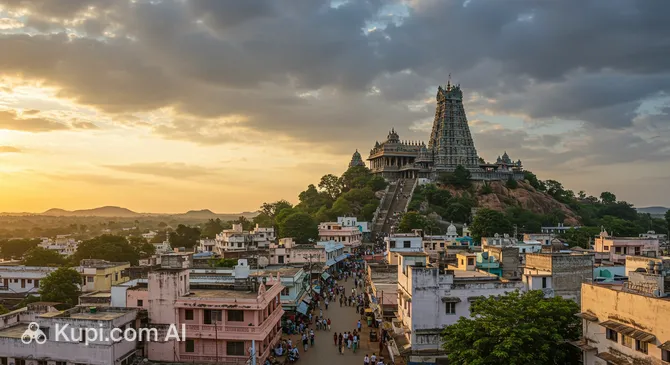
Mangalagiri. Illustration.
Source: Kupi.com AI

The population of Mangalagiri is approximately 73,613 people, making it one of the significant settlements in the region. The town is part of the Andhra Pradesh municipal corporation, highlighting its administrative importance. Situated in a region with a tropical climate, Mangalagiri offers travelers warmth throughout most of the year. It is a place where you can touch the authentic culture of India and see how it integrates into the modern world.

Mangalagiri is famous for its traditional handloom weaving—the renowned Mangalagiri sarees and fabrics are known far beyond the borders of the state. Another important attraction is the Lakshmi Narasimha Temple, located on a hill, which draws many pilgrims and tourists with its architecture and spiritual atmosphere. The town and its surroundings also offer an introduction to the region's rich cultural heritage through various religious sites and festivals.

Mangalagiri is actively developing, becoming part of ambitious state development projects, including the creation of new technological and educational centers. This makes it an interesting destination not only for lovers of tradition but also for those who want to see a dynamically changing India. A visit to Mangalagiri will give you vivid impressions and allow you to gain a deeper understanding of the multifaceted culture of this amazing country.

You can find more interesting facts on the history of the city of Mangalagiri page.

Weather Overview

The climate in Mangalagiri is characterized as tropical, with well-defined wet and dry seasons. The town is known for its hot weather throughout most of the year.

Overall, Mangalagiri is characterized by hot summers with monsoon rains and warm, mostly dry winters. The hottest month is usually May, when the average air temperature stays at 33.4°C, and maximum readings can reach 38.3°C. It is relatively coolest in January: the average temperature is about 25.2°C, and the minimum can drop to 20.0°C.

The highest amount of precipitation falls during the period from June to September. For example, in July, an average of 9 mm of precipitation and about 22 rainy days are recorded. The driest months are January, February, and April, when rain is extremely rare. To better prepare for your trip, we recommend studying the detailed information: Mangalagiri Climate.

Average monthly temperature

Average monthly precipitation

Interesting Facts

Beyond its famous temples, Mangalagiri holds many surprising features that make it a truly unique place. This town in India is full of surprises ready to be revealed to the curious traveler.

  • Did you know that the famous sarees and fabrics from Mangalagiri are more than just beautiful products? They are officially recognized as a Geographical Indication (GI) of Andhra Pradesh, which highlights their uniqueness and traditional craftsmanship, making them a valuable souvenir for tourists.

  • In this seemingly traditional town lies one of the largest data centers in Asia – the Pi Data Centre. This modern enterprise, which saw an investment of approximately 84 million USD, clearly demonstrates how Mangalagiri successfully combines ancient traditions with cutting-edge technology. It is also home to Pi Care Services, which specializes in business process outsourcing for the healthcare sector.

  • Mangalagiri plays a vital role in the ambitious project to create a new state capital for Andhra Pradesh – the city of Amaravati. It is planned that nine themed cities specializing in various fields, from finance and justice to healthcare and electronics, will emerge in this region, opening exciting development prospects for Mangalagiri and attracting the attention of both investors and tourists.

How to Get There

Mangalagiri boasts excellent transport accessibility thanks to its location near major cities in Andhra Pradesh. You can find all the details and specific routes on the page about how to get to Mangalagiri, and below we cover the main air and ground gateways to the region.

There is no airport in the town of Mangalagiri itself, so most travelers fly into nearby major cities. The closest and most convenient option is Vijayawada Airport (VGA), located in Vijayawada. It is only 27 km from the center of Mangalagiri. This is a regional hub receiving flights from many cities in India. A taxi ride from here to your destination will take about 40–50 minutes.

For international tourists arriving from abroad, it is often more convenient to use a major hub—Rajiv Gandhi International Airport (HYD). It is located in Hyderabad, approximately 244 km from Mangalagiri. Despite the distance, this airport offers a wide range of international flights. The journey from Hyderabad to Mangalagiri by taxi or intercity bus will take about 4–5 hours by highway.

For convenience, here is summary information on the main airports:

AirportPassenger trafficDistance
Vijayawada Airport1.4 m27 km
Rajahmundry Airport489,114153 km
Rajiv Gandhi International Airport29 m244 km
Kurnool39,746268 km

Rail travel is another popular and budget-friendly way to reach the region. Although Mangalagiri has its own railway station, it does not serve all express trains. Most tourists prefer to travel to the main station of the neighboring city—Vijayawada Junction. This is one of India's largest railway hubs, where trains arrive from Delhi, Chennai, Kolkata, and Mumbai. Vijayawada station is only 12–15 km from Mangalagiri, and this distance can be covered by auto-rickshaw, taxi, or city bus in 20–30 minutes.

Main Attractions

The town of Mangalagiri, located in the state of Andhra Pradesh, is famous for its ancient temples and rich cultural heritage. This important pilgrimage site attracts tourists with its spiritual atmosphere and unique shrines. Here are some of the key attractions worth visiting in Mangalagiri:

One of the main shrines is the Sri Panakala Lakshmi Narasimha Swamy Temple, located on Mangalagiri Hill. This temple is unique for its ritual: the deity Lord Narasimha is offered "panaka"—a sweet drink made of water and jaggery (unrefined palm sugar). According to belief, the deity drinks exactly half of the offered drink, regardless of its quantity. This unusual custom and the spiritual significance of the site attract many pilgrims and curious travelers.

At the foot of the hill lies the equally significant Sri Lakshmi Narasimha Swamy Temple. This temple is famous for its majestic eleven-story gopuram (temple tower), which is one of the tallest in South India and is visible from afar. The temple is dedicated to Lord Narasimha, an avatar of Vishnu, and its impressive Dravidian-style architecture, along with its rich history, make it a must-visit for anyone interested in Hindu culture and temple architecture.

Mangalagiri Hill itself, which translates to "Auspicious Hill," is a major attraction. It is believed that the hill is shaped like a sleeping elephant. Climbing to the temple at the summit is not just a spiritual journey but also an opportunity to enjoy panoramic views of the surrounding plains. At the very top of the hill, there is also the small Gandalyam temple, where tradition says there is no idol, only a lamp is lit. A walk on the hill and a visit to its shrines leaves a deep impression.

Local Cuisine

The cuisine of Mangalagiri is a vibrant reflection of the gastronomic traditions of Andhra Pradesh, a state known for its spicy and aromatic dishes. If you are a connoisseur of piquant flavors and unusual spice combinations, the local culinary scene will pleasantly surprise you. The foundation of the cuisine consists of savory curries, a variety of rice dishes, and unique spicy blends that create the unmistakable flavor profile characteristic of South Indian cooking.

Be sure to try the region's traditional dishes. Notable among them are Pulihora—aromatic tamarind rice that gives it a characteristic tanginess—and Gongura Pachadi, a spicy and piquant chutney made from gongura leaves (local sorrel), which is often served with rice or flatbreads. Equally popular are various dosas—thin, crispy crepes made from rice and lentil flour, which can be served with various fillings and sauces. It is also worth paying attention to vegetarian dishes, which hold a special place in the local cuisine and are prepared using fresh vegetables and legumes.

To refresh yourself or complement your meal, look for traditional Indian drinks. A refreshing lassi (a yogurt-based drink) or cool buttermilk pairs perfectly with spicy dishes. Tea lovers will appreciate the fragrant masala chai, and you can finish your meal with a cup of strong South Indian filter coffee. Of course, fresh juices and other non-alcoholic beverages are always available.

The gastronomic scene in Mangalagiri offers diverse options for exploring local food. Street food is highly popular: in numerous stalls, you can try snacks like Mirchi Bajji (spicy chili fritters) or Punugulu (small deep-fried rice batter balls). Naturally, the town also has restaurants where you can enjoy a full lunch or dinner in a more comfortable setting, as well as try sweet desserts like the famous Payasam—a milk pudding with rice or vermicelli.

Exploring the cuisine of Mangalagiri is a true adventure for the taste buds. The bright, spicy, and distinctive dishes of Andhra Pradesh, such as the fiery Gongura Pachadi or hearty Pulihora, combined with the flair of street food and the hospitality of the locals, will leave an unforgettable impression on every gourmet wishing to discover the authentic tastes of India.

Travel Tips

Welcome to Mangalagiri! This charming town in the state of Andhra Pradesh, known for its temples and traditional fabrics, awaits you. To ensure your journey goes smoothly and leaves only pleasant impressions, we have prepared some practical tips.

  1. Clothing and Essentials: Mangalagiri has a hot and humid climate, especially from March to June. Bring light, breathable clothing made of cotton or linen. When visiting temples, such as the famous Panakala Narasimha Swamy Temple, women are advised to cover their shoulders and knees (a scarf or shawl will be very useful); men should also avoid overly revealing clothing. Comfortable walking shoes are a must. Don't forget sunscreen, a hat, insect repellent, and a universal adapter for electronics.
  2. Transport in the Town: The main mode of transport in Mangalagiri and its surroundings is auto-rickshaws—they are the most common and affordable way to travel short distances. Agree on the price in advance. Local buses also run, connecting Mangalagiri with nearby cities such as Vijayawada and Guntur. Taxis can be found but are less common than auto-rickshaws; ride-hailing apps like Ola or Uber may have limited coverage in the town itself but may be available from Vijayawada. Car rental is possible, but keep in mind that traffic in India can be chaotic for an unaccustomed driver.
  3. Financial Matters: The local currency is the Indian Rupee (INR). You can exchange currency at banks or authorized exchange offices in larger neighboring cities; there may be few such points in Mangalagiri itself. Credit and debit cards are accepted in some hotels and large shops, but for daily expenses, market purchases, and paying for auto-rickshaws, it is always better to have cash on hand. ATMs are available, but it's better to withdraw money from ATMs at banks. International cards may not work everywhere, so check with your bank before the trip. Tipping is not strictly mandatory but is appreciated for good service (usually 5-10% in restaurants, small amounts for porters and drivers).
  4. Health and Safety: Pharmacies (medical shops) are available in town, but not all of them may be open 24 hours. For serious medical help, it's better to go to clinics or hospitals in Vijayawada or Guntur. Be sure to get medical insurance before your trip. Drink only bottled water and be careful with street food; choose places where food is cooked in front of you and where there are many locals. Mangalagiri is generally a safe town, but follow standard precautions: keep an eye on your belongings, especially in crowded places, and avoid walking alone in poorly lit areas late at night.
  5. Communication: The official language of Andhra Pradesh is Telugu. English is common among the educated population and in the tourism sector, but not all local residents speak it. Learn a few simple phrases in Telugu, such as: "Namaste" (Hello), "Dhanyavadalu" (Thank you), "Idi enta?" (How much is this?). You can buy a local SIM card (e.g., Airtel, Jio, Vi) at mobile shops by presenting your passport and visa. Wi-Fi is available in most hotels and some cafes.
  6. Local Etiquette: Greet people with "Namaste" by placing your palms together at chest level. It is customary to remove your shoes when visiting temples and homes. Eat and pass items with your right hand, as the left hand is traditionally considered "unclean." Show respect for elders. It's best to photograph people, especially women, only with their permission.
  7. What to Avoid: Do not point at people or sacred objects with your index finger—use an open palm or your chin. Do not touch the heads of local residents, as the head is considered a sacred part of the body. Also, avoid public displays of affection and excessive alcohol consumption in public places.
  8. Special Tip for Mangalagiri: Be sure to visit the Panakala Narasimha Swamy Temple on the hill and try the unique ritual drink "panakam" (jaggery water) offered to the deity. Also, Mangalagiri is famous for its handmade cotton sarees and fabrics—these make an excellent authentic souvenir.

We hope these tips help you better prepare for your trip and enjoy every moment of your stay in wonderful Mangalagiri. Have a pleasant journey!

Entertainment & Nightlife

Mangalagiri is primarily an important pilgrimage and craft center, so you should not expect a boisterous European-style club scene here. Evenings in this town are spent in a calm and measured atmosphere. Nevertheless, when traveling through the state of Andhra Pradesh in India, tourists can find interesting ways to spend time after sunset by immersing themselves in local flavor or heading to nearby larger cities.

The epicenter of "nightlife" in Mangalagiri itself and its surroundings is often the cinemas. Movies in this region are a true religion, and evening screenings draw full houses. Locals love to spend time with families or groups of friends watching the latest Tollywood releases. The atmosphere here is always lively and emotional. Another popular format for evening leisure is the restaurants at major hotels and resorts located along the highway connecting Mangalagiri with Vijayawada.

If you are looking for classic bars and pubs with music and cocktails, it is best to head to neighboring Vijayawada (only 10–15 km away). There, in areas like Benz Circle or MG Road, more modern entertainment infrastructure is concentrated. In Mangalagiri itself and the immediate suburbs, the Haailand amusement park and resort is a highlight. In the evening, it often hosts entertainment programs and features restaurants, making it one of the few places where you can find a combination of attractions and dinner in a pleasant setting. Another popular spot for evening relaxation is the restaurants at the Happy Resorts complex, where you can dine in a peaceful atmosphere.

Foodies should check out the nightly street food stalls, known locally as "Tiffins." Towards evening, spots open up on the main streets serving hot dosas, idli, and puri. This is an excellent way to have an affordable and delicious snack while observing city life. The average check in such places is minimal, and the food is always fresh.

During the day, Mangalagiri offers more traditional entertainment. The main point of interest is the famous Panakala Narasimha Swamy Temple, located on a hill that offers panoramic views. The town is also known for its weaving traditions, so visiting local workshops and shops featuring handmade sarees and fabrics will be an engaging cultural experience.

Regarding safety and logistics, Mangalagiri is a fairly quiet town, but walking alone in unlit alleys at night is not recommended. For travel in the evening, it is better to use official taxis or services like Uber and Ola, which operate in the Amaravati capital region. The dress code in most establishments is casual, but given the town's conservative nature, it is advisable to avoid overly revealing clothing.

Parks & Museums

Mangalagiri, known for its ancient temples and traditional weaving, offers guests not only spiritual enrichment but also the opportunity to touch local culture and enjoy natural spots. While the town may not boast a large number of classical parks and museums in the European sense, its cultural heritage and surrounding nature create a unique atmosphere for exploration.

Green Zones and Nature:

One of the main natural attractions in the vicinity is the Mangalagiri Reserve Forest. This important green space offers fresh air and opportunities for nature walks, allowing visitors to see local flora and possibly fauna. For tourists, it is a chance to take a break from the city bustle and enjoy the tranquility. Within the town itself, you can also find small public gardens or squares where locals spend their free time.

Cultural Heritage and Historical Sites:

The primary cultural and historical site of Mangalagiri is undoubtedly the majestic Sri Panakala Lakshmi Narasimha Swamy Temple. Located on a hill, this temple is not just a place of worship but a living museum demonstrating ancient architecture, religious traditions, and sculptural art. A visit to the temple allows for deep immersion in the region's culture. Its unique feature is the offering of a sweet syrup (panakam) to the deity.

Not far from Mangalagiri, in the region, are the famous Undavalli Caves. These ancient rock-cut cave temples, dating back to the 4th-5th centuries, are an outstanding example of Indian rock-cut architecture. For those interested in history and art, this place is a must-visit, as it clearly showcases the rich past of this part of India.

While there may not be large state museums in Mangalagiri, the town's cultural heritage is vividly represented in its handicraft traditions, especially in the production of the famous Mangalagiri cotton and silk fabrics. Visiting weaving workshops or cooperatives where you can observe the process of creating these unique items and even purchase them is a cultural experience in itself. Some workshops may have small displays telling the history of the craft.

Authentic Experiences and Tips:

For a complete experience, climb to the top of Mangalagiri Hill not only to visit the main temple but also to enjoy the panoramic views of the surrounding plains. It is also worth strolling through the local markets, where you can find not only fabrics but also other products by local artisans, feeling the authentic atmosphere of the town.

Getting Around

Public transport in Mangalagiri is mainly represented by buses and auto-rickshaws, which are the most convenient ways to get around the town and its surroundings. The city's transport system is quite simple and clear for tourists.

Buses are the main form of public transport. The route network covers most areas of the town and connects Mangalagiri with nearby settlements. Buses generally belong to the state transport corporation (APSRTC) or private operators. The fare is low and depends on the distance. Tickets are purchased directly from the conductor on the bus. It is recommended to have small change for payment.

Auto-rickshaws are a ubiquitous and popular mode of transport in Mangalagiri. They offer a more flexible and faster way to get around, especially for short distances or if you need to reach a place where buses do not go. The cost of the trip should be negotiated with the driver in advance, before the trip starts, as meters are not always used or may be out of order. Auto-rickshaws are available practically around the clock.

Practical Tips for Tourists:

  • Buying Tickets: On the bus, tickets are bought from the conductor after boarding. For auto-rickshaws, pay the driver in cash after agreeing on the price.
  • Operating Hours: Buses usually run from early morning (around 6:00) until late evening (around 22:00-23:00). Auto-rickshaws are available 24/7, but night rates may be higher.
  • Route Planning: Locals or your hotel staff can suggest bus route numbers or help call an auto-rickshaw. The town does not yet have a developed system of transport apps for real-time bus tracking.

Alternative Ways to Get Around:

  • Taxis: In Mangalagiri, you can use taxi services, including the possibility of ordering through mobile apps if they are available in the region. This is a more comfortable but also more expensive option compared to buses and auto-rickshaws.
  • Walking: The central part of town and some neighborhoods are quite suitable for walking, especially if you want to get a closer look at local life.

Overall, the transport system in Mangalagiri is quite simple. Your main helpers for getting around will be buses for longer trips across town and auto-rickshaws for quick and short movements.

Accommodation

When planning a trip to Mangalagiri, you will be able to find an accommodation option that suits your preferences and budget. The town offers a variety of lodging possibilities, ranging from modest guesthouses and budget hotels to mid-range hotels with a good range of services. There are fewer luxury resorts here, but finding comfortable options for a stay is quite realistic.

When choosing a place to stay, it is worth looking at areas located near the main attractions or transport hubs, which will make your movement around town more convenient. While Mangalagiri does not have clearly defined tourist enclaves with hotels, many accommodation options are within reach of temple complexes and markets.

The town features hotels of various categories. You can find simple and economical options as well as hotels offering a higher level of comfort and additional amenities. The choice of a specific hotel depends on your individual needs and financial capabilities.

To guarantee the availability of suitable housing, especially if your trip coincides with a holiday period or high tourist season, it is recommended to book accommodation in advance. This will allow you to choose from a larger number of options and potentially secure better prices. The most common booking methods are popular online platforms and, in some cases, contacting the hotel directly.

Nearby Cities

For those who wish to explore the surroundings, Mangalagiri serves as an excellent starting point for day trips to several interesting nearby locations.

Among them, Vijayawada deserves special attention; it is a major urban center known for its ancient temples, such as the Kanaka Durga Temple, and its vibrant cultural life. Also noteworthy is Amaravati, an ancient city with a rich Buddhist heritage where you can see the ruins of the famous stupa and visit the archaeological museum. These cities offer unique opportunities to get acquainted with the history and culture of the region within a short trip.

CityPopulationDistance
Peddavadlapudi13,0765 km
Tadepalle64,1497 km
Kanteru10,1488 km
Tummapudi8,7559 km
Nutakki9,2369 km

These nearby destinations provide an insight into the diverse culture and landscapes of the India region.

Shopping & Souvenirs

Mangalagiri is a true paradise for connoisseurs of traditional Indian textiles. The town is famous across India for its unique handmade fabrics, especially the renowned Mangalagiri sarees and cotton products with characteristic patterns. Shopping here is an immersion into a world of bright colors, natural materials, and centuries-old weaving traditions.

The main shopping opportunities in Mangalagiri are concentrated around the temple complexes and on the streets where weaving workshops have historically been located. Instead of large commercial avenues, you will find many small shops, stalls, and cooperatives offering authentic products directly from the producers. This is where you can feel the true spirit of the local craft.

You are unlikely to find large modern shopping malls in the European sense in Mangalagiri. The town maintains its traditional way of life, and shopping here has a more authentic character, focused on unique local goods rather than global brands.

Local markets play an important role in the commercial life of Mangalagiri. It is here that you can find the widest range of fabrics, talk to the artisans, and even watch the process of creating textile masterpieces. In addition to textiles, the markets may also sell fresh local produce, spices, and everyday items, allowing for a deeper dive into the local culture.

The main souvenir and most valuable purchase from Mangalagiri is undoubtedly the Mangalagiri saree. These sarees are made of the finest cotton, often using natural dyes, and feature a characteristic weave (for example, the absence of a pattern on the main body of the saree but with a contrasting "Nizam" border). Cotton dress materials and dupattas (long scarves) are also popular. These items will be a wonderful reminder of the trip and a high-quality gift.

Shops and stalls in Mangalagiri typically operate from the morning, around 10:00, until evening, around 19:00-20:00. Some may close for a lunch break in the middle of the day. Regarding payment, cash is preferred in small shops and markets. Larger and more tourist-oriented points may accept bank cards, but it is always better to have some cash with you.

The Tax Free system in India is not as widespread or centralized as in some other countries, especially for goods purchased in small towns and from artisans. The probability of a tax refund for purchases made in Mangalagiri is low. If you make a large purchase in a reputable store, you can clarify this issue with the seller, but you should not count on it heavily.

Nearest cities

Reached the bottom of the page?

Looks like you know this route inside out