Located on the fertile plains of Uttar Pradesh, Mau is a dynamic industrial hub in northern India. Spread across the right bank of the Chhoti Sarju River, this city is primarily known for its textile production, which has shaped its character and pace of life for decades. Despite its status as a working center, it retains the unique atmosphere of a traditional Indian city with its bustling markets and hospitable residents.
The city's geographic location in the Ganges basin at an altitude of 63 meters above sea level defines its natural landscape and climatic features. With a population of about 279,000, Mau is an important administrative and economic point in the region. Here, the industrial power of textile factories coexists with elements of historical architecture remaining from the Mughal era, when the city served as an important military outpost.
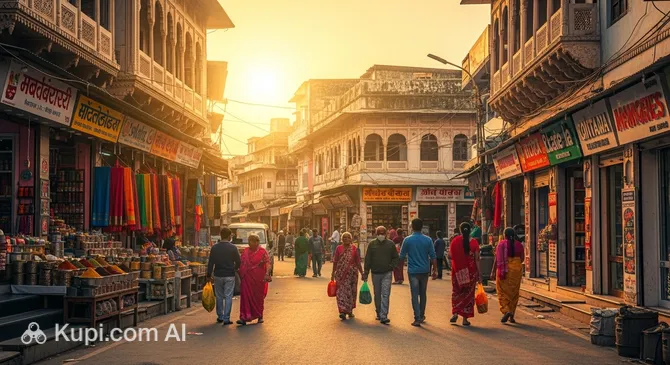
Mau. Illustration.
Source: Kupi.com AI
The city's rich historical heritage is reflected in ancient buildings that serve as reminders of its former strategic importance. Travelers seeking authentic Indian life away from the beaten path will find a unique industrial flavor here and the opportunity to see the inner workings of famous textile manufactories. Visiting this city is a chance to experience the true rhythm of life in Uttar Pradesh, where tradition and modernity are woven into a single whole.
Weather Overview
A subtropical climate, typical for northern India, characterizes Mau, featuring distinct seasons. Summers here can be extremely hot: in April and May, temperatures often reach +45°C. This period is marked by dry heat, which gives way to the monsoon season in June and July. July is the rainiest month, with up to 375 mm of precipitation, bringing much-anticipated coolness but also high humidity.
Winter in the city, by contrast, is very mild and comfortable, making this time of year the most suitable for a visit. From November to February, daytime temperatures range between +20...+25°C, while nights can be cool, dropping to +9°C. If you are planning a trip, be sure to check the weather in the city in advance to choose the right wardrobe. During the dry season, consider the factor of industrial dust, which is most noticeable in the absence of rain.
Average monthly temperature
Average monthly precipitation
Interesting Facts
Regional Textile Capital: Mau has a reputation as the leading center for the textile industry in eastern Uttar Pradesh, specializing in the production of hand-woven fabrics and saris.
Mughal Past: In ancient times, the city served as a strategic military outpost, and features of the austere architecture of the Great Mughal era can still be seen in its layout and certain buildings.
Proximity to Sacred Sites: The city is located only 70–80 kilometers from the legendary Varanasi, making it a convenient transit point for pilgrims and explorers of the Ganges.
Riverside Location: Mau stands on the banks of the Chhoti Sarju River, which plays an important role in the irrigation and ecosystem of the entire district of the same name.
Demographic Balance: According to census data, the city maintains an almost equal ratio of male and female populations, emphasizing its status as a stable family and working center.
How to Get There
The transport accessibility of Mau is ensured by a developed network of railways and regional highways. The city is an important transport hub in the eastern part of Uttar Pradesh, making it easy to reach from the country's major metropolises. Most travelers arrive in Mau from neighboring cultural and business centers using various types of land transport.
Air travel is available through the nearest major aviation hubs. The most convenient option is the airport in Varanasi (VNS), located approximately 70–80 kilometers away. From there, you can reach Mau by taxi or intercity bus; the journey takes about 2–3 hours depending on traffic conditions. Another option is to fly to Lucknow and then take a regular train.
Rail transport is the most popular and reliable way to visit the city. The main station, Mau Junction, receives trains from Lucknow, Varanasi, and even New Delhi. A trip from Lucknow takes 6 to 8 hours, while from Varanasi, it’s only 2 to 3 hours. The railway provides stable communication with the region, though it's worth allowing extra time for potential delays typical of Indian railways.
Station
Passenger traffic
Distance
Varanasi Junction railway station
13
90 km
Gorakhpur Junction railway station
12
92 km
Patna Junction railway station
11
163 km
Nautanwa railway station
2
165 km
Ayodhya Dham Junction railway station
8
165 km
For those planning their trip in advance, it is useful to study the detailed routes to Mau. In addition to trains, buses from Azamgarh and Gorakhpur are actively used; however, take into account the traffic density on the NH-31 highway, especially during peak hours. Roads within the region can be dusty, so a train trip is often the more comfortable option.
Main Attractions
The city of Mau is not a classic tourist destination with world-famous monuments, but it offers travelers an immersion into the authentic, unvarnished life of industrial India. The main interest for visitors lies in its textile districts, where you can observe the process of creating fabrics that are distributed throughout the country. The city streets are saturated with business energy, and architectural elements from the Mughal era add historical depth to the cityscape.
Among the local points of interest is the I Love Mau Selfie Point—a popular spot among the youth that has become a sort of modern symbol of the city. For those looking to shop or simply observe local life in more comfortable surroundings, the Grihast Plaza shopping complex is a good choice. Although it is located some distance from the central quarters, it is one of the few places in the region that brings modern shops and recreation areas together under one roof.
Natural beauty in the vicinity of the city is represented by the Gomti River, flowing about 17 kilometers from the center. The riverbanks serve as a place for quiet walks and offer a brief escape from the city noise and dust of the textile quarters. Despite the lack of organized tours, a walk through the central squares and markets of Mau will allow a curious traveler to see unique elements of ancient architecture and feel the spirit of time in the details of everyday urban buildings.
Local Cuisine
The gastronomic world of Mau is a bright palette of flavors characteristic of traditional Uttar Pradesh cuisine. Local food is distinguished by the generous use of spices and a predominance of plant-based ingredients. The diet is based on aromatic rice, freshly baked chapati flatbreads, and various pulse dishes like dal. Vegetarians will find a true paradise here, sampling different variations of vegetable curry and soft homemade paneer cheese.
Meat dishes are also featured on local menus, most often as spicy chicken or mutton prepared according to traditional recipes. Special attention should be paid to street food, which is an integral part of the city's culture. In the markets of Mau, be sure to try the crispy samosas with potato filling, tangy chaat, and refreshing lassi—a yogurt drink that perfectly quenches thirst on a hot day.
The food culture in the city is simple and democratic: most residents prefer to have lunch in small eateries near the textile factories or in restaurants close to the station. Tea culture is also highly regarded here—masala chai with spices and milk is served at every turn. A meal in Mau is not just about satisfying hunger but also an opportunity to feel the true, spicy character of the Indian provinces.
Travel Tips
A trip to Mau will reveal India's industrial side to you. To ensure your journey is as comfortable as possible and brings only positive emotions, use these practical tips.
Clothing and Dress Code: Choose clothes made of light, natural fabrics, as it can be very hot in Mau. For visiting temples and walking through industrial areas, it is better to wear modest clothing that respects local traditions. Comfortable, closed-toe shoes will protect your feet from the dust of the textile quarters.
Transport: Autorickshaws are the most convenient way to move around the city. For longer distances or trips to neighboring cities, it is better to use apps like Ola or Uber if available, or agree on the price with a taxi driver in advance.
Finances: The main currency is the Indian Rupee (INR). In Mau, it’s always best to carry small-denomination cash for paying rickshaws and making purchases in markets. ATMs are available in the center, but international cards may not work everywhere, so carry a reserve of cash.
Health and Hygiene: Drink only bottled water and avoid ice in drinks on the street. Due to the proximity of textile factories, there may be dust in the air, so people with sensitive respiratory systems should carry a protective mask.
Language and Connectivity: The primary language is Hindi. Hotel and station staff understand some English, but for communicating in markets, learn a few basic phrases. It's best to buy a SIM card upon arrival at the airport or at specialized shops in the city center.
Local Etiquette: It is customary to remove your shoes when entering homes and some shops. Greet people with the traditional Namaste gesture—it always earns the favor of the locals.
What to Avoid: It is not recommended to walk alone in the outskirts and industrial zones after dark. Also, refrain from taking photos of people and private properties without prior permission.
Dealing with Smog: Keep in mind that during the dry season, the city may experience smog due to the operation of factories. Try to plan active walks for the early morning when the air is freshest.
Following these simple rules will help you focus on exploring the unique character of Mau and make your stay in Uttar Pradesh safe and interesting. Have a pleasant journey!
Entertainment & Nightlife
Entertainment in Mau is predominantly local and quiet, reflecting the working rhythm of an industrial center. You won't find loud nightclubs or large-scale concert venues typical of major metropolises here. The city's nightlife is centered in cozy cafes and small restaurants located near the central markets and the railway station, where locals gather after a workday to discuss the news over a cup of aromatic tea.
During the day, leisure is mainly centered around walking through busy shopping streets and attending local religious festivals, which are held with great scale and color. For a more intensive cultural program and modern entertainment, such as cinemas or large shopping malls, residents and visitors of Mau often travel to neighboring cities like Varanasi or Gorakhpur, which are only a few hours away.
Safety in the city is at an acceptable level, but for evening walks, it is better to stick to the central, well-lit streets. If you need to travel late at night, it is recommended to use official taxi apps for comfort and peace of mind. Despite the lack of a vibrant evening scene, Mau charms visitors with its sincerity and the opportunity to see the traditional way of life in the Indian provinces without tourist filters.
Parks & Museums
Due to its industrial nature, Mau does not have an extensive network of parks or large museums. The city's main public space is concentrated around market squares and historical quarters, where life hums from early morning. Nevertheless, for those seeking peace, small green zones within residential areas offer a brief respite from the city's bustle, though the environment here is often influenced by the textile factories.
History and art lovers should pay attention to the architectural details of the city's old buildings, which in themselves are a kind of "open-air museum." To visit classic exhibitions, travelers usually head to neighboring regions. For example, the State Buddha Museum is located relatively close by in the direction of Varanasi, housing unique archaeological finds and ancient artifacts.
While Mau may not boast large-scale gardens, its surroundings please the eye with typical rural landscapes of the river floodplains. Visiting local temples can also serve as an alternative to a gallery visit, as their interiors are often decorated with traditional paintings and carvings reflecting the region's religious and cultural heritage. The absence of major museums is compensated for by the living history encountered on every street of this industrial city.
Getting Around
The public transport system in Mau is adapted to the needs of a densely populated industrial city. The main means of transport within the city limits are buses, as well as numerous autorickshaws and cycle rickshaws. The latter are particularly popular for short trips through narrow streets and market areas, offering an affordable and local way to get around. Be prepared for transport to be quite crowded during peak hours.
Fares for local transport are usually paid in cash directly to the driver or conductor. Prices are very affordable, making getting around the city budget-friendly. When planning your trip, keep in mind that there are no metro or tram lines in Mau, so the primary guides for schedules and routes are the main roads, such as the NH-31 highway connecting the city with neighboring regions.
For more comfortable and faster trips, visitors often use taxis, booking them via mobile apps popular in India. This allows you to avoid haggling with rickshaw drivers and reach your destination with air conditioning, which is important given the local climate. Despite possible traffic jams, Mau's transport network allows for effective trip planning, providing connections between residential areas, textile factories, and the railway station.
Accommodation
The hospitality sector in Mau is primarily geared toward business travelers connected to the textile industry and transit passengers. Budget and mid-range accommodation options prevail, providing the necessary comfort for a short stay. Most hotels and guest houses are concentrated near the railway station and central markets, which is convenient for moving quickly around the city.
The typical price range for a night in a 2-3 star hotel is between 1,000 and 3,000 Indian Rupees. For this price, guests are offered clean rooms with basic amenities, and sometimes breakfast is included. For those planning to stay in the city longer for work, options like renting apartments or rooms in the private sector are popular, offering a more home-like atmosphere and potential savings.
When choosing accommodation in Mau, it is recommended to prioritize properties with positive reviews and air conditioning, which is especially important during the hot summer months. Although the city is rarely overcrowded with tourists, booking in advance through popular online services will guarantee availability and avoid unnecessary hassle upon arrival. Overall, staying in Mau is an affordable way to experience life in the industrial heart of Uttar Pradesh.
Nearby Cities
The city of Mau serves as a convenient starting point for exploring the surrounding settlements and the state's major cultural centers. The city's location allows for easy day trips to experience the diverse life of northern India—from quiet agrarian towns to the majestic shrines on the banks of the Ganges.
Very close by is the cozy Kopaganj, just a few minutes away. Kajha is also of interest, where you can observe a slow-paced rural lifestyle. For those ready for a longer journey, the legendary Varanasi is 70–80 kilometers away—the spiritual capital of the country, attracting millions of pilgrims with its ancient temples and rituals on the ghats.
City
Population
Distance
Kopaganj
18,080
8 km
Kajha
15,659
17 km
Mau Dhaneshpur
17,328
19 km
Muhammadabad
15,578
20 km
Rasra
29,263
31 km
Other interesting destinations include Muhammadabad and Rasra, each possessing its own unique charm. Traveling around Mau will help you better understand the structure of the region, where industrial nodes are closely intertwined with historical settlements and important religious centers. Exploring these places will add vibrant colors to your trip through Uttar Pradesh.
Shopping & Souvenirs
Shopping in Mau is, first and foremost, an introduction to its textile heart. The city is famous throughout the region for its fabrics, and it would be a mistake to leave without a piece of quality cloth or a finished garment. Most commercial activity is concentrated in the central bazaars, where the stalls are literally overflowing with a variety of saris decorated with traditional embroidery and hand-woven patterns.
The city's main shopping streets are a kaleidoscope of shops offering everything from everyday wear to exquisite fabrics for special occasions. The textile markets of Mau are a place where you can not only find a good bargain but also practice haggling, which is an essential part of local etiquette. If you prefer a more modern format, you can visit the Grihast Plaza shopping center, which offers a familiar range of stores in one location.
The most common souvenirs to take home from Mau are cotton and silk products, known for their durability and unique designs. Shops usually operate from morning until late evening, and cash remains the preferred method of payment at the markets. Visiting local bazaars is not just about buying things; it’s about immersing yourself in the noisy, vibrant atmosphere of Indian trade, where every scrap of fabric has its own story.
Reached the bottom of the page?
Looks like you know this route inside out
Popular routes
Where travelers fly most — pick a route and check prices