Support

Nizamabad

About

Nizamabad is a dynamic and distinctive city located in the northwestern part of the state of Telangana, India. Serving as an important administrative and industrial hub, it harmoniously combines the features of a modern agricultural center with echoes of a rich past. The city's atmosphere is imbued with provincial tranquility, where daily life revolves around bustling markets, textile production, and endless farmlands.

Geographically, Nizamabad is spread across the picturesque Telangana plateau, approximately 175–186 kilometers from Hyderabad. The city's population is about 311,152 people, making it a significant regional center. The urban landscape is defined by flat terrain, which has facilitated the development of a powerful industrial sector: sugar, rice, and spices famous throughout the state are produced here.
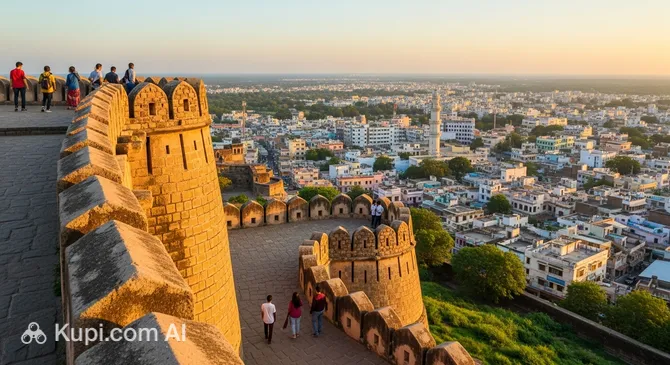
Nizamabad. Illustration.
Source: Kupi.com AI

For the traveler, this region is primarily interesting for its heritage. The rich history of Nizamabad is closely linked to the era of the Nizams of Hyderabad, after whom the city received its current name. Here, you can see what was once one of Asia's largest sugar factories and touch ancient artifacts at the local archaeological museum.

While Nizamabad is not a typical tourist hub with flashy facades, it attracts visitors with its sincerity and authenticity. We invite you to visit this corner of India to see regional life from the inside, enjoy the aromas of spices, and explore historical forts hidden in the city's surroundings.

Weather Overview

A typical tropical climate, characteristic of the Telangana plateau, prevails in Nizamabad. The year here is clearly divided into three seasons: a hot summer, a monsoon period, and a mild, dry winter. The flat terrain ensures good air circulation, although during the dry season, there may be some dust in the air due to the operation of sugar factories and agricultural activities.

Summer in the city begins in March and lasts until May, when temperatures often rise to 40–45°C. During this period, Nizamabad's climate becomes particularly sweltering. From June to September, monsoon rains arrive, bringing long-awaited coolness and significant rainfall (the peak is in July—over 313 mm). Winter in the region begins in November and delights with comfortable temperatures ranging from 15–25°C.

When planning your trip, expect a very hot summer with clear skies and a humid rainy season that transforms the surrounding nature. The most favorable time for tourism is considered to be from November to February, when dry and moderately warm weather sets in, ideal for sightseeing and walking.

Average monthly temperature

Average monthly precipitation

Interesting Facts

Dive into the fascinating past and present of this region through several curious facts that reveal Nizamabad from unexpected angles:

  • The city received its current name in the 18th century in honor of Nizam of Hyderabad, Asaf Jahi VI. Before this historical renaming, the settlement was known as Indur or Induru.

  • During the reign of the Nizams, the Nizam Sugar Factory operated here—at that time, it was officially considered the largest sugar factory in all of Asia, highlighting the industrial prowess of the region.

  • The local archaeological museum houses truly priceless treasures: its exposition is divided into archaeological, sculptural, and bronze galleries, featuring artifacts dating from the Paleolithic period to the Vijayanagara Empire.

  • Nizamabad district is famous for its unique rural structure: it includes 96 tandas (traditional villages), many of which have preserved their authentic way of life for centuries.

  • Thanks to the specialized Spice Park, the city is one of the key spice trading hubs in the state of Telangana, filling the surrounding streets with the scents of turmeric and chili.

How to Get There

Nizamabad enjoys good transport connectivity with major cities in the region, making it accessible for travelers. The main transport arteries are the railway and the NH44 national highway. Most tourists arrive here from Hyderabad, which is approximately 175–186 kilometers away. You can find more details about routes and schedules on the how to get to Nizamabad page.

The city does not have its own airport, so air travelers use Rajiv Gandhi International Airport (HYD) in Hyderabad. From the airport to the center of Nizamabad, you can travel by taxi or intercity bus; the journey usually takes 3 to 5 hours depending on traffic conditions and the chosen mode of transport.

AirportPassenger trafficDistance
Nanded146 73199 km
Bidar107 km
Rajiv Gandhi International Airport29 mln163 km
Kalaburagi Airport39 434193 km
Dr. Babasaheb Ambedkar International Airport2.8 mln286 km

Railway travel is one of the most convenient and popular ways to visit. Nizamabad Railway Station is an important junction connecting the city with key destinations across India. Trains from Hyderabad run regularly, and the journey takes about 3–4 hours. It is recommended to book tickets in advance through official services to guarantee a comfortable seat.

For those who prefer road trips, intercity buses provide frequent connections to neighboring cities like Adilabad and Nirmal. Driving or taking a bus from Hyderabad along the modern highway is a great opportunity to see the landscapes of the Telangana plateau, though you should account for possible traffic jams during peak hours when entering the city.

Main Attractions

Although Nizamabad is primarily known as an industrial center, it hides several surprising historical and natural treasures. The city's crowning jewel is the majestic Nizamabad Fort (Indur Fort). This fortification, founded in the 10th century by the rulers of the Rashtrakuta dynasty, holds the memory of many empires within its walls and is a must-visit for history enthusiasts.

For those seeking a retreat into nature, a trip to the Ali Sagar reservoir is an excellent choice. Built in 1931, this scenic spot is surrounded by lush gardens and parks, offering tourists the chance to stroll by the water or enjoy the silence away from the city noise. Another impressive engineering feat is the Nizam Sagar Dam, constructed on the Manjira River, which offers breathtaking views of the surrounding area.

The cultural aspect of your trip can be enriched with a visit to the Archaeological and Heritage Museum. Its halls house unique exhibits spanning from the Paleolithic era to the Vijayanagara Empire. Collections of bronzes, sculptures, and ancient tools provide a deeper understanding of the stages of human civilization in this region. It is also worth visiting the Saraswati Devi Temple, which serves as an important spiritual center for the locals.

Local Cuisine

The gastronomy of Nizamabad is a vibrant reflection of the culinary traditions of Telangana. Local cuisine is famous for its spiciness and the generous use of aromatic spices grown right here in the local spice park. The diet is based on rice, which is served with various curries, dal, and traditional sambar. Meat lovers should try local variations of Hyderabad-style biryani, distinguished by their deep flavor and spicy aroma.

The food culture in the city is closely linked to street food and small family-run establishments. Tourists and locals often visit "darshans"—cozy eateries where fresh dosas, uttapam, and idli are prepared from early morning. One of the popular spots among locals is Balaji Mess, where you can taste truly home-cooked food. For a more substantial lunch or dinner in a comfortable setting, the Hamara Mandi restaurant is an excellent choice, offering a wide selection of regional dishes.

As for drinks, no day in Nizamabad is complete without a cup of aromatic Indian tea (masala chai). On hot days, a cool lassi—a refreshing yogurt-based drink—is a lifesaver. Alcohol is only available in specialized licensed bars within hotels. Overall, the city's gastro scene is simple, hearty, and incredibly authentic, allowing you to fully experience the taste of the real India.

Travel Tips

A visit to Nizamabad will be a pleasant and comfortable adventure if you use these practical tips compiled by experienced travelers.

  1. Clothing and Essentials: Choose light clothing made from natural fabrics (cotton, linen), as it can be very hot in the region. When visiting temples and forts, modest clothing covering the shoulders and knees is mandatory. Don't forget comfortable shoes for walking around historical sites.
  2. Transport: Within the city, it is most convenient to move around by auto-rickshaws. For longer distances, use the Ola or Uber apps. Be prepared for traffic on the NH44 highway during peak hours.
  3. Finances: The official currency is the Indian Rupee (INR). Large shops and hotels accept cards, but for markets and rickshaws, always carry small denomination cash. ATMs are concentrated in the central districts.
  4. Health: Drink only bottled water and avoid ice in street drinks. During the monsoon season, be sure to use insect repellents.
  5. Communication: The main language is Telugu, but young people and hotel staff usually understand English. Learning a few phrases in the local language is very much appreciated by the residents. It is better to purchase a SIM card at Hyderabad airport or in specialized stores in the city center.
  6. Local Etiquette: It is customary to remove your shoes when entering a home or temple. The greeting "Namaste" is appropriate in any situation.
  7. What to Avoid: Try not to visit remote rural areas alone at night. Do not leave valuables unattended in crowded places like markets or the railway station.
  8. Extra Tip: The best time to visit is from November to February, when the weather is mildest and most comfortable for long walks.

May your acquaintance with Nizamabad be filled with bright discoveries and the warm hospitality of Telangana!

Entertainment & Nightlife

Nightlife and modern entertainment in Nizamabad are quite understated. The city lives at a calm pace, and most establishments close after 10:00 PM. The main focus here is on family leisure and visiting cultural attractions during the day. Nevertheless, for those who want to vary their evening, cinemas in the city center show the latest Indian film releases, immersing viewers in the Bollywood atmosphere.

The main magnets for evening walks and meetings are modern shopping malls. CMR Shopping Mall and Venu Mall offer not only shopping opportunities but also food court areas where you can spend time with friends or family. Another popular spot for leisurely strolls is the area around the municipality, where you can often see the statue of Dr. B.R. Ambedkar, which has become an iconic city landmark.

If you are looking for the true energy of a night city with clubs and bars, locals usually recommend heading to Hyderabad. In Nizamabad itself, leisure is most often associated with visiting local restaurants, such as the Hamara Mandi restaurant, where you can enjoy a delicious dinner in a traditional style. Safety in the city is at a good level, but for night travel, it is better to use the services of official taxi or rickshaw services.

Parks & Museums

The cultural heart of Nizamabad beats in its main museum—the Archaeological and Heritage Museum. This is a must-visit for anyone interested in antiquities. The museum's collection spans a vast period, starting from the Paleolithic era and ending with the majestic sixteenth century. Here you can see rare bronze artifacts, sculptures of deities, and archaeological finds from excavations in the district, making it a key cultural heritage site in the city.

Natural recreation areas in Nizamabad itself are mainly represented by green spaces around iconic monuments, such as the Dr. B.R. Ambedkar statue at Phulong Junction. These spots serve as meeting places for citizens and landmarks for leisurely walks. Another important monument in the urban space is the statue of Dr. B.R. Ambedkar, symbolizing modern history and the social values of society.

For a full retreat into nature, residents and visitors head to nearby reservoirs. The picturesque zones around Ali Sagar and Nizam Sagar offer excellent conditions for picnics and strolls by the water. Although there might seem to be a lack of parks in the industrial center itself for such a population, the proximity of the Pocharam Wildlife Sanctuary, with its rich flora and fauna, more than compensates for this, providing a chance to see the region's wildlife in all its glory.

Getting Around

The public transport system in Nizamabad is typical for large Indian cities, being a mix of state-run buses and private operators. The main means of getting around the city are auto-rickshaws and cycle-rickshaws, which can be found on every corner. This is the most flexible and fastest way to reach your destination, though the fare should be negotiated with the rickshaw driver in advance, as meters are rarely used.

The city's bus network connects the center of Nizamabad with the outskirts and industrial zones. Buses are often crowded, especially during the morning and evening peak hours when workers head to the factories. Bus fares are paid in cash to the conductor. There is no metro or tram system in the city, so most traffic falls on the roads, where significant congestion can occur during rush hours.

For more comfortable travel, tourists can use taxi-hailing apps like Ola or Uber, which work reliably in the urbanized areas of the city. This eliminates the need to haggle and guarantees a fixed price. If you plan a trip to rural areas, it is better to book a taxi for the whole day in advance, as finding return transport in remote districts can be difficult.

Accommodation

Accommodation options in Nizamabad are primarily geared towards business travelers, pilgrims, and transit tourists. The city is dominated by budget hotels and guesthouses offering a basic set of amenities for a comfortable night's stay. Finding luxury five-star resorts in the city itself will be difficult, as the hotel sector is more focused on practicality and affordability.

The most convenient area to stay is the city center, especially the blocks near the railway station and the main markets. Mid-range hotels (2-3 star level) are concentrated here, with rates usually ranging from 1,000 to 3,000 Indian Rupees per night. By staying in this part of Nizamabad, you will have quick access to transport hubs and local cafes.

If you plan to visit during major festivals or at the peak of the agricultural season, it is worth booking your accommodation in advance. Although the city is rarely overcrowded with tourists, the best options in the center may be occupied by business travelers. To find a suitable room, it is most convenient to use popular Indian online booking services, where you can check reviews and current photos of the rooms.

Nearby Cities

Nizamabad serves as an excellent starting point for exploring the northern districts of Telangana, offering travelers interesting routes for day trips. Very close by is Jankampet, which can be reached in just a few minutes. This place is known for its ancient temples and peaceful rural atmosphere, allowing for a break from the city's pace.

A bit further away are small but colorful settlements such as Mosra and Navipet. These towns provide an opportunity to see the traditional life of the region, visit local markets, and get acquainted with the lifestyle of local farmers. Also worth noting is the town of Bodhan, located 30–40 kilometers away; it attracts visitors with its history and significant religious sites, being an important cultural companion to the administrative center.

CityPopulationDistance
Jankampet10 2848 km
Mosra8 87314 km
Navipet8 56314 km
Ranjal8 80217 km
Indalwai10 26320 km

Exploring the surroundings of Nizamabad reveals not only towns but also magnificent engineering feats, such as the Pochampad Dam on the Godavari River. Each such trip is a chance to see India beyond the usual tourist routes, enjoy the views of the flat plateau, and discover the hospitality of the local people.

Shopping & Souvenirs

Shopping in Nizamabad is primarily a fascinating introduction to local markets and traditional goods. The city is famous for its textiles and agricultural products, so a walk through the market stalls in the center will be a true immersion into the local culture. Be sure to check out the spice markets: thanks to the proximity to the Spice Park, you can buy the freshest turmeric, chili, and other spices, which make excellent gifts from your trip.

For lovers of a more modern shopping experience, large shopping complexes operate in the city. Venu Mall and CMR Shopping Mall offer a wide selection of clothing from popular Indian brands, electronics, and accessories. Here you can find everything you need in comfortable, air-conditioned conditions, which is especially valuable during hot hours. These centers are also popular leisure spots, housing cafes and entertainment zones.

As souvenirs from Nizamabad, it is worth bringing back cotton items and traditional Indian fabrics, for which the Telangana region is famous. Quality local sugar and sugar-based products are also popular. Most shops are open from 10:00 AM to 9:00 PM. Major shopping malls accept bank cards, but when visiting traditional markets and small stalls in the center or near the station, it is better to have cash rupees with you.

Reached the end of the page?

That means the route is fully explored