Support

Pithapuram

About

Pithapuram, also known as Pittikapuram, is an ancient and revered city located in the state of Andhra Pradesh, India. It is famous for its deep spiritual atmosphere and historical significance, often being referred to as "Dakshina Kasi" (the Varanasi of the South), highlighting its sanctity and abundance of temples.

Located in the Kakinada district, the city has a population of about 55,000. Pithapuram features a typical tropical climate with hot summers and a monsoon season, which adds to its authentic South Indian character. It is a place where ancient traditions blend harmoniously with everyday life.
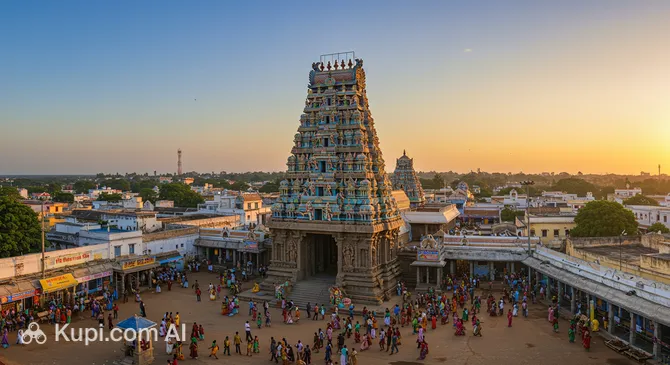
Pithapuram. Illustration.
Source: Kupi.com AI

Pithapuram attracts pilgrims and tourists alike with its unique shrines. One of the main attractions is the Kukkuteswara Swamy Temple, dedicated to Lord Shiva. Equally important is the Puruhutika Devi Temple, considered one of the eighteen Shakti Peethas—sacred sites of worship for the Mother Goddess. Additionally, the city is the birthplace of Sripada Srivallabha, an incarnation of Lord Dattatreya, and home to the Sripada Srivallabha Mahasamsthanam temple dedicated to him.

Visiting Pithapuram offers a chance to touch ancient culture, explore unique temple complexes, and experience the special atmosphere of spirituality that permeates this remarkable city. If you are looking for deep immersion into Indian traditions and spiritual practices, Pithapuram will be a true discovery for you.

You can find more interesting facts on the history of Pithapuram page.

Weather Overview

The climate in Pithapuram is generally warm throughout the year. The hottest months are April and May, when average daytime temperatures hover around 30-32°C, with maximums potentially reaching 35-36°C. The coolest months are December and January, with average temperatures around 24°C. The city is characterized by hot and humid summers with frequent rainfall, especially from June to September, and relatively dry and warm winters. The highest rainfall occurs in July, while there is practically no rain in January, February, and April. You can learn more about weather conditions on the Climate of Pithapuram page.

Average monthly temperature

Average monthly precipitation

Interesting Facts

Pithapuram, an ancient city in Andhra Pradesh, never ceases to surprise travelers with its hidden stories and lesser-known features. Behind the facade of popular attractions lie facts that give this place special depth and charm.

  • The Title "Pada Gaya": Pithapuram holds the honorary title of Pada Gaya Kshetram. According to legend, this is where Lord Vishnu's foot touched the earth while subduing the demon Gayasura. This makes it one of the most important centers for performing ancestral rites (Shraddha) in India, comparable in significance to the famous Gaya.

  • The Unique Kukkuteswara: The city's main temple is dedicated to Kukkuteswara Swamy—an unusual form of Lord Shiva with the head of a rooster. Legend has it that a rooster heralded the dawn and the completion of Gayasura's great sacrifice, and Shiva remained here in this form as the guardian of the holy site.

  • Self-Manifested Dattatreya: While Pithapuram is widely known as the birthplace of Sripada Srivallabha (an avatar of Lord Dattatreya), a vital feature of the local Dattatreya temple is that its murti (sacred image) is considered Swayambhu—self-manifested rather than man-made. This gives the shrine particular importance for followers.

  • Ancient Pada Gaya Teertham Pond: Located within the Kukkuteswara Swamy temple complex is a sacred water body known as Pada Gaya Teertham (or Pada Gaya Gundam). Pilgrims believe that bathing in its waters before performing rituals has purifying power and helps in the fulfillment of righteous desires.

How to Get There

Planning a trip to this ancient pilgrimage center requires attention to logistics, as the city does not have its own airport. You can find all the ways to get to the city to choose the most convenient route. The main gateways for tourists are the airports of nearby major cities and the region's well-developed railway network.

There is no airport in Pithapuram itself, but you can fly into Rajahmundry Airport (RJA) in Rajahmundry, which is the closest—about 46 km from Pithapuram. This is a regional hub handling domestic flights. The journey by taxi or bus from there takes about 1 hour and 30 minutes. A larger hub is the international Visakhapatnam Airport (VTZ) in Visakhapatnam, located 123 km away. The trip from this airport takes approximately 3 hours and 30 minutes, but it offers many more flight options.

You can also consider Vijayawada Airport (VGA) in Vijayawada. It is further away, about 168 km from Pithapuram, with a travel time of around 4 hours and 30 minutes. This option might be convenient if you plan to visit other places in Andhra Pradesh along the way.

For convenience, here is a summary of the main airports:

AirportPassenger trafficDistance
Rajahmundry Airport489 11446 km
Visakhapatnam Airport2.8 mln123 km
Vijayawada Airport1.4 mln168 km

Railway travel is one of the most popular ways to reach Pithapuram. The city has its own railway station located on the main line connecting Chennai and Howrah (Kolkata). Express and passenger trains from many parts of the country stop here. If you cannot find a direct train to Pithapuram station, an excellent alternative is the major junction at Samalkot (Samalkot Junction), located just 12-15 km away. From Samalkot, you can quickly reach Pithapuram by auto-rickshaw or taxi in just 20-30 minutes.

Furthermore, Pithapuram is well-connected by road. National Highway 16 (formerly NH-5) passes through the region, making bus or car travel comfortable. APSRTC state buses and private operators run regularly between Pithapuram and major cities in the state, such as Visakhapatnam, Vijayawada, and Hyderabad.

Main Attractions

Pithapuram, an ancient city in Andhra Pradesh, is renowned for its rich spiritual history and serves as a major pilgrimage center in India. The city offers travelers a unique opportunity to experience old-world traditions and visit several outstanding temples and holy sites.

One of the main jewels of Pithapuram is the Kukkuteswara Swamy Temple. This ancient temple is dedicated to Lord Shiva. The site holds special sanctity due to the Puruhutika Devi Temple located within the Kukkuteswara Swamy complex, which is one of the eighteen Shakti Peethas. Legends say that the Kukkuteswara Swamy Temple houses a self-manifested (Swayambhu) Shiva Lingam. The temple complex attracts pilgrims with its unique architecture, powerful spiritual energy, and the opportunity to participate in ancient rituals. Pithapuram is also known as Pada Gaya Kshetram, and this complex plays a central role in that status, serving as a place for conducting ancestral rites.

Another iconic site is the Sripada Srivallabha Mahasamsthanam. This complex is dedicated to Sripada Srivallabha, who is revered as the first incarnation of Lord Dattatreya. Pithapuram is believed to be his birthplace. Thousands of devotees visit this site to pay homage to the saint, meditate, and feel the special atmosphere of holiness and peace. For followers of Dattatreya, this place holds immense spiritual significance.

Equally interesting is the Kunti Madhava Swamy Temple, dedicated to Lord Vishnu in his form as Madhava. According to tradition, the deity's idol in this temple was installed by Kunti herself, the mother of the Pandavas from the ancient Indian epic "Mahabharata." This temple attracts believers and history buffs alike with its connection to epic tales and its beautiful temple architecture. A visit here allows for a deeper dive into India's mythological heritage.

Local Cuisine

The culinary world of Pithapuram is a vibrant journey into the flavors of Andhra Pradesh, known for its spiciness and rich aromas. The local cuisine makes generous use of spices, especially chili peppers, offering dishes with a bold character that will be long remembered by lovers of authentic Indian food.

When in Pithapuram, you must try iconic dishes like Pulihora—a fragrant tamarind rice that is a staple of local cooking. For those who enjoy meat, Gongura Mutton is highly recommended; this is lamb stewed with gongura leaves (a local variety of sorrel), which give the dish a unique tanginess and spice. Don't miss the street stalls, especially those near the temples, where you can enjoy freshly prepared bajji (fried fritters) and bonda (a popular snack, often potato-based, in batter).

Among drinks in Pithapuram, traditional South Indian filter coffee is very popular and will give you energy for the whole day. In hot weather, a refreshing majiga (lightly salted buttermilk) or freshly squeezed sugarcane juice is an excellent choice. For dessert, you should definitely try Kaja—a traditional layered sweet soaked in sugar syrup, which is the pride of the regional confectionery tradition.

The food culture in Pithapuram reflects the authentic Indian way of life. Locals and tourists can enjoy meals in a variety of establishments, from small family-run eateries offering home-cooked meals to restaurants with broader menus. Street food plays a significant role, providing quick, tasty, and inexpensive snack options. Visiting local markets will also allow you to get a closer look at the ingredients used in Andhra cuisine and perhaps even try some fresh fruits and snacks.

Travel Tips

Welcome to Pithapuram, an ancient city with a rich spiritual history! To make your journey through this unique place in India as comfortable and memorable as possible, we have prepared some practical tips.

  1. Clothing and Essentials: Pithapuram has a predominantly hot and humid climate, especially from March to June. It is recommended to bring light, breathable clothing made from natural fabrics like cotton or linen. For women, modest clothing that covers the shoulders and knees is important, especially when visiting the many temples and holy sites. Be sure to bring comfortable shoes for long walks, high SPF sunscreen, a hat, and sunglasses. Don't forget a universal adapter for charging your electronic devices.

  2. Transport: The main and most accessible mode of transport for getting around Pithapuram and its surroundings is auto-rickshaws. Always agree on the fare before the trip starts, as meters are not always used. Local buses may also be available, but their routes and schedules might not be very convenient for tourists. Major ride-hailing apps (like Ola or Uber) may have limited coverage in smaller towns, so it's better to rely on local operators. Car rental is unlikely to be necessary for city travel.

  3. Finances: The local currency is the Indian Rupee (INR). You can exchange foreign currency for rupees at banks or authorized exchange points. In Pithapuram, as in many small towns in India, cash is the preferred method of payment, especially in markets, small shops, and for auto-rickshaw fares. Credit cards may be accepted in some hotels and larger establishments, but don't rely on this entirely. ATMs are available, but it's better to carry some cash with you. A tipping culture exists: it is customary to leave a small gratuity (5-10%) for good service in restaurants and hotels, as well as for drivers.

  4. Health and Safety: Pharmacies (known as "medical shops") can be found in the city, but not all of them stay open 24/7. It is recommended to carry a basic first-aid kit. For medical assistance, you can visit local clinics or government hospitals; having travel medical insurance is highly desirable. Pithapuram is considered a relatively safe city, especially during the day, due to its religious status. Nevertheless, always follow standard precautions: keep an eye on your personal belongings and avoid walking in poorly lit or deserted areas after dark.

  5. Communication: The primary language spoken in Andhra Pradesh, where Pithapuram is located, is Telugu. Hindi may also be understood by some residents. English is common in tourist infrastructure and among the educated population, but don't expect everyone to speak it. It will be helpful to learn a few basic phrases in Telugu: "Namaskaram" (Hello), "Dhanyavadalu" (Thank you), "Idi enta?" (How much is this?). You can purchase a local SIM card (e.g., Airtel, Jio, Vi) at specialized stores by presenting your passport and visa. Wi-Fi access is usually available in hotels and some cafes.

  6. Local Etiquette: Greet locals with "Namaskaram," accompanied by a slight bow of the head and palms pressed together at chest level (Anjali Mudra). Always remove your shoes before entering temples and homes. Dress modestly, especially women. Eat and pass items with your right hand, as the left hand is traditionally considered unclean. Avoid pointing your feet at people, religious images, or shrines—it is considered extremely disrespectful.

  7. What to Avoid: Try not to photograph people without their prior permission, especially women and during religious rituals. Avoid public displays of affection (such as hugging and kissing), as this is not accepted in local culture. Do not drink tap water or water from unverified sources—always buy bottled water.

  8. Special Tip for Pithapuram: The city is an important pilgrimage center, known particularly for the Kukkuteswara Swamy Temple and the birthplace of Sripada Srivallabha. Be prepared for large crowds of pilgrims, especially during religious holidays and festivals. Show patience and deep respect for religious traditions and the feelings of believers. This is a unique opportunity to experience the living spiritual culture of India.

We hope these tips help you better prepare for your trip to Pithapuram and enjoy every moment of your stay in this amazing and spiritually rich corner of Andhra Pradesh. We wish you unforgettable experiences!

Entertainment & Nightlife

Pithapuram, being a significant pilgrimage center in Andhra Pradesh, offers its guests a peaceful evening experience rather than the bustling nightlife typical of large metropolises. You won't find loud nightclubs or neon-lit bar districts here. However, this doesn't mean the city completely stops after sunset. Evening Pithapuram has its own special charm, offering a chance to immerse yourself in local culture and traditions.

Most evening activity in Pithapuram is centered around the numerous temples and main shopping streets. After evening services, locals and pilgrims often stroll, socialize, and visit small eateries and tea stalls that stay open until late. You can spend the evening at one of the local family restaurants serving Andhra cuisine or in traditional tea shops where residents and pilgrims gather. Prices in local eateries and restaurants are generally affordable. This is a great opportunity to try authentic local dishes and observe the slow pace of life. Some restaurants may offer outdoor seating, creating a pleasant atmosphere to relax after a busy day.

The atmosphere of the city in the evening is very calm and family-oriented. The crowd mainly consists of locals and pilgrims. There is no specific dress code for evening walks or visiting eateries, but given the cultural context and proximity to holy sites, modest clothing is recommended. Dining establishments usually stay open until 9:00–10:00 PM, though some tea and food stalls may operate later.

Auto-rickshaws are convenient for getting around the city in the evening. It's best to agree on the fare in advance. Walking along the central, well-lit streets is generally safe. Nevertheless, standard precautions should be taken, especially if traveling alone or returning late. Hailing a traditional taxi can be difficult; auto-rickshaws are the primary mode of transport.

Regarding daytime entertainment, Pithapuram is famous for its ancient temples, such as Kukkuteswara Swamy and Sripada Srivallabha Mahasamsthanam, which are the main points of attraction. Visiting these shrines allows you to connect with the region's rich history and spiritual culture. You can also wander through local markets selling souvenirs, religious items, and fresh produce. There are no museums or large amusement parks in the city; the focus is entirely on religious and cultural heritage.

Parks & Museums

Pithapuram, known as an important pilgrimage center, offers its guests not only spiritual enrichment but also the chance to touch ancient history and enjoy tranquility in its unique corners. While the city may not boast extensive modern parks or traditional European-style museums, its cultural heritage and natural atmosphere create a one-of-a-kind experience.

Instead of formal parks, Pithapuram offers peaceful spaces around its many temples. These areas are often adorned with greenery, sacred trees, and small gardens where visitors can find peace and quiet. For example, the grounds surrounding the major temple complexes serve as oases of calm, perfect for reflection and a break from the city bustle. Walking through such places allows you to feel the city's special energy.

The main keepers of Pithapuram's history and culture are its ancient temples, which can be considered living museums. Notable among them are:

Kukkuteswara Swamy Temple: One of the oldest and most significant temples in the city, dedicated to Lord Shiva. Its ancient architecture, stone carvings, and bas-reliefs are witnesses to centuries of history. Tourists will find it interesting to explore the intricate carvings and learn about the legends associated with this sacred place.

Puruhutika Devi Temple: This temple is one of the eighteen Shakti Peethas, making it especially important for pilgrims. It attracts not only believers but also those interested in Hindu mythology and ancient traditions. The temple's architecture and the rituals performed here provide a glimpse into the region's rich cultural heritage.

Sripada Srivallabha Mahasamsthanam: This is the birthplace of the saint Sripada Srivallabha, revered as an avatar of Dattatreya. The complex attracts pilgrims and researchers of spiritual teachings. Here, you can learn more about the saint's life and the significance of his legacy for Hinduism.

The architectural landscape of Pithapuram is undoubtedly dominated by temple craftsmanship. Ancient gopurams (gateway towers), mandapas (pillared halls), and shrines demonstrate the skill of ancient builders and the canons of Hindu architecture. Each temple is unique and tells its own story through stone and sculpture.

For a more authentic experience, visit the local markets near the temples, where you can find religious items and local souvenirs. It is also worth observing the morning or evening services in the temples (while maintaining due respect) to immerse yourself deeper into the spiritual atmosphere of Pithapuram.

Getting Around

Getting around Pithapuram is quite simple, although the public transport system is not as extensive as in major cities. The transport system is primarily based on buses and auto-rickshaws, which are the most popular ways to travel for both locals and tourists.

The main form of public transport in Pithapuram is buses. These are likely to be buses from the state transport corporation APSRTC (Andhra Pradesh State Road Transport Corporation), as well as private buses running through the city and connecting it with nearby settlements. Buses follow specific routes, and while schedules may not always be strict, they are an economical way to travel. Fares are usually paid in cash to the conductor directly on the bus. The cost is low, but it's better to have small change with you.

Auto-rickshaws are a ubiquitous and very convenient form of transport for short and medium distances in Pithapuram. They are easy to hail on the street. It is important to agree on the fare before starting the trip, as meters are not always used, and bargaining is common. Auto-rickshaws may be slightly more expensive than buses but offer more flexibility and speed, taking you directly to your destination.

As for payment, cash is generally used for buses. Specialized travel cards or mobile apps for public transport payment may not be available in a small town like Pithapuram. Tickets are bought from the conductor on the bus. Public transport operating hours usually cover the daytime, from early morning until evening. At night, the number of buses on routes significantly decreases or service stops altogether.

As an alternative to public transport, you can always use taxi services, though they may be less common and more expensive than auto-rickshaws. For short distances, especially in the central part of the city, walking is perfectly suitable. Cycle rickshaws may also be found, offering slow-paced trips over short distances. Bicycle rentals or car-sharing are likely not developed as a mass service in Pithapuram.

Accommodation

When planning a trip to **Pithapuram**, you will find various accommodation options to suit different needs and budgets. The city generally offers guesthouses, small mid-range hotels, and possibly apartment rental options. Luxury resorts are less common here; the main focus is on more traditional and affordable housing, which fits the city's pilgrimage character.

When choosing a place to stay in **Pithapuram**, consider options located near the main temple complexes and other attractions, as this will give you easy access to the primary points of interest. Hotels and guesthouses near transport hubs can also be convenient if you plan to move around the city and its surroundings actively.

Regarding price range, you can find both budget options and mid-range accommodation in **Pithapuram**. It is most convenient to book through popular online platforms or, in some cases, by contacting the hotel or guesthouse directly. It is highly recommended to book your accommodation in advance, especially if your trip coincides with major religious holidays, festivals, or the peak tourist season, as demand increases significantly during these times.

Nearby Cities

For those looking to explore the surrounding area, Pithapuram serves as an excellent starting point for day trips to several interesting nearby locations:

CityPopulationDistance
Viravada9 0684 km
Chitrada9 1224 km
Brahmanandapuram9 9749 km
Uppada12 96410 km
Samalkot56 86411 km

These nearby destinations provide insight into the diverse culture and landscapes of the region.

Shopping & Souvenirs

Shopping in Pithapuram is primarily about immersing yourself in the authentic atmosphere of a small Indian town rather than chasing global brands. The city is famous for its ancient temples, which influences the range of products in local shops. Here you will find many items related to religious practices as well as traditional Indian goods.

The main shopping areas in Pithapuram are concentrated around temple complexes like Kukkuteswara Swamy and on the central streets where markets are located. These are typically busy places with many small shops and street vendors offering everything from fresh produce to clothing and souvenirs.

You likely won't find large modern shopping malls familiar to residents of megacities in Pithapuram. Shopping here is more traditional and focused on small shops and markets.

Local markets are the heart of Pithapuram's commerce. Here you can feel the true spirit of India, observe the daily life of the townspeople, and, of course, make some purchases. Markets sell fresh vegetables and fruits, aromatic spices, local baked goods, as well as affordable clothing, fabrics, kitchenware, and household items. Special attention should be paid to the stalls with puja items (religious rituals)—flower garlands, incense, oils, and images of deities.

As souvenirs from Pithapuram, you can bring home traditional Indian products. Look for religious items if they interest you: small figurines of Hindu deities and ritual accessories. Copper and brass items, bright cotton fabrics, saris or their components, and, of course, a variety of spices are also popular. Occasionally, you can find interesting local handicrafts, although Pithapuram is not a major center for their production.

Shops in Pithapuram are usually open from the morning (around 10:00 AM) until evening (8:00–9:00 PM). Some small shops may close for a lunch break in the middle of the day. Markets start earlier, especially the food stalls. The primary method of payment, particularly in markets and small shops, is cash (Indian Rupees). In recent years, the UPI mobile payment system has become widespread in India, so it is possible to pay this way in some places. Bank card acceptance is less common, mainly found in larger or more tourist-oriented establishments, of which there are few in Pithapuram.

Regarding the Tax Free system (VAT refund for tourists), this option is generally unavailable or difficult to process for purchases made in small towns like Pithapuram at local shops and markets. The Tax Free system in India is more focused on large purchases at authorized stores in big cities and international airports.

Nearby cities

Reached the end of the page?

That means the route is fully explored