Support

Puttaparthi

About

Puttaparthi is not just a city but a true oasis of spirituality and peace, nestled in the hills of the state of Andhra Pradesh in southern India. Its unique atmosphere beckons those seeking tranquility, inner harmony, and a deep immersion into Indian culture.

The city stretches along the picturesque banks of the Chitravathi River, surrounded by lush tropical groves. Thanks to the mild climate, nature is generous with colors and blossoms almost all year round. Despite its worldwide fame, Puttaparthi, with a population of about 15,000 people, maintains a surprisingly intimate and welcoming atmosphere.
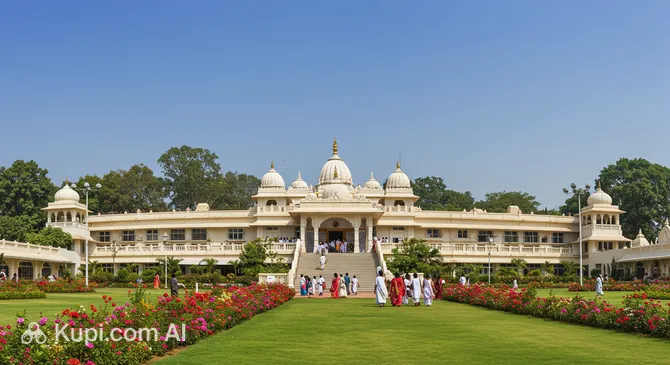
Puttaparthi. Illustration.
Source: Kupi.com AI

The heart and soul of the city is undoubtedly Prashanthi Nilayam—the world-renowned ashram of Sathya Sai Baba, which translates to "The Abode of Supreme Peace." This pilgrimage site attracts thousands of people from every corner of the planet each year. Beyond the ashram, Puttaparthi offers many opportunities for meditation and spiritual practices, confirming its status as an important cultural and religious center.

Puttaparthi is the ideal place to escape the hustle and bustle of everyday life, immerse yourself in contemplation, and perhaps find new inspiration. If you dream of a unique journey and want to experience the true, multifaceted soul of this amazing country, Puttaparthi awaits you.

You can find more interesting facts on the history of the city of Puttaparthi page.
Weather Overview

The weather in Puttaparthi is characterized by a hot climate for most of the year. The highest temperatures are observed from March to May, when the average maximum temperature can reach 36-38°C, especially in April. During this period, rainfall is minimal or non-existent.

From June to October, a season with more frequent rainfall arrives, although the total amount remains moderate. July is the month with the highest number of rainy days (averaging 18), while the average temperature decreases slightly, remaining in a comfortable range around 26-28°C. November and December bring cooler and drier weather, with average temperatures around 23-24°C and minimal precipitation. Expect a hot summer with occasional rains, especially from June to October, and a warm, predominantly dry winter. For a more detailed forecast and monthly information, you can visit the Climate of Puttaparthi page.

Average monthly temperature

Average monthly precipitation

Interesting Facts

In addition to its world-famous shrines, Puttaparthi holds many surprising stories and less obvious facts that make getting to know this city even more fascinating.

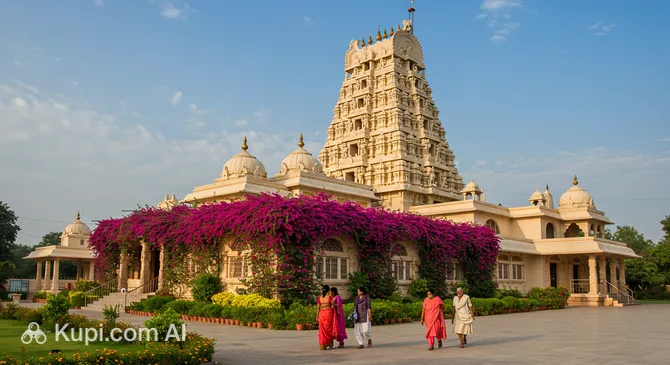
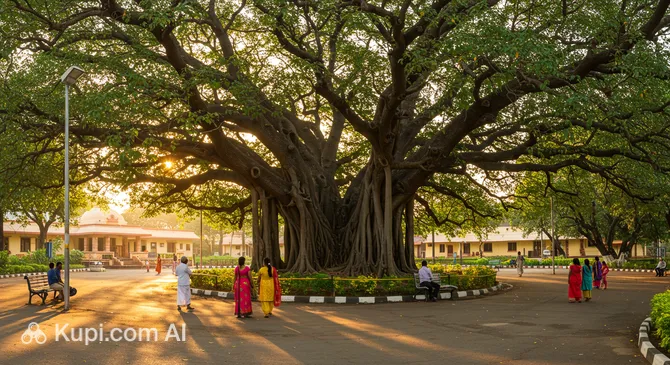
Kalpavriksha Tree. Illustration.
Source: Kupi.com AI

Traveler photos:

  • Many know Puttaparthi as the birthplace of Sathya Sai Baba, but not everyone realizes the scale of its transformation: from a tiny, almost unknown village, it has turned into a world-famous spiritual center with a developed infrastructure, including its own airport and university, largely thanks to the Prashanthi Nilayam ashram.

  • In Puttaparthi, there is a "Wish-Fulfilling Tree"—an ancient tamarind known as the Kalpavriksha Tree. According to local legend, it was under this tree that the young Sathya Sai Baba meditated, and it is believed to possess special spiritual power and the ability to fulfill the sincere wishes of pilgrims.

  • Puttaparthi attracts more than just spiritual seekers in the traditional sense. The city has become a hub for people of various professions and aspirations—from scientists and artists to social activists—who find inspiration here and opportunities to realize their projects, creating a unique multicultural community.

How to Get There

When planning a trip to this spiritual center, it is important to think through the logistics in advance, as the city is located away from major metropolises. You can learn more about how to get to Puttaparthi or read a brief overview of the main routes below.

There is no active commercial airport with a regular schedule within the city of Puttaparthi itself, so most travelers choose to fly to the nearest major aviation hub. The most convenient option is to fly into Kempegowda International Airport (BLR) in Bengaluru, located about 108 km from Puttaparthi. This is a modern and large airport that handles many international and domestic flights. The journey by taxi or bus from the airport to the ashram will take approximately 3 hours (about 180 minutes).

An alternative option is Tirupati Airport (TIR) in Tirumala, located at a distance of about 196 km. This route is often chosen by pilgrims who wish to combine their visit to Puttaparthi with a trip to the famous Tirupati Temple. The journey by ground transport from here takes about 5 hours. There are also smaller regional airports, such as Jindal Vidyanagar (VDY), but there are significantly fewer flights there.

For convenience, here is a summary of the main airports:

AirportPassenger trafficDistance
Kempegowda International Airport41.9 mln108 km
Jindal Vijaynagar43 140169 km
Kurnool39 746176 km
Tirupati Airport995 640196 km
Shivamogga Airport161 000241 km

Railway connection is a very popular and budget-friendly way to reach the destination. The city has a functional railway station, Sri Sathya Sai Prashanthi Nilayam, located about 8 km from the center and the ashram. Trains from Bangalore, Chennai, Hyderabad, Mumbai, and New Delhi arrive here. From the station, you can easily reach the city by auto-rickshaw or taxi in 15–20 minutes.

If a direct train to Puttaparthi is unavailable, you can travel to the large junction station Dharmavaram, located about 40–45 km from the city. Many more long-distance trains pass through this station. From Dharmavaram to Puttaparthi, state buses and taxis run regularly, with a travel time of about an hour.

Additionally, there is an excellent bus service. The state transport corporations of Andhra Pradesh (APSRTC) and Karnataka (KSRTC) provide regular trips from Bangalore (Kempegowda Bus Station) directly to the Puttaparthi bus terminal, located opposite the entrance to the ashram.

Main Attractions

Puttaparthi, a small town in the state of Andhra Pradesh, is known worldwide as a spiritual center associated with the name of Sathya Sai Baba. Most of its attractions in one way or another reflect this heritage, attracting pilgrims and spiritual seekers.

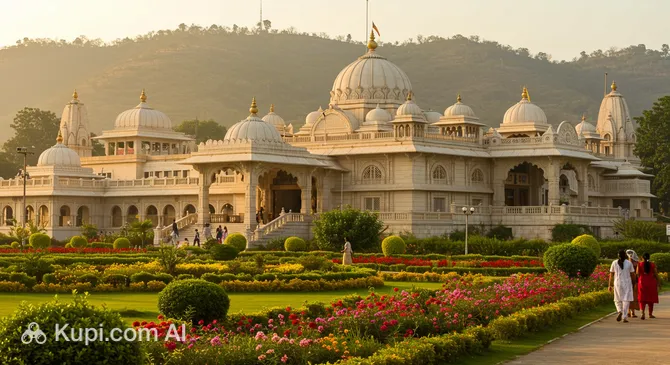
The central point of interest in Puttaparthi is undoubtedly Prashanthi Nilayam, which translates to the "Abode of Supreme Peace." This is the main ashram of Sathya Sai Baba, a vast complex that includes the main prayer hall (Sai Kulwant Hall), the Samadhi (resting place) of Sai Baba, a museum, a library, and residential quarters for pilgrims. The atmosphere here is filled with peace and spirituality, making it the primary site for meditation, darshans (seeing a holy person or object), and participating in various spiritual programs. For many visitors, Prashanthi Nilayam becomes a place of deep personal experience and spiritual growth.

Prasanthi Nilayam. Illustration.
Source: Kupi.com AI

Traveler photos:

Located near the ashram is the Chaitanya Jyoti Museum. Its name means "The Light of Eternal Consciousness," and the museum's exhibition is dedicated to the life, teachings, and humanitarian work of Sathya Sai Baba. The museum building itself is an architectural masterpiece, combining elements of various world religions, symbolizing the unity of all faiths—one of the key tenets of Sai Baba's teaching. Inside, visitors will find unique exhibits, photographs, and installations telling the story of his mission.

Chaitanya Jyoti. Illustration.
Source: Kupi.com AI

Traveler photos:

Another iconic attraction in Puttaparthi is the Kalpavriksha Tree. This old tamarind tree, located on a hill, is considered a sacred "wish-fulfilling tree." According to legend, it was under this tree that the young Sathya Sai Baba demonstrated his miraculous abilities and fulfilled the wishes of his friends. Pilgrims come here to meditate, pray, and, as the belief goes, make a heartfelt wish that may be granted. The hill also offers a beautiful view of the surrounding area.

Kalpavriksha Tree. Illustration.
Source: Kupi.com AI

Traveler photos:

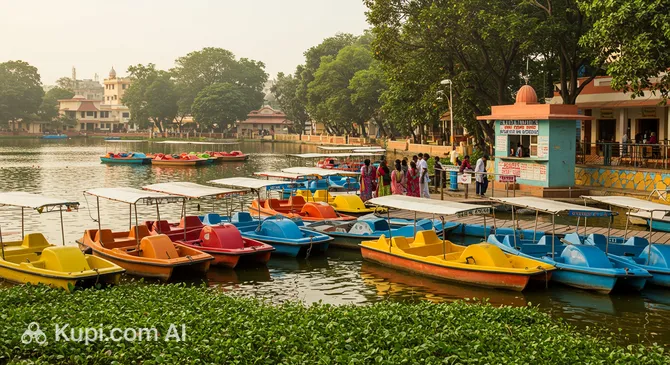
For those seeking moments of relaxation in nature, Sai Aqua Boating might be of interest. This spot offers an opportunity for peaceful boat rides, which can be a pleasant addition to a spiritual pilgrimage, allowing you to enjoy the silence and beauty of the local nature.

Local Cuisine

The gastronomic scene in Puttaparthi is a true immersion into the world of South Indian aromas and flavors, with a dominant influence from the cuisine of Andhra Pradesh, known for its spiciness and richness. Primarily vegetarian food awaits you here, consistent with the spiritual nature of the city and the expectations of numerous pilgrims.

Be sure to try traditional dishes. Start with rice with sambar—a thick and aromatic vegetable stew based on lentils and spices. Equally popular is dosa—a thin, crispy crepe made from fermented rice and lentil batter, usually served with coconut chutney and a spicy sauce. It is also worth tasting idli—fluffy steamed rice flour cakes, and vada—savory fried lentil donuts, often seasoned with spices. These dishes are the staples of the local diet and a wonderful way to get acquainted with authentic flavors.

Among drinks in Puttaparthi, freshly squeezed juices from various tropical fruits are particularly popular, providing wonderful refreshment on a hot day. Of course, one cannot overlook the traditional Indian masala tea—black tea with milk and a warming blend of spices. Alcoholic beverages are practically non-existent in the city, which matches its status as a holy place.

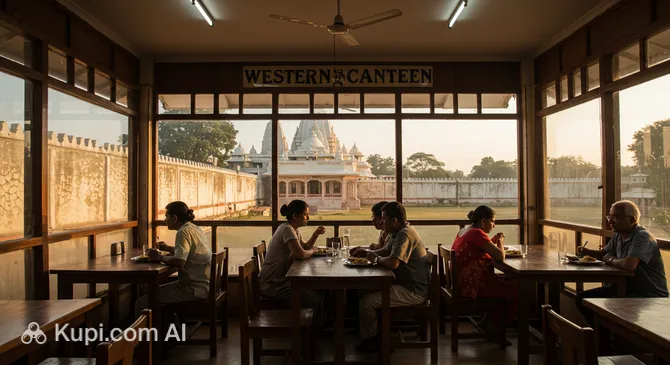
The food culture in Puttaparthi is diverse. You will find many cozy cafes and small restaurants offering South Indian cuisine. Many of them operate on the principle of a "clean kitchen" (Sattvic food), which is important for pilgrims. For example, you can visit the Western Canteen. Street food is also present: you can snack on fresh samosas or other local snacks. Furthermore, Puttaparthi has farmers' markets selling fresh vegetables, exotic fruits, spices, and homemade sweets like payasam (sweet rice pudding) or coconut candies.

Western Canteen. Illustration.
Source: Kupi.com AI

Traveler photos:

A special gastronomic experience can be had during religious holidays and festivals. During these days, temporary kitchens often appear on the streets, preparing traditional dishes according to ancient recipes and offering them to all who wish, allowing you to touch the heart of true home-cooked Indian cuisine, prepared with love.

Travel Tips

Welcome to Puttaparthi, a unique place with a deep spiritual atmosphere! To make your journey to this special corner of India as comfortable and meaningful as possible, we have prepared some practical tips.

  1. Clothing and Essentials:

    A tropical climate prevails in Puttaparthi, so choose light, breathable clothing made of cotton or linen. Monsoon rains are possible from June to October, and from November to February, the weather is milder. Don't forget sunscreen, a hat, comfortable shoes for long walks (especially around the ashram territory), and an adapter for Indian sockets (Type D, and less commonly C and M). Given Puttaparthi's status as a spiritual center, it is extremely important to maintain modesty in dress: women are recommended to wear clothing that covers shoulders, chest, and knees (e.g., sarees, Punjabi suits, long skirts), and men should wear shirts or T-shirts and long trousers. Stricter rules may apply within the Prashanthi Nilayam ashram.

  2. Local Transport:

    Puttaparthi is a small town, and the main means of transport here are auto-rickshaws. Always agree on the price of the trip in advance. For longer trips, you can hire a taxi. Public buses connect Puttaparthi with other cities, but they are less convenient for travel within the town itself. Renting a car is impractical for most tourists due to the specific nature of local traffic.

  3. Finances: All About Money:

    The local currency is the Indian Rupee (INR). You can exchange currency at banks or authorized exchange offices; sometimes this service is available within the ashram territory. Credit and debit cards are accepted in some hotels and large shops, but cash remains the primary method of payment, especially in small stalls and for rickshaw fares. There are ATMs in the city; it is preferable to use those located at banks. Puttaparthi is considered a relatively inexpensive place. Tipping is not mandatory but welcomed (5-10% in restaurants).

  4. Health and Safety:

    There are pharmacies in the city, but if you take specific medications, it is better to bring a supply with you. Puttaparthi is home to the famous Sri Sathya Sai Super Speciality Hospital, providing high-quality medical care. Having travel insurance is mandatory. The city is considered quite safe, especially around the ashram. Nevertheless, observe standard precautions: watch your belongings, drink only bottled water, and thoroughly wash your hands, vegetables, and fruits.

  5. Communication and Language:

    The main language in Puttaparthi is Telugu, and Hindi is also common. English is widely used in the tourism sector, hotels, shops, and, of course, in the ashram. Learn a few simple phrases: "Namaskaram" (Hello/Goodbye in Telugu), "Dhanyavad" (Thank you in Hindi). A local SIM card (e.g., Airtel, Jio) can be purchased upon arrival in India by presenting your passport and visa. Wi-Fi is available in most hotels and some cafes.

  6. Local Etiquette and Traditions:

    Greet local residents with "Namaste" or "Namaskaram," with your palms folded at your chest. Maintain silence and show respect in the ashram and other holy places. Be sure to remove your shoes before entering temples and homes. Try not to use your left hand to pass food, money, or important items, as it is traditionally considered "unclean." Locals are usually very friendly and hospitable, especially toward those who respect their culture.

  7. Things to Avoid:

    Refrain from photographing people without their prior permission, especially within the ashram territory or during religious ceremonies. You should also avoid publicly criticizing local customs, religious beliefs, or the figure of Sathya Sai Baba, as this could deeply hurt the feelings of believers.

  8. Special Advice – Atmosphere of the Place:

    Puttaparthi is, above all, a center for spiritual pilgrimage. Be prepared for a special, meditative, and calm atmosphere. Many come here not for typical tourist entertainment but in search of spiritual experience and peace. Show respect for this, even if you hold different views. Attending darshans (if they are held during your visit) can be a unique and memorable experience.

We hope these tips help you better prepare for your trip and get the most positive impressions from your stay in amazing Puttaparthi. Have a wonderful journey!

Entertainment & Nightlife

Puttaparthi, world-renowned as a spiritual center, offers its guests primarily quiet and peaceful evening entertainment, consistent with its special status. Here you won't find noisy nightclubs or busy bar streets typical of major tourist cities. Instead, evenings in Puttaparthi are conducive to reflection, attending spiritual events, or quiet dinners.

The main evening activity is centered around the ashrams and spiritual centers, where lectures, meditations, or devotional songs (bhajans) may take place, sometimes continuing late into the evening. The atmosphere here is always peaceful and blessed. Many visitors prefer to spend their evenings in a calm setting, enjoying the silence and the special energy of this place. As for dining options, there are several restaurants in the city. One such place is the Western Canteen, where you can spend an evening over a meal. Generally, establishments in Puttaparthi close quite early, and active nightlife in the conventional sense is absent.

Practical tips for an evening in Puttaparthi: plan your movements in advance, as public transport and taxi services (usually auto-rickshaws) may be limited late at night. The city is generally considered safe, especially in areas adjacent to the main ashrams, but standard precautions should always be observed, particularly if walking alone.

Prasanthi Nilayam. Illustration.
Source: Kupi.com AI

Traveler photos:

During the day, Puttaparthi offers many opportunities for spiritual enrichment and exploring a unique culture. The main center of attraction is, of course, Prashanthi Nilayam – the ashram of Sathya Sai Baba, which attracts pilgrims from all over the world. It is also worth visiting the Chaitanya Jyoti Museum, which tells the story of Sai Baba's life and teachings. For nature lovers, a visit to the Kalpavriksha Tree, believed to possess special powers, can be very interesting. If you are looking for some water activities, consider Sai Aqua Boating.

Parks & Museums

Puttaparthi, known primarily as a spiritual center, offers visitors a unique combination of peaceful green zones and sites that deeply reflect its cultural and spiritual heritage. Although there are few traditional urban parks here, nature and spirituality are closely intertwined, creating a special atmosphere for walks and reflection.

Among the iconic natural and spiritual sites, the Kalpavriksha Tree stands out. This old tamarind tree is considered sacred and, according to legend, fulfills wishes, attracting pilgrims and tourists with its peaceful aura. For those seeking opportunities for relaxation near the water, Sai Aqua Boating can offer pleasant moments in the fresh air and the chance to enjoy the surrounding landscapes. Additionally, the vast territory of the Prashanthi Nilayam ashram is famous for its beautifully maintained gardens and quiet zones, which are in themselves a wonderful place for walks and meditation.

Sai Aqua Boating. Illustration.
Source: Kupi.com AI

Traveler photos:

The main cultural and historical site telling the story of the city and its spiritual leader is the Chaitanya Jyoti Museum. The exhibitions of this unique museum are dedicated to the life and teachings of Sathya Sai Baba, offering visitors a deep dive into his philosophy and extensive humanitarian work. This is a must-visit place for those who want to understand the essence of Puttaparthi. The Prashanthi Nilayam complex itself is not only a pilgrimage site of global importance but also an important cultural and architectural ensemble reflecting the unique style and spirit of this place. Its halls and buildings often host lectures and cultural events.

For a complete experience, do not limit yourself only to the main attractions; walk through the quiet streets of the town, observe daily life, and feel the special, peace-filled energy of this place. Often, small temples or meditation halls not listed in popular guidebooks can provide unexpected discoveries and deep tranquility.

Getting Around

Public transport in Puttaparthi is quite simple and corresponds to the size of this small city, known primarily as a spiritual center. You can get around the city and its surroundings in several ways, each with its own characteristics.

The main types of public transport in Puttaparthi are buses and auto-rickshaws (tuk-tuks). State and private buses connect Puttaparthi with nearby towns and villages. Within the city itself, bus routes may not be as extensive, but they are an economical way to reach key points or travel outside the city. Auto-rickshaws are the most common and convenient way to travel short and medium distances within Puttaparthi. They are ubiquitous and can take you almost anywhere in the city.

The payment system in Puttaparthi is primarily cash. In buses, tickets are usually purchased from the conductor directly upon boarding. Bus fares are typically fixed and low. For auto-rickshaw rides, the cost should be negotiated in advance before starting the trip, as there may be no fixed tariffs or meters. Bargaining is appropriate, especially if you have an idea of the approximate distances and prices. Specialized transit cards or mobile apps for public transport payment are not commonly used in Puttaparthi.

Tourists are advised to carry small bills for fare payments. Buses usually run during the day, from early morning until evening, but schedules may not always be precise. Auto-rickshaws are available almost around the clock, but their numbers may decrease at night. Bus stops may be marked, but often a bus can be stopped with a wave of a hand. An auto-rickshaw can be hailed directly on the street.

As an alternative to public transport, it is quite comfortable to get around on foot for short distances in Puttaparthi, especially in the central part of the city and around the ashram. For longer trips or for more comfort, you can use taxi services, which can be ordered through a hotel or found at designated stands, although they are less common than auto-rickshaws and usually more expensive. Bicycle rentals or car-sharing are not popular options in Puttaparthi.

Accommodation

In Puttaparthi, you will find various accommodation options primarily geared toward pilgrims and visitors to the ashram. The range of housing includes budget guesthouses, ashram rooms, as well as mid-range hotels and more comfortable apartments for long-term stays. There are few luxury resorts here, as the city is more focused on the spiritual component.

Most accommodation options are concentrated in the immediate vicinity of the main ashram, Prashanthi Nilayam, which is very convenient for those visiting for spiritual events. Housing can also be found in the areas adjacent to the ashram, from which the city's main sites are easily reachable on foot or by auto-rickshaw. The choice of neighborhood depends on your preferences for noise levels and distance from the main flow of visitors.

While the provided list of attractions does not include specific hotel examples, there are many small hotels and guesthouses in Puttaparthi offering basic amenities. The price range mostly varies from very budget to mid-range. Many accommodations can be booked through popular online platforms, but direct booking upon arrival or through local contacts is also common, especially for guesthouses.

It is recommended to book accommodation in advance, especially if your trip coincides with major festivals or holidays at the ashram, when the demand for housing spikes. At other times, you can usually find a suitable option upon arrival, but advance planning will help avoid extra hassle and provide a wider range of choices.

Nearby Cities

For those who want to explore the surroundings, Puttaparthi serves as an excellent starting point for day trips to several interesting nearby places: for example, you can visit Gorantla (about 21 km), known for its ancient Madhavaraya Swami temple, or head to Penukonda (about 25 km), where a historical fort that was once one of the capitals of the Vijayanagara Empire is preserved. Dharmavaram (about 29 km), famous for its hand-woven silk sarees, is also popular. Below is a table with some nearby towns that may be of interest for short visits:

CityPopulationDistance
Enumulapalle10 7093 km
Bukkapatnam12 1964 km
Kottacheruvu14 5645 km
Siddarampuram9 81513 km
Mandalapalle8 50818 km

These nearby destinations provide insight into the diverse culture and landscapes of the region, complementing the experience of visiting Puttaparthi.

Shopping & Souvenirs

Shopping in Puttaparthi has its own special atmosphere, closely linked to the spiritual character of the city. You won't find huge shopping malls or global brand boutiques here. Instead, shopping in Puttaparthi is an opportunity to purchase items that reflect local culture and spiritual traditions, as well as everyday goods. The city is famous for religious paraphernalia, books on spirituality, and items crafted by local artisans.

The main trading activity is concentrated on the streets adjacent to the main ashram—Prashanthi Nilayam. This is where most of the shops and stalls offering a variety of goods are located. A stroll along Main Road and its side streets will allow you to explore the assortment of local vendors. Smaller shops can also be found near other significant sites in the city.

There are no large modern shopping centers in Puttaparthi in the conventional sense of the word. Shopping here is mainly represented by small private shops, stalls, and street kiosks. This gives the shopping process a special, more authentic flavor.

While there are no large, specially organized tourist markets in Puttaparthi, you may encounter small street bazaars or individual stalls selling fresh fruit, vegetables, flowers, as well as simple souvenirs and handmade items. These places offer an opportunity to dive into the city's daily life and perhaps find something interesting at an affordable price.

Souvenirs related to spiritual themes are traditionally brought from Puttaparthi. Popular items include images and figurines of Sai Baba, books about his teachings and life, incense, prayer beads (malas), and CDs of spiritual music and chants. It is also worth paying attention to simple and comfortable clothing made of natural cotton—kurtas, shawls, and sarongs, which are sold here in a wide variety. Sometimes you can find interesting items from local artisans, such as small carved figures or textile products.

Most shops in Puttaparthi open in the morning around 9:00-10:00 and operate until the evening, around 20:00-21:00. Some may close for a lunch break, especially during the hot time of day. The main method of payment is the Indian Rupee (INR) in cash. In some larger or tourist-oriented shops, credit cards may be accepted, but it is always better to have enough cash on hand, especially for purchases in small stalls and markets.

The Tax Free system for tourists is not as widespread in Puttaparthi as it is in major metropolises or international airports in India. Most goods purchased here generally do not fall under this scheme, or the shops do not participate in it. If you make a large purchase in a reputable store, you can ask about Tax Free, but you should not count on it specifically.

Nearby cities

Reached the end of the page?

That means the route is fully explored