Support

Rewa

About

Rewa is a colorful city in the state of Madhya Pradesh, often referred to as the "land of white tigers." Situated on a picturesque plateau, it attracts travelers with its unique blend of natural beauty and a rich cultural past. With a population of over 236,000 people, the city offers a cozy and authentic atmosphere, distinct from the bustling metropolises that India is famous for.
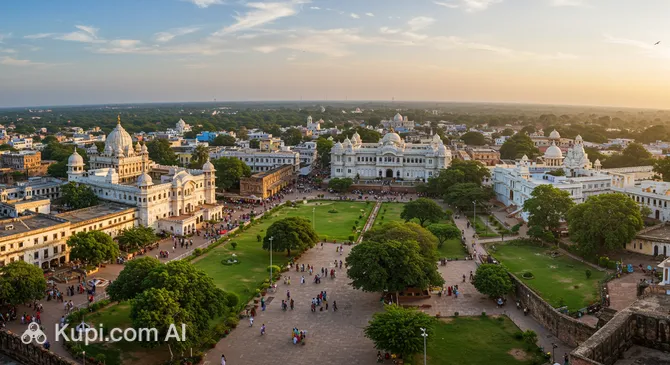
Rewa. Illustration.
Source: Kupi.com AI

Rewa's geographical location makes it an important hub in the central part of the country. The climate here is typical for the region: hot summers, a humid monsoon season that transforms the landscape, and mild, comfortable winters that are ideal for sightseeing. A special place in the city's life is occupied by its heritage. The fascinating history of Rewa is inextricably linked with the Baghela dynasty and the majestic architectural monuments that have survived to this day.

Tourists come here for several key features. First and foremost are the white tigers — it was in the forests of this region that the first representative of this rare species was discovered, and today a unique safari park operates here. Additionally, the city's surroundings are famous for breathtaking waterfalls, such as Chachai and Keoti, which are particularly full and beautiful after the rainy season. Architecture enthusiasts will appreciate the ancient Rewa Fort, which towers over the confluence of the rivers.

A visit to Rewa is an opportunity to experience true Indian exoticism away from the beaten tourist paths. The hospitality of the locals, the majestic nature, and the legends of ancient rulers will make your trip unforgettable.

Weather Overview

The city's climate is characterized by a clear succession of seasons, typical for central India. The hottest period is late spring: in May, the average temperature reaches 32.6°C, and daytime maximums often exceed 39°C. With the arrival of June, the monsoon season begins, lasting until September; in July and August, the number of rainy days can reach 26 per month, bringing much-needed freshness after the summer heat.

Winter in the region is mild and dry, making it the most favorable time to visit. In January, the coldest month, the average temperature is a comfortable 15.6°C, although nights can be cool, dropping to 9.3°C. Precipitation during this time is practically non-existent.

Expect very hot summers, a humid rainy season, and pleasant, sunny winters. To choose your travel dates accurately and prepare for the conditions, check what the weather in Rewa is forecast for the near future.

Average monthly temperature

Average monthly precipitation

Interesting Facts

Beyond its main attractions, Rewa holds many fascinating secrets, from unique natural phenomena to modern technological records. This city can surprise even seasoned travelers with unexpected facts that rarely make it into standard guidebooks.

  • The genetic homeland of all white tigers. Rewa is known worldwide for a unique event: it was here in 1951 that Maharaja Martand Singh discovered the first white tiger in the wild, named Mohan. Amazingly, almost all white tigers living today in zoos around the world are direct descendants of this legendary beast from the forests of Rewa.

  • Energy for the capital's metro. The city plays a key role in the country's modern "green" energy. It is home to the Rewa Ultra Mega Solar power plant, one of the largest in Asia. An interesting fact: this very station in the heart of Madhya Pradesh provides a significant portion of the electricity for the Delhi Metro, located hundreds of kilometers away.

  • Unique "Supari" art. Rewa is famous for a rare type of artistic craft—carving on betel nuts (areca palm). Local craftsmen masterfully transform these hard, small nuts into complex miniature sculptures, figurines of deities, and keychains. This art requires incredible patience and precision, and finding such items outside the region is extremely difficult.

  • Record-breaking waterfalls. Although India is rich in water resources, the Rewa district is home to the highest waterfall in the state—Bahuti Falls, which reaches a height of 198 meters. The plateau landscape is so unique that several giant cascades can be found within an hour's drive of the city, which is why the region is sometimes compared to the Ethiopian Highlands.

How to Get There

When planning a trip to this colorful corner of Madhya Pradesh, it is worth thinking through the logistics in advance. There is no direct air service to the city, but a developed network of roads and railways makes the trip quite comfortable. To explore all available routes and schedules in detail, visit the how to get to Rewa page.

Since Rewa itself does not have an airport, it is most convenient for travelers to fly to nearby major cities. The closest to the city is Bamrauli Airport (IXD), located in Prayagraj, about 109 km from Rewa. A taxi ride from there will take about 3 hours.

For those who prefer major transport hubs with a large number of flights, Lal Bahadur Shastri International Airport (VNS) in Varanasi (about 187 km from Rewa) is an excellent option. You can also consider flying through Jabalpur Airport (JLR), located in Jabalpur at a distance of 197 km. From both airports, Rewa can be reached by intercity bus or a pre-arranged transfer.

For clarity, here is a summary of the main airports:

AirportPassenger trafficDistance
Bamrauli Airport1.1 mln109 km
Khajuraho Airport25 973144 km
Lal Bahadur Shastri International Airport4.0 mln187 km
Jabalpur Airport392 869197 km
Kanpur Airport322 252226 km

Railway transport is also a popular way to reach the region. The city has its own railway station, Rewa Terminal, which receives direct trains from major centers such as Delhi, Bhopal, and Indore. This is a terminus station, so it is always calm and convenient for boarding a train.

If direct tickets to Rewa are unavailable, experienced tourists often choose to travel to the station in the neighboring city of Satna, which is a major railway hub on the Mumbai-Kolkata line. Satna is only 50 km from Rewa, and this distance is easily covered by frequent buses or taxis in less than an hour and a half.

Main Attractions

The city of Rewa and its surroundings are a true treasure trove for history buffs and nature lovers. While many tourists come here primarily for the famous white tigers, the region's architectural and landscape heritage deserves just as much attention. Here, you can see majestic fortresses, ancient royal residences, and breathtaking waterfalls that create the unique character of this corner of India.

The dominant feature of the historical center is Rewa Fort. This massive structure, whose construction began several centuries ago, served as the main residence for the rulers of the Baghela dynasty. The fortress is located at the confluence of the Bihad and Bichiya rivers, which gave it significant strategic importance. The architecture of the fort, with its mighty gates and high walls, makes a strong impression, allowing guests to touch the rich past of the princely state and feel the spirit of a bygone era.

Nature lovers should definitely visit the Chachai Falls, located in the vicinity of the city. It is one of the highest and most picturesque waterfalls in the state of Madhya Pradesh. The waters of the Bihad River plunge here from a height of over 130 meters into a deep canyon, creating a mesmerizing sight. The waterfall looks especially impressive during the monsoon season, when the flow becomes powerful and full, and the surrounding cliffs are covered in lush greenery.

Another important attraction is Govindgarh, the former summer capital of the Maharajas, located near Rewa. This place is famous for its ancient palace, picturesquely situated on the banks of a huge man-made lake. Govindgarh is not only an architectural monument but also a historically significant site: it was here that the first white tiger caught in the wild was kept for a long time. The quiet atmosphere and beautiful views make this place ideal for a peaceful walk.

Local Cuisine

The cuisine of Rewa is a vibrant example of the culinary traditions of the Baghelkhand region. Local gastronomy is characterized by the use of simple but rich ingredients, an abundance of spices, and unique cooking methods rarely found in other parts of the country. Food here is not just for sating hunger but a real ritual reflecting the hospitality and cultural wealth of Madhya Pradesh.

The main culinary symbol of the region is Indrahar. This unique dish is made from a mixture of five types of lentils (dal), which are fermented, steamed, and then fried until golden brown. Indrahar is usually served with a thick yogurt and gram flour gravy called kadhi. Another mandatory item on a tourist's menu should be Dal Bafla—a local variation of the popular Rajasthani dish. These are baked wheat flour balls that are generously soaked in clarified butter (ghee) and served with a spicy lentil soup.

For those with a sweet tooth, Rewa offers its own special desserts. You should try Mawa Jalebi—a denser and richer version of the classic Indian treat, prepared with the addition of condensed milk (mawa). The region is also famous for its Kalakand—a soft milk dessert prepared here using ancient recipes, preserving its incredibly delicate texture.

As for drinks, a local's day is impossible to imagine without a cup of hot, sweet, and spicy masala tea. It is sold literally on every corner in small clay cups, which give the drink a special earthy aroma. On hot days, Lassi is popular—a refreshing yogurt drink, often served here with a topping of thick cream. From the local flavor, one can note drinks based on mahua tree flowers, though they have a specific taste and are part of rural culture.

The dining culture in Rewa is democratic. Although there are hotel restaurants with comfortable environments, the true soul of local cuisine lives on the streets and in small roadside cafes called dhabas. The most delicious and authentic dishes can often be found in bustling bazaars and around squares, where a lively street food trade unfolds in the evenings. Tourists should be prepared for the fact that many traditional dishes here are eaten with the hands, which is considered an important part of enjoying the flavor.

Travel Tips

Welcome to Rewa! To ensure your journey to this unique corner of Madhya Pradesh is as comfortable as possible and leaves only pleasant memories, we have prepared a list of important recommendations. These tips will help you easily navigate local realities, avoid common mistakes, and show respect for the region's culture.

  1. Clothing and Equipment. Given the hot climate of the region, opt for clothing made of natural breathable fabrics like cotton or linen. Since Rewa is a city with conservative values, avoid overly revealing outfits (mini-skirts, deep necklines); it's better to keep shoulders and knees covered, especially when visiting temples. For trips to Chachai or Keoti Falls, be sure to bring comfortable closed shoes with non-slip soles, as the paths can be rocky and damp.
  2. Transport Nuances. The main way to get around the city is by auto-rickshaws. It's important to remember that meters are almost never used here, so you must agree on the fare in advance, before getting into the transport. For trips to remote attractions, such as the White Tiger Safari or distant waterfalls, renting a car with a driver for the whole day through your hotel is the most reliable option.
  3. Financial Matters. The local currency is the Indian Rupee. While major hotels and Samdariya Mall accept cards, in most shops, markets, and small cafes, you can only pay in cash. There are ATMs in the city, but they don't always accept foreign cards or may be empty, so it's better to withdraw cash in a larger city beforehand or have a supply of dollars for exchange at a bank. Tipping is welcome: it is customary to leave about 5–10% of the bill in restaurants.
  4. Health and Hygiene. The main safety rule is to drink only bottled water and check the integrity of the cap when purchasing. Avoid ice in drinks from street vendors. Pharmacies are common in Rewa, but 24-hour ones are hard to find, so pack a basic first-aid kit (stomach remedies, antiseptics, plasters). During summer and the monsoon season, be sure to use mosquito repellent.
  5. Language and Connectivity. The primary language is Hindi and the local Bagheli dialect. Hotel staff and some shopkeepers understand English, but it might be difficult to communicate on the street. It is recommended to install an offline translator on your phone. Wi-Fi is available in hotels, but for a stable connection, it's better to purchase a local SIM card (passport and photo required) at official telecommunication stores.
  6. Local Etiquette. In India, the left hand is considered "unclean," so you should pass money, accept gifts, or eat food (if eating with your hands) strictly with your right hand. Always remove your shoes before entering any temple or private home. A "Namaste" greeting with folded palms will be received by locals with great warmth and respect.
  7. What to Avoid. Refrain from public displays of affection (kissing and hugging) on the streets, as this can embarrass locals. You should also avoid photographing people, especially women, without their prior permission—this is considered bad manners and can lead to conflict.
  8. A Unique Souvenir. Don't leave the city without "Supari" art products. Rewa is the only place where craftsmen carve amazing miniatures from hard betel nuts. Buying such a souvenir will not only be a great memory of your trip but also support local artisans preserving this rare tradition.

Rewa is a hospitable city that reveals itself to those who show patience and interest in its traditions. By following these simple practical tips, you can feel confident and safe while enjoying the beauty of the land of white tigers.

Entertainment & Nightlife

Nightlife in Rewa has its own special, quiet, and measured rhythm, significantly different from the noisy megacities India is known for. Here, you won't find 24-hour nightclubs with loud electronic music or large-scale parties until morning. Evening leisure here primarily consists of pleasant dinners with family or friends, trips to the cinema, and leisurely strolls along lively shopping streets where life buzzes after sunset.

The center of attraction for local youth and tourists in the evening is Samdariya Mall. This is the city's main modern shopping and entertainment complex, where you can not only shop but also spend time in a comfortable environment. Inside is the popular Gold Cinema multiplex, which screens the latest Bollywood and international releases. It is one of the best places to spend an evening in air-conditioned comfort, enjoying high-quality sound and picture.

If you are looking for a place to sit with a drink and relax, you should look toward the bars and restaurants at major hotels. In Rewa, the bar culture in the Western sense is underdeveloped and quite conservative. Establishments like the restaurant at the Rewa Raj Vilas hotel or bars at other high-end hotels offer decent service, menus featuring Indian and Chinese cuisine, and a selection of drinks. The atmosphere here is usually quiet, conducive to conversation, and the dress code implies a neat casual style.

However, the true soul of evening Rewa reveals itself on the streets. The Sirmour Chowk area and its adjacent blocks turn into an open-air gastronomic paradise at dusk. Numerous street food stalls operate here, where you can try local delicacies such as chaat, pani puri, and hot masala tea. These are perfectly safe and very colorful places where you can get a real taste of the city and observe the lives of the locals.

As for daytime entertainment transitioning into the evening, it is cultural and educational in nature. In and around the city, you can visit picturesque parks like Eco Park, which is great for sunset picnics. Art lovers can stop by local cultural centers to dive deeper into the region's history before dinner.

When planning an evening out, keep a few practical tips in mind. Most establishments, including restaurants and shopping centers, close fairly early—around 22:00–23:00. Night walks in the city center are considered safe, but tourists are advised to avoid poorly lit outskirts. For travel at night, it is best to use a pre-booked taxi or arrange with an auto-rickshaw driver to wait for you at the restaurant, as catching transport late at night can be problematic.

Parks & Museums

The city of Rewa offers travelers a wonderful combination of natural beauty and rich historical heritage, carefully preserved in local museums. From unique wildlife sanctuaries where you can encounter the rarest animals to royal galleries with artifacts of the princely dynasty—there is much of interest here for those who want to get to know the culture of central India more deeply.

One of the main natural attractions of the region is the Mukundpur White Tiger Safari (Maharaja Martand Singh Judeo White Tiger Safari), located just 15 km from the city. It is the world's first sanctuary of its kind, created on the lands where the legendary white tiger Mohan was once found. The park's vast territory allows visitors to observe these majestic predators in conditions as close as possible to their natural habitat. In addition to tigers, the park is home to bears, leopards, and many species of birds, making it an ideal place for eco-tourism and family vacations.

In the heart of the city lies Rani Talab—a picturesque historical pond that serves as a true green oasis for locals. In the center of the water is an ancient temple of the goddess Kali, accessible by a boat ferry. Surrounded by well-kept gardens and walking paths, Rani Talab is perfect for morning jogs or quiet evening strolls, allowing you to escape the city bustle and enjoy the coolness by the water.

To immerse yourself in the history of the princely state, be sure to visit the Baghel Museum, located within the Rewa Fort. This private museum houses the personal belongings of the royal family, ranging from ancient weapons and ceremonial robes to hunting trophies. The most famous exhibit is the taxidermy of the very first white tiger, Mohan, caught by Maharaja Martand Singh. The museum's galleries are steeped in the atmosphere of former greatness and tell the gripping story of the Baghela dynasty.

Another significant cultural site is Venkat Bhavan, which functions as a regional museum today. It is an early 20th-century architectural masterpiece built with elements of Saracenic style. The building itself is interesting for its unique carvings, internal pool, and system of underground tunnels once used for defensive purposes. The museum's collection features ancient stone sculptures found in the vicinity and historical documents.

Nature lovers should also pay attention to the surrounding waterfalls, such as Chachai and Keoti, which essentially function as natural parks. Deep canyons and powerful flows of water, especially during the monsoon season, create incredible landscapes reminiscent of the Grand Canyon and serve as great spots for picnics and photo sessions.

Insider Tip: Come to Rani Talab at sunset. At this time, the temple in the center of the lake is beautifully illuminated, and the atmosphere fills with the sounds of evening prayer (aarti), creating an incredibly peaceful and authentic mood that is rarely captured in popular tourist spots.

Getting Around

The public transport system in Rewa is quite simple and typical for small cities in the region. You won't find subways, trams, or high-speed trains here; the primary transport load falls on the roads. Moving around the city may seem chaotic, but it is colorful in its own way, and it is important for a tourist to know the local features to get to the right place quickly and without overpaying.

The most popular and ubiquitous means of transport are auto-rickshaws. They are divided into two types. The first is individual rickshaws (tuk-tuks) that operate as a taxi: you hire a driver for a trip to a specific address. The second type is shared taxis, often called "tempos" or "magics" by locals. These are larger vehicles that ply fixed routes and pick up many passengers along the way. This is the most budget-friendly way to get around, but it is unlikely to suit those who value personal space.

City buses exist in Rewa, but their route network is mainly oriented toward locals commuting from the suburbs and can be difficult for a tourist to understand. Buses are often overcrowded, and schedules are followed loosely. If you decide to use this mode of transport, tickets are purchased in cash directly from the conductor inside. The fare is very low.

When it comes to payment in Rewa, cash reigns supreme. There are no unified transport cards, passes, or mobile apps for paying for public transport here. In auto-rickshaws, meters are almost never used. Important tip: always agree on the fare before getting into the vehicle. Bargaining is an essential part of the process. Make sure you have small bills, as drivers often don't have change for large banknotes.

Ride-hailing apps common in megacities work inconsistently or may be completely unavailable in Rewa. You shouldn't rely on them as your primary way of getting around. The best alternative for comfortable sightseeing, especially to distant waterfalls and forts, is renting a car with a driver for the whole day. This is easiest to arrange at your hotel reception or at a local transport agency.

For short distances, especially in the labyrinths of old bazaars where cars find it difficult to pass, cycle rickshaws are still used. This is a slow but eco-friendly way to travel, allowing you to leisurely observe city life. As with motorized transport, the fare should be discussed in advance.

Accommodation

The hotel sector in the city of Rewa is currently in a state of active development. While you are unlikely to encounter familiar international chain giants here, the city offers a decent selection of accommodation focused on sincere Indian hospitality. The bulk of the room stock consists of mid-range and budget hotels that provide basic comfort, cleanliness, and the necessary amenities to rest after a busy day of sightseeing.

When choosing a place to stay, you should consider the purpose of your visit. The most popular and convenient area is Civil Lines and the vicinity of the Shilpi Plaza shopping center. Staying here, you will be in the thick of city life, with easy access to restaurants and markets. If your priority is logistics and further travel around Madhya Pradesh, it is sensible to consider options near the Rewa Terminal railway station. This will save time on transfers.

A special category of accommodation is represented by hotels located in or styled after historical buildings. A prime example is Rewa Raj Vilas—a hotel that allows you to experience the atmosphere of the region's royal past. Such places often offer more spacious rooms, well-maintained grounds, and a restaurant with quality cuisine. Otherwise, modern buildings with functional designs predominate, featuring air conditioning and Wi-Fi.

The price range in Rewa is very attractive for the budget traveler. The cost of living here is significantly lower than in the popular tourist centers that India is famous for. Even the best "luxury" category rooms by local standards will be quite modestly priced compared to capital rates. Most hotels can be booked through major online platforms, but for smaller guesthouses, it is sometimes more reliable to call directly.

Booking tip: Although Rewa is not overcrowded with tourists year-round, the situation changes during the winter season (from October to March) and during Indian wedding periods. At these times, the best accommodation options can be fully booked. It is recommended to book a room at least a couple of weeks before your trip to guarantee a comfortable stay.

Nearby Cities

For those looking to explore the surroundings, Rewa serves as an excellent starting point for day trips to several interesting nearby locations:

CityPopulationDistance
Khaur8 6036 km
Govindgarh12 80018 km
Gurh16 43421 km
Mangawan15 25928 km
Havi Bhauwar16 67634 km

Each of these cities offers its own unique experiences for the traveler:

Maihar is one of the most famous pilgrimage centers in the region. The city is renowned for the ancient Sharada Devi Temple, located atop Trikuta Hill, which is reached by over a thousand steps (a cable car is also available). Additionally, Maihar is famous for its musical heritage: the legendary musician Allauddin Khan, founder of one of the schools of Indian classical music, lived here.

Satna is an important commercial and transport hub but is also of interest to history lovers. Nearby are the ruins of the famous Bharhut Buddhist stupa, dating back to the 3rd century BC. Satna often serves as a convenient base for further travel to the Khajuraho temples or Panna National Park.

Sidhi attracts those seeking communion with nature. This city is located near the Sanjay-Dubri National Park, which is home to tigers, leopards, and many species of birds. It is an excellent destination for eco-tourism and wildlife enthusiasts wanting a break from the city bustle.

These nearby destinations provide an insight into the diverse culture and landscapes of the region.

Shopping & Souvenirs

Shopping in Rewa is an opportunity to immerse yourself in the authentic atmosphere of provincial India, where modern trends intertwine with age-old trading traditions. The city does not claim to be a fashion capital, and you are unlikely to find boutiques of international luxury brands here. However, Rewa attracts travelers with its colorful bazaars, unique handicrafts, and fair prices that are significantly lower than in the major tourist centers India is famous for.

The center of commercial life in the city is the Shilpi Plaza area. This is the main open-air shopping complex and its surrounding streets, where many clothing, footwear, and electronics stores are concentrated. It is always crowded, and this is where locals come to shop for special occasions. Another important commercial artery is the Sirmour Chowk area, where trade is more chaotic but no less brisk, offering everything from household trifles to bright fabrics.

For those who prefer comfortable shopping in air-conditioned premises, Samdariya Mall operates in the city. This is perhaps the most notable modern shopping center in Rewa. It features mass-market brands, a food court, and entertainment zones. Although it is smaller in scale than capital malls, you can find quality clothing, cosmetics, and accessories here in a familiar European-style environment.

The true spirit of the city lives in its traditional markets. Strolling through the old bazaars, tourists can find spice stalls whose aroma fills the entire block, and shops selling traditional Indian clothing. Rewa's markets are places where bargaining is common. Don't hesitate to discuss the price with sellers, especially when buying sarees, jewelry, or handmade items—it is part of the local culture of communication.

The main souvenir worth bringing from Rewa is unique "Supari" (betel nut carving) products. Local craftsmen masterfully carve miniature figurines of deities, keychains, toys, and decorations from hard nuts. This craft is the pride of the region, and such items are hard to find anywhere else. Also, look out for traditional Madhya Pradesh fabrics and copperware, which is famous for its quality.

Most shops in the city open fairly late, around 10:30 or 11:00 AM, and operate until 9:00–10:00 PM. Many stalls are closed on Sundays or have reduced working hours. As for payment, major stores and Samdariya Mall accept bank cards, but in markets and small stalls, cash is king. It is recommended to always carry a supply of small bills for transactions with street vendors.

The Tax-Free system (VAT refund) in Rewa, as in most non-tourist cities in the country, is effectively unavailable for foreign travelers. The tax refund procedure is oriented toward major international airports and brand stores in megacities, so you shouldn't count on this option when shopping here.

Reached the end of the page?

That means the route is fully explored