Support

Srikakulam

About

Srikakulam is a small but surprisingly atmospheric city located in southeastern India, in the state of Andhra Pradesh. It offers travelers a unique combination of cultural heritage and natural beauty, creating a special and memorable ambiance.

The city is nestled comfortably on the banks of the Nagavali River near the Bay of Bengal, which gives it a special character: on one side are the sea and picturesque beaches, and on the other are green hills and plantations. The population of Srikakulam is about 138,000 people, and the city serves as an important administrative center for its district, playing a significant role in the life of the local community.

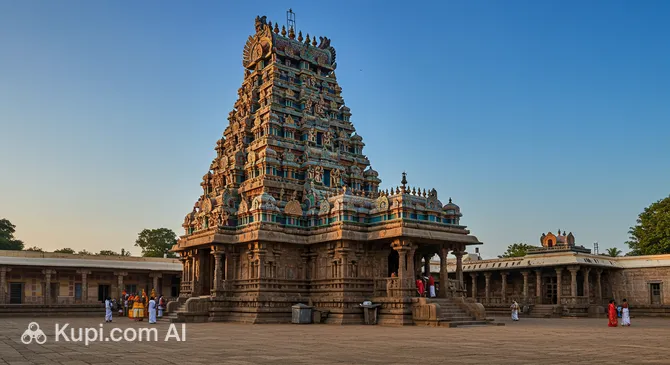
Srikakulam. Illustration.
Source: Kupi.com AI

Srikakulam attracts travelers with its peaceful atmosphere, the hospitality of the locals, and its rich cultural heritage. Here, you can feel the spirit of the real Indian province—without the hustle and bustle of megacities, but with bright colors, vibrant markets, and scenic landscapes. The city is actively developing its tourism infrastructure, offering a glimpse into local traditions, ancient temples, and the unique nature of the region.

If you want to experience the traditional way of life, enjoy the beauty of the Bay of Bengal, and discover little-known corners of the country, Srikakulam is an excellent choice for your journey, offering an authentic and unforgettable experience.

You can find more interesting facts on the Srikakulam city history page.

Weather Overview

The weather in Srikakulam is characterized by a hot and humid climate for most of the year. The average annual temperature ranges from 23.1°C in January to 31.2°C in May. The hottest months are April and May, when maximum temperatures can reach 35.1°C. The rainy season occurs from June to September, with July and September seeing the highest rainfall (10-11 mm) and the maximum number of rainy days (up to 27). The winter months, from December to February, are cooler and drier, with average temperatures around 23-25°C and minimal precipitation. Expect a hot summer with frequent rains and a relatively warm, dry winter. To learn more about the climate in Srikakulam, visit the dedicated page.

Average monthly temperature

Average monthly precipitation

Interesting Facts

In addition to its famous temples and historical monuments, Srikakulam hides many surprising details and lesser-known stories that make getting to know it even more fascinating. Here are some interesting facts to help you look at this city from a new perspective:

  • Few know that the surroundings of Srikakulam, specifically the Kurupam area within its district, are deposits of gemstones, including beryls. This makes the region attractive not only to history buffs but also to lovers of geology and jewelry art.

  • Surprisingly, Srikakulam, with its picturesque landscapes and authentic atmosphere, often serves as a filming location for Indian movies. So, while walking its streets, you might be stepping on spots captured on the big screen.

  • The city lives in the rhythm of unique traditions and customs related to agriculture and fishing. Distinctive festivals dedicated to the harvest and the gifts of the sea are held here, during which the streets are filled with music, dancing, and the aromas of traditional treats.

  • In the vicinity of Srikakulam, you can find not only unique natural attractions but also places closely linked to ancient Indian legends, giving a journey to this region a special, almost mystical atmosphere.

  • Srikakulam is famous for its crafts. Local artisans create beautiful fabrics, original jewelry, and household items that reflect the region's cultural heritage and make excellent souvenirs to remember your trip.

How to Get There

When planning a trip to this colorful region, it is important to think through your route in advance and learn more about how to get to Srikakulam. The city has decent transport accessibility, although it does not have its own airport. The main flow of tourists arrives through neighboring large cities using a combination of flights and ground transport.

There is no airport in Srikakulam itself, so travelers usually use the air harbors of neighboring cities. The closest and most convenient option is Visakhapatnam Airport (VTZ) in the city of Visakhapatnam, which is located about 95 km from Srikakulam. This is a fairly large transport hub with regular flights. A taxi ride from the airport to the city will take about 2.5–3 hours.

An alternative could be Biju Patnaik International Airport (BBI), located in Bhubaneswar. However, it is much further away—at a distance of about 296 km. The journey by car from there will take approximately 7–8 hours, so this airport is chosen less often, mainly in the absence of convenient tickets to Visakhapatnam.

For clarity, here is summary information on the main airports:

AirportPassenger trafficDistance
Visakhapatnam Airport2.8 mln95 km
Rajahmundry Airport489 114256 km
Biju Patnaik International Airport4.8 mln296 km

Railway communication is one of the most popular and budget-friendly ways to reach the region. Although the station is often associated with the city, it is important to know that the main railway station serving Srikakulam is called Srikakulam Road (station code: CHE) and is actually located in the neighboring town of Amudalavalasa, about 10–15 km from the center of Srikakulam. This station is an important stop on the Howrah–Chennai mainline, so many trains from Kolkata, Chennai, Hyderabad, and Visakhapatnam arrive here. You can easily get from the station to the city center by auto-rickshaw or local bus in 20–30 minutes.

Additionally, Srikakulam is well-connected to other cities in Andhra Pradesh by a network of roads. National Highway NH16 (formerly NH5), part of the "Golden Quadrilateral," passes through the region. Regular state buses (APSRTC) and private carriers run between Srikakulam and cities like Visakhapatnam, Vizianagaram, and Vijayawada, offering an affordable way to travel.

Main Attractions

Srikakulam and its surroundings are rich in ancient temples and cultural sites that attract both pilgrims and curious tourists. A journey here allows you to touch the unique heritage of India.

One of the main gems of the region is the Arasavalli Sun Temple. This is an ancient and highly revered temple dedicated to the Sun God, Surya. It is believed that the original temple was built in the 7th century. Its architecture and bas-reliefs are impressive, and the special atmosphere attracts believers from all over the country, especially during festivals related to the sun. A unique feature of the temple is that twice a year, in March and September, the rays of the rising sun fall directly onto the feet of the deity.

No less significant is the Sri Kurmam Temple. This is one of the few temples in the world dedicated to the Kurma avatar of Lord Vishnu—his incarnation in the form of a tortoise. The temple holds great religious importance and is famous for its ancient architecture and sculptures. Legends associated with this place date back to deep antiquity, making it an important pilgrimage center.

History and architecture enthusiasts should visit the Srimukhalingam Temple Complex. This complex, consisting of three temples dedicated to Lord Shiva, is an outstanding example of the Kalinga architectural style. The intricate stone carvings, majestic towers (vimanas), and the overall monumentality of the structures leave a lasting impression. The temples date back to the 10th-11th centuries and are considered an important historical monument.

For those interested in Buddhist heritage, the Salihundam archaeological site will be of interest. Remains of ancient Buddhist stupas, viharas (monasteries), and sculptures dating from the 2nd century BC to the 12th century AD were discovered here. This site testifies to the spread of Buddhism in the region and attracts researchers and tourists interested in ancient history.

Local Cuisine

The local cuisine of Srikakulam is a true treasure for foodies, having absorbed the best culinary traditions of Andhra Pradesh and its coastal regions. The foundation of most dishes consists of the freshest seafood, rice, aromatic vegetables, and, of course, a rich palette of spices that give the food a unique, vibrant flavor.

Be sure to try Chepala Pulusu—a delicious fish stewed with tamarind and a bouquet of local spices. This iconic regional dish perfectly demonstrates the ability of local chefs to balance sourness, heat, and aroma. Equally popular are shrimp and crab dishes, which are prepared here with the addition of gentle coconut milk and fresh herbs. It is also worth trying Puri—fluffy fried flatbreads that go perfectly with aromatic potato or vegetable curry, as well as various legume soups that are hearty and nutritious.

The streets of Srikakulam will delight lovers of fast and tasty food: here, at every turn, you can find stalls with appetizing samosas (fried pastries with filling), pakoras (vegetables or cheese in batter), and various traditional sweets like jalebi (crispy syrup-soaked spirals) and laddu (sweet balls). Local farmers' markets are a real kaleidoscope of tastes and aromas, where you can buy the freshest mangoes, bananas, coconuts, as well as unique local varieties of rice and legumes.

Popular drinks include traditional Indian tea with milk and spices (Masala Chai), refreshing Lassi (a yogurt-based drink, which can be sweet or salty), and freshly squeezed juices from seasonal fruits. Regarding alcoholic beverages, local beer varieties can be found. Locals prefer to eat both in small family restaurants and right on the street, enjoying freshly prepared dishes. Tourists will also find many establishments for every taste, from simple diners to restaurants offering more refined versions of local delicacies.

Srikakulam's gastronomic scene is a vivid reflection of Indian hospitality and rich culinary traditions. Visiting the city will give you unforgettable taste experiences, especially if you are lucky enough to catch one of the local food festivals, where you can get a deeper look at the region's authentic cuisine and even participate in cooking classes, learning the secrets of preparing dishes according to ancient recipes.

Travel Tips

Planning a trip to Srikakulam? Wonderful! To ensure your journey through this interesting city in India goes smoothly and leaves only pleasant impressions, we have prepared a few practical tips.

  1. Clothing and Essentials: Srikakulam has a tropical climate, so choose light, breathable clothing made of cotton or linen, especially in the hot months (March-May). The monsoon season lasts from June to October—don't forget a raincoat and waterproof shoes. For visiting temples like Arasavalli or Sri Kurmam, choose modest clothing that covers shoulders and knees. Be sure to bring comfortable walking shoes, sunscreen, a hat, and a power adapter (India uses types C, D, and M).
  2. Getting Around the City: The main mode of transport in Srikakulam is the auto-rickshaw—agree on the price before the trip starts. There are also state buses connecting different parts of the city and suburbs. Taxis can be hired for more comfortable travel. Ride-hailing apps like Ola or Uber may have limited coverage, so it's better to rely on local services or rickshaws. Renting a car with a driver can be a good option for exploring the surroundings.
  3. Finances: The local currency is the Indian Rupee (INR). You can exchange currency at banks or authorized exchange offices, but it's better to have some cash with you, as cards are not accepted everywhere, especially in markets and small establishments. There are ATMs in the city, but international cards might not work in all of them. An approximate daily budget for a budget traveler might be 1500-2500 rupees. Tipping is not mandatory but welcomed (5-10% in restaurants if service is not included in the bill).
  4. Health and Safety: There are pharmacies in the city, but not all are open 24/7. It's recommended to have a basic first-aid kit with you. For medical assistance, contact public or private clinics; travel insurance is mandatory. Srikakulam is generally safe, but take standard precautions: watch your belongings in crowded places and avoid walking in poorly lit areas after dark. Drink only bottled water.
  5. Communication: The official language is Telugu. English is common in tourist spots, hotels, and among the educated population, but when communicating with locals in markets or with rickshaw drivers, knowing a few phrases in Telugu will be useful. For example: "Namaste/Namaskaram" (Hello/Goodbye), "Dhanyavadalu" (Thank you), "Enta?" (How much?). A local SIM card (Airtel, Jio, Vi) can be purchased at official stores upon presentation of a passport and visa. Wi-Fi is available in some hotels and cafes.
  6. Local Etiquette: Greet people with "Namaste," joining your palms at chest level. Behave modestly in public places, avoiding loud conversations and public displays of affection. It is customary to remove your shoes before entering temples and homes. Try to use your right hand for eating, handing over money, or objects, as the left hand is traditionally considered "unclean."
  7. What to Avoid: Do not point at people or sacred objects with your feet—this is considered extremely disrespectful. Also, avoid touching the heads of locals, especially children, without their permission. Do not photograph people without their explicit consent.
  8. Extra Tip: Srikakulam is not just about ancient temples; it's also a chance to see a less touristy side of India. Try to visit local markets to feel the authentic atmosphere. The city is also known for the traditional art of Kalamkari—this can make a great souvenir. Be open to communication; locals are usually friendly and hospitable.

We hope these tips help you better prepare for your trip and enjoy every moment of your stay in Srikakulam. We wish you an unforgettable journey!

Entertainment & Nightlife

Srikakulam is a city with deep historical roots and a traditional way of life, so do not expect a wild nightlife in the Western sense here. In this part of India, entertainment is more relaxed and family-oriented. Instead of noisy discos and neon signs of night clubs, evening leisure here centers around cinemas, restaurants, and walks along the lively central streets.

The heart of evening activity is often the Seven Roads Junction area and the vicinity of GT Road. As the air cools down, locals head here for shopping and street food. Here, you can feel the true rhythm of the city: the roar of engines, the aroma of spices, and the bright lights of small shops. These are excellent places to immerse yourself in the local atmosphere, but keep in mind that most establishments close quite early, around 10:00 PM – 11:00 PM.

The main entertainment for residents and guests is the cinema. In the state of Andhra Pradesh, the cult of cinema is very strong, so going to the movies is a real event. Evening shows at popular venues like SVC Ramalaxmana or Kinnera Cinemax draw full houses. It is a fascinating cultural experience, even if you don't know the language, as the audience's reaction is often as exciting as the film itself.

If you are looking for a place to have dinner and perhaps a glass of beer or a cocktail, look for restaurants in major hotels. In Srikakulam, the "Bar & Restaurant" format is more common than standalone bars. For example, the restaurant at Hotel Nagavali offers a comfortable setting for an evening rest and a varied menu. The crowd here is more reserved, and the service meets the hospitality standards tourists are accustomed to.

Daytime entertainment in the city is mainly related to cultural and spiritual heritage. A visit to the famous Arasavalli Sun Temple, an architectural jewel of the region, is a must. Nature lovers can enjoy trips to the coast or walks in local parks where they can take shelter from the daytime heat.

In terms of safety, Srikakulam is a peaceful city, but basic rules are necessary. For getting around at night, it is best to use auto-rickshaws, agreeing on the price in advance, or order a taxi through the hotel reception. Given the conservative nature of the region, it is recommended to choose a modest style of clothing for evening outings (casual dress code, without excessive openness). Walking alone in remote and poorly lit areas after midnight is not recommended.

Parks & Museums

Srikakulam, a city with a rich history and culture, offers its guests both peaceful spots for nature retreats and fascinating places to learn about its centuries-old heritage. Every traveler will find something here, whether it's picturesque landscapes or ancient monuments.

Among the natural areas that attract tourists, the Nagavali River bank stands out. It is a popular spot for leisurely walks, offering scenic views that allow you to take a break from the city bustle and enjoy the tranquility. Not far from the city is the beautiful Kalingapatnam Beach, known for its soft sand and peaceful atmosphere. It is a great place to enjoy the sea breeze and take beautiful photos, especially at sunset.

For those interested in the history and culture of the region, the District Archaeological Museum is a key site. Here, visitors can see valuable artifacts discovered during excavations, pieces of ancient art, and exhibits that tell the story of the civilizations that once flourished on this land. The museum provides a deep understanding of the historical context of Srikakulam and its surroundings.

The historical and architectural heritage of Srikakulam is vividly represented by its famous temples, which are essentially open-air museums. One of the most significant is the Arasavalli Temple, dedicated to the Sun God, Surya. It is one of the most famous and revered Sun temples in India, attracting pilgrims and tourists with its unique architecture and ancient history. Another iconic site is the Sri Kurmam Temple, dedicated to Kurma, the tortoise avatar of Lord Vishnu. This rare and revered temple impresses with its rich history and exquisite sculptures. History lovers will also be interested in the Salihundam Buddhist complex, located near the city, which testifies to the spread of Buddhism in this region.

For a more authentic experience of Srikakulam, check out the local markets. Here you can not only find unique handmade goods and local delicacies but also observe the daily life of the city's residents. If your trip coincides with one of the colorful local festivals, it will be an unforgettable experience of immersion into the living culture of the region.

Getting Around

Public transport in Srikakulam is mainly represented by buses and auto-rickshaws, which are the most popular ways to get around the city. Bus service is provided by both state and private carriers, connecting various parts of the city and its suburbs. This is an economical option for medium and long-distance travel within Srikakulam.

Buses are the primary mode of public transport. The route network is quite developed, allowing access to most key points in the city. Fares are usually paid in cash directly to the conductor on the bus. The fare is generally low and depends on the distance; approximately, a trip around the city may cost between 10-50 Indian rupees. It is recommended to have small bills for convenience. There are generally no specialized tourist passes or unified transport cards for all types of transport in the city.

Auto-rickshaws are another common and flexible way to get around, especially convenient for short trips or when you need to get to places not served by buses. The cost of an auto-rickshaw ride is usually negotiable, so it's important to agree on the price with the driver before starting the trip. Roughly, a short trip within the city can cost from 50-100 Indian rupees, and longer routes can go up to 200-300 rupees, depending on the distance and time of day. In some cases, drivers may use a meter, but this is less common. Auto-rickshaws can be easily found on the city streets, especially in busy areas and near transport hubs.

For tourists, it is practical to carry cash, as cashless payments in public transport may not always be available. Buses usually run from early morning until late evening, but schedules can vary depending on the route. Auto-rickshaws are available almost around the clock, especially in central areas.

As an alternative to public transport, you can use taxi services, which can be ordered by phone or found at special stands. Some popular ride-hailing apps in India may also be available in Srikakulam, offering more predictable pricing. Bike rental or car-sharing are less common in the city. There are no unique transport systems like a historic metro or cable cars in Srikakulam; the transport infrastructure is fairly standard for a city of this size in the region.

Accommodation

In the city of Srikakulam, travelers can find various accommodation options to suit different budgets and preferences. Mostly, the choice is represented by mid-range hotels and more budget-friendly guesthouses. While large international hotel chains may not be widely represented here, the city has a good selection of local hotels and guesthouses offering comfortable stays. To find the most suitable option, it is recommended to use popular online booking platforms where you can check reviews and current prices.

When choosing a place to stay in Srikakulam, you should pay attention to areas located closer to major transport hubs or the central part of the city, which will make it convenient to get to the places you are interested in. Although specific tourist zones may not be as clearly defined as in large metropolises, choosing a hotel with good transport links is always a plus.

The price range for accommodation in Srikakulam varies from economy options to more comfortable mid-level hotels. You can book accommodation through popular online platforms and aggregators, or directly on hotel websites, if available. It is recommended to book your stay in advance, especially if your trip coincides with local festivals or holidays when the demand for accommodation may increase.

Nearby Cities

For those who want to explore the surroundings, Srikakulam serves as an excellent starting point for day trips to several interesting nearby locations:

CityPopulationDistance
Ponnada8 9745 km
Muddada9 4977 km
Srikurmam16 97312 km
Murapaka11 13413 km
Amudalavalasa39 79913 km

These nearby destinations provide insight into the region's diverse culture and landscapes. A trip to any of these cities will enrich your journey with new experiences and a taste of local character.

Shopping & Souvenirs

Shopping in Srikakulam is a fascinating immersion into the world of traditional Indian goods and crafts. The city is not famous for huge modern shopping malls, but it is here that you can find authentic handmade products, especially textiles. Srikakulam and its surroundings are known for the production of unique fabrics, such as the famous Ponduru Khadi, and the ancient art of fabric painting, Kalamkari.

The main commercial life of Srikakulam hums along the main streets and in the old bazaar areas. We recommend paying attention to the shops located along GT Road (Grand Trunk Road), which passes through the city, as well as exploring the lively side streets adjacent to it. Central market squares are also hubs for numerous stalls and small shops offering a variety of goods.

In Srikakulam, you are unlikely to find large malls in the classical sense common to megacities. Shopping here retains a more traditional character, with an emphasis on local markets and individual specialized stores. This allows for a deeper dive into local culture and the discovery of truly unique items.

The local markets of Srikakulam are the true heart of city trade and a place where you can feel the authentic atmosphere of India. Here you will find an abundance of fresh fruits, vegetables, aromatic spices, as well as inexpensive clothing, household items, and products from local artisans. Visiting such a market is not just an opportunity to make purchases, but also to gain vivid cultural impressions. The morning markets, where farmers from surrounding villages come with their fresh produce, are particularly colorful.

As souvenirs from Srikakulam, you should definitely bring back products made of Ponduru Khadi. This is the finest handmade cotton fabric, used to create exquisite sarees, men's shirts (kurtas), and other clothing. Products in the Kalamkari technique are also highly valued—this is traditional fabric painting using natural dyes, depicting mythological subjects and natural motifs. In addition to textiles, look out for wooden toys, coconut fiber products, and, of course, local sweets and spices—an aromatic and tasty gift from India is always welcome.

Most shops in Srikakulam are open from approximately 10:00 or 11:00 AM to 8:00 or 9:00 PM. Some small shops may close for a lunch break in the middle of the day. Markets, especially food markets, usually start their work early in the morning. As for payment, many small shops and markets prefer cash. Larger and more modern stores may accept bank cards, as well as local mobile payment systems like UPI.

The Tax-Free refund system for tourists in Srikakulam, as in most small Indian cities, is not widely available. The possibility of getting a tax refund may exist in a few large stores specializing in goods for tourists or for export, but this is more of an exception than the rule. It is recommended to clarify this issue directly in the store before making a high-cost purchase.
Reached the end of the page?

That means the route is fully explored