Support

Srisailam

About

Srisailam is an ancient and revered city located in the state of Andhra Pradesh, India. It is famous for its deep spiritual atmosphere and is one of the most important pilgrimage centers for Hindus. The city is nestled in the Nallamala Hills on the banks of the sacred Krishna River, giving it a special charm and scenic beauty. The population of Srisailam is about 10,000, creating a sense of seclusion and tranquility ideal for spiritual practices and contemplation.
Srisailam. Illustration.
Source: Kupi.com AI

The main gem of Srisailam, attracting thousands of pilgrims and tourists, is the Bhramaramba Mallikarjuna Swamy temple complex. This temple is unique in that it is dedicated simultaneously to Shiva (in the form of Mallikarjuna, one of the twelve Jyotirlingas) and his consort Parvati (in the form of Bhramaramba, one of the eighteen Shakti Peethas). In addition to this outstanding sanctuary, Srisailam offers other interesting sites, such as the majestic Srisailam Dam, one of the largest hydroelectric power stations in the country, and the picturesque Akka Mahadevi Caves, accessible by boat along the river.

Srisailam is not just a city; it is a place of power and spiritual renewal. Its ancient temples, surrounded by natural beauty, create unforgettable impressions. If you are looking for peace, want to touch ancient culture, or simply enjoy the beauty of Indian nature, a trip to Srisailam will be a special experience for you.

You can find more interesting facts on the history of Srisailam page.
Weather Overview

The weather in Srisailam is characterized by a tropical climate with distinct seasons. The city enjoys warmth year-round, but the intensity of the heat and the amount of precipitation vary significantly.

The hottest months are usually April and May, when the average air temperature reaches 30.4-30.8°C, and maximums can rise to 36-37°C. The coolest period falls in December and January, with average temperatures around 22.5-22.7°C. As for precipitation, there is almost none from January to April. The main rainy season, or monsoon, lasts from July to September, bringing the most moisture (up to 8 mm in September) and the maximum number of rainy days (up to 22 days in July). Generally, expect hot summers with occasional monsoon rains and a warm, predominantly dry winter.

For more detailed information on weather conditions and for planning your trip, you can check out our detailed overview: Climate in Srisailam.

Average monthly temperature

Average monthly precipitation

Interesting Facts

In addition to its main shrines, Srisailam hides many amazing stories and little-known facts that make it even more attractive to curious travelers. Here are just a few of them:

  • Double Sanctity: Srisailam is unique because its main temple, the Mallikarjuna Jyotirlinga Temple, is simultaneously one of the twelve Jyotirlingas (sacred abodes of Shiva) and one of the eighteen Shakti Peethas (places where, according to legend, parts of the goddess Sati's body fell). This combination makes it one of the most revered pilgrimage centers in India.

  • Heart of a Tiger Reserve: The city is located in the heart of the dense Nallamala Forests, which are part of India's largest tiger reserve – Nagarjunasagar-Srisailam. This means the city's surroundings are rich in wildlife and offer unique opportunities for ecotourism (following the reserve's rules).

  • Keepers of the Forests – The Chenchu Tribe: The Nallamala Hills surrounding Srisailam are the ancestral territory of the Chenchu tribe, one of the oldest indigenous communities in Southern India. Their culture and lifestyle are closely linked to the forest, and you can learn more about them by visiting the Chenchu Lakshmi Tribal Museum.

  • Place of Adi Shankaracharya's Inspiration: It is believed that the famous 8th-century philosopher and theologian Adi Shankaracharya spent some time in Srisailam. Legend has it that it was here, in the picturesque spot of Paladhara-Panchadhara where several streams merge, that he wrote his famous hymn "Shivananda Lahari," dedicated to Lord Shiva.

Chenchu Lakshmi Tribal Museum. Illustration.
Source: Kupi.com AI

Traveler photos:

How to Get There

When planning a trip to Srisailam, it is important to consider that the city is located in a mountainous area and does not have its own airport or railway station. The main flow of tourists arrives here through major transport hubs in neighboring cities, transferring to buses or taxis for the final leg of the journey through scenic forests. You can find more details on how to get to Srisailam by reading our detailed overview of all routes.

The most convenient way to reach the city by air is via Rajiv Gandhi International Airport (HYD). Please note: this airport is not in Srisailam but in the city of Hyderabad, approximately 136.5 km away. This is a major international hub receiving flights from many countries and cities across India. Travel time from the airport to Srisailam by taxi or bus is approximately 3.5–4 hours.

Another option is Vijayawada Airport (VGA), located in the city of Vijayawada. It is further away, about 212 km from Srisailam. This is a medium-sized regional airport, and the journey from here will take about 5.5–6 hours. The choice of airport largely depends on your starting point and connecting flights.

For clarity, here is a summary of the main airports used to reach the region:

AirportPassenger trafficDistance
Kurnool39 74684 km
Rajiv Gandhi International Airport29 mln137 km
Vijayawada Airport1.4 mln212 km
Kalaburagi Airport39 434246 km
Jindal Vijaynagar43 140260 km

As for rail transport, there is no railway station in the city of Srisailam itself. The nearest convenient station is Markapur Road, located about 85 km from the city. Trains from various regions of the country arrive here. From the station, tourists need to transfer to a local bus or hire a taxi to cover the remaining distance, which takes about 2 hours.

Regardless of whether you arrive by plane or train, the last leg of your journey will be by road. Srisailam is well-connected by bus to major cities in the state of Andhra Pradesh. State buses (APSRTC) and private carriers regularly run along the mountain serpentines, offering passengers beautiful views of the Nallamala forest reserves.

Main Attractions

Srisailam attracts travelers not only with its spiritual atmosphere but also with its variety of interesting places. Here are some of the key attractions to visit in this amazing city:

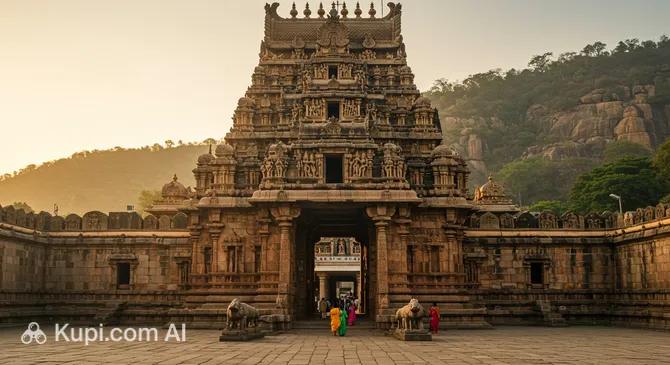
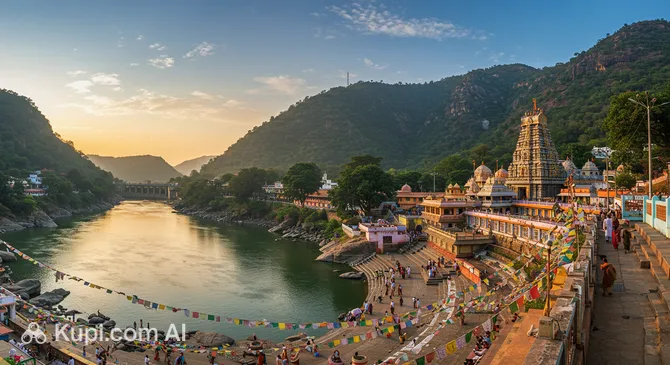
One of the city's main gems is the Mallikarjuna Jyotirlinga Temple. This ancient and revered sanctuary is unique because it is simultaneously one of the twelve Jyotirlingas (sacred abodes of Lord Shiva) and one of the eighteen Shakti Peethas (places of power of the goddess Parvati). Tourists are drawn by its majestic architecture, rich history, and the opportunity to experience India's deep spiritual tradition.

Mallikarjuna Jyotirlinga Temple. Illustration.
Source: Kupi.com AI

Traveler photos:

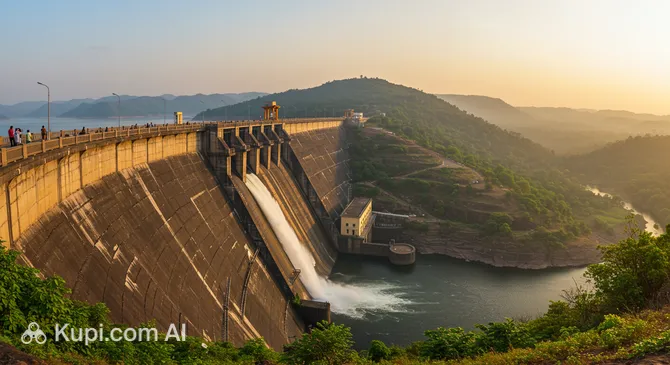
No less impressive is the Srisailam Reservoir, formed by the dam of the same name on the Krishna River. It is not only an important hydroelectric hub but also a popular spot for relaxation. Tourists come here to enjoy scenic views, especially at sunset, take a boat trip on the calm waters, or simply admire the scale of this engineering feat from special viewpoints.

Srisailam Reservoir. Illustration.
Source: Kupi.com AI

Traveler photos:

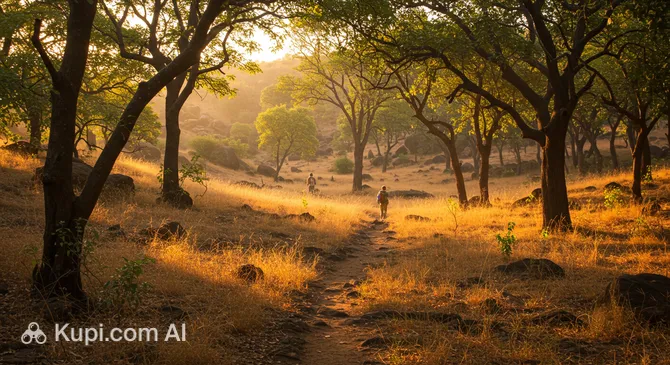
Nature lovers should definitely explore the Nallamala Forest surrounding Srisailam. These dense woodlands are part of the large Nagarjunasagar-Srisailam Tiger Reserve. For tourists, this is an opportunity to immerse themselves in the world of wild nature, enjoy clean air, see diverse flora, and, with luck, representatives of the local fauna (while following all reserve rules).

Nallamala Forest. Illustration.
Source: Kupi.com AI

Traveler photos:

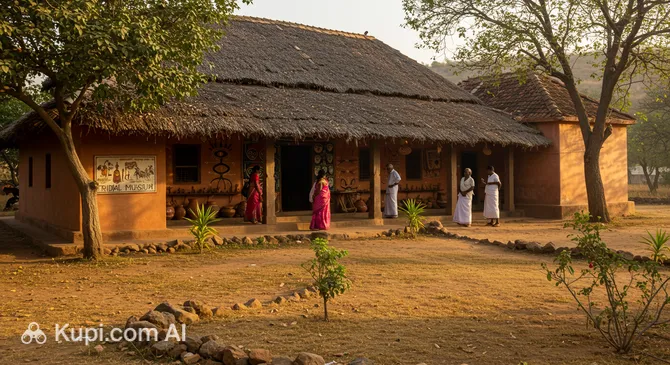
To better understand the region's culture, visit the Chenchu Lakshmi Tribal Museum. It is dedicated to the life, daily routine, and traditions of the indigenous Chenchu tribe, the ancestral inhabitants of the Nallamala forests. The museum's exhibition allows you to learn about their unique connection with nature and see household items, tools, and ritual artifacts, making the visit educational and interesting.

Chenchu Lakshmi Tribal Museum. Illustration.
Source: Kupi.com AI

Traveler photos:

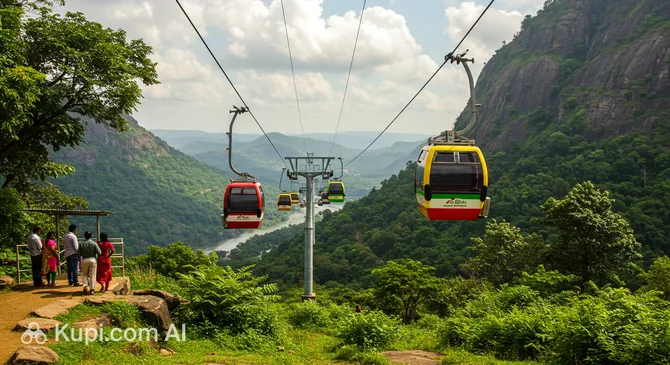
For unforgettable panoramic views, head to the Srisailam Ropeway. Soaring over the picturesque surroundings, you can enjoy breathtaking views of the Krishna River, the dam, and the green hills. This is a popular activity for both adults and children, offering excellent photo opportunities and vivid impressions of the trip.

Srisailam Ropeway. Illustration.
Source: Kupi.com AI

Traveler photos:

Local Cuisine

The gastronomic scene of Srisailam is closely intertwined with its spiritual significance and offers guests the chance to immerse themselves in the authentic flavors of Southern India, particularly the cuisine of Andhra Pradesh. Given the city's status as an important pilgrimage center, the food here is predominantly vegetarian, simple, hearty, and prepared with soul.

Be sure to try the traditional South Indian thali – a complete meal served on a banana leaf or metal tray, including rice, several types of vegetable curries, dal (lentil stew), sambar (thick lentil and vegetable soup with tamarind), rasam (spicy broth), yogurt, papadum (thin crispy flatbreads), and pickles. Also popular are classic dishes such as idli (steamed rice cakes), dosa (crispy rice and lentil crepes), vada (savory lentil donuts), and pulihora (tamarind rice), which is often offered in temples as prasadam (blessed food).

As for drinks, refreshing buttermilk (chaas), sweet or salty lassi, aromatic filter coffee (kaapi), and, of course, fresh coconut water straight from the nut are widely available. Due to the religious nature of the city, alcoholic beverages are difficult to find, and their consumption in public places is discouraged. This emphasizes the atmosphere of piety and purity that prevails in Srisailam.

The food culture in Srisailam is largely centered around the temples, where pilgrims are often offered annadanam – free blessed food. Additionally, the city has many small restaurants and eateries (often called "hotels" or "messes") serving simple, home-cooked food at affordable prices. You won't find upscale restaurants here, but you can enjoy the authentic flavors of local cuisine made from fresh seasonal products. Street food is mostly represented by light snacks and fruits.

For tourists, the gastronomic experience in Srisailam is an opportunity to get acquainted with genuine South Indian vegetarian cuisine in its most authentic form. Of particular interest is pulihora, often associated with temple offerings, and the hearty vegetarian thali, which gives a complete picture of the variety of local flavors. The character of the city's gastro scene is simplicity, freshness, commitment to tradition, and a deep connection to spiritual life, making every meal part of the overall pilgrimage experience.

Travel Tips

Welcome to Srisailam, an ancient city with a rich spiritual history! To make your journey to this sacred place as comfortable and memorable as possible, we have prepared some practical tips. They will help you better navigate and enjoy every moment of your stay.

  1. Clothing and Essentials: Given Srisailam's tropical climate, choose light, breathable cotton clothing, especially during the hot months (April-May). During the monsoon season (July-September), a light jacket or umbrella won't hurt. A key point is visiting the temples, especially the main Mallikarjuna temple. A strict dress code is required here: shoulders and knees must be covered for both men and women. Men may be required to remove their upper garment to enter certain parts of the sanctuary. Bring comfortable walking shoes, sunscreen, a hat, and repellent, especially if you plan to walk in the surroundings. Don't forget a universal power adapter for your electronics (types C, D, and M sockets are used in India).

  2. Transport: Srisailam is a small city, and many attractions in its central part are within walking distance. To travel longer distances or to sites outside the main temple complex, you can use the services of state buses (APSRTC), which also connect the city with major population centers like Hyderabad. Auto-rickshaws and taxis are also available; always agree on the price of the trip in advance if there is no meter. Renting a car may be practical if you are arriving from another city and plan to actively explore the surroundings, including the Nallamala Forests, but it is not necessary for getting around the city itself.

  3. Finance: The official currency is the Indian Rupee (INR). It is recommended to exchange currency in major cities before traveling to Srisailam, as exchange options here may be limited. There are ATMs in the city, but it is better to have a sufficient supply of cash, as not all establishments accept bank cards, especially small shops, local cafes, and for paying rickshaw services. International cards may not work everywhere. A rough daily budget can vary, but for a budget traveler, it might be 1500-2500 INR (excluding accommodation and intercity travel). Tipping is not mandatory but appreciated for good service (5-10% in restaurants if a service charge is not included).

  4. Health and Safety: There are pharmacies in Srisailam with basic medicines, but their hours may be limited. It is recommended to carry a first-aid kit with necessary medications. Medical care is available in local clinics, but serious cases may require a trip to larger cities. Drink only bottled water. The city is generally safe, especially in the temple complex area. However, as everywhere, keep an eye on your belongings in crowded places. If you plan to visit forest zones, do so during daylight hours and preferably with a guide.

  5. Communication: The main language in the state of Andhra Pradesh is Telugu. Many locals, especially those in tourism, also understand and can speak Hindi and English. Learning a few simple phrases in Telugu (for example, "Namaskaram" – hello, "Dhanyavadalu" – thank you) will be greatly appreciated. A SIM card with internet access can be purchased in major cities by presenting your passport and visa. Wi-Fi is available in some hotels, but it is not everywhere.

  6. Local Etiquette: Show respect for local traditions and customs. Always remove your shoes when entering temples and homes. Greet people with the word "Namaskaram," putting your palms together. Photography inside the main temple sanctuaries is usually prohibited – pay attention to signs. Ask permission before photographing people. Avoid overly revealing clothing and public displays of affection in public places.

  7. What to Avoid: Firstly, disrespectful behavior in temples and on sacred grounds. This includes wearing inappropriate clothing, loud talking and laughter, and ignoring established rules. Secondly, as Srisailam is an important pilgrimage center, public consumption of alcohol and non-vegetarian food (especially near temples) is considered extremely inappropriate and may offend the feelings of believers.

  8. Special Tip for Srisailam: When planning a visit to the main Mallikarjuna temple, check the schedule for darshans (the opportunity to see the deity) and special pujas (rituals) in advance. On holidays like Mahashivaratri and on weekends, it can be very crowded. The temple administration (Devasthanam) often offers the possibility of online booking for certain types of darshan, which can significantly save you time and make your visit more organized.

We hope these tips help you prepare for your trip and get the most positive impressions from visiting Srisailam. May your journey be filled with spiritual discoveries and bright moments!

Entertainment & Nightlife

When planning your evening leisure in Srisailam, it is important to understand that this city, being a significant spiritual center in India, offers a special atmosphere distinct from the noisy nightlife of major tourist metropolises. Here, evenings lend themselves to tranquility and immersion in local culture rather than the search for trendy clubs and bars.

In Srisailam, you will not find specialized nightlife districts filled with bars and discos. Evening entertainment here is of a more peaceful and traditional nature. After sunset, many pilgrims and visitors prefer evening services at the numerous temples or leisurely strolls along the city's lit streets. Local eateries and small restaurants offering authentic South Indian cuisine are generally open until late evening, allowing you to enjoy dinner in a calm environment. Since Srisailam is geared toward pilgrimage and cultural tourism, the city lacks a developed industry of nightclubs or bars in the conventional sense. Therefore, in our list of attractions, you will not find establishments in the "nightclub" or "bar" categories with corresponding links.

The atmosphere in Srisailam in the evening is very calm and safe, especially near the temple complexes. The crowd mostly consists of pilgrims and tourists interested in culture and spirituality. There is no specific dress code for evening walks; however, modest clothing that covers shoulders and knees is recommended when visiting temples or holy sites. Most restaurants and cafes operate until approximately 10:00 PM – 11:00 PM. For getting around the city in the evening, you can use the services of auto-rickshaws or taxis; it is recommended to agree on the fare in advance. Overall, Srisailam is considered a safe place, but standard precautions are always wise.

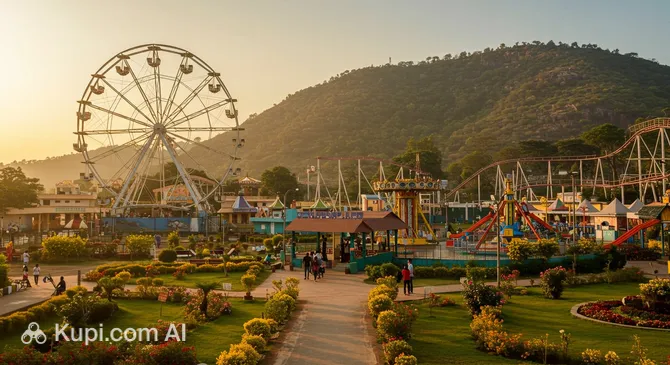
While nightlife in Srisailam has its own specifics, the daytime offers many interesting activities. You can get a deeper look at local culture by visiting the Chenchu Lakshmi Tribal Museum, which displays exhibits about the history and lifestyle of the region's indigenous people. For family leisure, the Srisailam Amusement Park is suitable, offering various rides. Nature lovers can go for a walk in the picturesque Nallamala Forest or visit the impressive Srisailam Reservoir to enjoy the beautiful views.

Chenchu Lakshmi Tribal Museum. Illustration.
Source: Kupi.com AI

Traveler photos:

Srisailam Theme Park. Illustration.
Source: Kupi.com AI

Traveler photos:

Parks & Museums

Srisailam, known as a sacred city in India, offers its guests not only spiritual enrichment but also wonderful opportunities to get acquainted with natural beauty and unique cultural heritage. Here, ancient shrines, lush green corners, and places preserving the history and traditions of the region blend harmoniously.

For nature and outdoor enthusiasts, Srisailam and its surroundings offer several scenic spots. Immerse yourself in the pristine beauty of the Nallamala Forest, part of the majestic Eastern Ghats, known for its rich biodiversity and trekking trails. No less impressive is the Srisailam Reservoir, created on the Krishna River – a huge man-made lake where you can enjoy a boat trip or simply relax on the shore. And for family leisure, the Srisailam Amusement Park is perfect, offering rides for visitors of all ages.

Nallamala Forest. Illustration.
Source: Kupi.com AI

Traveler photos:

To better understand the culture and history of this unique region, be sure to visit the Chenchu Lakshmi Tribal Museum. The museum's exhibition is dedicated to the daily life, traditions, and art of the indigenous Chenchu tribe, who have inhabited the Nallamala Hills since ancient times. Here you will see items from their daily life, tools, and ritual artifacts. Although there are few museums in the classical sense in Srisailam, its temples are themselves treasuries of history and art. The main such site is the Mallikarjuna Jyotirlinga Temple, one of the twelve Jyotirlingas of India. This ancient complex impresses not only with its spiritual significance but also with its magnificent architecture, carved stone walls, and gopuram towers, which hold centuries of history and are true works of art.

Mallikarjuna Jyotirlinga Temple. Illustration.
Source: Kupi.com AI

Traveler photos:

Among other significant places that preserve the spirit of history, Paladhara-Panchadhara stands out – a picturesque spot with five sacred springs where, according to legend, the sage Adi Shankaracharya meditated. To see Srisailam and its surroundings from a bird's-eye view, head up to the Srisailam Dam Viewpoint. From here, a breathtaking view of the dam, the reservoir, and the surrounding hills opens up. For an even more unusual experience and panoramic views, use the Srisailam Ropeway, which will provide unforgettable moments and great photos.

Srisailam Dam Viewpoint. Illustration.
Source: Kupi.com AI

Traveler photos:

Getting Around

Getting around Srisailam and its surroundings is fairly simple, although the public transport system here is not as extensive as in major metropolises. The main focus is on serving pilgrims and tourists arriving at the shrines. The primary ways to get around the city are buses and the ubiquitous auto-rickshaws. For some specific routes, especially to attractions, other types of transport may be used.

State and private buses connect Srisailam with nearby towns and settlements, and also run on some routes within the city itself and its surroundings, for example, to the dam or other remote temples. Fares on buses are usually paid in cash to the conductor or at ticket offices at the bus station for intercity trips. The fare is generally low. Schedules may not always be accurate, so it is better to check information locally, for example, at the bus station or with local residents.

Auto-rickshaws are perhaps the most popular and flexible way to travel short distances within Srisailam. They are easy to find in almost any part of the city, especially near temples, hotels, and at the bus station. It is crucial to agree on the fare before starting the trip, as meters are not always used, and the price may be inflated for tourists. Do not hesitate to negotiate to get a reasonable price. Usually, auto-rickshaw drivers can also offer trips to the main attractions at an agreed price.

One feature of Srisailam's transport system, which is also a popular tourist attraction, is the Ropeway. It offers not only a convenient way to reach certain points with panoramic views but also provides a thrilling experience soaring over the picturesque surroundings. Tickets for the ropeway are purchased at special ticket offices at the departure stations; it's best to check operating hours and costs in advance as they may change depending on the season.

For more comfortable or long-distance trips, you can use taxi services, which can be booked through your hotel or found at specialized stands. However, their numbers may be limited compared to auto-rickshaws. Given the compact size of Srisailam's main temple zone, many attractions in the center are convenient to explore on foot. When planning your route, it is always helpful to check transport information with locals or at your hotel, as they can provide the most up-to-date travel advice.

Accommodation

In Srisailam, being a significant pilgrimage center in India, you will find a wide range of accommodation options catering to both pilgrims and tourists. The typical range of housing includes budget guesthouses (often called dharmashalas and managed by temple committees), mid-range hotels, and a number of more comfortable inns. Luxury resorts or short-term rental apartments are less common here, as the city's primary focus is spiritual tourism.

The most convenient areas to stay are considered to be those in the immediate vicinity of the main temple complex—the Mallikarjuna Jyotirlinga Temple—as well as along the main roads leading to it. This location provides easy access to the shrines, local markets, and transport hubs. Although there are no specific hotel examples in the provided data, there are many local hotels and guesthouses in the city offering various levels of comfort.

Accommodation prices in Srisailam generally vary from very budget to mid-range. It is recommended to book accommodation in advance, especially if your trip is planned during major religious festivals or peak pilgrimage seasons when demand for rooms increases significantly. You can book accommodation through popular online platforms, by contacting the hotel or guesthouse directly, or some dharmashalas may offer accommodation upon arrival, though this is a less reliable option during busy periods.

Nearby Cities

For those who want to explore the surroundings, Srisailam serves as an excellent starting point for day trips to several interesting nearby locations. Each offers its own unique experience and a chance to better understand the region:

Atmakur, located just 38 km away, is the closest option for a short excursion. This town can offer an introduction to the daily life of the region and its small but authentic temples, allowing for a deeper understanding of the local culture.

A trip to Velugodu (51 km) is suitable for those seeking a quiet getaway away from the busy tourist trails. Here you can enjoy rural landscapes and observe the measured way of life of the local population.

At a distance of 57 km is Markapur, which may interest travelers with its local markets, where you can find unique handicrafts, as well as lesser-known but colorful temples.

Nandikotkur (69 km) offers the opportunity to plunge into the atmosphere of a typical small Indian town. This is a good choice for those who want to see the real India beyond the popular tourist centers.

Slightly further away, at 69 km, is Devarakonda, whose main attraction is an impressive historical fort. This trip will especially appeal to fans of history and ancient fortification architecture.

CityPopulationDistance
Doranala11 99330 km
Amrabad13 75334 km
Atmakur39 79438 km
Lingal14 49744 km
Bhanumukkala15 30944 km

These nearby destinations provide insight into the region's diverse culture and landscapes, complementing the experience of visiting Srisailam itself.

Shopping & Souvenirs

Shopping in Srisailam has its own distinct character, shaped by the city's status as one of India's most important pilgrimage centers. You won't find huge shopping malls or global brand boutiques here. Instead, trade is focused on goods needed by pilgrims, as well as local souvenirs and handicrafts that reflect the culture and traditions of the region. It is more of an opportunity to buy something to remember the holy place by than a targeted shopping tour.

The main shopping spots in Srisailam are concentrated around the main temple complex, the Mallikarjuna Jyotirlinga Temple, and on the streets leading to it. These are generally small shops, stalls, and street vendors. Here you can find a wide range of religious paraphernalia, incense, oils, sacred texts, and images of deities. Brass items and objects for puja (religious rituals) are also popular.

There are no large modern shopping centers in Srisailam. The city maintains its traditional way of life, and trade here is conducted mainly in small private shops and markets. If you are looking for a more familiar shopping format with air-conditioned malls, then Srisailam is probably not the place.

Local markets in Srisailam play an important role in the daily life of the city and can also be interesting for tourists. Here you can find fresh flowers for offerings in the temples, fruits, local sweets, and spices. While there may not be specialized flea or large souvenir markets, handicraft items or inexpensive souvenirs are often found in general markets.

As souvenirs from Srisailam, tourists most often bring home religious items: small figurines of deities, rudraksha beads, sacred threads, and kumkum. Especially popular is honey from the Nallamala forests surrounding the city, known for its medicinal properties. It is also worth paying attention to the work of local craftsmen; you might find items related to the culture of the Chenchu tribe, which you can learn more about in the Chenchu Lakshmi Tribal Museum. Sometimes sandalwood products and simple textile goods are available.

Most shops in Srisailam, especially those geared toward pilgrims, open early in the morning and work until late evening, often until 9:00 PM – 10:00 PM. The main method of payment, especially in small shops and markets, is cash (Indian Rupees). In some larger shops or hotels, bank cards may be accepted, but it is better to always have a sufficient amount of cash with you. There are ATMs in the city, but their number may be limited.

The possibility of Tax Free shopping for tourists in Srisailam is generally absent, as it is not a typical destination for major international shopping, and the range of goods is mainly oriented toward the domestic market and pilgrims.

Nearby cities

Have you reached the end of the page?

So the route has been studied inside and out