Support

Tiruchengode

About

Tiruchengode is a hidden gem of Tamil Nadu, nestled at the foot of the scenic Eastern Ghats hills. This city is perfect for those who want to see the real, off-the-beaten-path India. There is no tiring bustle of huge metropolises; instead, an atmosphere of peace and tranquility prevails, where ancient traditions are harmoniously interwoven with everyday life.
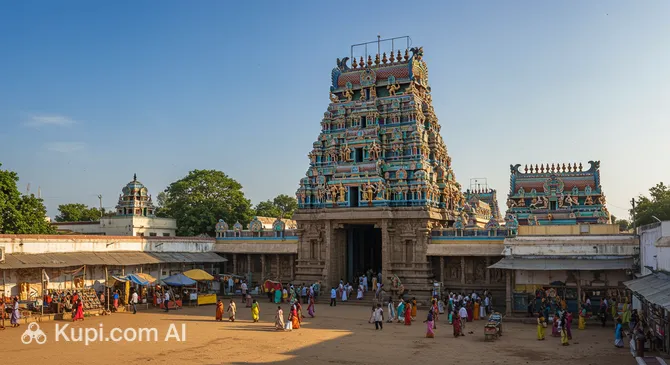
Tiruchengode. Illustration.
Source: Kupi.com AI

Despite its relatively compact size and a population of about 95,000, the city is an important cultural and administrative center of the Namakkal district. Tiruchengode charms with its authenticity: shady streets invite leisurely strolls, and the locals are known for their warmth and hospitality. The climate here is typical of the southern region, so it is best to plan your trip with warm weather conditions in mind.

The religious monuments are rightfully considered the heart of the city. The rich history of Tiruchengode is reflected in the architecture of its majestic temples, which are the main points of attraction for pilgrims and tourists alike. In addition to its spiritual heritage, the city is famous for its vibrant markets, where you can find aromatic spices, tropical fruits, and unique artisan crafts.

It is worth visiting Tiruchengode to immerse yourself in the sincere character of South Indian life. This is a place where you will want to linger to enjoy the comfort and nature, and to get acquainted with the original customs of the region.

Weather Overview

The climate in Tiruchengode can be described as hot and tropical, typical for the plains of Tamil Nadu. The sweltering period arrives here in spring: in April and May, the average temperature stays around 31–32°C, with daytime highs often reaching 37°C. During this time, the sun is particularly active, so travelers should stock up on hats and water.

With the arrival of summer, the nature of the weather changes. Starting from June and lasting until November, the city is often drenched by rains. The "wettest" months are July, August, and September, when the number of rainy days can exceed 20 per month. Despite the precipitation, the air temperature remains high, creating a tropical steam room effect; however, it is the rains that bring long-awaited freshness to nature.

The most comfortable time for a visit is considered to be the period from December to March. In winter, the heat subsides, and a pleasant atmosphere is established with average temperatures around 25–27°C, while the sky remains mostly clear. To plan your trip considering all climatic nuances, we recommend checking the detailed weather in Tiruchengode before booking your tickets.

Expect a very hot spring, a humid summer with frequent downpours, and a mild, dry winter perfectly suited for sightseeing.

Average monthly temperature

Average monthly precipitation

Interesting Facts

Tiruchengode hides much more than might appear at first glance. Behind the facades of old buildings and picturesque landscapes lie fascinating stories and traditions that make this city a truly special place.

  • A Unique Deity. The city's main temple, located at the top of the hill, is dedicated to a rare image in Hinduism—Ardhanareeswarar. This deity embodies the inseparable unity of masculine and feminine principles (Shiva and Shakti). It is one of the few sanctuaries in the world where this specific manifestation is worshipped, and the summit offers a breathtaking panoramic view of the surroundings.

  • Snake Hill. It is believed that the hill at whose foot the city lies has an unusual shape resembling a giant snake. This geological feature has given rise to many local legends, and the area around the hill regularly hosts vibrant festivals and religious processions.

  • A Cult of Hospitality. Ancient customs of welcoming travelers are sacredly observed in Tiruchengode. Here, every guest is seen as a messenger of good news. Locals are famous for their cordiality and often invite travelers to share a home-cooked meal, introducing them to the nuances of traditional cuisine.

  • Cradle of Poets. The city has made a significant contribution to the state's cultural heritage. Several prominent Tamil thinkers and poets were born and worked here, and their works are still studied in schools and considered classics of regional literature.

How to Get There

When planning a trip to this colorful corner of Tamil Nadu, it is important to think through the logistics in advance. The city does not have its own airport, but its convenient location between major transport hubs makes the journey quite comfortable. You can find more details on how to get to Tiruchengode to choose the most suitable route for you.

The nearest air gateway is Salem Airport (SXV), located in the neighboring city of Salem. It is only 48 km from Tiruchengode. This is a small regional airport serving domestic flights. The journey from here by taxi will take about 1 hour 35 minutes. If you are flying from other Indian states, Salem can be a convenient arrival point, saving time on ground transfers.

For international travelers or those looking for more flight options, Coimbatore International Airport (CJB) is an excellent choice. It is located in the city of Coimbatore, approximately 100 km from your destination. This is a major transport hub with developed infrastructure. A taxi or bus ride from Coimbatore Airport to Tiruchengode will take roughly 2 hours 50 minutes.

If you prefer to fly through major hubs, consider Kempegowda International Airport (BLR) in Bengaluru. Although it is 202 km away, the vast number of flights from around the world makes it a popular option. The journey from Kempegowda Airport will take more time—about 5 hours 25 minutes by car—but this is compensated for by the wide range of flight connections.

For clarity, here is a summary of the main airports:

AirportPassenger trafficDistance
Salem130 13248 km
Coimbatore International Airport3.3 mln101 km
Tiruchirapalli International Airport1.8 mln112 km
Madurai Airport1.4 mln172 km
Kempegowda International Airport41.9 mln203 km

Rail travel is one of the most popular and budget-friendly ways to move around India. There is no major railway station in Tiruchengode itself, but the city is surrounded by important transport junctions. Most often, tourists book tickets to the station in the city of Erode (Erode Junction) or the station in Salem. Both stations are key hubs of the Southern Railway and receive trains from Chennai, Mumbai, Delhi, and other metropolises. From these stations, Tiruchengode can be easily reached by regular state buses or taxis in less than an hour.

Main Attractions

Despite its modest size, Tiruchengode is an important pilgrimage center in South India. The city's main attractions are closely linked to its rich history and mythology, offering travelers a unique blend of spiritual experience and architectural beauty. Here are the places that should definitely be included in your itinerary when visiting this region.

Arulmigu Ardhanareeswarar Temple. This is undoubtedly the city's main jewel and one of the most revered shrines in the state. The temple is located on the summit of a picturesque hill about 650 meters high. The uniqueness of this place lies in its main deity: an image combining Shiva and his consort Parvati into a single body is worshipped here, symbolizing the harmony of masculine and feminine principles. To reach the sanctuary, pilgrims climb over 1200 steps, though a motor road also exists. The summit offers breathtaking views of the city and the surrounding green plains.

Arulmigu Kailasanathar Temple. At the foot of the sacred hill lies another significant religious complex. Unlike the hilltop temple, the atmosphere here is more intimate and peaceful. This temple is dedicated to Shiva and is a beautiful example of classical Dravidian architecture with intricate stone carvings. Tourists often visit it before ascending the mountain or after descending to complete their spiritual route and enjoy the silence of the ancient walls.

Gandhi Ashram. For those interested in 20th-century Indian history, this place will be a true discovery. The ashram was founded in 1925 by the famous freedom fighter Chakravarti Rajagopalachari (Rajaji). It was one of the first centers in the country to actively promote Mahatma Gandhi's ideas, including the rejection of untouchability and the production of homespun cloth (khadi). Today, you can see how the traditions of hand-weaving are preserved here and immerse yourself in an atmosphere of peace and simplicity.

Local Cuisine

The cuisine of Tiruchengode is a vibrant reflection of the culinary traditions of Tamil Nadu, where every meal turns into a true celebration of taste. The city can safely be called a paradise for gourmets seeking authenticity: rice, legumes, fresh vegetables, and, of course, generous portions of aromatic spices and coconut rule the day. Local dishes are characterized by a rich spiciness that is both warming and invigorating.

The main gastronomic treasure that every traveler must try is the famous "Tiruchengode Chicken". This dish is considered the pride of the region and is prepared according to a special ancient recipe using a unique set of herbs and spices. It is usually served at family celebrations, but tourists can find this delicacy in local restaurants specializing in traditional cuisine.

For a quick snack, the street food found in city markets and busy streets is ideal. Be sure to order idli—fluffy rice cakes served here with spicy coconut chutney and a tangy sambar soup. Those with a sweet tooth should look out for homemade desserts and fried snacks sold in small shops. It is customary to wash it all down with strong, hot masala tea with milk and spices, which is masterfully brewed in street tea stalls.

Food culture in Tiruchengode is closely linked to religious life. Throughout the year, colorful gastronomic festivals are held here to coincide with temple holidays. This is the best time to get to know seasonal treats, learn the secrets of local chefs, and even participate in workshops. People here often eat with their hands, using banana leaves instead of plates, which adds a special flavor to the meal.

Travel Tips

A journey to Tiruchengode promises to be full of spiritual discoveries and an introduction to the authentic culture of Tamil Nadu. To ensure your trip is as comfortable as possible and without surprises, we have prepared several important practical recommendations to help you navigate the local environment easily.

  1. Clothing and belongings. Given the hot tropical climate, opt for loose clothing made from natural fabrics like cotton or linen. Since Tiruchengode is an important religious center, a modest dress code is required for visiting shrines: shoulders and knees must be covered (this applies to both women and men). Be sure to bring comfortable shoes that are easy to take off and put on, as temples are entered barefoot.
  2. Transport. There is no metro in the city, and the public transport system consists of buses that are often overcrowded. For tourists, the most convenient means of travel are auto-rickshaws. It is important to agree on the price of the trip before boarding, as meters are rarely used here. To travel to the temple on the hilltop, you can hire a taxi or use the special temple bus.
  3. Finances. Although some hotels and large shops may accept cards, Tiruchengode is a place where cash is king. You will need small bills for fares, market purchases, and temple offerings. ATMs are available in the central part of the city, but it's better to withdraw the necessary amount in advance. It is customary to leave a small tip (about 10%) in cafes and for porters.
  4. Health and safety. Drink only bottled water and check the seal's integrity when buying. Avoid ice in drinks at street cafes. The city is generally safe, but road traffic can be chaotic—be extremely careful when crossing streets, as the concept of a pedestrian crossing is quite loose here. Pharmacies are available, but it is better to carry specific medications with you.
  5. Communication. The main language of communication is Tamil. English is not understood everywhere, mostly by hotel staff and educated youth. We recommend learning a few phrases in the local language or downloading an offline translator. For connectivity, it is better to buy a local SIM card (e.g., Airtel or Jio), as public Wi-Fi is rare.
  6. Local etiquette. In India, it is customary to greet people by joining your palms together at your chest (the "Namaste" or "Vanakkam" gesture). Remember an important rule: hand over money, take food, or receive gifts using only your right hand, as the left is considered "unclean." Behave modestly and respectfully in public places.
  7. What to avoid. Categorically refrain from taking photos inside the altar areas of temples—this is strictly forbidden and may offend the feelings of believers. Also, avoid public displays of affection (hugging, kissing), as local society holds conservative views.
  8. Watch out for monkeys! When visiting the famous hilltop temple and climbing the steps, you will encounter many monkeys. They can be bold and may grab your belongings. Hide food, water bottles, glasses, and shiny objects in your backpack. Do not tease the animals or smile at them showing your teeth—this can be perceived as aggression.

Following these simple rules will help you feel confident and safe in any situation. May your journey to Tiruchengode bring you peace, new knowledge, and only pleasant memories of South Indian hospitality!

Entertainment & Nightlife

Tiruchengode is a city with a traditional way of life, where the concept of "nightlife" differs significantly from the usual European format. You won't find noisy nightclubs with DJs or 24-hour discos here. Evening leisure in the city is more relaxed and measured, most often involving cultural events, a delicious dinner, or visiting cinemas, which are the primary entertainment for locals.

The main centers of attraction after dark are the cinemas. In the state of Tamil Nadu, cinema is more than just art; it is a true passion. Evening screenings draw full houses, and film premieres turn into citywide celebrations. Modern cinema halls offer excellent sound and comfort, allowing tourists to dive into the atmosphere of Indian cinematography.

Among the popular places for an evening movie session are:

  • Vettri Malararasan Theatre — a modern cinema equipped with high-quality technology (4K projection, RGB laser), where you can watch the latest regional and international releases in comfort.
  • Deivam Theatre — another well-known venue popular with residents due to its good selection of films and convenient location.

If you are looking for a place to relax with a drink, you should consider the specific nature of the region. Bars here generally do not exist as standalone establishments but operate within hotels or restaurants. The atmosphere in them is reserved and masculine, making them more suitable for quiet conversation than for partying. One reliable spot is the Dolphin Restaurant, where you can not only have dinner but also order drinks in a calm setting.

The night markets and street bazaars lend a special charm to Tiruchengode in the evening. After sunset, the heat subsides, and the streets around the temples come to life. This is the best time for a walk: shops stay open late, and street vendors offer fresh snacks, sweets, and flowers. Evening temple visits are also an essential part of local culture—this is when colorful pujas (religious services) are held, accompanied by music and lights.

Practical tips for evening walks:

The city goes to sleep quite early, so plan to have dinner before 10:00 PM. In terms of safety, Tiruchengode is a peaceful place; however, tourists are advised to stick to the central, well-lit streets. For nighttime travel, it is best to use auto-rickshaws, and the price should be agreed upon with the driver in advance. Hailing a taxi through an app can be problematic, so it is more reliable to ask your hotel staff to arrange transport.

As for daytime entertainment, it is mainly focused on historical and cultural heritage. Besides the famous temples, it is worth visiting the Gandhi Ashram to soak in the history of the independence struggle or go for a walk through the picturesque surroundings of the hills encircling the city.

Parks & Museums

The cultural and natural landscape of Tiruchengode differs from major tourist centers. You won't find huge botanical gardens or state museums with endless halls here. Instead, the city offers intimate green spaces for relaxation and unique historical sites that serve as living monuments to the region's heritage. It is in such corners, away from the hustle and bustle, that the real India is revealed.

Green Zones and Nature

The main natural landmark of the city is Tiruchengode Hill (Nagamalai) itself. Although this place is known primarily as a religious center, the slopes of the hill represent an important green zone. Climbing the steps to the summit is not just a pilgrimage, but also a scenic walk among local flora. From the height, breathtaking views of the plains and agricultural lands open up, and the fresh air at the top provides coolness even on hot days. It is an ideal place to watch the sunrise or sunset surrounded by nature.

For a quiet rest within the city limits, it is worth checking out the city park in the Anna Nagar area. This is a popular spot among locals, where families come in the evening. The park is a small, well-maintained area with shady paths, benches, and a playground. Tourists will find it pleasant to take a break here after excursions, observe the steady pace of city life, and enjoy the peace away from busy roads.

Cultural Heritage and Museums

The most significant historical site that functions as a museum is the Gandhi Ashram in the Pudupalayam area. Founded in 1925 by the prominent political figure Rajaji, this ashram became a center for the independence movement in the south of the country. Today, this place is a true "living museum." Here you can see old spinning wheels, photographs from the times of the freedom struggle, and learn about the khadi fabric production process. Visiting the ashram allows for a deep dive into the country's history of the early 20th century.

The ancient temple complexes of the city can also be considered open-air museums. The sculptural compositions and bas-reliefs of the Kailasanathar Temple and the hilltop temple are magnificent examples of stone architecture. Intricate carvings depicting mythological scenes replace paintings in galleries here, allowing tourists to touch the centuries-old traditions of Tamil masters.

Insider Tip: If you want to take a piece of local culture home with you, check out the shop at the Gandhi Ashram. They sell natural cotton products and handmade soaps, the proceeds from which go to support local artisans. This is much more authentic than typical souvenirs.

Getting Around

The transport system of Tiruchengode differs significantly from what tourists are used to seeing in major metropolises. You won't find a metro, trams, or trolleybuses here. The city is quite compact, and the main means of transport for locals and travelers are buses and the ubiquitous auto-rickshaws. The infrastructure is simple but fully functional if you know the basic rules of the game.

City buses are the lifeblood of the city. They are divided into state-run (usually painted green or red with TNSTC markings) and private mini-buses. The latter run on internal routes, connecting residential areas with markets and temples. Be prepared for the fact that during peak hours, transport can be overcrowded, and music in the cabin might play at full volume—this is part of the local flavor. Stops are often marked loosely, so to get off, it is better to warn the conductor or driver in advance.

The fare payment system here is highly conservative: cash only. No transport cards, validators, or mobile apps for payment are provided on city buses. Tickets are purchased directly in the cabin from the conductor after boarding. The fare is very low and depends on the distance, usually ranging from 5 to 15 rupees. We strongly recommend having small bills and coins with you, as the conductor may not have change for large banknotes.

For tourists, auto-rickshaws (tuk-tuks) remain the most comfortable and flexible form of transport. These three-wheeled carts can be caught on almost any corner. They are ideal for short distances or if you have luggage. An important nuance: meters are very rarely used here. The price of the trip must be agreed upon with the driver strictly before boarding. Do not hesitate to bargain—the price quoted to a foreigner is often double what it should be.

A unique feature of Tiruchengode's transport system is the special buses running to the Ardhanareeswarar Temple on the hilltop. This is the only type of public transport that will take you directly to the sanctuary if you do not want to climb the steps on foot. These buses depart from the foot of the hill at regular intervals, and tickets for them are also bought in cash on the spot.

Regarding modern taxi services like Uber or Ola, their operation in Tiruchengode can be unstable. Cars are few, and waiting times can be long. If you need an air-conditioned car for a trip to the airport or a neighboring city, it is more reliable to book a taxi through your hotel's reception or find a local taxi stand. Bicycle or scooter rentals are not as widespread here as in seaside resorts, so walking combined with rickshaws remains the best way to explore the central streets.

Accommodation

The choice of accommodation in Tiruchengode reflects its status as an important pilgrimage center and a small, cozy city. You won't find luxury five-star resorts or international hotel chains here. The room stock primarily consists of budget lodges (guest houses) catering to pilgrims, and a few middle-class hotels offering modern comfort for business travelers and tourists.

Best Areas to Stay

The geography of accommodation in the city is quite simple and tied to two key points of interest:

  • New Bus Stand Area: This is the most practical choice for most tourists. Modern hotels with air conditioning, restaurants, and convenient access to transport are concentrated here. It is easy to reach both the temple and neighboring cities from this area.
  • Foot of the Hill (Sannathi Street and Surroundings): This area is suitable for those who want to immerse themselves in the spiritual atmosphere. There are many traditional pilgrimage shelters (choultries) and simple lodges here. Staying here means waking up to the sound of temple bells, but the comfort level will be basic.

Accommodation Options and Prices

The price range in Tiruchengode will pleasantly surprise travelers with its affordability. Accommodation can be roughly divided into two categories:

Budget Segment. These are simple rooms with a fan, often without hot water (it may be brought in a bucket upon request). Such options are popular among pilgrims visiting for a single day. Prices here are very affordable.

Mid-Range Class. Hotels in this category offer rooms with air conditioning (AC Rooms), TV, private bathroom, and Wi-Fi. Often, these hotels have good vegetarian restaurants on-site. This is the best choice for families and those accustomed to urban comforts.

If you are looking for luxury accommodation or high-end chain hotels, it makes sense to consider staying in the neighboring larger cities—Salem or Erode—from which Tiruchengode can be reached by taxi in less than an hour.

Booking Tips

On ordinary days, finding a room upon arrival is not difficult. However, the situation changes drastically during major religious holidays, such as Vaikasi Visakam (May-June) or chariot festivals. During these periods, the city is overcrowded with thousands of believers, and accommodation should be booked several weeks or even months in advance. To book the city's best hotels, it is recommended to use popular Indian online aggregators or call the hotel directly, as small lodges may not be represented on the internet.

Nearby Cities

For those looking to explore the surroundings, Tiruchengode serves as an excellent starting point for day trips to several interesting nearby places:

Just 20 km from the city is Erode—one of the largest settlements in the region, known as the "Turmeric City" and an important textile hub. It is worth coming here for excellent shopping, visiting colorful local markets, and strolling along the banks of the sacred Kaveri River. Erode is also famous for its ancient temples, such as the Thindal Murugan Temple, which attracts many pilgrims.

Lovers of industrial tourism and river landscapes will find it interesting to visit Kumarapalayam and Pallipalayam. These satellite towns, located on the banks of the Kaveri, are centers of weaving production. Here you can see how famous Indian fabrics are created and enjoy views of the river, which plays a key role in the life of the entire region.

CityPopulationDistance
Devanangurichi8 9914 km
Karuveppampatti8 7335 km
Morur11 5855 km
Kadachinallur12 83010 km
Sankaridurg36 23911 km

These nearby destinations provide an insight into the diverse culture and landscapes of the region.

Shopping & Souvenirs

Shopping in Tiruchengode is far from the glossy shine of Western metropolises, but that is precisely its charm. You won't find huge shopping malls with international brands here, but you can immerse yourself in the atmosphere of a real Indian bazaar, where trade is conducted just as it was centuries ago. It is a great place to buy authentic goods at prices significantly lower than in tourist centers like Chennai or Bangalore.

The city's main shopping life buzzes around the Ardhanareeswarar Temple and in the city center. The streets around the temple (Car Streets) are the heart of local trade. Here, on North, South, West, and East Streets, are hundreds of small stalls offering everything from flowers and ritual items to clothing and household utensils. The area around the New Bus Stand is also a lively spot, home to more modern shops, pharmacies, and electronics stores.

Tiruchengode does not have the large shopping centers (malls) with food courts and cinemas inside that Europeans are used to. Instead, multi-story fabric and clothing stores, known as "textile showrooms," are popular here. They operate like department stores where you can find a huge selection of saris, men's shirts, and children's clothing. This is a great alternative to the markets if you prefer to shop in an air-conditioned room with fixed prices.

The city's markets are an explosion of colors and aromas. Most interesting for tourists is the daily vegetable and flower market. A morning visit here will allow you to see mountains of fresh jasmine and marigold garlands, which locals buy for temple offerings. Here you can also find spice stalls selling fresh pepper, cardamom, and, of course, the turmeric that this region is famous for.

When choosing souvenirs, look out for the following items:

  • Textiles. Due to its proximity to the textile centers of Erode and Salem, you can buy high-quality cotton products, towels, and bed linen in Tiruchengode at very favorable prices.
  • Ritual Items. Brass lamps, deity figurines, and incense are sold in abundance here and are characterized by high-quality craftsmanship.
  • Spices. Curry sets or pure turmeric make excellent gastronomic gifts.

Most shops open around 09:30–10:00 AM and work until 09:00–09:30 PM. During the day, in the peak heat (from 2:00 PM to 4:00 PM), small private shops may close for a break. The main method of payment remains cash rupees. Large clothing stores and supermarkets accept bank cards, but they are useless at the market and in small shops. In recent years, payment via QR codes (UPI) has spread everywhere, but this system is often unavailable to tourists without a local bank account.

The Tax Free (VAT refund) system does not operate in Tiruchengode. It is a small city oriented toward the domestic market, so tax-free procedures are not provided in any shop here.

Nearby cities

Reached the end of the page?

That means the route is fully explored