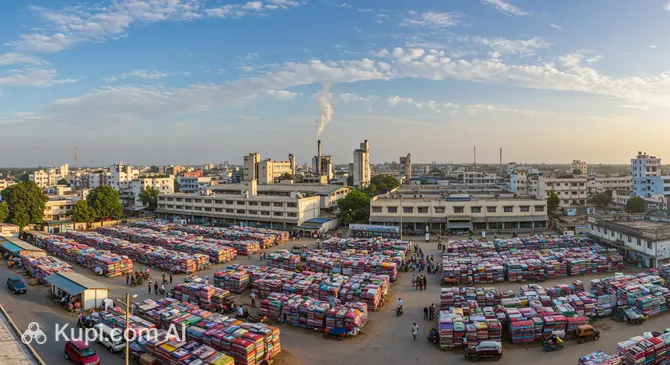
Tiruppur is the pulsating heart of India's textile industry, situated on the picturesque banks of the Noyyal River in the state of Tamil Nadu. With a population of approximately 877,778, the city rightfully holds the title of the country's "knitwear capital." Here, the industrial rhythm of thousands of factories is wonderfully interwoven with the ancient traditions of South India, creating the unique atmosphere of an energetic and enterprising metropolis.
Tiruppur. Illustration.
Source: Kupi.com AI
Geographically, the city is located in the western part of the state and serves as a vital economic hub. The rich history of Tiruppur bears witness to its transformation from a modest agrarian settlement into a global industrial hub. Today, it is home to over 10,000 enterprises supplying clothing for leading global brands, making it one of the wealthiest cities in the region.
Despite its industrial character, Tiruppur retains a spiritual charm; its very name translates to "sacred city." Tourists are drawn to its majestic temples and proximity to natural attractions like the Thirumoorthi Dam. A visit to Tiruppur offers a great opportunity to see a modern, dynamically developing India that remains faithful to its cultural roots.
Weather Overview
The climate in Tiruppur is characterized as predominantly hot and dry, which creates excellent conditions for textile production but requires some preparation from travelers. April is considered the hottest month, with daytime temperatures potentially reaching 36–38°C. If you plan a visit, be ready for bright sun and dry air.
The period from May to October brings the long-awaited monsoon rains to the region. The peak of precipitation usually falls in October and November, when the city is refreshed by tropical downpours. Winter in Tiruppur (December–February) is incredibly mild and comfortable: average temperatures hover around 24–26°C, making this the perfect time for sightseeing.
The current weather in the city is always available online, allowing you to plan your wardrobe in advance. In general, it is best to choose lightweight clothing made from natural fabrics for your trip to help you better endure the daytime heat.
Average monthly temperature
Average monthly precipitation
Interesting Facts
The World's Textile Hub: Tiruppur accounts for over 50% of all knitwear exports from India, producing clothing for giants such as Nike and Adidas.
City of Billionaires: Due to rapid industrial growth, Tiruppur has entered the top 20 Indian cities based on the number of resident billionaires.
A Sacred Name: The city's name translates to "sacred city," referring to the ancient Shaivite temple around which the settlement grew.
Recent Status: Despite its ancient roots, the Tiruppur district was officially formed only in 2009, having been carved out of parts of Coimbatore and Erode.
How to Get There
Tiruppur is a key transport hub in Tamil Nadu, so getting to the city is quite easy. It is conveniently located just 40 kilometers from the major industrial center of Coimbatore, ensuring excellent connections to the rest of the country via air and rail.
The nearest international aviation hub is Coimbatore International Airport (Peelamedu Airport, IATA: CJB), located about a 45-minute drive away. From the airport, you can easily reach Tiruppur by taxi, booked via mobile apps, or by regular buses operated by the state transport corporation.
Rail travel is one of the most popular ways to get around. Tiruppur Railway Station is conveniently located on the main line between Erode and Coimbatore. Trains from Chennai, Bangalore, and other major South Indian cities stop here.
Station
Passenger traffic
Distance
Coimbatore Junction
8
43 km
Salem Junction
7
105 km
Tiruchirappalli Junction railway station
8
151 km
Mysore Junction railway station
8
154 km
Madurai Junction railway station
9
156 km
For travelers who prefer the road, the city is accessible via a network of national highways. Regular bus services link Tiruppur with all neighboring regions, and the high-quality road surface makes renting a car or taking an intercity bus comfortable and fast.
Main Attractions
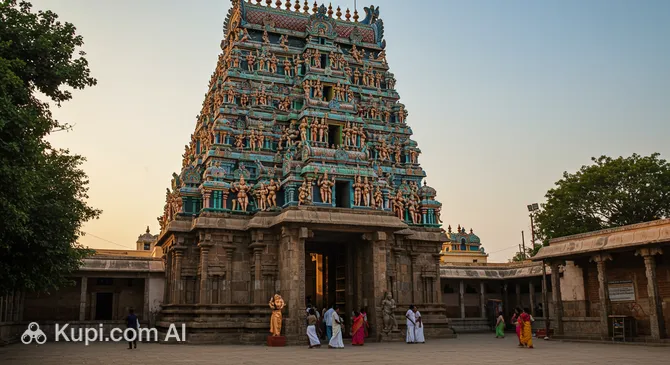
One of the city's most striking architectural and spiritual gems is the Konganagiri Murugan Temple. Situated on a small hill, this temple offers not only a peaceful atmosphere for prayer but also beautiful views of the city's surroundings, especially during sunset hours.
Konganagiri Murugan Temple. Illustration.
Source: Kupi.com AI
Traveler photos:
For those seeking tranquility in nature, a visit to the Thirumoorthi Dam is a must. Surrounded by the Anaimalai Hills, this picturesque spot is ideal for picnics. You can stroll through the well-kept park, enjoy panoramic views, and even visit the local crocodile farm.
The region's cultural heritage is inseparable from its ancient religious centers. The Avinashi Temple and the sacred hill of Sivanmalai attract thousands of pilgrims with their architectural masterpieces and centuries-old legends. Visiting these sites allows you to touch the living history of Tamil Nadu and witness unique rituals that have remained unchanged for centuries.
Local Cuisine
Tiruppur's culinary scene is the quintessence of South Indian flavors. The local diet is based on rice, legumes, and coconut, generously seasoned with aromatic spices. Be sure to try the classic idli (steamed rice cakes), crispy dosas, and uttapam, served with various chutneys and spicy sambar soup.
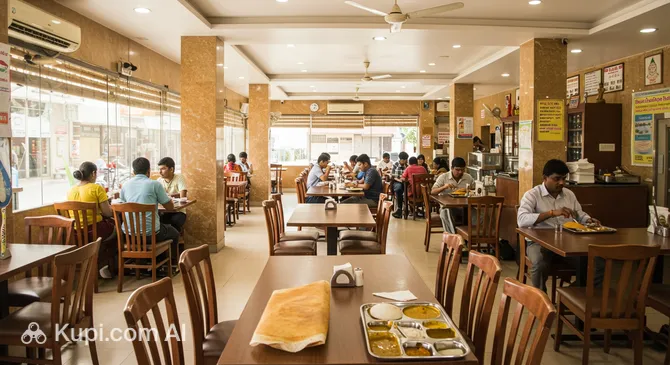
If you are looking for a reliable spot with a wide selection of dishes, visit Aagaram Restaurant. This establishment is famous for its hospitality and authentic Tamil lunches, often served on a traditional banana leaf. For fans of more familiar North Indian cuisine and vegetarian delicacies, Kailash Parbat is an excellent choice.
Aagaaram Restaurant. Illustration.
Source: Kupi.com AI
Traveler photos:
The food culture here is closely tied to the city's rhythm: street vendors offer fresh samosas and hot masala chai right at the entrances to factories and markets. A special place in the lives of locals is held by filter coffee — a strong, sweet, and very aromatic drink considered the best way to start the day. Local hotels and diners often serve "meals" — a set lunch that allows you to sample all the flavor profiles of Tamil Nadu at once.
Travel Tips
Tiruppur is a welcoming city, but knowing a few practical details will make your trip much more comfortable. Here are some tips to help you get your bearings:
Clothing and Essentials: Choose lightweight cotton clothing — it is ideal for the local hot and dry climate. When visiting temples, be sure to follow the dress code: shoulders and knees must be covered, and shoes must be left at the entrance.
Transport: For moving around the city, it is most convenient to use the Ola or Uber apps. If you decide to take a rickshaw, clarify the price beforehand. For trips to Coimbatore, using the railway is best.
Finances: The local currency is the Indian Rupee (INR). Cards are accepted in shopping malls, but for markets and rickshaws, always keep small denomination cash on hand. ATMs are mainly located in the center.
Health and Safety: Drink only bottled water from recognized brands. Don't forget to use insect repellent, especially in the evening near the river.
Communication: The main language is Tamil, but many people in the trade and service sectors speak English. It will be helpful to learn a couple of phrases in Tamil: "Vanakkam" (hello) and "Nandri" (thank you).
Local Etiquette: Always remove your shoes before entering a private home or a temple. The traditional greeting is palms pressed together at the chest.
What to Avoid: Avoid public displays of emotion and try not to use your left hand for giving money or food, as this is considered impolite.
Additional Tip: The best time to visit is from October to February, when the heat subsides and the weather becomes as pleasant as possible for walking.
Following these simple rules will help you enjoy the local flavor of Tiruppur and experience true Indian hospitality!
Entertainment & Nightlife
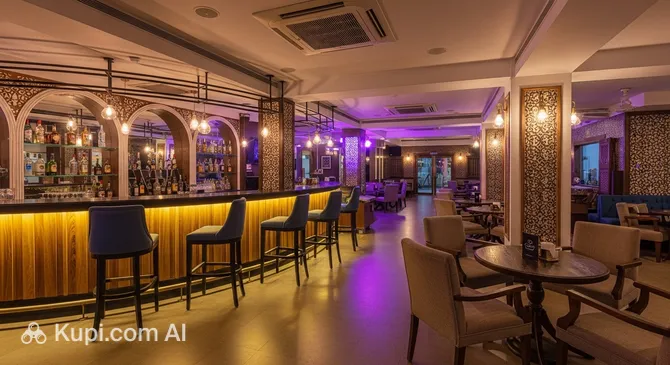
Nightlife in Tiruppur is relatively understated, as the city follows an industrial schedule. Nevertheless, there are decent spots for evening relaxation. The GG Hotels Bar is a popular choice, offering a cozy setting to unwind after a busy day. The establishment provides a good selection of drinks and snacks, attracting both business travelers and locals.
GG Hotels Bar. Illustration.
Source: Kupi.com AI
Traveler photos:
Movie buffs should head to modern cinemas like Sri Sakthi Cinemas. Watching a Tamil-language film is a distinct cultural experience, allowing you to feel the passion Indians have for cinema. Evening walks are best enjoyed in the central districts, where the streets remain lively thanks to numerous street food stalls.
Daytime entertainment in Tiruppur often revolves around visiting parks near dams or participating in local festivals. The most significant event is the Rathayatra festival, held in May-June, when the city streets are filled with music, dancing, and vibrant processions. For safety in the evening, it is recommended to use officially registered taxis or apps like Ola and Uber.
Parks & Museums
The primary area for walking and outdoor recreation near the city is around the Thirumoorthi Dam. A well-maintained park with convenient paths leads to the dam steps. From the top, breathtaking panoramic views of the Anaimalai Hills open up, making it a favorite for family picnics and photo shoots.
While there are few traditional historical museums within Tiruppur itself, its majestic temple complexes serve as the guardians of culture. Sivanmalai and the Konganagiri Murugan Temple are not just religious sites but true open-air museums where you can study traditional Dravidian architecture and the region's ancient customs.
The focus on natural attractions and spiritual centers makes a stay in Tiruppur peaceful and contemplative. City authorities are actively developing the Noyyal River area and the tourism cluster near the dams, aiming to create more comfortable recreational spaces for residents and travelers.
Getting Around
Tiruppur's transport system perfectly meets the needs of an industrial center. The backbone of public transport is the TNSTC state corporation buses. They operate on urban routes and connect Tiruppur with nearby cities such as Coimbatore and Erode. Fares are minimal, but buses can get very crowded during peak hours.
For quick trips around the city, locals and tourists most often use auto-rickshaws. They are a maneuverable and convenient transport for short distances, though it is best to agree on the fare in advance or ask the driver to use the meter. Modern taxi services like Ola and Uber also operate reliably in the city, making travel significantly easier for foreign guests.
The city's railway station is an important point on the Southern Railway map of India. Trains are an excellent way to reach distant areas or neighboring states. Suburban train tickets can be bought at station counters right before departure, while for long-distance travel, it is recommended to book seats in advance through official apps.
Accommodation
Tiruppur offers a wide range of accommodation options, primarily catering to business travelers and pilgrims. In the central part of the city and near the railway station, you will find many budget guesthouses and mid-range hotels that provide basic comfort at very affordable prices.
For those who prefer a higher level of service, modern hotels such as Le Meridien are available in the city and its immediate suburbs (closer to Coimbatore). It is also worth considering hotels in the areas along the Noyyal River, which offer a calmer setting away from the busy industrial quarters.
When planning a trip, especially during major religious festivals or textile exhibitions, it is recommended to book accommodation in advance through popular international platforms. This ensures availability and better rates. For short-term stays, it is best to choose hotels within walking distance of the commercial markets to save time on travel.
Nearby Cities
Tiruppur serves as an excellent starting point for exploring the cultural and industrial riches of Tamil Nadu. Thanks to the developed transport network, tourists can easily plan day trips to neighboring cities, each with its own unique character.
Just 40 kilometers to the west lies the large metropolis of Coimbatore. It is an ideal destination for those looking for major shopping, modern entertainment centers, and majestic temples. To the east is Erode — another important textile center known for its fabric markets and convenient rail connections.
If you want to experience the calmer, more provincial life of the region, it is worth visiting smaller towns like Mannarai or Velampalayam, which are just a few minutes' drive from Tiruppur's center.
City
Population
Distance
Mannarai
11 214
4 km
Velampalayam
60 296
4 km
Andipalayam
14 982
4 km
Murugampalayam
19 060
5 km
Nerupperichal
21 611
7 km
Exploring the surroundings of Tiruppur allows you to see India in all its diversity — from bustling trade hubs to quiet spiritual retreats and scenic natural landscapes.
Shopping & Souvenirs
Shopping in Tiruppur is, first and foremost, a hunt for high-quality textiles and knitwear. The city is a global center for cotton garment production, so you can purchase t-shirts, sportswear, and children's clothing of export quality at incredibly low prices. Many factories have their own retail outlets where surplus stock from famous global brands is sold.
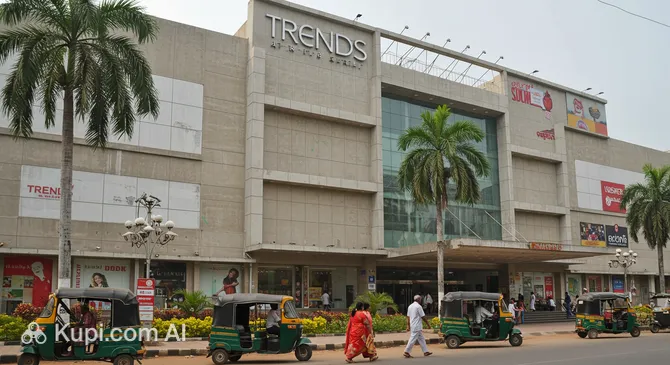
For those who prefer a modern shopping format with air conditioning and familiar service, Trends Mall is an excellent choice. It features popular Indian and international clothing brands, along with relaxation areas and cafes. It is a convenient place for comprehensive shopping in a comfortable environment.
Trends Mall. Illustration.
Source: Kupi.com AI
Traveler photos:
Fans of colorful local markets should head to the central districts, where export complexes and traditional bazaars are located. Bargaining is common in the markets, especially if you are buying items in small wholesale quantities. Most shops are open from 10:00 to 20:00; cards are accepted in large centers, but for purchases in markets and small stalls, it is essential to carry cash in rupees.