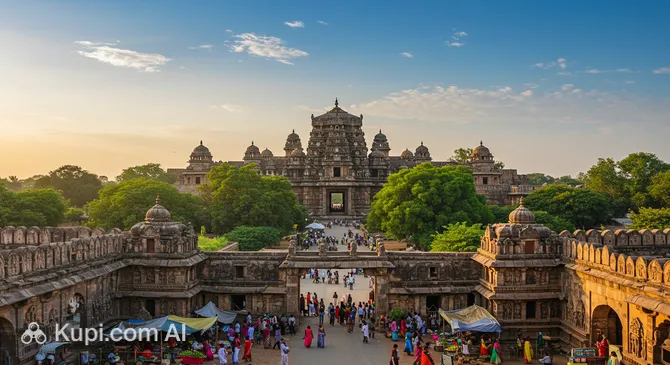
Warangal is one of the most vibrant and historically significant cities in the state of Telangana, located in the heart of southern India. The city attracts travelers with its unique atmosphere, where the majestic heritage of ancient empires harmoniously coexists with the rhythm of a modern educational and commercial hub. With a population of over 700,000, it is considered the second most important urban center in the state after Hyderabad.
Geographically, the city is spread across the picturesque Deccan Plateau. Its history is inextricably linked with the powerful Kakatiya dynasty, for which it served as the capital in the 13th–14th centuries. It was this era that left behind magnificent architectural masterpieces, such as the monumental Warangal Fort and exquisite temples that have become the region's signature landmarks.
Warangal. Illustration.
Source: Kupi.com AI
Today, Warangal is not only an open-air museum but also an important student city, home to the prestigious National Institute of Technology. This combination of ancient history and youthful energy makes it a must-visit destination for those who want to see the real India beyond the well-trodden tourist paths. We invite you to dive into the world of carved stone, ancient legends, and Telangana's hospitality.
Weather Overview
The climate in Warangal is classified as tropical savanna, which implies a clear division of the year into dry and wet periods. The most suitable time for tourism is the winter months (December to February), when the weather in Warangal is mild and pleasant. During this time, daytime temperatures stay around +25…+30 °C, and nights bring long-awaited coolness.
Summer, starting in March and lasting until June, can be a real challenge for the unprepared traveler. Air temperatures often cross the +40 °C mark, and the dry heat of the Deccan Plateau makes long excursions through the open ruins of the fort quite tiring. Expect an extremely hot summer and a significant amount of rainfall during the monsoon season, which begins in the second half of June and lasts until September.
Monsoon rains bring relief from the heat but increase humidity, which, combined with temperatures around +27…+30 °C, creates a "sauna" effect. July and August see the heaviest rainfall (up to 350 mm per month), which can lead to local flooding. If your trip is planned for autumn, you will witness the gradual receding of the rains and the establishment of comfortable conditions for sightseeing.
Average monthly temperature
Average monthly precipitation
Interesting Facts
Warangal is a city full of fascinating details that reveal its rich history and status as the cultural capital of the region. Here are a few interesting facts:
Official State Symbol: The majestic stone gates of Kakatiya Kala Thoranam, preserved at Warangal Fort, are so significant to the local culture that they have become the official emblem of the state of Telangana and are featured on its coat of arms.
The Engineering Marvel of Ramappa: The nearby UNESCO-listed Ramappa Temple was built using unique "floating bricks." Thanks to their porous structure, they are incredibly light, which allowed ancient architects to reduce the load on the foundation.
Mirror-like Granite: In the Thousand Pillar Temple, the black basalt columns and sculptures are polished to such a high gloss that even centuries later, you can see your reflection in them as if in dark glass.
Student Hub: The city is considered one of the country's major educational centers thanks to NIT Warangal—one of India's most prestigious technical institutes, which creates a special atmosphere of youth and innovation.
Cosmic Horizons: Despite its ancient appearance, the city has a modern planetarium, which is a popular attraction for families with children and science enthusiasts.
How to Get There
The transport accessibility of Warangal makes it a convenient destination for travelers exploring the southern part of the country. The city is located at the intersection of important railway and road routes, making it easy to get to Warangal from anywhere in the region. The main transport hub for international tourists is Hyderabad airport, from where the city can be reached in a few hours.
The city's own airport (IATA: WGC) currently has a limited number of regular commercial flights, so most guests prefer to use the railway. Trains are perhaps the most reliable and fastest way to connect with major cities. The journey from Hyderabad by express train takes about 2.5–3 hours, and comfortable carriages allow you to enjoy the views of the Deccan Plateau.
The city's railway stations receive trains running along India's key mainlines. This makes Warangal an important stop on the way to the east coast. For those who prefer buses, the state carrier TSRTC operates regular services to Hanamkonda and other neighboring cities via high-quality highways.
Main Attractions
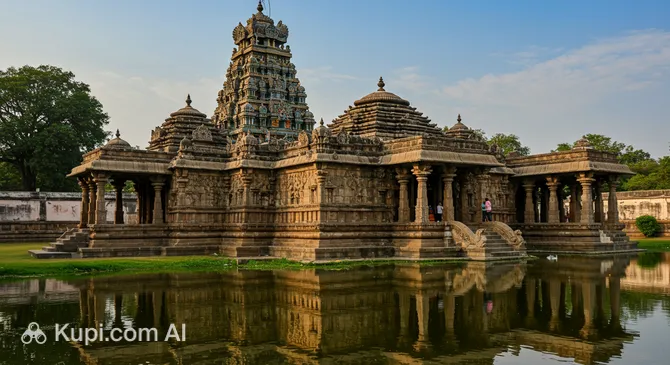
The main treasures of Warangal are closely tied to the reign of the Kakatiya dynasty, which left behind masterpieces of stone architecture. One of the most revered sites is the Bhadrakali Temple. It is picturesquely located on the banks of a lake of the same name, creating an atmosphere of peace and tranquility. Tourists and pilgrims come here not only for prayer but also to enjoy the beautiful views, especially during the sunset hours.
Bhadrakali Temple. Illustration.
Source: Kupi.com AI
Traveler photos:
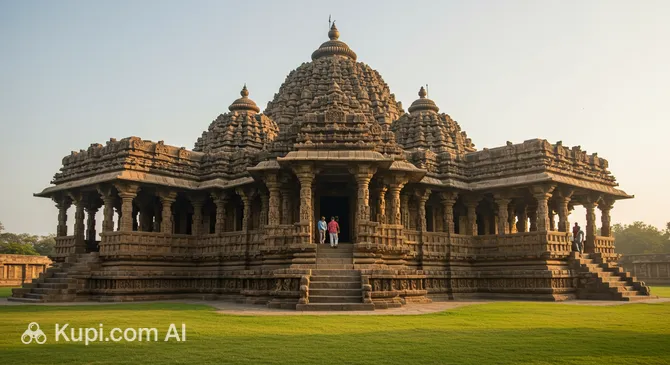
An equally impressive site is the legendary Thousand Pillar Temple. This structure is striking for its intricate basalt and granite carvings, which seem incredibly precise for 13th-century technology. The polishing of the columns was executed so masterfully that their surface still resembles mirror-like metal. Dedicated to Shiva, Vishnu, and Surya, the temple is a prime example of the architectural genius of its time.
Thousand Pillar Temple. Illustration.
Source: Kupi.com AI
Traveler photos:
For those interested in the region's spiritual culture, the Sri Siddeshwar Temple is also worth a visit. While Warangal is not a mainstream international resort, its authenticity and the monumental ruins of Warangal Fort, with its famous stone gates, make the city incredibly photogenic and educational for the discerning traveler.
Local Cuisine
The culinary scene in Warangal is a true feast for lovers of bold and spicy flavors. Local Telangana cuisine is famous for its character: it actively uses chili, tamarind, and legumes. The diet is based on rice, served with various dals (lentil stews), vegetable curries, and aromatic rotis or naan flatbreads.
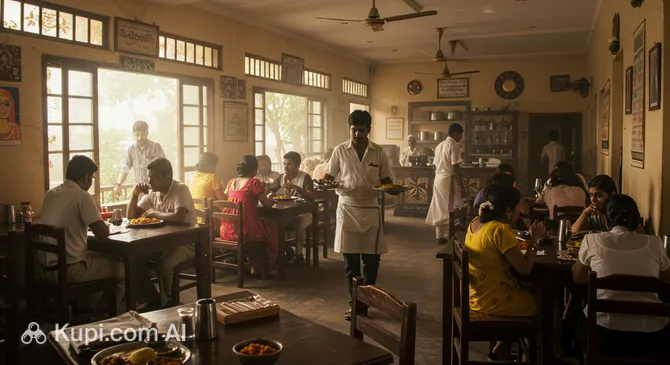
One of the most popular dishes in the city is biryani. Although neighboring Hyderabad holds the title of biryani capital, local establishments such as Paradise Biryani serve excellent regional versions with tender meat and aromatic basmati rice. If you are looking for a place with a historical atmosphere and a diverse menu, it is worth stopping by Kitchen 1970s Warangal, where you can try both traditional South Indian specialties and more modern dishes.
Kitchen 1970s Warangal. Illustration.
Source: Kupi.com AI
Traveler photos:
The food culture here is closely tied to street food and traditional "messes" (small canteens) where students and office workers dine. As for drinks, be sure to try masala chai or strong South Indian filter coffee. Alcohol is available in specialized bars and some hotels, but the selection may be more modest than in major metropolises. Overall, dining in Warangal is a great way to experience the authentic spirit of the Deccan Plateau.
Travel Tips
Visiting Warangal will be an unforgettable experience if you consider a few practical nuances of life in this historical center of Telangana in advance. These tips will help you feel more confident and enjoy your trip to the fullest.
Season and Clothing: The best time for a visit is from November to February when the weather is most comfortable. Choose light clothing made of natural fabrics, but don't forget the dress code when visiting temples: shoulders and knees must be covered. Comfortable shoes are a must, as you will have to walk a lot over stones in Warangal Fort.
Getting Around the City: Auto-rickshaws are the most convenient way to move between attractions. It is recommended to install taxi aggregator apps to check prices or negotiate the fare with the driver before getting in.
Finances: The official currency is the Indian Rupee (INR). Large hotels and shopping malls accept cards, but always carry cash for paying rickshaws, buying street food, and souvenirs at markets. ATMs are mainly located in the central areas.
Connectivity and Internet: Wi-Fi is available in hotels, but for constant connectivity, it's better to purchase a local SIM card (Airtel or Jio) at Hyderabad airport or specialized shops in the city by presenting your passport.
Health: Drink only bottled water and avoid ice in street drinks. On sunny days, be sure to use a hat and sunscreen, as shade is hard to find in the open areas of temples.
Etiquette: It is customary to remove your shoes when entering temples and private homes. Greet people with the traditional namaste gesture (palms pressed together); this always wins the favor of locals.
What to Avoid: Try not to plan long walks in the middle of the day (from 12:00 to 16:00) during the summer months due to extreme heat. It is also not recommended to visit remote outskirts alone after dark.
Pilgrimage Specifics: Keep in mind that during major religious festivals, temples can be extremely crowded and accommodation prices higher than usual.
Following these simple rules will allow you to focus on the beauty of the ancient architecture and the hospitality of the locals. We wish you a brilliant journey!
Entertainment & Nightlife
Entertainment in Warangal is primarily laid-back and family-oriented, reflecting the cultural traditions of the region. The city's evening life revolves around walks in parks and visits to cinemas. A popular spot to end the day is the Kakatiya Musical Garden, where residents and tourists gather to watch the outdoor musical fountain show against the backdrop of the scenic lake.
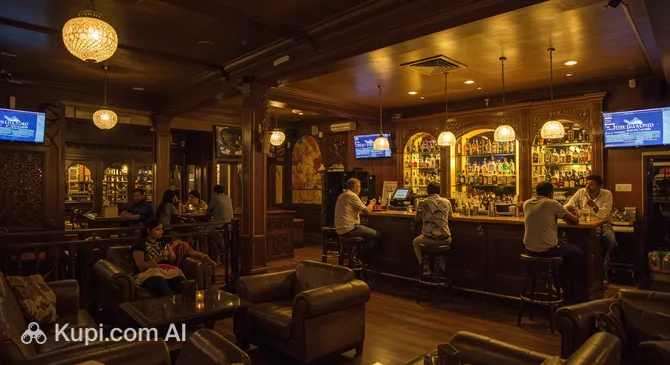
Nightlife in the conventional Western sense—with loud clubs and parties until dawn—is not very developed here. Licensed establishments like the Blue Diamond Restaurant and Bar offer guests a chance to relax in a more formal setting. Most such places close relatively early, catering to dinners and leisurely conversation among friends or family.
Blue Diamond Restaurant & Bar. Illustration.
Source: Kupi.com AI
Traveler photos:
For youth and students, temple festivals and fairs remain the main source of vibrant experiences, transforming into large-scale cultural events. For more active nighttime entertainment and shopping in major malls, locals often head to nearby Hyderabad, while Warangal itself maintains the charm of a steady provincial center with an emphasis on spirituality and history.
Parks & Museums
The natural areas and parks of Warangal offer a pleasant escape from the urban hustle, concentrating primarily around water bodies. The most famous spot is the landscaped Kakatiya Musical Garden. It is located near Bhadrakali Lake and attracts visitors with its well-kept lawns, walking paths, and its main highlight—the light and sound fountain show held in the evenings.
For wildlife lovers, the Kakatiya Zoological Park is open. This space combines the functions of a zoo and a green recreational area where you can see representatives of local fauna. Although it does not claim the scale of national wildlife sanctuaries, the park is an excellent place for a quiet walk, especially for families with children.
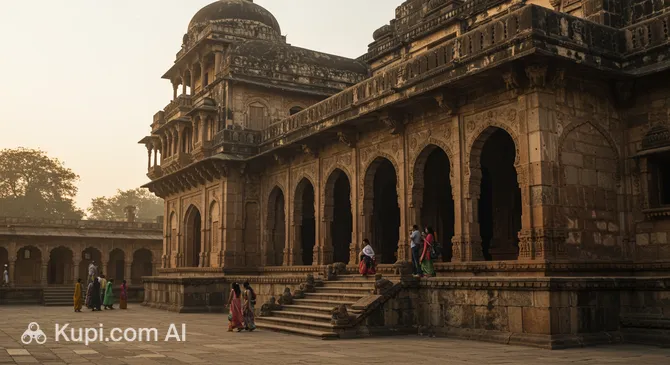
The city's historical heritage itself replaces traditional museums, turning entire districts into open-air exhibits. For example, Kush Mahal is a magnificent building inside Warangal Fort that serves as a silent witness to changing dynasties and architectural styles. In places like Warangal Fort, every carved stone and ancient wall tells the story of the Kakatiya Empire better than any museum plaque.
Kush Mahal. Illustration.
Source: Kupi.com AI
Traveler photos:
Getting Around
The transport system in Warangal is a typical Indian urban mix of traditional and modern ways of getting around. The backbone of public transport consists of buses from the state-owned company TSRTC, which run between the main districts (Warangal and Hanamkonda), linking markets, educational institutions, and residential neighborhoods. This is the most budget-friendly option, though buses can be overcrowded during peak hours.
For tourists, auto-rickshaws are the most convenient and flexible way to get around. They are found everywhere near railway stations and attractions. When using regular rickshaws, it is worth agreeing on a price with the driver in advance, but it is much more reliable to use taxi aggregator apps (like Ola) if the service is available—this guarantees a fixed price and a more predictable level of comfort.
The railway lines not only connect the city with the rest of the country but also serve as an important landmark within the urban area. Driving a car yourself in Warangal is recommended only for experienced drivers due to the dense and sometimes chaotic traffic. Overall, thanks to the compact layout of the main historical sites, moving around the city doesn't take much time, provided you account for possible congestion on main roads during morning and evening hours.
Accommodation
Accommodation options in Warangal cater to a wide range of visitors: from pilgrims and students to business travelers. The city's typical housing stock consists of affordable guesthouses, budget hotels, and a few modern mid-range hotels. Luxury five-star complexes are rare here, as the city's infrastructure is geared toward functionality and accessibility.
The most convenient area for staying is Hanamkonda, as well as the neighborhoods located near the main temples and the railway station. This is where the main tourist infrastructure is concentrated: cafes, pharmacies, and transport hubs. For those planning a long stay, apartment rentals are possible, which is particularly popular in areas adjacent to educational institute campuses.
The general price range in the city is very affordable; however, during periods of major religious festivals or student admission campaigns, demand for housing rises sharply. At such times, it is recommended to book a room in advance through popular Indian or international services. It is always worth carefully reading the latest reviews, as service levels can vary significantly even among hotels in the same price category.
Nearby Cities
Warangal serves as an excellent starting point for exploring the cultural and natural riches of the state of Telangana. Thanks to its central location in the region, the city allows travelers to take fascinating radial trips, discovering both quiet rural landscapes and bustling metropolises.
The undisputed leader for a one- or two-day trip is Hyderabad, located about 150 kilometers away. The state capital offers a contrasting atmosphere with its grand shopping malls, historical palaces, and the famous Ramoji Film City studio complex. It is also worth noting nearby settlements like Waddepally and Hasanparthy, which have effectively merged with the main urban area but retain their local characteristics.
City
Population
Distance
Vaddepalli
12 239
7 km
Hasanparti
19 450
13 km
Dharmasagaram
11 957
16 km
Pedda Pendyala
8 977
20 km
Wardhannapet
15 787
22 km
For those seeking solitude and spirituality, trips toward Dharmasagaram or visits to more distant Pedda Pendyala and Wardhannapet are recommended. Exploring the surroundings of Warangal will allow you to see life in the Indian hinterland, hidden from the eyes of the mass tourist, and enjoy the tranquility of ancient reservoirs and small village temples.
Shopping & Souvenirs
Shopping in Warangal is first and foremost an introduction to local crafts and the vibrant atmosphere of traditional Indian markets. The city is not a center of high fashion, but it offers unique goods that are hard to find in other regions. First and foremost, you should look for handmade products from Telangana: cotton fabrics, scarves, and traditional jewelry.
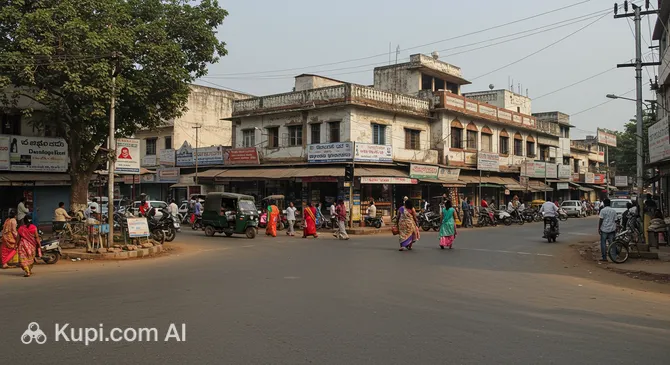
The center of commercial life is the Warangal Chowrasta area. Numerous stalls and shops are located here, where you can find everything from everyday clothing to spices and household items. For those who prefer a more modern shopping format in air-conditioned premises, the city has shopping centers like Trends, which features popular Indian clothing and accessory brands.
Warangal Chowrasta. Illustration.
Source: Kupi.com AI
Traveler photos:
As souvenirs, tourists most often choose miniature replicas of the famous Kakatiya gates or religious items, which are sold in abundance near the main temples. Most shops are open from morning until late evening, and polite bargaining is expected at the markets. Cards are accepted for payment in large shopping centers, but it is always better to have a supply of cash rupees for walks through local bazaars and small shops.