Support

Ranai

About

Ranai is the vibrant capital of the Natuna Regency, situated on the island of Natuna Besar. As the primary gateway to the remote and beautiful Natuna archipelago, this town offers a unique blend of coastal charm and dramatic landscapes. It is a significant destination in the Riau Islands Province of Indonesia, serving as a hub for travelers seeking to explore the untouched beauty of the region.
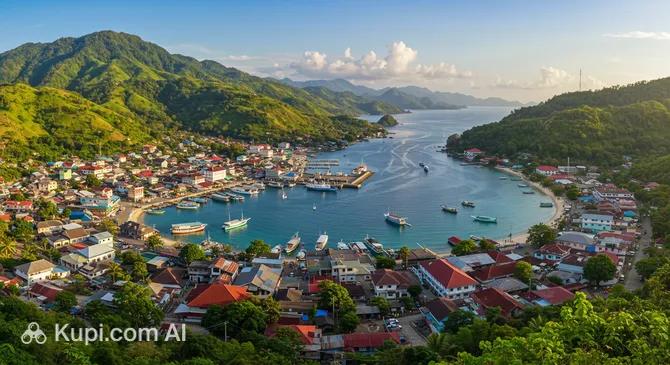
Ranai. Source: Kupi.Binoculars

The town is geographically defined by the imposing silhouette of Mount Ranai, which rises majestically behind the settlement, creating a stunning backdrop for the coastal scenery. With a population of approximately 28,000 residents, Ranai maintains a friendly, small-town atmosphere while providing essential amenities for visitors. The climate is tropical, ensuring a lush and green environment that appeals to nature lovers.

Culturally and architecturally, the town is home to the spectacular Great Mosque of Natuna (Masjid Agung Natuna), often compared to the Taj Mahal for its grand design and scenic location. Those interested in the local heritage can explore the history of Ranai, which reveals its importance as a maritime crossroads. Another must-visit spot is the Alif Stone Park, famous for its massive prehistoric granite boulders scattered along the pristine beach.

Whether you are looking to hike up the mountain, relax on quiet beaches, or admire unique geological formations, Ranai promises an unforgettable experience. It is the perfect starting point for an adventure into one of the country's most intriguing frontier regions.

Weather Overview

Ranai enjoys a consistent tropical climate with warm temperatures year-round, creating a lush environment for visitors. The average monthly temperatures remain quite stable, typically ranging from 26.3°C in January to roughly 28.5°C in May. Days are generally warm, with maximum temperatures frequently reaching around 30°C during the hottest months of April and May.

Rainfall is a constant feature of the weather in Ranai, and travelers should be prepared for frequent showers regardless of when they visit. The region experiences a high number of wet days, peaking in months like May, October, and November, which can see rain on up to 29 days. February is typically the driest month relative to the rest of the year, though it still records approximately 17 wet days.

Interesting Facts

Beyond the main attractions, Ranai holds many fascinating secrets rooted in its ancient geology and isolated ecosystem. These unique features make the town and its surroundings a treasure trove for nature enthusiasts and curious explorers.

  • Home of the Kekah: The forests surrounding Ranai are the exclusive habitat of the Natuna Island Surili, locally known as the "Kekah." This rare, endemic primate is easily recognized by the distinctive white circles around its eyes and is considered a living mascot of the region found nowhere else on Earth.

  • Cretaceous Giants: The colossal granite boulders scattered along the coast, particularly near the town, are geologically dated to the Cretaceous period. Unlike typical coastal formations, these smooth, massive stones appear to have been dropped onto the landscape, creating a surreal "stone garden" that has puzzled geologists and delighted visitors.

  • A Mountain of Three Peaks: The iconic Mount Ranai is not a single summit but consists of three distinct peaks known as Puncak Serindit, Puncak Erik Samali, and Puncak Datuk Panglima Husin (often simply called Puncak Datuk). The mountain acts as a vital water catchment area for the city and creates its own microclimate, often remaining shrouded in mist even when the beaches below are bathed in sunshine.

How to Get There

Reaching this remote island destination is an adventure in itself, primarily involving a flight to the Natuna archipelago. While the journey might require a transit in a major regional hub like Batam, the arrival offers breathtaking views of the South China Sea. For a comprehensive breakdown of routes and tips, you can read more about how to get to Ranai.

The most direct way to arrive is via Natuna Ranai (IATA: NTX), also known as Raden Sadjad Airport. It is conveniently located within the city limits, just 3.7 km from the center of Ranai. Due to its close proximity, the trip from the terminal to your accommodation by taxi or car is very quick, typically taking only about 5 to 10 minutes. Although it is a smaller regional facility, it is the essential lifeline for tourism and transport on the island.

For clarity, here is a summary of the main airports:

Airport Name City Passenger Traffic Km from City
Natuna RanaiRanaiSmall3.7

Since Ranai is situated on Natuna Besar Island, there are no railway networks available. Aside from air travel, the only other way to reach the city is by sea. PELNI passenger ships and local ferries regularly dock at the island's ports, offering a slower but scenic alternative for travelers connecting from other parts of the Riau Islands province.

Main Attractions

While Ranai is a small town, it boasts several landmarks that highlight the natural beauty and cultural significance of this northern frontier of Indonesia. Visitors will find a mix of architectural marvels and geological wonders right on the doorstep of the city, making it a rewarding destination for sightseeing.

The most prominent landmark is undoubtedly the Great Mosque of Natuna (Masjid Agung Natuna). Dominating the landscape with its grand green dome and four towering minarets, this architectural masterpiece is often referred to as the "Taj Mahal of Natuna." It stands majestically at the foot of Mount Ranai, offering a serene atmosphere and breathtaking photo opportunities, especially when the mountain peak is visible in the background.

For a unique nature experience, Alif Stone Park is a must-visit destination located just a short drive from the town center. This park is famous for its cluster of gigantic granite boulders that date back millions of years. Wooden walkways connect the massive stones, allowing visitors to walk over the crystal-clear water and explore the crevices and caves formed by the rocks. It is an ideal spot for a relaxing sunset walk or a quick swim in the calm waters.

Beach lovers should head to Pantai Tanjung, a popular recreational spot situated roughly 15 minutes from Ranai. The beach features a long stretch of soft white sand and calm, shallow waters perfect for families. From the shore, you get a spectacular panoramic view of Mount Ranai rising from the interior, making it one of the most scenic locations on the island.

Just off the coast lies Senua Island (Pulau Senua), visible from Ranai’s beaches. Known for its distinct shape resembling a sleeping pregnant woman, this uninhabited island is a sanctuary for sea turtles and swiftlets. It is a fantastic location for snorkeling, with vibrant coral reefs and clear visibility, and can be easily reached by a hired boat for a memorable day trip.

Local Cuisine

The culinary scene in Ranai is a delightful reflection of its island geography, heavily centered around fresh seafood and traditional Malay flavors. As a coastal town, the ingredients are incredibly fresh, with fish, crabs, and lobsters often caught just hours before being served. The local food is characterized by the use of sago (sagu) as a staple ingredient, often replacing rice in specific traditional snacks and main courses, giving the cuisine a unique texture and identity distinct from other parts of Indonesia.

One dish you absolutely must try is Kernas (sometimes called Kas). These savory nuggets are made from a mixture of smoked tuna or mackerel and sago pearls, deep-fried until they are crispy on the outside and chewy on the inside. They are typically served hot with a side of spicy chili sauce, making them a perfect afternoon snack. Another local favorite is Tabel Mando, often playfully referred to as "Natuna Pizza." It is a flat, savory pancake made from sago grains, grated coconut, and seasoned fish floss, offering a delicious combination of smoky and savory flavors.

For adventurous eaters, Latoh Silong offers a truly unique gastronomic experience. This dish consists of fresh sea grapes (a type of green seaweed) eaten raw with a side of spicy sambal mixed with lime. The seaweed has a distinctive "popping" texture in the mouth and a fresh, salty taste of the ocean. Of course, no trip is complete without enjoying a classic Ikan Bakar (grilled fish), marinated in rich spices and charcoal-grilled to perfection, widely available at seafood restaurants throughout the city.

To wash down the rich flavors, locals often turn to fresh Kelapa Muda (young coconut water), which is abundant and refreshing in the tropical heat. Coffee culture is also present, with strong, sweet local coffee enjoyed in the mornings and evenings. The dining atmosphere in Ranai is relaxed and unpretentious. Most tourists and locals gather at open-air food courts known as Pujasera or small roadside warungs, where you can enjoy an affordable feast while soaking in the cool evening breeze, often with a view of the sea.

Travel Tips

Planning a trip to Ranai requires a bit of preparation due to its location on the remote Natuna archipelago, far from the hustle of major tourist hubs. To help you navigate this beautiful frontier town with ease, here are some practical tips to ensure your journey is smooth and enjoyable.

  1. Clothing and Gear: Given the tropical climate and frequent rainfall, pack lightweight, breathable fabrics like cotton or linen. A sturdy raincoat or poncho is essential, as showers can occur unexpectedly. If you plan to visit the Great Mosque of Natuna, bring modest clothing that covers your shoulders and knees. Don't forget comfortable walking sandals for exploring the beaches and Alif Stone Park.
  2. Transportation: Public transport options like buses or trains do not exist in Ranai. The most convenient way to explore the island is by renting a motorbike (scooter) or hiring a car with a driver. While there are local motorcycle taxis (ojek), having your own vehicle gives you the freedom to reach remote spots like Tanjung Beach at your own pace.
  3. Finances: The local currency is the Indonesian Rupiah (IDR). Cash is king in Ranai, especially at small warungs and local markets. While there are ATMs available in the town center (typically Bank Mandiri, BNI, or BRI), they can be scarce or unreliable outside the main city area. Credit cards are rarely accepted except at a few major hotels, so always carry enough cash for daily expenses.
  4. Health and Safety: Ranai is generally very safe, but it is a tropical environment. Bring a strong mosquito repellent to protect against insect bites, especially if you are near the forests or out in the evening. Pharmacies (Apotek) are available in the town center for basic supplies, and the local general hospital (RSUD Natuna) can handle medical emergencies.
  5. Communication: English is not widely spoken outside of the airport and government offices. It is highly recommended to learn a few basic phrases in Bahasa Indonesia, such as "Terima kasih" (Thank you) and "Berapa harganya?" (How much is this?). Purchase a local SIM card (Telkomsel usually has the best coverage in remote islands) upon arrival to stay connected, as Wi-Fi can be slow or unavailable in guesthouses.
  6. Local Etiquette: The culture in Ranai is predominantly Malay and Muslim, known for being warm and polite. Always use your right hand for eating, giving, or receiving items, as the left hand is considered unclean. When entering a local home or a mosque, remember to remove your shoes at the door as a sign of respect.
  7. What to Avoid: Avoid wearing overly revealing swimwear (like skimpy bikinis) on public beaches frequented by locals, as this can be seen as disrespectful to local norms. Save your swimwear for the water and cover up when you are back on the sand or heading to a food stall.
  8. Additional Tip: Be mindful of "Island Time." Life in Ranai moves at a slower, more relaxed pace compared to cities like Jakarta or Batam. Shops and businesses may close briefly for prayer times or close earlier in the evening than you might expect, so plan your shopping and dining accordingly.

By keeping these tips in mind, you will be well-equipped to embrace the laid-back charm and natural splendor of Ranai. Respecting the local customs and coming prepared for the remote nature of the island will guarantee a memorable and hassle-free adventure.

Entertainment & Nightlife

Nightlife in Ranai offers a distinct departure from the bustling clubs and neon-lit party strips found in major tourist hubs. Instead of loud music and dance floors, the evening atmosphere here is defined by relaxed social gatherings, cool ocean breezes, and a strong community vibe. The nightlife is centered around connecting with people, enjoying fresh culinary delights, and soaking in the tranquility of the island after dark.

The heart of the town's evening activity is undoubtedly Pantai Piwang (Piwang Beach Park). Located along the main coastal road, this open-air public park comes alive at sunset and remains the primary gathering spot well into the night. It attracts a diverse crowd, from families with children playing on the sports courts to teenagers and couples enjoying the sea view. The atmosphere is safe, lively, and incredibly welcoming, making it the perfect place to observe local life while enjoying a roasted corn or a cold drink from nearby vendors.

For those seeking a gastronomic night out, the local food courts, known as Pujasera, are the main attraction. These open-air venues serve as the town's social hubs where locals gather to dine and chat for hours. Pujasera Ranai is a popular choice, offering a wide array of fresh seafood, satay, and traditional noodle dishes at very affordable prices. The dress code is casual—shorts and t-shirts are perfectly acceptable—and the venues typically stay open until around midnight.

Coffee culture is also a significant part of the evening routine in Ranai. The streets are lined with traditional coffee shops (warung kopi) where residents linger over strong cups of local coffee and light snacks. It is not uncommon to see groups of friends socializing in these establishments late into the night. If you are looking for entertainment during the daylight hours, the town offers cultural landmarks like the Museum Sri Serindit, which houses historical artifacts from the Natuna region, or you can spend the day exploring the magnificent Great Mosque of Natuna before the sun goes down.

When venturing out at night, Ranai is generally very safe for walking, particularly in the well-lit town center and around Pantai Piwang. However, street lighting can be sparse on the outskirts, so it is advisable to stick to main roads. Public transport is virtually non-existent at night, so renting a scooter or arranging a contact for a local motorcycle taxi (ojek) beforehand is the best way to get around. Prices for food and entertainment are low, with a hearty meal and drink often costing less than 50,000 IDR.

Parks & Museums

Ranai offers a fascinating combination of geological wonders and cultural heritage, where massive stone formations serve as natural parks and local institutions preserve the region's maritime history. The town's green spaces are often defined by the dramatic granite landscapes that characterize the Natuna archipelago, providing visitors with unique environments for relaxation and exploration.

Alif Stone Park is the most iconic natural area in the city, renowned for its surreal landscape where gigantic granite boulders are scattered along the coastline. Unlike a traditional garden, this park features a network of wooden boardwalks that weave through the massive stones, allowing visitors to walk over crystal-clear waters and explore narrow crevices. It is a geological masterpiece that serves as a serene escape, offering shaded corners for relaxation and exceptional views of the open sea.

For a more community-centered experience, Pantai Piwang (Piwang Beach Park) acts as the town's central green lung and social hub. Located along the waterfront, this well-maintained public park features jogging tracks, sports courts, and open grassy areas lined with palm trees. It is the perfect place to witness the daily life of locals, who gather here for exercise and leisure, especially in the late afternoon when the sea breeze cools the city.

Culture enthusiasts should visit the Museum Sri Serindit, which plays a crucial role in preserving the history of Natuna. The museum is famous for its extensive collection of ancient ceramics and artifacts recovered from shipwrecks in the surrounding waters. Since Natuna was situated on a historic maritime trade route, the museum displays treasures dating back to the Song and Ming dynasties, offering a glimpse into the region's past as a crossroads of international trade.

The city's skyline is dominated by the Great Mosque of Natuna (Masjid Agung Natuna), a monumental site that blends religious significance with architectural grandeur. The mosque's design is inspired by Middle Eastern and Islamic architecture, featuring a massive green dome and intricate geometric patterns. Set against the looming backdrop of Mount Ranai, the mosque's spacious courtyards and manicured gardens provide a peaceful atmosphere for reflection and photography.

For a truly authentic experience, take a short trip to the Batu Sindu area on the Tanjung Senubing cape. This elevated headland offers a rugged natural park setting with ancient rock formations and a historic lighthouse. It is a favorite spot among locals for enjoying panoramic views of the South China Sea and watching the waves crash against the granite cliffs, far from the usual tourist crowds.

Getting Around

Travelers accustomed to extensive public transportation networks will find a very different landscape in Ranai. As a relatively small town located on a remote island, the city does not possess a formal public transport system such as a metro, tram, or municipal bus network. Instead, getting around relies heavily on informal transport services and private vehicle rentals, which are well-suited to the laid-back pace and low traffic density of the area.

The closest equivalent to public transport in Ranai is the ojek, or motorcycle taxi. These are not booked through apps or found at designated stands but are typically informal operators who congregate near key locations like the airport, the harbor, and busy market areas. Ojeks are efficient for short trips within the town center, but they do not operate on fixed schedules or routes. If you need a ride, you simply approach a driver, state your destination, and agree on a price before hopping on.

Regarding payment, the system is entirely cash-based. There are no travel passes, smart cards, or electronic ticketing systems in use for local transport. You must carry sufficient cash in Indonesian Rupiah (IDR), preferably in smaller denominations, to pay drivers directly. Since vehicles rarely have meters, the fare is subject to negotiation. It is advisable to ask a local or your hotel staff for the approximate "fair price" to your destination beforehand so you can negotiate confidently.

For tourists wanting to explore attractions outside the immediate town center, such as Alif Stone Park or the beaches, relying on ojeks can be inconvenient. Therefore, the most popular alternative is renting a scooter (motorbike). Rental shops and guesthouses offer scooters for daily rates, providing the freedom to explore the island's scenic coastal roads at your own leisure. For families or small groups, hiring a car with a driver is a standard option, as standard self-drive car rentals are less common and navigating the unlit rural roads can be tricky for newcomers.

Modern ride-hailing apps, which are ubiquitous in major Indonesian cities like Jakarta or Bali, are generally not available or reliable in Ranai. You should not rely on using your phone to summon a car. Transport services typically operate during daylight hours and early evening; finding an ojek late at night can be difficult. Consequently, it is highly recommended to arrange your evening transport in advance, especially if you are dining out or visiting the beach park after dark.

Accommodation

Accommodation in Ranai is primarily designed to serve practical travelers and those visiting for business or government purposes, rather than luxury tourism. The city offers a modest range of options, consisting mainly of budget-friendly guesthouses (locally known as wisma or penginapan) and standard mid-range hotels. You will not find international 5-star resort chains here; instead, the hospitality scene is characterized by small, locally-owned establishments that provide clean, comfortable, and basic amenities.

For the most convenient stay, it is best to look for accommodation in the town center. Staying in this area places you within walking distance of essential services, the bustling food courts (Pujasera), and the iconic Great Mosque of Natuna. Alternatively, there are several hotels located along the coastal roads which offer pleasant sea views and easy access to the waterfront, though you may need a vehicle to reach the central markets quickly.

Prices in Ranai are generally very affordable compared to more developed tourist destinations in Indonesia. Most stays fall into the budget to mid-range price bracket. While some of the larger hotels can be booked through major online travel platforms, many smaller guesthouses do not have an online presence. In such cases, direct booking via phone or finding a place upon arrival is common practice. It is important to note that payment is almost exclusively in cash, so ensure you have sufficient Indonesian Rupiah on hand when checking in.

Booking Tip: Since accommodation options are limited, availability can tighten during local government events or national holidays. If you plan to visit during these times, it is highly recommended to book your room well in advance to secure your preferred spot.

Nearby Cities

For those looking to explore the wider region, Ranai serves as a connecting point for short visits to several interesting locations across the archipelago:

City Population Distance (km)
Batam 1300000 573
Pontianak 618388 452
Dumai 264084 815
Singkawang 230376 342
Pangkal Pinang 218569 717

Although the remote nature of Natuna means that "nearby" cities often require a flight or a sea voyage, they offer distinct experiences worth the journey. Singkawang, located in West Kalimantan, is a culturally rich destination often called the "City of a Thousand Temples." It is celebrated for its harmonious blend of traditions and is particularly famous for its vibrant festivals and delicious local cuisine.

Another fascinating stop is Pontianak, situated on the banks of the Kapuas River. It is best known for the iconic Equator Monument, which marks the division between the northern and southern hemispheres. Visitors here can enjoy unique river cruises and explore the bustling markets that define this equatorial city.

For those seeking modern amenities and entertainment, Batam acts as a major hub in the region. It is a popular destination for shopping, spa treatments, and golf, offering a lively contrast to the quiet natural beauty of Ranai.

These nearby destinations offer a glimpse into the diverse culture and landscapes of the region.

Shopping & Souvenirs

Shopping in Ranai offers a humble yet authentic experience that reflects the town's role as a remote island hub. Unlike the bustling metropolises of Indonesia, you will not find luxury boutiques or international fashion chains here. Instead, the retail scene is dominated by small, family-run businesses, traditional markets, and local convenience stores. For tourists, the charm lies in discovering unique regional products and interacting with friendly local vendors who are eager to share the best of Natuna.

The commercial heartbeat of the city is concentrated along Jalan Soekarno-Hatta and the streets surrounding the main harbor. This area serves as the primary downtown district where visitors can find a variety of shops selling clothing, electronics, and daily necessities. Walking down these streets provides a lively atmosphere, especially in the late afternoon when residents come out to run errands and socialize.

Travelers should be aware that there are no large, modern shopping malls in Ranai. The retail landscape is much more traditional. The closest equivalent to a modern shopping center is Caesar Mart, a well-known supermarket and department store in the town center. It is a reliable spot for purchasing toiletries, snacks, bottled water, and other travel essentials in a comfortable, air-conditioned environment.

For a true taste of local culture, a visit to Pasar Ranai (Ranai Market) is essential. Located near the waterfront, this traditional market is busiest in the early morning hours. Here, fishermen bring in their fresh catch of the day, including tuna and squid, while farmers sell locally grown vegetables and tropical fruits. It is also a great place to find traditional snacks and witness the daily trading rhythm of the island community.

When looking for souvenirs to take home, food products are the most popular choice. The signature item of the region is Kerupuk Atom, a savory, round fish cracker made from mackerel that is crunchy and addictive. Another favorite is Madu Natuna (Natuna Honey), harvested from the local forests and prized for its purity. For non-food items, look for Batik Natuna, which features unique motifs inspired by the island's flora and marine life, such as cloves and sea turtles.

Most shops in Ranai typically open around 8:00 AM and close by 9:00 PM, although traditional market stalls operate much earlier, often starting at dawn and winding down by midday. Payment methods are overwhelmingly cash-based. While the main supermarket may accept debit cards, small souvenir shops, market vendors, and roadside stalls deal exclusively in Indonesian Rupiah (IDR). It is highly recommended to withdraw sufficient cash from an ATM in the town center before heading out to shop.

Visitors should note that Ranai does not offer a tax-free shopping scheme for tourists. The prices you see are generally final, though friendly bargaining is common and expected in traditional markets and smaller, non-fixed-price stalls.

Reached the end of the page?

That means the route is fully explored