Support

Cagar Budaya Rumah Keluarga Tjhia

About

The Tjhia Family House (Cagar Budaya Rumah Keluarga Tjhia) is a unique historical complex located in the heart of Singkawang, Indonesia. Built at the turn of the century between 1901 and 1902, this site is officially recognized as a cultural heritage site and is considered one of the oldest surviving structures in the region. The architecture follows traditional Northern Chinese styles, making it a prominent example of Eastern craftsmanship on the island of Kalimantan.
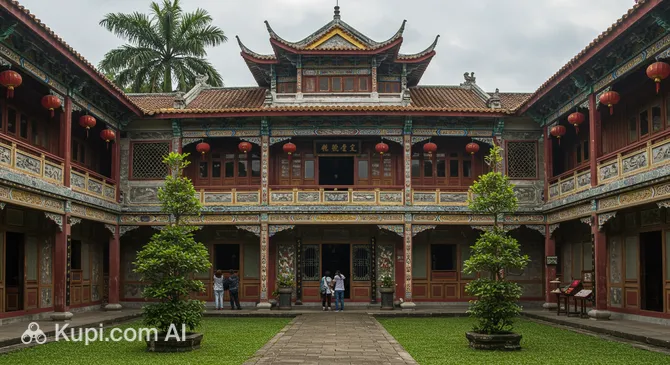
Tjhia Family Heritage House
Tjhia Family Heritage House. Иллюстрация. Источник: Kupi.com AI

The complex is more than just a museum; it is a living space where the seventh generation of Tjhia descendants still resides. A walk through the grounds allows you to touch authentic daily life and see how history and modernity intertwine. The facade features two majestic houses, while deeper into the courtyard, there is a meeting hall, a family temple (pekong), and 14 smaller residential buildings.

The place is famous for its hospitable atmosphere and high ratings among travelers. Visitors appreciate the opportunity to immerse themselves in the vibe of "Indonesian Hong Kong," where Chinese traditions harmoniously coexist with Malay and Dayak cultures. It is an iconic landmark that serves as a living bridge between the city's past and present.

Contacts

For your convenience, here is the reference information to help you find this historical monument.

How to contactContact
AddressGg. Tradisional No.45, Condong, Kec. Singkawang Tengah, Kota Singkawang, Kalimantan Barat 79111, Indonesia

What to Do

The main reason to visit the Tjhia Family House is the chance to see the life of the Chinese diaspora from the "inside." You can take a leisurely stroll through the open halls, examine antique furniture and family heirlooms, and look into the ancestral temple. Since it is a living museum, you can often chat with the founder's descendants, who are happy to share stories about their lineage and the traditions of Singkawang.

Culinary experiences are an essential part of the visit. There is a small cafe on the premises serving what is arguably the best Choi Pan (steamed dumplings) in the area. It is also worth trying the local rujak, traditional sweets, and the refreshing jeruk namong (fermented orange juice). Importantly, all the food here is halal, making it accessible to all guests.

Photography enthusiasts will find plenty of aesthetic shots, from the authentic curved roofs to the cozy courtyards overlooking the river. After exploring the house, you can head to the neighboring Hongkong Market or simply relax in the peaceful atmosphere of this historic site, enjoying the silence away from the city bustle.

Getting There

The landmark is located in the heart of Singkawang, in a traditional quarter behind the shops on Jalan Budi Utomo. It is easy to find: the house sits by the river, within walking distance of the popular Pasar Hongkong (Hong Kong Market) and the Tri Dharma Bumi Raya Vihara. For navigation, use the address: Gg. Tradisional No.45, Condong.

If you are in the city center, the easiest way to reach it is on foot or by a local rickshaw. You can also use taxis or ride-hailing apps. The drive from the nearest airport, Tebelian (though often referred to in connection with regional travel via PON), takes approximately 30–40 minutes by car through the scenic roads of West Kalimantan.

Ближайший город: Singkawang

History & Facts

The history of this place began with a man named Tjhia Hiap Shin, who arrived in Singkawang from China, escaping famine. His path to success was not easy: after surviving bankruptcy and hard labor in a shop, he eventually earned his employer's trust and founded his own business. Becoming the owner of a fleet of merchant ships plying the river, he built a fortune and, in 1901–1902, erected this grand residential complex.

Tjhia Hiap Shin married a local woman, starting a large clan known as Bintang Kawan Sangpai. The house became a witness to the economic boom of the Chinese community and a vivid example of how the hard work of migrants shaped the region's character. The architecture, featuring traditional Northern Chinese traits, has remained almost perfectly preserved for over a century.

In 1999, city authorities officially recognized the complex as a cultural heritage site (Cagar Budaya). Today, it is home to the seventh generation of the Tjhia family, who carefully preserve their ancestors' traditions and maintain the historic buildings, turning their ancestral nest into an important tourist and educational center.

Time Needed

To fully experience the Tjhia Family House, 1–2 hours is usually sufficient. This is enough time to examine the architectural details, visit the inner courtyards, and take memorable photos in the authentic setting.

If you plan to not only tour the site but also taste the famous dishes at the local cafe, you should set aside a bit more time for a leisurely break. Thanks to its central location, a visit here is easily combined with a stroll through the nearby market and other attractions.

Working Hours

The complex is open to visitors daily, including weekends. You can plan your visit at any convenient time during the day, as the schedule remains constant: from 08:00 to 17:30.

8:00 – 17:30

Nearby

Exploring the surroundings of the Tjhia Family House will allow you to dive deeper into the atmosphere of this unique multicultural city. The complex's location in the historical center makes it an ideal starting point for a walk through the old quarters, where every alley holds a piece of the past.

Nearby, you will find many colorful temples, historical burial sites, and monuments reflecting the region's rich heritage. Below is a list of interesting sites within easy reach:

NameDistance
Bird Park0.2 km
Grand Mosque of Singkawang0.2 km
Tri Dharma Bumi Raya Temple0.2 km
Hong Kong Market0.2 km
Golden Dragon Monument0.4 km
Sop Mak Garang0.5 km
Mie Ayam & Bakso Muntjul0.8 km

Reached the end of the page?

That means the route is fully explored