Support

Kerman

About

Welcome to Kerman, a captivating city that perfectly blends desert majesty with profound cultural depth. Located in the southeastern part of Iran, this historic metropolis serves as the capital of the Kerman Province. Situated on the margins of the vast Lut Desert, the city enjoys a unique climate that is surprisingly moderate due to its high altitude and the surrounding mountains. With a population of over 738,000 residents, it is a bustling regional hub that nevertheless maintains a relaxed and welcoming atmosphere.
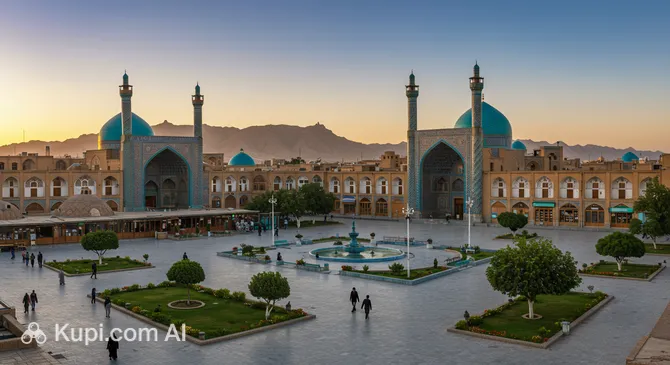
Kerman. Source: Kupi.Binoculars

The city has long been a vital trading post, connecting various parts of the region through ancient routes. Visitors intrigued by the area's heritage can delve into the rich history of Kerman, which dates back to the Sassanid Empire and features stories of resilience and architectural innovation. The city's fabric is woven with monuments that stand as testaments to its glorious past, making every walk through its streets a journey through time.

Travelers are often drawn to the magnificent Ganjali Khan Complex, a Safavid-era architectural masterpiece centered around a vibrant square that includes a bazaar, a bathhouse, and a mosque. Another unmissable highlight is the city's proximity to the UNESCO-listed Shazdeh Garden in Mahan, a stunning example of a Persian garden that blooms like a green miracle in the heart of the arid landscape. Additionally, Kerman is globally renowned for its exquisite hand-woven carpets and the production of high-quality pistachios.

Whether you are an architecture enthusiast, a history buff, or a nature lover seeking the serenity of the desert, Kerman offers an unforgettable experience. Its warm hospitality, distinct local cuisine, and timeless charm make it an essential destination for anyone planning to explore the wonders of the region.

Weather Overview

Kerman experiences a desert climate that is heavily influenced by its high elevation, resulting in distinct seasonal changes. The weather in Kerman is generally characterized by hot, arid summers and cool to cold winters. Visitors planning a trip should be prepared for significant temperature variations depending on the month of travel.

During the summer months, particularly from June to August, the city is very dry with virtually no rainfall. Average temperatures range from 25°C to 27.5°C, while daily highs can peak around 33.8°C in July. Conversely, winters are quite chilly; in January, the average temperature drops to approximately 5.1°C, and nights can be freezing with lows reaching -0.6°C. Precipitation is sparse year-round, with the few wet days typically occurring between late winter and early spring.

Interesting Facts

Beyond the main attractions, Kerman holds many fascinating secrets and cultural distinctions that add depth to its desert allure. Here are a few intriguing details about this historic city that often surprise visitors.

  • The Cumin Proverb: In Persian culture, there is a famous idiom that translates to "carrying cumin to Kerman," which is the local equivalent of the English phrase "carrying coals to Newcastle." This saying exists because Kerman is historically celebrated for producing the highest quality cumin (zireh) in the region, making it pointless to bring any from elsewhere.

  • Ancient Refrigeration: Despite its location near the scorching desert, the city was historically a master of ice storage. Kerman is home to several conical mud-brick structures known as yakhchals (ice pits). These ingenious architectural feats allowed residents to store ice created during freezing winter nights and preserve it throughout the hot summer months without electricity.

  • A Museum of Life: The celebrated Ganjali Khan Bathhouse is not just an architectural marvel; it has been transformed into an anthropological museum. Today, the bathhouse is populated with lifelike wax figures dressed in traditional costumes, freezing in time the social customs and bathing rituals of the Safavid era for modern observers.

  • Gateway to the Hottest Place: Kerman serves as the primary gateway to the Lut Desert, which contains the Gandom Beryan plateau. This specific area has been recorded by satellites as one of the hottest places on the surface of the Earth, with temperatures soaring high enough to supposedly bake bread on the rocks, offering a stark contrast to the city's more moderate climate.

Ganjali Khan Bathhouse. Source: Kupi.Binoculars

How to Get There

Reaching this desert metropolis is an adventure in itself, with options ranging from convenient flights to scenic overland journeys. While air travel is the fastest method, the city is also well-integrated into the national transport network. You can find detailed information on all available routes and schedules by reading more about how to get to Kerman.

The most direct way to arrive is via Kerman Airport (KER), which serves as the primary aviation hub for the province. Situated just 12.8 km from the city center, this facility handles a steady flow of domestic traffic, connecting the region with major Iranian cities. A taxi ride from the terminal to downtown typically takes around 40 minutes. With an annual passenger traffic of approximately 730,000, it is a busy regional airport that ensures reliable access for visitors year-round.

For clarity, here is a summary of the main airport:

Airport Name City Passenger Traffic Km from City
Kerman Airport Kerman Medium 12.8

Beyond air travel, Kerman is accessible by a reliable railway network that connects it to Tehran and other major hubs. The train journey through the desert offers travelers a safe and comfortable experience, showcasing the dramatic landscapes of southeastern Iran. Additionally, frequent bus services operate from cities like Yazd, Shiraz, and Isfahan, making road travel a popular and budget-friendly alternative for exploring the country.

Main Attractions

Kerman boasts a wealth of historical sites that reflect its importance as a cultural and trading hub on the edge of the desert. From lush gardens that defy the arid climate to architectural marvels from the Safavid era, the city offers visitors a chance to explore deep into Persian history and art.

One of the most celebrated sites is the Ganjali Khan Bathhouse, an exquisite example of 17th-century Persian architecture located within the larger Ganjali Khan Complex. Once a public bath serving the community, it has been transformed into an anthropological museum that brings history to life. The interior is adorned with intricate tile work, paintings, and arches, while lifelike wax figures illustrate the bathing rituals and social gatherings of the past. It is a fascinating place to understand the daily life of ancient Kerman.

Ganjali Khan Bathhouse. Source: Kupi.Binoculars

A short drive from the city leads to the breathtaking Shazdeh Garden (Prince’s Garden) in Mahan, a UNESCO World Heritage site that appears like a mirage in the dry landscape. Built during the Qajar dynasty, this rectangular green oasis features a series of tiered fountains and towering trees fueled by water flowing from the nearby mountains. The contrast between the lush, walled garden and the barren desert outside is truly spectacular, making it a perfect spot for relaxation and photography.

Another gem from the Qajar era is the Fathabad Garden, located just outside the city. Recently restored to its former glory, the garden centers around a magnificent main building reflected in a long pool of water. It is particularly magical in the evening when the palace is illuminated with golden lights, creating a romantic and serene atmosphere. Visitors can enjoy a stroll through the grounds or dine at the on-site restaurant while admiring the view.

For those interested in ancient mysteries, the Gonbad-e Jabaliye is a must-see. This octagonal stone structure, capped with a brick dome, is unique in its architectural style and dates back to the Sassanid era or early Islamic period. Its massive stone walls have withstood centuries of history, and today it houses a museum of stone inscriptions, showcasing carved artifacts that offer a glimpse into the region's linguistic and artistic heritage.

Local Cuisine

The culinary landscape of Kerman is as distinct as its desert surroundings, offering a gastronomic experience that stands apart from the rest of Iran. Influenced by the arid climate and local agriculture, the city's cuisine heavily features ingredients like cumin, walnuts, dates, and kashk (fermented whey). For travelers, dining here is an opportunity to taste hearty, nutritious meals designed to sustain life in the desert, often characterized by rich flavors and aromatic spices.

One dish that you simply cannot leave without trying is Boz Ghormeh. This signature Kermani stew is a savory mixture of beef or mutton, beans, onions, and garlic, all simmered until tender and mashed into a consistency similar to a thick dip. It is generously topped with kashk, fried onions, and mint, and is typically served with flatbread. Another local favorite is Zireh Polo (cumin rice). Since Kerman is historically the cumin capital of the country, this fragrant rice dish, often cooked with chicken or meat, represents the true essence of the region's agriculture.

For those with a sweet tooth, Kerman is a paradise. The city is famous for Kolompeh, a traditional cookie filled with minced dates and walnuts, flavored with cardamom or rose water. Unlike other pastries, it uses oil instead of butter, making it a durable and energy-rich snack perfect for travelers. You should also try Faludeh Kermani, which differs from the famous Shirazi version; instead of noodles, it consists of small, pearl-sized drops of starch served in a refreshing syrup flavored with mint or rose water, offering a cooling respite from the heat.

The food culture in Kerman is deeply rooted in hospitality and tradition. Locals often dine in traditional restaurants or tea houses (chaykhaneh), where meals are enjoyed while sitting cross-legged on wide wooden beds covered with rugs, known as takhts. As with the rest of the region, alcohol is strictly prohibited. Instead, meals are accompanied by Doogh (a savory yogurt drink often seasoned with dried mint) or pots of freshly brewed black tea, which is the centerpiece of social gatherings in the bustling bazaars.

Travel Tips

Visiting Kerman offers a unique glimpse into desert life and Persian history, but a smooth trip requires some local know-how. Here are some practical tips to help you prepare for the climate, culture, and daily logistics of your stay in this fascinating city.

  1. Clothing and Gear: Kerman has a high-altitude desert climate, meaning days can be hot while nights get surprisingly cold. Pack breathable fabrics for the daytime and warm layers for the evenings. Respect local dress codes: women must wear a headscarf and loose clothing that covers the body, while men should wear long trousers. Comfortable walking shoes are a must for navigating the historic bazaar.

  2. Transportation: The easiest way to get around the city is by using private taxis or ride-hailing apps like Snapp, which are affordable and reliable. While public buses exist, they can be confusing for non-Persian speakers. For excursions to the Kaluts or Shazdeh Garden, hiring a private driver for the day is the most convenient option.

  3. Finances: The official currency is the Rial, but locals almost always quote prices in Toman (1 Toman = 10 Rials), so always double-check which unit is being used. International credit cards do not work in Iran due to banking restrictions; you must bring sufficient cash in USD or Euros to exchange at a local Sarafi (exchange shop). Tourist debit cards are also available from some providers upon arrival.

  4. Health and Safety: Kerman is generally a safe city for tourists. Pharmacies, known as Darookhaneh, are widely available and well-stocked. The most important health precaution is staying hydrated; the dry air can be deceptive, so always carry a bottle of water. Use sun protection, even in cooler months, as the sun is strong at this altitude.

  5. Communication: Persian (Farsi) is the main language. English is not widely spoken outside of hotels and major tourist sites, so having an offline translation app is extremely helpful. Buying a local SIM card (such as Irancell or MCI) is recommended for navigation and staying connected. Learning basic greetings like Salam (Hello) will be warmly received.

  6. Local Etiquette: Be prepared for Tarof, a complex system of politeness where locals may initially refuse payment or offer gifts they don't strictly mean to give. It is polite to insist on paying. When entering a home or the carpeted platforms of a traditional teahouse, you must remove your shoes.

  7. What to Avoid: Public displays of affection between couples are culturally frowned upon and should be avoided. Additionally, never take photographs of government buildings, military installations, or police stations. Always ask for permission before taking photos of local people, especially women.

  8. Bazaar Hours: Keep in mind that many shops in the Kerman Bazaar close for a midday break, typically from 1:00 PM to 4:00 PM. The market comes alive again in the late afternoon and evening, which is the best time to visit for shopping and people-watching.

With these tips in hand, you are ready to immerse yourself in the rich culture and stunning landscapes of Kerman without worry. Enjoy the legendary hospitality and the timeless beauty of this desert metropolis.

Entertainment & Nightlife

Entertainment and nightlife in Kerman offer a distinct cultural experience that differs significantly from Western norms. Instead of nightclubs and bars, the city comes alive after sunset with vibrant street markets, traditional tea houses, and beautifully illuminated historical sites. The atmosphere is family-friendly, relaxed, and centered around socializing, dining, and enjoying the cool desert evenings.

The heart of the city's evening activity is undoubtedly the historic center. The area surrounding the Ganjali Khan Bathhouse and the wider Ganjali Khan Complex is a bustle of activity where locals gather to shop, walk, and chat. The architecture is stunningly lit at night, creating a magical backdrop for an evening stroll. While there are no dance clubs, the "nightlife" here revolves around traditional tea houses (chaykhaneh). These venues serve as the social hubs of the city, where you can relax on carpeted platforms, sip endless cups of Persian black tea, and enjoy live traditional music in a cozy, authentic setting.

For a truly spectacular night out, travelers should visit the Fathabad Garden. Although located slightly outside the main city, it is a favorite nocturnal destination for locals and tourists alike. The historical mansion and its reflecting pool are bathed in golden light after dark, offering a romantic and serene environment that is arguably more impressive by night than by day. Another popular spot is the Park-e Madar (Mother Park), where families picnic late into the night, enjoying the pleasant weather and safe environment.

When it comes to daytime entertainment, Kerman has plenty to offer before the sun sets. Visitors can explore various museums, such as the Zoroastrian Museum, or enjoy the city's amusement parks. However, the transition to evening is when the city truly relaxes. Shops and bazaars often stay open late, typically until 9:00 PM or 10:00 PM, allowing for late-night souvenir hunting.

Practical advice for enjoying Kerman at night includes dressing modestly, just as you would during the day. The city is generally very safe for walking, even late at night, but it is always wise to stay in well-lit, populated areas. For transportation, ride-hailing apps like Snapp or official yellow taxis are the best way to get between venues such as the gardens and the city center. Prices are affordable, and having a taxi wait for you at more remote locations like Fathabad Garden is recommended.

Parks & Museums

While Kerman is geographically defined by its proximity to the desert, the city and its surroundings offer a surprising abundance of lush greenery and deep cultural repositories. For travelers, the contrast between the arid landscapes and the carefully cultivated gardens is a highlight of the trip, while the city's museums provide an intimate look into the artistic and social history of southeastern Iran.

One of the most spectacular natural wonders in the region is the Shazdeh Garden (Prince’s Garden), located in nearby Mahan. Although it requires a short drive from Kerman, it is an essential stop for any nature lover. This UNESCO World Heritage site is a prime example of a Persian garden, featuring a series of tiered fountains and towering trees that thrive against the backdrop of the barren desert. The water flows down from the mountains, creating a cool, refreshing microclimate that feels like a miracle in such a dry environment.

Closer to the city limits lies the historic Fathabad Garden. Originally built during the Qajar era, this garden has been beautifully restored to showcase its former glory. It is centered around a magnificent main building reflected in a long, rectangular pool. While beautiful by day, the garden is particularly famous for its evening atmosphere, when golden lights illuminate the architecture and water, making it a popular spot for a relaxing night walk away from the city noise.

For those interested in the cultural fabric of the city, the Ganjali Khan Bathhouse is the premier destination. Located within the historic bazaar complex, this former public bath has been converted into an anthropology museum. The interior is a visual feast of intricate tile work and vaulted ceilings. Inside, lifelike wax figures are arranged to depict scenes from the past, allowing visitors to visualize the social hierarchy, fashion, and bathing customs of the Safavid period.

Art enthusiasts should not miss the Sanati Museum of Contemporary Art. Housed in a traditional building that once served as an orphanage, this museum holds a surprisingly rich collection of modern art. It features works by famous Iranian artists, including Sohrab Sepehri, as well as a collection of Western art. The juxtaposition of contemporary artistic expression within a historical setting makes it a unique cultural venue in the province.

Another significant institution is the Museum of Zoroastrians, located within the complex of the Kerman Fire Temple. Kerman has historically been home to a large Zoroastrian community, and this museum offers valuable insights into their ancient religion, rituals, and festivals. It houses one of the oldest sacred fires in existence and displays various manuscripts and artifacts that reflect the enduring legacy of this community in the region.

For a lesser-known experience, seek out the Ganjali Khan Mint (Zarrabkhaneh), situated just opposite the bathhouse. Now serving as a coin museum, this small but fascinating octagonal building displays coinage from various eras of Persian history. Looking up at the central dome, you can see the masterful brickwork that characterizes Kerman's architecture, offering a quiet moment of appreciation for the city's craftsmanship.

Getting Around

Navigating Kerman is relatively straightforward, although the city relies entirely on a road-based transport network. Unlike some larger metropolises in the region, Kerman does not have a metro or tram system. For visitors, getting around primarily involves a mix of public buses, traditional taxis, and modern ride-hailing apps. The system is generally efficient and extremely affordable by international standards, though it can require a bit of patience to master without local language skills.

The public bus network serves as the backbone of mass transit, connecting the suburbs with the city center and major points of interest like the Ganjali Khan Complex. Buses are frequent during peak hours but can be slower due to traffic. A crucial cultural rule to observe when using public buses is the gender segregation policy: typically, men sit in the front section while women sit in the back. It is important to respect this custom to ensure a comfortable journey for everyone.

For most tourists, taxis are the most convenient option. You will see official taxis, usually painted yellow or green, cruising the streets. There are two main ways to use them: shared and private. Shared taxis drive along fixed routes and pick up multiple passengers until the car is full; this is very cheap but requires knowing your route. If you want the driver to take you directly to your destination without stops, you must specify "Darbast" (literally meaning "closed door") before getting in and negotiate the price upfront.

A highly recommended alternative for travelers is the use of ride-hailing applications. The most popular app, Snapp, functions similarly to major international ride-sharing platforms and is widely used in Kerman. It offers a distinct advantage for tourists: you set the destination on a map, the price is fixed beforehand, and there is no need to haggle or overcome language barriers with the driver. The service is available around the clock and eliminates the uncertainty of fare negotiation.

Regarding payment, cash is the most practical method for short-term visitors. While there are electronic card systems for residents, they can be difficult for tourists to obtain. It is advisable to carry small denominations of cash to pay bus drivers directly or to settle taxi fares. Prices are nominal, often costing very little for a bus ride or a private taxi trip across town. Always confirm the price—and whether it is in Rials or Toman—before starting a journey in a traditional taxi.

Transport operating hours generally run from early morning, around 6:00 AM, until late evening, approximately 9:00 PM or 10:00 PM. However, service frequency drops significantly on Fridays, which is the weekend in the city. For late-night travel, relying on ride-hailing apps or arranging a private taxi through your hotel is the safest and most reliable option.

Accommodation

Accommodation in Kerman offers a delightful mix of modern convenience and historical charm, catering to a wide variety of preferences and budgets. The city has seen a rise in the conversion of old, aristocratic mansions into traditional guesthouses and boutique hotels. These properties allow visitors to sleep in rooms surrounding peaceful central courtyards with fountains and gardens, providing an authentic Persian living experience. For those who prefer standard amenities, there are also several mid-range and budget-friendly modern hotels scattered throughout the city.

The most convenient area for tourists to stay is the city center, particularly near the historic bazaar and the main square. staying in this vicinity places you within walking distance of key attractions, including the famous Ganjali Khan Bathhouse and the surrounding complex. Being central also means easy access to shops, restaurants, and transport links, making it an ideal base for exploring the city on foot.

Regarding costs, Kerman is generally very affordable for international travelers. You can find comfortable lodgings ranging from budget hostels to mid-range traditional hotels at prices that are often lower than in the capital. While luxury resorts are less common here than in major tourist hubs, the hospitality and unique atmosphere of the local guesthouses more than make up for it.

When planning your stay, it is advisable to book in advance, especially if you are visiting during the peak seasons of spring (April-May) and autumn (September-October), or during Iranian public holidays. Note that many international booking platforms may not list all local properties; therefore, checking specialized regional travel websites or contacting hotels directly is often the best way to secure a reservation.

Nearby Cities

Kerman serves as an ideal base for exploring the wider province, which is dotted with historical towns, agricultural hubs, and ancient settlements. The region surrounding the city offers a diverse array of destinations, ranging from world-famous heritage sites to centers of industry and craftsmanship, all reachable within a few hours of driving.

One of the most significant destinations is Bam, located to the southeast. It is globally renowned for the Arg-e Bam, a massive ancient citadel that stands as the largest adobe structure in the world and a UNESCO World Heritage site. Another key city is Rafsanjan, known internationally as the center of Iran's pistachio production. The vast orchards here act as a green belt in the desert, producing some of the finest nuts in the world.

To the southwest lies Sirjan, a city celebrated for its unique handicrafts. It has been designated as a World Craft City for its distinctive shiriki pich kilims (flat-woven rugs). For those interested in deep history, Jiroft offers a connection to one of the oldest civilizations in the East, with archaeological sites that date back to the Bronze Age. Closer to the provincial capital is Zarand, an industrial hub situated near scenic mountain landscapes.

Here is a summary of the nearby cities, their populations, and their distances from Kerman:

City Population Distance (km)
Sirjan 175,000 164
Rafsanjan 161,909 106
Jiroft 130,429 189
Bam 127,396 180
Zarand 63,744 77

Shopping & Souvenirs

Shopping in Kerman is less about browsing international high-street brands and more about immersing yourself in a rich tradition of craftsmanship and trade. The city is a treasure trove for those seeking authentic Persian handicrafts, textiles, and unique local delicacies. Visitors will find that the shopping experience here is deeply intertwined with the city's history, offering a chance to buy goods directly from artisans whose families have honed their skills for generations.

The beating heart of the city's commercial life is the historic Grand Bazaar of Kerman (Bazaar-e Bozorg). Stretching for over a kilometer, it is one of the longest roofed bazaars in Iran and serves as the primary destination for tourists. As you wander through its vaulted brick alleyways, you will pass by the famous Ganjali Khan Bathhouse, which acts as a central landmark within the complex. The bazaar is divided into various sections, each dedicated to specific goods, from copperware and carpets to spices and gold. The atmosphere is vibrant, filled with the scent of spices and the sound of coppersmiths hammering their wares.

For those interested in handicrafts, Kerman is world-renowned for its carpets. Kermani rugs are celebrated for their intricate floral designs, durability, and vivid colors, often considered among the finest in the world. Another distinct local craft is Pateh, a traditional form of needlework unique to the province. These colorful, hand-stitched wool fabrics are used to make tablecloths, curtains, and decorative pieces, making for a lightweight and culturally significant souvenir.

Food items are also a major part of the shopping scene. The province is the largest producer of pistachios in Iran, and you can find the highest quality nuts at excellent prices here. Kerman is also synonymous with cumin (zireh); the spice is so abundant that a local proverb equates "carrying cumin to Kerman" with a useless act. Don't forget to look for Qavoot (often called Ghavoot or Ghowwat), a nutrient-rich powder made from a mixture of ground seeds, nuts, and spices, which is traditionally consumed for energy and health.

While the bazaar dominates the traditional market, modern shopping is also available. Shariati Street and the areas around Azadi Square feature more contemporary boutiques and stores selling clothing, electronics, and shoes. For a mall experience, the Atlas Shopping Center and Setareh Kerman Shopping Center offer a mix of retail shops and food courts, providing a more modern, air-conditioned environment compared to the historic market.

When planning your shopping trips, keep in mind that local businesses typically follow a split schedule. Shops generally open around 9:00 AM and close for a midday break (siesta) from approximately 1:00 PM to 4:00 PM, reopening in the evening until 9:00 PM or 10:00 PM. Payment is almost exclusively in cash (Rials or Toman). Since international credit cards are not accepted in the country, ensure you have exchanged enough money before heading out to hunt for souvenirs.

Reached the end of the page?

That means the route is fully explored