Support

Iran

About the Country

Iran is a country with a thousand-year history and a rich cultural heritage, located in the Middle East at the crossroads of ancient trade routes. It is the land where one of the world's greatest civilisations, the Persian Empire, was born, leaving behind magnificent monuments and profound traditions that are still felt today. Iran's unique geographical position has blessed it with an incredible diversity of landscapes, from snow-capped mountain peaks to hot deserts and green coastlines.
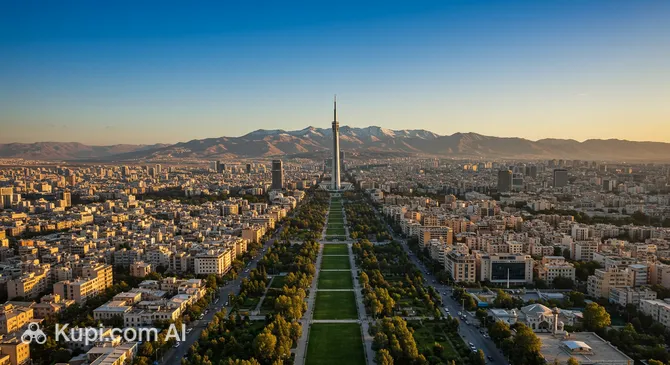
Tehran. Source: Kupi.com Binoculars

Modern Iran is a country of contrasts, where antiquity harmoniously coexists with the present. The country's capital, the bustling Tehran, is a cultural, economic, and political centre, offering visitors both modern attractions and the opportunity to connect with history in its numerous museums and palaces. Iran's climate varies from temperate in the north, by the Caspian Sea, to hot and dry in the central and southern regions. This makes it possible to travel the country almost year-round, by choosing the most comfortable season for each region.

Beyond the capital, Iran is famous for cities such as the holy city of Qom, home to the renowned Fatima Masumeh Shrine, and Mashhad, which attracts pilgrims from all over the world. A journey through Iran is an immersion into the world of oriental bazaars, exquisite Persian poetry, the refined architecture of mosques and palaces, and an encounter with incredibly hospitable people. This country leaves a profound impression and offers unforgettable experiences to everyone who decides to discover its treasures.
Currency

The national currency of Iran is the Iranian rial (international code IRR). Banknotes of various denominations are in circulation, often featuring portraits of the country's famous figures and significant cultural sites. An important feature for travellers to be aware of is the everyday use of an unofficial unit of account – the 'toman', which is equal to 10 rials. Prices in shops and at markets are often quoted in tomans, so you should always clarify which unit the price is in to avoid any misunderstandings.

It is best to exchange foreign currency for Iranian rials at official exchange offices (known as 'sarrafi') or in banks; it is advisable to avoid street money changers. While US dollars and euros are preferred, UAE Dirhams (AED) are also widely accepted for exchange. It is important to remember that international credit and debit cards, such as Visa and Mastercard, are almost never accepted in Iran due to international sanctions. It is also impossible to withdraw cash from foreign cards at ATMs. Therefore, before travelling to Iran, you must ensure you have a sufficient amount of cash (in USD, EUR, or AED) for your entire stay.

Visa Requirements

For travellers from the UAE, visa requirements for Iran depend on your nationality. As of February 2024, holders of ordinary UAE passports can enter Iran visa-free for tourism for up to 15 days. This visa-free stay is permitted once every six months and is not extendable. For longer stays, or for other travel purposes, a visa is required.

For non-Emirati residents or those needing to stay longer than 15 days, options such as an e-visa or a visa on arrival are available. To enter, you will need a valid passport with at least six months' validity from your planned date of entry into Iran. Other required documents may include return flight tickets, hotel booking confirmations, and a medical insurance policy. As visa regulations can change, it is strongly recommended that you check the most current information with official sources, such as the Iranian embassy or consulate in the UAE, before your trip.

We'll tell you if you need a visa

Specify where you are going, or
Your citizenship
Destination

Time Zones

When planning a trip to Iran, you will not have to worry about changing time zones within the country. The whole of Iran operates on a single time, which is 3 hours and 30 minutes ahead of Coordinated Universal Time (UTC+3:30). This is known as Iran Standard Time (IRST). For travellers from the UAE, it is useful to know that Iran is 30 minutes behind the UAE's Gulf Standard Time (GST, UTC+4).

A single time zone makes it much easier to plan journeys between cities and visits to different regions, as the time in Tehran will be the same as anywhere else in the country. Therefore, you will not need to adjust your watch while travelling through Iran.

How to Get There

The easiest way to get to Iran is by air. From the UAE, there are numerous direct flights to Iran's major cities, operated by airlines including Emirates, flydubai, and Air Arabia. The country has several international airports, with the main gateway being Imam Khomeini International Airport in Tehran, which serves as the primary transport hub. Direct and convenient connecting flights are available from Dubai, Sharjah, and Abu Dhabi to destinations like Tehran, Mashhad, and Shiraz. It is recommended to check the latest routes with the airlines, as schedules can change.

For those who prefer travelling by sea, there are ferry services across the Persian Gulf connecting ports in the UAE with Iran. Services operate from Sharjah to Bandar Abbas and from Dubai to Bandar Lengeh. This option is less common for tourists but offers a unique travel experience. For overland adventurers, it is possible to cross land borders into Iran from neighbouring countries such as Turkey, Azerbaijan, or Pakistan by bus or train, though these routes require more detailed planning. Regardless of your chosen method of travel, it is wise to book tickets well in advance, especially if your trip coincides with peak tourist seasons or national holidays, to secure the best prices and availability.

For your reference, here is a summary of the main international airports in Iran:

Airport Name City Passenger Traffic
Imam Khomeini International AirportTehranMajor
Mashhad International AirportMashhadMajor
Shiraz International AirportShirazMajor
Isfahan International AirportIsfahanMajor
Kish International AirportKish IslandMedium

Iran is a country of immense history and culture, offering travellers an amazing diversity of destinations. Here you will find ancient cities that hold the secrets of centuries with their impressive architecture, as well as picturesque resorts along the coast of the Caspian Sea and the islands of the Persian Gulf. Every corner of Iran is unique in its own way and ready to provide an unforgettable experience.

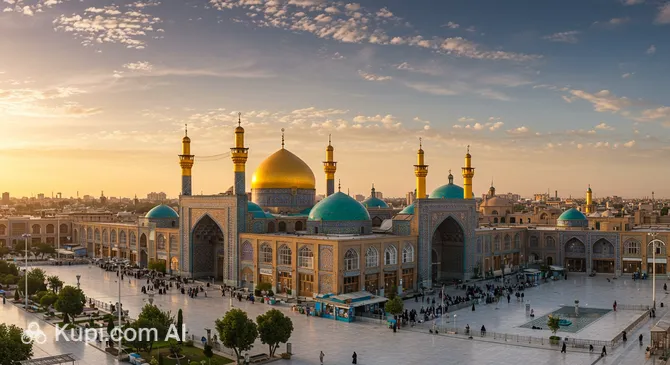
Among the country's most significant and visited cities is Mashhad. This is Iran's second-largest city and its spiritual capital, attracting millions of pilgrims and tourists each year who come to see the magnificent Imam Reza shrine complex. Equally fascinating is Qom, another holy city known for its ancient religious schools and the revered Shrine of Fatima Masumeh, immersing visitors in an atmosphere of deep history and tradition. When visiting these sacred sites, a modest dress code is expected as a sign of respect.

Mashhad. Source: Kupi.com Binoculars

For those seeking seaside relaxation and natural beauty, Iran also offers wonderful options. Rasht, a vibrant city on the Caspian Sea coast, is famous for its distinctive culture, renowned halal cuisine, and proximity to lush green landscapes. The popular resort of Ramsar, also located on the Caspian, attracts tourists with its beaches, thermal springs, and scenic views. Meanwhile, Qeshm Island in the Persian Gulf, Iran's largest island, captures the imagination with its unique geological wonders, mangrove forests, and rich marine life, making it an ideal destination for ecotourism and adventure. The island is recognised as a UNESCO Global Geopark, celebrating its incredible natural heritage.

Top Attractions

Iran is a country with a rich history and culture, offering travellers a wealth of amazing places to discover. Among them are ancient monuments and modern marvels, each unique and worthy of attention.

One of the main jewels is the Fatima Masumeh Shrine in Qom. It is not only a key religious centre for Shia Muslims but also a stunning example of Islamic architecture, amazing visitors with the splendour of its domes and mosaics. Pilgrims from all over the world flock here to connect with the holy site and experience its special spiritual atmosphere. For visitors, a strict dress code is observed; women are required to wear a chador, which can often be borrowed at the entrance.

Fatima Masumeh Shrine. Source: Kupi.com Binoculars

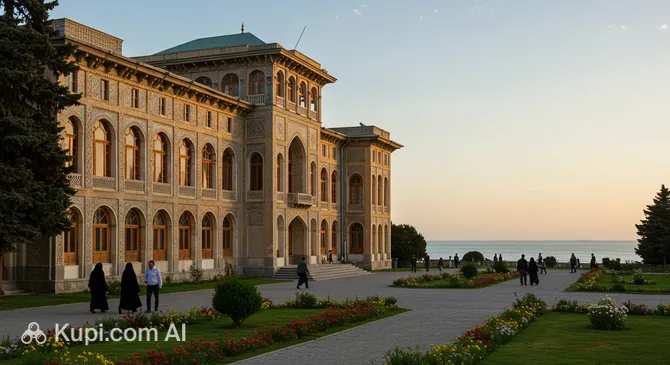
For those who appreciate history and palatial luxury, a visit to the Ramsar Palace is a must. Located on the picturesque coast of the Caspian Sea, this former summer palace of the Iranian Shahs now operates as a museum. Visitors can admire the magnificent interiors and valuable works of art, and learn more about the life and era of Iran's last rulers.

Ramsar Palace. Source: Kupi.com Binoculars

To experience an authentic oriental atmosphere and immerse yourself in the daily life of Iranians, head to the Rasht Grand Bazaar. This bustling and colourful market is one of the oldest and most significant in the region. Here, you can wander for hours among the stalls, bargaining for Persian carpets, aromatic spices, unique handicrafts, and, of course, sampling local halal delicacies.

Rasht Grand Bazaar. Source: Kupi.com Binoculars

Another significant site that attracts both worshippers and architecture enthusiasts is the Jamkaran Mosque, located near the holy city of Qom. Shrouded in many legends and traditions, this majestic mosque impresses with its scale, exquisite decoration, and special spiritual atmosphere. It is believed to have been built at the direction of the Twelfth Imam, which gives it special importance. As with other holy sites in Iran, visitors are expected to dress modestly.

Jamkaran Mosque. Source: Kupi.com Binoculars

Best Time to Visit

Choosing the best time to travel to Iran largely depends on your plans and preferences. Traditionally, the high season is during the spring (March-May) and autumn (September-November). In spring, the country blossoms, offering warm and sunny weather that is ideal for sightseeing in cities like Tehran and exploring ancient monuments. However, it is worth remembering that Nowruz (the Iranian New Year) is celebrated at the end of March. This is a time of colourful festivals, but also a peak in tourist traffic with a possible rise in prices. Autumn also attracts travellers with its comfortable temperatures, creating perfect conditions for discovering the country's rich cultural heritage.

Summer (June-August) and winter (December-February) are considered the low season or shoulder season. In summer, most of Iran's central and southern regions can be extremely hot, but the weather is milder and more pleasant on the Caspian Sea coast, for example, in cities like Rasht or Bandar-e Anzali. Winter brings cooler weather, and in the northern and mountainous regions, snow, which opens up opportunities for skiing enthusiasts—a unique escape from the UAE's climate. The advantages of this period are fewer tourists and generally more affordable prices for accommodation and services. Possible downsides include unpredictable weather or reduced opening hours for some tourist attractions. Given Iran's significant size and diverse climate zones—from deserts to subtropics—it is always recommended to check the weather forecast for the specific regions on your itinerary before your trip. Visitors should also be mindful of the local dress code, which requires women to wear a headscarf (hijab) and modest clothing for both men and women.

Traditions

Iran is a country with an ancient culture and deep-rooted traditions, and understanding them will help you feel more comfortable and show respect to the local people. Greetings play an important role. Men usually exchange handshakes; for women, verbal greetings or a slight nod are more common, especially when interacting with unfamiliar men. The phrase "Salam alaykum" (peace be upon you) is a universal greeting. Iranians are famous for their legendary hospitality. Being invited into someone's home is a great honour. A small gift for the hosts, such as sweets or flowers, would be appropriate. Be prepared for "taarof"—a complex system of politeness where, out of modesty, someone might offer or refuse something several times before accepting. This is an integral part of Iranian etiquette that requires reciprocal insistence and gratitude.

Observing the dress code in Iran is mandatory. For women, this means wearing a headscarf (rusari) to cover their hair, and loose-fitting clothing (a manteau or tunic) with long sleeves that conceals the figure, as well as long trousers or a skirt. Men should wear long trousers; short-sleeved shirts are acceptable, but long sleeves are preferred in religious places. When visiting mosques and holy shrines, the dress code can be even stricter—women may need a chador, which is often provided at the entrance. At the dining table, it is customary to wait for the hosts to show you to your seat. Food is often served on communal dishes, and it is considered polite to try a little of everything. Use your right hand for eating if no cutlery is provided, and also for passing and receiving items.

One of Iran's main festivals is Nowruz, the Persian New Year, which is celebrated on the day of the spring equinox. It is a time of renewal, family visits, and traditional meals. To avoid misunderstandings, remember that public displays of affection between men and women are not customary. You should also avoid pointing at people with your finger—it is better to use an open hand. When photographing local people, especially women, always ask for their permission first. Showing a sincere interest in the culture and behaving respectfully will always be appreciated and will open the hearts of the Iranian people.

Entertainment

Iran offers travellers an incredible diversity of holidays and entertainment, catering to a wide range of interests. From active pursuits in nature to immersing yourself in the country's rich culture, everyone will find something for themselves when planning an unforgettable journey.

Fans of outdoor activities will appreciate the opportunities for hiking and skiing in the picturesque Elburz and Zagros mountain ranges. The coasts of the Caspian Sea and the Persian Gulf also offer options for waterside recreation. For families with children, Iran's major cities feature modern amusement parks and water parks, such as the world-class complexes in Mashhad and Tehran. Numerous well-maintained city parks, often equipped with prayer facilities, provide excellent spots for strolls and relaxing in the fresh air.

The cultural programme in Iran is exceptionally rich, with numerous museums, ancient historical complexes, and art galleries revealing millennia of Persian history and unique art to visitors. Shopping in Iran is a particular delight, especially in the colourful traditional bazaars where you can purchase world-renowned Persian carpets, aromatic spices, exquisite ceramics, and unique handmade crafts. The main shopping centres and markets are concentrated in large cities like the capital, Tehran. Evening leisure in Iran is typically spent in a calm and welcoming atmosphere. This might include dinners at restaurants offering delicious national cuisine, which is generally halal, unhurried conversations in traditional teahouses, or walks along beautifully lit streets and parks.

Currency rates

Planning a trip? Excellent! To ensure the financial aspects of your journey don't come as a surprise, it's important to remember that currency exchange rates are constantly changing. Therefore, we strongly advise you to monitor the latest rates both before you depart and throughout your trip. You can use the data provided below for this purpose—we monitor currency rates 24/7 and strive to provide the most up-to-date information.

For travellers from the UAE, it is crucial to know that international bank cards like Visa and Mastercard are not accepted in Iran due to international sanctions. Therefore, you will need to carry cash for your expenses. The most widely accepted foreign currencies are the US Dollar and the Euro. While you can bring any amount of foreign currency into Iran, you must declare amounts exceeding the equivalent of US $10,000 upon arrival. When departing, you cannot take out more than US $5,000 unless it was declared upon entry. Consider exchanging a small amount of currency to Iranian Rials before your trip for immediate needs like taxis upon arrival, as exchange facilities at ports may not be available.

Reached the end of the page?

That means the route is fully explored