Support

Bushehr

About

Bushehr is a captivating coastal city located along the azure waters of the Persian Gulf. Known for its vibrant maritime culture and distinctive atmosphere, it serves as the capital of the Bushehr Province in southwestern Iran. With a population of over 220,000 residents, the city effortlessly blends the energy of a major commercial port with the relaxed rhythm of seaside life, making it a unique destination for travelers.

Geographically, the city sits on a vast plain running along the coast, offering endless views of the horizon. The climate here is characteristically warm and humid, typical for the Gulf region, which shapes the local lifestyle and architecture. The winters are generally mild and pleasant, making it an ideal time to explore the outdoors.
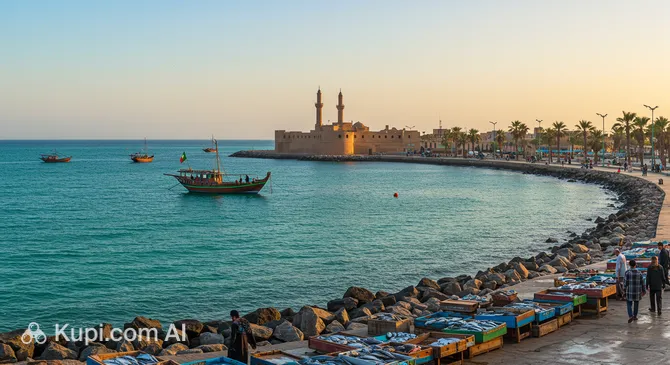
Bushehr. Source: Kupi.Binoculars

The city boasts a rich heritage that reflects centuries of trade and cultural exchange. You can delve deeper into this past by exploring the history of Bushehr, which is visible in the preserved old texture of the city. The historical district is famous for its narrow alleys and traditional houses featuring beautiful wooden balconies and windcatchers, known locally as badgirs, which were designed to keep homes cool in the summer heat.

Visitors are often drawn to the scenic coastline, where the sea meets the city's edge, offering picturesque spots for walking and relaxation. The region is also renowned for its extensive palm groves, producing some of the finest dates in the country. Additionally, the local culinary scene is a highlight, with spicy seafood stews and shrimp dishes that perfectly represent the flavors of the south.

Whether you are an architecture enthusiast eager to see unique Gulf-style buildings or a traveler looking to experience the warm hospitality of the southern people, Bushehr welcomes you with open arms. It is a place where history, culture, and the sea come together to create an unforgettable journey.

Weather Overview

The climate in Bushehr is characteristic of the Persian Gulf region, featuring a hot semi-arid environment that dictates the rhythm of daily life. Visitors will generally find long, sunny periods throughout the year, with distinct differences between the intense summer heat and the pleasant winter coolness.

During the peak of summer, particularly in July and August, the city becomes quite hot, with average temperatures hovering around 34.8°C and maximums reaching up to 38.2°C. In contrast, the winter months offer a welcome respite; January is typically the coolest month with an average temperature of 16.6°C. Expect sweltering, rainless summers and mild winters with very scarce precipitation, as even the wettest months like January and December see only about 2mm of rain.

Because the humidity and heat can be significant factors for travel planning, it is wise to consult the detailed weather in Bushehr to choose the most comfortable time for your visit.

Interesting Facts

Beyond its scenic coastline and bustling port, Bushehr holds fascinating secrets that reveal its deep historical roots and unique cultural identity.

  • Ancient Origins as Lian: Long before its modern development, this area was known as "Lian" during the Elamite era, dating back thousands of years. Archaeological findings suggest it was a significant cultural and religious center, serving as a bridge between the Iranian plateau and the maritime trade routes of the ancient world.

  • Distinctive "Shenashir" Architecture: Unlike the introverted architecture found in central Iran, where houses look inward to a courtyard, Bushehr’s traditional architecture is extroverted. The historical buildings feature elaborate wooden balconies known as shenashirs, which are designed not only for beauty but to catch the sea breeze and provide natural cooling.

  • A Historic Diplomatic Hub: In the 19th and early 20th centuries, Bushehr was one of the most cosmopolitan cities in the region. It hosted numerous foreign consulates, including those from Britain, Russia, and France, which heavily influenced the local urban fabric, leaving behind a legacy of European-style buildings blended with Persian elements.

  • Unique Musical Heritage: The city is the heartbeat of southern Iranian music, particularly known for the use of the ney-anban, a traditional type of bagpipe. This energetic and rhythmic music reflects the diverse cultural interactions of the port, blending various regional influences into a sound that is entirely unique to this province.

How to Get There

Reaching this coastal city is a straightforward part of your journey, with options catering to both domestic and international travelers. Whether you prefer flying directly to the coast or enjoying a scenic road trip from a neighboring province, you can find all ways to reach the city and plan the route that best suits your itinerary.

The most convenient entry point is the local Bushehr Airport (IATA: BUZ). Located just 3.4 km from the city center, it serves as the primary hub for visitors. Since the airport is situated practically within the city limits, the transfer to your accommodation is incredibly quick; a taxi ride typically takes only about 25 minutes. While the passenger volume is moderate compared to major capital hubs, it handles a steady flow of regional flights, ensuring reliable connectivity.

For travelers arriving from further afield or seeking more international flight options, the Shiraz International Airport (IATA: SYZ) is a significant alternative. It is important to note that this airport is not in Bushehr but in the city of Shiraz, approximately 185 km away. Shiraz acts as a major gateway to southern Iran with substantial passenger traffic. From there, you can hire a taxi or take a bus to reach the coast; the journey by road usually takes around 5 hours, offering a chance to see the changing landscapes between the mountains and the sea.

For clarity, here is a summary of the main airports:

Airport Name City Passenger Traffic Km from City
Kuwait International AirportKuwait CityVery Large280.5
King Fahd International AirportDammamLarge289.2
Shiraz International AirportShirazMedium184.8
Bushehr AirportBushehrSmall3.4
Lamerd AirportLamerdSmall288.8

Currently, Bushehr is not connected to the national railway network, so there are no train stations within the city or its immediate vicinity. Travelers often choose to take a train to Shiraz or other major connected cities and then complete the journey to the coast by bus or private car. The road network is well-developed, making bus travel a popular and affordable option for navigating the region.

Main Attractions

Bushehr Old City (Old Texture) is the beating heart of the city's historical identity, offering a fascinating glimpse into its maritime past. Comprising four main neighborhoods—Dehdashti, Kuti, Shanbadi, and Behbahani—this area is a maze of narrow, winding alleys lined with traditional white houses. The most striking feature of these buildings is the shenashir, beautiful wooden balconies with intricate latticework that not only add aesthetic charm but also provide shade and allow the sea breeze to cool the interiors. Walking here feels like stepping back in time to when this port was a bustling hub of international trade.

For those interested in history and architecture, the Malek Mansion is a must-visit landmark located in the Bahmani neighborhood. Built during the Qajar era by a wealthy merchant, this magnificent estate blends local Persian Gulf architectural styles with European influences, inspired by a French palace the owner admired during his travels. The complex spans a large area and was once used as a British military headquarters; today, its grandeur stands as a testament to the city's cosmopolitan history.

The Maritime Museum of the Sea and the Persian Gulf offers a deep dive into the region's naval heritage. Housed in the historic Kolah Farangi Mansion, which formerly served as the British Consulate, the museum displays a vast collection of maritime artifacts. Visitors can explore everything from ancient navigation tools and historical documents to military equipment. A highlight of the museum is the Persepolis, Iran's first modern warship, which was gifted to the Qajar King by Germany and now rests as a proud symbol of the nation's naval legacy.

Just south of the modern city lies the Rishahr Ancient City, an archaeological site that dates back thousands of years to the Elamite civilization. Originally known as "Lian," this area was a significant cultural and trade center connecting great ancient civilizations. Excavations have revealed pottery, inscriptions, and ruins that tell the story of a thriving settlement long before the current city existed. It is a perfect spot for history buffs to contemplate the deep roots of human settlement along this strategic coast.

Nature lovers should not miss the chance to see the lush Bushehr Palm Groves, particularly in the nearby Abpakhsh area. These emerald-green plantations create a stunning contrast against the arid landscape and the blue waters of the Gulf. Known for producing some of the finest dates in the region, the groves offer a serene environment where you can walk among towering palm trees and experience the agricultural traditions that have sustained the local population for centuries.

Local Cuisine

The cuisine of Bushehr is a delightful departure from the standard culinary palette of central Iran, distinguished by its fiery spices, generous use of seafood, and unique Persian Gulf influences. Known as "Bandari" (port style) cuisine, the local food culture reflects the city's maritime heritage and its historical trade connections with India and the Arab world. Visitors should expect dishes that are rich in aroma, often featuring a tantalizing balance of sour and spicy flavors derived from tamarind, garlic, and chili peppers.

The undisputed star of the local table is Ghalieh Mahi, a famous fish stew that is beloved across southern Iran but finds its truest expression here. This savory dish is prepared with fresh fish caught daily from the Gulf, simmered in a thick, dark sauce made from tamarind, coriander, fenugreek, and plenty of garlic. For seafood lovers, Ghalieh Meygu is an equally delicious variation made with the region's high-quality shrimp. Another must-try is Lakh Lakh (sometimes called "Bandari Paella"), a fragrant fish and rice dish where the catch of the day is cooked together with herbs and spices, absorbing every ounce of flavor.

No meal in this province is complete without indulging in the local dates, which are among the finest in the world. A signature treat is Ranginak, a rich and hearty dessert made from soft dates stuffed with walnuts and covered in a mixture of toasted flour, butter, cinnamon, and sugar. It is traditionally served with tea and offers a perfect energy boost, showcasing the importance of the region's vast palm groves in daily life.

When it comes to beverages, the culture here revolves around tea and cooling refreshments to combat the heat. Chai (black tea) is consumed throughout the day, often accompanied by dates instead of sugar. To cool down, locals enjoy various Sherbets (fruit syrups mixed with water and ice), such as those made from lime or saffron. It is important for tourists to remember that alcohol is strictly prohibited in Iran, so you will not find alcoholic drinks in restaurants or shops; instead, the non-alcoholic beer (malt beverage) and traditional yogurt drink known as Doogh are popular accompaniments to meals.

The food scene in Bushehr is vibrant and unpretentious. You can find excellent meals in traditional restaurants where families gather on carpeted daybeds, but the city also has a lively street food culture. In the evenings, the air near the old districts and the seaside promenade fills with the scent of fried snacks. Be sure to try Sambuseh (samosas) and spicy Falafel from street vendors, which are crispy, flavorful, and perfect for a quick bite while exploring the coast.

Travel Tips

Visiting Bushehr offers a unique window into the warm hospitality of the Persian Gulf, but a little preparation goes a long way in this coastal city. These practical tips will help you navigate the local customs, climate, and logistics to ensure a smooth and enjoyable journey.

  1. Clothing and Gear: Since the city is in Iran, you must adhere to the national dress code: women are required to wear a headscarf and loose-fitting clothing that covers the arms and legs, while men should avoid wearing shorts in public. Given the intense heat and humidity, especially in summer, it is essential to pack lightweight, breathable fabrics like cotton or linen, along with sunglasses and a hat.
  2. Transportation: There is no metro system in the city, so the most convenient way to get around is by taxi. Ride-hailing apps like Snapp or Tap30 are widely used, reliable, and often cheaper than hailing a cab on the street; they also eliminate the language barrier since you can set your destination on the map.
  3. Finances: International credit and debit cards (Visa, Mastercard) do not work here due to international banking limitations, so you must bring enough cash in USD or Euros to exchange at a local Sarrafi (exchange office). While the official currency is the Rial, locals almost exclusively quote prices in Toman (1 Toman equals 10 Rials), so always clarify which unit is being used to avoid confusion.
  4. Health and Safety: The city is generally very safe for travelers, but the primary health risk is the extreme heat; stay hydrated and carry water with you at all times. Pharmacies, known as Daru-khaneh, are easy to find and well-stocked, but it is wise to bring any specific prescription medications you might need from home.
  5. Communication: The main language is Persian (Farsi), and while hotel staff may speak English, it is not widely spoken by the general public. It is highly recommended to purchase a local SIM card (such as Irancell or MCI) upon arrival to access translation apps and maps, which are indispensable for independent exploration.
  6. Local Etiquette: Iranian culture places a high value on politeness, often expressed through Taarof, a social ritual where locals may initially refuse payment or offer excessive hospitality. When greeting people, a slight bow with your hand over your heart is a respectful gesture, especially towards members of the opposite sex, as physical contact is often reserved for family or same-gender friends.
  7. What to Avoid: Strictly avoid public displays of affection, such as kissing or hugging, and remember that the consumption of alcohol is illegal throughout the country. Also, be cautious with your camera; taking photos of military sites, government buildings, or port facilities is strictly prohibited and can lead to serious legal issues.
  8. Midday Break: Due to the sweltering afternoon temperatures, the city follows a traditional "siesta" schedule. Many shops and bazaars close between 1:00 PM and 5:00 PM to escape the heat, reopening in the cooler evening hours when the streets become lively again.

By keeping these practical points in mind, you can focus on soaking up the relaxed atmosphere and rich history of this ancient port. Embrace the slower pace of life, enjoy the evenings by the sea, and let the genuine kindness of the southern people make your stay truly memorable.

Entertainment & Nightlife

As the sun sets over the Persian Gulf and the daytime heat subsides, Bushehr undergoes a vibrant transformation. Nightlife here is not about nightclubs or bars in the Western sense, as alcohol is prohibited in Iran and dance clubs do not exist. Instead, the city's evening energy is channeled into bustling traditional teahouses, lively seaside promenades, and a thriving café culture that keeps the streets awake well past midnight.

The heart of the city's social life beats strongest along the Coastal Boulevard (Jadeh Saheli). This long stretch of road hugging the sea becomes a hub of activity after dark. Families gather for picnics on the grass, young people stroll along the water's edge, and the air is filled with the scent of street food. It is the perfect place to mingle with locals, try spicy falafel and sambuseh from roadside vendors, and enjoy the cool sea breeze which provides a welcome relief from the day's humidity.

For a more atmospheric and historical experience, head to the Old City (Baft-e Ghadim). Hidden within its maze of narrow alleys are some of the city's most charming venues. Cafe Haj Rais is a must-visit spot; set in a beautifully restored historical mansion, it offers a nostalgic ambiance where you can sip on traditional tea or coffee while admiring the architecture. Similarly, Kohan Cafe provides a cozy, artistic environment that attracts a creative crowd, making it a great place to relax and soak in the local culture.

The atmosphere in these venues is relaxed and friendly. The dress code remains modest, in line with national regulations, but the vibe is casual. Cafés and restaurants typically stay open late, often until 1:00 AM or later, especially during the summer when the nights are the most comfortable time to be out. Prices are generally very affordable, with a pot of tea and snacks costing a fraction of what you would pay in Europe.

Getting around at night is easy and safe. The city is well-lit, and the crime rate is low, making it safe for evening walks, even in the Old City. Taxis are plentiful, and ride-hailing apps like Snapp work reliably throughout the night, offering a convenient way to hop between the seaside parks and the historic center.

While the nights are for socializing, the daytime offers its own diversions. Before the evening rush begins, you can explore the Bushehr Old Bazaar, a bustling market perfect for buying local spices and handicrafts. For a dose of culture, the museums mentioned earlier, such as the Museum of the Sea, are best visited in the morning hours before the afternoon heat sets in.

Parks & Museums

While Bushehr is primarily defined by its relationship with the sea, the city also offers serene green spaces and fascinating cultural institutions that allow visitors to look beyond the bustling port life. The parks here are often oriented towards the coastline, providing cooling breezes, while the museums are frequently housed in restored historical mansions, turning the buildings themselves into exhibits.

Bushehr Coastal Park (Park-e Saheli) is the city's most beloved outdoor space, stretching along the Persian Gulf. It serves as the community's living room, where locals gather to picnic, play sports, and watch the mesmerizing sunsets over the water. The park is lined with palm trees and features a long promenade that is perfect for an evening stroll. The sound of the waves and the sight of ships on the horizon make it a relaxing escape from the city center's heat.

Another significant green area is Shoghab Park, located in the southern part of the city. This park is unique because it sits atop an archaeological site, blending nature with history. While it functions as a recreational space with playgrounds and green lawns, it is situated near the ancient Elamite ruins of Lian. It is a quiet spot where you can enjoy a peaceful afternoon while being just steps away from layers of history dating back thousands of years.

For culture seekers, the Bushehr Museum of Anthropology is an essential stop. Housed in the magnificent Taheri Mansion in the historic Behbahani neighborhood, the museum offers a vivid portrayal of the region's ethnography. The building itself is a masterpiece of Qajar-era architecture, featuring stunning "shenashir" balconies. Inside, wax figures and artifacts showcase traditional clothing, fishing techniques, wedding customs, and the daily life of the Bushehri people throughout the centuries.

A short distance away in the Dehdashti neighborhood lies the Museum of the History of Medicine, located within the Dehdashti Mansion. This museum is fascinating not only for its collection of historical medical instruments and documents but also for the structure that houses it. The mansion, known for its towering white walls and intricate windcatchers, was built by a merchant who traded in oil. Today, it stands as a testament to the scientific and commercial heritage of the Gulf coast.

Beyond the museums, the Qavam Water Cistern (Ab-Anbar) is a notable historical structure worth seeing. Historically, fresh water was a precious resource in this hot, arid climate, and these cisterns were vital for survival. The architecture is impressive, designed to keep water cool during the scorching summers, and visiting it gives you a deeper appreciation for the ingenuity of the local people in adapting to their environment.

For a truly authentic experience, visit the Old Pier near the Coastal Park just before sunset. It is a favorite spot for local fishermen, and watching them bring in their daily catch or mend their nets offers a raw and unfiltered glimpse into the maritime soul of the city. It is a quiet, contemplative moment that connects you to the timeless rhythm of life in southern Iran.

Getting Around

Navigating Bushehr is relatively straightforward, though the options differ significantly from what you might find in large Western capitals. The city does not have a metro, tram, or train system. Instead, the public transport network relies primarily on a system of buses and an extensive fleet of shared and private taxis. For most locals and visitors, the road network is the only way to get around, but traffic is generally manageable compared to larger metropolises.

The municipal bus service connects the main residential districts with the city center and the coastal areas. These buses are the most economical way to travel, costing mere cents per ride. However, they can be slower and less frequent than other options. A crucial rule for tourists to remember is the gender segregation on public buses: typically, men enter through the front door and sit in the front section, while women enter through the rear door and sit in the back. This is a strict social norm that must be respected.

For payment, while locals may use rechargeable electronic transport cards, obtaining one can be cumbersome for a short-term visitor. The most practical advice for tourists is to pay in cash. Drivers accept small bills, so it is essential to carry plenty of small denomination notes. Fares are fixed and extremely low, so you will rarely need to worry about the cost. Simply hand the money to the driver when you disembark.

A popular alternative to the bus is the "Savari" or shared taxi. These are standard yellow or green cars that drive along fixed routes and pick up multiple passengers until the vehicle is full. They are faster than buses and only slightly more expensive. To catch one, stand by the side of the road and shout your destination to passing drivers; if they are going your way, they will stop. You pay a fixed rate for your seat, making it an efficient middle ground between a private taxi and a bus.

For the utmost convenience, especially if you do not speak the local language, ride-hailing apps are the best solution. The app Snapp (similar to Uber) is widely used in the city. It allows you to book a private car, see the exact price upfront, and track your route on a map, eliminating the need to negotiate fares or explain directions. Prices for these private rides are very affordable by international standards, often costing just a few dollars for a trip across town.

Walking is generally not recommended as a primary mode of transport during the day due to the intense heat and humidity, particularly in the summer months. However, in the evenings, the coastal boulevards become pedestrian-friendly zones where walking is a pleasant activity. Cycling is not very common for commuting due to the climate, and there are no major bike-sharing schemes currently in operation.

Transport services generally operate from early morning, around 6:00 AM, until late at night. However, be aware that the frequency of buses and shared taxis drops significantly during the afternoon "siesta" hours (roughly 1:00 PM to 4:00 PM), when the city slows down to escape the peak heat. Plan your movements for the mornings or evenings to ensure you have plenty of transport options available.

Accommodation

Accommodation in Bushehr reflects the city's modest yet welcoming character. Travelers will not find sprawling international luxury resorts or high-rise five-star hotel chains here. Instead, the city offers a range of practical and comfortable options, primarily consisting of mid-range hotels, apartment hotels, and a growing number of traditional guesthouses. The focus is less on opulence and more on genuine local hospitality, providing a clean and convenient base for exploring the Persian Gulf coast.

When choosing a location, the Coastal Strip (Jadeh Saheli) is the most sought-after area. Staying here grants you immediate access to the seaside promenade and often guarantees rooms with relaxing views of the blue horizon. It is the perfect spot for those who want to enjoy the sea breeze in the evenings. Alternatively, the Old City (Baft-e Ghadim) is becoming increasingly popular for those seeking a cultural immersion. Here, you can find renovated historical houses turned into "eco-lodges" or traditional inns, allowing you to sleep within the beautiful architecture of the region.

For families or travelers planning a longer stay, apartment hotels are a very common and convenient choice in the city. These facilities typically offer suites with small kitchenettes and living areas, providing more space and privacy than a standard hotel room. They are widely distributed across the city center and near the port, offering easy access to markets and transport hubs.

Booking and Payment Tips: It is crucial to remember that international credit and debit cards (such as Visa or Mastercard) do not work in Iran due to international banking limitations. You must pay for your accommodation in cash (Euros or USD can be exchanged) or use a local debit card if you have arranged one. While some hotels can be booked via email or phone, many travelers find it easiest to book through local Iranian travel agencies or specialized online platforms that cater to foreign visitors.

In terms of pricing, Bushehr is generally an affordable destination. Most accommodations fall into the budget to mid-range categories. However, demand spikes significantly during the pleasant winter months and the Iranian New Year (Norouz) in late March. During these peak times, it is highly recommended to book your stay several weeks in advance to secure the best rooms and rates.

Nearby Cities

For those looking to explore the surroundings, Bushehr serves as an excellent base for day trips to several interesting nearby locations:

City Population Distance (km)
Borazjan 155,567 55
Gachsaran 96,728 161
Kazerun 96,683 112
Bandar-e Genaveh 73,472 80
Kangan 60,187 169

Among these destinations, Borazjan is the closest and makes for an easy trip. It is renowned for its vast date palm plantations and the historic Moshir-ol-Molk Caravanserai, a fortress-like structure from the Qajar era. Bandar-e Genaveh is another favorite for visitors, particularly known as a bustling port city with a lively market where travelers can shop for a variety of goods and enjoy the coastal atmosphere. For those interested in ancient history, Kazerun offers access to the impressive ruins of Bishapur and the rock reliefs of Tang-e Chogan, providing a deep dive into the Sassanian period.

These nearby destinations offer a glimpse into the diverse culture and landscapes of the region, making them perfect for short excursions.

Shopping & Souvenirs

Shopping in Bushehr offers a delightful mix of traditional charm and the bustling energy typical of a port city. Unlike the glitzy mega-malls found in some capitals, the shopping experience here is deeply rooted in local culture and maritime trade. Visitors can expect to find a vibrant array of goods ranging from imported electronics and clothing to authentic local handicrafts and some of the finest agricultural products in the region. The prices are generally very reasonable, making it an excellent place to pick up unique gifts and daily necessities.

The heart of the city's commercial life beats in the Old Bazaar (Bazaar-e Ghadim). Located in the historical district, this market is a maze of alleys where the aroma of spices mixes with the salty sea air. It is the best place to soak up the local atmosphere, interact with friendly shopkeepers, and find traditional goods. For a more modern shopping experience, travelers often head to Imam Khomeini Street (locally known as Sangi Street). This main thoroughfare is lined with numerous shops selling apparel, shoes, and household items, and it remains lively well into the evening.

While Bushehr is not primarily defined by large shopping malls, there are several modern commercial complexes that cater to contemporary needs. These centers, such as the Zeytoon Commercial Complex, offer a cooler, air-conditioned environment where you can browse for fashion, cosmetics, and digital gadgets. These spots are popular with the local youth and provide a comfortable escape from the midday heat while offering standard retail therapy.

A visit to Bushehr would be incomplete without exploring its specialized markets, particularly the famous Fish Market. Even if you do not plan to buy, walking through this lively area is a sensory experience; vendors loudly auction off the fresh catch of the day, including shrimp and various fish from the Persian Gulf. It offers a raw and authentic glimpse into the city's maritime soul. Additionally, the daily fruit and vegetable markets display the region's agricultural bounty, often featuring produce that is unique to the southern climate.

When it comes to souvenirs, the province is renowned for its high-quality dates. You can find dozens of varieties, along with related products like date syrup and date vinegar, which make for delicious and easy-to-pack gifts. Another distinctive local craft is wickerwork (Hasir Bafi), made from the leaves of the abundant palm trees; items range from mats and baskets to fans and hats. For those looking for something more valuable, the region is famous for Gabbeh, a traditional variety of Persian carpet known for its thick pile and simple, abstract designs, often woven by nomadic tribes in the province.

Store hours in Bushehr follow a traditional split schedule to accommodate the warm climate. Shops typically open around 9:00 AM and stay open until 1:00 PM. They then close for a midday break (siesta) and reopen around 5:00 PM, staying active until late at night, often past 10:00 PM. Payment is almost exclusively conducted in cash (Iranian Rials, though prices are quoted in Tomans) or via local debit cards. International credit cards like Visa or Mastercard are not accepted anywhere, so tourists must ensure they have sufficient local currency.

Tourists should be aware that there is no tax-free shopping or VAT refund system available for foreign visitors in Iran. The price you see is the final price, although bargaining is a common and expected practice in traditional bazaars, especially when purchasing handicrafts or buying in bulk.

Reached the end of the page?

That means the route is fully explored