Support

Kuwait City

About

Welcome to Kuwait City, a dazzling metropolis that serves as the political, cultural, and economic heart of Kuwait. Located on the shores of the Persian Gulf, this vibrant capital seamlessly blends the charm of traditional Arabian heritage with the sleek sophistication of modern urban life. With a metropolitan population of around 3 million, it is a bustling hub where gleaming skyscrapers stand alongside historic mosques and lively markets.

The city enjoys a strategic location on Kuwait Bay, a natural deep-water harbor that has shaped its destiny for centuries. The climate here is characterized by hot summers and mild, pleasant winters, making the cooler months an ideal time for exploration. Visitors are often captivated by the city's unique atmosphere, where the warmth of desert hospitality meets the energy of a contemporary global city.
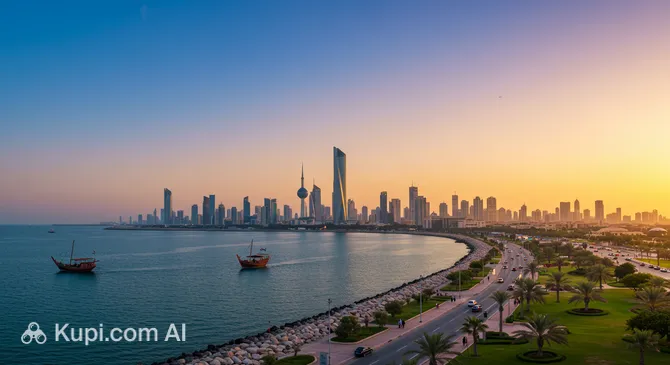
Kuwait City. Source: Kupi.Binoculars

While the skyline is thoroughly modern, the city has deep roots. Originally founded as a small fishing and pearl-diving village in the 18th century, it has undergone a remarkable transformation. To truly appreciate how this settlement evolved into a major Gulf capital, you can explore the fascinating history of Kuwait City, which details its journey through eras of trade and prosperity.

Today, Kuwait City offers a wealth of attractions for travelers. The iconic Kuwait Towers, with their distinctive blue-green spheres, offer panoramic views of the city and the azure waters of the Gulf. For a taste of authentic local culture, a walk through Souq Al-Mubarakiya is essential; here, the air is filled with the scent of spices and perfumes, and the alleys are lined with stalls selling traditional goods. Another architectural marvel is the Grand Mosque, celebrated for its exquisite Islamic design and vast prayer hall.

Whether you are strolling along the scenic Corniche, shopping in world-class malls, or delving into the local culinary scene, Kuwait City promises an unforgettable experience. It is a destination that invites you to discover the richness of the Gulf, making it a perfect starting point for your Arabian adventure.
Weather Overview

The climate in this region is typical of a desert environment, marked by significant temperature shifts between seasons. For travelers planning their wardrobe, checking the detailed weather in Kuwait City is highly recommended. The year is generally divided into a long, hot summer and a short, mild winter.

From June to September, the heat can be intense. July stands out as the hottest month, where average highs climb to 46.0°C and lows rarely drop below 32.5°C. This period is incredibly dry, with zero precipitation recorded from June through September.

Conversely, the cooler months from December to February are perfect for outdoor activities. January sees the lowest temperatures, dipping to an average minimum of 9.5°C and reaching highs of 19.4°C. Rainfall is scarce throughout the year, though November brings a slight change with up to 5 wet days.

Expect scorching hot summers with clear skies and mild, pleasant winters with occasional light showers.

Interesting Facts

Beyond the main attractions, Kuwait City holds many fascinating secrets that reveal the depth of its culture and innovation. From record-breaking architecture to unique artistic endeavors, there are several surprising details that make this capital truly one of a kind.

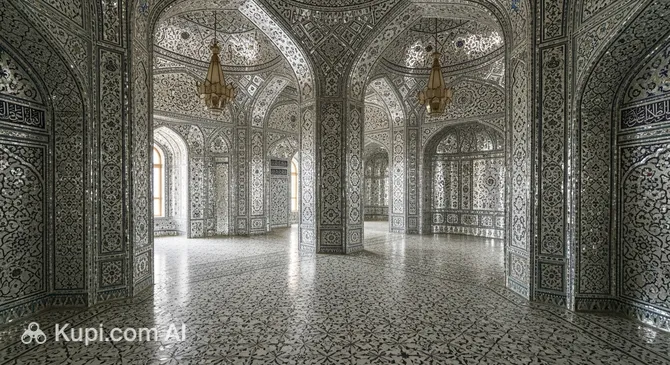
  • Hidden within a residential neighborhood is the Mirror House, a private villa turned museum where artist Lidia al-Qattan spent decades covering every inch of the interior and exterior with tons of mirror mosaics.

  • The city's skyline features the Al Hamra Tower, which is celebrated not just for its height but for being the tallest carved concrete skyscraper in the world, designed specifically to shield the interior from the harsh desert sun.

  • While they are the most photographed landmark in the country, the famous Kuwait Towers serve a vital practical function as massive water reservoirs, holding millions of gallons to support the city's water supply.

  • Kuwait City is known for its "Diwaniya" culture, a deeply rooted social tradition where men gather in special reception halls attached to homes to discuss politics, business, and daily life, acting as the bedrock of Kuwaiti social interaction.

Mirror House. Source: Kupi.Binoculars

How to Get There

Reaching the capital is straightforward, with air travel being the most common method for international visitors. For detailed information on routes and transportation advice, you can read more about how to get to Kuwait City to plan your journey effectively.

The principal gateway for travelers is Kuwait International Airport (IATA: KWI). Located approximately 17 km from the city center, it serves as the country's main aviation hub, handling millions of passengers annually. The airport is well-connected to the city, and a trip by taxi or car usually takes about 45 minutes, depending on traffic conditions.

Other geographically close airports are situated in neighboring countries, which would require crossing international borders to reach Kuwait City. Abadan Airport (IATA: ABD) is located in Abadan, Iran, roughly 113 km away; the drive would take approximately 3 hours and 10 minutes, excluding time for border procedures. Similarly, Basra International Airport (IATA: BSR) in Basra, Iraq, is about 134 km away, with a travel time of around 3 hours and 40 minutes by road.

For clarity, here is a summary of the main airports in the region:

Airport Name City Passenger Traffic Km from City
Kuwait International Airport Kuwait City Large 16.8
Ahwaz Airport Ahvaz Medium 230.0
Abadan Airport Abadan Medium 112.8
Basra International Airport Basra Medium 133.6
Qaisumah Airport Qaisumah Small 214.3

Kuwait City does not currently have international railway connections. Visitors typically arrive by air or via the road network if traveling from nearby countries.

Main Attractions

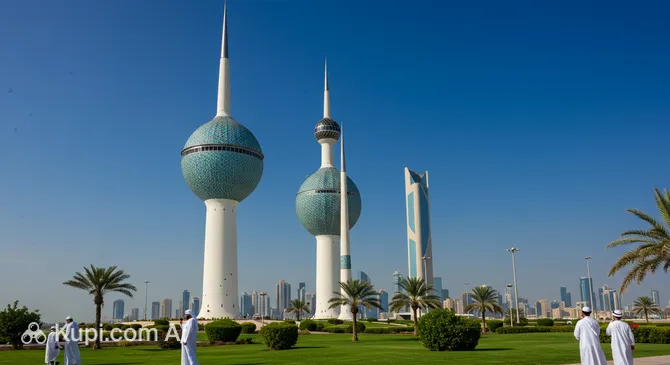
Standing tall on the Arabian Gulf Road, the Kuwait Towers are the undisputed symbol of the nation. This group of three slender towers, adorned with distinctive blue and green sequins, offers more than just a photo opportunity. Visitors can ascend to the viewing sphere in the main tower for a breathtaking 360-degree view of the city and the sea, or enjoy a meal at the rotating restaurant.

Kuwait Towers. Source: Kupi.Binoculars

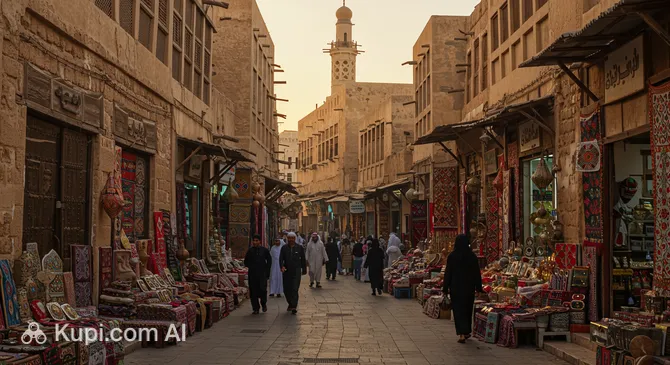
For a journey into the city's past, Souk Al-Mubarakiya is an essential stop. As one of the oldest markets in Kuwait, it bustles with energy and traditional charm. Tourists love wandering through its covered alleyways to find everything from Persian carpets and aromatic spices to authentic perfumes and gold jewelry. It is also a fantastic place to sample local Kuwaiti cuisine at the open-air food court.

A modern oasis in the heart of the city, Al Shaheed Park is the largest urban park in the country. It features beautiful botanical gardens, a lake, and jogging tracks, making it a favorite spot for evening walks. Beyond its natural beauty, the park houses two museums—the Thekra Museum and the Habitat Museum—offering insights into Kuwait's history and environment.

Dominating the skyline is the Liberation Tower, one of the tallest telecommunications towers in the world. Named to commemorate the liberation of Kuwait, this architectural giant represents the country's resilience. While access to the top may be restricted at times, its sheer scale and futuristic design make it an impressive sight from anywhere in the city.

Art and science enthusiasts should not miss the Sheikh Abdullah Al Salem Cultural Centre. This world-class complex comprises several distinct museums covering natural history, science, space, and Islamic history. It is an interactive and educational destination that appeals to visitors of all ages, showcasing Kuwait's commitment to culture and knowledge.

Local Cuisine

The culinary landscape of Kuwait City is a rich tapestry woven from Bedouin traditions and flavors imported from Persia, India, and the Eastern Mediterranean. The food here is hearty, aromatic, and deeply rooted in hospitality. A meal often begins with the national dish, Machboos, which consists of fragrant basmati rice cooked with saffron, rose water, and a blend of spices called baharat, served with tender chicken, lamb, or fish. It is typically accompanied by a spicy tomato sauce known as daqqus.

Given the city's location on the Persian Gulf, seafood plays a pivotal role in the local diet. Mutabbaq Simach is a beloved favorite, featuring fried fish—often the local Zubaidi (pomfret)—served over spiced rice. For something with a unique texture, travelers should try Harees, a creamy porridge made from wheat and meat that is slow-cooked until savory and rich, often enjoyed during festivals and special occasions.

When it comes to beverages, it is important to note that Kuwait is a dry country, meaning alcohol is prohibited and not available in restaurants or hotels. Instead, the social drink of choice is Arabic coffee (Gahwa), lightly roasted with cardamom and served with dates to balance the bitterness. Tea lovers will appreciate the local chai, often brewed with mint or saffron, while fresh fruit juices and Laban (a refreshing yogurt drink) are perfect for cooling down in the heat.

For the most authentic dining experience, a visit to Souk Al-Mubarakiya is essential. In this historic market, you can sit at outdoor tables and enjoy traditional kebabs, freshly baked Iranian bread, and grilled fish amidst the bustling atmosphere of the old city.

Souk Al-Mubarakiya. Source: Kupi.Binoculars

Kuwait City also boasts a thriving modern food scene, often referred to as the "food capital of the Middle East" due to its sheer number of eateries. Local entrepreneurs have created trendy concepts that blend international styles with local tastes. A prime example is Slider Station, a "conveyor belt" burger joint that revolutionized the casual dining concept in the region. Whether you are looking for high-end gastronomy or humble street food, the city offers a diverse menu to satisfy every palate.

Travel Tips

To ensure your visit to Kuwait City is as smooth and enjoyable as possible, we have compiled a list of essential practical advice. These tips will help you navigate the local customs, logistics, and lifestyle of this welcoming Gulf capital with confidence.

  1. Clothing and Gear: Given the conservative nature of the culture, modest dress is highly recommended for both men and women; keep shoulders and knees covered in public spaces. Since the climate is generally hot, pack loose-fitting, lightweight fabrics like cotton or linen. Don't forget sunglasses, a hat, and a universal travel adapter, though Kuwait typically uses the British-style Type G plugs.
  2. Transportation: The most convenient way to get around is by taxi or ride-hailing apps like Careem, which are reliable and widely used. Public buses exist but can be slower and harder to navigate for short-term visitors. Renting a car is a good option if you are comfortable with heavy traffic, as the road infrastructure is excellent.
  3. Finances: The local currency is the Kuwaiti Dinar (KWD), known for being the highest-valued currency in the world. Credit and debit cards are widely accepted in malls, hotels, and restaurants. However, it is wise to carry some cash for small purchases in traditional markets like Souq Al-Mubarakiya. ATMs are plentiful throughout the city.
  4. Health and Safety: Kuwait City is very safe for tourists, with low crime rates. Pharmacies are easy to find, often marked with a green cross, and many operate 24 hours a day. The tap water is generally safe to drink, but bottled water is preferred by many for taste. Always stay hydrated, especially during the scorching summer months.
  5. Communication: Arabic is the official language, but English is widely spoken and understood, appearing on road signs and menus. You can easily purchase a local SIM card at the airport or in major shopping malls from providers like Zain, Ooredoo, or stc. Wi-Fi is standard in most hotels and cafes.
  6. Local Etiquette: Greetings often involve a handshake, but men should wait for a Kuwaiti woman to extend her hand first. Public displays of affection are frowned upon and should be avoided. When eating traditional meals with your hands or passing money, always use your right hand as a sign of respect.
  7. What to Avoid: Strictly avoid bringing, possessing, or asking for alcohol, as Kuwait is a dry country and alcohol is illegal. Additionally, do not take photographs of government buildings, military sites, or locals—especially women—without their explicit permission.
  8. Weekend Timing: Remember that the weekend in Kuwait falls on Friday and Saturday. While malls remain open, government offices and banks will be closed. On Fridays, some shops and businesses may close briefly around noon for the main congregational prayers.

By keeping these practical tips in mind, you will be well-prepared to embrace the unique rhythm of life in Kuwait City. Enjoy the blend of traditional hospitality and modern luxury that makes this destination so special.

Entertainment & Nightlife

Nightlife in Kuwait City offers a distinctive and vibrant experience that differs significantly from many Western capitals. As a "dry" country where alcohol is prohibited, the city does not have nightclubs or bars in the traditional sense. Instead, the evening scene is defined by a thriving café culture, late-night social dining, and bustling promenades. The atmosphere is sophisticated yet relaxed, with locals and tourists gathering to enjoy coffee, shisha (hookah), and conversation well into the night.

The heart of the city's evening activity often centers around the Arabian Gulf Street, commonly known as the Corniche. This scenic coastal road comes alive after sunset, filled with cars cruising by and people strolling along the waterfront paths. Another key district is Salmiya, particularly the streets surrounding the major malls, where shops and eateries remain open late, creating a lively urban buzz.

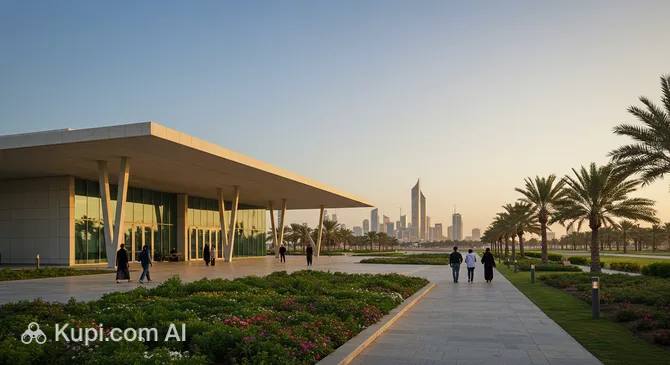
For a touch of world-class culture and entertainment, the Sheikh Jaber Al-Ahmad Cultural Centre is the crown jewel of the city. Often referred to as the Kuwait Opera House, this architectural marvel hosts concerts, theatrical performances, and musical events in a stunning modern setting. Its illuminated geometric structures are a sight to behold at night, making it a perfect spot for an evening walk even if you aren't catching a show.

Sheikh Jaber Al-Ahmad Cultural Centre. Source: Kupi.Binoculars

Dining is the primary form of night entertainment, and the options are endless. For a trendy, industrial-chic vibe, Slider Station is a popular haunt that pioneered the "conveyor belt" burger concept in the region. If you are looking for a place to relax with a mocktail or coffee in a stylish setting, Ave Restaurant offers a chic ambiance that rivals any international lounge. Meanwhile, those seeking a more traditional flavor should head to Souk Al-Mubarakiya, where the open-air squares are packed with people enjoying kebabs and tea under the stars.

When planning your night out, keep in mind that the dress code is generally smart casual and modest; it is respectful to keep shoulders and knees covered. The city is incredibly safe for night walks, even for solo travelers, though standard precautions apply. Getting around is easy with taxis or ride-hailing apps like Careem, which are readily available around the clock. Venues typically stay open until midnight or 1:00 AM on weekends, allowing plenty of time to soak in the atmosphere.

While the nights are for socializing, the daytime offers its own array of diversions. Families can visit amusement centers like Hawally Park or the indoor trampoline park Sky Zone Al Asima. For a dose of history before the sun sets, the Kuwait National Museum provides a fascinating glimpse into the country's heritage.

Parks & Museums

Kuwait City surprises many visitors with its dedication to greenery and cultural preservation, offering a refreshing contrast to its modern skyline. The city is dotted with beautifully manicured parks and world-class museums that provide a deep dive into the nation's heritage, art, and environmental initiatives, making it a well-rounded destination for leisurely exploration.

One of the most impressive green spaces is Al Shaheed Park, an urban oasis that serves as the city's green lung. More than just a park, it is a cultural hub featuring botanical gardens, jogging tracks, and contemporary sculptures. For a different kind of outdoor experience, travelers should visit Green Island. This artificial island off the coast offers a relaxed atmosphere with an amphitheater, walking paths, and splendid views of the city skyline, making it a popular spot for family picnics.

Al Shaheed Park. Source: Kupi.Binoculars

Those seeking a connection with the sea without leaving the city limits will enjoy Shuwaikh Beach. It is a favorite local spot for a sunset stroll, offering picturesque views of the calm Gulf waters and the distant ships docking at the port. The promenade is lined with benches and palm trees, creating a serene environment to unwind after a day of sightseeing.

To understand the rich history of the region before the oil boom, a visit to the Bait Al Othman Museum is essential. Housed in a traditional historic home, this museum showcases antique furniture, vintage cars, and artifacts that depict the daily life of Kuwaiti families in the past. It provides a warm and intimate look at the country's social history compared to the larger institutions.

For a broader perspective, the Kuwait National Museum continues to be a cornerstone of local culture, housing archaeological finds and a planetarium. Meanwhile, the Sheikh Abdullah Al Salem Cultural Centre stands as a beacon of modern learning, with its vast complex of museums dedicated to natural history, science, and space, appealing to curious minds of all ages.

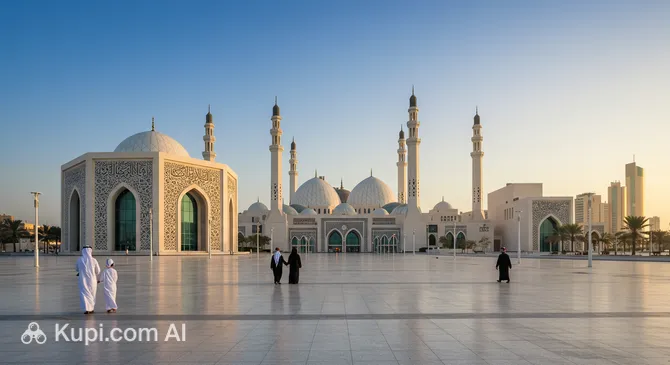
Architectural enthusiasts should not miss the Grand Mosque of Kuwait. As the largest mosque in the country, it is renowned for its stunning Islamic architecture, intricate calligraphy, and massive prayer hall. Nearby, the Al Bahhar Historical Village offers a recreated pre-oil era village, allowing visitors to walk through traditional houses and experience the atmosphere of old Kuwait.

For a truly authentic experience, try visiting these parks and cultural sites in the late afternoon or early evening. This is when the weather is cooler, and the locals come out to socialize, giving you a genuine glimpse into the vibrant community life of Kuwait City.

Getting Around

Navigating Kuwait City offers a different experience compared to many other global metropolises, as the public transport infrastructure is heavily road-based. Currently, there is no operational metro, tram, or train system available. For tourists, getting around typically involves a combination of public buses, taxis, and ride-hailing services, which provide the most effective means to traverse the city's sprawling layout.

The bus network serves as the primary form of public transit and is operated by reliable companies such as KPTC, CityBus, and KGL. These buses are modern, air-conditioned, and cover most major districts, commercial hubs, and residential areas. They are a budget-friendly option, though routes can be extensive, and travel times are often subject to traffic conditions, especially during peak hours.

Traveling by bus is very affordable, with single fares generally costing between 0.250 and 0.300 KWD. The payment system is simple: most drivers accept cash directly upon boarding, so it is essential to carry small change or coins. For those planning to use the bus frequently, specific operators like CityBus offer rechargeable smart cards that can be tapped upon entry, eliminating the need for cash.

For convenience and comfort, most visitors prefer taxis or ride-hailing apps. Taxis are abundant and can be identified by their white and beige or orange license plates. While they are legally required to use meters, it is common practice to negotiate the fare before the ride begins. To avoid price disputes, using a ride-hailing app like Careem is highly recommended; these apps offer fixed pricing, card payments, and English-language interfaces.

Renting a car is also a viable alternative for those comfortable with urban driving. The road infrastructure is excellent, and fuel is inexpensive. However, traffic can be dense, and local driving styles may seem aggressive to newcomers. If you choose to drive, relying on GPS navigation is crucial, as road layouts can be complex.

When using public transport, keep in mind a few practical tips. Bus stops are not always well-shaded, which can be difficult during the intense summer heat, so checking schedules in advance is wise. Additionally, strictly observe cultural etiquette: the front seats of buses are often prioritized for women and families, while men typically sit towards the back.

Accommodation

Hotels:

Kuwait City is renowned for its exceptional hospitality, offering a wide array of accommodation options that cater primarily to luxury travelers and business visitors. The hotel scene here is characterized by gleaming skyscrapers, lavish interiors, and world-class service. Whether you are looking for a five-star resort with panoramic views of the Arabian Gulf or a convenient city-center stay, the capital has plenty to offer.

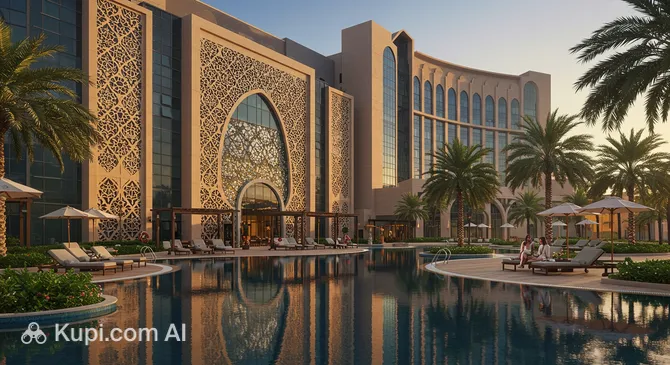
For those who wish to be close to the main cultural attractions and the business district, the Downtown area (Sharq and Qibla) is the best choice. This location places you within walking distance of the traditional markets and modern towers. A prime example of the city's sophisticated accommodation is the Burj Alshaya Hotel. Part of a landmark mixed-use development, it provides guests with unparalleled luxury and easy access to the city's vibrant heart.

Burj Alshaya Hotel. Source: Kupi.Binoculars

Another popular neighborhood for tourists is Salmiya, located a short drive along the coast. This district is perfect for leisure travelers who enjoy shopping and seaside strolls. Hotels here are often situated near the Corniche and major shopping malls, offering a lively atmosphere and beautiful sea views. It is an excellent base for those who want to combine relaxation with retail therapy.

Travelers seeking more space or a longer stay will find numerous serviced apartments throughout the city. These are particularly popular with families and offer a home-away-from-home experience with kitchen facilities. Regarding amenities, it is important to remember that all hotels in Kuwait are "dry," meaning alcohol is not served or available on the premises. Additionally, guests should be aware that local regulations regarding unmarried couples sharing a room can be strict, so checking your hotel's specific policy before booking is recommended.

Nearby Cities

For those looking to explore the surroundings, Kuwait City serves as an excellent base for day trips to several interesting nearby locations:

City Population Distance (km)
Al Jahra 393432 29
Abu Hulayfah 164212 31
Al Ahmadi 68763 90
Ar Riqqah 56554 28

Located a short drive west of the capital, Al Jahra is a destination steeped in history and tradition. It is most famous for the Red Palace (Qasr Al-Ahmar), a historic fort that played a pivotal role in the country's past. Once a major agricultural oasis, the city offers visitors a chance to connect with the nation's heritage and view traditional architecture that contrasts with the modern skyscrapers of the metropolis.

To the south lies Al Ahmadi, a city that stands out for its lush greenery and distinct atmosphere. As the historic hub of the Kuwait Oil Company, it was developed with British town-planning influences, featuring well-maintained gardens and organized neighborhoods. It is a fascinating place to explore the history of the oil industry, particularly at the Ahmed Al Jaber Oil & Gas Exhibition, which offers interactive educational experiences.

For those seeking a coastal escape, Abu Hulayfah offers a more relaxed pace. Situated along the coastline, it provides access to pleasant parks and beaches, making it a suitable spot for a quiet afternoon by the sea or a leisurely walk along the water's edge.

These nearby destinations offer a glimpse into the diverse culture and landscapes of the region.

Shopping & Souvenirs

Shopping in Kuwait City is a national pastime and a central part of the local lifestyle, offering a seamless blend of traditional Arabian commerce and ultra-modern retail therapy. The city is famous for its luxurious shopping experiences, where visitors can find everything from high-end international designer brands to authentic local handicrafts. Whether you prefer the air-conditioned comfort of sprawling malls or the vibrant atmosphere of open-air markets, the capital caters to every taste and budget.

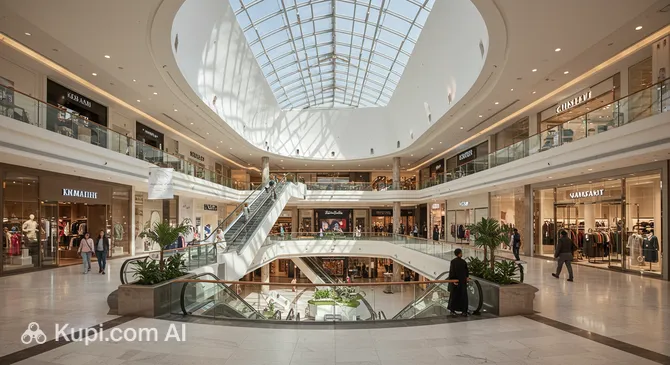
For those seeking contemporary fashion and luxury, the city's malls are world-class destinations in their own right. Assima Mall is one of the newest additions to the skyline, offering a vast array of retail stores, dining options, and entertainment facilities in a stunning architectural setting. It is a perfect spot to escape the heat while browsing the latest global trends.

Assima Mall. Source: Kupi.Binoculars

Another iconic shopping landmark is the Al Hamra Tower. Known for its distinct sculpted form, the tower houses a luxury shopping center that features exclusive boutiques and high-fashion labels. It is the ideal destination for sophisticated shoppers looking for premium goods in an elegant, uncrowded environment.

To experience the authentic soul of the city, a visit to Souk Al-Mubarakiya is essential. This historic market is the oldest in Kuwait and remains a bustling hub of activity. Here, you can wander through covered alleyways lined with stalls selling aromatic spices, Persian carpets, and traditional bisht cloaks. It is a sensory delight and the best place to practice your bargaining skills.

When it comes to souvenirs, Kuwait City offers plenty of unique treasures. Popular items to bring back home include Oud and rose perfumes, which are a specialty of the region. High-quality dates, stuffed with nuts or covered in chocolate, make for delicious gifts. Additionally, the gold market within the souq area is renowned for its intricate jewelry designs and purity, sold by weight at competitive prices.

Most shopping malls generally operate from 10:00 AM to 10:00 PM, with hours often extending until midnight on weekends. Traditional markets like Souk Al-Mubarakiya may close for a break in the afternoon (around 1:00 PM to 4:00 PM) but come alive in the evening. Payment is convenient, with major credit and debit cards widely accepted everywhere, though carrying some cash is recommended for small purchases in the souqs.

One of the significant advantages for tourists is that Kuwait is currently a tax-free shopping destination. There is no Value Added Tax (VAT) or sales tax applied to purchases, making luxury goods and electronics often more affordable here than in many other countries.

Reached the end of the page?

That means the route is fully explored