Support

Basra

About

Basra is a captivating metropolis serving as the principal economic hub and main port of Iraq. Often referred to historically as the "Venice of the Middle East" due to its network of canals, the city offers a unique atmosphere where bustling commerce meets the serenity of the river. It is a place where modern life intertwines with deep-rooted traditions, creating a dynamic environment for visitors.

Geographically, the city is situated in the southeastern part of the country along the Shatt al-Arab waterway, which is formed by the confluence of the Tigris and Euphrates rivers. Home to approximately 1.3 million people, Basra experiences a hot desert climate, characterized by long, sunny summers and mild winters, making it a warm destination year-round.

The city is steeped in legends and literary fame, most notably as the fictional home of the legendary Sinbad the Sailor. For those interested in the region's ancient roots and cultural evolution, exploring the history of Basra offers a fascinating glimpse into its role as a center of trade, literature, and science during the Golden Age of Islam.
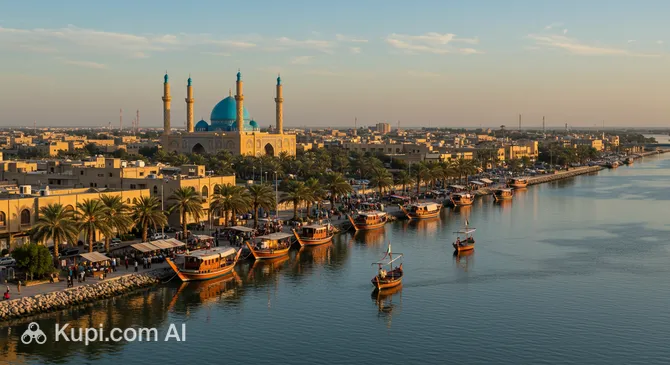
Basra. Source: Kupi.Binoculars

Travelers are often drawn to the scenic Basra Corniche, which runs along the riverbank and provides a perfect setting for an evening stroll to watch the sunset. The city is also renowned for its traditional Shanasheel houses, featuring intricate wooden latticework balconies, and its surrounding lush landscapes, as Basra is historically celebrated as a land of vast date palm groves.

Whether you are drawn by the allure of the river, the architectural heritage, or the local culture, Basra extends a warm welcome to all its guests. It is a destination that promises an authentic and memorable experience in the heart of the region.
Weather Overview

Visitors to the region should prepare for a hot desert climate, where the sun shines brightly for the vast majority of the year. The weather in Basra is defined by distinct seasonal contrasts, shifting from scorching heat in the summer to mild and comfortable conditions during the winter months. Rainfall is exceptionally rare throughout the year, ensuring that outdoor exploration is almost never interrupted by wet weather.

Summers are intense and dry, particularly from June to August, when average temperatures hover around 40°C and daily highs can peak at nearly 48°C. In contrast, the winter season offers a pleasant respite; January is typically the coolest month, with average temperatures of approximately 14.2°C and nighttime lows dipping to around 8.6°C. While precipitation is scarce, light showers are most likely to occur between November and March, though they rarely accumulate to more than a few millimeters.

Interesting Facts

Beyond the bustling port and historic canals, Basra holds a treasure trove of fascinating stories and modern marvels waiting to be discovered. Here are a few intriguing details that reveal the unique character of this southern metropolis.

  • Basra holds the distinction of being the first city established by Muslims outside the Arabian Peninsula. Founded in 636 CE, it rapidly transformed from a simple garrison camp into one of the world's leading centers for science, literature, and commerce during the Golden Age of Islam.

  • Just north of the city lies the confluence of the Tigris and Euphrates rivers, a location steeped in biblical lore. Many locals and visitors believe this specific point to be the site of the ancient Garden of Eden, where a revered old tree, known as "Adam's Tree," is said to have stood for centuries.

  • The city's deep connection to agriculture influences even its major sporting venues. The Basra International Stadium features a distinctive architectural design modeled after the textured trunk of a date palm, paying homage to the region's history as a prolific producer of dates.

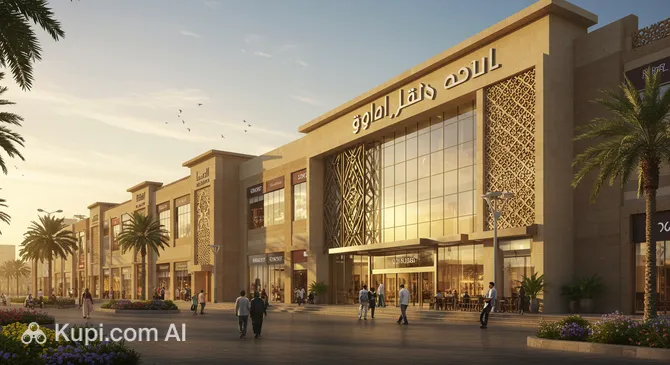
  • Modern development has introduced vibrant landmarks like the Basra Times Square Mall. This expansive complex has become a central hub for social life and entertainment, offering a contemporary contrast to the city's traditional souks and historical sites.

Basra Times Square Mall. Source: Kupi.Binoculars

How to Get There

Reaching this southern economic hub is most convenient by air, as the city is served by its own international facility. For travelers planning their journey and looking for more about how to get to Basra, flying directly into the local airport is the most direct route, though nearby regional hubs in neighboring countries can also be considered depending on your itinerary.

The most direct entry point is Basra International Airport (BSR), located within the city limits. It is a key transport node for the region, handling a steady flow of passengers. The airport is situated approximately 10.9 km from the city center. A trip by taxi or bus to the downtown area typically takes around 20 to 30 minutes, making it a quick and accessible option for arriving visitors.

For those who cannot find a direct flight, Kuwait International Airport (KWI) is a significant alternative hub. It is important to note that this airport is located in Kuwait City, Kuwait, which is about 145 km away from Basra. Traveling from there involves crossing an international border. The ground transfer is substantial, usually taking about 3 to 4 hours by car, but this airport offers a wider range of international connections due to its large passenger volume.

For clarity, here is a summary of the main airports:

Airport Name City Passenger Traffic Km from City
Kuwait International Airport Kuwait City Large 145.3
Ahwaz Airport Ahvaz Medium 130.4
Abadan Airport Abadan Small 46.9
Basra International Airport Basra Small 10.9
Nasiriyah Airport Nasiriyah 159.4

Main Attractions

Basra is a city where tradition meets modernity, offering visitors a variety of experiences ranging from contemporary shopping hubs to authentic culinary delights. While the city is historically known for its canals and heritage, its evolving urban landscape presents several key spots that are popular with both locals and tourists looking to soak in the daily life of this southern metropolis.

One of the most prominent modern attractions is the Basra Times Square Mall. This expansive complex serves as a primary entertainment and retail destination in the city. Visitors are drawn here not only for the diverse range of international and local brands but also for the lively atmosphere. With its modern cinema, family entertainment zones, and food court, it offers a comfortable and air-conditioned retreat, making it an excellent place to witness the contemporary lifestyle of Basra's residents.

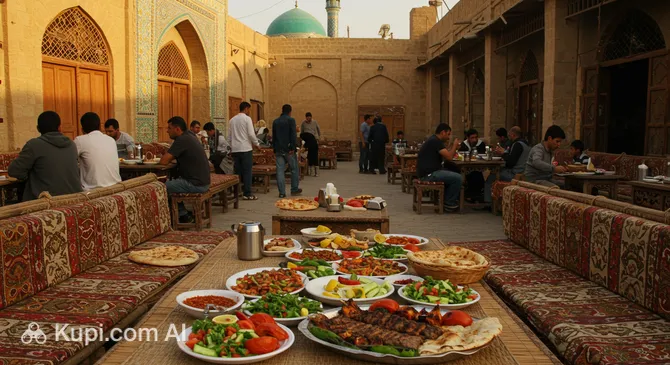
For those eager to dive into the region's rich gastronomic culture, BBQ Manqal is a standout dining venue. "Manqal" refers to the grill, and true to its name, this restaurant specializes in succulent grilled meats and traditional Iraqi dishes. It is particularly interesting to tourists for its authentic preparation methods and the opportunity to taste the bold, smoky flavors that define local cuisine. The welcoming environment provides a perfect introduction to the famous hospitality of the south.

BBQ Manqal. Source: Kupi.Binoculars

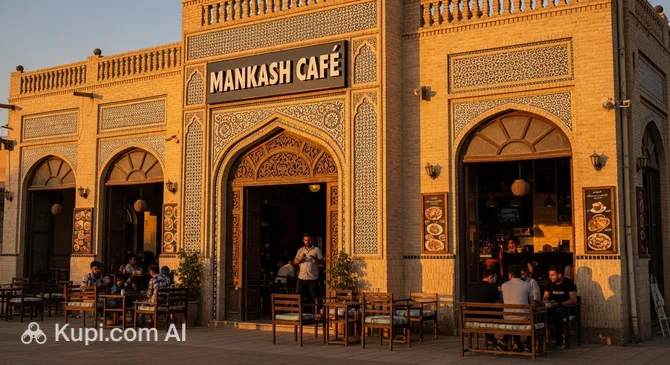
To experience the city's relaxing social scene, a visit to Mankash Cafe is highly recommended. This spot has gained popularity for its cozy ambiance and quality beverages, ranging from aromatic coffees to traditional teas. It is a great place for travelers to unwind after a day of sightseeing, offering a window into the local café culture where friends gather to converse and relax. The cafe's laid-back vibe makes it an ideal stop for a quiet break in the heart of the city.

Local Cuisine

The culinary landscape of Basra is deeply influenced by its geography, positioned where the great rivers meet the sea. As a historic port city, seafood is the undisputed star of the local table. Visitors simply must try Masgouf, which is widely regarded as the national dish of Iraq. This preparation involves seasoning fresh carp and grilling it vertically next to an open fire, imparting a rich, smoky flavor that is unique to this region. Another seafood staple is Mutabbaq Samak, a flavorful dish of fried fish served over spiced rice, often garnished with onions, raisins, and almonds.

Beyond the catch of the day, Basra is legendary for its date palms, and this sweet fruit features prominently in the local diet. Dates are enjoyed on their own or used in desserts like Kleicha, a traditional cookie filled with date paste and often flavored with cardamom or rose water. For those seeking hearty comfort food, Tepsi Baytinijan is a popular casserole made with layers of eggplant, tomatoes, peppers, and meat, showcasing the savory depth of southern Iraqi cooking.

When it comes to beverages, the city has a distinct identity. Tea, or Chai, is the center of social life, typically served strong, sweet, and in small glass cups. A drink specifically famous in this area is Noomi Basra, a tea made from dried limes. It offers a zesty, sour flavor that is incredibly refreshing in the desert heat. While alcohol is available in certain international hotels and licensed venues, it is generally not consumed in public dining spaces, where fresh juices and tea remain the standard.

The food culture in Basra is built on generosity and hospitality. Dining ranges from quick street food stalls selling falafel and shawarma to relaxed cafes where locals gather to unwind. For a taste of this laid-back atmosphere, Mankash Cafe is a welcoming spot to enjoy a hot beverage and observe the daily rhythm of the city. Whether you are eating a simple street snack or a lavish banquet, sharing a meal here is a warm and communal experience.

Mankash Cafe. Source: Kupi.Binoculars

Travel Tips

Visiting Basra offers a unique opportunity to explore the cultural and economic heart of southern Iraq. To help you navigate the city with confidence and ease, we have compiled a set of practical tips designed to make your journey as smooth and enjoyable as possible.

  1. Clothing and Gear: Given the intense heat, especially in summer, pack lightweight, breathable fabrics like cotton or linen. However, modesty is crucial; men should generally wear long trousers, while women are advised to wear loose-fitting clothing that covers the arms and legs. A scarf is essential for women planning to visit mosques or religious shrines. Comfortable walking shoes are a must, as is a universal travel adapter.

  2. Transportation: The most convenient way to get around is by taxi. Ride-hailing apps like Careem are often available and provide a reliable alternative to hailing cabs on the street, offering transparent pricing. If you do take a regular taxi, be sure to agree on the fare before starting your journey. Public buses exist but can be difficult for tourists to navigate without local language skills.

  3. Finances: The local currency is the Iraqi Dinar (IQD). While modern venues like the Basra Times Square Mall and high-end hotels accept credit cards, cash is king in most local markets, restaurants, and smaller shops. It is advisable to exchange money at official exchange bureaus and keep a supply of smaller denominations for daily purchases. ATMs are available but can occasionally be unreliable.

  4. Health and Safety: To ensure good health, stick to drinking bottled water and avoid tap water. Pharmacies are widely distributed throughout the city and are usually easy to spot. As a general precaution, keep a copy of your passport and visa with you at all times, and stay aware of your surroundings, particularly in crowded areas.

  5. Communication: Arabic is the primary language. While you may find English speakers in major hotels and business districts, it is not widely spoken by the general public. Learning a few basic phrases like "Salam" (Hello) and "Shukran" (Thank you) will go a long way. Buying a local SIM card from providers like Zain or Asiacell is highly recommended for internet access and translation apps.

  6. Local Etiquette: Basra is known for its incredible hospitality. If you are invited for tea or a meal, it is polite to accept. Always use your right hand for eating, passing items, or shaking hands. When greeting people of the opposite sex, it is best to wait and see if they extend their hand; if not, a nod with your hand over your heart is a respectful greeting.

  7. What to Avoid: strictly avoid taking photographs of government buildings, military checkpoints, or security personnel, as this is prohibited and can lead to serious misunderstandings. Additionally, never take photos of local women without asking for their explicit permission first.

  8. Local Insight: Basra is historically famous for its date palms. Do not miss the chance to visit a local market to buy fresh dates or date syrup. It is not only a delicious local treat but also makes for a perfect, authentic gift to take home.

Basra is a city that rewards curiosity with warmth and rich tradition. By keeping these practical tips in mind, you will be well-prepared to immerse yourself in the local lifestyle and enjoy a safe, memorable trip to this historic river city.

Entertainment & Nightlife

Entertainment in Basra takes on a distinct cultural flavor that differs significantly from Western concepts of nightlife. Instead of loud nightclubs and dance bars, the city's evening energy is channeled into vibrant social gatherings, late-night dining, and leisurely promenades. As the sun sets and the desert heat subsides, the streets fill with families and groups of friends enjoying the cooler air, creating a lively and welcoming atmosphere that often lasts well past midnight.

The heartbeat of the city's evening activity is undoubtedly the Corniche al-Basra. Stretching along the Shatt al-Arab, this riverside promenade is the perfect place to witness the local lifestyle. In the evenings, it is bustling with people walking, children playing, and vendors selling street snacks, tea, and glowing toys. It is a safe and scenic area for a night walk, offering beautiful views of the river and the illuminated city skyline. Another key area for evening activity is Al-Jaza'ir Street, a commercial hub known for its concentration of restaurants, cafes, and shops that stay open late.

For a modern entertainment experience, the Basra Times Square Mall is the premier destination. This complex is much more than a shopping center; it serves as a major social hub where locals gather to escape the heat. It features a modern cinema showing the latest international and regional films, a large family entertainment center, and a bustling food court. It is one of the best places to spend an evening in a comfortable, air-conditioned environment while observing the contemporary side of Iraqi society.

Dining out is the primary form of night entertainment here. Restaurants are typically busy until late, serving hearty meals in a communal setting. For a memorable dinner, BBQ Manqal offers a lively atmosphere where you can enjoy traditional grilled meats. After dinner, the custom is to move to a café. The local "coffee shop" culture is huge, though it revolves more around tea (chai), coffee, and shisha (hookah) than alcohol. Places like Mankash Cafe provide a cozy setting to relax, chat, and enjoy the evening at a slower pace. Note that public bars serving alcohol are rare and usually limited to high-end international hotels; the general public sphere is largely alcohol-free.

When planning your evening, keep in mind that the city stays awake late, with many shops and cafes operating until midnight or 1:00 AM. The dress code remains conservative; smart-casual is appropriate, but modesty is essential—men should wear long trousers, and women should dress modestly. For transportation, it is best to use registered taxis or ride-hailing apps like Careem rather than walking between distant districts at night. While the main areas like the Corniche and shopping districts are safe and well-lit, it is always wise to stay in populated zones.

While the nights are for socializing, daytime entertainment in Basra offers a glimpse into history and culture. Before the evening rush begins, visitors can explore the Basra Museum, housed in a former palace, which showcases artifacts from the region's rich past. While amusement parks and green spaces exist, they are best enjoyed in the late afternoon when the temperatures are milder.

Parks & Museums

While Basra is primarily recognized as a commercial hub, the city possesses a surprising depth of cultural heritage and scenic riverside spaces. Beyond the busy markets, visitors can find tranquility in its open promenades and gain a profound understanding of the region's ancient timeline in its dedicated institutions.

The crown jewel of the local cultural scene is the Basra Museum. Housed in a building that served as a former presidential palace, the structure has been transformed into a beacon of history and education. Its galleries are meticulously curated to display a rich collection of artifacts spanning the Sumerian, Babylonian, Assyrian, and Islamic periods. Visitors can view rare pottery, coins, and statues that narrate the story of southern Mesopotamia, all set within architecture that offers a unique blend of modern history and ancient preservation.

For a deep dive into the literary soul of the city, the House of Badr Shakir al-Sayyab is a significant landmark. Dedicated to one of the most influential modern Arab poets, this site preserves the legacy of the man who revolutionized Arabic poetry with free verse. The house displays personal belongings and manuscripts, offering an intimate look at the environment that inspired his works.

When it comes to green spaces, the Basra Corniche serves as the city's most accessible linear park. While often bustling with social activity, its design focuses on providing a refreshing escape with manicured gardens and tree-lined paths stretching along the Shatt al-Arab. It functions as a green lung for the city, where visitors can find a shaded bench to enjoy the river breeze and admire the natural flow of the waterway away from the concrete urban center.

Another notable natural landmark is Sinbad Island, situated in the middle of the Shatt al-Arab. Associated with the city's folklore and the legendary voyages of Sinbad the Sailor, it remains a nostalgic recreational spot. The island offers wide, panoramic views of the river and serves as a reminder of Basra's romanticized history as a gateway to the world.

For a truly authentic nature experience, a trip to the outskirts to see the remaining date palm groves is highly recommended. Basra was once home to millions of these trees, and walking through the surviving groves offers a glimpse into the traditional agricultural life that defined the region for centuries. The lush canopy provides a quiet, green contrast to the city and a beautiful backdrop for photography.

Getting Around

Navigating Basra requires a bit of local know-how, as the city does not currently possess a comprehensive, state-run public transit network like a metro or tram system. Instead, the transportation landscape is dominated by road-based options, primarily taxis and privately operated minibuses. For visitors, the system is informal but functional, relying heavily on personal interaction and negotiation rather than fixed schedules and ticket machines.

The most common and convenient mode of transport for tourists is the taxi. You will see plenty of yellow or white taxis roaming the streets. These are generally safe and readily available in major areas like the Corniche or near shopping centers. However, they typically do not use meters. It is standard practice to flag one down and negotiate the fare with the driver before getting in. A more modern and hassle-free alternative is the use of ride-hailing apps. Careem is widely used in the city and is highly recommended for travelers; it offers the security of tracked rides, fixed pricing, and the ability to pay via the app or with cash, bypassing the language barrier involved in bargaining.

For those looking to travel like a local, minibuses and shared vans are the backbone of public commuting. Often referred to locally by their vehicle brands (such as "Kias" or "Coasters"), these vehicles run on specific routes connecting major districts and markets. There are no official bus stops; passengers simply wave from the side of the road to board and ask the driver to stop when they reach their destination. While this is an incredibly cheap way to get around, it can be confusing for those who do not speak Arabic or know the city's geography well.

Payment across the city's transport network is almost exclusively cash-based. The local currency, the Iraqi Dinar, is essential for getting around. Drivers of regular taxis and minibuses do not accept credit cards or travel passes. It is crucial to carry small denominations, as drivers may not always have change for large bills. If you use a ride-hailing app, you can often link a credit card, but choosing the cash option is often more reliable in case of technical glitches.

A unique feature of Basra's transport scene is its relationship with the river. While not a primary mode of mass transit for commuting, small motorboats and traditional wooden boats ply the waters of the Shatt al-Arab. These are mostly used for leisure or short crossings to specific points like the Corniche. Taking a boat ride is less about getting from point A to point B efficiently and more about experiencing the "Venice of the Middle East" atmosphere, offering a scenic perspective of the city that road transport cannot match.

Practical advice for tourists includes avoiding rush hours, particularly in the late afternoon, when traffic congestion can be heavy. If you choose to use a regular taxi, asking a hotel receptionist or a local friend for the approximate fair price to your destination beforehand can give you leverage during negotiation. For safety and ease, sticking to ride-hailing apps or hotel-arranged transport is the best strategy for first-time visitors. Walking is an option along the riverfront, but due to the intense heat during the day, vehicular transport is almost always necessary for moving between districts.

Accommodation

Accommodation in Basra is primarily designed to cater to the city's role as a major economic and business hub. As a result, the range of options leans heavily towards high-end, modern hotels that offer international standards of comfort and security. Visitors will find a selection of luxury high-rises equipped with pools, gyms, and business centers, alongside a variety of mid-range local hotels. While budget hostels are not a common feature of the hospitality landscape here, there are smaller, more affordable apartment-hotels and guesthouses available for travelers seeking a modest place to stay.

When choosing an area to stay, location is key to experiencing the city's atmosphere. The most desirable zone is often considered to be along the Corniche and the banks of the Shatt al-Arab. Hotels here offer scenic river views and are within walking distance of the evening promenade, making it a pleasant base for leisure travelers. Another popular district is Al-Ashar, the commercial heart of the city. Staying here places you in the middle of the bustling markets and close to modern conveniences, including major shopping destinations like the Basra Times Square Mall, which is a convenient landmark for those who prefer staying near retail and entertainment options.

The price range for accommodation varies significantly. The top-tier luxury hotels charge rates comparable to international business hotels globally, reflecting the high level of service and amenities provided. Mid-range and local options are considerably more affordable but vary in terms of facilities. While the major five-star properties can be easily booked via standard international online platforms, many smaller local hotels and apartments may not have a strong online presence. In these cases, booking through a local travel agent or contacting the property directly is often the most reliable method.

Booking Tip: Because Basra frequently hosts conferences, business delegations, and industry events, the best hotels can fill up quickly. It is highly recommended to book your room well in advance of your trip. Additionally, for international travelers, choosing a hotel that provides airport transfer services can add a significant layer of convenience to your arrival and departure.

Nearby Cities

For those looking to explore the surroundings, Basra serves as an excellent base for day trips to several interesting nearby locations:

City Population Distance (km)
Nasiriyah 800,000 156
Amarah 511,500 157
Diwaniyah 391,600 318
Az Zubayr 370,000 18
Al Kut 321,521 289

Among these options, Az Zubayr is the most accessible destination for a quick excursion. Located just a short drive from the city center, it offers a deep dive into Islamic history. The town is home to significant religious shrines and traditional souks, providing a quieter, more historical atmosphere compared to the bustling port of Basra.

For travelers willing to venture further, Nasiriyah is a must-visit for archaeology buffs. It serves as the primary gateway to the ancient city of Ur, famous for its well-preserved Ziggurat. Standing near these Sumerian ruins allows visitors to connect with the very cradle of civilization. Additionally, Nasiriyah is a common starting point for tours into the Mesopotamian Marshes, a unique water-world landscape that is a UNESCO World Heritage site.

These nearby destinations offer a glimpse into the diverse culture and landscapes of the region.

Shopping & Souvenirs

Shopping:

Shopping in Basra offers a fascinating blend of the old and the new, reflecting the city's status as a historic trade hub and a modern economic center. Visitors can explore everything from centuries-old bazaars filled with the scent of spices to contemporary retail complexes offering international brands. Whether you are looking for traditional handicrafts or the latest fashion, the city provides a diverse retail landscape that caters to all tastes.

The heart of the city's commercial life is undoubtedly the Al-Ashar District. This bustling area serves as the main open-air shopping destination, where labyrinthine streets are lined with shops selling gold, textiles, and perfumes. It is a vibrant place to walk around, soak in the local atmosphere, and practice your bargaining skills. Another key thoroughfare is Al-Jaza'ir Street, which is known for its upscale boutiques, electronics stores, and lively evening crowd, making it a popular spot for both shopping and leisure.

For those seeking a modern, air-conditioned environment, the Basra Times Square Mall is the premier destination. As one of the largest shopping centers in the region, it houses a wide variety of global and regional brands, a hypermarket, and entertainment facilities. It provides a comfortable escape from the outdoor heat and is a one-stop shop for fashion, accessories, and lifestyle products.

To experience the traditional side of commerce, a visit to the Indian Market (Souk al-Hunud) in the Al-Ashar district is essential. Historically named for the Indian traders who once frequented the port, this market is famous for its spices, seasonings, and imported fabrics. Additionally, the city's Gold Market is renowned for its dazzling displays of intricate jewelry, where craftsmanship is highly valued and prices are often based on the weight of the metal.

When it comes to souvenirs, Basra is legendary for its dates. As a region historically known for its millions of palm trees, buying high-quality fresh dates or date syrup (known locally as dibis) is a must. These make for delicious and authentic gifts. Other popular items include locally blended spices, traditional tea sets, and silver jewelry, which reflect the rich cultural heritage of southern Iraq.

Store hours in Basra are generally quite long. Most shops open around 9:00 AM or 10:00 AM and stay open late into the night, often until 10:00 PM or even midnight, especially during the summer when evenings are cooler. On Fridays, the Muslim holy day, many shops may close in the morning and reopen in the late afternoon. Regarding payment, cash is the primary method of transaction in most markets and smaller stores. While the major mall and some high-end hotels accept credit cards, it is highly recommended to carry Iraqi Dinars for most of your shopping needs.

Tourists should be aware that formal tax-free shopping schemes, such as VAT refunds found in Europe, are not currently available in Iraq. Prices displayed are typically final, though bargaining is expected and welcomed in the traditional souks and independent shops.

Reached the end of the page?

That means the route is fully explored