Support

Ahvaz

About

Welcome to Ahvaz, a bustling metropolis located in the southwest of Iran. As the capital of the Khuzestan Province, this city serves as a vital cultural and economic hub for the region. Ahvaz is uniquely defined by the majestic Karun River, the country's only navigable river, which gracefully winds its way through the heart of the city, dividing it into two distinct districts and creating a picturesque waterfront setting.

With a population of over 1.2 million residents, Ahvaz is a lively urban center known for its warm hospitality and distinct climate. The city is famous for its hot summers and mild, pleasant winters. While the daytime temperatures can be high, the evenings often bring a vibrant atmosphere, encouraging locals and visitors alike to gather in parks and promenades to enjoy the cooler air and social environment.
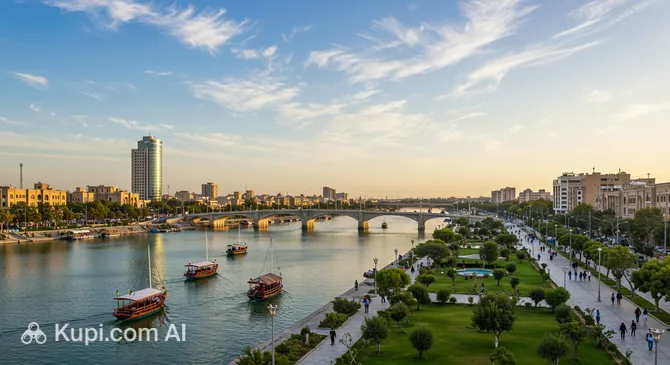
Ahvaz. Source: Kupi.Binoculars

The history of Ahvaz is deeply intertwined with the ancient civilizations of the region, dating back to the early Islamic period and beyond. Although much of the city presents a modern face today, its heritage is reflected in its enduring significance as a crossroads of trade and culture. Exploring the area allows travelers to appreciate how this historic settlement has evolved into a major modern city.

Ahvaz is affectionately known as the "City of Bridges" due to the nine bridges that span the Karun River. The most iconic among them is the White Bridge (Pol-e Sefid), a beautiful suspension bridge that has become the symbol of the city. Another highlight is the historic Moein ol-Tojjar Caravanserai, a remnant of the Qajar era that offers a glimpse into the city's commercial past. A walk along the riverside parks at sunset, watching the bridges light up against the night sky, is an experience not to be missed.

Whether you are interested in architectural landmarks or simply want to experience the local lifestyle along the Karun River, Ahvaz welcomes you with open arms. It is a city of resilience and beauty, offering a unique perspective on life in southwestern Iran that is well worth discovering.
Weather Overview

The climate in this region is characterized by extremely hot summers and mild, short winters, making the timing of your visit crucial for a comfortable experience. Travelers should be prepared for intense heat during the middle of the year, while the cooler months offer much more pleasant conditions for outdoor exploration. To help plan your packing list and itinerary, consulting the detailed guide on the weather in Ahvaz is highly recommended.

Summer temperatures soar significantly, with July being the hottest month, featuring an average temperature of 40.1°C and highs that can reach 48.1°C. In contrast, January is the coolest time of year, with averages dropping to around 13.8°C and lows of 8.4°C. Generally, you can expect scorching, dry summers with no rainfall and mild winters with occasional wet days, particularly in November and December.

Interesting Facts

Beyond the shimmering Karun River and its famous bridges, Ahvaz holds a treasure trove of cultural secrets and unique local habits that define its true character. The city offers curious travelers a glimpse into a vibrant lifestyle shaped by history, climate, and culinary traditions.

  • Ahvaz is celebrated as the "Falafel Capital of Iran," with the neighborhood of Lashkarabad serving as its culinary heart. This vibrant district attracts food lovers from all over the country to experience its famous self-service falafel stands, where visitors can customize their sandwiches with a vast array of fresh salads, pickles, and sauces right on the street.

  • Due to the intense daytime heat, the city has developed a distinct nocturnal culture that surprises many first-time visitors. Shops, markets, and restaurants often remain bustling well past midnight, and it is common to see families enjoying picnics in parks or dining out in the early hours of the morning, making Ahvaz a city that truly comes alive after sunset.

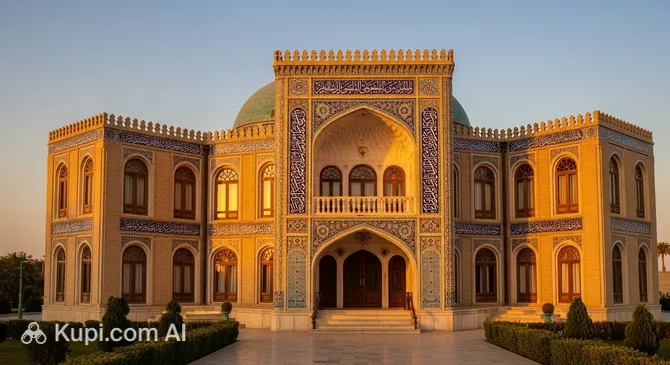
  • Hidden amidst the modern urban sprawl is the Mapar House, a stunning example of Qajar-era architecture. Unlike many historical buildings that are strictly museums, this beautifully restored mansion functions as a cultural center and cafe, allowing visitors to experience the atmosphere of old Ahvaz while sitting under the shade of ancient palm trees in its courtyard.

  • While known today as a major industrial hub, the city has ancient roots believed to trace back to the city of Taryana, a notable settlement during the Elamite civilization. This deep historical footprint suggests that the area has been a strategic center for trade and habitation for thousands of years, long before the modern city emerged.

Mapar House. Source: Kupi.Binoculars

How to Get There

Reaching the capital of Khuzestan Province is relatively straightforward, as the city serves as a major transportation hub for southwestern Iran. Whether you prefer flying directly into the region or taking a scenic overland journey, there are several options available. You can find all ways to reach the city and detailed travel tips in our comprehensive guide.

The most convenient way to arrive is by flying into Ahwaz Airport (AWZ), which is located directly in the city, just about 9 km from the center. As a primary gateway for the region with significant passenger traffic, it handles numerous domestic flights, particularly from Tehran. The journey from the airport to the city center by taxi is quick, typically taking around 35 minutes.

Alternatively, travelers can consider Abadan Airport (ABD), situated in the neighboring city of Abadan. Although it is approximately 113 km away from Ahvaz, it serves as a viable backup option for domestic travel. Be prepared for a longer transfer time; a taxi or bus ride from Abadan to Ahvaz generally takes about 3 hours.

For clarity, here is a summary of the main airports in the vicinity:

Airport Name City Passenger Traffic Km from City
Kuwait International Airport Kuwait City High 241.5
Ahwaz Airport Ahvaz Medium 8.9
Abadan Airport Abadan Medium 113.2
Basra International Airport Basra Medium 128.3
Nasiriyah Airport Nasiriyah 240.3

Beyond air travel, Ahvaz is well-connected to the rest of the country by a robust railway and road network. The city is a key stop on the historic Trans-Iranian Railway, making the train journey from Tehran a popular choice for those who want to enjoy the diverse landscapes of the Zagros Mountains. Additionally, frequent bus services operate from major Iranian cities, offering an affordable and reliable means of transport.

Main Attractions

Ahvaz is a city where history and modern life converge along the banks of the Karun River. From architectural gems of the Qajar era to bustling modern establishments and scenic bridges, the city offers a variety of experiences for travelers. Exploring these highlights provides a deeper understanding of the local culture and the city's enduring spirit.

One of the most captivating historical sites is Mapar House, a beautifully preserved mansion dating back to the Qajar dynasty. This architectural treasure showcases intricate brickwork, colorful stained glass windows, and arched doorways that reflect the traditional style of the region. The house features a serene central courtyard shaded by ancient palm trees, which now serves as a charming cafe and cultural center. It is the perfect place to enjoy traditional tea and immerse yourself in the nostalgic atmosphere of old Ahvaz.

The city is also defined by its relationship with the river, and the White Bridge (Pol-e Sefid) stands as its most famous landmark. As the first suspension bridge in the country, it dominates the skyline with its grand metal arches. A walk across this bridge offers stunning panoramic views of the Karun River, especially at sunset when the water reflects the city lights. It is a beloved spot for locals and tourists alike to take photographs and enjoy the cooling river breeze.

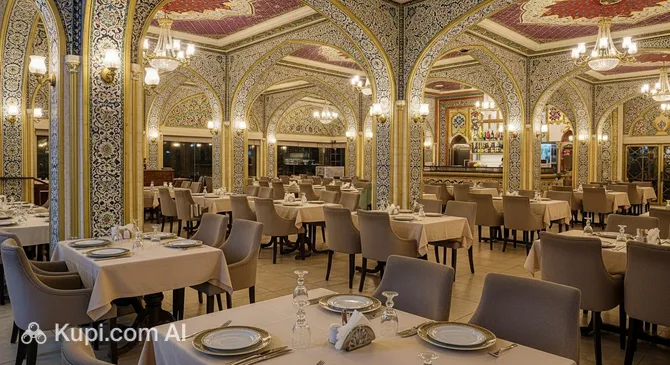
For those looking to experience the city's modern culinary scene, Tiara Restaurant is a top choice. This establishment is well-regarded for its elegant atmosphere and high-quality service, making it a favorite among residents. The menu features a wide array of delicious Persian dishes, kebabs, and local specialties, offering a comfortable and stylish setting to refuel after a day of sightseeing.

Tiara Restaurant. Source: Kupi.Binoculars

Another highlight is the vibrant Karun River Promenade, which stretches along the riverbanks. These coastal parks are the social heart of the city, particularly in the evenings when families gather for picnics and leisure activities. The promenade offers a relaxing environment with lush green spaces and walking paths. Visitors can also find boat operators offering short rides on the river, providing a unique vantage point to admire the city's numerous bridges from the water.

Local Cuisine

The culinary landscape of Ahvaz is a vibrant reflection of its geography and cultural diversity, offering a unique blend of Persian traditions and Arab influences. Known for being spicier and more flavorful than cuisine in other parts of Iran, the local food relies heavily on fresh herbs, tamarind, and the abundant seafood from the nearby rivers and the Persian Gulf. Dining here is not just about sustenance; it is a celebration of bold tastes and community, often enjoyed late into the cool evenings.

One of the most iconic dishes you must try is Ghalieh Mahi. This rich, aromatic stew is a staple of southern Iran, made with fish, generous amounts of cilantro and fenugreek, and a tangy tamarind sauce that gives it a distinctive sour profile. For those with a sweet tooth, the region's vast date palm plantations provide the key ingredient for Ranginak, a hearty dessert made from soft dates stuffed with walnuts and covered in a mixture of toasted flour, butter, sugar, and cinnamon.

Ahvaz is perhaps most famous for its thriving street food culture, particularly its love affair with falafel and sambouseh. The city is renowned for serving some of the best falafel in the country, often enjoyed in bustling street markets where vendors fry these chickpea balls to perfection before your eyes. Locals typically eat them in sandwiches packed with pickled vegetables and mango sauce, creating a spicy and satisfying meal that is perfect for on-the-go eating.

Given the intense heat of the region, beverages play a crucial role in the local diet. While black tea is a constant companion throughout the day, often served with dates to balance the bitterness, cold drinks are essential for hydration. You will frequently find Sharbat, a sweet, cooling syrup drink often infused with floral essences or seeds, and Doogh, a savory yogurt-based drink sometimes flavored with mint, which pairs excellently with spicy meals.

When it comes to dining venues, the city offers a mix of casual street-side experiences and more formal establishments. For a sophisticated meal featuring high-quality kebabs and local stews, Tiara Restaurant is a popular destination among residents and visitors alike. Alternatively, for those seeking a meal steeped in history and atmosphere, the courtyard of Mapar House provides a serene setting to enjoy traditional snacks and tea under the shade of ancient trees.

Travel Tips

Visiting Ahvaz requires a bit of savvy preparation, especially regarding the local customs and the region's intense climate. Here are some practical tips to ensure your trip to the heart of Khuzestan is smooth, comfortable, and respectful of local traditions.

  1. Clothing and Gear: Due to the extreme heat, pack loose, breathable clothing made of natural fibers like cotton or linen. Adhere to the local dress code: women must wear a headscarf and a loose-fitting tunic (manteau) that covers the hips, while men should wear long trousers (shorts are not acceptable in public). Comfortable walking shoes and high-quality sunglasses are essential.
  2. Transportation: The most convenient way to navigate the city is by using local ride-hailing apps like Snapp or Tapsi. They function similarly to international services, offering fixed prices and eliminating language barriers. Standard yellow or green taxis are also available, but it is best to agree on the fare before starting your journey.
  3. Finances: International credit and debit cards (such as Visa or Mastercard) do not work within the local banking system. You must bring sufficient cash (USD or EUR) to cover your entire trip and exchange it at official exchange offices known as Sarafi. Carrying a local "tourist debit card" (issued by some travel agencies) can be a safer alternative to carrying large bundles of cash.
  4. Health and Safety: Ahvaz occasionally experiences heavy dust storms, so packing a few high-quality face masks (like N95) is a smart precaution. Always drink bottled water to avoid stomach issues, as the tap water quality varies. Pharmacies (marked as Daru-khaneh) are widely available for basic medical needs.
  5. Communication: While Persian (Farsi) is the official language, a significant portion of the population in Ahvaz also speaks Arabic. English is not widely spoken outside of hotels and tourist areas, so downloading an offline translation app and learning basic greetings like Salaam (Hello) is highly recommended. Purchase a local SIM card (Irancell or MCI) upon arrival for reliable internet access.
  6. Local Etiquette: Be prepared for Taarof, a system of politeness where locals may initially refuse payment or offer hospitality they don't strictly mean. It is polite to insist on paying or declining an offer a few times to gauge sincerity. In social interactions, avoid shaking hands with members of the opposite sex unless they initiate the gesture; a hand over the heart is a respectful alternative.
  7. What to Avoid: strictly avoid public displays of affection, such as kissing or hugging, as this is culturally inappropriate. Additionally, refrain from photographing government buildings, military installations, or industrial infrastructure, as this is strictly prohibited and can lead to serious misunderstandings.
  8. City Rhythm: Due to the midday heat, Ahvaz follows a distinct schedule similar to a "siesta." Many shops, bazaars, and businesses close from around 1:00 PM to 5:00 PM. Plan your sightseeing for the early morning or late evening, when the city reopens and the streets become lively and pleasant.

With these practical tips in mind, you are well-equipped to navigate the unique environment of Ahvaz with confidence. Embrace the local rhythm, respect the cultural nuances, and enjoy the warm hospitality that this historic city has to offer.

Entertainment & Nightlife

In Ahvaz, the concept of nightlife is dictated largely by the climate. During the scorching summer months, the city effectively sleeps during the afternoon and wakes up as the sun sets, transforming into a vibrant hub of social activity. Unlike Western nightlife centered on pubs and dance clubs, entertainment here revolves around socializing, dining, and enjoying the outdoors in the cooler evening air. The atmosphere is family-friendly and lively, with shops, cafes, and restaurants often staying open well past midnight.

The epicenter of evening entertainment is undoubtedly the Lashkarabad neighborhood. Known as the "Falafel Street of Ahvaz," this area comes alive at night with hundreds of food stalls lining the streets. It is a sensory explosion of lights, smells, and sounds, where locals and tourists mingle to enjoy freshly fried falafel, samosas, and other street snacks. The crowd here is diverse and energetic, making it one of the best places to experience the true pulse of the city. It is casual, affordable, and incredibly welcoming.

For a more upscale and modern experience, the Kianpars district offers a different vibe. This area is home to trendy cafes, shopping malls, and chic restaurants where the city's youth and families gather. The streets here are perfect for a late-night stroll, window shopping, or enjoying a premium coffee. The dress code in Kianpars tends to be stylish yet modest, adhering to local regulations while showcasing modern fashion trends.

If you prefer a setting steeped in history and culture, Mapar House is an essential stop for your evening itinerary. This restored Qajar-era mansion hosts a beautiful courtyard cafe that becomes magical under the evening lights. It is an ideal venue for sipping traditional tea or herbal drinks while listening to the soft hum of conversation and occasional traditional music. The relaxed pace here offers a perfect contrast to the bustling streets outside.

Dining is a major part of the night's entertainment, and for a formal evening meal, Tiara Restaurant in the Kianpars area is a standout choice. Known for its elegant decor and extensive menu of Persian cuisine, it provides a sophisticated atmosphere for a long, leisurely dinner. It is customary here to dine late, with many locals heading out for dinner around 9:00 PM or 10:00 PM.

The banks of the Karun River also offer a scenic backdrop for night owls. The riverside parks and promenades are filled with families picnicking and friends smoking hookah (shisha) or drinking tea until the early hours. The illuminated bridges, particularly the White Bridge, create a stunning reflection on the water, making it a romantic and safe spot for a night walk. Boat rides are often available, offering a cool breeze and a unique view of the city lights.

While the focus is on the night, daytime entertainment in Ahvaz typically takes place indoors or in the early morning to avoid the heat. Cultural enthusiasts can visit the Ahvaz Museum of Contemporary Art or explore the traditional bazaars before the midday sun peaks. However, be aware that many businesses observe a "siesta" break in the afternoon, reopening only when the temperature drops in the evening.

From a practical standpoint, getting around at night is safe and easy. Ride-hailing apps like Snapp are the most reliable way to travel between districts, as they offer fixed fares and trackable rides. While the city is generally safe for night walks, especially in busy areas like Lashkarabad and Kianpars, it is always wise to stay in well-lit, populated zones. Prices for food and transport are reasonable, but carrying cash is recommended as international cards are not accepted.

Parks & Museums

While Ahvaz is primarily known as an industrial powerhouse, the city offers a surprising number of green sanctuaries and cultural venues that provide a refreshing escape from the bustle. The life of the city revolves around the Karun River, and it is along these banks that you will find the most vibrant parks and promenades, serving as the social heart of the community. For those interested in delving deeper into the region's artistic and historical identity, a few key sites offer a fascinating glimpse into the rich heritage of Khuzestan.

The most prominent green space is the extensive Karun River Coastal Park (Saheli Park), which stretches along both banks of the river. This linear park is more than just a walking path; it is where the city comes alive, especially after sunset. With lush lawns, paved jogging tracks, and playgrounds, it is the favorite spot for locals to gather for evening picnics and enjoy the cooling river breeze. Within the river itself lies Jazireh Park (Island Park), situated on a small island connected by a bridge. This unique recreational area offers a slightly cooler microclimate and beautiful views of the illuminated bridges at night, making it a perfect location for a relaxing stroll away from the traffic.

For nature enthusiasts willing to venture a bit further, the Bamdej Wetland is a remarkable natural attraction located approximately 40 kilometers northwest of the city. As one of the most important wetlands in the province, it serves as a vital habitat for migratory birds and local wildlife. Visitors can observe diverse species such as herons and cormorants in a serene environment that contrasts sharply with the arid landscapes typical of the region. It is an excellent spot for eco-tourism and birdwatching, particularly during the cooler migration seasons.

In terms of cultural institutions, the Ahvaz Museum of Contemporary Art stands out as a significant hub for creativity in southwestern Iran. Located on the eastern bank of the Karun River, this two-story museum features five galleries showcasing a compelling collection of works by prominent Iranian artists, with a special focus on talent from Khuzestan. The museum frequently hosts exhibitions, workshops, and seminars, making it a dynamic space where visitors can engage with the modern artistic expressions of the region.

For a more historical perspective, Mapar House offers an immersive cultural experience. While not a traditional museum with glass cases, this beautifully restored Qajar-era mansion functions as a living gallery of architecture and tradition. Visitors can explore its intricate brickwork, stained glass windows, and traditional courtyard, which often hosts cultural events and handicraft exhibitions. It provides a tangible connection to the city's past, allowing you to step back in time and appreciate the elegant lifestyle of old Ahvaz.

Insider Tip: To truly experience the local park culture, visit the Coastal Park on a Thursday or Friday evening. You will see families setting up carpets and tea samovars on the grass, staying late into the night. It is a warm, communal atmosphere where tourists are often welcomed with smiles and offers of tea.

Getting Around

Navigating Ahvaz is an experience that blends modern convenience with traditional local methods. While the city is spread out, the public transport options are relatively straightforward for visitors. The most efficient and comfortable way for tourists to explore the city, especially given the warm climate, is by using the extensive network of taxis and ride-hailing services, though buses offer a more authentic glimpse into daily local life.

The most popular choice for getting around is the ride-hailing app Snapp, which functions similarly to international platforms like Uber. It is highly recommended for tourists as it removes the language barrier by allowing you to set your destination on a map and see the fixed price beforehand. These cars are widely available, safe, and typically air-conditioned, which is a significant advantage during the hot summer months. Payment can usually be made in cash directly to the driver upon arrival.

For a more traditional experience, you will see yellow or green taxis roaming the streets. These often operate as shared taxis, locally known as "Savari." They run on fixed routes between major squares and landmarks. You simply stand by the road, shout your destination to the driver, and if it matches his route, you hop in with other passengers. This is an incredibly cheap option, but be prepared to pay in cash using small bills. If you prefer a private ride, you can ask for "Darbast," meaning you hire the entire taxi for yourself, though the fare will be significantly higher.

The city also operates a network of public buses that connect major districts and suburbs. While this is the most economical way to travel, it can be somewhat challenging for non-Persian speakers as route maps and signs are rarely in English. If you choose to take the bus, remember that men and women sit in separate sections; typically, men sit in the front and women in the back. Fares are nominal and are usually paid in cash to the driver or via a local transport card, though casual visitors often find cash easier to manage.

Regarding the Ahvaz Metro, travelers should be aware that the system has been under construction for many years. As of now, it is not a fully operational network for tourist transportation. While you may see construction sites or signs related to the metro project, do not rely on it for your daily sightseeing itinerary. It is best to stick to road-based transport for reliable travel.

For shorter distances, especially in the evenings, walking is a pleasant alternative, particularly along the scenic Karun River embankments. The riverside parks are well-paved and connect several attractions, allowing you to enjoy the city's lively night atmosphere on foot. However, during the heat of the day, it is advisable to minimize walking and opt for a vehicle to stay cool and comfortable.

Accommodation

Where to Stay:

Accommodation in Ahvaz caters primarily to business travelers and domestic tourists, offering a range of options that are generally functional and comfortable. While you may not find ultra-luxurious international resort chains, the city boasts a decent selection of well-maintained hotels, ranging from budget-friendly guesthouses to more upscale, modern establishments. Many properties operate as "apartment hotels," providing spacious suites with kitchenettes, which are a popular choice for families and longer stays.

When choosing a location, the district of Kianpars is widely considered the best area for tourists. Situated on the western bank of the Karun River, this modern neighborhood is safe, walkable, and packed with shopping malls, cafes, and restaurants. Staying here puts you close to the city's social life and amenities. Alternatively, hotels located along the riverfront or near the city center (Naderi Street) offer convenient access to the bazaars and scenic bridges, though these areas can be much busier and noisier during the day.

For those seeking the most comfortable experience, look for the higher-rated hotels in the Kianpars area or those directly overlooking the river. These establishments typically offer standard amenities such as Wi-Fi, breakfast buffets, and English-speaking staff. It is worth noting that hotel star ratings in Iran may not always align perfectly with international standards, so a 4 or 5-star local hotel is usually comparable to a solid mid-range option in Western countries.

Booking Tip: Due to international banking limitations, major global booking platforms do not operate in the region. You will likely need to book your accommodation through a local travel agency or by contacting the hotel directly via email or messaging apps. During the peak travel season, particularly around the Iranian New Year (Nowruz) in late March, hotels fill up quickly, so reserving your room several weeks in advance is essential.

Price-wise, accommodation in Ahvaz is generally affordable compared to the capital. Budget options can be quite inexpensive, while the top-tier hotels remain reasonably priced for international visitors. Remember that you will almost certainly need to pay for your stay in cash (Euros or US Dollars) upon arrival, as international credit cards are not accepted. Always confirm the price and currency with the reception before finalizing your check-in.

Nearby Cities

For those looking to explore the surroundings, Ahvaz serves as an excellent base for day trips to several interesting nearby locations:

City Population Distance (km)
Abadan 370,180 112
Mahshahr 162,797 98
Khorramshahr 133,097 109
Bagh-e Malek 114,343 118
Shushtar 101,878 83

Among the most compelling destinations is Shushtar, located less than an hour and a half away. This ancient fortress city is world-renowned for its Historical Hydraulic System, a UNESCO World Heritage site. Visitors can marvel at the ingenious complex of dams, bridges, canals, and watermills that date back to the Sassanid era, offering a unique glimpse into ancient engineering.

Another fascinating option is the port city of Abadan. Historically known as a major oil refining hub, it has a distinct cultural atmosphere influenced by its industrial past and proximity to the border. Travelers often visit to explore its lively bazaars, taste the local spicy cuisine, and see the historic Cinema Shirin. Nearby, Khorramshahr offers poignant insights into the region's resilience during the Iran-Iraq War and provides scenic views along the confluence of the Arvand River.

These nearby destinations offer a glimpse into the diverse culture and landscapes of the region.

Shopping & Souvenirs

Shopping:

Shopping in Ahvaz is a vibrant experience that mirrors the city’s unique blend of deep-rooted tradition and modern urban life. Visitors can choose between wandering through bustling, centuries-old bazaars filled with the aroma of spices or exploring contemporary commercial complexes that offer a cool escape from the heat. Whether you are looking for local handicrafts or international fashion, the city provides a diverse retail landscape to suit every taste.

The commercial heart of the city beats strongest along Naderi Street (officially Salman Farsi Street) and Imam Khomeini Street. These energetic thoroughfares are always crowded and lined with hundreds of shops selling everything from gold jewelry and fabrics to electronics. For a truly authentic atmosphere, head to the Imam Bazaar (Bazaar-e Imam). This traditional covered market is a maze of narrow alleyways where vendors display mountains of fresh pickles, aromatic herbs, and household goods. It is the perfect place to observe local daily life and practice your bargaining skills.

For those preferring a more modern retail environment, the affluent district of Kianpars is the place to be. This area hosts several multi-story shopping centers, such as the Tashrifat Shopping Center and Iran Negin. These malls are popular destinations for their fashion boutiques, cosmetic stores, and food courts. Importantly, they offer powerful air conditioning, making them a favorite refuge for shoppers during the hot summer afternoons.

When it comes to souvenirs, the undisputed treasure of Khuzestan is the date. As one of the primary date-producing regions in Iran, Ahvaz offers an astonishing variety, from the sweet, soft Mazafati to the semi-dry Zahedi. Buying a box of high-quality fresh dates is a must for any visitor. Additionally, look for Kapu weaving products—beautiful trays and baskets made from palm leaves wrapped in colorful yarn. These handicrafts are native to the province and make for unique, lightweight gifts.

A key tip for shoppers is to be mindful of the local schedule. Due to the intense daytime heat, many independent shops and bazaar stalls close for a "siesta" between 1:00 PM and 5:00 PM, reopening in the cooler evening hours and staying open late into the night. While prices in modern malls are typically fixed, bargaining is expected and enjoyed in the traditional bazaars. Ensure you carry sufficient cash, as international credit cards are not accepted in local stores.

Reached the end of the page?

That means the route is fully explored