Support

Dezful

About

Welcome to Dezful, a captivating city located in the Khuzestan Province of southwestern Iran. Often referred to as the "City of Brick" due to its distinctive architectural style, Dezful offers a unique glimpse into the region's rich cultural tapestry. With a population of approximately 265,000 residents, it serves as a bustling hub that beautifully preserves its ancient roots while embracing the vibrancy of daily life.

Dezful. Source: Kupi.Binoculars

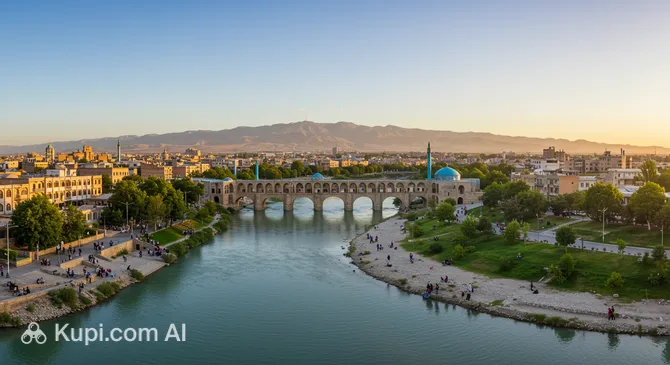
The city is situated at the foot of the Zagros Mountains and is defined by the flowing Dez River, which has been the lifeblood of the community for millennia. Exploring the history of Dezful reveals a legacy that dates back to the Sassanid era and beyond. Visitors are often struck by the ingenuity of the city's past inhabitants, particularly evident in the hydraulic structures and urban planning that have survived through the ages.

Among the most remarkable sights is the Old Bridge of Dezful, believed to be one of the oldest standing bridges in the world that was used for centuries. Another highlight is the complex of ancient watermills located along the river, which showcases early engineering mastery. Walking through the old quarters, you will admire the intricate brickwork that decorates many homes and mosques, giving the city its warm, inviting character.

Whether you are a history enthusiast or a traveler seeking authentic local experiences, Dezful has plenty to offer. The combination of its archaeological treasures, the scenic riverfront, and the hospitality of its people makes it a truly memorable destination worth adding to your itinerary.

Weather Overview

Dezful experiences a semi-arid climate characterized by extremely hot summers and mild, relatively wetter winters. The city is known for its intense heat during the middle of the year, making the cooler months a more popular time for outdoor exploration. To plan your trip effectively, it is helpful to review the current weather in Dezful before packing.

Summers are scorching and dry, particularly from June to September. During July, the average temperature hovers around 37.8°C, with maximum highs often reaching a sweltering 46.6°C. Rainfall is virtually non-existent during this period, with months like June, July, and August recording 0mm of precipitation and zero wet days. Travelers visiting in this season should be prepared for intense sun and high heat.

Winters bring a welcome respite from the heat, with temperatures dropping significantly. January is typically the coldest month, featuring an average temperature of 11.8°C and lows dipping to around 6.2°C. This season also brings the majority of the region's rainfall; for instance, February sees about 9 wet days. Overall, visitors can expect scorching summers with clear skies and mild winters with occasional rainfall.

Interesting Facts

Beyond the main attractions, Dezful holds many fascinating secrets buried beneath its streets and woven into its history. From ancient engineering marvels to unique local crafts, here are some surprising facts about this historic city.

  • Built by Roman Hands: While the Old Bridge is a famous landmark, few realize it was constructed by 70,000 Roman prisoners of war. Following the Battle of Edessa in 260 AD, the Sassanid King Shapur I ordered the captured Roman army, including Emperor Valerian himself, to build this massive structure, which is why it is historically known as the "Roman Bridge."

  • Underground Living Spaces: To cope with the scorching summer heat, traditional Dezfuli houses feature deep basements known as Shavadun. These subterranean living quarters are dug up to 10 meters underground and use natural ventilation shafts to maintain cool, comfortable temperatures without modern electricity.

  • World Capital of Kapu: Dezful has been officially recognized as a World Craft City for Kapu weaving. This intricate art involves wrapping palm leaves around a core of kertak (a resilient swamp reed) and decorating it with colorful wool, creating durable and vibrant baskets that are unique to this region.

  • The Fortress Bridge: The name "Dezful" is actually a linguistic evolution of the Persian words Dez-Pol, which translate to "Fortress Bridge." This refers to a defensive fortress that once stood at the foot of the bridge to protect the strategic crossing over the Dez River, highlighting the city's military importance in antiquity.

How to Get There

Reaching Dezful usually involves traveling through one of the major transport hubs in the region, as the city is best accessed via road connections from neighboring airports. For a detailed overview of all travel options, you can read more about how to get to Dezful to help plan your journey. The road network in Khuzestan Province is well-developed, making the transfer from arrival points relatively straightforward.

The most convenient gateway for many travelers is Ahwaz Airport (AWZ), located in the provincial capital of Ahvaz. Situated approximately 121 km from Dezful, this facility serves as a primary entry point for the region. From here, you can take a taxi or a bus, with the journey typically taking around 2.5 to 3 hours depending on traffic conditions. The airport handles a large volume of passengers annually, ensuring frequent connections from major cities.

Alternatively, visitors can consider Abadan Airport (ABD) in Abadan or Kermanshah Airport (KSH) in Kermanshah. Abadan is located about 224 km away, while Kermanshah is roughly 246 km from Dezful. Both serve as significant regional hubs, though the ground transfer to Dezful will take considerably longer—likely between 4 to 5 hours by road. These airports are viable options if your itinerary includes exploring other parts of western Iran before heading to Dezful.

For clarity, here is a summary of the main airports:

Airport Name City Passenger Traffic Km from City
Kermanshah Airport Kermanshah High 246.4
Ahwaz Airport Ahvaz High 121.0
Abadan Airport Abadan Medium 223.8
Basra International Airport Basra Medium 214.8
Ilam Airport Ilam Small 229.2

Main Attractions

Dezful offers a compelling mix of historical depth and natural beauty, making it a rewarding destination for travelers. While the city is famous for its ancient bridge and brick architecture, it also serves as a gateway to some of the most stunning landscapes in the Zagros region. Here are some of the top places to visit during your stay.

One of the most breathtaking natural sights in the area is Shevi Waterfall. Often described as one of the most beautiful waterfalls in the Middle East, it is tucked away in the rugged Zagros Mountains. The cascade plunges from a high cliff surrounded by lush vegetation, including oak and almond trees, creating a green oasis. Reaching the waterfall involves a scenic hike, making it a perfect adventure for nature enthusiasts and photographers looking to capture the raw beauty of Khuzestan.

To experience the city's celebrated architecture firsthand, a visit to Tizno House is essential. This historical mansion is a masterpiece of Dezful's traditional brickwork, featuring intricate geometric patterns and arches. It serves as a cultural center and offers visitors a chance to explore a classic Persian home, complete with a central courtyard and the famous deep basements known as shavaduns, which were designed to keep residents cool during the hot summers.

For relaxation and recreation, the Ali Kalleh Resort is the most popular spot in the city. Located alongside the Dez River near the regulatory dam, this recreational area is beloved for its cool, clear waters. It is particularly lively in the spring and summer, where families and tourists gather to swim, boat, or enjoy a picnic in the parklands by the riverbank. It provides a refreshing escape from the city's heat and a glimpse into the local leisure lifestyle.

Finally, no trip is complete without wandering through the Dezful Old Bazaar. This historic market is still the commercial heartbeat of the city, bustling with activity and local color. It is the best place to find authentic souvenirs, including the region's famous Kapu woven baskets and delicious local cookies. Walking through the bazaar also allows you to admire the enduring structure of the old market, which has served the community for centuries.

Local Cuisine

To explore the cuisine of Dezful is to dive into the rich, warm flavors of southern Iran. The local food culture is deeply influenced by the region's hot climate and agricultural abundance, resulting in dishes that are hearty, nutritious, and distinct from the rest of the country. Visitors will find that sesame, dates, and fresh herbs play a central role in many traditional recipes, offering a unique gastronomic experience.

One of the most famous signature dishes you must try is Ash-e Ardeh. Unique to Dezful, this thick, savory porridge is made from rice, mung beans, and a generous amount of ardeh (tahini or sesame paste). It is typically served with fresh radish and lemon to cut through the richness. Another local favorite is Ghalieh Mahi, a spicy and tangy fish stew cooked with tamarind, coriander, and fenugreek. Given the city's proximity to rivers, fresh fish is a staple, and this stew perfectly represents the spicy palate of the Khuzestan province.

For those with a sweet tooth, Kaloocheh Dezfuli is an essential treat. These traditional cookies are flavored with cumin and filled with a mixture of dates and walnuts, making them a perfect accompaniment to tea or a delicious souvenir to take home. You should also try Ranginak, a rich dessert made from dates, walnuts, and toasted flour, which celebrates the high-quality dates harvested in the surrounding groves.

When it comes to beverages, the culture here is dominated by tea and refreshing herbal drinks. Black tea is the cornerstone of social life, served hot and fresh throughout the day. To combat the intense summer heat, locals turn to traditional sherbets (sharbat) and herbal distillates, such as willow water or rose water mixed with sugar and ice. It is important to note that alcoholic drinks are not part of the local diet due to national laws and religious customs; instead, you will find a wide variety of delicious non-alcoholic options, including the savory yogurt drink known as Doogh.

The food scene in Dezful revolves around family gatherings and traditional hospitality. While there are modern restaurants, the most authentic experiences are often found in small, local eateries or during a stroll through the market areas. The Dezful Old Bazaar is not just for shopping; it is a great place to pick up fresh dates, spices, and hot flatbreads straight from the oven. Picnicking is also a beloved pastime, and you will often see families sharing large homemade meals in parks or by the riverbank, enjoying the food and the company in equal measure.

Travel Tips

Planning a trip to the historic "City of Brick" requires a bit of preparation to ensure a smooth and enjoyable journey. To help you navigate the local customs and the unique climate of Dezful, we have compiled a list of essential practical tips for your visit.

  1. Clothing and Gear: Due to the intense heat, especially from late spring to early autumn, lightweight and breathable fabrics like cotton are essential. However, you must adhere to the local dress code. Women should wear a headscarf and a loose-fitting tunic (manteau) that covers the hips and arms, while men should wear long trousers; shorts are not acceptable in public. Comfortable walking shoes are a must for exploring the cobbled streets of the old district.

  2. Transportation: The most convenient way to get around Dezful is by taxi. Shared taxis (savari) follow set routes, but for ease of travel, private taxis (darbast) are recommended. Ride-hailing apps like Snapp (the local equivalent of Uber) are widely used, affordable, and overcome language barriers since you set the destination on the map.

  3. Finances: This is crucial: International credit and debit cards (Visa, Mastercard) do not work in Iran. You must bring enough cash (USD or EUR) for your entire trip and exchange it at official exchange offices (Sarafi). Be aware of the currency confusion: the official currency is the Rial, but locals quote prices in Toman (1 Toman = 10 Rials). Always clarify which unit is being used.

  4. Health and Safety: Dezful is generally very safe for tourists. However, the summer heat poses a risk of dehydration and heatstroke; always carry water and avoid strenuous activity during midday. Pharmacies (marked with "Daru-khaneh") are common and well-stocked. While tap water is treated, sticking to sealed bottled water is recommended for short-term visitors to avoid stomach upsets.

  5. Communication: The official language is Persian (Farsi), and the local dialect is Dezfuli. English is not widely spoken outside of hotels and major tourist spots, so learning a few basic phrases like "Salam" (Hello) and "Mamnoon" (Thank you) goes a long way. Purchasing a local SIM card (e.g., Irancell or MCI) upon arrival is highly recommended for maps and translation apps.

  6. Local Etiquette: Iranians are famous for Taarof, a system of politeness where people may initially refuse payment or offer things they don't mean to give. If a driver or shopkeeper refuses payment, insist on paying; it is a gesture of respect. Also, always remove your shoes before entering a private home or the prayer halls of mosques.

  7. What to Avoid: Public displays of affection (such as kissing or hugging) between couples are frowned upon and should be avoided. Additionally, alcohol is strictly prohibited by law; do not attempt to bring it into the country or seek it out. Photographing government buildings, military sites, or infrastructure like dams can be sensitive—always ask for permission if unsure.

  8. Timing Your Day: In the peak of summer, the city effectively shuts down in the afternoon (siesta time) due to the heat. Follow the local rhythm: start your activities early in the morning, rest during the hottest hours, and head out again in the evening. Nights in Dezful, especially by the Dez River parks like Ali Kalleh, are vibrant and lively.

By keeping these tips in mind, you will be well-equipped to experience the warmth and hospitality of Dezful without any hassles. Embrace the local culture, respect the traditions, and enjoy exploring the architectural wonders of this ancient city.

Entertainment & Nightlife

Entertainment and nightlife in Dezful offer a unique cultural experience that differs significantly from Western concepts of partying. Due to local laws and customs, you will not find nightclubs, bars, or discos serving alcohol here. Instead, the city comes alive after sunset with a vibrant social scene centered around socializing, dining, and enjoying the outdoors. The atmosphere is family-friendly, relaxed, and incredibly welcoming, with locals staying out late to escape the daytime heat and enjoy the cooler evening breeze.

The heartbeat of Dezful's nightlife is undoubtedly the banks of the Dez River. The riverside, particularly the area known as Jadeh Saheli (Coastal Road), transforms into a bustling promenade at night. Here, families and groups of friends gather for picnics, spreading carpets on the grass to share tea, fruits, and dinner. The energy is lively yet peaceful, with the sound of the rushing river providing a scenic backdrop. Ra'ana Park (also known as Saheli Park) is a prime spot along this stretch where you can mingle with locals, enjoy street food, and experience the true "shab-neshini" (night gathering) culture of Iran.

For a memorable evening, you should visit Ali Kalleh. While it is a popular swimming spot during the day, at night, the area remains active with people enjoying the cool air by the water. It serves as a major recreational hub where you can sit by the stream and enjoy the illuminated views of the river. Another bustling area is the Dezful Old Bazaar. As the sun sets, the market lanes fill with shoppers, and the scent of spices and freshly baked cookies fills the air. It is the perfect place to take a leisurely night walk, shop for souvenirs, and observe the daily life of the city's residents.

Dining out is the main form of evening entertainment. Traditional restaurants and teahouses (Chaykhaneh) are the local equivalent of pubs, where people gather to drink endless cups of black tea, smoke flavored hookah (qalyan), and listen to traditional music. Many of these venues are located in restored historical houses in the old quarter, offering an atmospheric setting with brick arches and courtyards. The dress code is conservative; men should wear long trousers, and women must wear a headscarf and manteau, but the vibe is casual and comfortable.

Regarding practicalities, the best time to head out is after 8:00 PM, when the temperature drops. Shops and restaurants often stay open until midnight or later, especially in summer. Prices for food and entertainment are generally very affordable for international visitors. Getting around at night is easy; you can hail a passing taxi or, for more convenience, use the Snapp ride-hailing app to book a car to your destination.

Dezful is a very safe city for night walks, even for solo travelers. The areas around the river and the main squares are well-lit and populated until late. However, as with any travel destination, it is wise to stay in busy areas and avoid unlit, isolated alleyways in the old texture of the city late at night. If you need to move between distant districts, a taxi is the safest and most comfortable option.

While the nights are for socializing, daytime entertainment in Dezful leans towards cultural and historical exploration. If you have time before the evening sets in, consider visiting the Ethnological Museum housed in the historic Kurnasiyan Bath. This beautifully restored site offers a fascinating look into the traditional professions and lifestyle of the region, providing context to the culture you will experience later in the evening streets.

Parks & Museums

Dezful beautifully balances its rugged history with refreshing green spaces, largely thanks to the life-giving waters of the Dez River. The city's parks and cultural venues offer a peaceful respite from the heat and a deep dive into the traditions that have shaped this region for centuries. Whether you are looking to relax under the shade of a tree or explore the intricacies of Persian heritage, the city provides several welcoming spots for visitors.

Ra'ana Park, also known as Saheli Park, is one of the most beloved green spaces in the city. Stretching along the banks of the Dez River, this park serves as the city's communal living room, especially in the evenings when the air cools down. It features well-maintained walking paths, playgrounds for children, and ample space for the popular Iranian pastime of picnicking. For tourists, it offers a scenic vantage point to admire the river and the historic bridge while observing the relaxed, social atmosphere of local families.

For a more immersive natural experience, the Ali Kalleh Recreational Area is the crown jewel of Dezful's outdoors. While often noted for its swimming channels, it is also a significant parkland situated by the regulatory dam. The area is lush with trees and offers pavilions where visitors can rest and enjoy the sound of rushing water. It is unique because it combines a beach-like atmosphere with the greenery of a park, making it the perfect spot to cool off and enjoy the natural beauty of the Zagros foothills.

On the cultural front, the Kurnasiyan Bath (Dezful Anthropology Museum) is a must-visit for anyone interested in the local way of life. Housed in a beautifully restored Safavid-era bathhouse, the museum showcases the region's history through architectural splendor and ethnographic displays. Inside, you will find wax figures depicting traditional professions, costumes, and ceremonies specific to Dezful. The building itself is a masterpiece of brickwork, featuring intricate vaulted ceilings and traditional heating systems that demonstrate the ingenuity of past architects.

Another fascinating site that functions as an open-air museum is the Ancient Watermills complex located in the riverbed near the Old Bridge. While not a museum in the traditional sense with glass cases, this site preserves the remnants of a sophisticated hydraulic system dating back to the Sassanid and Qajar periods. Walking among the ruins of these mills, which once ground wheat for the city using the river's power, provides a tangible connection to the engineering prowess of ancient Iran.

For those interested in religious architecture and history, the Sabze-Qaba Shrine is a significant landmark worth noting. It is not only a spiritual center but also an architectural gem with its turquoise dome and mirrored interiors. The shrine attracts pilgrims and tourists alike, offering a serene environment to appreciate the artistic tile work and spiritual heritage of the city.

Insider Tip: If you visit Ra'ana Park, try to go just before sunset. The view of the sun setting over the Dez River and the illuminated arches of the Old Bridge creates a magical atmosphere that is perfect for photography. Afterward, you can easily walk to nearby stalls to try some local street snacks.

Getting Around

Navigating Dezful is relatively straightforward, as the city does not have a complex rail or metro system. The public transport network relies entirely on road-based options, primarily buses and taxis. For most visitors, the system is easy to use once you understand the local distinction between shared and private transport. The compact nature of the city center also means that many historical sites are accessible within a short distance of each other.

The municipal bus service covers the main avenues and connects the city center with the suburbs. Buses are the most economical way to travel, though they can be slower due to traffic and frequent stops. Route information is typically displayed in Persian, which can be a challenge for international tourists. If you choose to use the bus, it is advisable to ask a local or your hotel receptionist for the specific route number you need before heading out.

Taxis are the most popular and convenient mode of transport in Dezful. You will encounter two main types: "Darbast" (private) and shared taxis. Shared taxis, often yellow or green, drive along fixed routes and pick up multiple passengers until the car is full. This is a very cheap and authentic way to get around, but you must know the name of your destination to shout it to the driver. For a more comfortable and direct journey, you can hire a taxi "Darbast," meaning you pay for the entire car to take you directly to your destination.

For a hassle-free experience, modern ride-hailing apps are highly recommended. The service known as Snapp operates similarly to Uber and is widely available in the city. Using the app allows you to set your pickup and drop-off points on a map, see the fare in advance, and avoid language barriers with drivers. It is often the most tourist-friendly option for getting around efficiently.

Regarding payment, cash is the standard method for almost all public transport in the city. International credit cards are not accepted, so you must carry local currency. While some buses may use local electronic transport cards, paying the driver in cash is common for occasional trips. When using taxis or ride-hailing apps, it is best to have small bills ready to pay the exact fare, as drivers may not always have large amounts of change.

Finally, do not underestimate the value of walking, especially when exploring the historic "Old Texture" of the city. Many of the narrow, winding alleyways and brick architectural marvels are best appreciated on foot. Walking allows you to move between the Old Bazaar, the historic mosques, and the riverfront at your own pace, soaking in the atmosphere that vehicles simply cannot provide.

Accommodation

Finding the right place to stay in Dezful is an opportunity to experience the city's warm hospitality and unique architectural heritage. The accommodation landscape here is modest, steering away from international luxury chains in favor of functional mid-range hotels, apartment suites, and traditional guesthouses. Whether you prefer modern amenities or a touch of history, the options are generally clean, comfortable, and very affordable for international visitors.

The most popular and convenient area for tourists is along the banks of the Dez River (Coastal Road). Hotels and guesthouses in this vicinity offer easy access to the city's main recreational parks, such as Ra'ana Park and the Ali Kalleh resort. Staying here not only provides scenic views of the water and the ancient bridge but also allows you to enjoy the cooler river breeze during the evenings. For those seeking a deeper cultural immersion, the historic district offers accommodations nestled among the city's famous brick alleyways, placing you within walking distance of the Old Bazaar and major historical sites.

A growing trend in Dezful is the conversion of historic homes into traditional eco-lodges (known locally as Bum-Gardi). These are excellent choices for travelers who want more than just a place to sleep. These lodgings often feature beautiful central courtyards, intricate brickwork, and traditional deep basements (Shavadun) that stay naturally cool in the summer. Staying in one of these houses offers a unique glimpse into the traditional lifestyle of the Khuzestan region.

Important Booking & Payment Tips:

  • Cash is King: Please remember that international credit cards (Visa, Mastercard) do not work in Iran. You must settle your hotel bill in cash (Iranian Rials, USD, or EUR) upon arrival. Ensure you have exchanged enough money before your stay.
  • How to Book: Global booking platforms like Booking.com or Airbnb typically do not list properties in Iran due to sanctions. It is recommended to use specialized travel agencies focused on Iran or to contact hotels directly via phone or messaging apps to secure your reservation.
  • Peak Seasons: While walk-ins are often possible during the off-season, availability becomes scarce during the Iranian New Year (Nowruz, starting late March) and other major holidays. It is highly advisable to book well in advance if you are traveling during these periods.

Nearby Cities

For those looking to explore the surroundings, Dezful serves as an excellent base for day trips to several interesting nearby locations. The region is rich in ancient history and diverse landscapes, allowing travelers to experience everything from UNESCO World Heritage sites to the rugged beauty of the Zagros Mountains within a short drive.

One of the most essential visits is to Shushtar, located less than an hour away. This historic island city is famous for the Shushtar Historical Hydraulic System, a UNESCO World Heritage site that dates back to the 5th century BC. This masterpiece of creative genius involves a complex network of waterfalls, dams, canals, and tunnels that once powered mills and irrigated the plains. It is a stunning example of ancient engineering that is still mesmerizing to witness today.

Virtually connected to Dezful is the city of Andimeshk, situated just to the north. Often considered a twin city, it serves as a gateway to the mountainous regions of Lorestan. Andimeshk is known for its strategic importance and proximity to the massive Karkheh Dam and Dez Dam. The area offers scenic views of the reservoirs and is a starting point for accessing the natural wonders of the northern Khuzestan province.

For a change of scenery, a trip to Khorramabad offers a dramatic shift from the plains to the heart of the Zagros Mountains. Although it requires a slightly longer drive, the journey is scenic, and the destination is rewarding. The city is dominated by the imposing Falak-ol-Aflak Castle, a Sassanid-era fortress perched atop a hill in the city center, offering panoramic views and a deep dive into the history of the region.

City Population Distance (km)
Ahvaz 1,261,042 121
Khorramabad 373,416 120
Andimeshk 135,116 10
Dorud 121,608 138
Shushtar 101,878 57

These nearby destinations offer a glimpse into the diverse culture and landscapes of the region, making them perfect additions to your travel itinerary.

Shopping & Souvenirs

Shopping in Dezful is less about browsing international luxury brands and more about discovering the authentic culture and craftsmanship of southwestern Iran. The city offers a delightful blend of traditional commerce and modern convenience, allowing visitors to explore historic marketplaces that have been active for centuries alongside newer commercial districts. The experience is intimate and local, providing a perfect opportunity to interact with friendly shopkeepers and artisans.

The heart of the city's commercial life is undoubtedly the Dezful Old Bazaar (Bazar-e Kohneh). Walking through its brick-lined alleyways is like stepping back in time. This is the best place to find traditional goods, spices, and household items. The atmosphere is vibrant, with the scent of fresh herbs and baked goods filling the air. It serves as the primary hub for local handicrafts, making it an essential stop for anyone looking to take a piece of Dezful home with them.

For a more modern shopping experience, travelers should head to the city's main thoroughfares, such as Imam Khomeini Street and Shariati Street. These bustling avenues are lined with a variety of clothing boutiques, shoe stores, and electronics shops. If you prefer an indoor shopping environment, the Golbaran Hyper Market and the Mother Commercial Complex are among the notable modern centers where you can find fashion, accessories, and cafes in a climate-controlled setting.

When it comes to souvenirs, Dezful is world-famous for Kapu weaving. As a recognized World Craft City for this art form, the city produces exquisite baskets and containers made from palm leaves wrapped around a reed core and decorated with colorful wool. These items are not only beautiful but also durable and practical. Additionally, food lovers should buy boxes of Kaloocheh Dezfuli, the local cumin-spiced cookies filled with dates, or high-quality dates and citrus fruits grown in the surrounding fertile plains.

Visitors should be aware of the local business hours, which often include a midday break. Shops typically open around 9:00 AM, close between 1:00 PM and 5:00 PM for the afternoon rest (siesta) to avoid the peak heat, and then reopen until late in the evening. Payment is almost exclusively in cash (Iranian Rials or Tomans), as international credit cards are not accepted. There is no tax-free refund system for tourists, so the price you see (or negotiate) is the final price.

Reached the end of the page?

That means the route is fully explored