Support

Hamadan

About

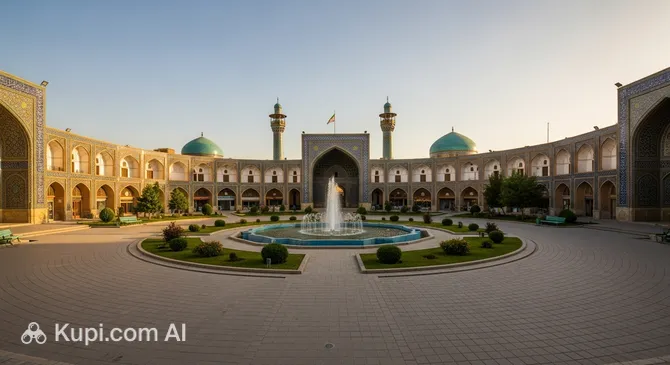
Hamadan is a city steeped in antiquity, often celebrated as one of the oldest continuously inhabited settlements in the world. Offering a unique blend of rich cultural heritage and stunning natural landscapes, it serves as a captivating destination for travelers seeking to explore the depth of Persian civilization. Located in the western part of Iran, this vibrant provincial capital is known for its welcoming atmosphere and significant historical role.

Hamadan. Source: Kupi.Binoculars

Geographically, the city is situated at the foothills of the majestic Mount Alvand, which provides a dramatic backdrop to the urban scenery. Due to its high elevation, Hamadan enjoys a pleasant and mild climate during the summer months, making it a popular retreat from the heat found in other parts of the region. With a population of over 550,000 residents, it is a bustling hub that perfectly balances modern life with its ancient roots.

The history of Hamadan is truly legendary, tracing its origins back to the ancient city of Ecbatana, the capital of the Medes. This deep connection to the past is evident in the city's architecture and archaeological sites. Visitors can marvel at the Ganjnameh inscriptions, ancient cuneiform texts carved into the rock face of the mountain, or explore the iconic Mausoleum of Avicenna, a monument dedicated to the world-renowned philosopher and physician.

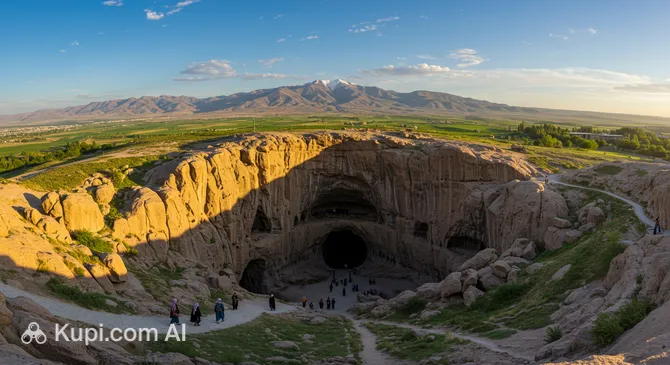
Beyond its historical treasures, the city offers lush gardens and proximity to the Ali Sadr Cave, one of the world's largest water caves. Whether you are a history enthusiast or a nature lover, Hamadan promises an unforgettable journey filled with discovery and wonder.

Weather Overview

Due to its high elevation and mountainous setting, the city experiences distinct seasonal changes throughout the year. The weather in Hamadan is generally characterized by warm, dry summers and cold winters. July is typically the hottest month, with average temperatures around 26.4°C and daytime highs reaching 34.1°C, accompanied by clear skies and virtually no rainfall.

In contrast, the winter months can be quite chilly, with January seeing average temperatures drop to -0.2°C and minimums plunging to -5.1°C. Precipitation is more common during the transitional seasons, particularly in spring; March is often the wettest month with approximately 12 wet days. Travelers should plan for warm, sunny days if visiting in summer, while heavy layers are essential for the cold conditions in winter.

Interesting Facts

Beyond the main attractions, Hamadan holds many fascinating secrets and urban legends that surprise even seasoned travelers. From ancient misunderstandings to unique architectural layouts, the city offers layers of intrigue waiting to be peeled back.
  • The famous Ganjnameh inscriptions were not always recognized as royal decrees; for centuries, locals believed the mysterious cuneiform text was actually a coded map leading to hidden Median gold, earning the site its name, which translates to "Treasure Book."

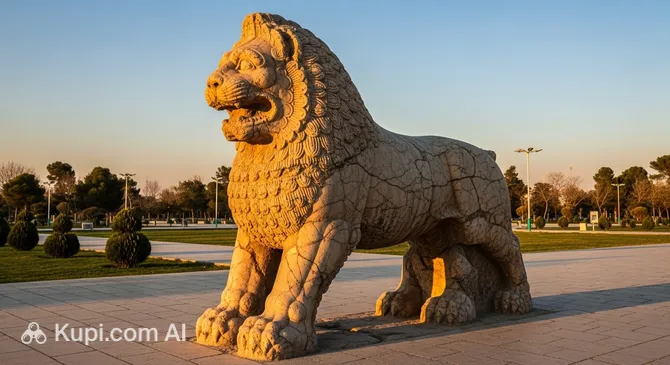
  • The Stone Lion of Hamadan is steeped in mystery, with some historians suggesting it was originally commissioned by Alexander the Great to honor his fallen companion Hephaestion, though it has changed shape significantly after centuries of erosion.

  • Unlike the winding alleys typical of many ancient Persian cities, modern Hamadan features a distinctive radial map designed by a German architect in the 1920s, with six main avenues converging perfectly at Imam Khomeini Square.

  • Beneath the Hegmataneh Cultural Heritage and Tourism Complex lies what the Greek historian Herodotus described as a dazzling city of seven concentric walls, each painted a different color, guarding the ancient Median capital.

Stone Lion of Hamadan. Source: Kupi.Binoculars

How to Get There

Reaching this historic city is relatively straightforward, with several options available depending on your starting point and travel preferences. Planning your journey is the first step to exploring the region; you can find more about how to get to Hamadan and detailed transport advice on our dedicated page. Whether you prefer flying or traveling overland, the city is well-connected to the rest of the country.

For those looking for the most direct route, Hamadan Airport (IATA: HDM) serves the city itself. It is conveniently located just 8.6 km from the center. Although it is a smaller regional airport with limited passenger traffic, landing here saves significant travel time, with a taxi ride to the downtown area taking only about 15 to 20 minutes.

International travelers often arrive via Imam Khomeini International Airport (IATA: IKA) in Tehran. As the country's main international gateway, it handles a very large volume of passengers and offers connections from around the world. The airport is situated approximately 250 km from Hamadan. From there, you can take a taxi or bus, a journey that typically takes around 3 to 4 hours depending on traffic conditions.

Another viable option is Kermanshah Airport (IATA: KSH) in the neighboring city of Kermanshah. Located about 134 km from Hamadan, this airport serves as a significant regional hub. The drive from Kermanshah to Hamadan usually takes about 2 hours, making it a reasonable alternative if direct flights to Hamadan are unavailable.

For clarity, here is a summary of the main airports:

Airport Name City Passenger Traffic Km from City
Imam Khomeini International Airport Tehran Very High 250.2
Kermanshah Airport Kermanshah High 134.2
Sanandaj Airport Sanandaj Medium 146.1
Ilam Airport Ilam Low 236.4
Hamadan Airport Hamadan Low 8.6

In addition to air travel, Hamadan is accessible via the national railway network. The city's train station connects it to Tehran and other western regions, offering a comfortable and scenic alternative to driving. For those preferring road transport, a comprehensive network of buses operates frequently between Hamadan and major cities like Tehran, Isfahan, and Tabriz, arriving at the city's main bus terminals.

Main Attractions

Hamadan is a treasure trove of history, offering visitors a chance to walk through thousands of years of Persian heritage. The city's main sights range from ancient archaeological mounds to mausoleums of world-renowned scholars and poets. Exploring these landmarks provides a deep insight into the cultural and intellectual legacy of the region.

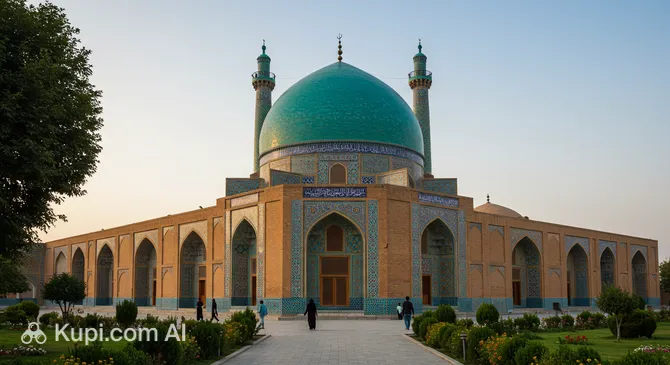
One of the city's most iconic symbols is the Tomb of Avicenna. Dedicated to the legendary polymath Abu Ali Sina, known in the West as Avicenna, this monument is a masterpiece of modern Persian architecture inspired by the ancient Gonbad-e Qabus tower. The complex includes a fascinating museum displaying his works, a library, and a peaceful garden. It is a must-visit for anyone interested in the history of medicine and philosophy.

Tomb of Avicenna. Source: Kupi.Binoculars

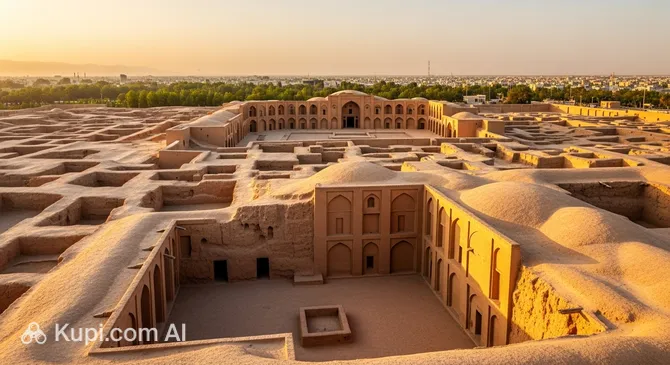
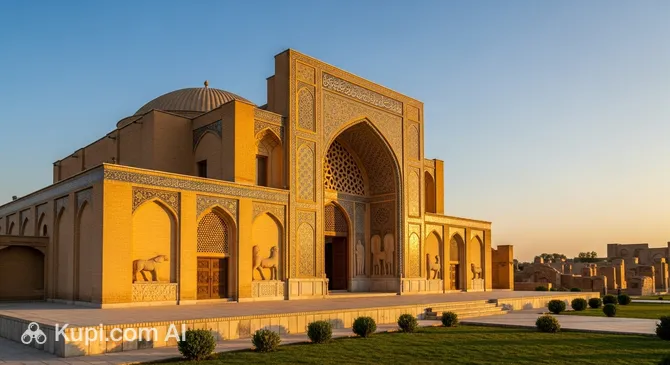
For history enthusiasts, the Hegmataneh Cultural Heritage and Tourism Complex is an essential stop. This vast archaeological site sits on the location of the ancient city of Ecbatana, which was once the capital of the Medes. Walking through the excavated ruins, visitors can see the remains of ancient fortifications and urban structures that date back to the 7th century BC, offering a tangible connection to the dawn of the Persian Empire.

Hegmataneh Cultural Heritage and Tourism Complex. Source: Kupi.Binoculars

Located within the same area is the Ecbatana Museum, which houses a precious collection of artifacts discovered during the excavations of the mound. The museum displays pottery, stone objects, and metalworks that illustrate the advanced craftsmanship of the ancient inhabitants. It provides crucial context to the ruins outside, helping tourists visualize life in the ancient capital.

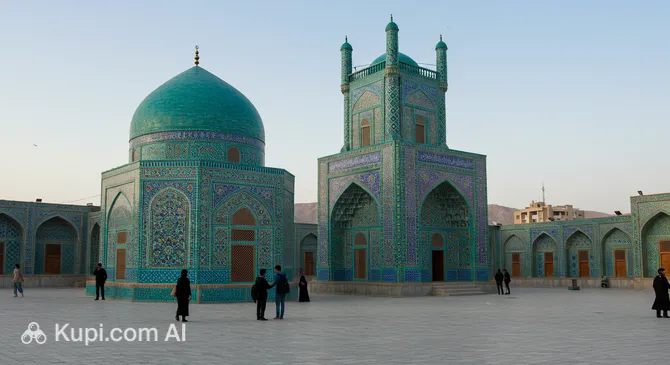
Another cultural gem is the Tomb of Baba Taher, the final resting place of the famous mystic and poet Baba Taher Oryan. The structure stands out with its distinctive octagonal tower and turquoise dome, set amidst a beautifully landscaped park. Inside, the walls are adorned with tiles inscribed with his emotive do-baytis (couplets), creating a spiritual and artistic atmosphere that attracts literature lovers from around the world.

Tomb of Baba Taher. Source: Kupi.Binoculars

Local Cuisine

Hamadan’s culinary landscape is a delightful reflection of its mountainous geography and rich agricultural traditions. The local diet is characterized by hearty, nutritious meals designed to provide warmth and energy, particularly during the cold winters. The city is famous for its wide variety of Ash (thick soups) and stews, which are cooked slowly to develop deep, complex flavors. Visitors will find that fresh herbs, dairy products, and locally grown walnuts play a significant role in many recipes.

One of the most beloved dishes to try is Abgoosht (also known as Dizi), a traditional Persian meat and bean stew that holds a special place in Hamadan's food culture. Locals often prepare distinct regional variations, sometimes adding different herbs or dried fruits for a unique twist. Another must-try specialty is Ash-e Khoshk, a soup made with dried fruits like apricots and plums, offering a perfect balance of sweet and sour tastes. For those with a sweet tooth, the city is renowned for Komaj, a soft, aromatic cookie, and Angosht-pich, a sticky, white confection often flavored with rose water.

When it comes to beverages, the culture here is dominated by hot tea (Chai), which is served everywhere from formal meetings to casual gatherings. It is customary to drink tea with dates or sugar cubes. During meals, the most popular accompaniment is Doogh, a savory yogurt-based drink often seasoned with dried mint or rose petals. Tourists should be aware that alcohol is strictly prohibited in Iran and is not available in restaurants or shops; instead, you can enjoy a variety of refreshing non-alcoholic herbal syrups known as Sharbat.

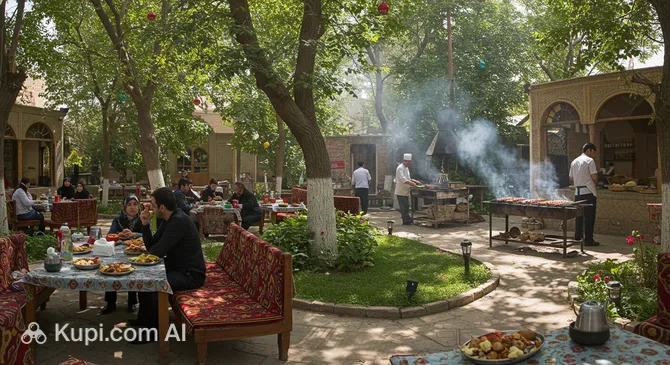
Dining out in Hamadan can range from casual street food stalls in the bazaar to elegant traditional restaurants. Many establishments feature traditional seating on raised wooden platforms called takhts, where guests sit cross-legged on rugs and cushions. For a memorable dining experience, you might visit the Shandiz Haji Restaurant, a well-regarded establishment where you can sample authentic Persian kebabs and local specialties in a welcoming atmosphere.

Shandiz Haji Restaurant. Source: Kupi.Binoculars

The city's food scene is not just about eating; it is a social event. Families often gather in parks for picnics during the warmer months, sharing large pots of homemade food. Exploring the local markets is also highly recommended, where you can buy fresh walnuts, local honey, and traditional pickles (Torshi) to take home as flavorful souvenirs of your trip.

Travel Tips

Visiting Hamadan is a journey into the heart of ancient history, but like any destination in Iran, it comes with its own set of unique customs and practicalities. To help you navigate the city with ease and respect for local traditions, we have compiled a list of essential travel tips ensuring your experience is as smooth and enjoyable as possible.

  1. Clothing and Gear: As in all of Iran, adhering to the dress code is essential. Women must wear a headscarf (rusari) and loose-fitting clothing that covers the arms and legs, while men should avoid wearing shorts in public. Since Hamadan is a mountainous city with high elevation, winters can be harsh and snowy, so thermal layers and sturdy boots are a must if visiting between November and March. In summer, the weather is pleasant, but breathable fabrics are still recommended.

  2. Transportation: The most convenient way to get around Hamadan is by using ride-hailing apps like Snapp or Tap30, which function similarly to Uber but allow for cash payments. These are often cheaper and easier than negotiating with street taxis, especially if you don't speak the language. Public buses are available but can be confusing for tourists; walking is a great option for the city center, as many attractions around Imam Khomeini Square are close to each other.

  3. Finances: International credit and debit cards (Visa, Mastercard) do not work in Iran due to international banking limitations. You must bring sufficient cash (USD or EUR) and exchange it at official exchange offices known as Sarafi. Be aware of the currency confusion: the official currency is the Rial, but locals almost always quote prices in Toman (1 Toman = 10 Rials). Always clarify which unit is being used to avoid overpaying.

  4. Health and Safety: Hamadan is generally a very safe city for tourists. Pharmacies (marked as Darukhaneh) are widespread and well-stocked, often with English-speaking staff. While tap water is treated, it is advisable for short-term visitors to drink bottled water to avoid any stomach adjustments. Traffic can be chaotic, so be extremely cautious when crossing streets, even at designated crosswalks.

  5. Communication: The official language is Persian (Farsi). While younger people in Hamadan often speak some English, it is highly recommended to learn a few basic phrases like Salam (Hello) and Mamnoon (Thank you). Upon arrival in Iran, purchase a local SIM card (Irancell or MCI) to stay connected. Note that internet access is restricted, so you may need to install specific apps or VPNs before you arrive to access familiar social media platforms.

  6. Local Etiquette: Iranians are famous for Taarof, a complex system of politeness. If a shopkeeper or taxi driver refuses payment initially, it is a gesture of respect, not a free offer; you must insist on paying. Always remove your shoes before entering a private home or the prayer halls of mosques. When greeting the opposite sex, a polite nod is the standard; handshakes are typically reserved for members of the same gender.

  7. What to Avoid: Public displays of affection (such as kissing or prolonged hugging) are frowned upon and should be avoided. Additionally, never take photographs of government buildings, military sites, or police stations, as this is strictly prohibited and can lead to serious misunderstandings.

  8. Local Souvenir Tip: Hamadan is famous for its high-quality ceramics and pottery. If you have time, take a short trip to the nearby town of Lalejin, known as the pottery capital of the world. Also, don't leave without trying or buying local walnuts, as the province is one of the leading producers in the country.

By keeping these practical tips in mind, you will be well-prepared to embrace the warm hospitality and rich culture of Hamadan. A little preparation goes a long way, allowing you to focus on the stunning sights and friendly encounters that make this historic city such a memorable destination.

Entertainment & Nightlife

Nightlife in Hamadan offers a distinct and culturally rich experience that differs significantly from Western concepts of evening entertainment. Due to national regulations, you will not find nightclubs, bars, or discos serving alcohol in the city. Instead, the "nightlife" here revolves around vibrant social gatherings, late-night dining, atmospheric tea houses, and leisurely strolls through beautifully lit parks and squares. The city comes alive after sunset, especially in the summer, when locals take advantage of the cool mountain air to socialize outdoors until late hours.

The beating heart of the city's evening activity is Imam Khomeini Square. As the central hub where the main avenues converge, this area is bustling with energy well into the night. It is a fantastic place to witness local life, with families and friends gathering to chat, shop in the surrounding stores, or simply enjoy the urban scenery. The architecture is illuminated beautifully at night, providing a perfect backdrop for an evening walk.

Imam Khomeini Square. Source: Kupi.Binoculars

For those seeking a culinary night out, the city offers excellent options for late dinners. Traditional Persian restaurants often stay open late, serving as the primary venues for evening entertainment. A popular choice is the Shandiz Haji Restaurant, where you can enjoy a hearty meal in a lively setting. Afterward, the local custom is to visit a traditional tea house (Sofreh Khaneh). These venues are the Iranian equivalent of bars, where people relax on carpeted platforms, drink endless cups of tea, smoke flavored hookahs, and enjoy live traditional music or animated conversation.

Another favorite pastime for locals is gathering in the city's green spaces. The park surrounding the ancient Stone Lion of Hamadan is a popular spot for evening picnics and casual hangouts. The atmosphere here is incredibly safe and welcoming, with children playing and adults enjoying the fresh air. For a more scenic experience, many head slightly out of town to the Ganjnameh area, where the waterfall is floodlit and numerous cafes and restaurants offer spectacular views of the night sky.

Before the sun sets, Hamadan offers a wealth of daytime entertainment focused on its deep historical roots. Visitors can explore the extensive Hegmataneh Cultural Heritage and Tourism Complex, wandering through the ruins of the ancient Median capital. The city is also home to several museums and the lively traditional bazaar, which is perfect for daytime exploration and souvenir hunting.

Practical Nightlife Tips:

  • Safety: Hamadan is very safe for night walks, even for solo travelers. The streets in the city center remain crowded and well-lit until around midnight.
  • Transport: Taxis are plentiful at night. You can easily hail a yellow taxi on the street or use ride-hailing apps like Snapp for a fixed price.
  • Dress Code: The standard dress code applies at night just as it does during the day.
  • Timing: The most active hours for evening outings are from 8:00 PM to 11:00 PM. Shops in the bazaar and city center often remain open late, making night shopping a fun activity.

Parks & Museums

Hamadan is widely recognized not just for its ancient stones but for its vibrant green spaces and intellectual legacy preserved in its museums. The city's location at the foot of Mount Alvand blesses it with a refreshing climate and lush landscapes, while its institutions offer a curated look into the region's millennia-old civilization. Whether you are looking to relax under the shade of old trees or study the artifacts of the Median Empire, the city provides ample opportunities.

Among the city's most beloved green spaces is Mardom Park (People's Park), one of the oldest and largest gardens in Hamadan. Located in the western part of the city, it serves as a primary recreational hub for locals, featuring tall trees, walking paths, and a lively atmosphere, especially on weekends. Another significant green area surrounds the Tomb of Baba Taher. This expansive park offers a beautifully manicured setting where visitors can enjoy a peaceful stroll with a view of the turquoise-domed mausoleum, making it a perfect blend of nature and architecture.

For those seeking a more rugged natural experience, the area around Ganjnameh is indispensable. While famous for its ancient inscriptions, the site acts as a gateway to the Alvand mountains. It features a stunning waterfall, hiking trails, and a cable car that takes visitors to higher elevations for panoramic views. It is a favorite spot for climbers and nature lovers looking to escape the urban environment.

The city's museums are equally compelling, acting as custodians of its rich past. The Ecbatana Museum is a highlight for archaeology enthusiasts. Situated within the Hegmataneh Cultural Heritage and Tourism Complex, it houses a vital collection of objects unearthed from the excavation site. Visitors can examine pottery, stone pedestals, and metalwork from the pre-Islamic and Islamic eras, providing tangible evidence of the city's status as an ancient capital.

Ecbatana Museum. Source: Kupi.Binoculars

Another fascinating institution is the Natural History Museum of Hamadan, located at the Bu-Ali Sina University. It is considered one of the most diverse collections of its kind in Iran, showcasing thousands of specimens including taxidermied animals, insects, and geological rocks. It offers an educational break from historical sightseeing, particularly appealing to families and those interested in the biodiversity of the Zagros region.

For a unique cultural insight, keep an eye out for the smaller, specialized museums often housed in historical buildings. A great insider tip is to visit the Museum of Famous Men (Mouze-ye Mashahir), often located in traditional houses, where wax figures and exhibits celebrate the poets, scientists, and leaders who have hailed from this historic province.

Getting Around

Navigating Hamadan is a straightforward and authentic experience, primarily relying on a road-based network rather than a complex rail system. The city does not have a metro or tram network, so the public transport infrastructure is built entirely around buses and a highly efficient taxi system. Because of the city's unique radial urban design, with six main avenues converging at the central Imam Khomeini Square, moving between major districts is relatively logical and easy to figure out, even for first-time visitors.

The public bus system is the most economical way to travel, connecting the city center to the suburbs and major residential areas. Buses generally operate from early morning, around 6:00 AM, until approximately 9:00 PM. While the network is extensive, route maps and signs are often only in the local language, which can make it slightly challenging for tourists. For payment, locals typically use electronic transport cards which can be purchased and topped up at kiosks near major bus stops. However, drivers may occasionally accept cash payments if you do not have a card, though having exact change is greatly appreciated.

For most travelers, taxis are the preferred mode of transport due to their convenience and affordability. There are two main types of taxis: "Darbast" (private) and shared taxis. Shared taxis, usually yellow or green, drive along fixed routes and pick up multiple passengers heading in the same direction. This is a very common local practice and is incredibly cheap; you simply pay the driver in cash upon exiting. If you prefer a private ride, you must clearly state "Darbast" before getting in, but be prepared to negotiate the fare in advance or ensure the meter is used.

Ride-hailing apps have revolutionized travel in the city and are highly recommended for tourists who want to avoid language barriers or price negotiations. Apps like Snapp and Tap30 operate reliably in Hamadan, functioning similarly to international counterparts. You can set your pickup and drop-off location on a map, see the fixed price beforehand, and pay in cash at the end of the ride. This is often the most stress-free option for getting to specific attractions or restaurants.

While not a mode of daily urban transit, the Ganjnameh Cable Car (Telecabin) is a unique transport feature worth mentioning. It whisks visitors from the valley floor up into the Alvand mountains, offering a scenic journey that serves both as a recreational ride and a way to access high-altitude hiking trails. Back in the city center, walking is a viable and pleasant alternative. The concentration of historical sites, markets, and shops around the central square means that you can easily explore the heart of the city on foot without needing any vehicle at all.

Accommodation

Finding the perfect place to stay in Hamadan is relatively easy, as the city offers a welcoming range of accommodation options suited to various travel styles and budgets. Visitors can choose from established tourist hotels that provide modern amenities, charming traditional guesthouses that reflect the local architecture, and budget-friendly hostels or apartment rentals. While the city may not have an extensive collection of ultra-luxury international chains, its hospitality sector is well-developed, offering comfortable and clean facilities that ensure a restful stay after a day of exploration.

For those who prioritize convenience and easy access to historical sites, the city center is the most strategic area to base yourself. Staying near the central Imam Khomeini Square places you within walking distance of the Grand Bazaar and several key museums. This area is bustling with activity, meaning restaurants, shops, and transport links are right on your doorstep. Alternatively, travelers seeking a quieter, more scenic atmosphere might prefer hotels located towards the outskirts near the Alvand mountains, where the air is fresher and the views are spectacular.

When it comes to booking, it is highly advisable to secure your accommodation in advance, particularly if you plan to visit during the peak travel seasons of spring and summer. The Iranian New Year (Nowruz) in late March is an especially busy time when hotels fill up weeks ahead. While some travelers manage to find rooms as walk-ins, having a reservation ensures peace of mind and often secures a better rate.

In terms of cost, accommodation in Hamadan is generally quite affordable by international standards. Prices typically range from budget-friendly options to mid-range hotels, with very few expensive luxury properties. A crucial tip for international tourists is to remember the financial restrictions in the country; international credit cards are not accepted at hotel receptions. Therefore, you must be prepared to pay for your room in cash (Euros or US Dollars are often exchangeable, but Rials are preferred) or arrange payment through a local travel agency beforehand.

Nearby Cities

The region surrounding Hamadan offers a variety of interesting destinations for day trips, with several notable cities located just a short drive away. Exploring these neighboring towns allows visitors to experience the diverse culture, history, and landscapes of western Iran beyond the provincial capital. Whether you are interested in traditional crafts, ancient history, or scenic nature, the surrounding area provides excellent opportunities for exploration.

Located very close to the city is Bahar, a town known for its agricultural significance and proximity to the famous pottery workshops of Lalejin. To the south lies Malayer, a major city in the province celebrated for its intricate woodcarving and extensive vineyards. For those interested in history, Nahavand offers a glimpse into the past as the site of ancient battles and is home to natural attractions like the Gamasiab spring.

Travelers willing to venture a bit further can visit Qorveh to the west, which is popular for its mineral water springs and volcanic rock formations. To the south, situated in the neighboring province of Lorestan, is Borujerd. This city is often praised for its pleasant climate, historic mosques, and beautiful parks, making it a worthwhile addition to any itinerary.

The following table lists these nearby cities, their distances from Hamadan, and their populations, helping you plan your journey effectively:

City Distance (km) Population
Bahar 14 673,405
Malayer 61 170,237
Nahavand 69 76,162
Qorveh 77 78,276
Borujerd 103 234,997

Shopping & Souvenirs

Shopping in Hamadan offers a delightful mix of traditional charm and modern convenience, allowing visitors to explore the region's rich artistic heritage through its goods. The city is less about sprawling mega-malls and high-end fashion, and more about authentic handicrafts, local delicacies, and bustling street markets. It is particularly renowned for its high-quality leather, woodwork, and the world-famous pottery produced in the nearby vicinity, making it an excellent destination for finding unique souvenirs that carry the essence of Persian culture.

The commercial heart of the city beats around Imam Khomeini Square. Due to the city's unique radial map, the six main avenues branching out from this central circle serve as the primary shopping arteries. Walking down these streets, particularly Bouali Sina Street, you will find a dense concentration of shops selling clothing, electronics, and shoes. This area is vibrant and crowded, offering a perfect opportunity to window shop while soaking in the lively urban atmosphere.

For a truly immersive experience, the Grand Bazaar of Hamadan is an essential stop. This historic marketplace is a labyrinth of covered alleys and caravanserais, where the architecture is as impressive as the merchandise. Unlike modern stores, the bazaar is organized by trade; you will find specific sections dedicated to gold, spices, and carpets. It is the best place to hunt for authentic Persian rugs, copperware, and traditional fabrics, all while negotiating prices with friendly local merchants.

While Hamadan is historic, it also features modern shopping passages and commercial complexes, mostly located along the busier avenues. These centers offer a more contemporary retail environment with fixed prices and international style clothing. They are popular among the local youth and provide a comfortable escape from the weather, whether it is the heat of summer or the chill of winter.

When it comes to souvenirs, Hamadan has several signature items that are highly recommended. The province is known as the center of Iran's leather industry (known as "Charm"), so buying leather bags, shoes, or belts here ensures high quality at reasonable prices. Another top pick is pottery and ceramics, often sourced from the nearby UNESCO-recognized town of Lalejin; look for the distinct turquoise blue glazes. Foodies should not leave without buying local walnuts, which are some of the best in the country, or boxes of Komaj, a traditional sweet pastry perfect for gifting.

Store hours in Hamadan typically follow a split schedule. Shops usually open around 9:00 AM, close for a midday break from 1:00 PM to 4:00 PM, and then reopen until late in the evening, often around 9:00 PM or 10:00 PM. The Grand Bazaar tends to close earlier and is mostly shut on Fridays. Payment is almost exclusively in cash (Rials/Tomans) or via local Iranian debit cards. International credit cards like Visa or Mastercard are not accepted, so ensure you have exchanged enough money before heading out to shop.

Tourists should be aware that tax-free shopping or VAT refund schemes for visitors are not currently a standard practice in Hamadan. The price you see or negotiate is the final price. However, the cost of goods is generally quite affordable compared to Western standards, offering great value without the need for tax rebates.
Reached the end of the page?

That means the route is fully explored