Support

Rasht

About

Rasht is often affectionately known as the "City of Rain" due to its lush, moderate climate, which stands in stark contrast to the arid landscapes often associated with the region. As the capital of Gilan Province, it serves as a major gateway to the Caspian Sea coast. Located in northern Iran, this vibrant metropolis is the largest city on the country's Caspian littoral, home to approximately 680,000 residents who enjoy its lively streets and rich cultural tapestry.

The city boasts a distinctive identity rooted in its deep connection to nature and trade. Exploring the history of Rasht reveals its role as a significant transport and commercial hub throughout the centuries, influencing its European-inspired architecture and open-minded community. Today, it is celebrated not just for its past, but for its prestigious status as a UNESCO Creative City of Gastronomy, offering some of the most delicious and diverse local dishes in the country.
Rasht. Source: Kupi.Binoculars

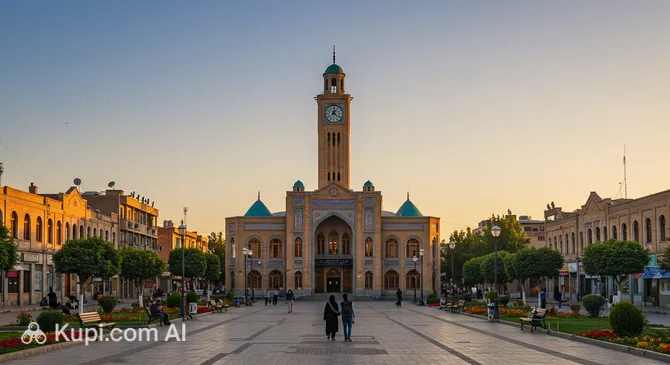
Visitors are immediately drawn to the heart of the city, Shahrdari Square, which features beautiful historical buildings and an iconic clock tower that lights up the night. Just a short walk away lies the bustling Rasht Grand Bazaar, a traditional open-air market that is a feast for the senses, filled with fresh produce, local crafts, and the aroma of traditional foods. For those seeking tranquility, the surrounding greenery provides a perfect backdrop for exploration.

Whether you are a foodie looking to explore unique flavors or a traveler seeking a green and atmospheric destination, Rasht offers a refreshing experience. Its welcoming people and dynamic urban life make it a must-visit stop on any journey through the northern provinces.
Weather Overview

Rasht is well-known for its moderate and humid climate, which supports the region's vibrant natural scenery. The weather in Rasht is generally mild, avoiding the extreme heat found in central Iran, though visitors should always be prepared for the city's famous rainfall. Overall, you can expect warm summers with occasional showers and cool, damp winters.

The summer season, particularly July and August, sees the highest temperatures, with averages around 25.7°C and daily maximums reaching 28.5°C. While this is the relatively drier part of the year, rain is still possible, with June seeing the fewest wet days—typically around six per month.

As the seasons shift to autumn, the frequency of rain increases significantly. October is often the wettest month in terms of rainy days, with precipitation recorded on about 16 days. Winters remain cool but not freezing; in January, the average temperature hovers around 8.7°C, with lows rarely dipping below 5.5°C, making it a manageable destination for year-round travel.

Interesting Facts

Beyond the main attractions and the famous rainy weather, Rasht holds many fascinating secrets and historical milestones that set it apart from the rest of the country. This city is not just a commercial hub but a pioneer in modernization and a guardian of unique cultural traditions.
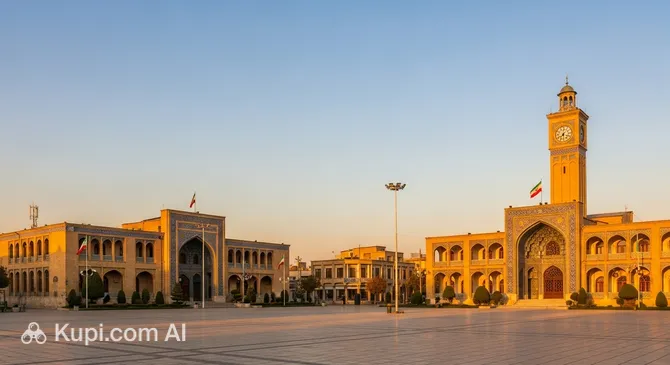
Rasht Municipality Square. Source: Kupi.Binoculars
  • Rasht is frequently celebrated as the "City of Firsts" in Iran because it was the location of several pioneering institutions, including the country's first modern library, the first 24-hour pharmacy, and the very first branch of Sepah Bank.

  • Unlike many other places in the region, the city is famous for its vibrant nightlife; locals and visitors alike gather at Rasht Municipality Square well into the early morning hours to socialize, enjoy street food, and admire the illuminated European-style architecture.

  • The city played a pivotal role in early 20th-century history as the center of the Jungle Movement, and today the Mirza Kuchak Khan House serves as a museum dedicated to the movement's leader, offering a glimpse into the region's spirited past.

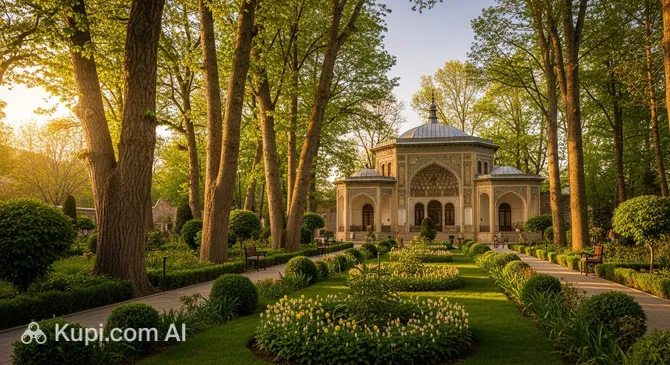
  • For a blend of nature and history, Mohtasham Garden stands as the oldest park in Rasht, featuring the iconic Kolah Farangi mansion, a multi-story octagonal pavilion dating back to the Qajar era.

How to Get There

Reaching the capital of Gilan Province is a journey that often involves enjoying the scenic transition from Iran's central plateau to the lush Caspian coast. Whether you prefer flying directly into the region or taking a road trip through the Alborz mountains, there are several convenient options. For a detailed overview of all transport methods, you can read more about how to get to Rasht.

The most convenient entry point for domestic travelers is Rasht Airport (RAS), also known as Sardar Jangal Airport. Situated just 6.1 km from the city center, it serves as the primary regional hub. A taxi ride from the terminal to downtown is quick, typically taking about 30 minutes. Although it is a smaller facility compared to the capital's hubs, it offers essential connections for those wishing to arrive directly in the city.

For international visitors, the journey usually begins in Tehran. The city of Rasht does not handle major long-haul international flights, so most travelers fly into Imam Khomeini International Airport (IKA) or the domestic hub, Mehrabad International Airport (THR). Both are located in Tehran, approximately 230 to 250 km away. From the capital, you can hire a taxi or take a bus, a trip that generally takes between 4 to 5 hours by road, offering beautiful views along the Qazvin-Rasht freeway.

For clarity, here is a summary of the main airports:

Airport Name City Passenger Traffic Km from City
Mehrabad International Airport Tehran Very High 233.7
Imam Khomeini International Airport Tehran High 249.6
Rasht Airport Rasht Medium 6.1
Ardabil Airport Ardabil Medium 155.8
Lankaran International Airport Lankaran Small 177.8

In addition to air travel, Rasht is well-connected to the national transport network by rail and road. The city is served by the scenic Qazvin-Rasht railway, which allows travelers to arrive by train while enjoying the picturesque landscapes of northern Iran. Buses are also a very popular and frequent means of transport, with regular services running from Tehran and other major cities to the local terminals.

Main Attractions

Located at the very center of the city, Rasht Municipality Square is the beating heart of the provincial capital and a stunning example of early 20th-century urban planning. Surrounded by distinctive white palaces featuring Eastern European-inspired architecture, this pedestrian-friendly zone is lively day and night. Tourists are drawn here to admire the iconic Clock Tower, enjoy the illuminated buildings in the evening, and immerse themselves in the vibrant social atmosphere where locals gather to walk and talk.

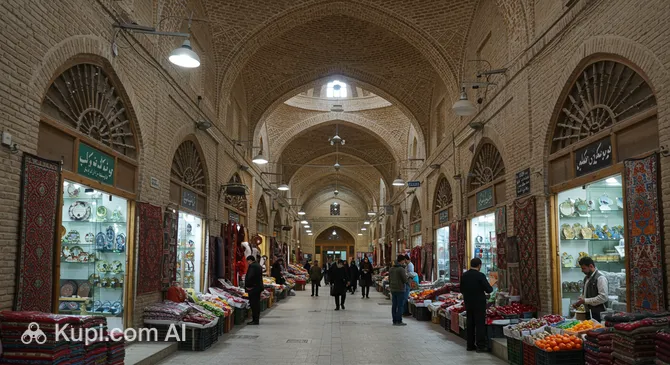
Unlike the covered markets found in many other Iranian cities, the Rasht Grand Bazaar is a sprawling open-air marketplace that offers a direct connection to the region's authentic culture. It is famous for its sensory richness—vendors singing to advertise their goods, the aroma of fresh herbs and pickles, and colorful displays of locally caught fish and olives. It is an essential stop for anyone wanting to experience the true rhythm of daily life in Gilan.

Rasht Grand Bazaar. Source: Kupi.Binoculars

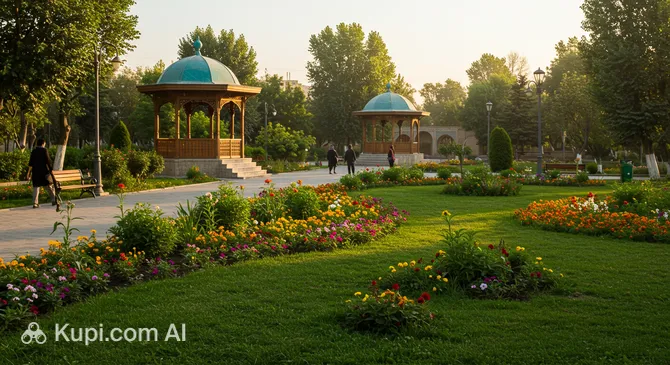
For a change of pace, Mellat Park offers a serene escape with its towering old trees and well-maintained pathways. As one of the largest gardens in the city, it features a traditional tea house and an aquarium, making it a popular destination for families and nature lovers. The park provides a cool, relaxing environment where travelers can enjoy a quiet afternoon picnic away from the urban bustle.

Mellat Park. Source: Kupi.Binoculars

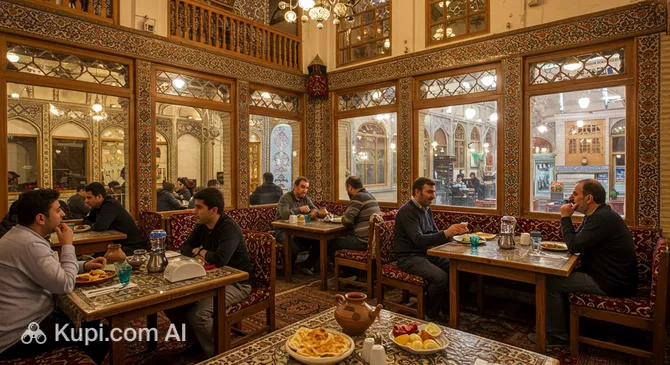
Since Rasht is celebrated as a UNESCO Creative City of Gastronomy, no visit is complete without sampling the local cuisine at a top-rated venue like Shooreh Koolee Restaurant. Renowned for its nostalgic decor and traditional Gilaki dishes, this establishment allows tourists to taste regional specialties such as Mirza Ghasemi and Baghala Ghatogh in a setting that feels like a warm and hospitable local home.

Local Cuisine

Rasht is widely recognized as the gastronomic capital of Iran, proudly holding the title of a UNESCO Creative City of Gastronomy. The local cuisine is distinct from the rest of the country, characterized by the heavy use of fresh vegetables, garlic, and aromatic herbs gathered from the surrounding lush landscapes. Unlike the arid central regions, the food here is known for its sour and savory flavor profiles, achieved through ingredients like pomegranate molasses, verjuice, and crushed walnuts.

Visitors should prioritize trying Mirza Ghasemi, the city's most iconic dish. It is a smoky, flavorful dip made from flame-charred eggplants, garlic, tomatoes, and eggs, often enjoyed with fresh bread or rice. Another staple of the Gilan table is Baghala Ghatogh, a rich stew consisting of dill, garlic, and local beans known as Pache Baghala, usually topped with poached eggs. For meat lovers, Kabab Torsh (sour kebab) is a must-try; it features tender chunks of beef marinated in a paste of walnuts, pomegranate juice, and herbs, grilled to perfection.

Razeghi Restaurant. Source: Kupi.Binoculars

When it comes to beverages, tea culture is paramount in Rasht, as the region is the heart of Iran's tea cultivation. A hot cup of locally grown tea is the standard way to end a meal or welcome a guest. For a refreshing cold drink, Doogh is the local favorite. This savory yogurt-based drink is often infused with a special mix of wild herbs found in the northern forests, giving it a unique zest that pairs perfectly with the rich local dishes.

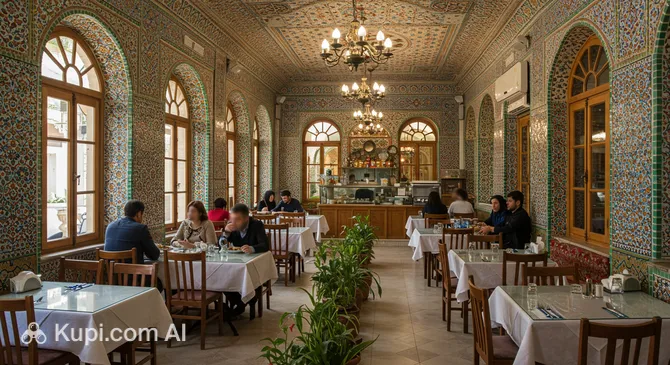
The food culture in Rasht is vibrant and accessible, ranging from casual street food to upscale dining. The streets come alive in the evenings with the scent of steaming fava beans and grilled corn sold by vendors. For a comprehensive culinary experience, tourists often visit Razeghi Restaurant. This popular establishment offers a refined atmosphere where guests can sample a wide array of traditional Gilaki specialties alongside modern dishes, ensuring a memorable gastronomic journey.

Travel Tips

Visiting Rasht is a delightful immersion into the lush nature and vibrant culture of northern Iran, but like any unique destination, a little preparation goes a long way. To help you navigate the "City of Rain" with ease and confidence, here are some practical tips designed to make your journey as smooth as possible.

  1. Clothing and Gear: Given Rasht's reputation as the rainiest city in the country, a sturdy umbrella and a lightweight, waterproof raincoat are absolute essentials, regardless of the season. Comfortable, water-resistant walking shoes are also highly recommended. Regarding local dress codes, women must wear a headscarf and loose-fitting clothing that covers the body (manto), while men should avoid wearing shorts in public spaces. In summer, opt for breathable fabrics like cotton to handle the humidity.

  2. Transportation: The most convenient way to get around Rasht is by using ride-hailing apps like Snapp or Tap30, which function similarly to Uber and offer fixed prices. Traditional yellow taxis are also plentiful; you can hail a "private" (darbast) taxi for a direct trip or a "shared" taxi for a lower fare along set routes. The city center, particularly around the Municipality Square, is pedestrian-friendly and best explored on foot.

  3. Finances: International credit and debit cards (Visa, Mastercard) generally do not work here due to the specific structure of the local banking system. You must bring sufficient cash (USD or EUR) and exchange it at authorized exchange offices, known as Sarafi. Be aware of the currency confusion: while the official currency is the Rial, locals almost always quote prices in Toman (1 Toman = 10 Rials). Always clarify which unit is being used to avoid overpaying.

  4. Health and Safety: Rasht is generally a very safe city for tourists. Pharmacies, often marked with a green cross or the sign "Daru-khaneh," are widely available, and some centrally located ones operate 24/7. Tap water is treated, but many travelers prefer drinking bottled mineral water to be safe. When crossing streets, be extra cautious, as traffic can be unpredictable and drivers may not always yield to pedestrians.

  5. Communication: The official language is Persian (Farsi), though locals also speak Gilaki. While younger people often know some English, it is not universally spoken. It is highly advisable to buy a local SIM card (e.g., Irancell or MCI) upon arrival for internet access and to download an offline translation app. Learning a few basic words like Salam (Hello) and Mamnoon (Thank you) will be warmly received.

  6. Local Etiquette: Iranians are famous for Taarof, a system of politeness where people may initially refuse payment or offer things they don't mean to give. If a shopkeeper or driver refuses your money, insist on paying; it is usually just a polite gesture. Always remove your shoes before entering a private home or a mosque. When greeting someone of the opposite gender, wait to see if they extend their hand; if not, a simple nod and a hand over the heart is the respectful greeting.

  7. What to Avoid: Public displays of affection, such as kissing or hugging, are frowned upon and should be avoided. Also, be careful with hand gestures; the "thumbs up" sign is traditionally considered offensive in this region (equivalent to the middle finger), though many locals now understand its Western meaning. To be safe, use a smile or a nod to show approval instead.

  8. Local Insight: Don't miss the nightlife at Rasht Municipality Square. Unlike many other cities that quiet down early, the people of Rasht love to stay out late. The square comes alive after sunset with food trucks selling hot kebabs, tea, and roasted corn. It is the perfect time to mingle with locals and experience the city's social energy.

By keeping these tips in mind, you will be well-equipped to enjoy everything Rasht has to offer, from its misty mornings to its delicious culinary delights. Embrace the local rhythm, enjoy the rain, and let the warm hospitality of the Gilan people make your trip unforgettable.

Entertainment & Nightlife

Rasht is widely famous in Iran for being a "city that never sleeps," offering a vibrant nightlife culture that is quite distinct from other parts of the country. Unlike the typical Western nightlife scene centered around bars and nightclubs—which do not exist here due to local regulations—entertainment in Rasht revolves around late-night socializing, street food adventures, and lively gatherings in public squares. The atmosphere is warm and communal, with families, couples, and groups of friends staying out well past midnight to enjoy the cool evening air.

The absolute center of evening activity is Rasht Municipality Square. As the sun sets, this pedestrian zone transforms into a bustling social hub. The historical buildings are beautifully illuminated, and the air fills with the scent of grilled kebabs and steamed corn from the many mobile food carts scattered around. It is the perfect place to witness the local lifestyle, where people stroll, chat, and drink tea until the early hours of the morning. For a more modern vibe, the Golsar district is the place to be. This upscale area is lined with trendy cafes, boutiques, and restaurants, making it a popular spot for the younger crowd to see and be seen.

Dining is a major part of the night out in this gastronomic city. For a memorable dinner in a setting that reflects local heritage, Shooreh Koolee Restaurant is an excellent choice. It offers a cozy, nostalgic environment where you can savor traditional Gilaki dishes late into the evening.

Shooreh Koolee Restaurant. Source: Kupi.Binoculars

Those who enjoy a lively market atmosphere should visit the Rasht Grand Bazaar in the early evening. Unlike many markets that close at dusk, parts of this bazaar remain active, offering a sensory overload of sights and sounds as vendors loudly auction their fresh produce and local delicacies. It is a fantastic place to grab a quick snack or simply soak in the chaotic energy of the city.

Practical Tips for Nightlife:

  • Timing: The city comes alive after 8:00 PM. Shops and cafes often stay open until 11:00 PM or midnight, while street food vendors in the center operate much later.
  • Dress Code: The standard dress code applies at night. Men should wear long trousers, and women should wear a headscarf and a manto (tunic). The style in Rasht is generally fashionable and slightly more relaxed than in more conservative cities, but modest dress is still required.
  • Getting Around: Rasht is safe for walking at night, especially in the busy center and Golsar area. For longer distances, ride-hailing apps like Snapp are the most reliable and affordable way to travel.

While the nights are for socializing, daytime offers its own array of entertainment. Visitors can explore the city's rich history at the Mirza Kuchak Khan House or enjoy a peaceful afternoon at Mohtasham Garden, which provides a green sanctuary perfect for a relaxing walk before the evening festivities begin.

Parks & Museums

Rasht is a city where nature and culture intertwine seamlessly, offering visitors a chance to explore lush historical gardens and museums that preserve the region's rich heritage. From the oldest parks dating back to the Qajar era to exhibitions dedicated to local heroes, the city provides a diverse array of attractions for those looking to understand the soul of Gilan Province.

One of the most beloved green spaces is Mohtasham Garden, also known as the City Park. As the oldest park in Rasht, it is a serene retreat filled with towering ancient trees that offer ample shade during the warmer months. The park's centerpiece is the magnificent Kolah Farangi Mansion, an octagonal historical building that adds an architectural charm to the natural surroundings. It is a favorite spot for locals to jog, play chess, or simply enjoy a peaceful walk along the river that runs through the grounds.

Mohtasham Garden. Source: Kupi.Binoculars

Another significant green space is Mellat Park, situated in the western part of the city. As one of the largest parks in the region, it is particularly well-known among overland travelers for its designated camping facilities, allowing visitors to set up tents in a safe and scenic environment. The grounds are beautifully landscaped with expansive lawns and seasonal flowers, and the park features a musical fountain that comes alive in the evenings, creating a lively yet relaxing atmosphere for a night stroll.

For history enthusiasts, the Mirza Kuchak Khan House is a cultural landmark that cannot be missed. This restored historical building was the home of Mirza Kuchak Khan, the charismatic leader of the Jungle Movement in the early 20th century. Today, it serves as a museum displaying photographs, documents, and personal items related to the movement, offering a deep dive into the political and social history of northern Iran. The architecture itself, with its wooden windows and tiled roof, is a fine example of traditional Gilaki design.

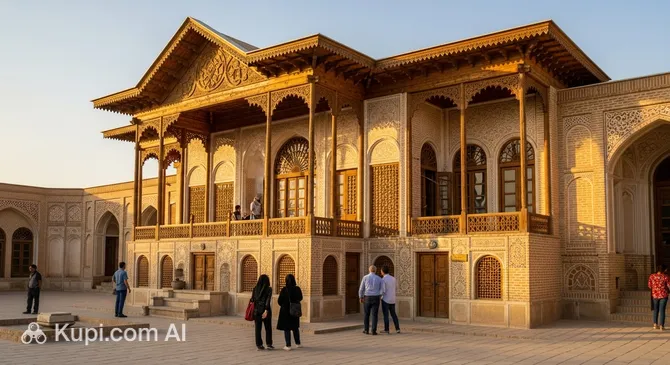
Mirza Kuchak Khan House. Source: Kupi.Binoculars

Visitors interested in archaeology and anthropology should also visit the Rasht Museum, often referred to as the Treasure Museum. Located on Taleghani Street, this facility houses a compact but fascinating collection of artifacts discovered across Gilan, including pottery, weaponry, and jewelry dating back thousands of years. The anthropological section provides insight into the local lifestyle, showcasing traditional clothing, tools, and household items that reflect the region's agricultural past.

Insider Tip: For a unique natural experience within the urban area, head to Eynak Lagoon (Lagoon of Glasses). It is considered the largest urban lagoon in Iran and offers a picturesque setting for birdwatching and photography, especially during sunset when the reflections on the water are most stunning.

Getting Around

Navigating Rasht is relatively straightforward, relying primarily on a road-based network rather than a rail system. The city does not currently have an operational metro or tram line, so locals and visitors alike depend on a combination of buses, traditional taxis, and modern ride-hailing services. The compact nature of the city center means that many distances are manageable, but for reaching outlying districts or avoiding the humidity, motorized transport is essential.

The public bus network is the most economical way to travel, covering major routes and connecting key districts. Rasht has implemented a Bus Rapid Transit (BRT) system on some main avenues, which helps bypass general traffic. To use the buses, you typically need to purchase a reloadable electronic travel card, often available at ticket booths near major bus terminals or sometimes from the driver. Fares are extremely low, making this a budget-friendly option, though the routes and signage are predominantly in Persian, which can be challenging for non-local speakers.

For a more flexible and faster alternative, taxis are the backbone of the city's transport. You will see yellow or green taxis everywhere. There are two distinct types: "Darbast" (private) and "shared" taxis. Shared taxis drive along fixed routes and pick up multiple passengers heading in the same direction. This is a very popular local custom; you simply stand by the road and shout your destination. If the driver is going that way, they will stop. Payment for shared taxis is almost exclusively in cash, so it is vital to carry small bills.

Ride-hailing apps have revolutionized travel for tourists in the city. Services like Snapp and Tap30 function similarly to international platforms like Uber. They are highly recommended for visitors because they remove the language barrier regarding directions and price negotiation. You can set your pick-up and drop-off points on a map, see the fixed price in advance, and pay either in cash to the driver or via the app if you have a local bank card.

A unique feature of Rasht's urban layout is the pedestrianization of the historic city center. The area around the Municipality Square is closed to vehicles, creating a large walking zone. Public transport and taxis will drop you off at the perimeter of this zone, requiring you to explore the heart of the city on foot. This area is best enjoyed at a leisurely pace, especially in the evenings when the weather is cooler.

Operating hours for public transport typically run from early morning, around 6:00 AM, until late evening, roughly 9:00 PM or 10:00 PM. However, taxis and ride-hailing services are available 24/7. When using traditional taxis late at night, it is advisable to negotiate the fare before getting in if the meter is not being used, or simply stick to the apps for a guaranteed rate.

Accommodation

Accommodation in Rasht caters to a diverse range of travelers, offering everything from budget-friendly guesthouses to comfortable mid-range hotels and modern apartment complexes. While the city may not have an extensive selection of ultra-luxury international resorts, it provides clean and hospitable options that reflect the warmth of the Gilan region. In recent years, there has also been a growing trend of eco-lodges and traditional cottages located just outside the urban perimeter, allowing visitors to experience the lush nature of northern Iran while remaining close to city amenities.

For those who want to be in the thick of the action, staying in the city center near the Rasht Municipality Square and the Rasht Grand Bazaar is the best choice. This area allows for easy walking access to historical sites, museums, and the vibrant night market. Alternatively, travelers seeking a more modern and upscale atmosphere often prefer the Golsar district. This northern neighborhood is known for its tree-lined streets, trendy cafes, boutiques, and higher-end apartment hotels, offering a quieter and more contemporary experience compared to the bustling downtown.

A unique aspect of staying in this region is the opportunity to book eco-tourism resorts (known locally as Boomgardi). These are often renovated traditional wooden houses located in the villages immediately surrounding Rasht. They offer a rustic and authentic stay, often featuring home-cooked local meals and a peaceful environment, making them an excellent alternative to standard city hotels for nature lovers.

Booking Tips and Prices:

  • Advance Booking: Rasht is a very popular destination for domestic tourists, especially during the Iranian New Year (Nowruz) in late March and the summer holidays. During these peak times, it is highly advisable to book your accommodation well in advance to secure a room.
  • Payment Methods: International credit cards are generally not accepted at hotels. You will likely need to pay in cash (Euros or US Dollars, which can be exchanged for Rials) upon arrival, or book through a local travel agency that handles foreign payments.
  • Price Range: Prices are generally affordable by international standards. Budget travelers can find guesthouses or hostels for a modest fee, while mid-range hotels and furnished apartments offer excellent value for money, providing amenities like Wi-Fi and breakfast at reasonable rates.

Nearby Cities

For those looking to explore the surroundings, Rasht serves as an excellent base for day trips to several interesting nearby locations:

One of the most popular short excursions is to Bandar Anzali, located just a quick drive north of Rasht. As a major port city on the Caspian Sea, it is renowned for the beautiful Anzali Lagoon, a vast wetland famous for its blooming Caspian lotuses and diverse birdlife. Visitors can enjoy boat rides through the lagoon or stroll along the scenic harbor boulevard, known as Bolvar-e Anzali, which offers lovely views of the ships and the sea.

For those seeking a blend of mountains and coastline, Ramsar is a must-visit destination. Often referred to as the "Bride of Iranian Cities," it sits where the Alborz mountains come closest to the Caspian shore. The city is famous for its radioactive hot springs, the historic Ramsar Hotel, and the cable car that whisks visitors from the beach up into the lush green forest peaks, offering panoramic views of the landscape.

Nature enthusiasts might prefer a trip to Talesh, a region known for its breathtaking natural beauty and rich cultural heritage. It offers dense forests, rolling green hills, and the famous Gisoom Forest Park, where the trees create a tunnel that leads directly to the sandy beach. It is an ideal spot for hiking and experiencing the traditional rural life of the Gilan province.

City Population Distance (km)
Bandar Anzali 148,564 24
Langarud 79,445 51
Ramsar 55,000 101
Talesh 54,178 84
Sowmeh Sara 47,083 25

These nearby destinations offer a glimpse into the diverse culture and landscapes of the region.

Shopping & Souvenirs

Shopping in Rasht offers a vibrant experience that perfectly mirrors the city's culture—a delightful blend of traditional market life and modern retail. While the city may not be a global fashion capital, it is a paradise for those seeking authentic local flavors, unique handicrafts, and a lively atmosphere. The shopping scene here is less about international luxury brands and more about high-quality regional products, particularly food items and artisanal goods that reflect the lush nature of Gilan Province.

For a pleasant walking and shopping experience, Alam-ol-Hoda Street is the place to start. This pedestrian-friendly promenade connects the Rasht Municipality Square to other central parts of the city. It is lined with a variety of clothing stores, shoe shops, and photography studios, making it a popular spot for locals to stroll and window-shop in the evenings. For a more upscale experience, travelers should head to the Golsar district. This modern area features tree-lined boulevards hosting chic boutiques, brand-name stores, and stylish galleries.

If you prefer indoor shopping, especially during the city's frequent rain showers, there are several modern complexes worth visiting. The Golsar Shopping Center is one of the most well-known malls in the city, offering several floors of fashion, cosmetics, and electronics. Another popular destination is the Iranian Shopping Center, which provides a comfortable environment for browsing clothing and accessories, along with a food court where you can relax after a shopping spree.

However, the true heartbeat of the city's commercial life is the Rasht Grand Bazaar. Unlike the covered brick bazaars found in central Iran, this is a sprawling open-air market that offers a sensory overload of sights and sounds. It is the best place to observe local culture and purchase fresh regional produce. Here, you will find vendors selling the famous Caspian fish, sour pomegranates, aromatic herbs, and endless varieties of olives.

When it comes to souvenirs, edible treats are the top choice. Olives (Zeytoon) and olive oil from the nearby Rudbar region are essential buys, particularly the marinated Zeytoon Parvardeh. Iranian tea, cultivated in the hills of Gilan, makes for a lightweight and fragrant gift. For those with a sweet tooth, look for Reshteh Khoshkar, a traditional lattice-shaped pastry filled with walnuts and spices, or Kuloocheh, a soft cookie famous in the region. In terms of handicrafts, wicker baskets (Hasir Bafi) and wooden kitchenware are beautiful, practical, and locally made.

Store hours in Rasht typically begin around 9:00 AM or 10:00 AM. It is common for smaller independent shops to close for a mid-day break between 1:00 PM and 4:00 PM, re-opening in the late afternoon and staying active until 10:00 PM or 11:00 PM. Payment is almost exclusively in cash for international travelers, as foreign credit cards (Visa, Mastercard) are not accepted in the local banking system. Be sure to carry enough Iranian Rials (often quoted in Tomans) to cover your purchases, especially when bargaining in the bazaar.

Reached the end of the page?

That means the route is fully explored