Support

Lankaran

About

Nestled on the glistening shores of the Caspian Sea, Lankaran is one of the most vibrant and picturesque cities in the southern region of Azerbaijan. Distinguished by its lush landscapes and unique subtropical climate, this city offers a refreshing contrast to the semi-arid terrain found in many other parts of the country. With a population of approximately 51,300 residents, it retains a welcoming, close-knit atmosphere while serving as a major hub for culture and agriculture.
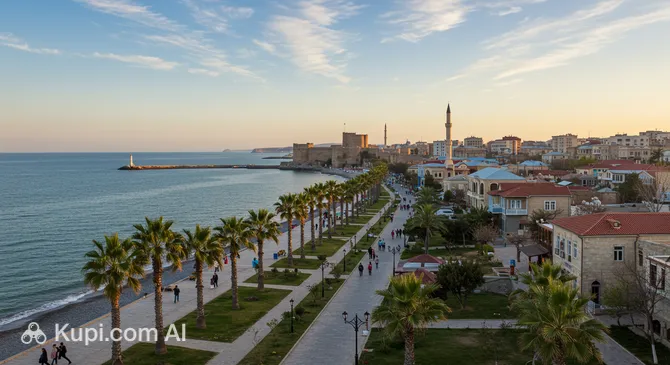
Lankaran. Source: Kupi.Binoculars

The city is not only famous for its golden tea and zesty citrus fruits but also for its deep roots. Exploring the history of Lankaran reveals a fascinating past, from its days as the capital of the Talysh Khanate to its role as an ancient trade center. The humid climate here fosters the growth of dense forests and rare flora, making it a green oasis year-round that captivates visitors with its natural beauty.

Travelers are often drawn to the city's unique architectural landmarks, such as the historic Lankaran Fortress and the iconic Lighthouse, which has become a symbol of the city. Nature enthusiasts will appreciate the proximity to the Hirkan National Park, a sanctuary for relict forests and diverse wildlife. Additionally, a visit isn't complete without tasting the local cuisine, heavily influenced by the abundant fresh produce and the region's famous tea culture.

Whether you are looking to explore ancient fortifications, relax by the sea, or simply enjoy a cup of aromatic tea in a traditional tea house, Lankaran promises a memorable experience. It is a perfect destination for those seeking to discover a greener, quieter, and culturally rich side of the region.
Weather Overview

Lankaran is renowned for its humid subtropical climate, which sets it apart from the more arid regions of the country and fosters the growth of its famous lush vegetation. Visitors can generally expect warm, dry summers ideal for outdoor activities and cool, wetter winters that keep the landscape vibrant and green.

The summer months, particularly from June to August, are the warmest, with average temperatures ranging between 24°C and 26°C and daily highs reaching nearly 29°C. This period is also the driest, seeing very little rainfall and only about 4 to 5 wet days per month. In contrast, winters are mild but damp; from December to February, average temperatures hover around 6°C to 9°C. Travelers should note that late autumn and winter are significantly wetter, with November and December often experiencing up to 17 rainy days each.

Spring and early autumn offer pleasant transitional weather, though October and November mark the beginning of the rainy season. For a more comprehensive breakdown of seasonal trends and current conditions, you can consult the detailed weather in Lankaran page. Regardless of when you visit, the city's climate ensures a unique atmosphere, from sunny beach days in July to the misty, atmospheric charm of the cooler months.

Interesting Facts

Beyond the main attractions, Lankaran holds many fascinating secrets that reveal the region's unique character and history. From rare natural phenomena to agricultural firsts, the city offers curious details that often surprise visitors.

  • The Tree That Sinks: The forests surrounding Lankaran are home to the rare Parrotia persica, locally known as the Iron Tree. Its wood is so dense and heavy that unlike most timber, it sinks immediately when placed in water, and it is notoriously difficult to drive a nail into its trunk.

  • A Tea Pioneer: While tea is a staple of daily life across the country, it was in Lankaran that the first experimental tea plantations were established in 1912. The city remains the tea capital of Azerbaijan, a status proudly symbolized by a massive monument of a samovar greeting travelers at the city's entrance.

  • The Inland Lighthouse: The Lankaran Lighthouse, built in the 18th century, is an architectural curiosity due to the fluctuating levels of the Caspian Sea. Although originally constructed to guide ships, the receding shoreline over the centuries has left the structure standing far inland, surrounded by city streets rather than water.

  • Exotic Harvests: Thanks to its specific humid subtropical climate, Lankaran is one of the few places in the region where citrus fruits thrive. It is famous for producing lemons, mandarins, and feijoa, creating a lush, garden-like atmosphere that differs significantly from the semi-arid landscapes found elsewhere in the country.

How to Get There

Reaching this southern coastal city is relatively straightforward, with options ranging from direct flights to scenic overland routes. Whether you prefer the speed of air travel or a journey through the region's diverse landscapes, you can find a suitable way to arrive. For a detailed breakdown of all available routes and transport tips, you can read more about how to get to Lankaran.

The most convenient entry point for air travelers is undoubtedly Lankaran International Airport (IATA: LLK). Unlike other options that require long transfers, this airport is located directly in Lankaran, just 3.1 km from the city center. A taxi or shuttle ride from the terminal to the heart of the city is very quick, typically taking around 10 to 15 minutes depending on traffic. Although it handles a modest volume of passengers annually, it serves as a crucial hub for the region.

Travelers may also consider regional hubs, though they require significantly longer transfers. Ardabil Airport (IATA: ADU) is geographically close, situated in the city of Ardabil approximately 60 km from Lankaran, but using this route involves cross-border travel. Another domestic option is Fuzuli International Airport (IATA: FZL) in Fuzuli, located about 170.6 km away. The journey from Fuzuli by road would take considerably longer.

For clarity, here is a summary of the airports in the wider region:

Airport Name City Km from City
Lankaran International Airport Lankaran 3.1
Ardabil Airport Ardabil 60.0
Fuzuli International Airport Fuzuli 170.6
Rasht Airport Rasht 171.9
Zangilan Qubadli 187.1

Rail travel is another popular and scenic way to reach the city. Lankaran is well-connected to the national railway network via the Lankaran Railway Station, which is located centrally and offers direct connections to the capital, Baku. The train journey is favored by many for its comfort and the opportunity to witness the shift from semi-arid plains to the lush subtropical zone.

While there are other railway stations in the broader administrative districts, such as Imishli Station or Kurdamir Station, these are located over 140 km away and are not practical entry points for tourists visiting Lankaran. Travelers are advised to book tickets specifically to the city's main station for the most direct and hassle-free arrival.

Main Attractions

Lankaran is a city where history and nature intertwine seamlessly, offering visitors a variety of sites that range from architectural marvels to lush, ancient forests. Whether you are interested in exploring the region's royal past or tasting its unique culinary heritage, the city has several key spots that define its character.

One of the most architecturally significant buildings in the city is the Palace of Mirakhmad Khan. Built in 1913, this magnificent structure was the first multi-story building in the city and is renowned for its intricate facade, which blends European and Eastern styles. Today, it houses the Lankaran History Museum, where travelers can wander through halls filled with artifacts that tell the story of the region, from ancient archeological finds to ethnographic displays of local culture.

Another defining landmark is the Lankaran Lighthouse. Originally constructed in the 18th century as part of the local fortress, it played a crucial role in guiding ships along the Caspian coast. An interesting quirk of this structure is its location; due to the receding sea levels over the centuries, the lighthouse now stands far from the water's edge, surrounded by the city streets. It remains a beloved symbol of Lankaran and a popular stop for photos.

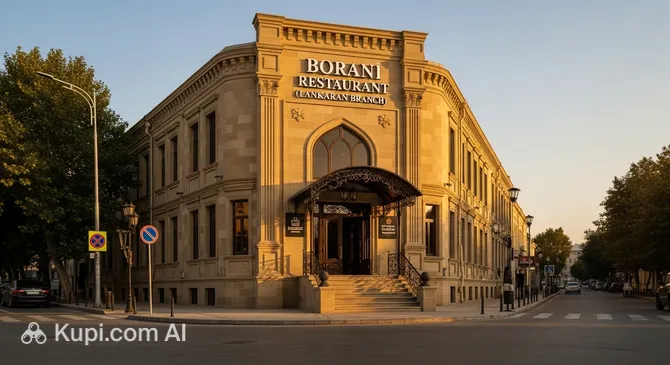
Boranı Restaurant (Lankaran Branch). Source: Kupi.Binoculars

For those looking to experience the authentic taste of the region, Boranı Restaurant (Lankaran Branch) is a fantastic choice. This establishment is well-regarded for serving traditional southern Azerbaijani cuisine, which is distinct from the food found in the rest of the country. Here, visitors can enjoy local specialties such as "levengi" (stuffed chicken or fish) in a welcoming atmosphere that reflects the hospitality of the south.

Just outside the city limits lies the breathtaking Hirkan National Park, a must-visit for nature enthusiasts. This protected area is home to relic forests that date back to the Ice Age, including the famous Iron Tree (Parrotia persica). The park offers hiking trails that wind through lush greenery and misty mountains, providing a chance to see rare flora and fauna in one of the most ecologically diverse spots in the Caucasus.

Finally, a stroll through the Lankaran Bazaar offers a vibrant glimpse into daily life. This bustling market is the perfect place to buy the region's famous tea, fresh citrus fruits, and locally grown spices. The sights, smells, and sounds of the bazaar provide a sensory connection to the agricultural richness that Lankaran is famous for.

Local Cuisine

The culinary scene in Lankaran is one of the most distinctive in the country, heavily influenced by its subtropical climate, proximity to the Caspian Sea, and rich Talysh heritage. Unlike the meat-heavy menus found in other regions, the local kitchen places a special emphasis on poultry, fish, and abundant use of fresh herbs and seasonal vegetables. The undisputed king of the local table is Levengi, a savory stuffing made from ground walnuts, onions, and tart plum paste (alcha turshu). This rich filling is traditionally used to stuff chicken or fresh Caspian fish, such as kutum, creating a dish that is bursting with tangy and nutty flavors.

Rice dishes also hold a special place here, but with a local twist. You should definitely try the regional varieties of Plov, which are often served with smoked fish and fresh herbs rather than the lamb or dried fruits common elsewhere. The humid climate allows for the cultivation of unique produce, so meals are frequently accompanied by plates of fresh cress, green onions, and radishes, as well as the region's famous citrus fruits like lemons and mandarins.

No gastronomic journey in this city is complete without experiencing its legendary tea culture. As the tea capital of the country, Lankaran takes its brewing seriously. Locals drink locally grown tea served in traditional pear-shaped "armudu" glasses, almost always accompanied by a slice of lemon and a variety of homemade jams. Preserves made from feijoa, figs, and quince are local specialties that perfectly balance the strong, aromatic tea.

For a taste of authentic southern hospitality, visitors can explore a range of dining options, from casual tea houses to established venues. A popular spot to sample traditional recipes is Boranı Restaurant (Lankaran Branch), where the menu features classic regional staples prepared with care. Beyond restaurants, the local bazaars offer a sensory feast where you can buy the same fresh spices, pickles, and "lavash" (flatbread) that define the city's vibrant food culture.

Travel Tips

Welcome to Lankaran, the lush "Pearl of the South," where the subtropical climate and rich traditions create a unique travel experience. To help you navigate the city with ease and make the most of your stay, here are some practical tips designed specifically for this verdant region.

  1. Clothing and Gear: Due to the humid subtropical climate, packing layers is essential. In summer, bring light, breathable fabrics like cotton or linen to handle the heat and humidity. If you are visiting in autumn or winter, a sturdy umbrella and a waterproof jacket are must-haves, as these seasons can be quite rainy. Comfortable walking shoes are recommended for exploring Hirkan National Park, and modest clothing (covering shoulders and knees) should be worn if you plan to visit religious sites like local mosques.
  2. Transportation: The city center is compact enough to explore on foot, but for longer distances, local minibuses (known as marshrutkas) are the most common and affordable form of public transport. Taxis are also widely available and relatively cheap; however, if the taxi does not have a meter, it is wise to agree on the fare before starting your journey. Ride-hailing apps may work, but carrying cash for standard taxis is often more reliable in this region.
  3. Finances: The local currency is the Azerbaijani Manat (AZN). While major hotels and some larger restaurants in the city center accept credit cards, cash is king in Lankaran. You will definitely need small denominations for taxis, tea houses, and the bustling bazaar. ATMs are available throughout the city, and it is best to exchange money at official bank branches or exchange bureaus rather than on the street.
  4. Health and Safety: Lankaran is generally a very safe city for tourists. Pharmacies (look for the sign "Aptek") are easy to find, and many staple medicines are available over the counter, though carrying a personal supply of prescriptions is always smart. Tap water is generally treated, but it is recommended to drink bottled water to avoid any stomach issues. In summer, mosquito repellent is useful if you plan to spend time near the forests or water.
  5. Communication: The primary language is Azerbaijani. While younger people in the tourism sector may speak some English, it is less widespread here than in the capital, Baku. Russian is often understood by the older generation. It is highly recommended to download an offline translation app and learn a few basic phrases like "Salam" (Hello) and "Sagol" (Thank you). Local SIM cards can be purchased at mobile shops in the city center for reliable internet access.
  6. Local Etiquette: Hospitality is central to the culture here. If you are invited for tea, it is polite to accept, as refusing can be seen as rude. Tea drinking is a ritual in Lankaran, often served with lemon and sweets. When greeting locals, a handshake is common among men, while a polite nod is appropriate for the opposite gender unless they offer their hand first. Always remove your shoes before entering a private home or a mosque.
  7. What to Avoid: Avoid public displays of affection, as the southern region can be more conservative than the capital. Also, refrain from taking photographs of people, especially women, without asking for their permission first. It is best to observe and respect local social norms to ensure a friendly interaction with the residents.
  8. Tea House Culture: Do not miss the chance to visit a traditional chaykhana (tea house). Unlike in many other places, tea here is not just a drink but a social activity that can last for hours. Order a pot of local Lankaran tea accompanied by traditional jam; it is the best way to soak up the local atmosphere and watch the world go by.

By keeping these practical tips in mind, you will be well-prepared to enjoy the warm hospitality and stunning nature of Lankaran. Whether you are sipping tea in a local garden or hiking through ancient forests, a little local knowledge goes a long way in creating unforgettable memories.

Entertainment & Nightlife

Entertainment and Nightlife:

Nightlife in Lankaran offers a refreshing change of pace from the high-energy club scenes found in larger metropolises. Instead of noisy discos and neon-lit dance floors, the evenings here are defined by a relaxed, culturally rich atmosphere centered around socializing, dining, and the region's legendary tea culture. The city comes alive after sunset, but in a way that encourages conversation and leisure rather than partying until dawn.

The hub of evening activity is undoubtedly the seaside area and the central parks. During the warmer months, the Seaside Boulevard is the perfect place for a night walk, where families and friends gather to enjoy the cool Caspian breeze. This district is bustling with small cafes and tea houses (chaykhanas) that stay open late, offering a safe and welcoming environment for tourists to mingle with locals. The vibe is casual and family-friendly, so there is no need for formal attire; smart-casual clothing is perfectly appropriate for almost any venue in the city.

For those looking for a lively venue to spend the evening, Boranı Restaurant (Lankaran Branch) is a standout option. It combines delicious local cuisine with a vibrant atmosphere, making it a popular spot for a late dinner that often turns into a long social gathering. Travelers seeking a more modern setting might visit the lounge areas of major hotels like the Qafqaz Sahil Hotel or Lankaran Springs Wellness Resort. These establishments often feature well-stocked bars and comfortable seating, providing a sophisticated space to enjoy a drink or a cocktail in the evening. Another favorite among visitors is Khan Lankaran, a venue known for its rustic, traditional design and authentic hospitality.

From a practical standpoint, the "nightlife" here wraps up relatively early compared to Baku, with most restaurants and cafes closing around 11:00 PM or midnight. Prices are generally very affordable, with a pot of tea and jam costing just a few manats. Getting around at night is easy; the city is compact, but it is best to use a taxi for returning to your accommodation after dark. Ride-hailing apps may work, but flagging down a local taxi is often faster. The city is safe for night walks, especially in well-lit central areas like the boulevard, but it is always wise to stay on main streets.

Before the sun goes down, Lankaran offers plenty of daytime entertainment to fill your schedule. Culture lovers can catch a performance at the Lankaran State Drama Theatre, which has a long history of staging national and international plays. For a quieter afternoon, the local museums provide a deep dive into the region's past, while the city's parks offer green spaces for relaxation before the evening activities begin.

Parks & Museums

Lankaran is a city where emerald forests meet the Caspian waves, creating a landscape that is as culturally rich as it is naturally stunning. For travelers, the city offers a delightful mix of well-curated museums that safeguard the region's heritage and expansive green spaces that showcase its unique subtropical flora.

The crown jewel of the region's natural beauty is undoubtedly Hirkan National Park. Although parts of it stretch beyond the immediate city limits, it is the primary natural attraction for anyone visiting Lankaran. This vast sanctuary protects the Hyrcanian forests, a UNESCO World Heritage site known for its ancient, relict trees that survived the Ice Age. Visitors can walk beneath the canopy of the famous Iron Trees (Parrotia persica) and chestnut-leaved oaks. It is a paradise for eco-tourists, offering marked trails where you might spot rare birds or simply enjoy the humid, oxygen-rich air that defines the Talysh region.

For a more urban green experience, the Heydar Aliyev Memorial Park serves as a central hub for leisure and relaxation. Located in the heart of the city, this beautifully landscaped area features manicured flower beds, fountains, and shaded pathways lined with towering plane trees. It is a favorite spot for locals to gather in the evenings, offering a peaceful atmosphere for a stroll. Nearby, the Seaside Boulevard offers a different kind of park experience, where the greenery blends with the sea breeze, providing scenic views of the Caspian coastline.

In terms of cultural institutions, the Lankaran History and Ethnography Museum is the most significant stop. Housed within the exquisite Palace of Mirakhmad Khan, the building itself is an architectural masterpiece, blending European and Eastern designs. Inside, the museum displays a vast collection of artifacts that trace the region's history from the Bronze Age to the present day. Visitors can explore exhibits featuring ancient copperware, traditional Talysh clothing, carpets, and weaponry, providing deep insight into the daily life and traditions of the local people.

Another important site is the House-Museum of Hazi Aslanov, dedicated to the legendary Soviet Major-General and twice Hero of the Soviet Union, who was born in Lankaran. The museum is set in the house where he lived and offers an intimate look at his life and military career. The exhibits include personal belongings, photographs, documents, and military uniforms, serving as a poignant tribute to his legacy. It is a compelling visit for history buffs interested in the region's contribution to global events.

For a truly authentic experience, look for the smaller tea gardens scattered around the city or just outside of it. While not official "parks," these green plantations are the soul of Lankaran. Visiting a tea farm offers a unique chance to see where the country's favorite drink comes from and often allows for a peaceful walk among the fragrant bushes.

Getting Around

Navigating Lankaran is relatively simple and stress-free, as the city is compact and the public transport options are straightforward. The primary mode of transportation for locals and visitors alike is the network of minibuses, locally known as marshrutkas. These small buses cover the entire city center and extend to the surrounding villages and suburbs. There is no metro, tram, or trolleybus system in the city, making road-based transport the only public option.

The payment system for public transport is traditional and relies almost exclusively on cash. Unlike in the capital where travel cards are common, in Lankaran you will need to pay the driver directly. Fares are extremely affordable, typically ranging from 0.30 to 0.50 AZN depending on the distance. It is customary to pay when you exit the vehicle. Since drivers may not always have change for large bills, it is highly recommended to carry small coins or 1-manat notes with you.

For tourists, using the marshrutkas is an authentic way to get around, but it helps to know a few practical details. Routes are usually numbered and displayed on signs in the front window, often indicating key stops or the final destination. If you are unsure which bus to take, simply ask a local or the driver by naming your destination; people are generally very helpful. Public transport typically operates from early morning, around 7:00 AM, until approximately 9:00 PM. After these hours, service becomes infrequent, and you will likely need to find alternative transport.

Taxis are a very popular and convenient alternative to buses, especially for reaching specific attractions or traveling late at night. They are widely available and can be hailed on the street or found at designated stands near major landmarks like the bazaar or the railway station. While ride-hailing apps are beginning to appear in the region, traditional street taxis remain dominant. Prices are generally negotiable and quite low compared to international standards, but it is always wise to agree on the fare with the driver before starting your journey if the car does not have a meter.

Given the city's modest size, walking is often the best way to explore the central area. Many of the main sights, parks, and the seaside boulevard are within comfortable walking distance of each other. For those looking to explore the coastline or nearby nature at their own pace, renting a car is an option, though most visitors find the combination of walking and affordable taxis sufficient for a short stay.

Accommodation

Finding the perfect place to stay in Lankaran is relatively easy, as the city offers a growing variety of accommodation options that cater to different budgets and preferences. The selection ranges from modest, budget-friendly guesthouses and classic Soviet-style hotels to modern, high-end resorts focused on wellness and relaxation. Whether you are a backpacker looking for a simple room or a traveler seeking luxury and spa treatments, the region has something to offer.

When choosing a location, most tourists prefer one of two main areas. The city center is the most convenient choice for those who want to be within walking distance of historical landmarks, the bustling bazaar, and local museums. Staying here puts you in the heart of the action, close to tea houses and transport hubs. Alternatively, the coastal area along the Caspian Sea is popular for its scenic views and fresher air. For a unique experience, many visitors head slightly inland to the Istisu area, which is famous for its thermal springs and sanatoriums surrounded by lush forests.

While the city center has several standard hotels, Lankaran is perhaps best known for its specialized wellness resorts located near the thermal springs. These establishments capitalize on the region's natural healing waters and offer extensive spa facilities, making them a destination in themselves. In the city and along the coast, you can also find modern hotels that provide comfortable amenities suitable for international travelers.

Booking Tip: Lankaran is a popular destination for domestic tourism, especially during the summer months and national holidays like Novruz. During these peak times, the best hotels and resorts can fill up quickly. It is highly recommended to book your accommodation at least a few weeks in advance to secure your preferred spot.

In terms of pricing, accommodation here is generally more affordable than in the capital, Baku. Budget travelers can find inexpensive rooms in smaller hotels or private rentals, while mid-range and luxury options are priced reasonably for the quality of service provided. Major hotels and resorts can typically be booked through standard online travel platforms and accept credit cards. However, if you opt for a smaller guesthouse or a family-run establishment, it is wise to have cash on hand, as card payment facilities may not always be available.

Nearby Cities

For those looking to explore the surroundings, Lankaran serves as an excellent base for day trips to several interesting nearby locations:

Just a short drive into the Talysh Mountains lies Lerik, a district renowned for its breathtaking scenery and fresh mountain air. Often called the land of centenarians, it is famous for its high number of long-lived residents and is home to the unique Museum of Longevity. Visitors flock here to escape the coastal humidity, hike through emerald forests, and enjoy the tranquil atmosphere of the highlands.

Another popular destination is Masalli, located just north of the city. This region is celebrated for its natural wonders, including the therapeutic Istisu thermal springs and the fascinating Yanardag, a hillside that burns continuously due to natural gas seeps. With its lush landscapes and beautiful waterfalls, Masalli offers a perfect mix of relaxation and outdoor adventure for a memorable day trip.

City Population Distance (km)
Shirvan 70684 130
Satrovka 58253 120
Imishli 31310 141
Sabirabad 30918 141
Salyan 30396 92

These nearby destinations offer a glimpse into the diverse culture and landscapes of the region.

Shopping & Souvenirs

Shopping in Lankaran offers a delightful escape from the generic mall experience found in larger capitals, inviting visitors to explore a world of vibrant colors, aromatic scents, and local traditions. The city is less about luxury fashion and more about authentic regional products, particularly its famous agricultural goods. Travelers will find that the best purchases here are edible treats and handcrafted items that reflect the fertile soil and rich culture of southern Azerbaijan.

The commercial heart of the city lies in its central districts, where bustling streets are lined with a mix of small boutiques and essential services. The areas around Hazi Aslanov Street and the central squares are perfect for a casual walking tour, offering easy access to clothing stores, electronics shops, and local bakeries. These streets are always lively, filled with locals going about their daily business, providing a genuine glimpse into the city's rhythm.

For those seeking a modern retail environment, Lankaran Mall stands out as the key destination. As the city's main modern shopping center, it provides a comfortable, climate-controlled space featuring a variety of stores selling apparel, accessories, and cosmetics. It is a convenient stop for travelers who need to pick up travel essentials or browse for casual fashion in a more structured setting.

However, the true soul of shopping in Lankaran is found at the Böyük Bazar (Big Bazaar). This expansive market is a feast for the senses, where stalls are piled high with seasonal fruits, fragrant herbs, and freshly caught Caspian fish. It is the best place to interact with friendly local vendors and discover the region's bounty, from ruby-red pomegranates to the zesty lemons and mandarins for which the district is famous.

When it comes to souvenirs, Lankaran tea is the region's signature product and a must-buy for any visitor. You can find it everywhere, from supermarkets to specialized stalls in the bazaar, often packaged in decorative tins. Other excellent gifts include jars of local jams—especially exotic varieties like feijoa or walnut—and traditional Talysh woven baskets and mats, which are crafted from local reeds and make for unique, sustainable keepsakes.

Standard shop opening hours are generally from 10:00 AM to 8:00 PM, although the bazaars operate on a different schedule, opening early in the morning and winding down by late afternoon. While the mall and larger stores accept credit cards, cash is king at the markets and smaller shops. Visitors are advised to carry Azerbaijani Manat (AZN), as bargaining is a common and expected practice when buying fresh produce or handicrafts at the bazaar.

Reached the end of the page?

That means the route is fully explored