Support

Tabriz

About

Tabriz is a captivating destination that blends rich heritage with a bustling modern atmosphere. As one of the major cities in Iran, it serves as the capital of the East Azerbaijan Province. Situated in the Quru River valley between the Eynali and Sahand mountains, the city enjoys a continental climate with pleasant summers and snowy winters. With a population of over 1.5 million, it stands as a significant cultural and economic hub in the northwest of the country.

The fascinating history of Tabriz stretches back centuries, earning it the nickname the "City of Firsts" due to its pioneering role in the modernization of the nation. For generations, it has been a vital commercial center on the Silk Road, celebrated worldwide for its skilled artisans and exquisite hand-woven carpets.

Tabriz. Source: Kupi.Binoculars

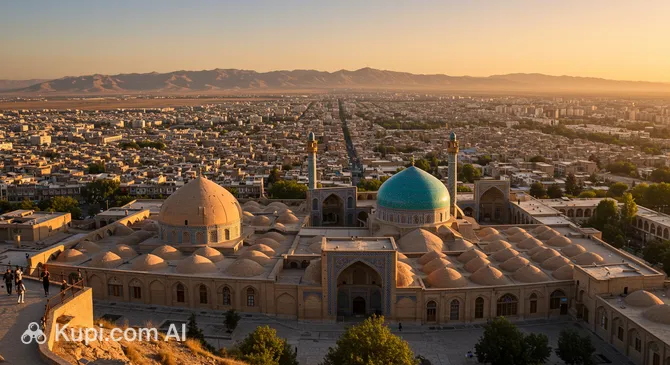
Travelers are often drawn to the magnificent Tabriz Historic Bazaar Complex, a UNESCO World Heritage site recognized as one of the oldest bazaars in the Middle East and the largest covered market in the world. Other architectural highlights include the stunning Blue Mosque, famous for its intricate turquoise tiling, and the expansive El Goli Park, where locals and tourists alike gather to enjoy the large artificial lake and lush surroundings.

Whether you are an architecture enthusiast or simply looking to experience authentic local culture, Tabriz offers a unique and memorable journey. Its welcoming atmosphere and diverse attractions make it a must-visit destination for anyone exploring the region.

Weather Overview

Understanding the local climate is essential for planning your trip to this historic city. The weather in Tabriz is generally continental, characterized by distinct seasonal changes that offer different experiences throughout the year.

Travelers can expect warm, dry summers and cold winters with varying levels of precipitation. July is typically the warmest month, with average temperatures around 23.5°C and highs reaching up to 31.1°C, while rainfall is virtually non-existent from June through September. Conversely, winters are chilly, with January seeing average temperatures drop to -3.0°C and lows plunging to -7.5°C. March tends to be the wettest month in terms of frequency, recording about 15 wet days, so carrying an umbrella during spring is advisable.

Interesting Facts

Beyond the well-known landmarks, Tabriz holds many fascinating secrets that reveal its deep cultural significance. Digging a bit deeper uncovers a city of pioneers and unique social traditions that set it apart from other Iranian metropolises.

Arg of Tabriz. Source: Kupi.Binoculars
  • Although often called the "City of Firsts," many visitors are unaware of the specific milestones achieved here. Tabriz was home to Iran's first printing house, the first public cinema, the first modern school, and even the first fire station, leading the country's modernization efforts in the 19th and early 20th centuries.

  • The Arg of Tabriz is a remnant of a massive citadel that was originally designed as a mausoleum in the 14th century but was never completed. It later served as a military fortress and has survived numerous earthquakes and wars, standing today as a resilient symbol of the city's endurance.

  • Tabriz is widely famous across the nation as the "City Without Beggars." Thanks to exceptional local charity organizations and a strong culture of social support, it is incredibly rare to encounter panhandling on the streets, a unique trait for a city of its size.

  • The city has a deep literary connection, best represented by the Maqbaratoshoara, or the Mausoleum of Poets. This historic cemetery is the final resting place for over 400 poets, mystics, and scholars, including the renowned Shahriar, making it a pilgrimage site for literature lovers.

  • The Blue Mosque, known for its intricate azure tiles, carries the scars of a massive earthquake in 1780 that caused its original dome to collapse. The structure seen today is the result of painstaking restoration work that has been ongoing for decades to preserve its remaining glory.

How to Get There

Reaching this historic city is relatively straightforward, with several options available for travelers depending on their starting point. Whether you prefer the speed of air travel or are exploring the wider region by land, you can find more about how to get to Tabriz and choose the route that best suits your itinerary.

The most convenient gateway for most visitors is Tabriz Airport (IATA: TBZ), located directly in the city. As a significant international hub, it handles a large volume of passengers annually. The airport is situated just 7.7 km from the city center, making the transfer very quick; a taxi ride typically takes around 30 minutes. For those arriving from other parts of the region, Urmia Airport (IATA: OMH) in the city of Orumiyeh is another viable option, though it is located approximately 116 km away. A journey from Urmia to Tabriz by road generally takes about 3 hours and 15 minutes.

For clarity, here is a summary of the main airports:

Airport Name City Passenger Traffic Km from City
Tabriz Airport Tabriz Large 7.7
Nakhchivan Airport Nakhchivan Medium 142.8
Urmia Airport Orumiyeh Medium 116.6
Zangilan Qubadli Small 119.2
Kapan Airport Kapan Small 125.5

Regarding rail transport, the available data highlights stations in the wider region rather than the immediate vicinity. For instance, Agjabedi Station is located in the city of Aghjabadi, approximately 241 km from Tabriz. Another option is Imishli Station in Imishli, about 251 km away. Given the considerable distances, travelers arriving at these points would need to arrange substantial onward ground transport, such as a long-distance taxi or bus ride, to reach Tabriz.

Below is a list of these regional railway stations:

Station City Passenger Traffic Km to Center
Kurdamir Station Kurdamir Medium 298.5
Agjabedi Station Aghjabadi 241.2
Imishli Station Imishli 251.3

Main Attractions

Tabriz is a city with a soul, where history whispers from every brick and bustling alleyway. Its attractions range from ancient marketplaces to elegant museums, offering a deep dive into the rich culture of the region. Exploring these landmarks provides a vivid picture of the city's pivotal role in Persian history.

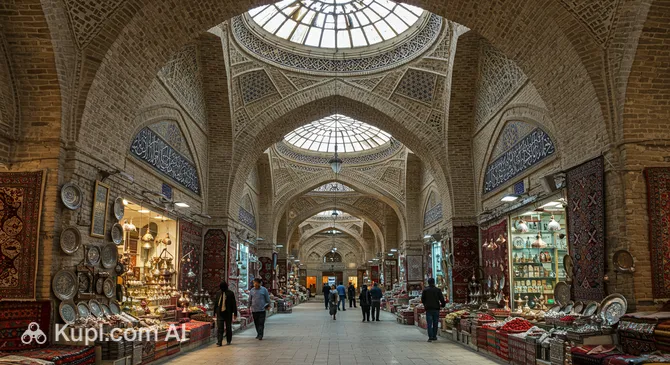
No visit to the city is complete without losing yourself in the Tabriz Grand Bazaar. Recognized as a UNESCO World Heritage site, this sprawling complex is one of the oldest bazaars in the Middle East and the largest covered market in the world. It is not merely a place for shopping but a living social and economic hub where you can admire the stunning brick arches and domed ceilings while browsing for world-famous carpets, spices, and jewelry.

Tabriz Grand Bazaar. Source: Kupi.Binoculars

For history buffs, the Azerbaijan Museum is an essential stop. Located near the famous Blue Mosque, it is often cited as the second most important archaeological museum in Iran after the National Museum in Tehran. The museum houses an impressive collection of artifacts dating back to the Iron Age, along with pre-Islamic and Islamic coinage and sculptures, offering a comprehensive overview of the region's civilization.

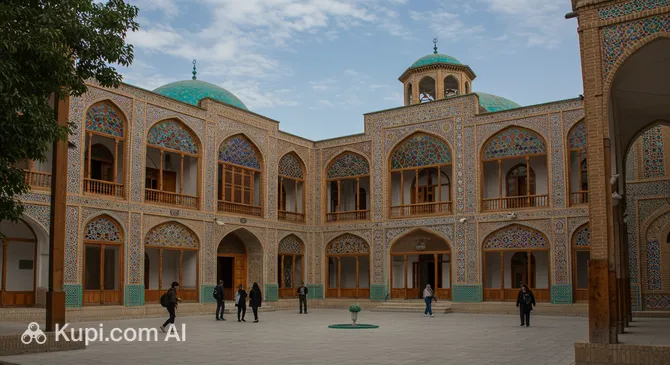
Architecture enthusiasts will fall in love with the Qajar Museum (Amir Nezam House). This exquisite historical house, built during the Qajar dynasty, features a beautiful two-story structure with a vast courtyard, fountains, and intricate stucco work. Inside, different halls are dedicated to various aspects of the era, such as coins, weaving, and musical instruments, providing a glimpse into the aristocratic life of 19th-century Tabriz.

Qajar Museum (Amir Nezam House). Source: Kupi.Binoculars

Another significant landmark is the Constitution House of Tabriz. This historical edifice served as a gathering place for the leaders of the Constitutional Revolution in the early 20th century. Today, it stands as a museum showcasing documents, weapons, and personal belongings of the revolutionaries, all housed within a building celebrated for its unique architectural style and red brick facade.

Local Cuisine

The culinary landscape of Tabriz is a delightful reflection of its location in the Azerbaijan region, offering a unique blend of Persian and Azeri flavors that distinguishes it from other parts of the country. Food here is hearty, flavorful, and deeply rooted in tradition. The undisputed star of the local cuisine is Kofte Tabrizi, a giant meatball that is famous throughout Iran. Unlike standard meatballs, this massive sphere is made from a mixture of ground meat, split peas, rice, and aromatic herbs, often stuffed with dried fruits like plums or apricots, walnuts, and sometimes a whole hard-boiled egg.

Meat lovers will appreciate the city's exceptional variety of kebabs. While standard Iranian kebabs are available everywhere, the region is renowned for Bonab Kebab, named after a nearby town but a staple in Tabriz. It consists of ground mutton, onion, and spices pressed onto a wide, flat skewer and grilled to perfection over charcoal. For a lighter option, you might try Dolma, vegetables such as eggplants, tomatoes, or bell peppers stuffed with a savory mix of rice and meat, or a warm bowl of Ash-e Doogh, a yogurt-based soup rich with herbs and legumes.

When it comes to beverages, tea culture is paramount. Locals drink hot black tea throughout the day, often accompanied by the city's famous sweets. Tabriz is celebrated for its confectioneries, particularly Nogha, a type of nougat often filled with walnuts and pistachios, and Eris, a traditional cocoa or milk-based candy. As for cold drinks, the most popular accompaniment to meals is Doogh, a savory yogurt drink often flavored with dried mint and rose petals. Travelers should be aware that alcoholic beverages are strictly prohibited by law in Iran, so you will not find bars or alcoholic drinks on menus.

To truly experience the local food culture, a visit to the Tabriz Grand Bazaar is essential. Beyond its architectural beauty, the bazaar is a sensory explosion of spices, dried nuts, and pickles, and it houses traditional eateries where you can dine alongside merchants and locals. Whether you choose a historic restaurant with traditional carpeted seating or a bustling street-side stall serving fresh fava beans and boiled beets in the winter, dining in Tabriz is a memorable cultural experience.

Travel Tips

Visiting Tabriz offers a fascinating glimpse into the rich culture of northwestern Iran, but like any destination with deep-rooted traditions, a little preparation goes a long way. To ensure your journey through the "City of Firsts" is as smooth and enjoyable as possible, here are some essential practical tips to keep in mind before you pack your bags.

  1. Clothing and Gear: Adhering to the local dress code is essential throughout Iran. Women must wear a headscarf (hijab) and loose-fitting clothing that covers the hips and arms, while men should wear long trousers and avoid shorts. Since Tabriz experiences a continental climate, bring lightweight, breathable fabrics for summer and heavy winter gear if visiting between November and March, as temperatures can drop significantly below freezing.
  2. Transportation: The most convenient way to navigate the city is by using taxis. Shared taxis (savaris) are ubiquitous and cheap, but for ease of use, download the Snapp app (the local equivalent of Uber), which allows you to book rides without language barriers. There is also a developing metro system and a Bus Rapid Transit (BRT) network that connects major points of interest.
  3. Finances: International credit and debit cards (Visa, Mastercard) do not work in Iran due to banking regulations. You must bring enough cash (USD or Euros) for your entire trip and exchange it at official exchange offices (Sarafi). Be aware of the currency confusion: the official currency is the Rial, but locals almost always quote prices in Tomans (1 Toman = 10 Rials). Always clarify which unit is being used to avoid paying ten times the price.
  4. Health and Safety: Tabriz is known as one of the safest cities in the region, with very low crime rates. However, traffic can be chaotic, so exercise extreme caution when crossing streets. Pharmacies are marked with a green cross and are widely available; for any specific prescription medication, it is wise to bring your own supply with the original packaging and prescription.
  5. Communication: While Persian (Farsi) is the national language, the mother tongue of Tabriz locals is Azerbaijani (a Turkic language). English is not widely spoken outside of major hotels and tourist sites, so having a translation app is helpful. Buying a local SIM card (like Irancell or MCI) upon arrival is highly recommended for maps and communication.
  6. Local Etiquette: You will likely encounter the concept of Taarof, a system of politeness where locals may offer things (like a taxi ride or a meal) for free or refuse payment initially. This is a gesture of respect, not a genuine free offer; you should insist on paying. Also, always remove your shoes before entering a home or the carpeted areas of a mosque.
  7. What to Avoid: Public displays of affection, such as kissing or prolonged hugging between couples, are frowned upon and should be avoided. Additionally, refrain from taking photographs of government buildings, military sites, or police stations, as this is strictly prohibited.
  8. Local Tip: When shopping in the historic Bazaar, remember that bargaining is part of the culture, but do it with a smile. Also, knowing a single word of the local language can open many doors; say "Saghol" (Thank you in Azerbaijani) instead of the Persian "Merci" or "Mamnoon," and you will be rewarded with the warmest smiles from the locals.

By keeping these practicalities in mind, you will be well-equipped to navigate the streets of Tabriz with confidence and respect. The city is renowned for its exceptional hospitality and "beggar-free" streets, promising a welcoming and hassle-free experience for every traveler ready to explore its historic wonders.

Entertainment & Nightlife

Entertainment in Tabriz takes on a unique and culturally rich character that differs significantly from the nightlife found in Western cities. Due to local laws and customs, you will not find nightclubs, bars, or discos serving alcohol here. Instead, the "nightlife" revolves around vibrant social gatherings, late-night dining, strolling through illuminated parks, and enjoying the company of friends and family in atmospheric tea houses and cafes. The city comes alive after sunset, especially during the warmer months, offering a safe and welcoming environment for evening exploration.

The undisputed hub of evening activity is El Goli Park (also known as Shah Goli). As the sun goes down, this historic park transforms into a bustling center of social life. Locals flock here to walk around the large artificial lake, enjoy street food like roasted corn and boiled beets, or dine at the pavilion located in the center of the water. It is the perfect place to experience the local lifestyle, with families picnicking and young people gathering until late into the night. The atmosphere is relaxed and friendly, making it easy to strike up a conversation with locals.

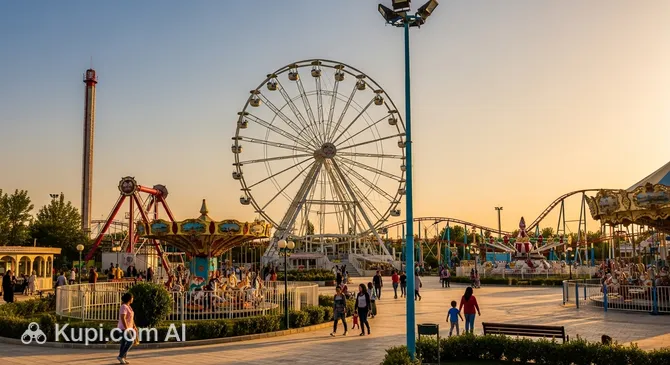
For those seeking a more energetic atmosphere, the Baghlar Baghi Amusement Park is a fantastic option. This large recreational complex is particularly popular in the evenings when the lights turn on and the weather cools down. It features a variety of rides, green spaces, and a small zoo, making it a favorite destination for families and groups of friends looking for fun and excitement.

Baghlar Baghi Amusement Park. Source: Kupi.Binoculars

If you prefer a modern urban vibe, head to the Vali-Asr district. This upscale area is famous for its cobblestone streets, luxury boutiques, and a high concentration of chic cafes and restaurants. It is the place to see and be seen, with a fashionable crowd and a lively street scene. Here, you can enjoy high-quality coffee, traditional herbal teas, and delicious non-alcoholic mocktails in stylish settings that often remain open until midnight.

While the evenings are for socializing, daytime entertainment in Tabriz offers its own charms. The city is home to several cinemas showing Iranian films, and art lovers can visit the local galleries or theaters. Of course, the cultural exploration continues with the city's extensive array of museums, such as the previously mentioned Azerbaijan Museum, which provide a quiet retreat during the hotter afternoon hours.

From a practical standpoint, the best time to venture out is after 8:00 PM, when the city truly wakes up for its second shift. Tabriz is generally very safe for night walks, even late into the evening, but standard precautions should always be taken. Getting around is easy with taxis; you can hail yellow taxis on the street or use the Snapp app for a fixed-price ride. Dress codes remain the same at night as they do during the day, so ensure you maintain modest attire even when visiting modern districts like Vali-Asr.

Parks & Museums

Tabriz is a city where nature and history intertwine beautifully, offering visitors a refreshing mix of lush green spaces and profound cultural heritage. Beyond its bustling bazaars, the city is dotted with serene gardens and impressive museums that preserve the artistic and historical legacy of the region.

For a breath of fresh air in the city center, Golestan Garden (Bagh-e Golestan) is a favorite among locals. As one of the oldest parks in Tabriz, it offers a nostalgic atmosphere with its towering trees, classic fountains, and monuments. It is an ideal spot for a leisurely afternoon walk, providing a peaceful escape from the urban noise while remaining close to the main shopping districts.

Those seeking a more active natural retreat should head to the Eynali Mountain range on the northern edge of the city. This vast recreational area is not just a park but a hiking destination that offers panoramic views of the entire metropolis. Visitors can hike up the red-hued slopes or take a cable car to the top, where a shrine and a small forest plantation create a serene environment perfect for picnics and photography.

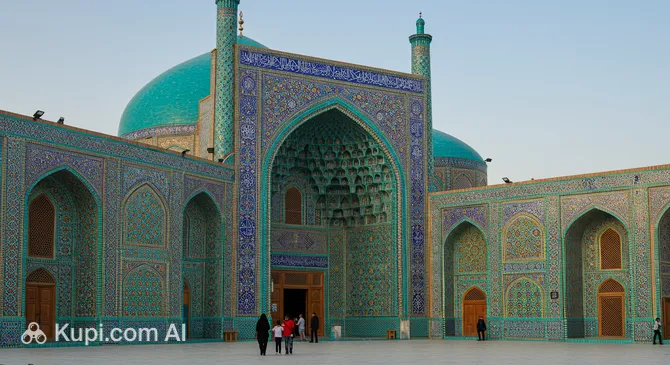
The city's cultural landscape is dominated by the stunning Blue Mosque (Masjed-e Kabud). Known as the "Turquoise of Islam," this 15th-century masterpiece is renowned for its intricate mosaic tiles in various shades of blue. Although it suffered significant damage in a historic earthquake, the restored structure remains a breathtaking example of Timurid architecture. Stepping inside, you can admire the complex calligraphy and the play of light on the remaining azure tiles, which stand as a testament to the city's artistic resilience.

Blue Mosque. Source: Kupi.Binoculars

Another unique cultural venue is the Iron Age Museum. Located uniquely beneath the ground near the Blue Mosque, this site museum preserves an ancient cemetery dating back to the first millennium BC. Visitors walk on glass walkways over the excavation site, looking down at the skeletons buried in a fetal position alongside their pottery and jewelry. It offers a fascinating and slightly eerie glimpse into the prehistoric rituals of the region.

For an authentic and lesser-known experience, seek out the Measure Museum (Sanjesh Museum). Housed in the historic Salmasi House, this quaint museum displays a curious collection of old weighing tools, astronomical instruments, and intricate clocks. It is a hidden gem that offers a quiet look at the scientific and commercial history of Tabriz away from the larger tourist crowds.

Getting Around

Navigating Tabriz is relatively easy and affordable, thanks to a public transport network that combines modern infrastructure with traditional local systems. The city relies heavily on a combination of a developing metro line, an efficient Bus Rapid Transit (BRT) network, and a pervasive system of shared taxis. For most visitors, mixing these modes is the best way to explore both the historic center and the outlying districts.

The Tabriz Metro is a modern and clean option, though it is still expanding. Currently, Line 1 is the primary operational route, connecting the southeastern areas to the western parts of the city, passing through key locations like El Goli and the city center. Trains typically run from early morning, around 06:30, until approximately 21:00. While the network coverage is not yet exhaustive, it is a convenient way to skip traffic when traveling between major landmarks along its path.

The backbone of the city's public transport is the Bus Rapid Transit (BRT) system. These buses run on dedicated lanes, allowing them to bypass traffic jams and move quickly across the city. The main line cuts through the city center, making stops near the Grand Bazaar and other major attractions. Regular local buses also operate, covering areas the BRT does not reach. A crucial rule for tourists to remember is the gender segregation on buses: men typically sit in the front section, while women sit in the back. On the metro, there are specific women-only carriages, though women are free to ride in other carriages as well.

To use the metro or bus, you will need a contactless smart card, often referred to as the Tabriz Card. Cash is generally not accepted directly by drivers on buses or at metro turnstiles. You can purchase and top up these cards at ticket booths located at metro stations and major bus terminals. The cost of travel is extremely low by international standards. If you do not have a card, you may occasionally find locals willing to swipe theirs for you in exchange for cash, but getting your own is far more convenient.

For a more direct and flexible option, taxis are ubiquitous. The most common type is the shared taxi, known locally as a "Savari." These yellow or green cars drive along fixed routes and pick up multiple passengers until the car is full. You pay a small fee for your seat, making it faster than a bus but cheaper than a private taxi. If you prefer a private ride, you can say "Darbast" (literally meaning "closed door") to the driver, but be prepared to negotiate the price beforehand.

Modern ride-hailing apps have also revolutionized transport in the city. The most popular app is Snapp, which functions similarly to Uber. It is highly recommended for tourists as it removes the language barrier and the need for bargaining; you simply set your destination on the map and see the fixed price. This is often the most stress-free way to travel, especially in the evenings or when carrying luggage.

Finally, for a unique transport experience that doubles as a sightseeing activity, the Eynali Cable Car offers a scenic ride up Mount Eynali. While primarily a recreational facility rather than a commuter link, it provides a fantastic aerial view of the city and is a favorite weekend activity for locals. Whether you choose the efficiency of the BRT or the convenience of a ride-hailing app, getting around this historic metropolis is safe and straightforward.
Accommodation

Finding the right place to stay in Tabriz is relatively easy, as the city offers a welcoming range of accommodation options suited to various budgets and travel styles. Visitors can choose from budget-friendly guesthouses and traditional hostels to mid-range apartment hotels and modern high-rise establishments. While the city may not have the extensive selection of ultra-luxury international chains found in some global capitals, its top-tier hotels provide excellent comfort, often combining modern amenities with genuine Iranian hospitality.

When choosing a location, most tourists prefer to stay in the city center. This area is the heartbeat of Tabriz, placing you within walking distance of key historical landmarks and the bustling Tabriz Grand Bazaar. Staying here means you can easily explore the heritage sites on foot and immerse yourself in the lively street culture. Alternatively, for those seeking a quieter and greener environment, the El Goli district in the southeast is a fantastic choice. Located near the famous park, this area is slightly removed from the downtown traffic and offers cleaner air and more upscale lodging options.

Booking accommodation in Tabriz requires a bit more planning than in other destinations due to international banking regulations. Standard global booking platforms often do not list properties in Iran, or they may not process payments. It is advisable to use specialized travel agencies, local online platforms that cater to foreign visitors, or to contact hotels directly via email or messaging apps to secure your reservation. Additionally, travelers should remember that international credit cards like Visa or Mastercard are not accepted; you will need to settle your hotel bill in cash (Euros, USD, or local currency) upon arrival.

Price-wise, accommodation in Tabriz is generally very affordable for international travelers. Budget travelers can find clean and comfortable rooms for a fraction of the cost in Europe, while even the higher-end hotels offer competitive rates. However, it is highly recommended to book your stay in advance, particularly if you are visiting during the peak seasons of spring (especially during the Persian New Year, Nowruz, in late March) and summer, when domestic tourism is at its highest.

Nearby Cities

For those looking to explore the surroundings, Tabriz serves as an excellent base for day trips to several interesting nearby locations:

One of the most historically significant destinations is Maragheh. Located south of Tabriz, this garden city was once a capital during the Ilkhanate era. It is famous for the Maragheh Observatory, which was one of the most advanced in the medieval world, and its collection of well-preserved historical tomb towers (gonbads) that showcase intricate brickwork.

To the northwest lies Marand, one of the oldest cities in the province. It offers a mix of history and natural beauty, featuring landmarks such as the ancient Jameh Mosque of Marand. The city sits in a picturesque valley and provides a quieter atmosphere compared to the bustling provincial capital.

For nature lovers, Ahar serves as the gateway to the stunning Arasbaran forests. Beyond its natural appeal, the city is known for the Mausoleum of Sheikh Shahab-al-Din Ahari, a beautiful complex that includes a mosque and a خانqah (Sufi retreat), reflecting the deep spiritual heritage of the region.

City Population Distance (km)
Maragheh 175255 77
Marand 130825 60
Ahar 100641 81
Bonab 75332 85
Azarshahr 44887 45

These nearby destinations offer a glimpse into the diverse culture and landscapes of the region.

Shopping & Souvenirs

Shopping in Tabriz is a delightful journey that bridges the gap between ancient traditions and modern retail. As a historical commercial hub on the Silk Road, the city has long been celebrated for its exquisite craftsmanship and bustling trade. Visitors can expect a diverse experience ranging from navigating the winding alleys of centuries-old bazaars to browsing contemporary boutiques in upscale districts. The city is particularly renowned for its high-quality leather goods, hand-woven carpets, and traditional confectioneries.

The heart of the city's commercial life is undoubtedly the Tabriz Grand Bazaar. This UNESCO World Heritage site is not just a market but a sprawling complex of interconnected brick structures, caravanserais, and timchehs (domed halls). It is the best place to find authentic local products, including the world-famous Tabriz carpets, widely considered among the finest in the world. Besides rugs, the bazaar is divided into specialized sections for jewelry, spices, copperware, and shoes, offering a truly immersive shopping experience.

For a more pedestrian-friendly street shopping experience, head to Tarbiat Street. Located near the bazaar, this paved walkway is lined with statues of famous Iranian poets and offers a mix of clothing stores, bag shops, and traditional eateries. It provides a pleasant atmosphere for an evening stroll. On the other end of the spectrum is the Vali-Asr district, the city's modern and affluent neighborhood. Here, the streets are filled with luxury boutiques, brand-name clothing stores, and chic shopping centers, catering to those looking for fashion and modern trends.

Travelers seeking a modern mall experience should visit the Laleh Park Shopping Center. As one of the largest and most modern complexes in the northwest of the country, it features several floors of international and local brands, a hypermarket, and a large food court. It is a popular destination for families and offers a stark contrast to the traditional atmosphere of the old bazaar. Another notable complex is the Atlas Mall, which is known for its distinctive architecture and variety of retail outlets.

When it comes to souvenirs, Tabriz offers several signature items that make for perfect gifts. The city is the capital of Iran's leather industry, so buying high-quality leather shoes or bags is highly recommended. Foodies should not leave without purchasing Nogha, a delicious local nougat often made with walnuts, or Ris, a traditional cocoa-flavored sweet. Additionally, the region is famous for its premium dried fruits and nuts, which can be bought in bulk at the bazaar.

Understanding local business hours is important for planning your shopping trips. Traditional markets and independent shops typically operate from around 09:00 or 10:00 AM until 14:00, close for a mid-day break, and reopen from 16:00 or 17:00 until late evening, often around 22:00. Modern malls like Laleh Park usually remain open throughout the day without a break. Regarding payment, cash is the primary method for tourists. International credit cards (Visa, Mastercard) are not accepted in stores due to banking regulations. You will need to carry local currency (Rials or Tomans) or use a local debit card (Tourist Card) if you have obtained one upon arrival.

Reached the end of the page?

That means the route is fully explored