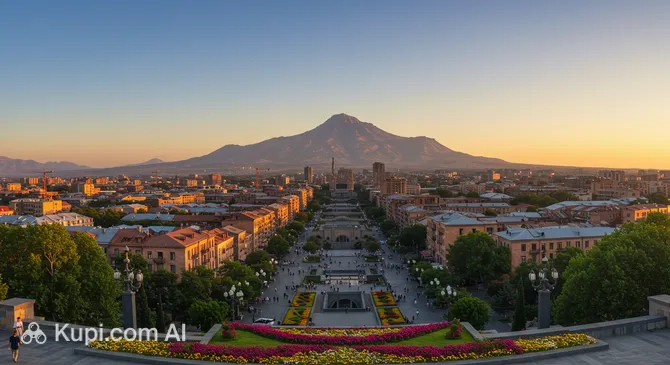
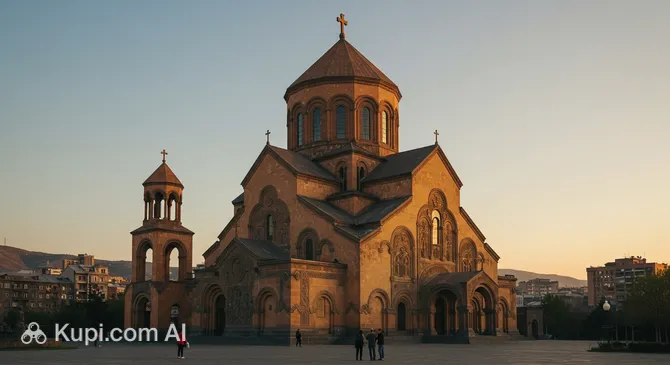
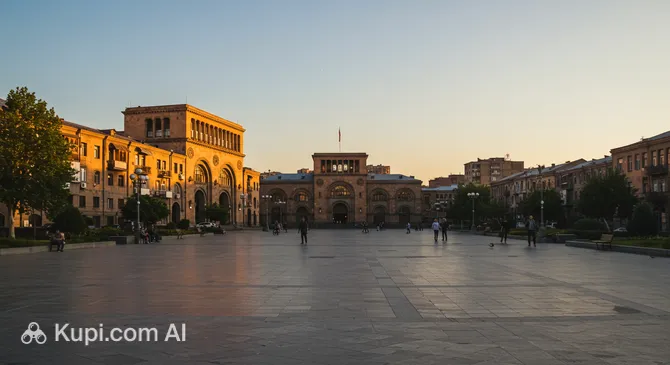
Welcome to Yerevan, a captivating blend of ancient heritage and modern vibrancy. As the capital and largest city of Armenia, it serves as the cultural, administrative, and industrial center of the nation. Often referred to as the "Pink City" due to the extensive use of rose-colored volcanic tuff in its architecture, Yerevan offers a unique visual atmosphere that changes beautifully with the sunlight.
Located along the Hrazdan River, the city sits at the foot of majestic mountains, providing stunning backdrops on clear days. With a population of over 1 million people, it is a bustling metropolis that still retains a welcoming, community-focused spirit. Visitors delving into the history of Yerevan will discover that it is one of the world's oldest continuously inhabited cities, with roots dating back even earlier than Rome.
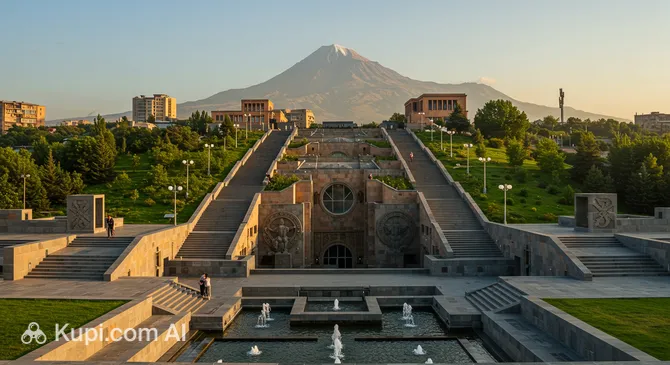
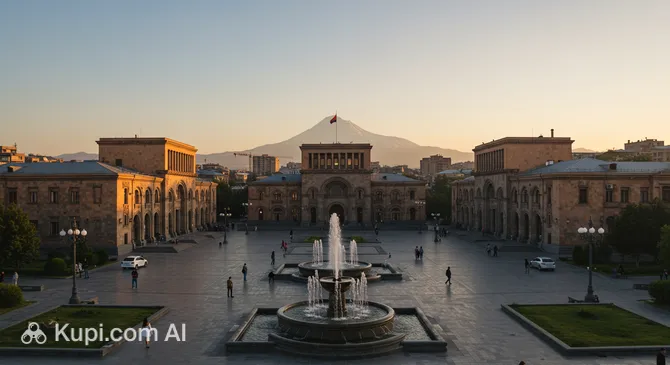
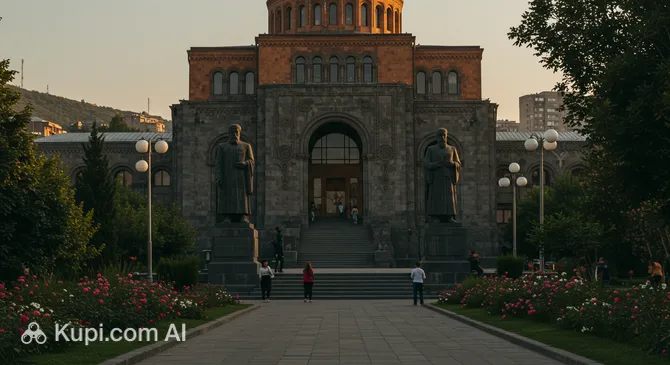
Tourists are drawn to the city's lively streets and impressive landmarks. The Cascade Complex is a massive limestone stairway that links the downtown area with the upper neighborhoods, offering panoramic views of the city and Mount Ararat. Another focal point is Republic Square, known for its musical fountains and harmonious neoclassical architecture. For those interested in culture, the city boasts numerous museums and galleries, including the famous Matenadaran, a repository of ancient manuscripts.
Whether you are strolling through its leafy parks, enjoying the vibrant cafe culture, or exploring its historical depths, Yerevan promises an unforgettable experience. It is a destination that effortlessly combines the warmth of traditional hospitality with the energy of a contemporary capital.
Weather Overview
Yerevan experiences a continental climate with distinct seasonal changes, offering travelers a variety of atmospheres throughout the year. Generally, you can expect hot, dry summers and cold winters, with transitional seasons that are often mild and pleasant. For precise details to help you plan your packing list, it is helpful to check the weather in Yerevan before your trip.
The summer months of July and August are the warmest, with average highs reaching approximately 30°C and very little rainfall. Conversely, winter can be quite chilly; January sees average temperatures dip to around -2.5°C, with lows sometimes reaching -6.6°C. If you prefer moderate temperatures, spring and autumn are ideal, though spring is notably wetter—May typically sees about 15 wet days. September remains comfortable with an average temperature of 19.1°C and minimal precipitation.
Average monthly temperature
Average monthly precipitation
Interesting Facts
Beyond the main attractions, Yerevan holds many fascinating secrets that surprise even seasoned travelers. Digging deeper into the city's character reveals a tapestry of ancient history and unique local customs.
The city possesses a literal "birth certificate" carved in stone. A cuneiform inscription confirms that Yerevan was founded in 782 BC as the fortress of Erebuni, making the capital 29 years older than Rome.
You will rarely need to buy bottled water here thanks to "pulpulaks." These unique bubbling fountains are scattered throughout the streets, offering fresh, cold mountain water to everyone for free as a timeless gesture of local hospitality.
Hidden within the bustling city center is the Blue Mosque, an 18th-century architectural gem. It stands as the only active mosque in the capital, featuring intricate tile work and a peaceful apricot garden that offers a quiet retreat.
The Cascade is more than just a scenic stairway; it serves as a massive open-air museum. The complex houses the Cafesjian Center for the Arts, and its outdoor landings display sculptures by world-renowned artists like Fernando Botero.
The Cascade. Illustration.
Source: Kupi.com AI
Traveler photos:
How to Get There
Reaching the Armenian capital is a straightforward process, with air travel being the most popular method for international visitors. For a comprehensive breakdown of all routes, including land borders and schedules, you can read more about how to get to Yerevan.
The primary gateway to the city is Zvartnots International Airport (IATA: EVN), which is the largest and busiest airport in the country. Located just 10.4 km from the city center, it handles the majority of international flights. The journey from the airport to downtown Yerevan is quick, typically taking about 35 minutes by taxi or shuttle bus. With an annual passenger traffic exceeding 5 million, it offers modern amenities and excellent connectivity.
Another viable option is Leninakan Airport (IATA: LWN), also known as Shirak Airport, located in the city of Gyumri. Although it is smaller, it serves as an important budget-friendly alternative. Since this airport is approximately 84 km from Yerevan, you should plan for a longer transfer time. A taxi or bus ride from Gyumri to the capital generally takes around 2.5 hours.
For clarity, here is a summary of the main airports in Armenia:
Regarding travel by train, the most practical and popular railway route for tourists is the international overnight train from Tbilisi, Georgia. This service connects the two capitals and arrives directly at Yerevan Railway Station, offering a scenic and comfortable journey through the region.
Main Attractions
Yerevan is a city that rewards exploration, with its most iconic landmarks centrally located and easily accessible. A perfect starting point for any tour is Republic Square, the architectural heart of the capital. Designed in the neoclassical style using the city's signature pink and cream volcanic tuff, the square is surrounded by major government buildings and museums. In the evenings, it transforms into a mesmerizing spectacle with its famous "singing fountains," where water dances to classical and contemporary music, attracting both locals and tourists for nightly shows.
Republic Square. Illustration.
Source: Kupi.com AI
Traveler photos:
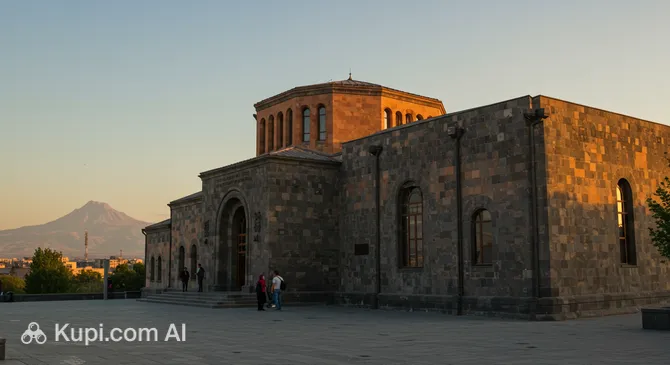
For those fascinated by history and culture, the Matenadaran is an absolute must-visit. This imposing structure, located on a hill at the end of Mashtots Avenue, serves as the Mesrop Mashtots Institute of Ancient Manuscripts. It houses one of the world's richest depositories of medieval manuscripts and books, spanning subjects from philosophy and medicine to art and history. The statues of ancient scholars outside and the intricate illuminated texts inside offer a profound insight into Armenia's intellectual heritage.
Matenadaran. Illustration.
Source: Kupi.com AI
Traveler photos:
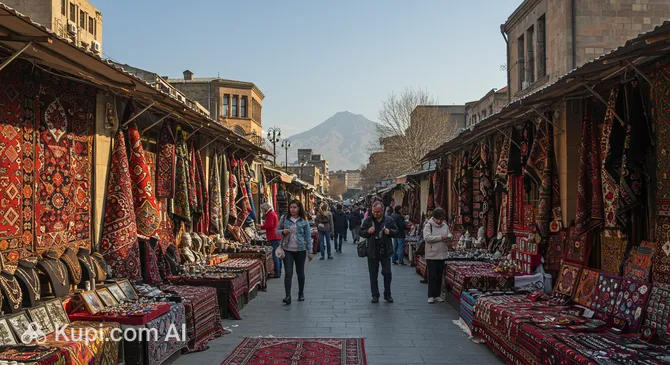
To experience the local flavor and find unique souvenirs, travelers should head to the Vernissage Market. This expansive open-air market is a treasure trove of Armenian craftsmanship, best visited on weekends. Rows of vendors display everything from hand-carved wooden chess sets and traditional carpets to silver jewelry and colorful ceramics. It is the ideal place to interact with local artisans and pick up a piece of Armenian culture to take home.
Vernissage Market. Illustration.
Source: Kupi.com AI
Traveler photos:
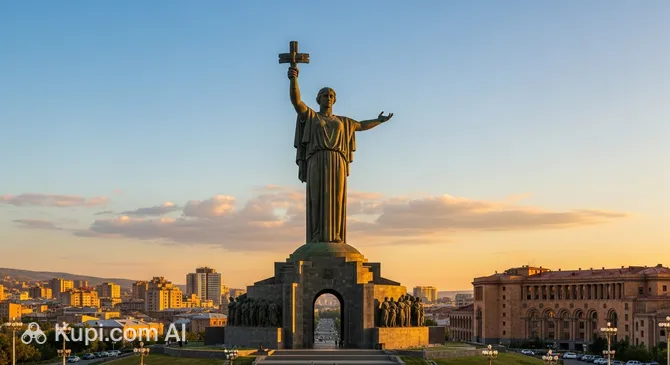
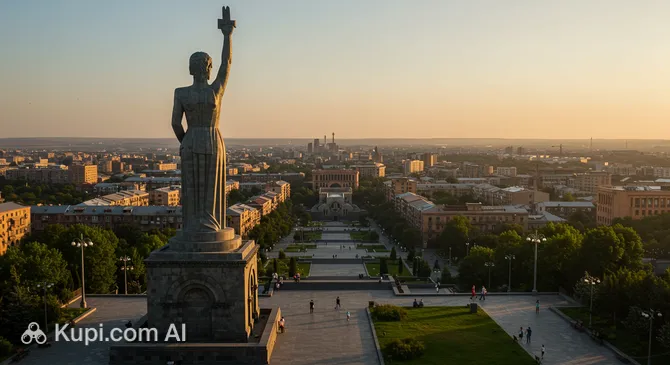
Watching over the city from atop a hill in Victory Park is the majestic Mother Armenia Monument. This towering statue depicts a female figure sheathing a sword, symbolizing peace through strength. Visitors flock here not only to admire the monument's scale but also for the breathtaking panoramic views it offers. From the observation deck at the statue's base, you can see the entire city layout and, on clear days, the stunning silhouette of Mount Ararat on the horizon.
Mother Armenia Monument. Illustration.
Source: Kupi.com AI
Traveler photos:
Local Cuisine
The culinary scene in Yerevan is a vibrant reflection of Armenian hospitality, characterized by fresh, locally sourced ingredients and ancient cooking techniques. Food here is not just sustenance; it is a ritual that brings people together. A visit to the city is incomplete without tasting Khorovats, the Armenian take on barbecue. Typically made with pork, lamb, or beef, the meat is marinated and grilled on skewers over hot coals, resulting in a smoky, succulent flavor that defines local gatherings.
Another staple of the table is Tolma (or Dolma), a dish consisting of minced meat, rice, and herbs wrapped in delicate grape leaves or stuffed into summer vegetables like peppers and eggplants. These dishes are almost always accompanied by Lavash, a traditional thin flatbread baked in a clay oven called a tonir. It is so integral to the culture that it is inscribed on the UNESCO Intangible Cultural Heritage list. Locals often wrap fresh herbs and salty cheese in lavash for a quick and refreshing snack known as "brduj."
When it comes to beverages, Armenia is world-renowned for its brandy. The production of this golden spirit is a source of national pride. Visitors can delve into this history by visiting the ARARAT Museum, where tours offer insight into the distillation process and the chance to taste distinct aged varieties. For non-alcoholic options, try Tan, a savory yogurt-based drink that is perfect for cooling down on a hot day, or enjoy a cup of strong, unfiltered Armenian coffee, often brewed in a jazzve on hot sand.
ARARAT Museum. Illustration.
Source: Kupi.com AI
Traveler photos:
In recent years, Yerevan has also experienced a wine renaissance. The city is dotted with trendy wine bars, particularly along Saryan Street, which transforms into a lively social hub in the evenings. Here, you can visit spots like In Vino to sample indigenous grape varieties such as Areni and Voskehat. The atmosphere in these venues is a perfect blend of modern chic and traditional warmth, making them popular with both locals and tourists.
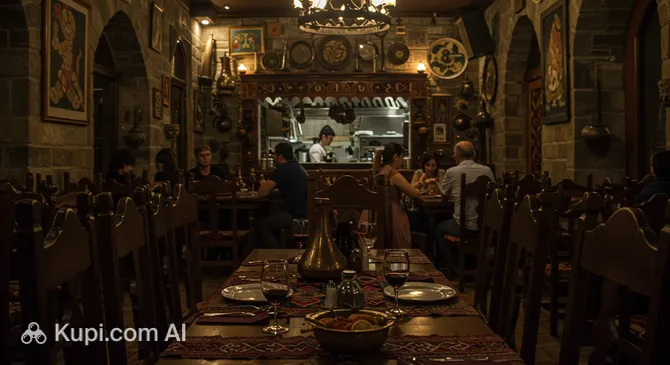
Dining out in Yerevan ranges from casual street food stalls serving crispy Lahmajoun (a thin dough topped with minced meat) to elegant restaurants offering a full feast. The city has a robust cafe culture, with outdoor terraces full of people enjoying the weather late into the night. For those seeking an authentic atmosphere and classic recipes, Ararat Tavern is a well-regarded establishment where you can enjoy hearty Armenian meals in a setting that pays homage to the country's rich ethnographic history.
Ararat Tavern. Illustration.
Source: Kupi.com AI
Traveler photos:
Travel Tips
To ensure your visit to Yerevan is as smooth and enjoyable as possible, a little preparation goes a long way. While the city is incredibly welcoming and easy to navigate, keeping these practical tips in mind will help you blend in with the locals and make the most of your stay.
Clothing and Gear: The climate varies significantly, so pack accordingly: lightweight, breathable fabrics are essential for the hot, dry summers, while a heavy coat and warm layers are necessary for the cold winters. Since Yerevan is a hilly city with uneven sidewalks and many stairs (like the Cascade), comfortable walking shoes are a must. If you plan to visit churches, dress modestly; women should consider carrying a scarf to cover their heads, and men should avoid wearing shorts in religious sites.
Transportation: The city center is compact and very walkable, but for longer distances, the Yerevan Metro is a fast, vintage, and incredibly cheap option (costing only 100 AMD per ride). For convenience, download ride-hailing apps like GG or Yandex Go; they are widely used, reliable, and inexpensive compared to hailing a cab off the street. Public minibuses (marshrutkas) are common but can be crowded and confusing for first-time visitors.
Finances: The local currency is the Armenian Dram (AMD). While credit cards are widely accepted in hotels, restaurants, and supermarkets in the center, you will definitely need cash for small shops, the Vernissage market, and public transport. ATMs are plentiful throughout the city. Tipping is customary; leaving about 10% in cafes and restaurants is standard practice if a service charge isn't already included.
Health and Safety: Yerevan is consistently ranked as one of the safest cities in the world, and it is generally safe to walk around at night. Pharmacies (often marked with a green cross) are easy to find, and many operate 24/7. A unique feature of the city is the safety of its tap water; you can drink freely from the public water fountains, known as pulpulaks, found on almost every street corner.
Communication: The official language is Armenian, and it has its own unique alphabet. Russian is widely spoken and understood by most of the population. English is becoming increasingly common, especially among the younger generation and in the hospitality sector. Buying a local SIM card from providers like Viva-MTS, Team, or Ucom is easy at the airport or city stores and provides excellent data coverage for navigation.
Local Etiquette: Armenians are famous for their hospitality. If a local offers you coffee or food, accept it graciously, as refusing can sometimes be seen as impolite. When greeting, a firm handshake is common for men, while women often greet with a kiss on the cheek if they are acquainted. It is polite to say "Barev" (Hello) and "Mersi" (Thank you) to show respect for the local culture.
What to Avoid: Avoid discussing sensitive political topics or regional conflicts, as these can be emotional subjects. Also, try not to be loud or disruptive in churches; lighting a candle is a respectful gesture, but keep conversations to a whisper.
City Rhythm: Be aware that Yerevan is a late-waking city. Most shops and cafes do not open before 10:00 AM or even 11:00 AM. However, they stay open very late into the night, often until midnight or later, reflecting the vibrant evening culture of the locals.
By keeping these simple guidelines in mind, you will find it easy to relax and immerse yourself in the warm, energetic rhythm of Yerevan. The city’s charm lies in its people and atmosphere, so don't hesitate to engage with the locals and enjoy the spontaneous moments that make travel here so special.
Entertainment & Nightlife
As the sun sets and the city lights flicker on, Yerevan undergoes a vibrant transformation. The Armenian capital is famous for its lively evening atmosphere, where the streets remain bustling with locals and tourists well past midnight. The culture here is distinctly nocturnal, especially in the summer, with families strolling in parks and friends gathering in open-air cafes to enjoy the cool night air.
The epicenter of Yerevan's nightlife is undoubtedly the city center, particularly the area around Saryan Street, often dubbed the "Wine Street." This district is packed with trendy wine bars and sidewalk terraces that offer a sophisticated yet relaxed vibe. For a more energetic scene featuring pubs and cocktail bars, Pushkin Street and Parpetsi Street are the places to be. Meanwhile, the area around the Cascade complex offers a mix of upscale lounges and cozy cafes with stunning views of the illuminated city.
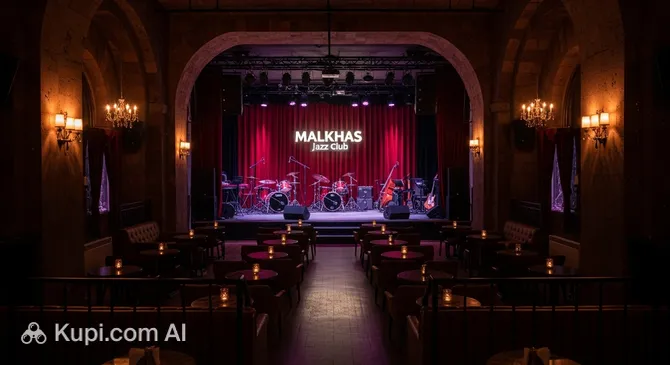
Music is the heartbeat of the city's nightlife, and jazz holds a special place in the hearts of locals. A visit to Malkhas Jazz Club is considered almost mandatory for anyone wanting to experience the soul of Yerevan. Owned by the legendary pianist Levon Malkhasyan, this venue offers an intimate atmosphere, top-tier live performances, and delicious food. It is best to book a table in advance, as it is a favorite spot for both residents and international guests.
Malkhas Jazz Club. Illustration.
Source: Kupi.com AI
Traveler photos:
For those who prefer a culinary journey accompanied by excellent drinks, Wine Republic on Tamanyan Street is a standout choice. Located near the Cascade, it combines a vast selection of wines with a menu focused on seafood and Thai cuisine, making it a perfect spot for a long, leisurely dinner that transitions into late-night drinks. The crowd in these venues is typically diverse, ranging from young professionals to tourists, and the dress code is generally smart-casual.
Practicality is key to enjoying the night. Most bars and cafes stay open until at least 1:00 AM, while clubs often don't get busy until after midnight. Prices are generally affordable compared to European capitals; a cocktail might cost around 3,000–5,000 AMD. Getting around is easy and safe. Yerevan is known as one of the safest cities for night walks, even in the early hours. However, for convenience, it is recommended to use ride-hailing apps like GG or Yandex Go rather than hailing taxis off the street to ensuring fair pricing.
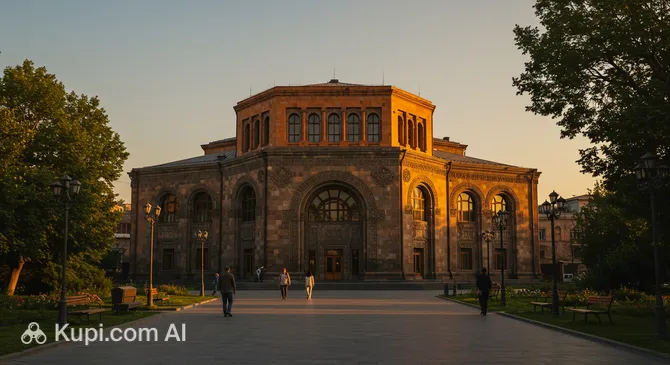
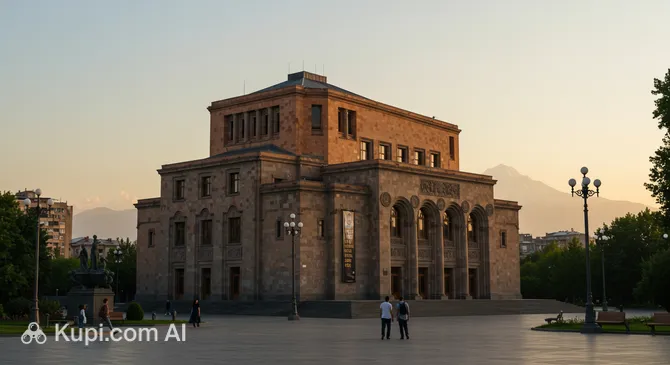
Beyond the bars and clubs, the city offers rich cultural and active entertainment options. The magnificent Armenian National Opera and Ballet Theatre is the crown jewel of the city's cultural life, hosting world-class performances in a stunning architectural setting. For a different kind of fun, especially for families or groups seeking activity, Play City provides a variety of amusements including bowling, karting, and bumper cars, making it a great destination for daytime or early evening entertainment.
Armenian National Opera and Ballet Theatre. Illustration.
Source: Kupi.com AI
Traveler photos:
Parks & Museums
Beyond its bustling avenues and pink stone architecture, Yerevan offers a wealth of green sanctuaries and profound cultural institutions. The city's layout incorporates numerous parks that serve as communal living rooms for locals, while its museums preserve the rich tapestry of a civilization that spans millennia. Exploring these spaces provides a deeper understanding of the Armenian spirit, balancing the energetic pace of modern life with moments of reflection and artistic appreciation.
One of the most beloved green spaces in the city is Victory Park (Haghtanak Park). Located at the top of the Cascade, this expansive area offers a refreshing escape from the city heat. It features a man-made lake where visitors can rent rowboats, a small amusement park with a retro feel, and wooded paths perfect for leisurely strolls. While it is home to the famous Mother Armenia statue, the park itself is a destination for its panoramic observation decks, which provide some of the best views of the city skyline and Mount Ararat on clear days.
Victory Park. Illustration.
Source: Kupi.com AI
Traveler photos:
For a more manicured and tranquil experience, Lover's Park on Baghramyan Avenue is a delightful gem. As the oldest park in Yerevan, it was beautifully renovated to incorporate Japanese landscaping principles, resulting in a harmonious blend of waterfalls, ponds, and rock gardens. It is a favorite spot for reading, quiet conversations, and open-air exhibitions, offering a serene contrast to the busy street just outside its gates.
Yerevan's museums are custodians of world-class art and history. The History Museum of Armenia, prominently located in Republic Square, is the premier institution for understanding the region's past. Its vast collection includes hundreds of thousands of artifacts, ranging from Stone Age tools to medieval manuscripts. Highlights include the world's oldest leather shoe (the Areni-1 shoe) and ancient wooden wagons, offering a fascinating journey through the ages of the Armenian Highlands.
Art enthusiasts should not miss the Sergei Parajanov Museum, dedicated to the celebrated avant-garde director and artist. This house-museum is one of the most unique cultural venues in the capital, filled with his intricate collages, drawings, and assemblages. The collection reflects Parajanov's boundless imagination and unconventional vision, making it a captivating experience even for those unfamiliar with his films.
Sergei Parajanov Museum. Illustration.
Source: Kupi.com AI
Traveler photos:
Among the city's most significant architectural and historical landmarks is the Tsitsernakaberd Armenian Genocide Memorial Complex. situated on a hill overlooking the city. The monument, with its twelve inclined basalt slabs encircling an eternal flame and a soaring 44-meter stele, is a masterpiece of austere, emotional architecture. It serves as a solemn place of memory and offers a quiet, park-like setting where visitors can pay their respects and learn about a pivotal chapter in the nation's history.
Another monumental structure defining the skyline is the Saint Gregory the Illuminator Cathedral. Completed in 2001 to celebrate 1,700 years of Christianity in Armenia, it is the largest cathedral in the Armenian Apostolic Church. Its massive scale and stark, geometric lines are a modern interpretation of traditional Armenian church architecture, housing relics of the saint and serving as a major spiritual center.
Saint Gregory the Illuminator Cathedral. Illustration.
Source: Kupi.com AI
Traveler photos:
For a taste of the local art scene mixed with a cozy atmosphere, seek out the Dalan Art Gallery and Café on Abovyan Street. While the front looks like a souvenir shop, walking through the corridor reveals a hidden open-air courtyard cafe and a second-floor gallery showcasing contemporary local artists. It is a perfect "secret" spot to enjoy a coffee surrounded by vines and creativity.
Getting Around
Navigating Yerevan is relatively straightforward and very affordable, thanks to a diverse public transport network that connects the city center with the suburbs. The backbone of the system consists of the metro, buses, trolleybuses, and the ubiquitous minibuses known as "marshrutkas." While the city center is compact and walkable, utilizing public transit is essential for reaching attractions further afield or for getting around quickly during peak hours.
The Yerevan Metro (Karen Demirchyan Yerevan Subway) is the most efficient way to travel, especially to avoid surface traffic. Although it consists of only one line with ten stations, it covers key areas from the north to the south of the city. The stations are a special feature in themselves, characterized by their deep Soviet-era construction, marble halls, and impressive architectural details. It is a fast, reliable, and cool refuge during the hot summer months.
For destinations not served by the metro, the city relies on a vast network of buses and minibuses. In recent years, Yerevan has been modernizing its fleet, replacing many of the older, cramped marshrutkas with modern, spacious buses (often colored violet or green). Trolleybuses also operate on several routes; while they are slower than other forms of transport, they offer a nostalgic and leisurely way to see the city streets.
The payment system is currently in a transition phase towards a unified digital solution, but cash remains widely used. A single ride on the metro or bus typically costs 100 AMD. For the metro, you can purchase plastic tokens at the station counters. On buses and marshrutkas, you traditionally pay the driver in cash (coins are preferred) upon exiting, though on the newer buses, payment is increasingly expected upon entry or via validation systems.
For a cashless experience, tourists are advised to download the local payment app, Telcell Wallet. This app allows you to purchase QR code tickets for the metro and the new buses. You simply scan the code at the turnstile or the bus validator. It is a convenient alternative to carrying small change, which can sometimes be hard to come by. There are also travel cards being introduced as part of the system's modernization, available at metro stations and terminals.
Operating hours for public transport generally run from approximately 7:00 AM to 11:00 PM. Be aware that buses and marshrutkas can get quite crowded during the morning and evening rush hours (roughly 8:30–9:30 AM and 6:00–7:00 PM). If you are traveling late at night, you will likely need to rely on taxi services.
Taxis are an extremely popular and budget-friendly alternative in Yerevan. Apps like GG and Yandex Go are widely used, reliable, and overcome any language barriers since you set the destination on your phone. Prices are transparent and often comparable to a coffee's cost for short city trips. Additionally, electric scooters have become a trendy way to get around the city center, with several rental apps available for short-distance travel along the boulevards.
Accommodation
Accommodation in Yerevan has evolved significantly in recent years, offering a diverse range of options that cater to every type of traveler. Whether you are looking for the luxury of 5-star international chains, the charm of small boutique hotels, or the social atmosphere of budget hostels, the city has it all. Additionally, the rental market for private apartments is very well-developed, providing a "home away from home" experience that is particularly popular among families and long-term visitors.
For most tourists, the best area to stay is undoubtedly the Kentron (Center) district. This circular downtown area is compact and highly walkable, allowing you to reach most major attractions on foot. Staying near Republic Square places you right in the administrative and cultural heart of the city, close to the singing fountains and the History Museum. It is the most prestigious location, often surrounded by high-end hotels and government buildings.
Another excellent location within the center is the area surrounding the Armenian National Opera and Ballet Theatre and the adjacent Freedom Square. This neighborhood is vibrant and bustling, packed with open-air cafes, restaurants, and parks. It offers a lively atmosphere day and night, making it perfect for travelers who want to be in the thick of the action. The streets radiating from here, such as Northern Avenue and Tumanyan Street, are lined with modern apartments and hotels.
Freedom Square. Illustration.
Source: Kupi.com AI
Traveler photos:
If you prefer a location with artistic flair and great views, consider finding accommodation near The Cascade. This area is slightly elevated, offering cooler air in the evenings and stunning vistas of the city and Mount Ararat. It is also a hub for cafe culture and nightlife. For those seeking a quieter stay while remaining central, the area around Charles Aznavour Square provides a charming setting near the Moscow Cinema and several smaller boutique hotels.
Booking Tips and Prices:
Yerevan is generally more affordable than many European capitals, but prices can vary based on the season. The peak tourist season runs from May to October, with a surge in September and early October due to the pleasant weather. During these months, it is highly recommended to book your accommodation at least a few weeks in advance to secure the best rates and availability. Online booking platforms are widely used and reliable for securing both hotels and private rentals.
In terms of pricing, budget travelers can find hostel beds for very low rates, often including breakfast. Mid-range options, such as guest houses and 3-star hotels, offer excellent value with modern amenities. Luxury travelers will find that even top-tier hotels and premium apartments are reasonably priced compared to international standards, offering exceptional service and comfort.
Nearby Cities
For those looking to explore the surroundings, Yerevan serves as an excellent base for day trips to several interesting nearby locations:
One of the most significant destinations is Vagharshapat, widely known as Etchmiadzin. Located just a short drive from the capital, it is revered as the spiritual heart of Armenia and the seat of the Armenian Apostolic Church. Visitors travel here to witness the Etchmiadzin Cathedral, often considered the oldest cathedral in the world, along with other UNESCO World Heritage sites such as the churches of St. Hripsime and St. Gayane.
Another interesting direction is towards Hrazdan, situated to the northeast. While primarily an industrial hub, its location makes it a strategic gateway to the stunning nature of the Kotayk Province. It is very close to the popular resort town of Tsaghkadzor, famous for its ski slopes and the Kecharis Monastery, making the area a favorite for outdoor enthusiasts seeking fresh mountain air.
Travelers interested in history might also consider a trip towards Armavir. This region is home to the poignant Sardarapat Memorial, a massive architectural complex commemorating a crucial battle in Armenian history, which houses an impressive ethnographic museum.
City
Population
Distance
Abovyan
44 400
14 km
Nor Hachn
10 198
14 km
Masis
21 376
15 km
Yeghvard
10 656
15 km
Byureghavan
9 513
16 km
These nearby destinations offer a glimpse into the diverse culture and landscapes of the region.
Shopping & Souvenirs
Shopping in Yerevan is a diverse experience that seamlessly blends modern retail therapy with the charm of traditional commerce. The city caters to all tastes, ranging from high-end boutiques and sprawling shopping centers to bustling open-air bazaars where bargaining is part of the fun. Whether you are looking for the latest international fashion trends or unique handmade crafts that reflect the Armenian heritage, the capital provides ample opportunities to find exactly what you need.
The heart of the city's fashion scene is Northern Avenue, a pedestrian-only street connecting the Opera House to Republic Square. This modern promenade is lined with luxury boutiques, international brand outlets, and stylish cafes, making it the premier destination for upscale shopping and window gazing. Nearby, Abovyan Street offers a mix of souvenir shops, jewelry stores, and clothing retailers, set within historic buildings that add a touch of old-world atmosphere to your shopping spree.
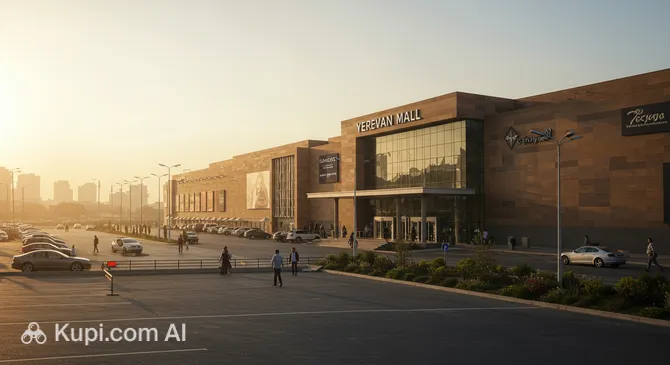
For a comprehensive shopping experience under one roof, the city boasts several impressive malls. Yerevan Mall is one of the largest and most popular complexes, featuring a vast array of international brands, a cinema, and entertainment zones. Its architectural design, which incorporates elements of the historic Yerevan market, makes it a visually interesting place to visit.
Yerevan Mall. Illustration.
Source: Kupi.com AI
Traveler photos:
Another favorite among locals and tourists is Dalma Garden Mall, the first mall of its kind in Armenia. Located near the Tsitsernakaberd hill, it offers two floors of fashion, electronics, and home goods, along with a spacious food court. It is a convenient stop for families and those looking to combine shopping with leisure activities.
While the Vernissage Market remains the undisputed king of flea markets for art and crafts, foodies should not miss the GUM Market (Gumi Shuka). Located near the Cathedral of Saint Gregory the Illuminator, this covered market is a sensory explosion of colors and smells. Here, vendors display towers of dried fruits, strings of "sujukh" (walnuts dipped in grape syrup), fresh lavash, and aromatic spices. It is the perfect place to sample and buy edible gifts.
When it comes to souvenirs, Yerevan offers high-quality local products that go beyond standard trinkets. Popular items to bring back include Armenian brandy, which is world-renowned for its rich flavor, and distinct handmade jewelry often featuring obsidian or silver. Traditional carpets and rugs are also highly prized, as are wood carvings and the "duduk," a traditional woodwind instrument made from apricot wood.
Most shops in Yerevan typically open around 10:00 AM and stay open until 10:00 PM, especially in the malls and central districts. Payment methods are modern and convenient; major credit cards are widely accepted in malls, supermarkets, and most boutiques. However, if you plan to visit markets like Vernissage or GUM, carrying cash (AMD) is essential, as small vendors rarely accept cards and cash allows for easier bargaining.
Tourists should also be aware of the Tax Free service available in Armenia. Foreign citizens can claim a VAT refund on goods purchased in participating stores (look for the "Tax Free" signage) if the total purchase amount exceeds a certain threshold. Be sure to ask for the special tax-free form at the checkout and present it at the airport customs before leaving the country.