Support

Kars

About

Kars is a captivating destination located in the far northeast of Turkey, offering a travel experience that stands apart from the typical Mediterranean resort vibe. Situated on a high plateau, this city is renowned for its distinct atmosphere, where diverse cultural influences blend seamlessly with a rugged, mountainous landscape. With a population of approximately 115,000, Kars serves as a vital regional hub while retaining a sense of remote, untouched beauty that attracts adventurers and culture enthusiasts alike.

The city is famous for its crisp, snowy winters, which transform the streets into a picturesque wonderland, making it a popular destination for winter tourism. The climate here is continental, characterized by cold winters and cool, pleasant summers. Walking through the wide, grid-planned avenues, visitors often marvel at the unique Baltic-style architecture, a legacy of the city's past that gives it a European feel quite unlike other Anatolian cities.
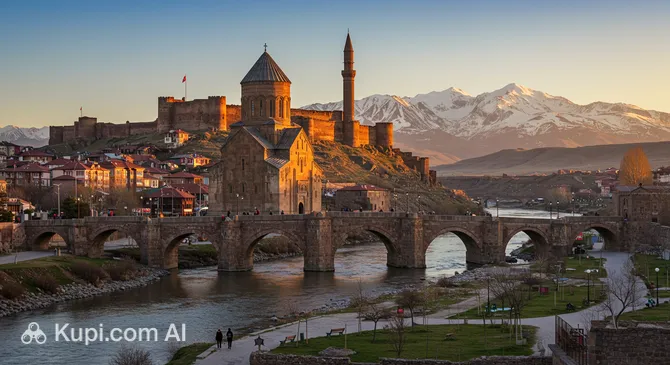
Kars. Source: Kupi.Binoculars

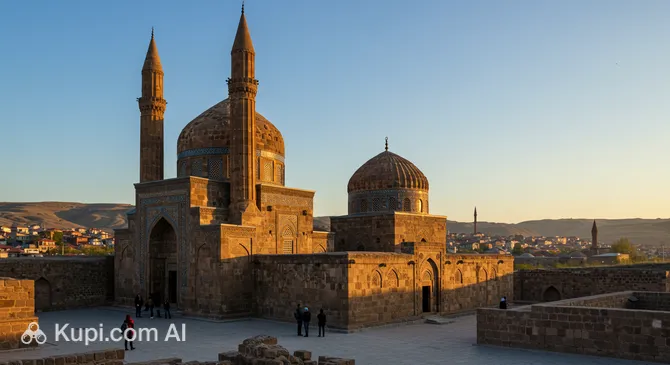
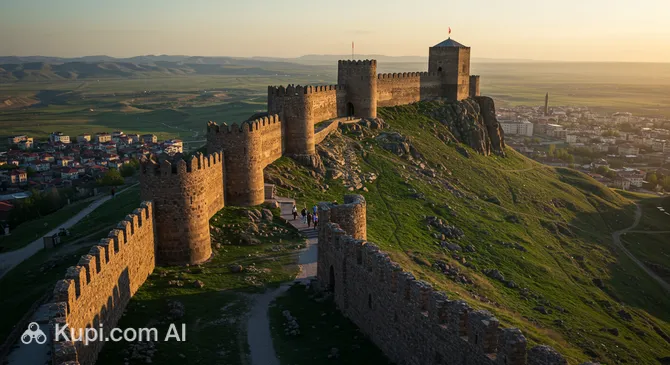
The region is steeped in heritage, having been a crossroads of civilizations for centuries. To truly appreciate the depth of local culture, one should explore the history of Kars, which reveals a tapestry woven by various empires and peoples. Dominating the skyline is the imposing Kars Castle, which offers panoramic views of the city and the river below. Another must-see landmark is the Kumbet Mosque, formerly the Church of the Apostles, which stands as a testament to the area's religious and architectural transformations.

Just a short drive from the city center lies the spectacular UNESCO World Heritage Site of Ani. These ancient ruins, often referred to as the "City of 1,001 Churches," provide a hauntingly beautiful glimpse into medieval times against a dramatic natural backdrop. Whether you arrive via the scenic Eastern Express train or by road, Kars promises an unforgettable journey filled with history, hospitality, and distinctive local flavors like its famous gruyere cheese and goose dishes.
Weather Overview

The climate in this region is strictly continental, shaped largely by its high altitude and distance from the coast. Visitors should anticipate distinct seasons, ranging from freezing, snowy landscapes to pleasantly mild days perfect for outdoor exploration. For a more detailed forecast to help with your packing list, you can consult the guide to the weather in Kars.

Winters are long and cold, with January being the coldest month, featuring an average temperature of -6.4°C and lows that can drop to -11.4°C. As the season shifts to spring, the weather becomes more dynamic; May is typically the wettest month, recording about 21 wet days despite moderate average temperatures of 9.6°C. This period often brings lush greenery to the surrounding plateaus.

Summer is generally considered the best time for sightseeing, particularly in August, when average temperatures reach a comfortable 18.1°C, with daily highs peaking around 24.9°C. Autumn arrives quickly, with November averages cooling down to 1.7°C. Generally, you can expect mild, agreeable summers with some rain and cold winters with low precipitation volume but freezing temperatures.

Interesting Facts

Beyond the main attractions, Kars holds many fascinating secrets that reveal its unique position at the crossroads of cultures. From its distinct urban layout to its literary fame, the city offers surprises for every visitor looking for something different.

  • Unlike the winding, labyrinthine streets found in most Anatolian cities, the center of Kars features a strict grid plan with wide avenues. This design is a legacy of the Russian occupation between 1878 and 1918, which also left behind impressive Baltic-style stone buildings. A striking example of this era is the Fethiye Mosque, which was originally constructed as a Russian Orthodox church and still retains its characteristic architectural features.

  • Kars is widely regarded as the cheese capital of Turkey, famous for its high-quality "Kars Gravyer," which is almost identical to Swiss Gruyère. This cheese-making tradition was introduced by Swiss/German colonists who settled here during the Russian administration. To honor this heritage, the city is home to the Kars Cheese Museum, the first and only museum in the country dedicated entirely to cheese.

  • The city gained international literary fame as the setting for the novel "Snow" (Kar) by Nobel Prize-winning author Orhan Pamuk. The book vividly captures the melancholic atmosphere of Kars under its signature heavy snowfall, drawing literary enthusiasts who come to experience the moody, poetic streets described in the story.

  • While Turkish cuisine is often associated with lamb and beef, Kars has a unique culinary culture centered around goose meat. Due to the harsh winters, locals have a long tradition of raising geese, and roasted goose served with bulgur pilaf is a celebrated winter delicacy that you won't easily find elsewhere in the country.

Kars Castle. Source: Kupi.Binoculars

How to Get There

Reaching this historic city in Eastern Anatolia is an adventure that rewards travelers with stunning high-altitude scenery. Whether you are planning to arrive by air or exploring land routes through the region, there are several convenient options to consider. For a detailed guide on all transport methods and logistics, you can read more about how to get to Kars.

The most direct and popular way to arrive is via Kars Airport (KSY), which is conveniently located just 4.6 km from the city center. As the primary hub for the province, it handles regular domestic flights, particularly from major Turkish cities. Once you land, the short journey into town takes approximately 27 minutes by taxi or shuttle bus. For those who cannot find a direct flight, Igdir airport (IGD) in the neighboring city of Igdir serves as a viable alternative. Situated about 96.2 km away, it requires a road transfer of roughly 2 hours and 45 minutes. Another option is Agri Airport (AJI) in Agri, located approximately 105.3 km from Kars, with a travel time of around 3 hours.

For clarity, here is a summary of the main airports in the wider region:

Airport Name City Passenger Traffic Km from City
Zvartnots International AirportYerevanLarge121.5
Kars AirportKarsMedium4.6
IgdirIgdirMedium96.2
Agri AirportAgriMedium105.3
Leninakan AirportGyumriSmall66.6

Regarding rail connections listed in the surrounding area, the options are situated at a significant distance from Kars and involve travel from neighboring regions. The Akstafa Railway Station is located in the city of Aghstafa, approximately 205.2 km away. A road journey from there to Kars would theoretically take around 5.5 hours. Additionally, the Zugdidi station is found in Zugdidi, roughly 235 km from the city. Travelers should carefully check local transport availability and border regulations when considering these distant hubs.

Below is a summary of these railway stations:

Station City Passenger Traffic Km to Center
Akstafa Railway StationAghstafaSmall205.2
ZugdidiZugdidi235.0

Main Attractions

Kars offers a fascinating array of landmarks that reflect its layered history as a frontier city between empires. Visitors can explore a mix of military fortifications, religious sites, and museums that tell the story of the region's diverse cultural heritage. From Russian architectural remnants to spiritual centers, the city's main sights provide a deep dive into the past of Eastern Anatolia.

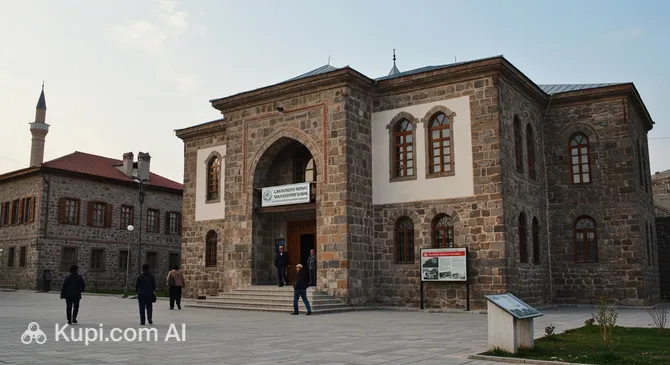
One of the most immersive historical experiences can be found at the Caucasus Front War History Museum. Housed within the restored 19th-century bastions, this museum is dedicated to the military history of the region, particularly the struggles during the Russo-Turkish wars. The exhibits include interactive dioramas, documents, and military equipment, all set within the atmospheric stone walls of the old fortification. It provides a poignant look at the soldiers and civilians who lived through these turbulent times.

Caucasus Front War History Museum. Source: Kupi.Binoculars

For those interested in the spiritual heritage of the city, the Hasan Harakani Tomb is a significant pilgrimage site. Located within the complex of the Evliya Mosque at the foot of the castle, this tomb honors Abu’l Hasan Harakani, an 11th-century Sufi scholar and saint who played a crucial role in the spread of Islam in Anatolia. The site is serene and beautifully maintained, attracting visitors who come to pay their respects and admire the traditional architecture of the surrounding complex.

To gain a broader understanding of the region's timeline, a visit to the Kars Museum is essential. This archaeological and ethnographic museum houses a rich collection of artifacts ranging from the Bronze Age to the Ottoman period. Highlights include findings from the ancient ruins of Ani, intricately carved wooden doors, and traditional costumes that showcase the local folklore. The garden also features interesting stone works, including tombstones with animal figures that are unique to this area.

Hasan Harakani Tomb. Source: Kupi.Binoculars

Architecture enthusiasts should not miss the Fethiye Mosque, a striking example of the city's Russian imperial legacy. Originally built as the Alexander Nevsky Church in the late 19th century, this building stands out with its Baltic architectural style, distinct from the typical mosques of Turkey. Its transformation from a church to a mosque symbolizes the shifting tides of history in Kars, and its preserved exterior remains a favorite subject for photographers walking through the city's grid-planned streets.

Local Cuisine

Local Cuisine:

The culinary culture of Kars is shaped significantly by its high altitude and harsh winters, resulting in a cuisine that is hearty, warming, and rich in flavors. Unlike the olive oil-based dishes of the Aegean, the food here relies heavily on high-quality meats, grains, and dairy products produced on the surrounding lush plateaus. Dining in this city is a comforting experience, often involving slow-cooked meals designed to energize travelers against the cold.

While the region is famous for its goose meat, which is salted, dried, and roasted to perfection, there are other unique dishes that define the local table. A favorite among locals is Hengel, a delicious pasta dish consisting of plain dough squares served with garlic yogurt and topped with sizzling butter and caramelized onions. Another warming specialty is Evelik soup, made from a local wild sorrel herb, which adds a pleasant tartness and is often cooked with lentils or bulgur.

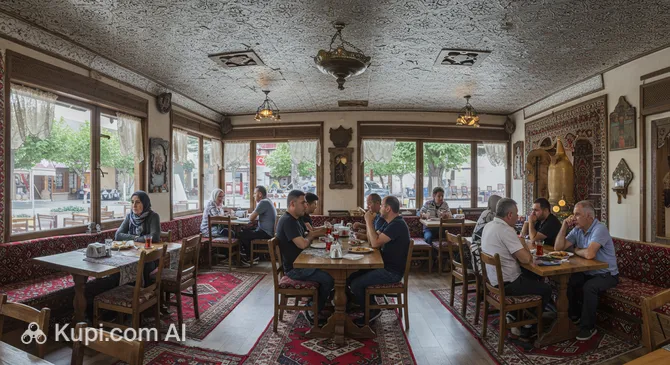
For those looking to experience the city's traditional flavors in an authentic setting, Kale Cafe & Restaurant is a popular choice. Located near the historic fortress, it offers a menu filled with regional classics and provides a cozy atmosphere where you can enjoy the view while savoring local hospitality. It is an excellent spot to try Piti, a slow-cooked stew of lamb and chickpeas infused with saffron, often served in individual clay pots.

Kale Cafe & Restaurant. Source: Kupi.Binoculars

Breakfast in Kars is a feast in itself, centered around the city's renowned dairy products. No culinary tour is complete without tasting the famous Kars Gravyer (Gruyere) and aged Kaşar cheese, often accompanied by organic honeycomb from the flower-rich meadows of the province. To wash it all down, locals prefer endless glasses of hot black tea, which is the standard beverage for socializing and staying warm throughout the day. In the evenings, you might also find traditional fruit sherbets or warm milk with honey as soothing non-alcoholic options.

Travel Tips

Visiting Kars is a unique experience, far removed from the typical sun-and-sea holiday often associated with Turkey. To ensure your journey through this high-altitude historic hub is smooth and enjoyable, here are some practical tips tailored to the local lifestyle and environment.

  1. Clothing and Gear: If you are visiting in winter, heavy-duty thermal wear, a windproof coat, and waterproof boots with good grip are non-negotiable, as temperatures often drop well below freezing. In summer, bring layers, as evenings on the plateau can still feel chilly. When visiting religious sites, women should have a scarf handy to cover their heads, and modest dress is appreciated.
  2. Transportation: The city center is compact and best explored on foot, thanks to its wide grid-planned streets. To reach the ancient ruins of Ani, public transport is scarce; it is best to negotiate a round-trip price with a local taxi driver or rent a car for the day. Taxis are generally affordable and reliable within the city limits.
  3. Finances: The currency is the Turkish Lira (TRY). While major hotels and restaurants in the center accept credit cards, cash is essential for small purchases, taxi rides, or buying local products like cheese. ATMs are plentiful in the city center, but it is wise to carry small notes for tips and minor expenses.
  4. Health and Safety: Pharmacies, known as Eczane, are widely available, with a specific "guard pharmacy" (nöbetçi eczane) remaining open at night on a rotating basis. Kars is generally very safe for tourists, but during winter, be extremely cautious of icy sidewalks and falling snow from rooftops.
  5. Communication: Turkish is the primary language, and English proficiency may be lower here compared to western tourist hubs. It is highly recommended to download an offline translation app and learn a few basic phrases like merhaba (hello) and teşekkürler (thank you). You can easily purchase SIM cards from major providers in the city center.
  6. Local Etiquette: Hospitality is central to the culture here; if a shopkeeper offers you tea, it is a gesture of friendship that is polite to accept. When entering a local home or a mosque, always remove your shoes. Greetings are usually warm, often involving a handshake.
  7. What to Avoid: Avoid taking photographs of military checkpoints or personnel, especially since Kars is a border province near Armenia. Additionally, public displays of affection should be kept modest to respect local conservative norms.
  8. Local Insight: If you plan to buy the famous Kars Gravyer or honey to take home, ask the shopkeeper to vacuum seal it for you. This is a common service in local delicatessens and ensures your luggage stays clean and odor-free during your travels.

With these preparations in mind, you are ready to embrace the rugged charm and warm hospitality of Kars. Whether you are chasing history at Ani or enjoying a snowy evening by a stove, this eastern frontier city promises a travel story like no other.

Entertainment & Nightlife

Nightlife in Kars offers a refreshing departure from the high-energy clubbing scenes found in Turkey’s western coastal cities. Instead of thumping discos and neon-lit dance floors, the evening entertainment here is deeply rooted in culture, conversation, and gastronomy. The city comes alive after dark in a cozy, intimate manner, where the primary social activity revolves around long, hearty dinners accompanied by traditional live music. This is the perfect place to experience the ancient "Ashik" (minstrel) tradition, where local bards perform folk songs and tell stories, often in dedicated "Türkü Bars" or family-run restaurants.

The heart of the city's social life beats along Faikbey Avenue and Kazım Karabekir Avenue. These wide, snow-dusted streets are lined with patisseries, tea houses, and cafes that stay open late, serving as warm gathering spots for locals and visitors alike. The atmosphere is relaxed and welcoming, with a dress code that is generally casual but modest. In the winter months, the warm glow of these venues against the snowy backdrop creates a magical, almost cinematic setting for an evening stroll.

For a memorable night out, dining is the main event. Many visitors head to establishments that offer the famous roasted goose dinner paired with local wine or raki. A standout option for an evening meal is the Kale Cafe & Restaurant. Situated with a commanding view of the fortress, it is particularly enchanting at night when the castle is illuminated. It offers a perfect vantage point to enjoy the city lights while savoring traditional regional dishes in a warm, rustic environment.

When planning your evening, keep in mind that the "night" starts relatively early here, especially in winter. Dinner service typically peaks around 7:30 PM to 8:30 PM. Prices are generally reasonable and lower than in major tourist hubs like Istanbul. From a safety perspective, Kars is very secure for night walks, though the primary hazard in winter is slippery, icy pavements. Taxis are plentiful and affordable, making them the best way to get back to your hotel after a night out.

Before the sun sets, the city offers plenty of daytime entertainment focused on cultural enrichment rather than adrenaline. History buffs can spend hours exploring the Kars Museum, which provides a comprehensive look at the region's archaeology and ethnography. For a truly unique experience, a visit to the Kars Cheese Museum is highly recommended; it is an interactive and fun way to learn about the city's culinary heritage before tasting the products yourself.

Parks & Museums

While Kars is often defined by its rugged mountains and winter snowscapes, the city also boasts culturally rich museums and revitalized green spaces that offer a breath of fresh air. Visitors will find that the city's parks are often integrated with its historical landmarks, creating a unique environment where nature and heritage coexist seamlessly.

The most prominent green space in the city is the recently developed Kars Valley (Kars Vadisi) Recreation Area. Situated at the foot of the fortress and along the banks of the Kars Stream (Kars Çayı), this landscaped area has transformed the city center. It features walking paths, ornamental pools, and sitting areas that provide a perfect vantage point for admiring the castle above. It is a favorite spot for locals to take evening strolls and enjoy the fresh plateau air. Another notable green spot is the Millet Garden (Millet Bahçesi), a spacious park designed for families and relaxation, offering a touch of tranquility amidst the urban grid.

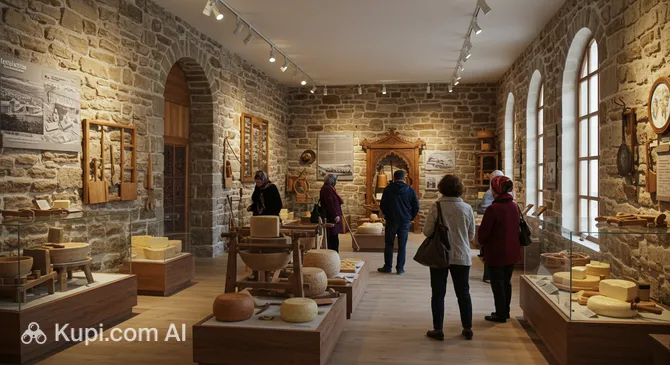
For a deep dive into the region's unique culinary heritage, the Kars Cheese Museum is an absolute must-visit. Housed within the historic Süvari Bastion, this is the first museum of its kind in Turkey. It offers an engaging journey through the production of the famous Kars Gravyer and other local dairy products, showcasing traditional tools and methods in an atmospheric stone setting.

Kars Cheese Museum. Source: Kupi.Binoculars

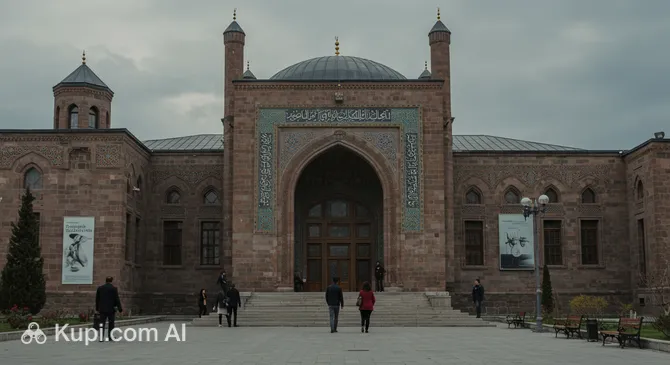
To understand the broader historical timeline of the province, travelers should explore the Kars Museum. This extensive facility serves as the primary guardian of the region's archaeology and ethnography. Its collection includes impressive artifacts from the Bronze Age, Urartian period, and the Seljuk era, with a special section dedicated to findings from the ancient ruins of Ani. The museum garden is also home to the "Kazım Karabekir Pasha Wagon," a historical train carriage of significant interest.

Kars Museum. Source: Kupi.Binoculars

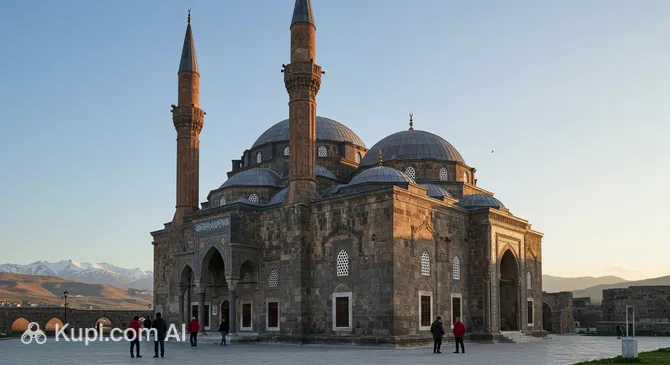
The city's architectural narrative is best told through its standing monuments. The Fethiye Mosque is a striking landmark that immediately captures attention with its Baltic-style architecture. Originally built as a Russian Orthodox church in the 19th century, its distinct stone masonry and design set it apart from traditional Anatolian mosques, serving as a tangible reminder of the city's multicultural past. Dominating the skyline above is Kars Castle, a formidable Seljuk-era fortress that not only provides a lesson in military history but also offers the best panoramic views of the city's grid layout and the surrounding plains.

Fethiye Mosque. Source: Kupi.Binoculars

For a truly authentic experience, take a walk across the historic Stone Bridge (Taş Köprü), which spans the Kars Stream near the castle. It is one of the oldest surviving structures in the city and offers a picturesque setting, especially at sunset when the light hits the dark basalt stones of the nearby bathhouses and fortifications.

Getting Around

Navigating Kars is surprisingly straightforward, thanks largely to its compact size and the unique grid-planned streets in the city center. For most tourists staying in the downtown area, the most efficient mode of transport is simply walking. The wide avenues and flat terrain make it easy to explore the main historical buildings, shops, and restaurants on foot without the need for a vehicle. However, for reaching the university, the suburbs, or specific points of interest on the outskirts, a reliable network of road-based public transport is available.

The backbone of the local public transportation system consists of municipal buses and privately operated minibuses known as dolmuş. The municipal buses generally serve longer routes connecting the city center with residential neighborhoods and the university campus. The dolmuş is a smaller, faster alternative that follows specific routes but offers more flexibility, stopping anywhere along the designated path to let passengers on or off. These minibuses are easily recognizable and are often the preferred choice for locals for short to medium-distance trips.

Regarding payment, the system varies slightly depending on the vehicle. Municipal buses typically operate on an electronic card system, often referred to as the city's transport card, which can be purchased and topped up at designated kiosks or dealers throughout the city. For the dolmuş, cash is still the standard method of payment. You simply hand the fare to the driver upon boarding; it is helpful to carry small change for these rides. Fares are generally very affordable, making public transport a budget-friendly option for visitors.

For those who prefer a more direct and private way to travel, yellow taxis are widely available 24/7. You can easily hail one on the street or find them waiting at designated taxi stands, particularly near the train station and major squares. Taxis operate on a meter system, and because distances within the city are short, rides are usually inexpensive. They are particularly useful if you are traveling with heavy luggage or returning to your accommodation late at night when bus services may be less frequent.

While the city center is well-connected, visiting the surrounding attractions, such as the ancient ruins of Ani, requires a bit more planning. Public transport to these remote sites is limited or non-existent. Therefore, renting a car is a highly popular option for tourists who want the freedom to explore the wider province at their own pace. Several car rental agencies operate within the city and at the airport. Alternatively, many visitors negotiate a half-day rate with a taxi driver for a round trip to Ani, which often includes waiting time while you explore the site.

A final practical tip concerns arrival and departure: shuttle buses coordinate with flight schedules to transport passengers between the city center and the airport. These shuttles are reliable and cost-effective. Overall, the transport system here is functional and easy to use, designed to support the daily life of a small but busy regional hub without the complexities of a large metropolitan network.

Accommodation

Where to Stay:

Accommodation in Kars has evolved significantly in recent years, largely driven by the growing popularity of winter tourism and the famous Eastern Express train. The city does not typically offer sprawling luxury resorts; instead, the charm of staying here lies in its unique boutique hotels. Many of the most sought-after lodgings are housed in restored Baltic-style stone buildings dating back to the Russian occupation. These historic structures, with their high ceilings and thick walls, offer a cozy and atmospheric stay that perfectly complements the city's nostalgic vibe. Alongside these characterful options, there are also standard mid-range city hotels and budget-friendly guesthouses available for travelers.

The best area to stay is undoubtedly the city center, particularly around the grid-planned streets such as Faikbey Avenue and Kazım Karabekir Avenue. Staying in this central district places you within easy walking distance of the main attractions, restaurants, and shops. For those who want a view, looking for accommodation near the foot of Kars Castle can be a great choice, offering dramatic scenery right from your window, especially when the fortress is illuminated at night. Since the city is compact, almost any location in the downtown area will be convenient for exploring on foot.

A crucial tip for booking is to plan well in advance if you intend to visit during the winter months, specifically from December to March. This is the peak season for the Eastern Express (Doğu Ekspresi), and the influx of domestic and international tourists often leads to fully booked hotels weeks ahead of time. Conversely, during the summer months, finding a room is generally easier and allows for more spontaneous travel plans.

Regarding costs, Kars is generally quite affordable compared to Turkey's western tourist hubs. Prices typically range from budget to mid-range, with even the top-tier boutique hotels offering reasonable rates by international standards. While major booking platforms work well for most established hotels, some smaller, family-run establishments may offer better rates if you contact them directly. Breakfast is almost always included in the room rate and is a highlight in itself, often featuring the region's famous cheeses, honey, and fresh pastries.

Nearby Cities

For those looking to explore the surroundings, Kars serves as an excellent base for day trips to several interesting nearby locations. The region is dotted with towns that offer distinct experiences, ranging from winter sports to historical exploration.

One of the most popular destinations is Sarikamis, located just a short drive away. It is renowned for its ski resort, which boasts unique "crystal snow" found only in the Alps and this region, making it a haven for winter sports enthusiasts. Beyond skiing, the town is historically significant and surrounded by beautiful Scots pine forests, perfect for nature walks in warmer months.

To the north lies Ardahan, a small provincial capital that offers an authentic glimpse into life on the high Anatolian plateau. Visitors can explore the historic Ardahan Castle and enjoy the serene landscapes of the Kura River. Another interesting option is Igdir, situated in a valley at the foot of Mount Ararat. Unlike the cold highlands, Igdir enjoys a microclimate that allows for the cultivation of cotton and fruits, offering a surprisingly different atmosphere and spectacular views of Turkey's highest peak.

City Population Distance (km)
Agri 149,188 98
Igdir 137,613 110
Sarikamis 42,683 52
Ardahan 42,226 66
Diyadin 42,123 128

These nearby destinations offer a glimpse into the diverse culture and landscapes of the region, allowing travelers to experience everything from snowy peaks to fertile valleys within a few hours of travel.

Shopping & Souvenirs

Shopping in Kars is a unique experience that focuses less on international fashion brands and more on authentic local produce, traditional crafts, and regional delicacies. The city offers a nostalgic atmosphere where commerce is driven by family-run businesses rather than massive retail chains. Visitors will find that the best items to buy here are deeply connected to the land and the culture, particularly the renowned dairy products and handicrafts that reflect the area's rich heritage.

The main commercial pulse of the city beats along Kazım Karabekir Avenue and Faikbey Avenue, as well as the intersecting streets in the city center. These wide, grid-planned boulevards are lined with a variety of shops ranging from clothing boutiques to electronics stores, but the real treasure troves for tourists are the delicatessens and souvenir shops scattered throughout this area. Walking these streets offers a pleasant mix of window shopping and observing local daily life.

Unlike larger Turkish metropolises, Kars does not have a culture centered around colossal modern shopping malls. While there are smaller shopping centers and modern retail outlets meeting the daily needs of residents, the city's charm lies in its street-level retail. Travelers looking for a generic mall experience might be disappointed, but those seeking genuine interaction with shopkeepers and unique local goods will find the high streets far more rewarding.

While there isn't a single covered "Grand Bazaar" in the style of Istanbul, the cluster of cheese and honey shops in the city center functions as a specialized market of its own. Often referred to locally as the "Cheese Sellers" area, these shops are a feast for the senses, displaying giant wheels of cheese and rows of golden honey jars. It is customary to taste before you buy, and shopkeepers are proud to explain the differences between various ages and types of their products.

When it comes to souvenirs, the undisputed king is cheese. The city is famous for Kars Gravyer, a holey, hard cheese similar to Swiss Gruyère, and aged Kaşar. To understand the significance of this heritage before purchasing, a visit to the Kars Cheese Museum provides excellent context. Beyond dairy, visitors should look for obsidian stone jewelry; this black volcanic glass is abundant in the region and crafted into beautiful prayer beads and accessories. Hand-woven kilims and carpets featuring Caucasian motifs are also prized items, reflecting the diverse cultural history of the province.

Stores in Kars typically operate from around 09:00 AM to 8:00 PM, though some food shops and delicatessens may stay open later, especially in the summer. Sunday hours can be reduced, with some smaller boutiques closing entirely. Credit cards are widely accepted in almost all established shops, restaurants, and hotels. However, it is always useful to carry some cash (Turkish Lira) for small purchases from street vendors or for buying small souvenirs.

Tax-free shopping (Tax Refund) is generally available in Turkey for foreign tourists, but it is mostly found in large chain stores or luxury boutiques which are less common in Kars. While you may find some authorized retailers offering tax-free forms for significant purchases, it is not a standard service in the traditional food and craft shops that make up the bulk of the city's tourist appeal. Always look for the "Tax Free" signage in the window or ask the staff before making a purchase if this is important to you.

Reached the end of the page?

That means the route is fully explored