Support

Bingöl

About

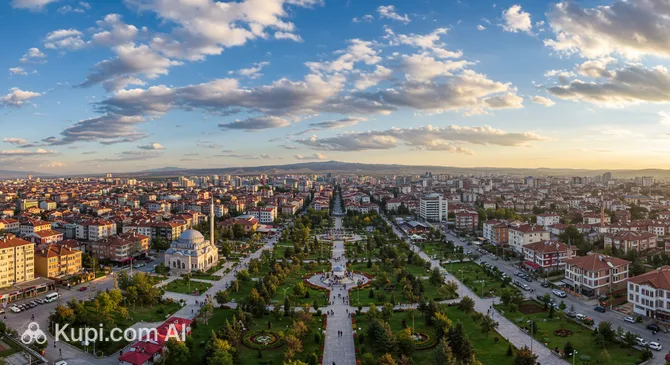
Nestled in the rugged landscapes of Eastern Anatolia, Bingöl is a city defined by its abundant water sources and pristine natural environment. Its name, which translates to "A Thousand Lakes," perfectly captures the essence of this region, known for its glacial lakes, mountain streams, and refreshing highland atmosphere. As a growing urban center with a population of approximately 160,000, it serves as a peaceful gateway for travelers wishing to discover the authentic culture and geography of eastern Turkey.

Bingöl. Source: Kupi.Binoculars

The city experiences a continental climate, characterized by warm summers and snowy winters, making it a versatile destination for year-round tourism. While exploring the history of Bingöl, visitors will learn about its past as a crossroads for ancient civilizations, including the Urartians and Romans. Although modern development has reshaped the city, the enduring spirit of the region is preserved in its local traditions and the hospitality of its people.

Nature lovers are drawn to Bingöl for its unique geological features and outdoor activities. The famous Floating Islands (Yüzen Adalar) in the nearby district of Solhan are a true natural wonder, consisting of soil masses that move independently on the surface of a crater lake. For winter sports enthusiasts, the Hesarek Ski Center offers excellent slopes and facilities, while those seeking relaxation can visit the therapeutic Kos Thermal Springs. Whether you are hiking through lush valleys or enjoying local cuisine, Bingöl invites you to experience a serene and beautiful side of Anatolia.

Weather Overview

The climate in this region is continental, marked by distinct seasonal changes that shape the local lifestyle and travel opportunities. Winters are generally cold and damp, with January being the coldest month, featuring average temperatures of -3.1°C and lows dipping to -7.1°C. In contrast, the summer months are warm and dry, particularly in August, when average temperatures rise to 24.3°C and daily highs can reach 32.3°C.

For those planning outdoor activities, it is important to note the precipitation patterns. Spring is the wettest season, with March seeing up to 18 wet days, while the summer months of July and August are extremely dry with almost no rainfall. To help you pack the right gear for your specific travel dates, you can check the detailed forecast for the weather in Bingöl. Overall, visitors should expect warm summers with clear skies and cold winters that often bring snow to the highlands.

Interesting Facts

Beyond the main attractions, Bingöl holds many fascinating secrets that are often overlooked by the casual visitor. From celestial phenomena to hidden geological marvels, here are some intriguing details about this Eastern Anatolian city.
  • A Sunrise to Rival the Alps: The district of Karlıova is famous for a unique sunrise phenomenon observed from the peak of Kala Hill. Between mid-July and mid-August, the sun can be seen rising in a spectacular display of changing colors—ranging from green to red—an event often compared to the renowned sunrises of Switzerland, yet it remains a hidden gem for dedicated nature enthusiasts.

  • World-Class Honey: The region is celebrated for producing some of the finest honey in the world, thanks to the incredibly diverse flora of its high-altitude plateaus. Bingöl honey has won prestigious awards at international apiculture congresses, owing its distinct flavor and quality to the hundreds of endemic plant species that thrive in the local mountains.

  • Hidden Fairy Chimneys: While Cappadocia is globally famous for its rock formations, Bingöl possesses its own lesser-known geological wonder: the Buban Fairy Chimneys. Located near the village of Oğuldere, these natural structures have been sculpted by wind and rain over centuries, creating a surreal landscape that is almost entirely untouched by mass tourism.

  • Ancient Cliff Dwellings: The Zağ Caves offer a glimpse into the distant past, featuring a multi-story settlement carved directly into a steep rock face overlooking the Murat River. Believed to date back to the Urartian or early Christian periods, this complex network of rooms and galleries served as a secure living space and grain storage, demonstrating the ingenuity of ancient inhabitants.

How to Get There

Reaching this part of Eastern Anatolia is becoming increasingly accessible, with air travel being the most convenient method for most visitors. Whether you are flying directly into the local hub or arriving at a larger regional airport nearby, the journey offers a chance to see the diverse landscapes of the region. For a detailed overview of all transport options, you can read more about how to get to Bingöl to plan your route effectively.

The city is served by its own facility, Bingol Airport (BGG), which is the most direct entry point. Located just 8.9 km from the city center, it is a small regional airport handling domestic flights. A taxi or shuttle ride from here to downtown is very quick, typically taking approximately 10-15 minutes.

Since the local airport has limited capacity, many travelers choose to fly into Diyarbakir Airport (DIY) in the neighboring city of Diyarbakir. It is a much larger hub situated approximately 113 km from Bingöl, offering more frequent connections. Another viable option is Elazig Airport (EZS) in Elazig, located roughly 109 km away. It is a medium-sized airport, and the drive to Bingöl takes a similar amount of time, allowing for flexibility depending on your flight schedule.

For clarity, here is a summary of the main airports:

Airport Name City Passenger Traffic Km from City
Diyarbakir Airport Diyarbakir Large 113.1
Elazig Airport Elazig Medium 109.0
Batman Airport Batman Medium 119.2
Mus Airport Mus Medium 102.3
Bingol Airport Bingöl Small 8.9

Main Attractions

Bingöl offers a blend of untouched natural beauty and cultural landmarks that provide a unique travel experience in Eastern Anatolia. From mysterious geological formations to serene religious sites, the city and its surroundings are perfect for explorers seeking off-the-beaten-path adventures. Here are some of the top places to include in your itinerary.

One of the most renowned natural spectacles in the province is the Floating Islands (Yüzen Adalar). Located in the Solhan district, this crater lake features three distinct soil masses that float independently on the water's surface. Visitors can actually step onto these moving islands, which drift gently with the wind or human interaction, offering a surreal and memorable experience surrounded by the tranquil scenery of the Aksakal Lake.

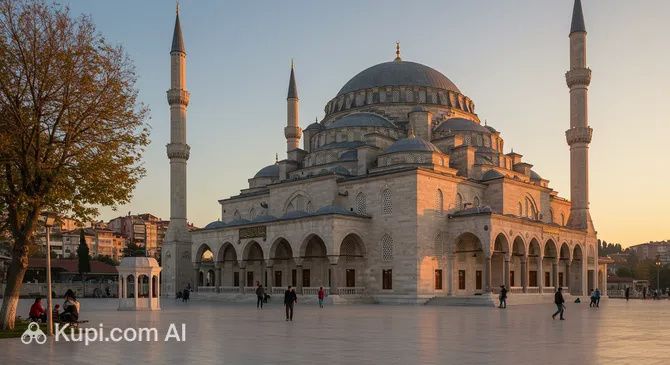
In the heart of the city stands the Grand Mosque of Bingöl, a prominent spiritual and architectural landmark. As a central gathering place for the local community, it reflects the city's devout character and resilience. The mosque is known for its spacious interior and peaceful atmosphere, making it a significant site for those wishing to observe the local culture and religious life.

Grand Mosque of Bingöl. Source: Kupi.Binoculars

For those visiting during the winter months, the Hesarek Ski Center is a major attraction. Situated on the slopes of Mount Hesarek, this facility boasts one of the longest ski seasons in the region due to the high quality of the snow. It caters to both amateur and professional skiers with well-maintained tracks and a chairlift, offering breathtaking panoramic views of the snow-capped peaks and the city below.

Another gem for nature lovers is the Çır Waterfall, located in the Uzundere region. Cascading from a height of approximately 50 meters, the waterfall creates a mesmerizing sight, especially during the spring thaw when the water flow is at its strongest. The surrounding area is rugged and picturesque, making it an ideal spot for hiking, nature photography, and enjoying a refreshing escape into the wild landscapes of Bingöl.

Local Cuisine

The local cuisine of Bingöl is a reflection of its high-altitude geography and pastoral lifestyle, heavily relying on fresh dairy products, grains, and high-quality meat. Because livestock farming is a primary livelihood in the region, the dishes here are hearty, organic, and simple yet incredibly flavorful. Visitors will find that the food is designed to provide energy for the cold winters and active days, with butter, yogurt, and lamb playing starring roles in many traditional recipes.

One of the most distinctive dishes you must try is Sorina Pel. This savory meal consists of layers of thin, freshly baked flatbread (yufka) that are rolled and arranged on a tray, then generously doused in a warm garlic-yogurt sauce and topped with sizzling melted butter. Another local favorite is Mastuva, a rich, porridge-like dish made from rice, flour, and yogurt, often enjoyed communally. For those who love pastries, Löl (or Löll) is a celebrated type of börek filled with cheese, parsley, or minced meat, known for its flaky texture and often baked in stone ovens.

When it comes to beverages, the local culture is dominated by non-alcoholic options that complement the rich food. Ayran, a salted yogurt drink, is the standard accompaniment to meat dishes, served frothy and cold. Given the region's abundance of natural water sources and high-quality milk, the ayran here is exceptionally creamy. After meals, endless glasses of black Turkish tea are served, which is central to social life. You might also encounter herbal teas made from local mountain plants, or refreshing sherbets made from mulberries or grapes in the summer.

The dining scene in Bingöl is unpretentious and revolves around traditional "lokantas" (tradesmen restaurants) and family-run eateries rather than upscale fine dining. The atmosphere is warm and welcoming, with a strong emphasis on hospitality. Locals typically eat fresh bread with every meal, often baked in traditional tandoors. While exploring the city center, look for small bakeries and restaurants where you can see the food being prepared; this is often where you will find the most authentic taste of the region's culinary heritage.

Travel Tips

Visiting Bingöl offers a rare opportunity to experience the authentic lifestyle of Eastern Anatolia, but its rugged geography and traditional culture require a bit of preparation. To help you navigate the city with ease and make the most of your journey to the "City of a Thousand Lakes," here are some essential practical tips.

  1. Clothing and Gear: The climate here varies significantly by season, so pack accordingly. If you are visiting in winter for the Hesarek Ski Center, thermal underwear, waterproof boots, and heavy coats are non-negotiable due to sub-zero temperatures. Summers are warm and dry, suitable for light, breathable fabrics; however, nights can still be cool. Since Bingöl is a relatively conservative city, it is respectful to dress modestly—covering shoulders and knees is recommended for both men and women, and women should carry a scarf for visiting religious sites like the Grand Mosque.
  2. Transportation: Within the city center, you can easily get around on foot or by using the extensive network of dolmuş (shared minibuses) and municipal buses, which are affordable and frequent. Taxis are also readily available and reasonably priced for short distances. However, to reach the famous Floating Islands in Solhan or the Çır Waterfall, renting a car is highly recommended, as public transport to these remote natural sites can be sporadic or non-existent.
  3. Finances: The local currency is the Turkish Lira (TRY). While credit cards are accepted in hotels, larger supermarkets, and some restaurants in the city center, cash is still king in smaller shops, traditional lokantas, and rural areas. ATMs are plentiful in downtown Bingöl, but it is wise to withdraw enough cash before heading out on excursions to the countryside. Tipping is appreciated; leaving about 5-10% in restaurants is a kind gesture.
  4. Health and Safety: Bingöl is generally a safe and peaceful city for tourists. Pharmacies, known as Eczane, are widely available; if you need one at night or on Sunday, look for the designated "Nöbetçi Eczane" (pharmacy on duty). Tap water is often sourced from natural springs, but for short-term visitors, sticking to bottled water is the safest bet to avoid any stomach adjustments. In case of emergency, dial 112 for an ambulance.
  5. Communication: Turkish is the primary language spoken here, and English proficiency is generally low outside of major hospitality venues. It is highly practical to download an offline translation app and learn a few basic phrases like Merhaba (Hello) and Teşekkürler (Thank you). Locals are incredibly helpful and will often try to assist you even if there is a language barrier, so a smile and patience go a long way.
  6. Local Etiquette: Hospitality is a cornerstone of life in Bingöl. If a shopkeeper or local invites you for a glass of tea (çay), accept it if you have the time, as this is a sign of friendship and welcome. When entering a private home or a mosque, always remove your shoes. Public displays of affection should be kept to a minimum to respect local social norms.
  7. What to Avoid: Do not take photographs of local people, especially women or elderly residents, without asking for their explicit permission first. Also, avoid bluntly refusing hospitality; if you cannot accept an offer of food or tea, decline politely with a hand over your heart to show gratitude and respect.
  8. Local Souvenir Tip: Don't leave without buying a jar of local honey. Bingöl honey is world-renowned and has won international awards for its quality. Purchasing it directly from local bazaars or producers in the city center ensures you get the authentic product at a fair price, rather than buying it at transit points.

By keeping these practicalities in mind, you will be well-equipped to explore the mountains, lakes, and cultural depth of this unique province. The people of Bingöl are known for their warmth, and a little cultural awareness will ensure your interactions are as memorable as the stunning landscapes surrounding you.

Entertainment & Nightlife

Entertainment and nightlife in Bingöl differ significantly from the energetic club scenes found in Turkey's western coastal cities. Instead of loud discotheques and late-night bars, the evening atmosphere here is defined by a vibrant café culture, long conversations over tea, and social gatherings that reflect the city's warm, community-focused lifestyle. The presence of Bingöl University has injected a youthful energy into the city, leading to a growing number of modern venues where students and locals socialize until late hours.

The heart of the city's social life beats along Genç Caddesi (Genç Street) and Kültür Caddesi (Culture Street). As the sun sets, these avenues come alive with families and groups of friends strolling or settling into the many patisseries and bistros lining the sidewalks. The vibe is relaxed and welcoming, with traditional Turkish folk music often playing in the background. Dress codes are casual but generally modest, respecting the local conservative culture. Most venues are alcohol-free, focusing instead on high-quality tea, coffee, and desserts, though some hotel restaurants may offer a wider selection of beverages.

For those looking for specific places to enjoy an evening out, Kahve Diyarı is a popular spot on the main thoroughfare, offering a comfortable environment for coffee and conversation. Another favorite among locals for late-night sweets and socializing is Mado, known for its famous ice cream and pastries. If you are seeking a more formal dining experience or a place that might serve international cuisine, the restaurant at the Berti Hotel is one of the premier establishments in the city, providing a refined atmosphere and a view of the urban landscape.

Practical advice for a night out in Bingöl is simple: the "night" typically winds down earlier than in metropolis hubs, with most cafes closing around midnight. Prices are very affordable compared to western Turkey, making it easy to enjoy a generous feast or several rounds of tea without breaking the bank. Getting around is straightforward; the city center is compact enough to walk, but yellow taxis are plentiful and can be easily hailed from street corners or taxi stands if you are returning to your hotel late.

In terms of safety, Bingöl is generally very secure for evening walks, especially on the well-lit main streets like Genç Caddesi. The local community is hospitable, and tourists can feel comfortable exploring the central districts. However, as with any travel destination, it is wise to stay in populated areas and keep the phone number of a local taxi stand handy. If you need a ride, simply look for the designated "Taksi" signs or ask a restaurant waiter to call one for you.

While the evenings are for relaxing, daytime entertainment in Bingöl offers its own charm. Visitors can explore the Bingöl City Park for a leisurely afternoon or visit local cultural centers that occasionally host theater performances and exhibitions. Although the city lacks large amusement parks or extensive museum complexes, the surrounding nature serves as the ultimate playground, and the city's parks provide a green oasis for picnics and family activities before the sun goes down.
Parks & Museums

Bingöl is a destination where cultural heritage is inextricably linked with the natural environment. While the city may not feature the extensive museum districts found in Turkey's larger metropolitan areas, it offers a wealth of serene green spaces and open-air historical sites that allow visitors to connect deeply with the local geography and its ancient past.

For those seeking relaxation within the urban center, Bingöl City Park (Şehir Parkı) serves as the main green lung of the community. It is a popular gathering spot for families and students, featuring walking paths, shaded seating areas, and playgrounds. It provides a peaceful escape from the bustling streets and is an excellent place to observe local social life. Just outside the city limits, the Floating Islands Nature Monument acts as a protected natural park. This unique area is not only a geological wonder but also a serene wetland habitat, offering wooden walkways that allow visitors to navigate the marshy terrain and observe the floating soil masses up close.

The museum scene in Bingöl is developing, with the city's history currently best explored through its archaeological landmarks rather than traditional indoor galleries. The region is often described as an "open-air museum" due to the remnants of Urartian and Roman civilizations scattered throughout the province. Visitors interested in history should view the Zağ Caves as a primary cultural exhibit; this ancient multi-story rock settlement carved into cliffs functions as a living gallery of the region's early architectural ingenuity.

Among the most significant architectural landmarks is the Grand Mosque of Bingöl. Standing as a symbol of the city's spiritual resilience, this structure is modern yet deeply rooted in the local Islamic tradition. Its architecture is functional and spacious, designed to accommodate large congregations, and it serves as the beating heart of the city's religious activities. Another key historical site is the Kiğı Castle (Kiğı Kalesi), located in the nearby Kiğı district. Perched on a steep hill, this fortress dates back to the Urartian period and offers commanding views of the valley, standing as a testament to the strategic importance of this region throughout antiquity.

For an authentic local experience, head to the banks of the Gayt Stream during the weekend. This area is a favorite for the local tradition of riverside picnics. Joining the residents here for a barbecue or a pot of tea by the water offers a genuine glimpse into the hospitable and nature-loving lifestyle of Bingöl.

Getting Around

The public transport system in Bingöl is straightforward and compact, relying entirely on road-based vehicles rather than rail systems like metros or trams. For visitors, this makes navigating the city relatively simple, as there are no complex transfer networks to master. The city center is small enough to explore largely on foot, but for reaching the university, hospitals, or outlying districts, motorized transport is essential.

The backbone of local transportation consists of municipal buses (Belediye Otobüsü) and privately operated minibuses, known locally as dolmuş. Municipal buses typically operate on fixed schedules and connect the city center with major residential areas and public institutions. The dolmuş system is more flexible and frequent; these smaller vans follow specific routes but can stop anywhere along the way to pick up or drop off passengers. You will often see them with placards in the front window indicating their destination, such as "Üniversite" (University) or "Düzağaç".

Regarding payment, the systems differ depending on the vehicle. Municipal buses usually employ an electronic card system or contactless payment methods, bringing modern convenience to the transit network. You can purchase or top up these travel cards at designated kiosks and filling points throughout the city. Conversely, the dolmuş culture is still largely cash-based. When you board a minibus, you simply hand the fare directly to the driver. Prices are very affordable, and it is advisable to carry small change (coins or small banknotes) to make the transaction smoother.

For tourists, the dolmuş is often the most practical option due to its frequency. To catch one, simply stand by the side of the road along the route and wave your hand. To get off, you can say "Müsait bir yerde" (At a convenient place), and the driver will pull over safely. Public transport typically operates from early morning, around 6:30 AM, until approximately 11:00 PM. However, service frequency drops significantly later in the evening and on weekends, so planning ahead is wise if you are out late.

Taxis are a readily available and convenient alternative, especially if you are traveling with luggage or visiting locations not served by the main bus routes. Recognizable by their bright yellow color, taxis in Bingöl run on a meter system (taksimetre). They can be found at designated stands (taksi durağı) or hailed on the street. They are reasonably priced compared to larger cities and offer a reliable way to get around the clock.

For those wishing to explore the wider province, such as the Floating Islands or the ski center, renting a car is highly recommended. While there are no car-sharing apps or bike rental schemes widely available for public transport purposes, several local car rental agencies operate in the city center. Having your own vehicle provides the freedom to reach the beautiful natural sites of the region that are otherwise difficult to access via standard public transit.

Accommodation

Accommodation in Bingöl is primarily designed to meet the needs of business travelers, government officials, and visitors to the local university, resulting in a selection that is functional, comfortable, and generally affordable. The city does not feature ultra-luxury international chains; instead, you will find a range of reliable mid-range hotels, local guesthouses, and thermal resorts that reflect the region's hospitality. For those seeking relaxation, the province's geothermal resources have led to the development of specialized thermal hotels, particularly in the nearby town of Ilıcalar, offering spa facilities and therapeutic waters.

The most convenient area to stay is the city center (Merkez), particularly around Genç Street and Culture Street. Staying here places you within walking distance of the main dining spots, local administrative buildings, and public transport hubs, making it easy to explore the city without a car. For travelers focused on wellness, the Ilıcalar district, located just a short drive from the center, provides a quieter atmosphere where hotels are often integrated with hot spring baths. If you are visiting for the winter sports season, staying in the city center is still a viable option, as the ski resort is accessible via a short daily commute.

Booking accommodation in Bingöl is relatively straightforward, but it is advisable to reserve your room in advance if you plan to visit during the peak winter skiing months or mid-summer. Prices are generally lower than in Turkey's western tourist hubs, offering excellent value for money. While the larger hotels are listed on major international booking platforms, some smaller local establishments and teachers' houses (Öğretmenevi) may require direct contact or booking upon arrival. Most hotels offer breakfast as part of the room rate, featuring fresh local produce like honey and dairy.

Nearby Cities

For those looking to explore the surroundings, Bingöl serves as an excellent base for day trips to several interesting nearby locations:

City Population Distance (km)
Mus 193394 88
Ergani 130105 94
Tunceli 38504 86
Genc 38428 16
Dicle 38220 68

Tunceli is a standout destination for nature lovers, located roughly 86 km away. It is the gateway to the magnificent Munzur Valley National Park, an area renowned for its biodiversity, dramatic canyons, and the pristine Munzur River. Visitors flock here for outdoor activities such as rafting, hiking, and camping, as well as to experience the unique local culture and hospitality that defines the province.

For history enthusiasts, Muş offers a deep dive into the region's past. Situated about 88 km from Bingöl, this city has been a settlement since ancient times and features several historical mosques and the remnants of its old citadel. It is particularly significant for its proximity to the Malazgirt battlefield, a site of immense historical importance in Anatolian history, making it a compelling stop for those interested in heritage tourism.

Another fascinating option is Ergani, located approximately 94 km away. This town is home to the ancient archaeological site of Çayönü, which provides evidence of some of the earliest farming communities in history. Nearby, the Hilar Caves offer further insight into the region's ancient rock-cut architecture, making Ergani a perfect day trip for archaeology buffs.

These nearby destinations offer a glimpse into the diverse culture and landscapes of the region.

Shopping & Souvenirs

Shopping in Bingöl offers a distinct departure from the glitzy mega-malls of the western metropolises. Instead, visitors will find an authentic experience rooted in traditional bazaars, small family-run businesses, and street-side vendors. The city's commercial life centers around connecting with producers directly, making it an excellent place to purchase organic foods and handcrafted items that reflect the region's rich agricultural heritage.

The main pulse of retail activity can be found along Genç Caddesi (Genç Street) and Kültür Caddesi. These bustling avenues are lined with a variety of shops selling everything from clothing and textiles to local delicacies. Walking down these streets allows travelers to mingle with locals and discover small bakeries, spice shops, and jewelers hidden in plain sight. For those seeking a more modern retail environment, the Kalium AVM (Bingöl Park Shopping Center) provides a selection of well-known brands, a food court, and entertainment facilities, serving as the city's primary modern shopping hub.

When it comes to souvenirs, Bingöl honey is the undisputed star. Renowned worldwide for its exceptional quality and purity, this honey is produced in the high-altitude plateaus where endemic wildflowers thrive. It has won prestigious international awards, making it a must-buy gift for anyone visiting Turkey. Visitors should look for certified local producers or specialty shops in the city center to ensure they are purchasing the genuine product.

Beyond honey, the region is famous for its natural food products. Travelers should look out for:

  • Dried Mulberries and Walnuts: Grown in the fertile valleys, these are popular snacks and are often sold in bulk at local markets.
  • Pestil: A traditional fruit leather made from mulberry or grape molasses, often stuffed with walnuts, providing a sweet and energetic treat.
  • Handicrafts: While less common than food items, you can still find hand-woven kilims (rugs), saddlebags, and thick woolen socks in traditional bazaars, showcasing the weaving skills passed down through generations in the surrounding villages.

As with many places in the region, cash is the preferred method of payment in smaller shops and traditional markets. While the modern shopping center accepts credit cards, having Turkish Lira on hand is essential for buying fresh produce or handicrafts from local artisans. Bargaining is not as aggressive here as in major tourist hubs, but a polite negotiation is often expected and welcomed in the bazaars.

Reached the end of the page?

That means the route is fully explored