Support

Qamishli

About

Qamishli is a vibrant and culturally diverse city located in the northeastern corner of the Syrian Arab Republic. Situated near the border with Turkey and the Jaghjagh River, it serves as a significant urban center in the Al-Hasakah Governorate. The city is known for its unique atmosphere, characterized by a rich blend of traditions and a welcoming spirit that reflects the mosaic of communities living there.

With a population of approximately 200,000 inhabitants, Qamishli acts as a major commercial and agricultural hub for the region. The city experiences a semi-arid climate, generally featuring hot, dry summers and cool, wet winters, which makes the transitional seasons of spring and autumn particularly pleasant for exploration. Its geographical position near the foothills of the Taurus Mountains adds a subtle scenic backdrop to the urban landscape.

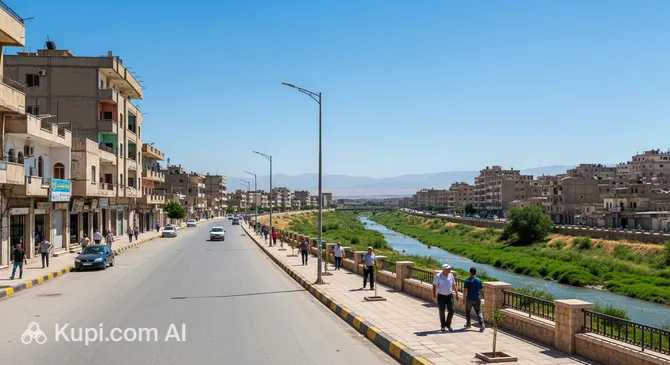
Qamishli. Source: Kupi.Binoculars

Although it was established as a modern settlement in the 1920s, the history of Qamishli is fascinating due to the rapid development and the convergence of various ethnic groups, including Assyrians, Kurds, Armenians, and Arabs. This multicultural heritage is best experienced in the city's lively streets, where the aromas of local spices and the sounds of different languages create a distinct sensory experience.

Visitors to Qamishli can enjoy a stroll along the banks of the Jaghjagh River, which winds through the city and provides a refreshing natural element to the town center. The local souq (market) is another highlight, offering a glimpse into daily life and a chance to discover local crafts and produce. Whether you are interested in cultural immersion or simply observing the dynamics of a bustling regional center, Qamishli offers an authentic and memorable travel experience.

Weather Overview

The climate in Qamishli is generally semi-arid, characterized by distinct seasonal contrasts that shape the local lifestyle. Visitors can expect intensely hot, dry summers and cool, damper winters. The city enjoys plenty of sunshine throughout the year, though the temperature shifts significantly between the peak seasons.

During the summer months, particularly July and August, the heat is pronounced, with average temperatures hovering around 32°C and daily highs frequently reaching nearly 40°C. Rainfall is virtually non-existent during this time, providing long, clear days. In contrast, winter brings a noticeable change; from December to February, average temperatures drop to between 6°C and 9°C, with lows dipping near 2°C. This period also sees the highest frequency of precipitation, with January experiencing up to 12 wet days.

For those planning a trip, the transitional seasons of spring and autumn offer the most pleasant conditions. April, May, and October feature comfortable average temperatures ranging from 16°C to 22°C, making them ideal for exploring the city. You can find more detailed forecasts and seasonal averages on the page dedicated to the weather in Qamishli.

Interesting Facts

Beyond the main attractions, Qamishli holds many fascinating secrets that reveal its unique character. This city, though relatively young in its modern form, offers several surprising details for those who look closer.

  • The Meaning of the Name: The name "Qamishli" is widely believed to be derived from the Turkish word kamış, which means "reed." This refers to the abundant reed beds that historically grew along the banks of the Jaghjagh River, a tributary that flows through the city and has nurtured the area for generations.

  • A Modern Grid Layout: Unlike many older cities in the region, which are famous for their winding, maze-like medinas, Qamishli features a distinctive grid plan. Established in the 1920s, the city was designed with wide, straight streets, giving it a more modern and organized urban structure compared to its ancient neighbors.

  • A Tale of Two Cities: Qamishli is geographically the twin of Nusaybin, a city located just across the border in Turkey. The two settlements are separated only by a railway line and the border fence, meaning that in many parts of Qamishli, the houses and streets of the neighboring country are clearly visible, creating a unique visual connection.

How to Get There

Reaching this part of the region requires some planning, as travel routes can vary based on your point of origin and current regulations. For a comprehensive guide on the best ways to reach the city, you can read more about how to get to Qamishli and choose the option that suits your itinerary best.

The primary gateway for air travel directly into the city is Qamishli Airport (KAC). It typically serves domestic flights, connecting the city with the capital, Damascus, and occasionally other regional destinations. For most travelers, flying into Damascus and taking a connecting flight is the most reliable method of arrival.

Geographically, the city is situated very close to several airports in neighboring Turkey, though these are separated by the international border. The nearest facility is Mardin Airport (MQM), located approximately 56 km away in Mardin. Another option in the vicinity is Şırnak Airport (NKT), situated about 81.5 km from Qamishli, and Batman Airport (BAL), which is roughly 97.6 km away. While these airports are physically close, utilizing them involves crossing the border, which is subject to specific travel regulations and procedures.

For reference regarding the regional transport infrastructure, here is a summary of the main airports located in the wider geographical area:

Airport Name City Passenger Traffic Km from City
Diyarbakir Airport Diyarbakir Large 130.1
Mardin Airport Mardin Medium 56.1
Batman Airport Batman Medium 97.6
Şırnak Airport Cizre Medium 81.5
Siirt Airport Siirt Small 115.9

Main Attractions

Qamishli offers a unique blend of cultural heritage and local charm, making it a fascinating destination for those looking to explore the diversity of the region. While it is a relatively modern city, its attractions reflect the rich tapestry of communities that call it home, from bustling markets to serene places of worship.

The Qamishli Souq is the beating heart of the city and a must-visit for any traveler wanting to experience local life. This vibrant central market is a sensory delight, filled with the aroma of freshly ground spices, the bright colors of textiles, and the sounds of merchants negotiating in multiple languages. It is the perfect place to find traditional handicrafts, sample local sweets, or simply observe the daily rhythm of the city in a lively atmosphere.

For those interested in architecture and spiritual history, Saint Mary’s Church stands as a significant landmark. This beautiful church serves as a testament to the city's long-standing Christian community and its multicultural identity. Visitors are often drawn to its peaceful courtyard and the intricate details of its design, which offer a quiet retreat from the bustle of the urban center and a glimpse into the religious traditions of the area.

Another prominent architectural highlight is the Zain al-Abidin Mosque. Known for its distinctive minarets and grand structure, it is one of the most recognizable buildings in Qamishli. The mosque is not only a place of worship but also a symbol of the city's Islamic heritage. Its exterior features impressive craftsmanship that attracts photographers and admirers of religious architecture alike.

Just a short distance from the city lies Tell Mozan, the site of the ancient city of Urkesh. This archaeological gem is fascinating for history enthusiasts, as it dates back thousands of years and was once a major political and religious center of the Hurrians. Exploring the excavations provides a rare window into the early civilizations of Mesopotamia and adds a deep historical dimension to a visit to the region.

Local Cuisine

The local cuisine of Qamishli is a delightful reflection of its diverse cultural heritage, blending Kurdish, Arab, Assyrian, and Armenian influences into a unique gastronomic experience. Situated in the fertile plains of the Al-Hasakah region, the city is known for its fresh ingredients and hearty, flavorful meals. Food here is more than just sustenance; it is a symbol of the region's legendary hospitality and a central part of daily social life.

One of the signature dishes you must try is Kutilk, a local variation of the famous kibbeh. Unlike the fried version common elsewhere, these are often boiled dumplings made from bulgur wheat and semolina, stuffed with spiced minced meat and onions. Another staple is Lahm bi ajin, a thin, crispy flatbread topped with a savory mixture of ground meat, tomatoes, and peppers. It is widely available at local bakeries and makes for a perfect quick lunch, often enjoyed with a squeeze of fresh lemon and a handful of parsley.

When it comes to beverages, the choices are just as varied. To beat the dry summer heat, locals frequently drink Ayran, a cold, salted yogurt drink that pairs perfectly with grilled meats and spicy dishes. Tea culture is also deeply ingrained, with strong, sweet black tea served in small glasses throughout the day. In the evenings, particularly within the Christian communities, you might find Arak being served—an anise-flavored alcoholic spirit that is traditionally diluted with water and ice, turning it a milky white.

The food culture in Qamishli is best experienced in its bustling streets and markets rather than just in formal restaurants. The city center is dotted with small eateries and street food stalls serving sizzling shawarma and falafel. For a truly authentic experience, a visit to the local market offers not only the chance to buy fresh produce and aromatic spices but also to taste traditional sweets and pastries fresh from the oven, surrounded by the lively chatter of the locals.

Travel Tips

Visiting Qamishli offers a unique opportunity to experience the rich cultural tapestry of northeastern Syria, but like any destination off the beaten path, it requires a bit of practical preparation. To help you navigate the city with ease and respect for local customs, we have compiled a set of essential tips that will ensure your journey is smooth and enjoyable.

  1. Clothing and Gear: Since Qamishli experiences a semi-arid climate, your wardrobe should be practical and modest. In the scorching summer months, lightweight, breathable fabrics like cotton and linen are essential, while the cool, wet winters require warm layers and a waterproof jacket. Regardless of the season, modest dress is appreciated; men should generally wear long trousers, and women should avoid revealing attire. If you plan to visit religious sites like the Zain al-Abidin Mosque, a headscarf for women and conservative clothing for everyone are required. Comfortable walking shoes are a must for exploring the unpaved sections of the market.

  2. Transportation: The most convenient way to get around Qamishli is by taxi. Yellow taxis are plentiful and relatively affordable, but they often do not use meters, so it is standard practice to negotiate and agree on the fare before starting your journey. Public minibuses serve various routes, but they can be crowded and confusing for visitors who do not speak the local language. For exploring the city center and the souq, walking is often the best option.

  3. Finances: The local currency is the Syrian Pound (SYP). It is critical to know that Qamishli is a cash-based economy. International credit and debit cards are generally not accepted due to infrastructure and banking limitations. You should bring sufficient hard currency (such as USD or EUR) in cash and exchange it at authorized exchange offices or jewelry shops, which often function as currency exchangers. Always carry small denominations for taxi fares and small purchases in the souq.

  4. Health and Safety: Pharmacies are widely available throughout the city and are usually marked with a Green Cross; many pharmacists speak some English and can provide over-the-counter remedies. However, if you have specific prescription needs, bring an adequate supply with you. As a general precaution, stick to drinking bottled water rather than tap water. Regarding safety, it is advisable to stay in well-lit, populated areas and keep your identification documents with you at all times.

  5. Communication: The primary languages spoken are Arabic and Kurdish, reflecting the city's diverse demographics. While you may find some English speakers among younger people or in professional settings, it is not widely spoken in daily street interactions. It is highly recommended to download an offline translation app and learn a few basic phrases like Marhaba (Hello) and Shukran (Thank you). Buying a local SIM card is possible at mobile shops in the city center to stay connected.

  6. Local Etiquette: Hospitality is a cornerstone of life in Qamishli. If you are invited for tea or coffee, it is polite to accept, as refusing might be seen as rude. When greeting people, a handshake is common, but wait for a member of the opposite sex to extend their hand first. Always use your right hand for eating, passing money, or shaking hands. If you are invited into a local home, remember to remove your shoes at the door unless told otherwise.

  7. What to Avoid: Be very cautious with photography. Avoid taking photos of government buildings, military installations, or security personnel, as this is strictly prohibited and can lead to serious misunderstandings. Additionally, avoid public displays of affection, which are considered culturally inappropriate in this conservative society.

  8. Market Life Hack: If you are visiting during the hot summer months, do as the locals do and avoid shopping in the early afternoon. Many shops in the souq may close for a few hours during the hottest part of the day. The city comes back to life in the late evening, when the temperature drops, making it the perfect time to explore the markets and enjoy the social atmosphere.

By keeping these practical tips in mind, you will be well-equipped to navigate the daily rhythm of Qamishli. Embracing the local pace of life and showing respect for the city's traditions will not only make your trip easier but will also open doors to warm interactions and authentic experiences with the friendly local community.

Entertainment & Nightlife

Entertainment and nightlife in Qamishli offer a distinct social experience that revolves heavily around communal dining, lively conversation, and the city’s rich cafe culture. Unlike the high-energy clubbing scenes found in larger metropolitan capitals, the evening atmosphere here is more relaxed and intimate, characterized by long dinners that stretch late into the night and vibrant street life during the warmer months.

The epicenter of the city's nightlife is undoubtedly the Al-Wusta neighborhood (the Christian Quarter). This district is famous for its open-minded atmosphere and is the primary area where you can find restaurants and bars serving alcohol. Here, the evenings are animated, with locals gathering to enjoy traditional meze accompanied by Arak, the local anise-flavored spirit, or Syrian wine. The vibe is welcoming and often features live music, ranging from traditional folk songs to modern Arabic pop, creating a festive environment suitable for both friends and families.

Another bustling hub for evening entertainment is Al-Siyahi Street (Tourism Street). This thoroughfare comes alive after sunset, lined with numerous cafes, ice cream parlors, and eateries. It is the perfect place for a shisha (hookah) session or a late-night coffee. The crowd here is diverse, with young people and families enjoying the cool evening air. The dress code in these areas is generally "smart casual"—locals like to dress up for an evening out, so avoiding overly sloppy attire is recommended to blend in.

Practical advice for a night out in Qamishli involves a few key logistics. The best time to head out is around 9:00 PM, as the city operates on a later schedule, especially in summer. Prices are generally affordable compared to international standards, but remember that most venues operate on a cash-only basis. For transportation, it is safest and most convenient to use yellow taxis. You can easily hail one on the main streets, but it is advisable to keep the number of a reputable taxi office handy if you are staying out very late.

Regarding safety, the central districts like Al-Wusta and the main market areas are generally safe for evening walks, particularly where there are crowds and open shops. However, it is wise to stick to well-lit main roads and avoid wandering into unlit or residential outskirts late at night. Always carry a copy of your identification.

While the focus is often on the evenings, Qamishli offers some modest daytime entertainment options as well. The city has several cultural centers that occasionally host theater performances and art exhibitions showcasing local talent. For a more leisurely afternoon, the public parks provide a green space for picnics and relaxation, serving as a quiet counterpoint to the bustling energy of the city's night markets.

Parks & Museums

While Qamishli may not boast the expansive museum districts found in larger capitals, the city offers a selection of charming green spaces and cultural venues that provide a window into its diverse heritage. The local approach to leisure and culture is deeply community-oriented, with parks serving as social hubs and cultural centers acting as gathering places for art and dialogue.

For those seeking a breath of fresh air, the Jaghjagh River banks remain the city's most defining natural feature. Although the river flows through the urban center, its banks often serve as a casual picnic spot where families gather, particularly in the cooler evenings. Another key green space is the Corniche (Al-Kornish). This tree-lined promenade is the favorite destination for locals to enjoy a leisurely walk. It offers a relaxed atmosphere away from the bustling markets, making it an ideal spot for visitors to observe the local custom of the evening promenade.

In terms of cultural institutions, the Mohamed Sheikho Culture and Art Center stands out as a vibrant hub for the city's artistic expression. Named after a renowned Kurdish musician, this venue frequently hosts art exhibitions, theater performances, and musical events that showcase the talents of the region's diverse communities. It provides tourists with a rare opportunity to engage directly with the contemporary culture and creative spirit of northeastern Syria.

History enthusiasts will find the Old Railway Station to be a significant architectural landmark. Built during the French Mandate era as part of the famous Berlin-Baghdad Railway project, the station's stone structure reflects the colonial architectural style of the early 20th century. While it is not a traditional museum with display cases, the building itself acts as an open-air monument to the city's origins and its historical strategic importance connecting the East and West.

For a truly authentic experience, visit the lush agricultural plains surrounding the city during the spring months of March and April. A short drive towards the town of Amuda reveals a landscape transformed into a carpet of green and wildflowers. This is when locals head out for traditional nature picnics, offering a peaceful retreat and a chance to see the region's fertile beauty at its peak.

Getting Around

The public transport system in Qamishli is relatively simple and informal compared to larger metropolitan areas. There is no metro, tram, or extensive large bus network within the city. Instead, the primary mode of public transportation consists of privately operated minibuses, locally known as servis. These vehicles, typically 14-seater vans, act as the backbone of urban mobility, connecting the city center with residential neighborhoods and outlying districts along fixed routes.

For visitors, the servis system is an authentic and economical way to get around, though it can be initially confusing due to the lack of formal schedules or marked stops. These minibuses generally operate from early morning until sunset. To catch one, you simply stand by the side of the road along a known route and wave your hand as a vehicle approaches. Destinations are usually displayed on a sign in the front window or shouted by the driver.

Taxis are the most convenient alternative and are widely available throughout the city. They are easily recognizable by their yellow color. Unlike the shared nature of minibuses, taxis offer a private and direct service to your destination. They are particularly recommended for travelers carrying luggage, visiting specific addresses not covered by minibus routes, or traveling after dark when public transport frequency drops significantly.

The payment system in Qamishli is exclusively cash-based. There are no travel cards, mobile apps, or electronic ticketing systems. For minibuses, you pay the driver directly upon entering or exiting the vehicle. The fares are fixed and very low, so it is essential to carry small denominations of the local currency to avoid payment difficulties. For taxis, meters are rarely used; it is standard practice to negotiate and agree on the fare with the driver before starting your journey to avoid any misunderstandings.

Walking is often the best way to explore the compact city center, particularly around the bustling souq and the Al-Wusta district. The flat terrain and grid layout of the streets make it pedestrian-friendly during the day. However, if you need to travel further, relying on taxis is generally the most stress-free option for tourists. Car rentals and ride-sharing apps are not currently part of the local transport landscape, so plan to rely on hailing vehicles on the street or arranging rides through your accommodation.

Accommodation

Accommodation in Qamishli is functional and welcoming, primarily catering to regional visitors, business travelers, and those visiting family. The city does not feature international luxury hotel chains or sprawling resorts. Instead, the hospitality landscape is dominated by locally owned establishments that range from simple budget guesthouses to comfortable mid-range hotels. These places typically offer a personal touch and genuine local hospitality, though amenities are often more modest compared to global tourist hubs.

For the most convenient stay, travelers often choose hotels located in or near the Al-Wusta district (the Christian Quarter) and the city center. Staying in this area places you within walking distance of the main market (souq), the most popular restaurants, and the lively evening cafe scene. This central location reduces the need for constant taxi travel and allows visitors to easily immerse themselves in the city's social atmosphere immediately upon stepping out of their hotel.

Booking accommodation in Qamishli requires a different approach than in many other destinations. Major international online booking platforms are generally not operational for properties here. Reservations are typically made through direct phone calls, messaging apps, or local contacts. While it is possible to find a room upon arrival, booking in advance is recommended, especially if you have specific requirements regarding room facilities.

The price range is generally affordable, with options available to suit modest budgets. Visitors should be prepared for a cash-only economy; credit cards are rarely accepted at hotel reception desks, so it is essential to carry sufficient local currency or USD. When selecting a hotel, it is a good tip to ask about power availability. Many reputable hotels operate their own generators to ensure 24-hour electricity and climate control, which is a crucial comfort factor, particularly during the hot summer months.

Nearby Cities

For those looking to explore the surroundings, Qamishli serves as an excellent base for day trips to several interesting nearby locations. The region is rich in history and geographical diversity, offering travelers the chance to experience the different facets of northeastern Syria.

Al Hasakah is the closest major city and the administrative capital of the governorate. Situated on the banks of the Khabur River, it is a bustling hub known for its diverse population and lively markets. A visit here offers a deeper insight into the administrative and commercial life of the region, just a short drive south of Qamishli.

Further afield lies Raqqa, a city with significant historical importance located on the northeast bank of the Euphrates River. Historically known as the summer residence of the Abbasid Caliph Harun al-Rashid, the area is home to archaeological remnants that whisper of its grand past. Another notable destination is Deir ez-Zor, the largest city in eastern Syria, famous for its fertile river valley agriculture and its position as a gateway to the Syrian Desert.

City Population Distance (km)
Raqqa 299,824 233
Deir ez-Zor 275,000 215
Al Hasakah 188,160 74
Tabqa 84,000 277
Manbij 78,255 297

These nearby destinations offer a glimpse into the diverse culture and landscapes of the region, ranging from riverine ecosystems to historical urban centers.

Shopping & Souvenirs

Shopping in Qamishli offers a distinct and authentic experience that contrasts sharply with the standardized malls of global metropolises. As a major commercial hub for the governorate, the city serves as a trading point for the surrounding agricultural communities. The retail landscape here is dominated by independent merchants, family-run businesses, and bustling street markets rather than international chain stores. Visitors will find that shopping is a social activity, often involving friendly conversation and a cup of tea with the shopkeeper.

The primary destination for retail therapy is the city center, particularly the area surrounding the main roundabouts and the streets leading into the old quarters. Al-Wusta, known as the Christian district, is one of the most popular areas for modern shopping. Here, you can stroll along lively streets lined with boutiques selling clothing, shoes, and accessories. The atmosphere in Al-Wusta is vibrant, especially in the evenings when locals come out to browse the latest fashions and enjoy the cafe culture.

While Qamishli does not boast massive, multi-story shopping malls found in capital cities, it features several smaller shopping centers and covered arcades. These multi-level galleries typically house a collection of specialized stores, from electronics to bridal wear, offering a more concentrated shopping experience away from the heat of the street. They provide a glimpse into the modern commercial life of the city, blending contemporary goods with traditional business practices.

The true heart of commerce in Qamishli is the Central Souq. This sprawling traditional market is a sensory labyrinth where the spirit of the city is most palpable. It is divided into various sections, including a vibrant vegetable market, a textile area filled with colorful fabrics, and a spice market where the air is thick with the aroma of cumin, za'atar, and cardamom. For a truly dazzling experience, visit the Gold Market (Souq al-Sagha) within the central bazaar. The region is famous for its high-quality gold jewelry, and the window displays here are spectacular, showcasing intricate designs that serve as both adornment and investment for locals.

When it comes to souvenirs, visitors should look for goods that reflect the region's craftsmanship and agricultural bounty. Gold and silver jewelry are top choices due to the high purity and craftsmanship available at competitive prices. Local spices and blends make for excellent, lightweight gifts that carry the flavor of the region. Additionally, traditional handmade soaps, similar to the famous Aleppo soap, and locally produced sweets like baklava or barazek are popular items to bring back home.

Practicality is key when planning a shopping trip here. Stores typically open around 9:00 AM and stay open until late at night, often closing as late as 9:00 PM or 10:00 PM. However, it is common for smaller shops, especially in the souq, to close for a few hours in the afternoon (roughly from 2:00 PM to 5:00 PM) during the hottest part of the day, particularly in summer. Friday is the standard weekly holiday, with many shops closed, though in the Al-Wusta district, Sunday is the primary day of rest.

Payment is almost exclusively cash-based. Credit cards are generally not accepted in shops or markets. You should carry sufficient amounts of Syrian Pounds (SYP) for small purchases. For larger items, such as gold or electronics, US Dollars may sometimes be accepted, but it is always best to have local currency on hand. Bargaining is a standard part of the culture in the souq and with independent vendors, so do not hesitate to negotiate politely to reach a fair price.

Tax-free shopping or VAT refund schemes for tourists are not currently available in Qamishli. The price you agree upon is the final price you pay. Focus on the value of the unique local goods and the experience of the exchange rather than formal tax benefits.
Reached the end of the page?

That means the route is fully explored