Support

Cizre

About

Welcome to Cizre, a captivating city where ancient legends and vibrant daily life seamlessly intertwine along the banks of the legendary Tigris River. Located in the Şırnak Province of Turkey, this historic settlement serves as a cultural bridge in the Southeastern Anatolia region. With a population of approximately 143,000 residents, Cizre is a bustling hub that offers visitors a unique glimpse into the rich heritage of Mesopotamia, characterized by its warm hospitality and deep-rooted traditions.

Geographically, the city is situated in a fertile plain, benefiting from the life-giving waters of the Tigris. The climate here is typical of the region, featuring hot, dry summers and mild, rainy winters, making spring and autumn the most comfortable times for exploration. The history of Cizre is incredibly profound, with local lore often connecting the area to the aftermath of the Great Flood and the story of Noah's Ark, adding a layer of mystical allure to the atmosphere.
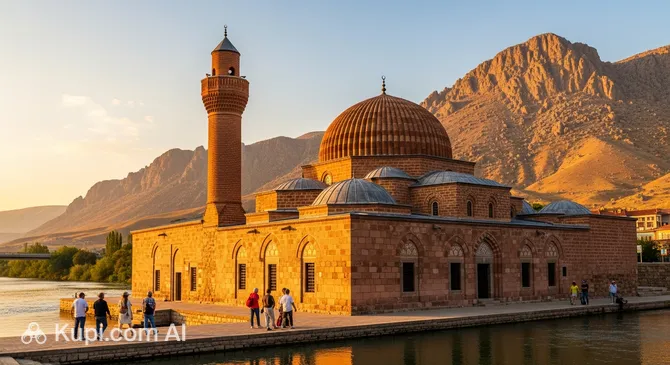
Cizre. Source: Kupi.Binoculars

Travelers are drawn to Cizre to witness its remarkable architectural and spiritual landmarks. One of the most significant sites is the Tomb of Noah (Nuh Peygamber Türbesi), which is widely revered and attracts pilgrims and curious visitors alike. Another architectural gem is the Great Mosque of Cizre (Cizre Ulu Camii), celebrated for its intricate metalwork and historical significance. The city is also the hometown of the famous polymath Ismail al-Jazari, known as the "father of robotics," whose legacy is a source of great local pride.

Whether you are a history enthusiast or simply seeking to experience a different side of Anatolia, Cizre offers a memorable journey through time. Its unique blend of mythology, historical architecture, and the scenic beauty of the Tigris River makes it a destination well worth discovering.
Weather Overview

The climate in Cizre is characterized by distinct seasonal contrasts, offering travelers a mix of intense heat and milder, wetter periods depending on the time of year. Expect scorching, dry summers suitable for sun-seekers and cool, damper winters that bring life to the surrounding landscapes. To help you choose the best dates for your journey, you can check the detailed report on the weather in Cizre.

During the peak summer months of July and August, the city becomes quite hot, with average temperatures around 30.6°C and maximums frequently reaching 38.5°C. Rainfall is virtually non-existent from June through September, ensuring clear blue skies. Conversely, the winter season from December to February is much cooler, with average temperatures dropping to between 4.3°C and 7.0°C. This period is also the wettest, with January and March seeing up to 13 and 15 wet days respectively, making spring and autumn the most temperate times for exploration.

Interesting Facts

Beyond the main attractions, Cizre holds many fascinating secrets and legends that have shaped its identity over millennia. This ancient city is not just a historical site but a living canvas of engineering marvels and tragic romances.

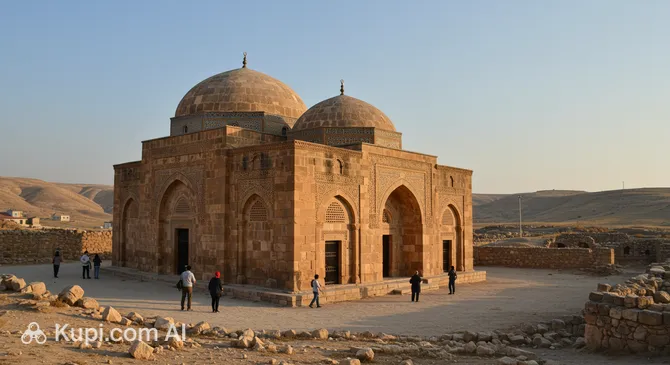
Mem and Zin Mausoleum. Source: Kupi.Binoculars
  • The city is the renowned setting for the epic love story Mem and Zin, a tale often compared to Romeo and Juliet. Legend holds that the lovers are buried at the Mem and Zin Mausoleum, where a thorn bush reportedly grows between their graves, symbolizing the enemies that kept them apart even in death.

  • Cizre is considered a birthplace of early cybernetics and robotics. The medieval polymath Ismail al-Jazari served the local Artuqid court for 25 years and wrote his pioneering Book of Knowledge of Ingenious Mechanical Devices here, designing automata like the famous Elephant Clock.

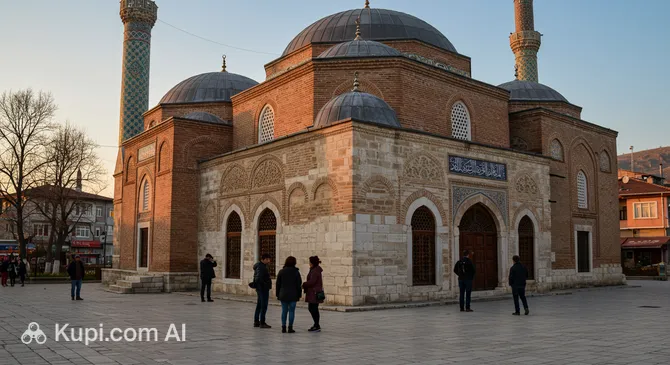
  • The Red Madrasa is an architectural curiosity named after the distinctive red bricks used in its construction. Built in the 16th century, it historically served as a premier center for science and education and rests on the foundations of the city's ancient walls.

  • Due to its geographical location in a low-lying basin, Cizre is one of the hottest inhabited places in Turkey. It frequently breaks national temperature records during the summer, creating a unique microclimate that sets it apart from the cooler, mountainous regions nearby.

How to Get There

Reaching Cizre has become increasingly convenient, connecting this historic city in the Şırnak Province to the rest of the country. Whether you are planning a pilgrimage or a cultural exploration, you can find detailed information on how to get to Cizre on our dedicated page.

The most direct way to arrive is via Şırnak Airport (NKT), which is strategically located just 11.7 km from the city center. Often referred to locally as Şırnak Şerafettin Elçi Airport, it serves as the primary aviation hub for the area. Travelers landing here can reach downtown Cizre in approximately 20 to 30 minutes by taxi or shuttle bus. Although it is a regional airport with moderate traffic, it offers regular connections to major Turkish cities like Istanbul and Ankara.

If flights to Şırnak are unavailable, Mardin Airport (MQM) in the city of Mardin is a viable alternative. Situated about 138 km away, it is a larger hub with more frequent flight options. The journey from Mardin to Cizre typically takes around 2 to 2.5 hours by road, offering a scenic drive through Southeastern Anatolia. Another option is Batman Airport (BAL) in Batman, located roughly 115 km from Cizre, with a transfer time of approximately 2 hours.

For clarity, here is a summary of the main airports serving the region:

Airport Name City Passenger Traffic Km from City
Van Ferit Melen Airport Van High 161.5
Mardin Airport Mardin Medium 138.3
Batman Airport Batman Medium 115.3
Şırnak Airport Cizre Medium 11.7
Siirt Airport Siirt Low 78.0

In addition to air travel, Cizre is well-connected by Turkey's extensive intercity bus network. The city lies on the historic Silk Road route and serves as a major transit point near the borders, meaning there are frequent bus services from major cities across the country. While there is no direct railway station in Cizre itself, the road infrastructure makes bus travel a reliable and popular choice for many visitors.

Main Attractions

Cizre is a city where history is etched into every stone, offering visitors a journey through ancient legends and architectural marvels. The city's main sights are deeply rooted in cultural heritage, ranging from spiritual mausoleums to educational institutions that have stood the test of time. Exploring these landmarks provides a unique insight into the artistic and intellectual legacy of the region.

One of the most poignant sites in the city is the Mem and Zin Mausoleum. This historic tomb is dedicated to the protagonists of a famous classic love story, often compared to Romeo and Juliet. It is a place of great spiritual and romantic significance, attracting visitors who come to pay their respects to the legendary lovers. The atmosphere here is serene, allowing travelers to reflect on the enduring power of the tale that has shaped the local cultural identity for centuries.

Another architectural gem is the Red Madrasa, or Kırmızı Medrese, which dates back to the 14th century. Built upon the city's ancient walls, this structure is named for the distinctive red bricks used in its construction. Historically, it served as a prestigious center for science and education, housing lecture halls and living quarters for students. Today, it stands as a testament to the city's scholarly past and also contains the tomb of the renowned classic poet Melaye Ciziri, making it a dual point of interest for history and literature enthusiasts.

Red Madrasa. Source: Kupi.Binoculars

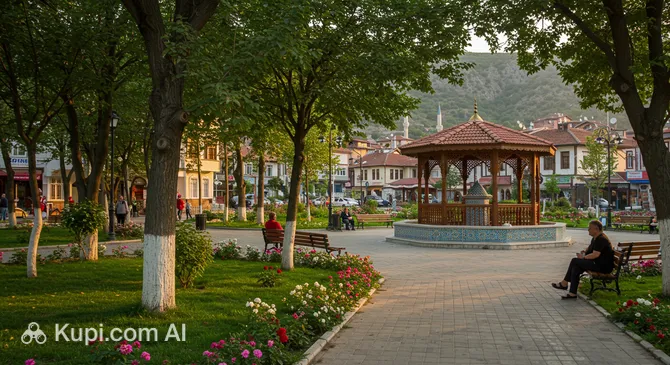
For a blend of history and leisure, Birka Belek Park offers a refreshing escape. Often associated with the historic "Bırca Belek" or the colorful palace of the local rulers, this area has been transformed into a space where the past meets the present. It provides a green sanctuary for both locals and tourists, perfect for a relaxing stroll while soaking in the atmosphere of the city. The park serves as a reminder of Cizre's layered history, offering a peaceful environment to appreciate the surrounding heritage.

Birka Belek Park. Source: Kupi.Binoculars

Local Cuisine

Local Cuisine:

The culinary landscape of Cizre is a flavorful reflection of its location in the heart of Mesopotamia, blending Kurdish, Arabic, and Turkish influences into a rich gastronomic tradition. The local diet is heavily centered around meat, bulgur, and dairy products, seasoned with aromatic herbs grown in the fertile lands along the Tigris River. For food lovers, dining here is not just about sustenance; it is a warm introduction to the region's legendary hospitality.

One of the absolute must-try dishes in the city is Kutlık, a local variation of stuffed meatballs similar to kibbeh. These are typically made with a crispy outer shell of bulgur and semolina, filled with a savory mixture of minced meat, onions, and spices, then boiled to perfection. Another signature delicacy is Serbidev, a unique and hearty dish often prepared for special guests. It consists of cooked wheat or bulgur served with a generous topping of yogurt, garlic, and sizzling butter infused with local herbs, offering a comforting taste of home-cooked tradition.

When it comes to beverages, the locals take great pride in their drinks. Meals are almost always accompanied by fresh, frothy Ayran, a salted yogurt drink that perfectly balances the richness of the meat dishes. After a meal, the ritual of drinking tea is indispensable, but for a truly regional experience, you should try Menengiç coffee. Made from the roasted fruits of the terebinth tree (wild pistachio), this caffeine-free drink has a distinct nutty flavor and is often cooked with milk, making it a smooth and creamy alternative to traditional coffee.

The food culture in Cizre revolves around communal dining and generosity. You won't find many flashy fine-dining establishments; instead, the best food is served in modest "Esnaf Lokantası" (tradesmen restaurants) and family-run eateries where the focus is on quality and portion size. In these spots, it is common to see large trays of food being shared among friends and family. The atmosphere is casual and inviting, allowing tourists to mingle with locals and enjoy authentic flavors without pretense.

Travel Tips

Planning a trip to Cizre involves understanding its unique climate and deep-rooted traditions to ensure a comfortable experience. To help you navigate this ancient city on the banks of the Tigris with ease, we have compiled a list of essential practical advice for your journey.

  1. Clothing and Gear: Due to the region's conservative nature, it is respectful to dress modestly; covering your shoulders and knees is recommended for both men and women. In the scorching summer months, lightweight, breathable fabrics and a wide-brimmed hat are essential to protect against the sun, while winters require warm layers and a waterproof jacket. Comfortable walking shoes are a must for exploring the uneven stone streets of the historic district.
  2. Transportation: Cizre is a relatively compact city, and many of its historical landmarks are within walking distance of the center. For longer distances, taxis are readily available and affordable; always check that the meter is running. The most common form of local public transport is the dolmuş (minibus), which follows set routes and is a convenient way to travel between neighborhoods or to the bus terminal.
  3. Finances: The local currency is the Turkish Lira (TRY). While credit cards are accepted in hotels and larger restaurants, cash is king in traditional markets, small eateries, and tea houses. ATMs are plentiful in the city center, but it is wise to carry small denominations for taxi fares and tips. Tipping around 10% is customary in restaurants if the service is good.
  4. Health and Safety: Pharmacies, known as Eczane, are widely available, and there is always one on duty (Nöbetçi Eczane) at night. It is highly advisable to drink bottled water rather than tap water to avoid stomach issues. In summer, dehydration is a real risk, so carry water with you constantly and seek shade during the hottest part of the day.
  5. Communication: Turkish is the official language, though Kurdish is also widely spoken by the local population. English is not very common outside of major hotels, so learning a few basic phrases like Merhaba (Hello) and Teşekkürler (Thank you) will go a long way. Downloading an offline translation app and an offline map before you arrive is highly recommended for smoother interactions.
  6. Local Etiquette: Hospitality is a cornerstone of life in Cizre. If a shopkeeper or local offers you tea (çay), it is a gesture of friendship and is polite to accept. When entering a mosque or a private home, you must always remove your shoes. Greetings are often warm, involving a handshake or a hand placed over the heart as a sign of respect.
  7. What to Avoid: Public displays of affection are generally frowned upon in this conservative region and should be avoided. Additionally, always ask for permission before taking photographs of local people, especially women, as taking photos without consent can be considered intrusive and rude.
  8. Summer Strategy: If you visit during the peak of summer (July-August), adopt the local rhythm: explore early in the morning or late in the evening when the air cools down. Many locals rest indoors during the intense afternoon heat, and shops may stay open quite late into the night to compensate.

By keeping these simple guidelines in mind, you will be well-prepared to embrace the warmth of Cizre's hospitality without worry. Enjoy your journey through the rich history and culture of Southeastern Anatolia!

Entertainment & Nightlife

Entertainment and nightlife in Cizre differ significantly from the bustling club scenes found in western metropolises or Turkey's coastal resorts. Instead of loud nightclubs and bars, the evening culture here is deeply rooted in social interaction, community, and relaxation. The nightlife is centered around vibrant tea gardens, riverside cafes, and public parks where locals gather to cool off after the heat of the day. The atmosphere is family-friendly and lively, characterized by the sound of animated conversations, the clinking of tea glasses, and traditional music playing softly in the background.

The most bustling area after sunset is undoubtedly the banks of the Tigris River. This district comes alive as the sun goes down, offering a refreshing breeze and scenic views. A prime destination for an evening stroll is Birka Belek Park. This green space serves as a major social hub where families, groups of friends, and visitors congregate. It is common to see people picnicking, enjoying roasted corn from street vendors, or simply sitting on benches to watch the river flow. The park is well-lit and safe, making it an excellent spot to experience the authentic local rhythm of life.

While you will not find western-style dance clubs, the city offers numerous "cafes" and "pastry shops" that stay open late into the night. These venues function as the local equivalent of bars, serving endless rounds of tea (çay), Turkish coffee, and often nargile (hookah). The crowd is typically mixed, though some traditional tea houses (Kıraathane) are predominantly male. The dress code is casual but modest; smart-casual attire is perfect for blending in. Alcohol is not widely served in public venues due to the conservative nature of the region, so the focus remains on food, hot beverages, and socializing.

For those interested in a quiet, reflective evening, the area surrounding the Mem and Zin Mausoleum offers a serene atmosphere. Although the interior may close earlier, the exterior and the surrounding streets are peaceful places to walk and admire the historical architecture under the moonlight. The sight of these ancient structures illuminated against the night sky adds a touch of mysticism to the city's evening charm.

Practical advice for enjoying Cizre at night includes timing your outings for after 8:00 PM, when the temperature drops and the streets fill with people. Prices in cafes and tea gardens are generally very affordable. The city center is compact and walkable, but yellow taxis are readily available if you need to travel further or return to your hotel late. Cizre is generally safe for night walks in the main, well-lit areas, but as with any travel destination, it is wise to stay in populated zones and avoid unlit backstreets.

During the daytime, entertainment shifts towards cultural and historical exploration. Visitors can immerse themselves in the region's rich heritage by visiting the Red Madrasa, a masterpiece of architecture that offers a glimpse into the educational history of Mesopotamia. While the city lacks large amusement parks or modern theaters, the depth of its history and the warmth of its people provide a fulfilling cultural experience that keeps travelers engaged from dawn until late at night.

Parks & Museums

Cizre offers a unique blend of open-air history and riverside tranquility, where the city's green spaces and cultural sites serve as living testimonies to its ancient past. While it may not boast vast modern museum complexes, the city itself feels like a museum, with its historical architecture and parks providing a window into the rich heritage of Mesopotamia and the daily life along the Tigris River.

The most prominent green space in the city is Birka Belek Park. Situated on the site of the ancient castle walls, this park is more than just a garden; it is a viewing deck into history. Visitors can walk among well-tended pathways and enjoy panoramic views of the Tigris River, making it an ideal spot for photography or a peaceful evening stroll. The park effectively combines the city's archaeological roots with modern leisure, offering a cool respite from the heat of the Southeastern Anatolian sun.

Beyond the formal parks, the natural banks of the Tigris River serve as a vital recreational area for the locals. These riverside areas function as natural gardens where families gather for picnics and tea. The lush vegetation along the water contrasts sharply with the arid surroundings, creating a refreshing microclimate. Walking along these banks offers an authentic experience of the local geography, allowing travelers to appreciate the lifeline that has sustained civilizations here for millennia.

In terms of museums and cultural galleries, Cizre's historical buildings fulfill this role, housing centuries of knowledge and art. The Red Madrasa is the city's most significant educational monument. Built in the 14th century, this structure acts as a museum of medieval architecture and science. It was once a hub for scholars and is famous for its distinctive red brickwork. Inside, visitors can explore the tomb of the renowned poet Melaye Ciziri and imagine the bustling academic life that once filled its courtyards.

Another site of immense cultural value is the Mem and Zin Mausoleum. While primarily a tomb, it functions as a cultural center dedicated to the region's most famous epic love story. The site attracts literature enthusiasts and those interested in folklore, offering a tangible connection to the oral and written traditions of the area. The simple yet profound architecture reflects the spiritual depth of the narrative it preserves.

For those interested in religious history and ancient architecture, the Great Mosque of Cizre (Ulu Camii) is a must-visit landmark. Originally a church converted in the early Islamic period, it is renowned for its unusual rectangular minaret and its historical metal doors, which are masterpieces of Artuqid art (the originals are in museums in Istanbul, but the site retains its aura). Additionally, the Tomb of Noah complex serves as a spiritual museum, drawing pilgrims who come to see the resting place of the prophet, further cementing the city's reputation as a crossroads of faiths.

For a truly local experience, look for the small cultural centers or exhibitions often dedicated to Ismail al-Jazari, the "father of robotics," who lived and worked here. While a large dedicated museum is still a developing concept, you may find replicas of his ingenious water clocks and automata displayed in municipal buildings or cultural festivals, highlighting Cizre's surprising contribution to the history of technology.

Getting Around

Navigating Cizre is a straightforward and authentic experience, as the public transport system is primarily designed to serve the local community's daily needs rather than mass tourism. Unlike larger metropolises with complex rail networks, this city relies heavily on road-based transportation. The compact nature of the city center means that visitors can easily combine walking with short rides to reach outlying neighborhoods or specific landmarks.

The most popular and convenient mode of transport is the dolmuş (minibus). These shared vans are the backbone of local mobility, running on fixed routes that cover almost every corner of the city. You can easily recognize them by the destination placards displayed in the front window. They are frequent, affordable, and offer a flexible way to travel, as they can often be hailed from the side of the road even between designated stops. Municipal buses also operate on main avenues, connecting the city center with residential districts and the intercity bus terminal.

When it comes to payment, cash remains the king in Cizre, particularly for the dolmuş system. You do not need to purchase tickets in advance; simply board the vehicle and hand the fare directly to the driver. It is highly recommended to carry small denominations of the local currency, as drivers may not always have change for large banknotes. For municipal buses, systems can vary, but carrying cash is always a safe bet for tourists. Fares are generally very low compared to western standards, making it an economical way to get around.

For a more private and direct option, yellow taxis are widely available throughout the city. You can find them at designated taxi stands (taksi durağı), near the bus terminal, or simply hail one on the street. Taxis operate 24/7 and run on a meter system. They are particularly useful if you are traveling with luggage, heading to the airport, or moving around late at night when public transport frequency decreases. It is always a good practice to confirm that the meter is turned on when you start your journey.

For tourists, the best advice is often to explore the historic core on foot. Many of Cizre's key attractions, such as the Red Madrasa and the Tomb of Noah, are located relatively close to one another. Walking allows you to soak in the atmosphere of the ancient streets and discover hidden tea gardens that you might miss from a vehicle. If you plan to explore the surrounding region or visit the countryside along the Tigris River, renting a car is a practical alternative, giving you the freedom to travel at your own pace.

While Cizre does not feature a metro, tram, or cable car, its transport hub, the Otogar (Intercity Bus Terminal), serves as a crucial link to the outside world. Located slightly away from the immediate center, it is easily accessible by taxi or dolmuş. This is where you will arrive or depart if traveling by bus from other provinces, serving as the main gateway for overland travel in the region.

Accommodation

Accommodation in Cizre primarily caters to local business travelers and cultural tourists, offering a range of functional and comfortable options rather than extensive luxury resorts. Visitors will typically find a selection of mid-range hotels and budget-friendly guesthouses that provide essential amenities and warm Turkish hospitality. While you won't find many international hotel chains here, the local establishments are known for their cleanliness and friendly service, ensuring a pleasant base for exploring the region.

The most convenient area to stay is the city center, where you will be within walking distance of key historical sites and local markets. Staying in the heart of the city allows for easy access to restaurants and tea gardens, making it simple to immerse yourself in the local rhythm. For a more scenic experience, look for hotels located near the banks of the Tigris River. These locations often offer peaceful views of the water and are situated close to popular recreational spots like parks and riverside promenades.

When it comes to pricing, accommodation in Cizre is generally very affordable compared to Turkey's major tourist hubs. Most options fall into the budget to mid-range categories. While some of the larger hotels can be booked through major international online platforms, many smaller, family-run establishments may not have a strong online presence. In such cases, it is often possible to book directly by phone or find a room upon arrival, though booking in advance is recommended if you are visiting during the peak summer season or holidays.

Nearby Cities

For those looking to explore the surroundings, Cizre serves as an excellent base for day trips to several interesting nearby locations:

City Population Distance (km)
Batman 447,106 112
Siirt 166,332 69
Silopi 134,754 30
Midyat 113,367 73
Nusaybin 105,856 91

Among the most captivating destinations for a cultural excursion is Midyat. Renowned for its stunning honey-colored stone architecture, the town resembles an open-air museum filled with historic mansions and churches. It is also famous for the delicate art of silver filigree, known locally as telkari, making it a perfect spot for shopping and photography enthusiasts.

Another historically significant site is Nusaybin, located near the southern border. This ancient city, historically known as Nisibis, is home to the Mor Yakup Church, one of the oldest in the region, and the Zeynel Abidin Mosque. The proximity of these two landmarks symbolizes the deep-rooted history of coexistence in the area.

For those interested in regional culture and nature, Siirt offers a different experience. Situated near the dramatic landscapes of the Botan Valley, it is known for its unique hand-woven blankets and high-quality pistachios, offering visitors a taste of local craftsmanship and natural beauty.

These nearby destinations offer a glimpse into the diverse culture and landscapes of the region.

Shopping & Souvenirs

Shopping in Cizre offers an authentic glimpse into the daily life of Southeastern Anatolia, blending modern convenience with the charm of traditional commerce. Unlike the vast fashion avenues of major metropolises, the retail experience here is intimate and community-focused. Visitors will find a vibrant atmosphere where local craftsmanship, fresh produce, and regional delicacies take center stage, providing a perfect opportunity to engage with the friendly local population.

The heart of the city's commercial activity lies in the bustling City Center (Çarşı). This district, particularly the streets radiating from the central Dörtyol intersection and surrounding the historic landmarks, is lined with a variety of small shops and boutiques. Here, you can find everything from clothing and shoes to household goods and jewelry. Walking through these lively streets is an experience in itself, as shopkeepers often display their wares on the sidewalks, creating a colorful and energetic environment.

For those seeking a more modern retail experience, Cizre Park AVM stands out as the city's primary shopping mall. Located conveniently within the city, it offers a contemporary environment with air conditioning, which is a welcome relief during the hot summer months. The mall houses a selection of national Turkish clothing brands, electronics stores, and a food court, making it a one-stop destination for standard travel needs and leisure.

However, the true spirit of Cizre is found in its traditional markets and bazaars. The local street markets are sensory delights, filled with the aroma of spices and the bright colors of fresh fruits and vegetables grown along the Tigris River. These markets are the best places to buy high-quality local produce, dried fruits, and nuts at very reasonable prices. You will also find stalls selling traditional fabrics and regional textiles, which are integral to the local culture.

When it comes to souvenirs, edible goods are often the best choice to bring back a taste of the region. Menengiç coffee, a caffeine-free beverage made from wild pistachios, is a local specialty that makes for a unique gift. Additionally, the region is famous for its high-quality spices, particularly the dark, smoky isot pepper and dried herbs used in local cooking. Hand-woven kilims (rugs) and traditional copperware are also treasured items that reflect the artistic heritage of the area.

Stores in Cizre typically open around 09:00 AM and close between 8:00 PM and 9:00 PM. During the summer, shops may stay open later to accommodate the evening crowds that emerge after the heat subsides. While credit cards are widely accepted in the shopping mall and larger supermarkets, cash is essential when shopping in traditional bazaars, small grocery stores, or buying from street vendors. It is advisable to carry Turkish Lira in smaller denominations for smoother transactions.

Regarding tax refunds, the standard "Tax-Free" system available in Turkey generally applies to larger purchases made in authorized stores, which are mostly found in the modern shopping mall. Look for the "Tax-Free Shopping" signage in shop windows, and remember to ask for the necessary paperwork at the checkout if you intend to claim a VAT refund upon your departure from the country.

Reached the end of the page?

That means the route is fully explored