Support

Erzurum

About

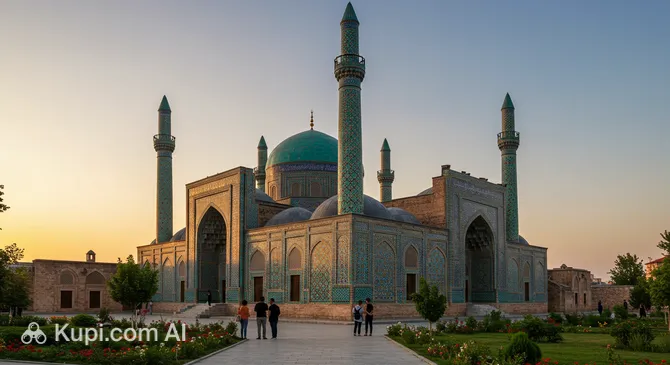
Erzurum is a captivating destination in eastern Turkey that serves as a vibrant bridge between the past and the present. Standing at an elevation of nearly 2,000 meters, it is one of the highest major cities in the country, often referred to as "The Rock" due to its rugged geography and resilient character. With a population of over 760,000 people, it acts as the most significant commercial and cultural hub in the region, offering visitors a unique glimpse into authentic Anatolian life.

The city's high altitude significantly shapes its climate, resulting in long, snowy winters and cool, refreshing summers. This distinct geography has transformed Erzurum into a premier winter sports destination. The famous Palandöken Mountain lies just a few kilometers from the city center and offers some of the longest and steepest ski runs in the world, attracting winter sports enthusiasts from across the globe.
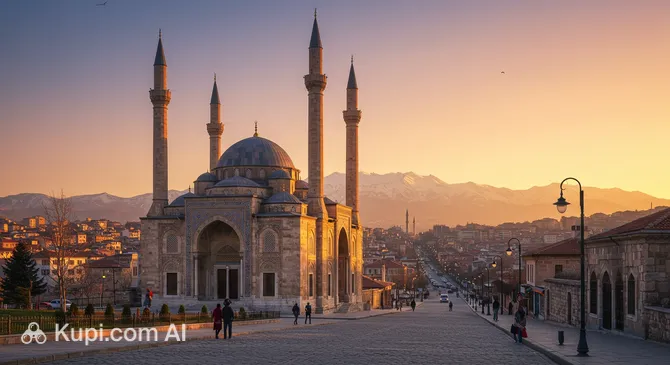
Erzurum. Source: Kupi.Binoculars

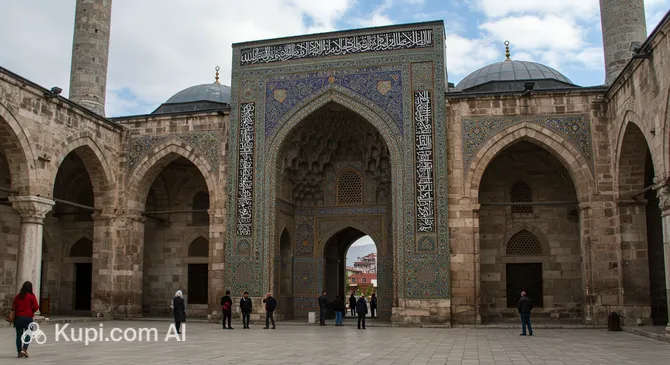
Beyond its natural beauty, the deep history of Erzurum is etched into its stunning architecture. As a vital stop on the ancient Silk Road, the city boasts remarkable examples of Seljuk and Ottoman design. The iconic Double Minaret Madrasa (Çifte Minareli Medrese) is a masterpiece of stone carving and a symbol of the city, while the historic Erzurum Castle offers panoramic views of the sprawling urban landscape below. The Three Tombs (Üç Kümbetler) are another architectural marvel, showcasing the intricate masonry of the Saltukid period.

Whether you are an adventure seeker looking to conquer snowy peaks or a traveler eager to explore ancient monuments, Erzurum promises an unforgettable experience. Its blend of warm hospitality, delicious local cuisine—including the famous Cağ Kebab—and rich cultural heritage makes it a destination that should definitely be on your travel itinerary.
Weather Overview

The climate in this region is defined by its high altitude, creating a distinct continental pattern with significant temperature variations between seasons. For a detailed breakdown of conditions during your specific travel dates, you can check the forecast for weather in Erzurum. Generally, visitors should prepare for very cold winters and pleasantly mild summers.

Winter is rigorous and long, with January being the coldest month. Average temperatures drop to around -6.7°C, while minimums can plunge to -12.0°C. Despite the freezing conditions, the precipitation volume is relatively low, though you can expect about 8 to 10 wet days per month, which typically ensures a steady cover of snow for winter sports.

In contrast, the summer season offers a refreshing escape with comfortable warmth. August is typically the warmest month, featuring an average temperature of 19.0°C and daytime highs reaching up to 26.2°C. It is also the driest part of the year, with August seeing only about 5 wet days, making it an excellent time for outdoor sightseeing.

Spring brings frequent precipitation, particularly in May, which records approximately 18 wet days alongside an average temperature of 9.2°C. If you plan to visit during this transition or in the cooling autumn months like October, packing waterproof clothing and warm layers is highly recommended to stay comfortable.

Interesting Facts

Beyond the ski slopes and historic walls, Erzurum holds a treasure trove of fascinating stories and unique characteristics. This high-altitude city is not just a winter destination but a place defined by resilience, legends, and rare geological treasures.
  • The city is the exclusive home of Oltu stone, often referred to as "Black Amber." This rare, semi-precious jet stone is mined in the surrounding mountains and is believed to discharge positive energy. Local artisans have been carving it into intricate prayer beads and jewelry for centuries, making it a signature craft of the region.

  • A famous urban legend surrounds the iconic Double Minaret Madrasa. It is said that the intricate stonework on the minarets remains unfinished because the apprentice carver displayed such talent that he surpassed his master. According to the tale, the master, overcome with jealousy or pride, abandoned the project, leaving the decorations incomplete to this day.

  • Erzurum is deeply associated with the story of Nene Hatun, a national heroine from the 19th century. As a young mother, she famously left her infant child behind to rally the civilian population and defend the Aziziye Fort against invading forces, becoming an enduring symbol of courage and patriotism in Turkish culture.

  • Due to its impressive elevation of nearly 2,000 meters, Erzurum is widely known as the "Roof of Turkey." This extreme altitude not only contributes to its harsh winters but also means the city has thinner air, which is why many professional sports teams come here for high-altitude training camps to boost their endurance.

Double Minaret Madrasa. Source: Kupi.Binoculars

How to Get There

Reaching this historic Anatolian hub is relatively straightforward, with air travel being the most efficient method for most visitors. For a detailed breakdown of all routes and transport modes, you can read more about how to get to Erzurum to plan your journey effectively.

The most convenient entry point is Erzurum Airport (IATA: ERZ), which is located directly in Erzurum, just 9.9 km from the city center. Serving over a million passengers annually, this airport is a key regional hub connecting the city to major destinations. The commute from the terminal to the downtown area is quick, typically taking around 15 to 20 minutes by taxi or shuttle. Alternatively, travelers can fly into Rize-Artvin Airport (IATA: RZV), which is situated approximately 145.3 km away. While it handles a similar volume of traffic, the transfer to Erzurum involves a longer drive through mountainous terrain, which can take about 2.5 to 3 hours.

For clarity, here is a summary of the main airports in the region:

Airport Name City Passenger Traffic Km from City
Erzurum AirportErzurumLarge9.9
Rize-Artvin AirportLarge145.3
Mus AirportMusMedium133.0
Erzincan AirportErzincanMedium150.5
Bingol AirportBingölSmall129.7

Travelers seeking a more scenic and adventurous route can arrive by train. Erzurum is a major stop on the famous Eastern Express (Doğu Ekspresi), a popular overnight train service that runs from Ankara to Kars. This journey is renowned for its breathtaking views of the Anatolian landscape, particularly during the snowy winter months. The city's railway station is centrally located, providing easy access to local transport and hotels upon arrival.

Main Attractions

Erzurum is a city where history is carved into stone, offering visitors a chance to walk through centuries of architectural evolution. While the famous Double Minaret Madrasa is often the first stop for many, the city is filled with other remarkable sites that showcase its importance as a crossroads of civilizations.

One of the most striking examples of Ilkhanid architecture in Anatolia is the Yakutiye Madrasa. Built in 1310, this theological seminary is renowned for its intricate geometric motifs and a magnificent tiled minaret that dominates the city center. Today, it serves as the Museum of Turkish-Islamic Works and Ethnography, allowing tourists to explore a rich collection of artifacts, traditional costumes, and jewelry while admiring the building's stunning stone portal.

Yakutiye Madrasa. Source: Kupi.Binoculars

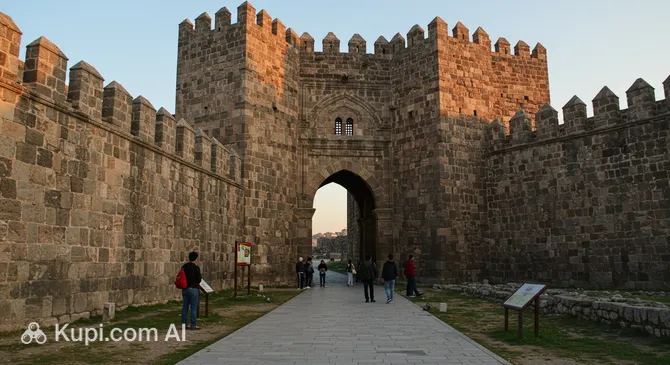
Perched on a hill overlooking the city, the Erzurum Castle offers both a lesson in military history and breathtaking panoramic views. Originally constructed by the Byzantines and later reinforced by the Ottomans, the fortress stands as a testament to the city's strategic importance. Inside the citadel, visitors can find the Clock Tower (Tepsi Minare), which was originally a minaret before being converted in the 19th century. Climbing to the top provides an excellent vantage point for photography enthusiasts.

Erzurum Castle. Source: Kupi.Binoculars

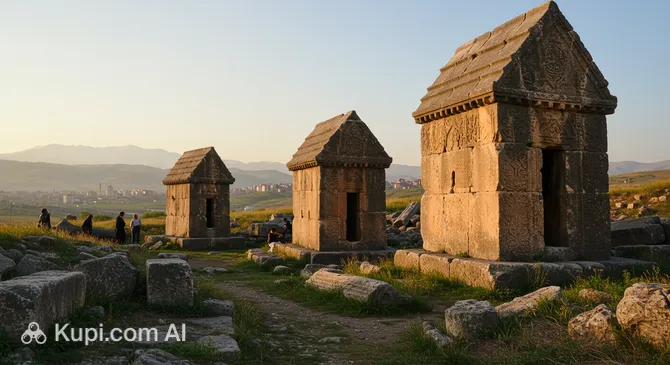
Just a short walk from the main square lies the fascinating complex of the Three Tombs (Üç Kümbetler). These monumental mausoleums date back to the Saltukid period and are considered some of the finest examples of conical-roofed tombs in Turkey. The largest and most ornate of the three is believed to belong to Emir Saltuk, the founder of the dynasty. Their unique blend of architectural styles and decorative stone carvings makes them a captivating stop for anyone interested in medieval art.

Three Tombs. Source: Kupi.Binoculars

For those interested in modern history, the Erzurum Capitols (Congress Building) is a site of immense national significance. It was here in 1919 that the Erzurum Congress was held, a pivotal gathering that laid the groundwork for the Turkish Republic. The building is now a museum, preserving the hall where the delegates met and displaying documents and photographs that tell the story of the country's struggle for independence.

Local Cuisine

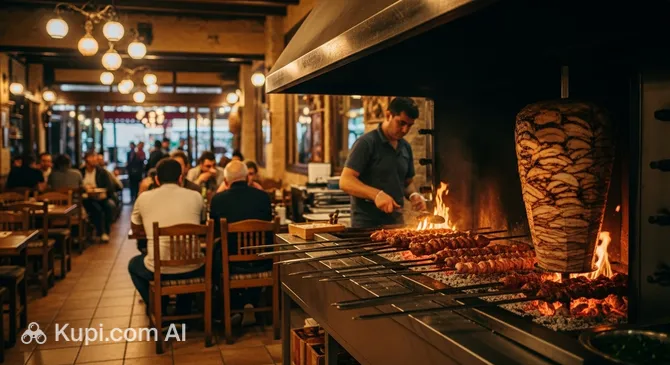
The cuisine of Erzurum is a direct reflection of its rugged geography and harsh winters, characterized by hearty, energy-rich dishes that are heavily focused on meat and dairy. Food here is not just sustenance; it is a ritual of hospitality and tradition. The undisputed king of the local table is Cağ Kebab, a succulent lamb dish that originated in this province. Unlike the vertical döner found elsewhere, this kebab is stacked horizontally on a spit and slow-cooked over a wood fire. The meat is sliced onto skewers while still roasting, ensuring every bite is tender and smoky. Visitors often flock to renowned spots like Ata Cağ Kebab to experience this authentic flavor firsthand.

Ata Cağ Kebab. Source: Kupi.Binoculars

Beyond the famous kebab, the region offers a variety of unique savory delights. To warm up during the cold months, locals turn to Ayran Aşı, a nutritious yoghurt soup made with wheat, chickpeas, and aromatic herbs like coriander, which can be served either hot or cold. Another staple is Civil Cheese (Civil Peyniri), a stringy, low-fat cheese often eaten with breakfast or served alongside watermelon in the summer. For pastry lovers, Su Böreği (water pastry) in Erzurum is particularly famous for its rich use of butter and cheese, making it a decadent treat.

No meal in Erzurum is complete without a sweet finish. The signature dessert of the city is Kadayıf Dolması. This treat consists of shredded pastry dough wrapped tightly around a filling of walnuts, dipped in egg, fried until golden crisp, and then soaked in syrup. It provides the perfect energy boost after a day of exploring. To accompany these flavors, tea culture is paramount. In traditional tea houses, you might observe the local custom of drinking tea "kıtlama" style, where a piece of hard sugar is held in the mouth rather than stirred into the glass.

Dining in Erzurum often takes place in settings that celebrate the city's heritage. Many restaurants are housed in restored historical buildings, allowing you to enjoy your meal surrounded by stone walls and antique decor. Places like the Zade Mansion offer a glimpse into the traditional lifestyle, serving local specialties in an atmosphere that transports you back in time. Whether you are grabbing a quick skewer of kebab or sitting down for a full traditional feast, the gastronomic scene here is sure to leave a lasting impression.

Zade Mansion. Source: Kupi.Binoculars

Travel Tips

Visiting Erzurum offers a unique blend of rugged alpine beauty and deep-rooted Anatolian history, but its high altitude and conservative culture require a bit of specific preparation. To help you navigate the "Roof of Turkey" with ease and confidence, here are some essential practical tips for your journey.

  1. Clothing and Gear: Due to the high elevation, the weather can be unpredictable. In winter, thermal underwear, heavy coats, and non-slip waterproof boots are mandatory, as temperatures often drop well below freezing. Even in summer, evenings can be surprisingly cool, so always carry a light jacket or sweater. Erzurum is a conservative city, so it is respectful to dress modestly; when visiting religious sites like the Grand Mosque, women should bring a scarf to cover their hair, and both men and women should cover their shoulders and knees.
  2. Transportation: The city center is compact and walkable, but for longer distances, the local public transport system includes buses and private minibuses known as dolmuş. To use municipal buses, you may need a "Kardelen Kart" (transport card), while dolmuş usually accept cash payments directly to the driver. Taxis are readily available and reasonably priced; however, if you plan to explore the surrounding mountains or remote historic sites, renting a car is a good option, provided you are comfortable driving in potential winter conditions.
  3. Finances: The local currency is the Turkish Lira (TRY). While credit cards are widely accepted in hotels, larger restaurants, and shopping malls, cash is still king in smaller tea houses, local markets, and souvenir shops. ATMs are plentiful throughout the city center. Tipping is appreciated; leaving about 5-10% in restaurants or rounding up the fare for taxi drivers is a standard gesture of gratitude.
  4. Health and Safety: Erzurum is generally a very safe city for tourists, with low crime rates. Pharmacies, known as Eczane, are easy to find; look for the "E" sign. A designated duty pharmacy (Nöbetçi Eczane) is always open 24/7 on a rotating basis. Be mindful of the altitude (nearly 2,000 meters), which can cause shortness of breath or fatigue for some travelers—drink plenty of water and pace yourself during your first few days.
  5. Communication: Turkish is the primary language, and English is not widely spoken outside of major hotels and the university area. It is highly recommended to download an offline translation app and learn a few basic phrases like "Merhaba" (Hello) and "Teşekkür ederim" (Thank you). You can purchase a local SIM card from major providers like Turkcell or Vodafone in the city center to stay connected, as Wi-Fi is standard in hotels but may be spotty in remote areas.
  6. Local Etiquette: Hospitality is a cornerstone of local culture. If you are offered tea, it is a sign of friendship, and accepting it is polite. Greetings are often formal; a handshake is common, but wait for a person of the opposite gender to extend their hand first. In public spaces, maintaining a polite and reserved demeanor is the norm, reflecting the city's traditional values.
  7. What to Avoid: Public displays of affection are generally frowned upon in this conservative region and should be avoided to show respect for local norms. Additionally, never enter a mosque with your shoes on; place them on the racks provided at the entrance. Alcohol availability is limited compared to western Turkey, and drinking openly in the streets is socially unacceptable.
  8. Shopping Tip: Do not leave without visiting the Rüstem Pasha Caravanserai (Taşhan) to browse for Oltu stone jewelry. This semi-precious black stone is unique to the region. When shopping here, bargaining is expected and acceptable, so feel free to negotiate the price politely to get a beautiful souvenir at a fair rate.

By keeping these practicalities in mind, you will be well-equipped to immerse yourself in the authentic atmosphere of Erzurum. The city's warmth lies not in its climate, but in its people and traditions, ensuring that a respectful and prepared traveler will be welcomed with open arms.

Entertainment & Nightlife

Entertainment and Nightlife:

Nightlife in Erzurum offers a distinct cultural experience that differs significantly from the pulsating club scenes found in Istanbul or Turkey's coastal resorts. As a conservative city with a large student population, the evening atmosphere is defined by lively social interaction, extended dinners, and a vibrant café culture rather than loud nightclubs or dance bars. The city comes alive after sunset with locals gathering to socialize over tea, traditional sweets, and hearty meals, creating a warm and welcoming environment for visitors.

The heart of the city's social life beats around Cumhuriyet Street and the newer Terminal Street (Terminal Caddesi). The latter is particularly popular among the university crowd and features a high concentration of modern cafes, bistros, and hooka lounges where the atmosphere is energetic and youthful. These venues often stay open late, serving non-alcoholic beverages, Turkish coffee, and desserts. For travelers seeking a more western-style après-ski atmosphere with music and alcohol, the hotels on Palandöken Mountain are the place to be. These resorts operate their own bars and discos during the winter season, catering specifically to international tourists and skiers.

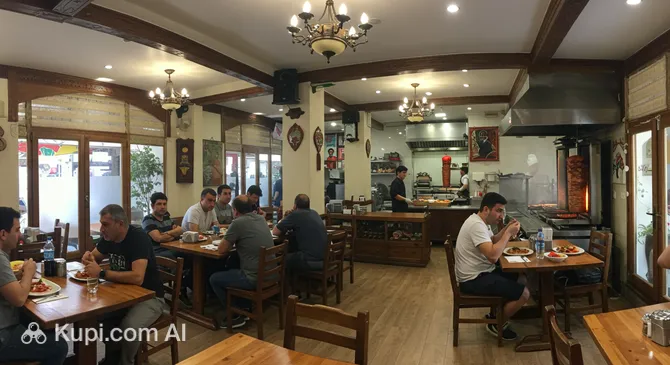
Dining is the primary form of evening entertainment here, often turning into a hours-long event. A visit to the Cağ Kebab Restaurant, Yenişehir Branch provides a perfect example of this tradition. Here, you can enjoy the city's famous rotisserie lamb in a bustling setting that remains active well into the evening. It is common for groups of friends and families to fill these establishments, enjoying the food and the lively chatter that characterizes Anatolian hospitality.

Cağ Kebab Restaurant, Yenişehir Branch. Source: Kupi.Binoculars

For those looking for a mix of shopping, cinema, and leisure, the city's modern malls serve as major entertainment hubs. The MNG Mall is one of the largest in the region, offering a variety of evening activities under one roof. Apart from international and local retail brands, it houses a cinema complex showing the latest films and a large food court. It is a popular spot for families and young people to hang out, especially during the cold winter nights when outdoor activities are limited.

MNG Mall. Source: Kupi.Binoculars

If you prefer an active evening outdoors, especially in the warmer months or to see the winter lights, the Erzurum Olympic Park is a fantastic destination. This sprawling recreational area includes sports facilities and walking paths that are well-lit and safe for night walks. It reflects the city's sporting spirit and offers a relaxed environment to unwind after a day of sightseeing.

Practical Nightlife Tips:

  • Timing: The evening buzz starts around 7:00 PM. Cafes on Terminal Street may stay open until midnight or 1:00 AM, while restaurant kitchens typically close around 10:00 PM or 11:00 PM.
  • Alcohol: Finding alcohol in the city center can be difficult due to local conservative customs. It is mostly available in major tourist hotels and specific venues on the ski mountain.
  • Dress Code: Smart casual is the norm. The dress code is generally modest; while the ski resort areas are more relaxed, conservative attire is appreciated in the city center.
  • Safety: Erzurum is very safe for night walks, particularly in well-lit main streets like Cumhuriyet and the university district. Taxis are the best way to get around at night; they are affordable and can be easily hailed or called from any restaurant or hotel.

During the daytime, entertainment options shift towards cultural and family-friendly activities. The city offers several museums and historical sites that provide deep insights into the region's past. For families, the local amusement parks and green spaces provide ample room for relaxation. Whether you are exploring the history by day or sipping tea in a lively café by night, Erzurum offers a pace of life that encourages connection and conversation.

Parks & Museums

While Erzurum is often celebrated for its rugged mountains and Seljuk stone architecture, the city also offers serene green spaces and poignant museums that allow visitors to connect with its nature and history on a deeper level. From high-altitude botanical collections to houses that shaped the nation's future, these sites provide a perfect balance to the bustling city center.

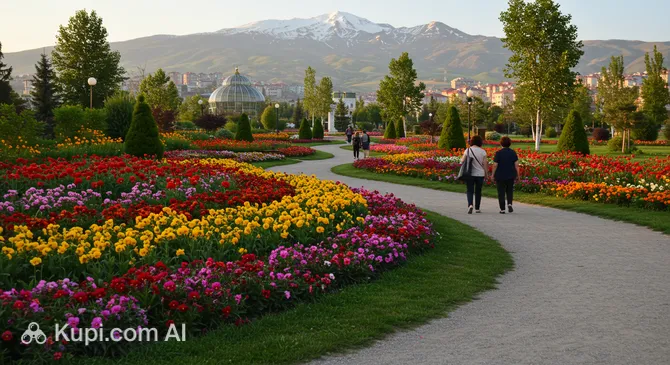
For a refreshing escape into nature, the Ata Park Botanical Garden is a standout destination. Located at one of the highest altitudes for a botanical garden in the world, it showcases a unique collection of flora that thrives in the harsh eastern Anatolian climate. It is a peaceful oasis featuring wooden walkways, ponds, and diverse plant species, making it an ideal spot for a leisurely afternoon stroll or a family picnic away from the urban noise.

Ata Park Botanical Garden. Source: Kupi.Binoculars

Another popular green lung in the city is the 100th Anniversary Park (100. Yıl Parkı). This central recreational area serves as a social hub for locals, especially during the mild summer evenings. With its well-maintained paths, ornamental pools, and playgrounds, it offers a glimpse into the everyday life of Erzurum's residents. It is a great place to relax after a day of sightseeing and observe the local tea culture in the park's open-air cafes.

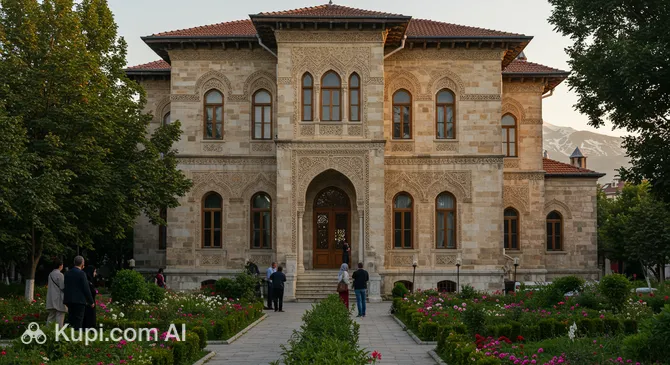
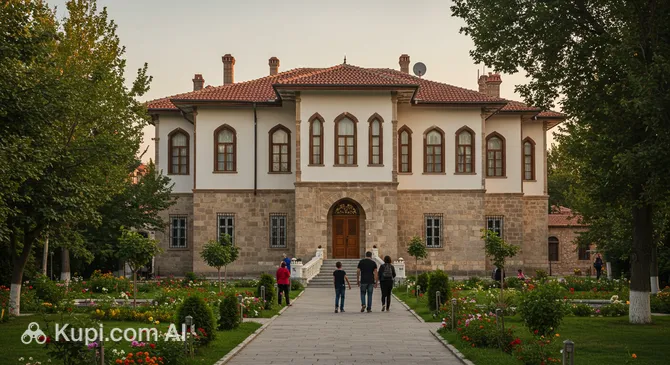
On the cultural front, the Atatürk House stands as a crucial historical landmark. This elegant 19th-century mansion hosted Mustafa Kemal Atatürk for nearly two months in 1919 while he was organizing the Erzurum Congress, a turning point in the Turkish War of Independence. Today, it serves as a museum displaying period furniture, documents, and personal belongings of the founder of the Turkish Republic, offering visitors an intimate look at the birth of modern Turkey.

Atatürk House. Source: Kupi.Binoculars

To understand the city's legendary resilience, a visit to the Nene Hatun Fortifications is essential. Operating as an open-air museum within a national park, this site preserves the defensive bastions used during the Russo-Turkish War. It is dedicated to Nene Hatun, the civilian heroine who rallied the people to defend the city. Walking among the stone ramparts and cannons not only provides a history lesson but also offers a somber and impressive atmosphere.

Insider Tip: If you visit the fortifications, try to go just before sunset. The elevation provides a commanding view over the entire city of Erzurum, and the golden light hitting the old stone bastions creates a powerful and photogenic scene that captures the spirit of the "Rock."

Getting Around

Navigating Erzurum is relatively straightforward, as the city operates a comprehensive network of road-based public transportation. Since there is no metro or tram system, the urban transit infrastructure relies primarily on municipal buses and privately operated minibuses known as dolmuş. These vehicles cover the entire city center, the university campus, and the surrounding neighborhoods, making it easy for visitors to reach major attractions and the ski resort areas without needing a personal vehicle.

The municipal buses are the most formal mode of transport, distinguishable by their specific colors and route numbers displayed on the front. To use these buses, you cannot pay with cash; instead, you must use the local electronic travel card known as the Kardelen Kart. This contactless smart card can be purchased and topped up at designated kiosks, small markets, and ticket offices scattered throughout the city, particularly near major bus stops and the city center. The fare is affordable, and the card system allows for quick boarding.

For a faster and more flexible alternative, the dolmuş system is extremely popular among locals. These minibuses follow set routes but offer the convenience of stopping anywhere along the path to let passengers on or off. Unlike the municipal buses, payment on a dolmuş is typically made in cash directly to the driver. It is advisable to carry small change (coins or small banknotes) if you plan to use this service. The destination is usually displayed on a sign in the front window, and if you are unsure, simply ask the driver if they go to your desired location.

Taxis are another convenient option, especially for travelers carrying ski equipment or luggage. Yellow taxis are plentiful and can be hailed on the street, found at designated ranks, or called by your hotel reception. They operate on a meter system, and rates are generally reasonable compared to larger metropolitan areas. For those planning to explore the wider province or visit remote historic sites at their own pace, renting a car is a viable choice, though drivers should be experienced with winter conditions if visiting between November and March.

One of the city's unique transportation features is the gondola lift system connecting the urban area to the Palandöken Mountain ski resort. While primarily designed for skiers and snowboarders, it also serves as a scenic route for tourists wishing to enjoy panoramic views of the city from above. Additionally, the city center itself is quite compact, making walking a pleasant option during the warmer months. Most historical sites, such as the castle and the madrasas, are located within a short distance of each other.

Public transport generally operates from early morning, around 6:30 AM, until approximately 11:00 PM or midnight, depending on the route and season. During the peak winter season, transport links to the ski slopes may have extended or more frequent schedules. Tourists are advised to check the latest timetables at their hotel, as schedules can shift slightly during holidays or severe weather events.

Accommodation

Accommodation in Erzurum caters to two distinct types of travelers: winter sports enthusiasts seeking luxury on the slopes and history buffs looking for convenient stays near cultural landmarks. The city offers a broad spectrum of options, ranging from high-end alpine resorts with full amenities to modest, budget-friendly hotels and guesthouses located in the bustling city center. Whether you are visiting for the world-class skiing or the Seljuk architecture, you will find a place that suits your needs and budget.

The most popular area for tourists varies by season and purpose. For skiers and snowboarders, the hotels located directly on Palandöken Mountain are the top choice. These establishments often function as self-contained resorts, offering ski-in/ski-out access, equipment rental, and wellness centers. Staying here provides immediate access to the lifts but comes at a premium price. Conversely, travelers interested in history and local culture often prefer the City Center. Staying downtown places you within walking distance of major attractions like the Double Minaret Madrasa and local restaurants serving Cağ Kebab, offering a more authentic and affordable experience.

Booking Tips and Prices:

Because Erzurum is a premier winter destination, accommodation prices fluctuate significantly with the seasons. During the peak ski season (December to March), demand is incredibly high, and prices for mountain resorts can soar. It is highly recommended to book several months in advance if you plan to visit during the winter holidays or semester breaks. In contrast, the summer months offer much lower rates and greater availability. Generally, the mountain resorts fall into the luxury price range, while the city center offers a mix of mid-range and budget options. Most hotels can be easily booked through major international online travel platforms.

Nearby Cities

For those looking to explore the surroundings, Erzurum serves as an excellent base for day trips to several interesting nearby locations. The region offers a mix of historical depth and natural beauty that complements the experience of the city itself.

One of the most notable nearby destinations is Sarikamis. Located approximately 123 km away, it is renowned for its "crystal snow" and yellow pine forests, making it another premier winter sports hub in Turkey. Beyond skiing, it holds significant historical importance due to World War I memorials. Another intriguing option is Bayburt, situated just under 100 km to the north. This small provincial capital is famous for its imposing medieval fortress, which offers commanding views over the Çoruh River, and the award-winning Baksı Museum, which sits in the surrounding countryside.

City Population Distance (km)
Bingöl 160,165 131
Bulanik 80,540 124
Bayburt 66,633 97
Sarikamis 42,683 123
Varto 31,169 83

These nearby destinations offer a glimpse into the diverse culture and landscapes of the region.

Shopping & Souvenirs

Shopping in Erzurum offers a fascinating mix of historical charm and modern convenience, reflecting the city's role as a commercial hub on the ancient Silk Road. Visitors can wander through centuries-old caravanserais searching for traditional handicrafts or enjoy the comfort of contemporary shopping centers hosting international brands. Whether you are looking for unique local souvenirs or standard travel necessities, the city provides a diverse retail experience.

The heart of the city's traditional trade beats at the historic Rüstem Pasha Caravanserai, locally known as Taşhan. This two-story Ottoman masterpiece is the premier destination for the city's most famous product: Oltu stone. The building is filled with dozens of small workshops and boutiques dedicated exclusively to this semi-precious black gem. Just outside, Cumhuriyet Street serves as the main commercial artery, lined with clothing stores, electronic shops, and patisseries, making it a lively place for an afternoon walk.

For a modern shopping experience, the city boasts several large malls that serve as social hubs for the locals. The MNG Mall is the largest and most popular, featuring a wide range of fashion retailers, a food court, and entertainment facilities. Another significant spot is the Forum Erzurum Outlet, which offers an open-air architectural concept and is a great place to find discounted goods from well-known Turkish and global brands.

Forum Erzurum Outlet. Source: Kupi.Binoculars

Beyond the malls and jewelry shops, Erzurum's local markets offer a taste of the region's rich gastronomy. In the smaller bazaars and food shops around the city center, you can find authentic local delicacies. Look for the famous Civil Cheese (Civil Peyniri), a stringy, low-fat cheese that is a breakfast staple, or pick up some local honey and dried mulberries. These edible souvenirs are perfect for bringing a piece of Anatolian flavor back home.

When it comes to souvenirs, Oltu stone (Black Amber) is the undisputed star. It is crafted into beautiful prayer beads (tesbih), necklaces, rings, and earrings. The stone is lightweight and unique to this region, making it a special gift. Copperware is another traditional craft worth exploring, with artisans creating intricate trays and pots. Additionally, the hard "Kıtlama" sugar, traditionally used while drinking tea in Erzurum, makes for a quirky and inexpensive keepsake.

Most shopping malls in Erzurum operate daily from 10:00 AM to 10:00 PM. Street shops and smaller boutiques typically open around 9:00 AM and close by 8:00 PM or 9:00 PM, though hours may extend in the summer. Credit cards are widely accepted in malls and larger stores, but it is advisable to carry cash (Turkish Lira) when shopping in Taşhan or local markets, as it makes bargaining easier. Tourists may also be eligible for Tax-Free shopping on substantial purchases at certified stores; look for the "Tax Free" signage in shop windows to reclaim the VAT upon departure.

Reached the end of the page?

That means the route is fully explored