Support

Elazig

About

Elazig is a captivating destination located in the Eastern Anatolia region of Turkey. Known for its deeply rooted traditions and strategic location, the city offers a unique mix of modern urban life and ancient historical depth. It stands as a testament to the region's resilience and cultural richness, often referred to as the city of "Gakgoş," a local term symbolizing brotherhood, honesty, and warm hospitality.
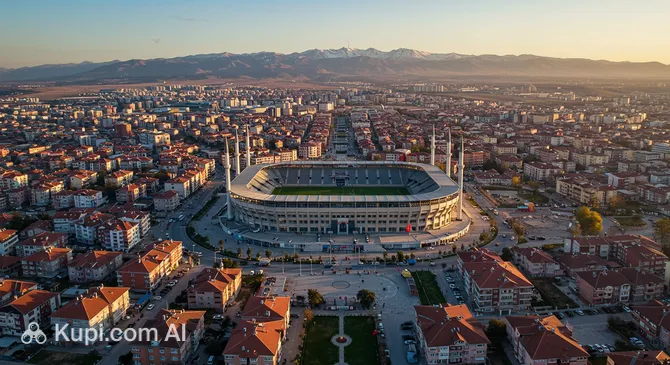
Elazig. Source: Kupi.Binoculars

Geographically, the city is situated on a fertile plain at an altitude of approximately 1,067 meters, surrounded by purple-hued mountains and vast bodies of water. With a population of over 420,000 residents, Elazig has developed into a significant center for commerce and education. The climate here is continental, characterized by cold, snowy winters and hot, dry summers, making the surrounding lakes popular escapes during the warmer months.

Although the city center itself is relatively modern, established in the 19th century, the history of Elazig is inextricably linked to the ancient hilltop settlement of Harput. Just a few kilometers from the city center, Harput serves as an open-air museum where visitors can explore millennia of heritage. The region is effectively a peninsula, bordered by the Euphrates River and several large reservoirs, including the massive Keban Dam Lake and the scenic Lake Hazar, which is a hub for water sports and features a sunken city.

Travelers are drawn to Elazig not only for its historical sites like the Harput Castle—often called the Milk Castle—and the leaning minaret of the Great Mosque but also for its natural beauty. In winter, the Hazarbaba Ski Center offers excellent skiing opportunities with stunning lake views. Whether you are exploring the ancient ruins, tasting the famous local walnut sausage known as orcik, or simply enjoying the friendly atmosphere, Elazig promises an unforgettable travel experience.
Weather Overview

Elazig experiences a distinct continental climate, characterized by hot, dry summers and cold, precipitous winters. This seasonal variation means that the timing of your visit will greatly influence the atmosphere and available activities. Generally, travelers can expect warm summers with clear skies and chilly winters that require warm clothing.

During the peak summer months of July and August, the city becomes quite hot, with average temperatures rising to approximately 27°C to 28°C and daily highs frequently reaching 34°C. Rainfall is virtually non-existent during this period, with data showing almost zero precipitation and only a single wet day on average per month, making it perfect for lakeside recreation.

In contrast, the winter season from December through February brings much cooler conditions. January is typically the coldest month, with average temperatures dropping to around 1.6°C and minimums often dipping below freezing. This period sees a significant increase in moisture, with January and March experiencing between 13 and 16 wet days respectively. For a more comprehensive breakdown of what to expect during your specific travel dates, you can consult the detailed guide to the weather in Elazig.

Spring and autumn offer a pleasant middle ground. May and October are particularly comfortable for exploring the outdoors, with average temperatures sitting agreeably around 16°C. However, visitors in early spring should be prepared for frequent showers, as March stands out as one of the wettest months of the year.

Interesting Facts

Beyond its ancient fortresses and shimmering lakes, Elazig holds fascinating secrets that are woven into its geology and culture. From architectural treasures to natural phenomena that defy the seasons, here are some intriguing details about this Anatolian city.

  • The Ice Cave Paradox: One of the most curious natural wonders in the region is the Buzluk Cave in Harput. Due to unique subterranean air currents and geological structures, the cave naturally produces ice during the scorching heat of summer, yet remains warm during the freezing winter months, acting as a natural refrigerator.

  • Marble of Kings: Elazig is the exclusive source of a rare, reddish-purple stone known as "Elazığ Vişne" (Cherry Marble). This distinct marble is so prized for its beauty and quality that it has been used in prestigious landmarks around the world, including the White House in the United States and the Kaaba in Mecca.

  • The Eight-Cornered Hat: While walking through the city, you may spot locals wearing a distinctive cap known as the "Sekiz Köşeli Şapka." This traditional headwear is rich in symbolism, with its eight corners representing eight specific virtues of the local people, such as patriotism, bravery, generosity, and truthfulness.

  • A Dance Born of Darkness: The famous "Çayda Çıra" folk dance, performed with candles on plates, originated here. Legend says it began during a wedding when the lights suddenly failed; villagers lit torches and candles to let the festivities continue, creating the mesmerizing illuminated dance that is now a national symbol.

How to Get There

Reaching this captivating city in Eastern Anatolia is most convenient by air, though road networks also connect it well to the surrounding region. For a detailed overview of all travel options and routes, you can read more about how to get to Elazig.

The primary entry point is Elazig Airport (EZS), which is strategically located just 10.1 km from the city center. As a regional hub, it welcomes a significant number of visitors annually. The short distance ensures a quick transfer; a taxi ride to the downtown area typically takes approximately 35 minutes, offering the most direct and hassle-free access for tourists.

If direct flights are unavailable, you might consider flying into a neighboring city. Diyarbakir Airport (DIY), located in Diyarbakir, is a larger international hub situated about 122 km from Elazig. While it handles more traffic, the transfer by car or taxi is quite manageable, taking between 1.5 to 2 hours. Another alternative is Malatya Airport (MLX) in the city of Malatya, roughly 102 km away. The drive from this airport to Elazig is efficient, typically requiring around 1.5 hours.

For clarity, here is a summary of the main airports serving the region:

Airport Name City Passenger Traffic Km from City
Diyarbakir Airport Diyarbakir High 121.8
Elazig Airport Elazig Medium 10.1
Malatya Airport Malatya Medium 102.1
Erzincan Airport Erzincan Medium 117.9
Bingol Airport Bingöl Small 121.0

Main Attractions

Elazig offers a fascinating array of attractions that blend ancient history with local culture and natural beauty. From the ruins of bygone civilizations to culinary landmarks, the city invites visitors to explore its unique heritage. Here are some of the main places to visit during your stay.

One of the most iconic sites in the region is Harput Castle, often referred to as the "Milk Castle." Perched on a hill overlooking the city, this ancient fortress dates back to the Urartian period. Legend has it that milk was used in the mortar during its construction due to a water shortage, giving the castle its unique nickname. Visitors can wander through the historic ruins, enjoy panoramic views of the Elazig plain, and feel the weight of history in this open-air museum setting.

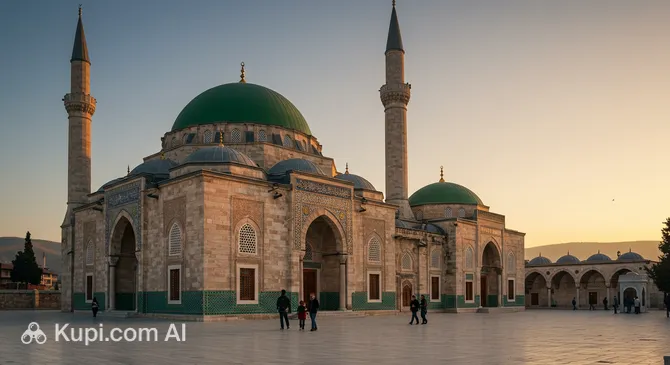
For those interested in religious architecture and spiritual sites, the Green Mosque is a noteworthy destination. This mosque serves as a peaceful sanctuary within the city, reflecting the traditional architectural styles of the region. It is an interesting stop for tourists looking to observe local daily life and admire the intricate details that characterize Turkish mosques.

Green Mosque. Source: Kupi.Binoculars

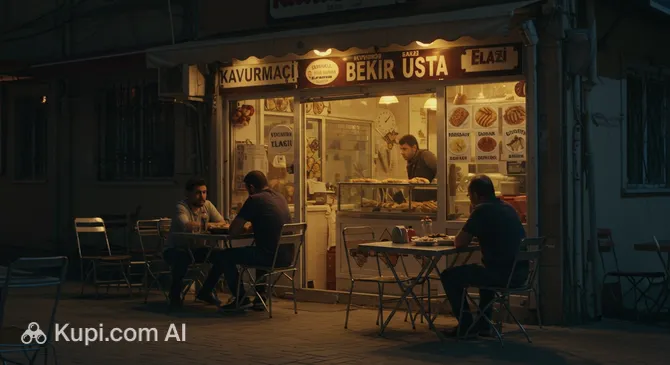
No trip to Elazig would be complete without experiencing its renowned culinary culture. Kavurmacı Bekir Usta is a celebrated establishment that has become an attraction in its own right. Famous for serving traditional roasted meat dishes known as "kavurma," this spot attracts food lovers who want to taste the authentic flavors of the province. It offers a genuine gastronomic experience that highlights the region's rich food heritage.

Kavurmacı Bekir Usta. Source: Kupi.Binoculars

Nature enthusiasts should not miss a visit to Lake Hazar, located just south of the city. Known for its crystal-clear blue waters, it is often compared to a sea and is a popular spot for swimming and water sports. The lake is also home to a "Sunken City," with ancient ruins submerged beneath the water, adding a layer of mystery to its scenic beauty. It provides a refreshing escape and is one of the most picturesque locations in Eastern Anatolia.

Local Cuisine

The culinary landscape of Elazig is a delicious reflection of its deep historical roots, particularly the heritage of the ancient city of Harput. Often described as one of the richest cuisines in Turkey with over 150 traditional recipes, the local food culture revolves around high-quality meats, grains, and distinct herbs. The "gastronomic kitchen" of the region is famous for its elaborate preparation methods and the generous hospitality that accompanies every meal.

Among the most iconic dishes you must try is Harput Köfte. Unlike typical grilled meatballs, these are small, boiled spheres made from a mixture of lean ground meat, fine bulgur, and aromatic herbs, most notably purple basil (reyhan). Another savory highlight is Sırın, a visually appealing dish consisting of rolled phyllo dough cut into bite-sized pieces, topped with garlic yogurt and drizzled with melted butter and walnuts. For a hearty main course, the roasted meat known as "kavurma" is a local staple; visitors often flock to established venues like Kavurmacı Bekir Usta to experience this tender, flavorful classic prepared with traditional expertise.

Elazig is also a paradise for those with a sweet tooth, particularly known for its grape-based products. The most famous local treat is Orcik, a walnut sausage made by dipping strings of walnuts into a thick grape molasses mixture. It is often accompanied by Pestil, dried layers of fruit pulp. These delicacies are not just desserts but essential parts of the city's winter provisions and are widely available in local markets, making for excellent edible souvenirs.

When it comes to beverages, the region holds a prestigious spot on the map for viticulture. Elazig is the homeland of the Öküzgözü grape, which produces robust, high-quality red wines with a distinct fruity aroma. Wine enthusiasts should definitely sample the local vintages. For a non-alcoholic alternative, Çedene Coffee (also known as Menengiç) is a popular choice. Made from the roasted fruits of the turpentine tree, this hot drink has a unique, nutty flavor and is believed to have various health benefits.

Dining in Elazig ranges from humble, bustling kebab houses in the city center to scenic restaurants near Harput that offer panoramic views. The food culture here is communal and unhurried, often ending with a glass of tea and friendly conversation. Whether you are exploring the historic streets or the modern avenues, you will find that food is a central pillar of social life in this vibrant Anatolian city.

Travel Tips

Visiting Elazig offers a unique opportunity to experience the genuine hospitality of Eastern Anatolia, but a little preparation goes a long way in ensuring a smooth journey. To help you navigate the city of "Gakgoş" like a local, here are some practical tips to keep in mind before you pack your bags.

  1. Clothing and Gear: Pack according to the season, as the climate is strictly continental. For summer visits, bring lightweight, breathable fabrics and a hat to protect against the strong sun. If you are traveling in winter, heavy coats, scarves, and thermal wear are essential due to freezing temperatures and snow. When visiting religious sites like the Harput Great Mosque, modest clothing is required; women should bring a scarf to cover their heads, and both men and women should cover their shoulders and knees.
  2. Transportation: The most common and affordable way to get around the city is by using dolmuş (minibuses). They run frequently along specific routes and are easy to flag down. Taxis are widely available and operate on a meter, making them a convenient option for shorter distances. However, if you plan to explore the surrounding areas, such as Lake Hazar or the Keban Dam, renting a car is highly recommended for flexibility and comfort.
  3. Finances: The local currency is the Turkish Lira (TRY). While credit cards are widely accepted in hotels, shopping malls, and larger restaurants, cash is still king in traditional bazaars, small tea houses, and for paying minibus fares. ATMs are plentiful throughout the city center. Tipping is appreciated but not mandatory; leaving a small amount (around 5-10%) at restaurants is a kind gesture.
  4. Health and Safety: Elazig is generally a safe city for tourists. Pharmacies, known as Eczane, are easy to find; they are marked with a red "E" sign, and there is always a designated pharmacy on duty (nöbetçi eczane) at night. The emergency number for medical assistance and police is 112. Tap water is generally chlorinated, but it is safer for short-term visitors to stick to bottled water.
  5. Communication: Turkish is the primary language, and English proficiency may be limited outside of major hotels and the airport. It is very helpful to learn a few basic phrases like "Merhaba" (Hello) and "Teşekkürler" (Thank you). downloading an offline translation app and an offline map before your arrival will be incredibly useful for daily interactions and navigation. SIM cards can be purchased at the airport or mobile shops in the city center.
  6. Local Etiquette: The people of Elazig are famous for their hospitality and the "Gakgoş" culture, which emphasizes brotherhood and honesty. Greetings are warm, often involving a handshake. If you are invited to a local's home, remember to remove your shoes at the entrance. Refusing an offer of tea can sometimes be seen as impolite, so try to accept at least one glass as a sign of respect.
  7. What to Avoid: Elazig is a relatively conservative city compared to western coastal resorts. It is best to avoid wearing overly revealing clothing in the city center or rural areas to respect local norms. Additionally, avoid public displays of affection, as this is not culturally common in the region.
  8. Shopping Tip: Don't leave without visiting the Kapalı Çarşı (Covered Bazaar). It is the best place to buy local specialties like orcik (walnut sausage), dried mulberries, and the famous eight-cornered hat. Shops generally stay open late, giving you plenty of time to browse after a day of sightseeing.

By keeping these practical points in mind, you will be well-equipped to enjoy everything Elazig has to offer, from its ancient castles to its rich culinary traditions. Embrace the local pace of life, enjoy the tea, and let the warmth of the city make your trip truly memorable.

Entertainment & Nightlife

Entertainment:

Entertainment in Elazig is deeply rooted in its rich cultural heritage, offering visitors a pace of life that prioritizes social connection and tradition over the high-energy nightlife found in western coastal cities. The city's leisure activities revolve around community gatherings, music, and the appreciation of local arts, providing a genuine glimpse into the soul of Eastern Anatolia.

The cornerstone of Elazig’s social culture is the Kürsübaşı tradition. Historically held in the winter months, these musical assemblies bring people together to listen to classical Harput music, sing folk songs, and share stories. Today, this tradition is kept alive in various cultural centers and venues throughout the city. Attending a Kürsübaşı night is a must for any visitor; it is an immersive experience filled with the hauntingly beautiful melodies of the clarinet and ud, often accompanied by local treats and tea.

For those who enjoy vibrant public events, the city hosts several significant festivals. The most prominent is the International Hazar Poetry Evenings, typically held on the shores of Lake Hazar. Poets and writers from across the Turkic world gather here, creating an atmosphere of literary celebration against a stunning natural backdrop. Additionally, the Orcik and Grape Harvest Festival in autumn celebrates the region's agricultural bounty, offering tourists a chance to witness the traditional making of walnut sausage and taste fresh local produce.

A stroll through the Kapalı Çarşı (Covered Bazaar) serves as a lively pastime. Unlike modern shopping malls, this historic market offers a sensory journey where you can watch artisans at work, smell the aroma of fresh spices, and chat with friendly shopkeepers. It is a bustling hub where the daily rhythm of the city is most palpable, making it an entertaining spot for photography and people-watching.

In the warmer months, locals flock to the city’s green spaces for recreation. Kültür Park is a popular urban oasis featuring walking trails, ponds, and open spaces where you can relax and enjoy the evening breeze. For a more nature-oriented escape, the recreation areas around Cip Dam offer excellent facilities for picnics, a favorite weekend activity for Elazig families looking to unwind outdoors.

Parks & Museums

While Elazig is often celebrated for its ancient fortress and culinary heritage, the city also boasts inviting green spaces and institutions dedicated to preserving its rich history. For travelers looking to unwind or dive deeper into the region's cultural past, the city offers a balanced mix of modern recreational parks and museums that showcase everything from Urartian artifacts to traditional music.

Kültür Park stands out as the city's premier urban oasis. Located centrally, this expansive park is a favorite gathering spot for locals and visitors alike. It features large ornamental pools, well-maintained walking tracks, and ample seating areas shaded by trees. It is an excellent place to take a break from sightseeing, offering a peaceful atmosphere where you can enjoy a cup of tea at one of the on-site cafes while watching the daily life of the city unfold.

For those seeking a larger natural retreat, the Şehit Polis Fethi Sekin Mesire Alanı is a massive recreational area that highlights the locals' love for the outdoors. Situated on the outskirts, this park covers a vast area and is meticulously landscaped with thousands of trees, artificial ponds, and waterfalls. It is particularly popular for picnics—a beloved weekend tradition in Elazig—and provides a refreshing escape with clean air and scenic walking paths perfect for families and nature enthusiasts.

To understand the depth of the region's history, a visit to the Elazığ Archaeology and Ethnography Museum is essential. The museum houses a significant collection of artifacts unearthed from local excavations, particularly from the Urartian, Roman, and Byzantine periods. Highlights include pottery, coins, and tools that tell the story of the civilizations that once thrived around the Euphrates. The ethnography section complements this by displaying traditional clothing, carpets, and household items that reflect the recent cultural history of the area.

Given the city's musical reputation, the Harput Music Museum is a unique cultural venue worth exploring. Located in the historic Harput district, this museum is dedicated to the preservation of the city's deep-rooted musical traditions. Visitors can see displays of traditional instruments, learn about famous local musicians, and listen to recordings of the classical "Harput music," which is considered one of the most sophisticated folk music styles in Turkey.

In addition to these venues, the historic district of Harput itself functions as an open-air museum. Among its architectural treasures is the Great Mosque (Ulu Cami), famous for its leaning minaret which is often compared to the Tower of Pisa. Unlike the Green Mosque located in the city center, this 12th-century structure offers a glimpse into the Artuqid architecture and stands as a resilient symbol of the city's ancient past.

For a truly authentic experience, try to visit the museums in Harput just before sunset. After exploring the exhibits, you can step outside to witness a breathtaking panoramic view of the Elazig plain and the Keban Dam Lake bathed in golden light, a sight that perfectly bridges the gap between the region's natural beauty and its historical grandeur.

Getting Around

Public transportation in Elazig is straightforward and efficient, primarily relying on a network of buses and minibuses that cover the city center, residential districts, and the historic Harput area. Unlike larger metropolises with complex rail systems, this city offers a more simplified transit experience, making it relatively easy for visitors to navigate without getting lost.

The backbone of the municipal transport system consists of standard municipal buses and a modern fleet of electric buses known as ELBÜS. These battery-powered vehicles are a point of local pride, offering a silent, eco-friendly, and comfortable ride. They are particularly useful for reaching key locations such as the university campus, major hospitals, and the city center. Bus stops are clearly marked, and digital displays on the front of the vehicles indicate their destination and route number.

For a faster and more flexible alternative, you can use the dolmuş (minibuses). These privately operated vehicles are ubiquitous in the city and are easily recognizable by their distinct colors, often blue or cream. They follow specific routes but have a more flexible approach to stops; you can usually flag one down anywhere along the route and ask the driver to let you off at a convenient point. They are particularly frequent and serve areas that might be less accessible by large municipal buses.

The payment system differs depending on your mode of transport. For municipal buses and the ELBÜS, you will need a contactless smart card known as the Elazığ Kart (or similar local transit card). These cards can be purchased and topped up at kiosks, small markets, and filling stations located near major bus stops. You simply tap the card on the reader when boarding. In contrast, the dolmuş system operates strictly on cash. You hand the fare directly to the driver upon entering; it is helpful to carry small change for these trips.

Taxis are another reliable option and are widely available 24/7. You can find yellow taxi stands at busy intersections, the bus terminal, and near the airport. All legal taxis are equipped with taximeters, and it is standard practice for drivers to use them. While not as cheap as public transit, taxis offer the most direct way to reach specific hotels or attractions like Harput Castle without waiting for scheduled services.

If you plan to explore the surrounding region, such as Lake Hazar or the Keban Dam, renting a car is highly recommended. While public transport serves the city well, the freedom of a personal vehicle allows you to visit these scenic spots at your own pace. Several car rental agencies operate within the city center and at the airport.

Public transport generally operates from early morning, around 06:00, until approximately 23:00 or midnight. Fares are quite affordable, making it budget-friendly to get around. When using the bus, remember to board at the front and exit from the middle or rear doors. If you are unsure about the route, locals are typically very helpful; just saying the name of your destination to the driver or a fellow passenger will often result in friendly guidance.

Accommodation

Where to Stay:

Accommodation in Elazig caters primarily to a mix of business travelers, cultural tourists, and families visiting relatives. The city offers a range of options that are generally comfortable, clean, and well-equipped, though it lacks the ultra-luxury resort scene found in Turkey's coastal regions. Visitors can expect to find everything from reliable mid-range hotels and modern business suites to budget-friendly local guesthouses and state-run facilities known as "Öğretmenevi" (Teachers' Houses), which are often open to the public.

The most convenient area to stay is undoubtedly the City Center. Choosing a hotel in the heart of the city places you within walking distance of the Green Mosque, the bustling Covered Bazaar, and numerous restaurants serving local delicacies. Staying here also ensures easy access to public transport, making it simple to catch a bus to the airport or a dolmuş to the historic district of Harput.

For those visiting during the summer months who prefer a more resort-like atmosphere, the area around Lake Hazar in the district of Sivrice offers a different experience. Located about 30 kilometers from the city center, this area features lakeside hotels, holiday villages, and camping grounds. It is an ideal choice for travelers who want to combine their cultural trip with swimming and water sports, waking up to views of the "hidden sea" of the East.

In terms of pricing, Elazig is quite affordable compared to major tourist hubs like Istanbul or Antalya. You can often find high-quality service at mid-range prices. While walk-ins are possible at smaller establishments, it is highly recommended to book your accommodation in advance, especially if you are visiting during the summer or around major local events like the Hazar Poetry Evenings. Most established hotels are listed on major international booking platforms, but calling smaller local hotels directly can sometimes secure a better rate.

Nearby Cities

For those looking to explore the surroundings, Elazig serves as an excellent base for day trips to several interesting nearby locations:

City Population Distance (km)
Malatya 426,381 85
Yesilyurt 304,839 95
Battalgazi 295,821 80
Siverek 258,265 103
Ergani 130,105 65

One of the most prominent destinations for a day trip is Malatya, located just to the west. Known globally as the "Apricot Capital of the World," it offers a delightful mix of bustling city life and deep history. Visitors can explore the Arslantepe Mound, a UNESCO World Heritage site that provides insight into the earliest state formations in Anatolia, or simply enjoy the local cuisine which heavily features the region's famous fruit.

For history enthusiasts, Battalgazi (often referred to as Old Malatya) is a must-visit. Situated slightly closer to Elazig, this town is home to an array of Seljuk and Ottoman monuments. Highlights include the Grand Mosque of Battalgazi and the impressive Silahtar Mustafa Pasha Caravanserai, which transports visitors back to the days of the Silk Road.

To the southeast lies Ergani, a district in the province of Diyarbakir. It is historically significant for the Çayönü Tepesi, one of the oldest known agricultural settlements in the world, and the nearby Hilar Caves. It offers a fascinating look into the Neolithic era and is perfect for travelers interested in archaeology and ancient civilizations.

These nearby destinations offer a glimpse into the diverse culture and landscapes of the region, allowing visitors to expand their journey beyond the borders of Elazig.

Shopping & Souvenirs

Shopping in Elazig offers a delightful blend of authentic local culture and modern convenience. While the city may not be a global fashion capital, it excels in providing high-quality local produce, traditional handicrafts, and a genuine bazaar experience. Visitors can expect to find everything from bustling historic markets filled with the aroma of spices to contemporary shopping centers housing international brands.

The heart of the city's retail activity beats along Gazi Street (Gazi Caddesi). This bustling thoroughfare is lined with a wide variety of shops, boutiques, and patisseries, making it the primary destination for locals and tourists alike. Walking down this street offers a glimpse into daily life in Elazig, where you can find clothing, electronics, and jewelry interspersed with traditional tea houses.

For a more modern shopping experience, the city features several large malls that provide entertainment and retail options under one roof. Park 23 Shopping Center is one of the most popular destinations, offering a wide range of clothing stores, a cinema, and a food court. Another notable spot is Elysium Park, which serves as a lifestyle center with open-air areas, diverse dining options, and numerous brand-name stores.

The true highlight of shopping in Elazig, however, is the historical Kapalı Çarşı (Covered Bazaar). Unlike the tourist-heavy bazaars in western Turkey, this market remains authentically local. It is the best place to find regional food specialties. Here, you can wander through stalls piled high with blocks of tulum cheese, buckets of fresh yogurt, and colorful spices. It is a sensory experience where you can taste products before you buy and bargain with friendly shopkeepers.

When it comes to souvenirs, Elazig is famous for its edible treasures. The most iconic item to bring home is Orcik, a candle-shaped walnut sausage dipped in grape molasses. Other popular edible gifts include Pestil (dried fruit pulp), Ağın Leblebisi (roasted chickpeas from the Ağın district), and Çedene coffee. For non-food items, look for the traditional eight-cornered hat (Sekiz Köşeli Şapka), handmade copper crafts, or a bottle of the local Öküzgözü wine, which is produced from indigenous grapes grown in the region.

Store hours in Elazig are generally consistent with the rest of Turkey. Small shops and street boutiques typically open around 09:00 and close by 20:00 or 21:00. Shopping malls stay open later, usually operating from 10:00 until 22:00 daily. Major credit cards are widely accepted in malls, supermarkets, and most retail stores on main streets. However, if you plan to shop in the Covered Bazaar or buy from small local vendors, it is advisable to carry cash (Turkish Lira).

Tourists visiting Elazig may be eligible for tax-free shopping at participating stores, particularly in the larger shopping malls. Look for the "Tax Free" signage in shop windows. If you make a purchase above the minimum limit, ask for the necessary paperwork to claim a VAT refund at the airport upon your departure from Turkey.

Reached the end of the page?

That means the route is fully explored