Support

Tokat

About

Nestled in the lush greenery of the Pontic Mountains' southern slopes, Tokat is a captivating destination that seamlessly blends natural beauty with cultural depth. Located in northern Turkey, this city serves as the capital of the Tokat Province and offers visitors a chance to experience the authentic atmosphere of Anatolia away from the massive tourist crowds.
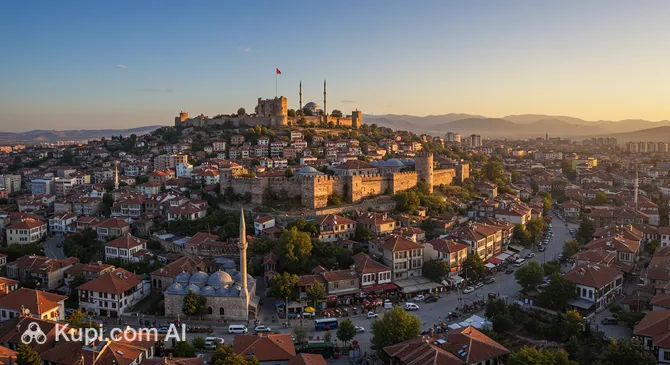
Tokat. Source: Kupi.Binoculars

Geographically, the city sits at the confluence of the Behzat and Yeşilırmak rivers, creating a fertile landscape that has supported settlements for millennia. With a population of approximately 201,000 inhabitants, it maintains a lively yet relaxed urban pace. The climate here is a transition between the temperate Black Sea climate and the continental climate of Central Anatolia, resulting in distinct seasons that paint the city in different colors throughout the year.

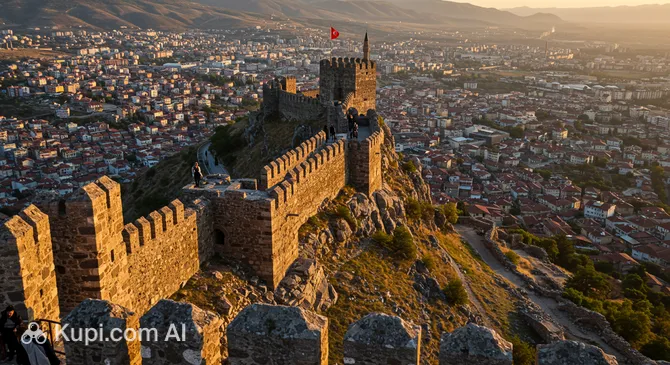
The history of Tokat is incredibly rich, stretching back to the Hittite era and flourishing under the Seljuks and Ottomans. Walking through the streets, you can witness this heritage firsthand. The city is famous for its well-preserved Ottoman mansions, historic mosques, and the imposing Tokat Castle, which watches over the town from a rocky hilltop. Another must-see natural wonder nearby is the Ballıca Cave, known for its unique onion-shaped stalactites and therapeutic air.

Whether you are a history buff, a nature lover, or a foodie looking to taste the famous local kebabs and vine leaves, Tokat has something special to offer. It is a delightful stop for anyone wishing to explore the deeper roots and scenic landscapes of the region.
Weather Overview

Understanding the local climate is key to planning your visit, as the city experiences distinct seasonal changes. For a comprehensive breakdown of what to expect during your specific travel dates, you can consult the detailed guide to the weather in Tokat.

Winters in the region are generally cold and damp. January is typically the coldest month, with average temperatures hovering around 0.7°C and lows frequently dropping to -3.6°C. Precipitation is common during this time, with January seeing about 13 wet days, so warm layers and waterproof clothing are essential if you visit early in the year.

As spring arrives, temperatures begin to rise, reaching average highs of 19.7°C by May. However, this season is also characterized by frequent rainfall; March and May are among the wettest months, each recording approximately 15 days with precipitation. The lush green landscapes make this a beautiful time to visit, provided you pack an umbrella.

Summer brings the most stable and pleasant conditions for travelers. August is usually the warmest month, featuring average highs of 27.3°C and significantly drier skies, with only about 4 rainy days. Expect warm summers with occasional rain and cold, wetter winters, making the period from June to September the most popular time for outdoor activities.

Interesting Facts

Beyond its scenic beauty and culinary delights, Tokat holds fascinating historical secrets that often surprise travelers. Here are a few unique insights into the city's rich heritage:

Tokat Castle. Source: Kupi.Binoculars
  • Dracula's Prison: It is widely believed that Vlad the Impaler, the historical figure who inspired the legend of Dracula, was imprisoned in the dungeons of Tokat Castle by the Ottomans in the mid-15th century.

  • Caesar's Famous Words: The iconic Latin phrase "Veni, Vidi, Vici" (I came, I saw, I conquered) was reportedly sent to Rome by Julius Caesar from the district of Zile in Tokat, announcing his swift victory at the Battle of Zela.

  • A Walk Through Time: The city center, particularly Sulusokak Street, is often called an open-air museum where you can encounter architectural masterpieces from multiple civilizations, including the Ali Pasha Mosque and Tomb, all within a short walking distance of "900 steps."

  • Living Craftsmanship: The Taşhan Caravanserai is one of the few historical inns in Turkey that still functions as a hub for commerce and art, actively preserving the 600-year-old tradition of "Tokat Yazması" (traditional woodblock printing on fabric).

How to Get There

Reaching this historic city has become increasingly convenient, with air travel being the most popular method for international and distant domestic visitors. For a complete overview of all transport options and routes, you can read more about how to get to Tokat on our detailed page.

The city is served by its own local aviation hub, Tokat Airport (TJK), located just 15.5 km from the city center. While it is a smaller facility with an annual passenger traffic of around 150,000 people, it offers the most direct access. A taxi or shuttle ride from here typically takes about 45 minutes. Due to its size, flight schedules may be limited, so many travelers also consider nearby alternatives.

A viable option for many is Sivas Airport (VAS), situated in the neighboring city of Sivas, approximately 64 km away. This airport handles a moderate volume of traffic and provides good connectivity. The transfer to Tokat by road usually takes around 2 hours. For those seeking even more flight connections, Samsun-Çarşamba Airport (SZF) in Samsun is a major regional hub located about 104 km away. It serves over 1.4 million passengers annually and is roughly a 3-hour drive from Tokat.

For clarity, here is a summary of the main airports:

Airport Name City Passenger Traffic Km from City
Samsun-Çarşamba Airport Samsun Large 103.8
Ordu Giresun Airport Ordu Medium 147.6
Sivas Airport Sivas Medium 64.0
Tokat Tokat Small 15.5
Merzifon Airport Merzifon Small 103.8

While air travel is efficient, many visitors also choose to arrive by road. Turkey has an extensive network of intercity buses that connect Tokat to major cities like Istanbul and Ankara. The bus terminal is well-connected to the city center, making it a budget-friendly and scenic alternative for exploring the Anatolian landscape.

Main Attractions

Tokat is a city where history is etched into every corner, offering a fascinating array of sites that reflect its multi-layered past. From Ottoman elegance to spiritual centers, the city invites visitors to explore its architectural and cultural heritage.

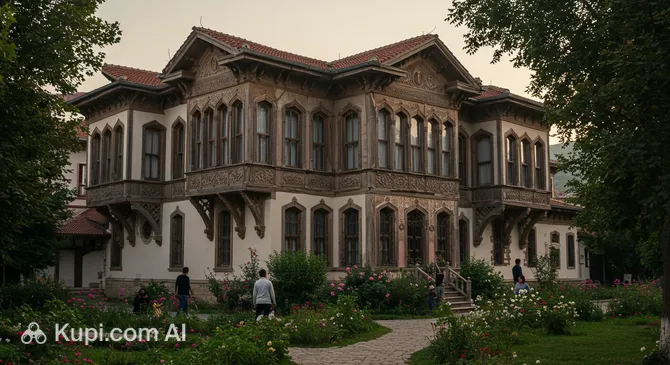
One of the most impressive examples of civil architecture in the region is the Latifoglu Mansion. This 18th-century baroque-style building offers a unique window into the lavish lifestyle of the Ottoman era. Visitors are often captivated by the "Paşa Room," which features exquisite wood carvings and elaborate ceiling decorations. Today, it serves as a museum-house, preserving the traditional furniture and household items that tell the story of domestic life in old Tokat.

Latifoglu Mansion. Source: Kupi.Binoculars

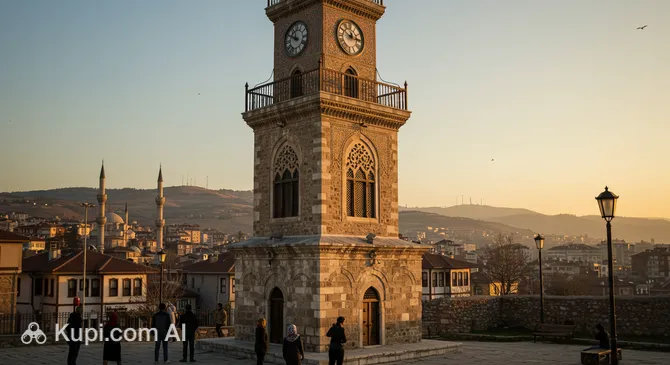
Standing as a prominent symbol of the city in the Behzat district is the Tokat Clock Tower. Constructed in 1902 to commemorate the 25th anniversary of Sultan Abdulhamid II’s accession to the throne, this elegant stone structure is a favorite among photographers. Unlike many other clock towers, this one is known for its sirens that ring every hour, serving as a nostalgic timekeeper for the local community.

Tokat Clock Tower. Source: Kupi.Binoculars

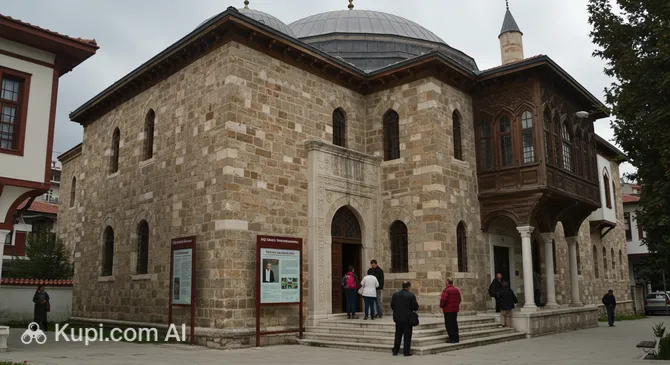
For those interested in spiritual history, the Mevlevi Lodge is a must-visit destination. Dating back to the 17th century, this wooden structure is considered one of the finest surviving examples of Mevlevi architecture in Anatolia. It has been meticulously restored and converted into a museum, where you can see dervish artifacts, musical instruments, and ancient manuscripts, all set within a peaceful and contemplative atmosphere.

Mevlevi Lodge. Source: Kupi.Binoculars

A deep dive into the region's timeline awaits at the Tokat Museum. Located in the historical Arastalı Bedesten (covered market), the museum houses a diverse collection of archaeological and ethnographic treasures. Highlights include artifacts from the Bronze Age, Hittite tablets, and Roman coinage. A particularly famous exhibit is a rare wax mummy, which continues to intrigue travelers and historians alike.

Tokat Museum. Source: Kupi.Binoculars

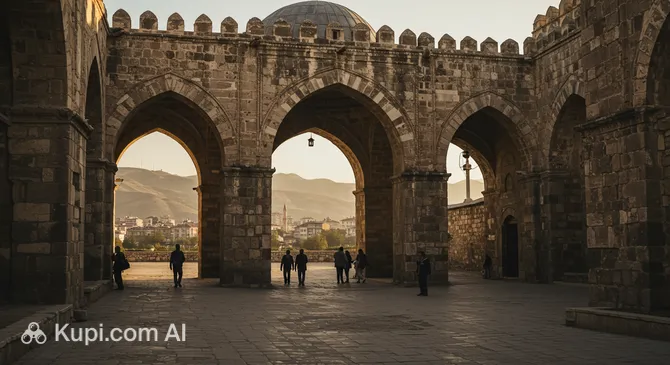
Finally, no trip to the city is complete without experiencing the vibrant energy of the Taşhan Caravanserai. This 17th-century inn features a stunning open courtyard surrounded by two stories of brick arches. It remains a bustling center of commerce, famous for its workshops producing traditional "Tokat Yazması" (wood-block printed fabrics). It is the perfect place to admire historical architecture while shopping for authentic local souvenirs.

Taşhan Caravanserai. Source: Kupi.Binoculars

Local Cuisine

The culinary scene in Tokat is a delightful reflection of its fertile lands and deep-rooted Anatolian traditions. Known as a "fruit and vegetable warehouse" of the region, the city offers a gastronomy characterized by fresh, high-quality ingredients. The local kitchen is famous for its unique combination of meats, vegetables, and distinctive cooking methods that have been passed down through generations.

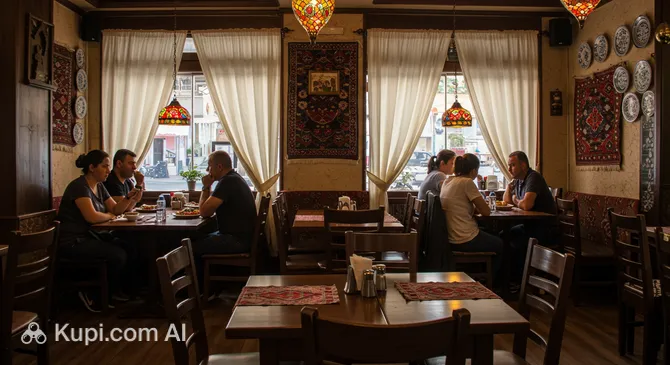
The undisputed king of the local table is the famous Tokat Kebab. Unlike other kebabs in Turkey, this dish is a colorful medley of fresh lamb, eggplant, tomatoes, potatoes, peppers, and garlic, all cooked vertically in a specially designed oven. The juices from the meat drip onto the vegetables below, creating a rich and smoky flavor profile. For an authentic experience of this signature dish, you can visit Ziyafet Kebab, a popular spot among locals who appreciate traditional preparation methods.

Ziyafet Kebab. Source: Kupi.Binoculars

Another culinary staple you must try is the world-renowned Tokat vine leaf (Tokat Yaprağı). These leaves are prized across Turkey for being exceptionally thin and veinless, making them perfect for sarma (stuffed vine leaves). You will also encounter a unique local specialty called Bat. This is a cold, nutritious dish made from green lentils, fine bulgur, walnut paste, and tomato paste, often eaten with vine leaves or spooned onto fresh bread. It is a refreshing option, especially during the warmer months.

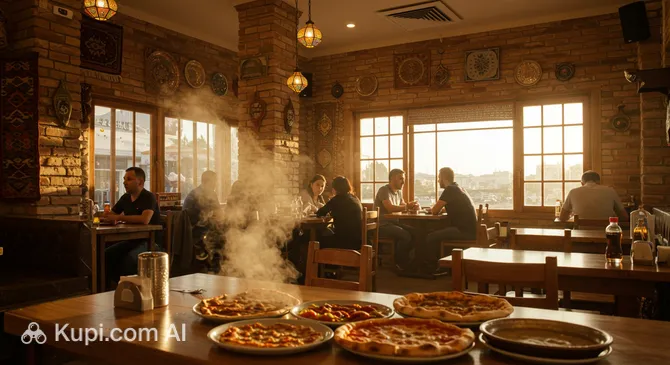
If you are in the mood for baked goods, the city offers excellent Turkish flatbreads. Irmak Pide Restaurant is a great place to sample pide, a boat-shaped dough topped with various ingredients like minced meat, cheese, or sucuk (spicy sausage). The crispy crust and savory toppings make it a satisfying meal for lunch or dinner.

Irmak Pide Restaurant. Source: Kupi.Binoculars

When it comes to drinks and sweets, the region's vineyards play a significant role. Tokat is the home of the Narince grape, which is used to produce high-quality local wines as well as non-alcoholic grape juice and molasses. A famous sweet treat is Zile Pekmezi, a dense, white grape molasses that is often eaten for breakfast to provide energy. To finish your meal, a glass of traditional Turkish tea or a cup of frothy Ayran is the perfect accompaniment to the rich flavors of Tokat's cuisine.

Travel Tips

Welcome to Tokat! To help you make the most of your journey through this historic Anatolian city, we have compiled a set of essential travel guidelines. These practical tips will ensure your visit is comfortable, culturally respectful, and full of authentic experiences.

  1. Clothing and Gear: The climate in Tokat varies significantly by season. If you are visiting in winter, pack heavy coats and waterproof boots, as it can be snowy and cold. For summer visits, light and breathable fabrics are best, but always bring a light jacket for cooler evenings. Since the city is famous for its "900 steps" historical tour and cobblestone streets, sturdy, comfortable walking shoes are a must. Additionally, when visiting religious sites like the Ali Pasha Mosque, modest dress is required; women should bring a scarf to cover their heads.

  2. Transportation: The city center is quite compact and best explored on foot, allowing you to easily wander between the museums and historical mansions. For destinations further afield, the local dolmuş (minibuses) are the most popular and budget-friendly option, with routes covering the entire city. Taxis are also readily available and reasonably priced; just ensure the meter is running. Car rental is generally not necessary unless you plan to explore the surrounding countryside or drive to the Ballıca Cave independently.

  3. Finances: The local currency is the Turkish Lira (TRY). While credit cards are widely accepted in hotels, larger restaurants, and supermarkets, cash is king in traditional places like the Taşhan Caravanserai and smaller local eateries. It is advisable to carry small denominations for taxi fares and tips. ATMs are plentiful throughout the city center for withdrawing cash.

  4. Health and Safety: Tokat is a safe and peaceful city for tourists. Pharmacies, known as Eczane, are easy to find and can help with minor ailments; look for the "Nöbetçi Eczane" sign for the pharmacy on duty after hours. Tap water is generally chlorinated, but most locals and tourists prefer drinking bottled water for better taste. In summer, use sunscreen if you plan to spend long hours exploring outdoor ruins.

  5. Communication: The primary language is Turkish. English is not widely spoken outside of major hotels and tourism offices, so learning a few basic phrases like "Merhaba" (Hello) and "Teşekkürler" (Thank you) will be greatly appreciated by the locals. It is highly recommended to have a translation app and offline maps downloaded on your phone. You can easily purchase a prepaid SIM card from major operators in the city center.

  6. Local Etiquette: Hospitality is a cornerstone of culture in Turkey, and Tokat is no exception. If you are invited into a local home, always remove your shoes at the door. When visiting mosques, maintain a quiet demeanor and avoid passing in front of people who are praying. It is also polite to greet shopkeepers when entering their stores.

  7. What to Avoid: Avoid refusing an offer of tea (çay) if possible, as it is a gesture of friendship; if you must decline, do so politely with a hand over your heart. Public displays of affection should be kept to a minimum to respect the conservative local norms. Also, avoid taking photographs of local people, especially women, without asking for permission first.

  8. Culinary Tip: If you plan to try the famous Tokat Kebab, be aware that it is a slow-cooked dish often prepared to order. In many traditional restaurants, it is best to call ahead or arrive early to ensure you don't miss out, as places may sell out by the evening. Don't forget to buy some "Tokat Yazması" (traditional hand-printed fabric) as a lightweight and authentic souvenir.

By keeping these tips in mind, you will be well-prepared to navigate the charming streets of Tokat with confidence. Embrace the slow pace of life, enjoy the rich flavors, and let the city's warm hospitality make your trip truly memorable.

Entertainment & Nightlife

Entertainment in Tokat offers a blend of serene nature and cultural immersion, providing a refreshing change of pace from the bustle of larger metropolises. The city's social life is intimately connected to the Yeşilırmak River, where recent developments have created delightful spaces for relaxation and recreation.

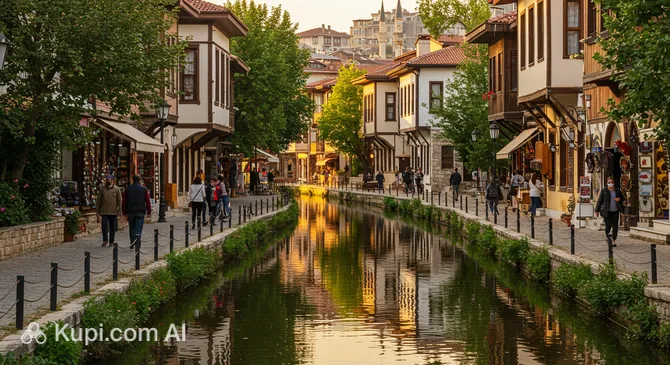
A highlight for visitors of all ages is the Tokat Canal (Kanal Tokat). This riverside promenade brings a touch of romance and fun to the city center. You can rent small boats or gondolas to navigate the calm waters, offering a unique perspective of the city's architecture. The surrounding parkland is perfect for leisurely walks, jogging, or enjoying a picnic while watching the world go by.

Tokat Canal. Source: Kupi.Binoculars

Shopping here serves as its own form of entertainment, deeply rooted in history. The city is famous for its 600-year-old tradition of woodblock printing. Exploring the workshops in the local bazaars allows you to witness artisans creating the famous "Tokat Yazması" scarves and tablecloths. It is not just about buying a souvenir; it is about engaging with a living heritage that has been preserved for centuries.

As night falls, the city settles into a calm, welcoming rhythm. The nightlife is centered around socialization in tea gardens and cafes, many of which are located along the riverbanks or near historical sites. It is a great opportunity to mingle with friendly locals, enjoy traditional Turkish beverages, and admire the illuminated silhouettes of the city's monuments against the night sky.

Parks & Museums

Tokat is often described as a "city of museums" due to its incredible density of historical artifacts, but it is equally defined by its lush landscapes and natural wonders. Visitors to this region can seamlessly transition from exploring ancient corridors to breathing in the fresh air of pristine nature parks, making it a well-rounded destination for diverse interests.

For nature enthusiasts, the Ballıca Cave Nature Park is an unmissable highlight located just a short drive from the city center. This geological marvel is one of the most spectacular caves in the world, famous for its rare "onion" stalactites and massive internal halls. The cave is not only a visual feast but is also frequented by visitors seeking the therapeutic benefits of its oxygen-rich air. Another favorite local retreat is the Gümenek Picnic Area, situated on the banks of the Yeşilırmak River. Historically known as Comana Pontica, this area combines natural beauty with history, offering a shaded, grassy haven perfect for picnics and relaxing by the water during the warm summer months.

The city's cultural depth is best experienced through its well-curated museums. While the Tokat Museum in the Arastalı Bedesten is the primary destination for archaeological finds, the Tokat City Museum offers a more intimate look at local life. Housed in a restored historical building, it features wax sculptures and dioramas that vividly recreate the traditional trades, daily routines, and social customs of Tokat's past inhabitants. Additionally, the Atatürk House and Ethnography Museum provides a glimpse into the early Republican era, preserving the room where Mustafa Kemal Atatürk stayed during his visits, alongside a collection of ethnographic items.

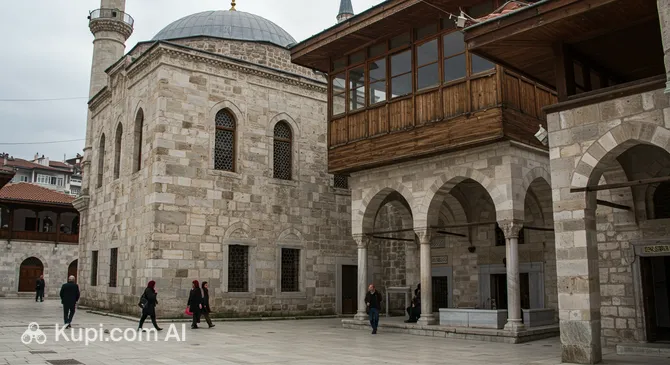
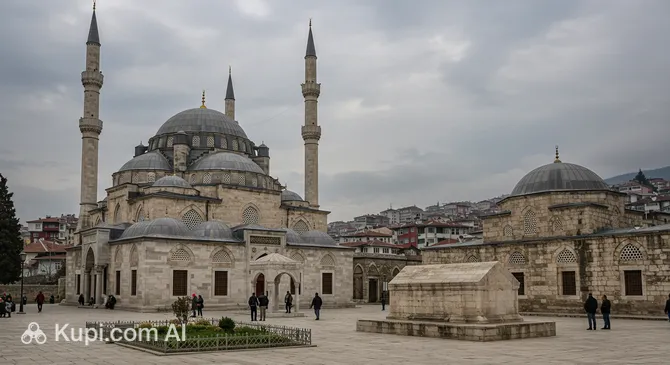
Walking through the city center reveals significant historical landmarks that function as open-air exhibits. The Ali Pasha Mosque and Tomb is the largest Ottoman mosque in Tokat, dating back to the 16th century. Its complex includes a beautifully preserved wooden fountain and the tomb of Ali Pasha himself, reflecting the grandeur of classical Ottoman architecture.

Ali Pasha Mosque and Tomb. Source: Kupi.Binoculars

Another architectural gem is the Gök Medrese (Blue Madrasa), a stunning example of Seljuks art. Originally built as a hospital in the 13th century, it is renowned for its intricate tile work and stone carving, serving as a testament to the city's long-standing importance as a center of healing and learning.

For a truly authentic experience, take a stroll down Sulusokak Street. This historic thoroughfare is practically a museum in itself, lined with mosques, inns, and madrasas from different eras side-by-side. It is the perfect place to feel the pulse of old Tokat and discover hidden architectural details that most hurried tourists might miss.

Getting Around

Navigating Tokat is relatively straightforward and convenient, thanks to a well-organized public transport network that primarily relies on buses and minibuses. Since the city does not have a metro or tram system, the municipal buses serve as the main backbone of transportation, connecting the city center with residential neighborhoods, the university campus, and the intercity bus terminal. These buses are modern, comfortable, and frequent, making them a reliable choice for getting around.

For a faster and more flexible alternative, you can use the dolmuş (minibuses). These are a staple of local transport culture, operating on specific routes but without fixed stops; you can simply signal the driver to stop anywhere along the route to hop on or off. They are particularly useful for shorter distances or for reaching areas that might be slightly further from the main bus stops. The destination is usually displayed in the front window, and they run frequently throughout the day.

To use the municipal buses, you will need to obtain a Tokat Kart (Tokat Card), a contactless smart card used for fare payment. Cash is generally not accepted on municipal buses. You can purchase these cards and top them up at designated kiosks, authorized dealers, or automated filling points located near major stops in the city center. For the dolmuş, payment methods can vary; while some lines are integrating into the electronic card system, many still accept cash payments directly to the driver upon boarding.

Public transport typically operates from early morning, around 06:30, until approximately 23:00 or midnight, depending on the route. During peak hours, buses can get crowded, particularly those heading towards the university. It is advisable to check the route signs carefully, and if you are unsure, locals are usually very helpful in pointing you in the right direction. Fares are quite affordable, making public transport a budget-friendly way to explore.

If you prefer more privacy or need to travel late at night, taxis are widely available 24/7. You can easily spot them by their yellow color and "Taksi" signs. They operate on a meter system, and it is standard practice to ensure the meter is turned on when you start your journey. Taxi stands are conveniently located near the city center, the bus terminal, and major hotels.

Finally, given the compact nature of the historical city center, walking is often the best option for tourists. Many of the key attractions, such as the museums, mosques, and the castle area, are within walking distance of each other. Exploring on foot allows you to soak in the atmosphere of the narrow streets and discover hidden gems that you might miss while in a vehicle.

Accommodation

Where to Stay:

Accommodation in Tokat is generally characterized by authentic hospitality and comfort rather than large-scale luxury resorts. The city offers a modest but welcoming selection of lodging options that cater to various preferences. Visitors can typically find mid-range city hotels, charming boutique hotels housed in restored historical mansions, and budget-friendly guest houses. These establishments often provide a cozy atmosphere that reflects the traditional lifestyle of the region, allowing travelers to feel at home while exploring the Anatolian heartland.

For those who want to be in the center of the action, staying in the city center is the most convenient option. This area places you within walking distance of major historical attractions, such as the bustling Sulusokak Street and the museums. Being in the heart of the city means you are never far from local restaurants and shops. Alternatively, the areas along the banks of the Yeşilırmak River offer a more scenic setting. Hotels here often provide pleasant views of the water and easy access to the riverside parks and the canal, making for a relaxing stay after a day of sightseeing.

The price range for accommodation in the city is quite reasonable compared to Turkey's major tourist hubs like Istanbul or Antalya. Most options fall into the budget to mid-range category, offering excellent value for money. While you can find some modern facilities with standard amenities, the highlight for many is the opportunity to stay in converted Ottoman-era houses, which offer a unique historical ambiance at an affordable price.

When it comes to securing your room, it is advisable to book in advance, especially if you plan to visit during the summer months or around national holidays. While the city is not overwhelmed by mass tourism, the best boutique hotels have limited capacity and can fill up quickly. Major online booking platforms work well for most properties, but for smaller, family-run guest houses, contacting them directly can sometimes yield better availability or specific room requests.

Nearby Cities

For those looking to explore the surroundings, Tokat serves as an excellent base for day trips to several interesting nearby locations:

City Population Distance (km)
Sivas 377561 75
Amasya 149084 71
Çarşamba 138840 98
Asarcik 97564 84
Erbaa 95361 39

One of the most visually stunning destinations in the region is Amasya. Located in a narrow gorge of the Yeşilırmak River, it is famous for the dramatic Tombs of the Pontic Kings carved into the sheer rock face above the city. The riverbanks are lined with beautifully preserved Ottoman-style wooden houses, known as the Yalıboyu houses, creating a picturesque scene that is perfect for photography and leisurely walks.

Another historically significant neighbor is Sivas. As a major hub during the Seljuk era, the city is home to some of the finest examples of medieval architecture in Anatolia. Visitors can marvel at the intricate stone carvings of the Gök Medrese (Blue Madrasa) and the imposing Twin Minaret Madrasa (Çifte Minareli Medrese) in the city center, both of which showcase the artistic grandeur of the 13th century.

These nearby destinations offer a glimpse into the diverse culture and landscapes of the region.

Shopping & Souvenirs

Shopping in Tokat offers a delightful blend of authentic Anatolian tradition and modern convenience. While the city may not be a sprawling metropolis of high-end fashion, it excels in providing visitors with unique, handcrafted treasures that reflect the region's deep cultural roots. From bustling historical bazaars to contemporary shopping centers, the retail experience here is intimate and rich in local character.

The heart of the city's commercial life beats along Gaziosmanpaşa Boulevard. This main thoroughfare is lined with a variety of clothing boutiques, shoe stores, and patisseries, making it the perfect place for a casual stroll and window shopping. For a more atmospheric experience, head to the historical Sulusokak district. Walking through its cobblestone streets feels like stepping back in time, where you can find small shops selling antiques, handicrafts, and local curiosities amidst centuries-old architecture.

For those seeking a modern retail experience, Novada Tokat AVM is the city's premier shopping destination. Located conveniently near the river, this mall houses a wide range of national and international brands, electronics stores, and a food court. It provides a comfortable, climate-controlled environment where travelers can find everything from daily necessities to the latest fashion trends.

The crown jewel of Tokat's shopping scene is undoubtedly the Taşhan Caravanserai. This magnificent 17th-century Ottoman inn is not just a historical monument but a functioning bazaar. Inside its brick-arched courtyard, artisans and shopkeepers display their wares in a setting that has remained largely unchanged for centuries. It is the ideal place to browse for traditional copperware, handmade jewelry, and authentic local textiles while sipping tea in the open air.

When looking for souvenirs, the most iconic item to bring home is Tokat Yazması. These are exquisite cotton fabrics, typically used as headscarves or tablecloths, featuring intricate floral patterns hand-printed using wooden blocks—a craft unique to this city. Foodies should look for Zile Pekmezi, a dense white grape molasses famous for its energy-boosting properties, or a pack of the region's celebrated vine leaves, which are prized across Turkey for their tenderness.

Stores in the city center generally operate from 09:00 to 20:00, though some smaller shops may close earlier on Sundays. The shopping mall typically stays open until 22:00. Credit and debit cards are widely accepted in most establishments, including the mall and larger souvenir shops. However, it is always wise to carry some cash (Turkish Lira) when visiting smaller local markets or purchasing small items from traditional artisans in the Taşhan.

Travelers visiting from abroad should note that Turkey offers a Tax-Free shopping system. Look for the "Tax Free" signage in the windows of larger retail stores, particularly in the shopping mall. If you make a purchase above a certain amount, you can ask for the necessary paperwork to claim a VAT refund upon your departure from the country.

Reached the end of the page?

That means the route is fully explored