Support

Sivas

About

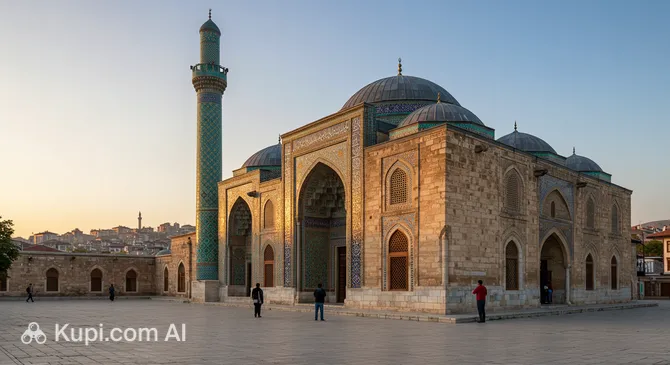
Sivas is a captivating destination that serves as a cultural bridge between eastern and central Anatolia. Known for its remarkable collection of 13th-century Seljuk architecture, this city offers a unique glimpse into the past while providing the amenities of a modern regional hub. Located in the heart of Turkey, Sivas sits at a high altitude, which contributes to its distinct continental climate characterized by snowy winters and warm, dry summers. With a population of approximately 377,000 residents, it is a lively city that retains a welcoming and authentic atmosphere.

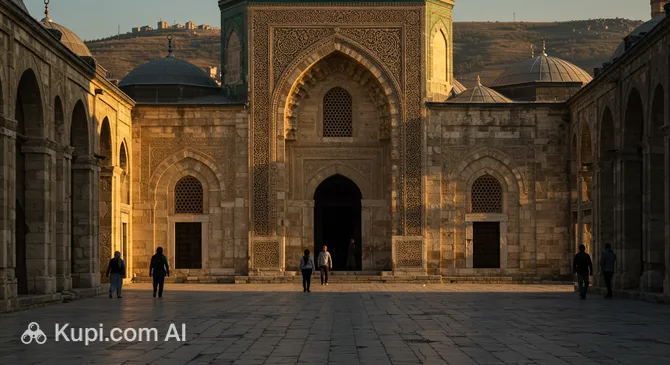
The history of Sivas is deeply intertwined with the ancient Silk Road, serving as a vital trade center for centuries. This rich heritage is evident in the city's layout, where monumental stone buildings stand as testaments to its former glory as a capital of the Eretnids and a key city for the Seljuk Empire. Walking through the city center feels like stepping into an open-air museum, where every corner reveals a new story from the medieval era.
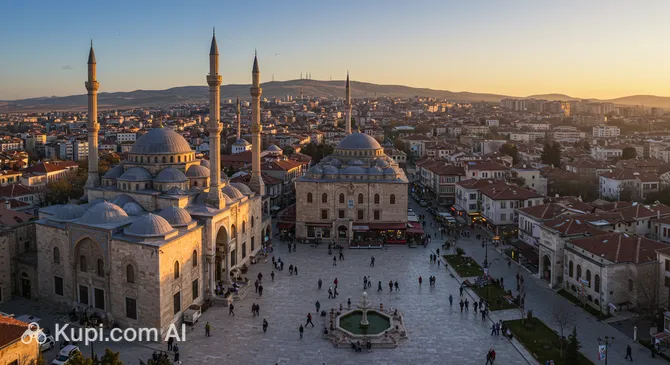
Sivas. Source: Kupi.Binoculars

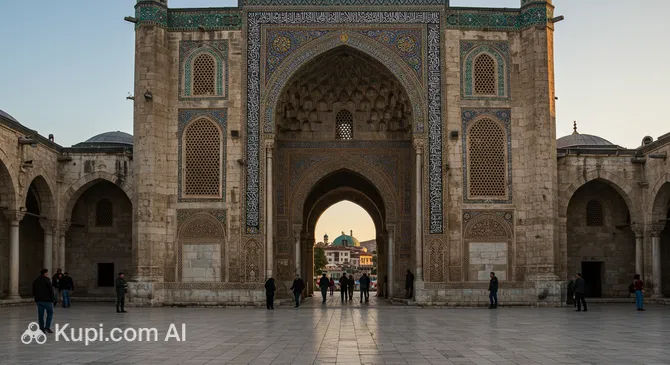
Visitors are drawn to Sivas primarily for its stunning architectural landmarks. The Çifte Minareli Medrese (Twin Minaret Madrasa) is iconic for its intricate stone facade and imposing minarets that dominate the city square. Another must-see is the Gök Medrese (Blue Madrasa), celebrated for its exquisite turquoise tiles and artistic relief work. For those willing to venture slightly further, the Great Mosque and Hospital of Divriği is a nearby UNESCO World Heritage site that features some of the finest stone carving in the Islamic world.

Whether you are an architecture enthusiast or a traveler seeking to explore the lesser-known gems of Anatolia, Sivas promises an unforgettable experience. Its blend of historical grandeur, local hospitality, and rugged natural beauty makes it a perfect stop on any Turkish itinerary.
Weather Overview

Sivas experiences a continental climate characterized by distinct seasonal changes and significant temperature fluctuations. Winters are generally cold, with January being the coldest month, averaging -2.7°C and often seeing minimum temperatures drop to -6.5°C. While the volume of precipitation is low during the winter months, wet days are frequent, often resulting in snowfall due to the region's high altitude.

Spring brings milder temperatures but remains the dampest time of year, with March and May seeing up to 16 wet days each. In contrast, the summer season is warm and notably dry; August is typically the hottest month, with average highs of 27.0°C and almost no rainfall. For a more detailed breakdown of monthly conditions to help plan your trip, you can view the full report on the weather in Sivas. Overall, visitors should expect warm, dry summers and cold winters with frequent light precipitation.

Interesting Facts

Beyond the well-preserved Seljuk architecture, Sivas holds several fascinating secrets and unique traditions that surprise many visitors. From miraculous natural phenomena to distinct local breeds, the city offers stories that go far beyond the typical history books.

  • Sivas is the homeland of the famous Kangal Shepherd Dog, considered a national treasure in Turkey. These massive, powerful dogs are renowned worldwide for their loyalty and ability to protect livestock from wolves and bears in the rugged Anatolian terrain.

  • The province is home to the unique "Doctor Fish" (Garra rufa) found in the thermal springs of the Kangal district. These small fish thrive in hot waters and are famous for gently nibbling away dead skin, attracting visitors from around the globe seeking natural relief for skin conditions like psoriasis.

  • A remarkable optical illusion can be seen at the Great Mosque of Divriği, a UNESCO World Heritage site located in the Sivas province. On the northern portal, the three-dimensional stone carvings are designed so that, at a specific time in the afternoon, the sun casts a shadow that looks distinctly like a silhouette of a man standing in prayer.

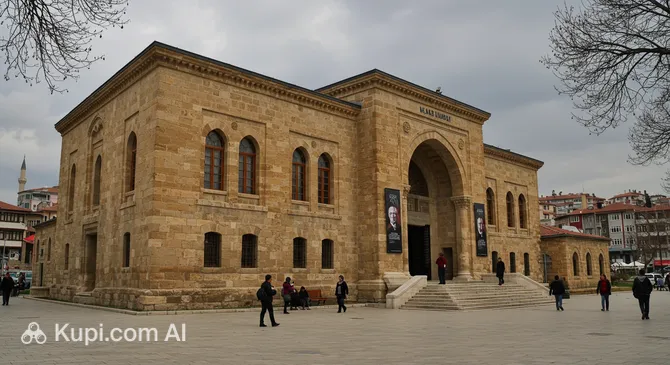
  • For 108 days in 1919, the city served as the headquarters for the Turkish National Movement, effectively acting as a temporary capital. This crucial period is preserved within the walls of the Sivas Atatürk and Congress Museum, which was originally built as a high school.

Sivas Atatürk and Congress Museum. Source: Kupi.Binoculars

How to Get There

Reaching Sivas is relatively straightforward, with air travel being the most convenient option for international and distant domestic travelers. The city is well-connected to major hubs in Turkey, allowing for easy transfers. For those planning their journey, you can find more about how to get to Sivas and the various transport options available.

The primary entry point for visitors is Sivas Airport (VAS), located approximately 11.9 km from the city center. This regional airport handles a moderate volume of traffic, ensuring a relatively quick and stress-free arrival process. Taxis and shuttle buses are readily available outside the terminal; a taxi ride to the city center typically takes about 20 to 25 minutes. Although it is a medium-sized facility, it provides essential connections to major Turkish cities like Istanbul and Ankara.

If direct flights to Sivas are unavailable, travelers often choose to fly into Kayseri Airport (ASR) in the neighboring city of Kayseri. Located about 170.4 km from Sivas, this is a larger international airport with more frequent flight options. From Kayseri, visitors can rent a car or take a bus to Sivas. The journey by road usually takes around 2.5 hours by taxi or private transfer, while intercity buses may take slightly longer. Another alternative is the Tokat airport, which is closer at roughly 82.6 km away, though it serves fewer passengers.

For clarity, here is a summary of the main airports serving the region:

Airport Name City Passenger Traffic Km from City
Samsun-Çarşamba Airport Samsun High 171.9
Kayseri Airport Kayseri High 170.4
Ordu Giresun Airport Ordu Medium 162.4
Sivas Airport Sivas Medium 11.9
Tokat Tokat Low 82.6

Main Attractions

Sivas is often described as an open-air museum of Seljuk architecture, boasting an impressive concentration of medieval monuments within a short walking distance of each other. The city center is dominated by grand theological schools (madrasas) and mosques that date back to the 13th century, offering visitors a profound connection to the region's scholarly and artistic past. Below are some of the most significant sites that define the character of this historic city.

The Double Minaret Madrasa (Çifte Minareli Medrese) is arguably the most recognizable symbol of Sivas. Built in 1271, its magnificent stone portal is flanked by two brick minarets adorned with turquoise tiles, creating a striking silhouette against the sky. Although the main building behind the facade was destroyed long ago, the front wall remains a masterpiece of stone carving. It is a favorite spot for photographers and history lovers who want to admire the intricate geometric patterns and floral motifs that have withstood centuries.

Double Minaret Madrasa. Source: Kupi.Binoculars

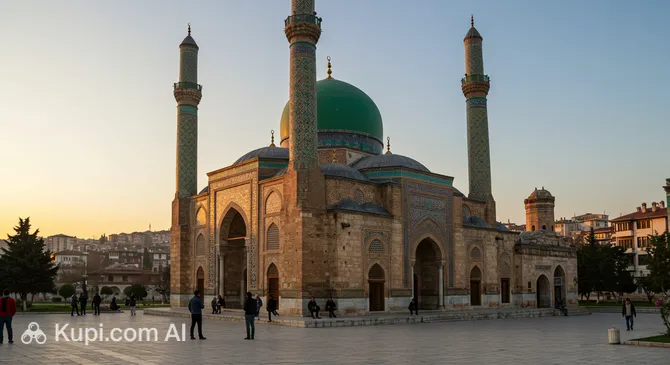
Another architectural gem is the Gök Medrese, or "Blue Seminary," named after the stunning blue tiles that decorate its twin minarets. Constructed in the same era as other major monuments in the city, it features a highly ornamented portal with unique relief work, including animal heads and the tree of life. It serves as a museum today, allowing visitors to explore its restored interior and appreciate the spiritual and educational heritage of the Seljuk period.

Gök Medrese. Source: Kupi.Binoculars

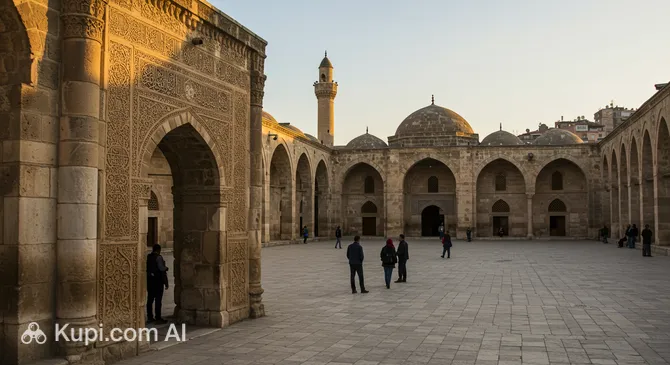
Located near the central square, the Buruciye Madrasa stands out for its harmonious symmetry and well-preserved structure. Built in 1271 by a Seljuk vizier for the study of positive sciences, it is a classic example of Anatolian educational architecture with an open courtyard surrounded by porticos. Tourists enjoy the peaceful atmosphere inside, where they can often find local artisans displaying traditional crafts or simply relax in the tea garden within its historic walls.

Buruciye Madrasa. Source: Kupi.Binoculars

Directly opposite the Double Minaret Madrasa lies the Sifaiye Madrasa, one of the oldest and most significant healing centers in Islamic history. Completed in 1217, it was originally designed as a hospital and medical school, reflecting the advanced approach to healthcare during the Seljuk era. The building houses the tomb of its founder, Sultan Izzettin Keykavus I, adorned with beautiful tiles, making it a fascinating site for those interested in the history of medicine and royal heritage.

Sifaiye Madrasa. Source: Kupi.Binoculars

For a taste of local life mixed with history, the Taşhan Caravanserai is a vibrant stop. This 19th-century stone building has been revitalized as a social hub, filled with cafes and shops. It is the perfect place to sip traditional Turkish tea, shop for souvenirs, and observe the daily rhythm of the city in a nostalgic setting that contrasts with the older Seljuk monuments nearby.

Taşhan Caravanserai. Source: Kupi.Binoculars

Local Cuisine

The culinary culture of Sivas is a rich reflection of the Central Anatolian climate and lifestyle, offering a hearty blend of grains, dairy, and high-quality meats. Known for its simplicity and reliance on fresh, local ingredients, the local cuisine is designed to provide energy for the cold winters while celebrating the abundance of the harvest seasons. For food lovers, the city promises a gastronomic journey filled with unique flavors that are difficult to find elsewhere in Turkey.

The undisputed star of the local table is the famous Sivas Köftesi (Sivas Meatball). Unlike other Turkish meatballs that mix various spices, onions, and breadcrumbs, this registered regional delicacy relies solely on minced beef, salt, and the skill of the chef. The result is a pure, juicy meat flavor that is best enjoyed with fresh flatbread and roasted peppers. Another breakfast or tea-time favorite is Sivas Katmeri, a flaky, layered pastry cooked to golden perfection, often enjoyed plain or with cheese.

Beyond meat, the region is famous for its creative use of wild herbs and preserved dairy. Madımak is a beloved dish made from a local knotweed herb gathered in spring, often cooked with bulgur and pastrami. Visitors should also try Peskutan Çorbası, a nutritious soup made from a specially fermented yogurt stored for winter, giving it a distinct, tangy flavor. For dumpling lovers, Hingel—large dough pockets filled with spicy potatoes or meat and topped with yogurt—is a must-try comfort food.

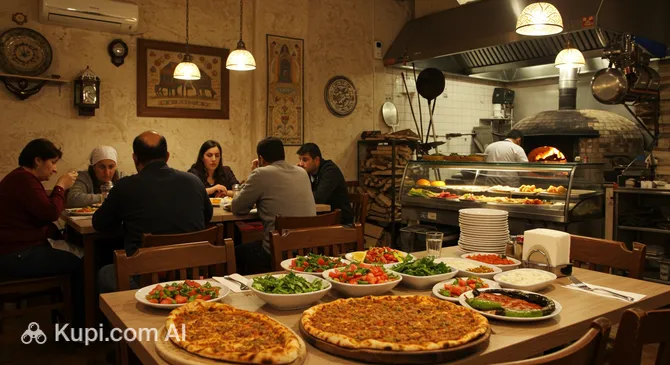
To experience these authentic tastes, the city offers a variety of dining venues ranging from historic settings to modern eateries. For those craving traditional oven-baked dishes like savory pide or crispy lahmacun, Mücahit Etli Pide and Lahmacun Restaurant is a popular stop where you can savor the depth of local baking traditions.

Mücahit Etli Pide and Lahmacun Restaurant. Source: Kupi.Binoculars

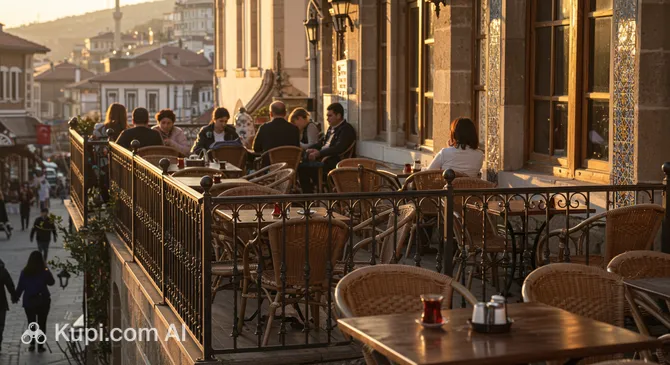
If you are looking for a place to relax after a day of sightseeing, Terrace Cafe offers a pleasant atmosphere to enjoy a cup of Turkish tea or coffee while taking in the surroundings. Whether you are sitting down for a full feast or a quick snack, the hospitality of Sivas ensures that every meal is served with warmth and pride.

Terrace Cafe. Source: Kupi.Binoculars

Travel Tips

Visiting Sivas offers a unique opportunity to immerse yourself in the rich history of Anatolia, but a little preparation goes a long way in ensuring a smooth journey. To help you navigate the local customs and logistics with ease, here are some practical tips designed to make your stay in this historic city as enjoyable and stress-free as possible.

  1. Clothing and Gear: Since Sivas has a strict continental climate, packing layers is essential. Winters can be bitterly cold with snow, so bring thermal wear, a heavy coat, and waterproof boots. Summers are hot and dry, requiring light, breathable fabrics, but evenings can still get chilly. As the city is home to many active mosques and religious sites, modest clothing is required for visits; women should carry a scarf to cover their heads, and both men and women should cover their shoulders and knees.
  2. Transportation: The city center is relatively compact and best explored on foot, especially the area around the historic square where the main madrasas are located. For longer distances within the city, public buses and reasonably priced yellow taxis are readily available. If you plan to visit the UNESCO site in Divriği or the Kangal thermal springs, renting a car is highly recommended, as these attractions are quite far from the city center and public transport schedules can be infrequent.
  3. Finances: The local currency is the Turkish Lira (TRY). While credit cards are widely accepted in hotels, larger restaurants, and supermarkets, cash is still king in smaller shops, traditional tea houses, and for public transport. ATMs are plentiful in the city center. It is wise to carry small denominations for tips and minor purchases. Tipping around 10% in restaurants is customary if the service charge isn't included.
  4. Health and Safety: Sivas is generally a very safe city for tourists. Pharmacies, known as Eczane, are easy to spot by their red "E" signs; there is always a designated pharmacy on duty (nöbetçi eczane) at night and on Sundays. Tap water is generally treated, but most locals and tourists prefer drinking bottled water to avoid any stomach upset due to mineral differences.
  5. Communication: Turkish is the primary language, and English may not be widely spoken outside of major hotels and the airport. Learning a few basic phrases like "Merhaba" (Hello) and "Teşekkürler" (Thank you) will be warmly received by locals. It is highly advisable to download an offline map and a translation app before you arrive. You can purchase a local SIM card at the airport or from mobile shops in the city center for reliable internet access.
  6. Local Etiquette: Hospitality is a cornerstone of culture in Sivas. If you are offered tea by a shopkeeper or a local, it is a gesture of friendship; accepting it is polite and often leads to great conversations. When entering a private home or a mosque, always remove your shoes. Greetings are often warm, but it is best to wait for a person of the opposite gender to extend their hand first.
  7. What to Avoid: Sivas is a conservative city, so public displays of affection should be kept to a minimum to avoid drawing unwanted attention. Also, avoid taking photographs of local people, especially women, without asking for their permission first. During the holy month of Ramadan, try to avoid eating or drinking openly in public streets during daylight hours out of respect for those fasting.
  8. Additional Tip: Don't leave without visiting the local handicraft shops, particularly in the Taşhan. Sivas is famous for its silver craftsmanship and hand-woven rugs. If you are buying a significant item like a carpet, don't be afraid to negotiate the price politely—it is part of the shopping culture here.

By keeping these practical tips in mind, you will be well-equipped to explore the architectural wonders and natural beauty of Sivas. Embrace the local pace of life, enjoy the legendary hospitality, and your trip to this ancient Seljuk capital is sure to be a memorable adventure.

Entertainment & Nightlife

Entertainment:

While Sivas is primarily known for its historical depth, the city also offers a variety of modern leisure activities and green spaces where visitors can unwind after a day of sightseeing. Whether you are looking to enjoy a peaceful walk in nature, shop for local and international brands, or immerse yourself in the arts, the city provides a welcoming atmosphere for all interests.

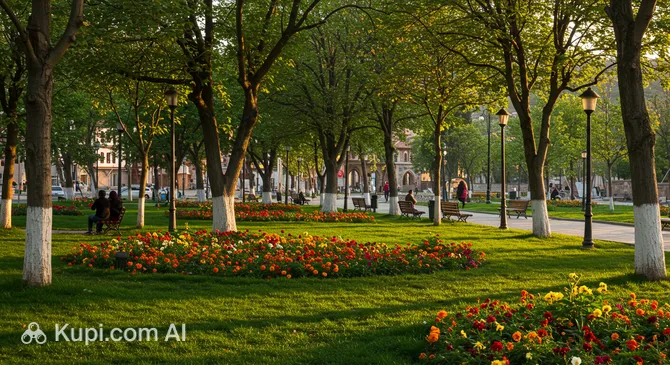
For those seeking a breath of fresh air, Aksu Park is one of the most popular recreational areas in the city. With its running tracks, artificial ponds, and ample seating areas, it serves as a green lung where locals and tourists alike gather to relax. It is especially lively in the evenings and weekends, offering a perfect setting for a leisurely stroll or a family picnic.

Aksu Park. Source: Kupi.Binoculars

Another excellent spot for outdoor relaxation is Teachers' Park June 27 (Öğretmenler Parkı). This well-maintained park offers a quiet escape from the urban bustle, featuring playgrounds for children and shaded paths that are perfect for reading a book or enjoying a quiet moment surrounded by nature.

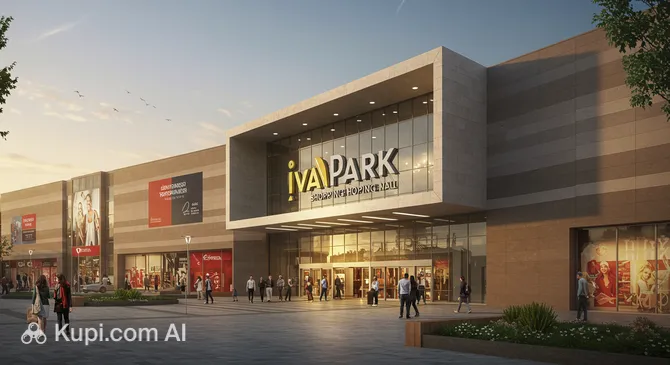
If you are in the mood for shopping, the city caters to modern tastes as well. İvapark Shopping Mall is the premier destination for retail therapy in Sivas. This modern complex houses a wide range of clothing stores, electronics shops, and a food court, making it a convenient stop for travelers who need to pick up essentials or simply want to browse contemporary fashion.

İvapark Shopping Mall. Source: Kupi.Binoculars

For those interested in unique souvenirs and books, a visit to Tozlu Raflar Gift Shop is highly recommended. This charming shop offers a curated selection of gifts that reflect the local culture, providing a more intimate shopping experience compared to the larger malls.

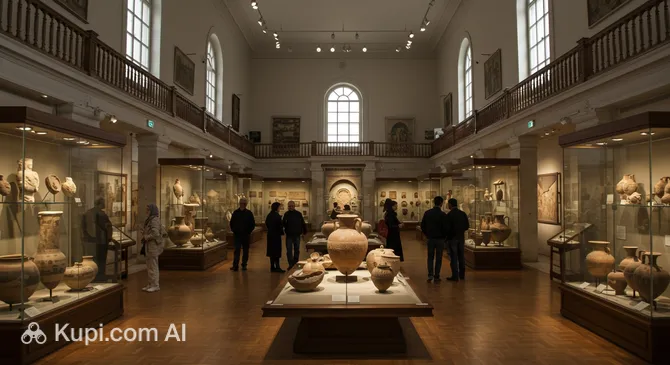
Cultural entertainment is also a key part of the city's identity. The Sivas State Theatre hosts regular performances, ranging from classic plays to modern productions, contributing significantly to the artistic life of the region. Meanwhile, history buffs who haven't had their fill of the past should explore the Sivas Archaeological Museum. This facility houses an extensive collection of artifacts from the Bronze Age, Hittite, and Roman periods, offering a fascinating educational experience that complements the outdoor historical sites.

Sivas Archaeological Museum. Source: Kupi.Binoculars

Parks & Museums

While Sivas is best known for its stone madrasas and mosques, the city also offers refreshing green spaces and well-curated museums that deepen the visitor's understanding of its pivotal role in Turkish history. Beyond the bustling streets, you will find tranquil recreation areas and cultural institutions that showcase everything from the struggle for independence to unique local architecture.

For history enthusiasts, the Sivas Atatürk and Congress Museum is the most significant cultural landmark in the city. Housed in a 19th-century building that served as the headquarters for the Turkish National Movement in 1919, this museum preserves the very room where the Sivas Congress was held. Visitors can walk through the historic halls, view the original furniture and personal belongings of Mustafa Kemal Atatürk, and explore ethnographic sections that display traditional carpets, clothing, and weaponry from the region. It is a moving experience that connects the architectural heritage of the city with the birth of the modern republic.

The city center itself functions as a sprawling open-air museum, centered around the majestic Cumhuriyet Square. This area is unique because it allows visitors to see works from the Seljuk, Ottoman, and Republican eras all in a single panoramic view. Walking here offers a lesson in history without entering a building, as the grand facades of the madrasas frame the open space, making it a popular spot for locals to gather and for tourists to start their exploration.

When it comes to nature and relaxation, the Paşabahçe Recreation Area (Paşabahçe Mesire Alanı) stands out as a must-visit destination. Located just a short drive from the city center, this park is famous for its "Hobbit Houses" (Yamaç Evleri)—charming, earth-sheltered dwellings built into the hillsides that resemble the fantasy homes from cinema. The area is equipped with picnic tables, walking trails, and waterfalls, providing a fairy-tale setting that is particularly popular with families and photographers.

Another impressive green space is the Hamidiye Culture Park (Hamidiye Kültür Bahçesi). This expansive complex is one of the newest and most versatile attractions in Sivas. It combines vast gardens and ornamental pools with cultural venues, including the War Horses Museum, which honors the region's equestrian traditions. It is an excellent place to spend an afternoon, offering a blend of education and leisure in a modern, well-landscaped environment.

For a panoramic view of the city mixed with history, a trip to Toprak Tepe (Sivas Castle Park) provides a different perspective. Although the ancient fortress walls are largely gone, the site has been converted into a park that sits above the city, offering sweeping vistas of the minarets and rooftops below. It is a favorite local spot for watching the sunset and enjoying a tea with a view.

Getting Around

Navigating Sivas is straightforward and convenient, as the city operates a reliable public transport network primarily composed of municipal buses and minibuses. Unlike larger metropolises, Sivas does not have a metro or tram system, but the comprehensive bus routes ensure that visitors can easily reach all major neighborhoods, the university campus, and the train station. The city center is relatively compact, making it possible to explore the main historical attractions on foot, but for distances beyond the central square, public transit is the most efficient option.

The primary method of payment for municipal buses is the electronic smart card known as the Kent Kart (City Card). These rechargeable cards can be purchased and topped up at designated kiosks, small markets, and ticket offices located near major bus stops throughout the city. In recent years, the system has modernized, and many buses now accept contactless credit cards or mobile payment apps, though carrying a loaded Kent Kart remains the most reliable method for frequent travel. Fares are affordable, making it an economical way to get around.

For a more flexible alternative, visitors can utilize the dolmuş system. These are shared minibuses that follow specific routes but can stop anywhere along the way to pick up or drop off passengers. Unlike the municipal buses, payment on a dolmuş is typically made in cash directly to the driver upon boarding. It is advisable to carry small change if you plan to use them. Dolmuşes are particularly useful for reaching areas slightly off the main bus lines and run frequently throughout the day.

Public transport generally operates from early morning, around 06:00, until approximately 23:00 or midnight, depending on the route. When using the bus, remember to board through the front door to validate your card and exit through the middle or back doors. The stops are usually marked with signs, and digital displays on the front of the buses indicate their final destination.

Taxis are widely available 24/7 and are easily recognized by their yellow color. They are a practical choice for late-night travel or when carrying heavy luggage. All legal taxis are equipped with meters, and it is standard practice to ensure the driver turns the meter on at the start of the journey. For travelers planning to visit distant attractions within the Sivas Province, such as the Kangal Hot Springs or Divriği, renting a car is often recommended, as public transport schedules to these outlying districts can be limited.

Accommodation

Where to Stay:

Accommodation in Sivas caters primarily to cultural tourists and business travelers, offering a range of options that blend modern comfort with historical charm. The city is not a luxury resort destination, but it provides a solid selection of reliable mid-range hotels, clean budget-friendly pensions, and a few unique boutique establishments housed in restored Ottoman mansions. Visitors can generally expect warm hospitality and good value for money compared to Turkey's major coastal hubs.

For the most convenient experience, the best area to stay is the City Center, particularly near Cumhuriyet Square. Choosing a hotel in this district places you within easy walking distance of the magnificent Seljuk madrasas, the Congress Museum, and the vibrant Taşhan. Staying centrally allows you to explore the main historical sites on foot without the need for frequent public transport, and it offers immediate access to local restaurants and shops in the evening.

Prices in Sivas are generally affordable, ranging from budget to moderate. While walk-in availability is often good, it is advisable to book in advance if you are visiting during the summer months or around September 4th, when the city celebrates the anniversary of the Sivas Congress with various festivals. Most major hotels are listed on international booking platforms, making online reservations straightforward, though some smaller traditional guesthouses may prefer direct contact.

Nearby Cities

For those looking to explore the surroundings, Sivas serves as an excellent base for day trips to several interesting nearby locations:

City Population Distance (km)
Tokat 201,294 75
Erbaa 95,361 109
Turhal 79,916 106
Niksar 64,119 93
Zile 55,673 114

Among these destinations, Tokat stands out as a must-visit city rich in history and gastronomy. Located just a relatively short drive north, it is famous for its well-preserved Ottoman mansions, the historic Sulusokak street, and the imposing hilltop castle. Visitors often take the opportunity to visit the nearby Ballıca Cave, considered one of the most beautiful caves in the world, and to taste the renowned Tokat Kebab, a delicious local dish made with fresh vegetables and lamb.

Another fascinating spot is Zile, a town steeped in ancient history. It is best known for its fortress, which is the site where Julius Caesar reportedly uttered his famous phrase, "Veni, Vidi, Vici" (I came, I saw, I conquered) after a decisive victory. The town offers a quieter, more authentic atmosphere, allowing travelers to walk through streets lined with traditional wooden houses and explore a place that played a pivotal role in Roman history.

Niksar is also well worth a visit, especially for those interested in the medieval era. As the former capital of the Danishmend dynasty, it is home to significant monuments such as the Melikgazi Tomb and a sturdy fortress. The town is known for its lush greenery and "soft water," offering a pleasant climate and a deep sense of historical continuity that complements the heritage found in Sivas.

These nearby destinations offer a glimpse into the diverse culture and landscapes of the region.

Shopping & Souvenirs

Shopping in Sivas provides a unique opportunity to explore the city's cultural heritage while finding distinct local treasures. The retail experience here is split between atmospheric historical buildings where artisans ply their trades and modern avenues lined with contemporary fashion stores. Whether you are looking for a handcrafted souvenir or the latest trends, the city caters to a variety of tastes.

The most iconic destination for traditional shopping is the Taşhan Caravanserai. Located in the city center, this 19th-century stone structure is not just a historical site but a bustling marketplace. Inside its courtyard and arched corridors, visitors can find a wide array of local handicrafts. It is particularly famous for silver jewelry, hand-woven carpets, and kilims that reflect the motifs of the region. The atmosphere here is relaxed, allowing you to browse at your own pace while sipping tea offered by friendly shopkeepers.

Sivas is renowned for several specific crafts that make for excellent souvenirs. The "Sivas Knife" (Sivas Bıçağı) is a celebrated local product, known for its sharp steel blade and handle often made from horn or bone. Another dying art form that is being preserved in the city is the making of bone combs. These intricate items are handcrafted and are considered both practical tools and works of art. You can often find these, along with copperware and wood carvings, in the shops surrounding the central square and the sub-basement bazaars.

For those interested in more curated cultural gifts, the Tozlu Raflar Gift Shop is a charming stop. It specializes in nostalgic items, books, and unique souvenirs that capture the spirit of the city. Unlike the larger bazaars, it offers a more intimate browsing experience, perfect for finding a meaningful memento to take home.

Modern shopping needs are well met by the city's malls and high streets. İvapark Shopping Mall serves as the main contemporary retail hub, housing a mix of Turkish and international brands, electronics stores, and a supermarket. It is a convenient place to pick up travel essentials or clothes.

Outdoor shopping is best enjoyed on İstasyon Street (Station Street). This pedestrian-friendly avenue is the social heart of modern Sivas, lined with boutiques, shoe shops, and patisseries. It is vibrant throughout the day and into the evening, making it a pleasant place to walk, window shop, and observe local life.

Finally, food lovers should not leave without visiting the local delis (şarküteri) to buy regional specialties. Sivas is famous for its pastrami (pastırma) and spicy sausage (sucuk), as well as "Peskutan," a dried yoghurt used in soups. These edible souvenirs are a great way to bring the flavors of Central Anatolia back to your own kitchen.

Reached the end of the page?

That means the route is fully explored