Support

Adiyaman

About

Located in the southeastern region of Turkey, Adiyaman is a city that serves as a bridge between the past and the present. Known for its warm hospitality and rich cultural tapestry, this bustling provincial capital offers travelers a unique glimpse into the ancient civilizations of Anatolia. With a population of over 300,000 residents, it is a lively urban center that maintains a distinct, traditional atmosphere, making it a fascinating destination for those seeking to explore off the beaten path.

The city experiences a continental climate with hot, dry summers and cool, wet winters, typical of the region. Geographically, it sits in a fertile valley, surrounded by the majestic peaks of the Taurus Mountains to the north and the Euphrates River to the south. This strategic location has made it a crossroads for various cultures throughout the ages, contributing to the diverse and vibrant character of the city today.
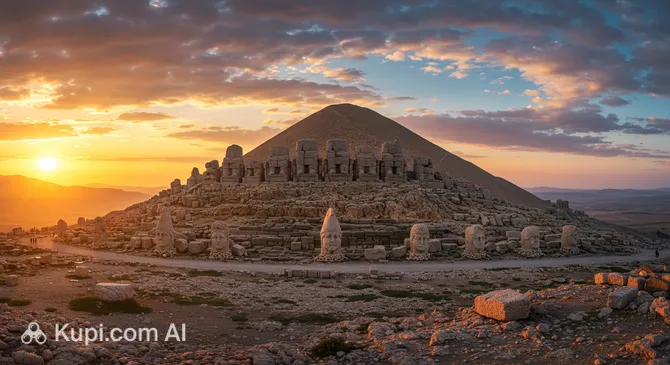
Adiyaman. Source: Kupi.Binoculars

The profound history of Adiyaman is perhaps its most compelling feature, stretching back thousands of years. The region was the heart of the ancient Commagene Kingdom, a melting pot of Persian and Greek cultures. Visitors are often captivated by the deep historical roots visible in the local architecture, museums, and archaeological sites scattered throughout the province.

Most travelers use Adiyaman as the primary gateway to the spectacular Mount Nemrut, a UNESCO World Heritage Site famous for its colossal stone heads and breathtaking sunrise views. Closer to the city center, the Perre Ancient City offers an impressive necropolis carved into the rocks, while the bustling local bazaars invite you to taste the city's famous culinary delights, particularly its renowned çiğ köfte.

Whether you are a history enthusiast eager to walk in the footsteps of ancient kings or a traveler looking for authentic cultural experiences, Adiyaman welcomes you with open arms. It is a destination that promises unforgettable memories and a deep appreciation for the enduring heritage of the region.
Weather Overview

The climate in this region is generally continental, featuring significant variations between the seasons. To plan your trip effectively, it is helpful to check the weather in Adiyaman before you go, as conditions range from scorching heat to chilly, damp days.

Summers are characteristically hot and arid, particularly in July and August, when average maximum temperatures climb to roughly 35°C. Rainfall is virtually non-existent during this period, with July seeing almost no wet days, ensuring clear skies for sightseeing. Conversely, winters bring a distinct chill and increased precipitation. January is typically the coldest month, with average temperatures hovering around 1.6°C and lows occasionally dipping to -1.8°C.

Spring and autumn offer a pleasant middle ground for visitors. May and September are particularly agreeable, with average temperatures sitting comfortably between 17°C and 24°C. Travelers should expect more frequent rain during the winter and early spring, as January leads with approximately 14 wet days, gradually tapering off as the warmer months approach.

Interesting Facts

Beyond the renowned historical sites, Adiyaman holds several fascinating secrets and cultural nuances that often surprise visitors. Here are a few intriguing details about this ancient city:
  • The Legend of the Name: Local folklore suggests the city's name is derived from the phrase "Yedi Yaman," meaning "Seven Brave Men." This refers to a legend of seven brothers who refused to worship idols and hid in the mountains, eventually becoming martyrs. Over time, the pronunciation is believed to have evolved into Adiyaman.

  • Roman Engineering Marvel: The region is home to the Cendere Bridge, one of the best-preserved Roman bridges in the world. Remarkably, this massive structure was built using 92 huge stone blocks stacked without the use of any mortar, a testament to the sophisticated engineering of the era.

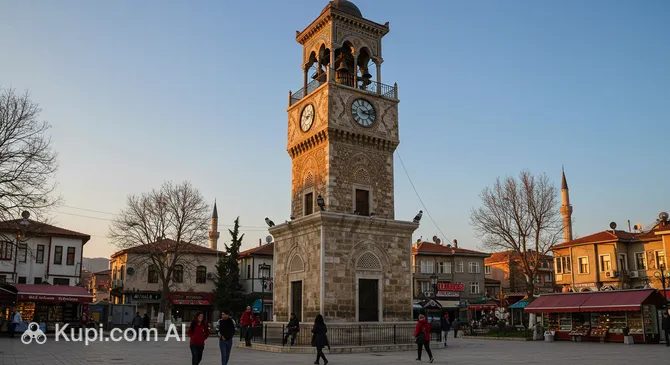
  • A Symbolic Landmark: standing in the heart of the city is the Adiyaman Clock Tower. It serves not only as a timekeeper but as the city's most popular meeting point, witnessing the daily flow of life and serving as a central orientation marker for locals and tourists alike.

  • The Crying Bride: The mountains surrounding Adiyaman are one of the natural habitats for the "Ters Lale" (Inverted Tulip), also known as the Crying Bride. This rare and visually striking flower holds deep cultural significance and is often associated with sorrow and beauty in local songs and stories.

Adiyaman Clock Tower. Source: Kupi.Binoculars

How to Get There

Reaching this historic region is relatively straightforward, with air travel being the most popular choice for visitors coming from afar. You can find more about how to get to Adiyaman and detailed route options on our dedicated page, but generally, the city is well-connected to major Turkish hubs.

The most convenient entry point is the local Adiyaman Airport (ADF), situated just 17.3 km from the city center. It primarily serves domestic flights, linking the city with major metropolises like Istanbul and Ankara. A taxi or shuttle bus from the airport to the downtown area typically takes approximately 45 minutes.

Alternatively, travelers often use Sanliurfa GAP Airport (GNY). Although it is located in Karaköprü, roughly 65.5 km away, it is a significant regional hub. The transfer to Adiyaman by road usually takes around 2 hours. Another option is Malatya Airport (MLX) in Malatya, which is about 76.3 km from Adiyaman, with a travel time of approximately 2 hours and 15 minutes.

For clarity, here is a summary of the main airports:

Airport Name City Passenger Traffic Km from City
Gaziantep Airport Gaziantep High 115.0
Sanliurfa GAP Airport Karaköprü Medium 65.5
Malatya Airport Malatya Medium 76.3
Adiyaman Airport Adiyaman Small 17.3
Kahramanmaras Airport Kahramanmaras Small 119.0

While there are no direct train services to the city center, Adiyaman is well-integrated into Turkey's extensive intercity bus network. Buses from major cities across the country arrive frequently at the main bus terminal, offering an affordable and scenic way to reach the province for those who prefer overland travel.

Main Attractions

Adiyaman is a captivating destination where history and culture converge, offering visitors a chance to step back in time. The city and its surroundings are home to some of Turkey's most significant archaeological wonders. Undoubtedly, the crown jewel of the region is Mount Nemrut. This UNESCO World Heritage Site is world-famous for the colossal limestone statues of Greek and Persian gods erected by King Antiochus I Theos. Watching the sunrise or sunset from the summit, with the ancient stone heads glowing in the golden light, is a bucket-list experience that defines any trip to this province.

Another historical marvel located just a few kilometers from the city center is the Perre Ancient City. As one of the five major cities of the Kingdom of Commagene, it served as an important resting point for caravans, soldiers, and travelers. Today, visitors can explore the fascinating remains of the Roman fountain and the extensive necropolis, where hundreds of rock-cut tombs are intricately carved into the cliffs, showcasing the architectural ingenuity of the era.

In the heart of the modern city, the Adiyaman Clock Tower stands as a prominent landmark. While it serves as a central meeting point for locals, for tourists, it acts as an excellent orientation marker to begin exploring the downtown area. The bustling streets around the tower are filled with the energy of daily life, offering a stark but harmonious contrast to the silent ruins found in the countryside.

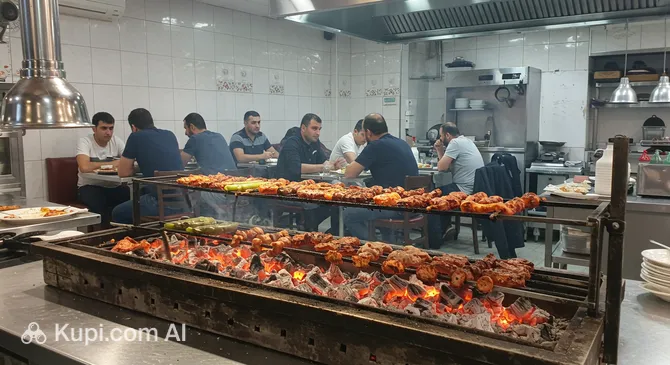
No visit to Adiyaman would be complete without indulging in its rich culinary heritage. For a taste of authentic local flavors, Ziyaoğlu Adana Ocakbaşı is a popular stop for both residents and visitors. This restaurant is celebrated for its mastery of traditional Turkish barbecue, offering perfectly grilled meats and kebabs that reflect the region's deep passion for food. It provides a warm and inviting atmosphere to relax and refuel after a day of sightseeing.

Ziyaoğlu Adana Ocakbaşı. Source: Kupi.Binoculars

Beyond these specific sites, the city also serves as a gateway to the Cendere Bridge and the Arsameia ruins. Exploring Adiyaman is not just about visiting monuments; it is about immersing yourself in a landscape where every stone has a story to tell, from the majesty of Commagene kings to the vibrant flavors of the local cuisine.

Local Cuisine

The culinary landscape of Adiyaman is a delightful reflection of its location in Southeastern Anatolia, a region celebrated for its rich, spicy, and hearty flavors. Food here is not just sustenance; it is a deep-rooted cultural tradition that brings people together. The local kitchen relies heavily on high-quality meats, bulgur, legumes, and locally grown vegetables, all brought to life with the generous use of spices, particularly the famous dark red pepper flakes known as isot.

Undoubtedly, the most iconic dish associated with the city is Çiğ Köfte. While this spicy raw meatball dish is found across Turkey, Adiyaman is famous for its distinct meatless version (Etsiz Çiğ Köfte). Prepared by kneading fine bulgur with tomato paste, pomegranate molasses, garlic, and a blend of spices for hours, it is typically served wrapped in fresh lettuce leaves with a squeeze of lemon. It is so central to the local identity that you will find specialized shops on nearly every corner offering this savory snack.

For a warm and substantial meal, visitors should try Adiyaman Tava or the related Besni Tava. These are casserole-style dishes where lamb, eggplants, peppers, garlic, and tomatoes are seasoned and baked in large pans, traditionally in wood-fired ovens. Another local favorite is Hitap, a stuffed flatbread often filled with herbs, cheese, or meat, which makes for a perfect lunch on the go. To round off a meal, locals often indulge in Burma Tatlısı, a sweet pastry made of shredded wheat and pistachios soaked in syrup.

The dining culture in Adiyaman ranges from casual street food stalls selling wraps to traditional grill houses known as ocakbaşı. In these establishments, you can watch the chefs grill skewers of meat over open charcoal fires. A great place to experience this authentic atmosphere is Ziyaoğlu Adana Ocakbaşı, where the aroma of sizzling kebabs fills the air. To balance the spice and heat of the food, the most popular drink is Ayran, a refreshing salty yogurt beverage that is a staple at every table.

Travel Tips

Welcome to Adiyaman, a city where ancient history and warm Anatolian hospitality blend seamlessly. To ensure your journey to the land of the Commagene Kingdom is as smooth and enjoyable as possible, here is a collection of practical tips tailored to help you navigate local life with ease.

  1. Clothing and Gear: Summers in Adiyaman are intensely hot and dry, so bring lightweight, breathable fabrics like cotton or linen. However, if you plan to visit Mount Nemrut for sunrise or sunset, packing a warm jacket, windbreaker, or fleece is essential, even in July or August, as the high altitude can be freezing. Since this is a more traditional region of Turkey, it is respectful to dress modestly in the city center and absolutely required when entering mosques (shoulders and knees covered).

  2. Transportation: Inside the city, the most common and affordable way to get around is by using dolmuş (minibuses) that run on set routes. Taxis are widely available and operate on meters; you can easily flag one down or find them at designated stands. While public transport is sufficient for the city, renting a car or hiring a private driver is highly recommended for exploring the scattered archaeological sites like Mount Nemrut, Perre, and the Cendere Bridge at your own pace.

  3. Finances: The local currency is the Turkish Lira (TRY). While credit cards are accepted in hotels, larger restaurants, and supermarkets, cash is king in traditional bazaars, small tea houses, and for public transport. ATMs are plentiful in the city center. It is wise to carry small denominations for tips and minor purchases. Tipping around 5-10% in restaurants is appreciated.

  4. Health and Safety: Adiyaman is generally a safe city for tourists. Pharmacies, known as Eczane, are easy to find; after hours, look for the designated "Nöbetçi Eczane" (duty pharmacy), which remains open 24/7. Tap water is generally treated, but it is safer for short-term visitors to drink bottled water to avoid any stomach upset. In summer, stay hydrated and use high-SPF sunscreen.

  5. Communication: The primary language is Turkish. While hotel staff and tour guides will likely speak English, it is less widely spoken in local shops and by taxi drivers. Downloading a translation app or an offline map is very useful. A local SIM card can be purchased easily in the city center to ensure you stay connected. Learning a few basic words like Merhaba (Hello) and Teşekkürler (Thank you) will go a long way in connecting with locals.

  6. Local Etiquette: Hospitality is a cornerstone of culture here. If a shopkeeper or local offers you tea (çay), it is a gesture of friendship; accepting it is polite and often leads to great conversations. When entering a private home or a mosque, always remove your shoes. Greetings often involve a handshake, sometimes followed by placing the right hand over the heart as a sign of sincerity.

  7. What to Avoid: Avoid public displays of affection, as the region is socially conservative, and such behavior may draw unwanted stares or disapproval. Additionally, do not take photographs of local people, especially women, without asking for their permission first.

  8. Additional Tip: Don't leave without trying the local dried fruits. Adiyaman is famous for its grapes (specifically the Besni grape) and pistachios. Visiting the historical Oturançı Bazaar is the perfect way to buy these authentic snacks directly from producers, often at much better prices than in tourist shops.

By keeping these practicalities in mind, you will be well-prepared to embrace the unique rhythm of Adiyaman. Whether you are scaling mountains to see ancient statues or sharing a glass of tea in the bazaar, a little preparation ensures your adventure is both comfortable and culturally enriching.

Entertainment & Nightlife

Entertainment & Nightlife:

Travelers visiting Adiyaman should adjust their expectations regarding nightlife; unlike the bustling club scenes of Istanbul or the coastal resorts, the evening atmosphere here is decidedly more traditional and relaxed. The city does not have a vibrant discotheque or nightclub culture. Instead, "nightlife" in Adiyaman revolves around long, social dinners, lively conversations in tea gardens, and the warm hospitality found in local grill houses.

The primary form of evening entertainment is the Ocakbaşı culture—traditional grill restaurants where diners sit near the open fire, watching the chef prepare skewers of meat. This is a culinary ritual rather than just a meal. A prime example of this experience can be found at Ziyaoğlu Adana Ocakbaşı. Here, the evening is spent savoring perfectly grilled kebabs and local appetizers in a bustling, friendly environment that often stays lively until late in the evening.

For those who prefer a non-alcoholic beverage and a sweet treat, the city center comes alive after sunset with locals heading to patisseries and cafes. The area surrounding the Adiyaman Clock Tower is particularly active. It serves as a central hub where families and friends gather to walk along the main boulevards, enjoy Turkish tea or coffee, and soak in the cool night air. The streets here are safe and illuminated, making for a pleasant evening stroll.

If you are looking for a place to have a drink, options are somewhat limited due to the conservative nature of the region. Alcohol is generally not served in standard cafes or many downtown restaurants. Your best bet for a beer or a glass of wine is usually the bars and restaurants located within larger 4 or 5-star hotels. These venues offer a more westernized style of service and are the standard choice for international visitors seeking a quiet nightcap.

Regarding daytime entertainment, the city offers cultural rather than adrenaline-fueled activities. The Adiyaman Museum is a must-visit for history buffs, housing artifacts from the Commagene era. For families, the local parks provide green spaces for picnics and relaxation. The atmosphere is consistently family-friendly, and the dress code is casual but modest; smart-casual attire is perfect for dining out.

Practical Nightlife Tips:
Safety: The city center is very safe for walking at night. However, it is always wise to stay in well-lit, populated areas.
Transport: Taxis are the most convenient way to get back to your hotel after dinner. They are affordable and easy to flag down near the Clock Tower or can be called by restaurant staff.
Prices: Entertainment here is very affordable compared to western Turkey. A full dinner feast is reasonably priced, and tea in a cafe costs very little.

Parks & Museums

While Adiyaman is predominantly known as a gateway to ancient wonders, the city and its surroundings also offer engaging cultural institutions and refreshing green spaces. Visitors can alternate between exploring world-class archaeological collections and relaxing in the city's parks, which serve as social hubs for the local community.

For those keen to delve deeper into the region's past, the Adiyaman Archaeological Museum is an essential stop. Located in the city center, this modern facility houses a vast collection of artifacts spanning from the Paleolithic era to the Ottoman period. The highlight for most tourists is the section dedicated to the Commagene Kingdom, featuring intricate mosaics, coins, and statues that provide crucial context before visiting the mountaintop ruins. It is an excellent place to understand the diverse civilizations that have called this area home.

Another site that functions as a spectacular open-air museum is the Perre Ancient City (Pirin). Although often categorized as an archaeological site, its well-preserved necropolis and Roman fountain offer a walkable, museum-like experience amidst nature. Walking through the hundreds of rock-cut tombs carved into the hillside allows visitors to appreciate the architectural ingenuity of the ancient inhabitants in a serene, outdoor setting.

When it comes to nature, the Mount Nemrut National Park is the region's most significant protected area. While famous for its statues, the park encompasses a vast landscape of rugged mountains and unique flora. It offers a dramatic natural backdrop for hiking and photography, allowing travelers to experience the raw beauty of the Taurus Mountains. The park is best visited at sunrise or sunset when the changing light paints the landscape in vibrant hues.

Within the city limits, Democracy Park (Demokrasi Parkı) serves as the primary green lung and a favorite gathering spot for locals. It features well-maintained walking paths, decorative pools, and shaded seating areas that offer a respite from the summer heat. It is a perfect place to observe daily life, enjoy a cup of tea, or simply take a break after a day of sightseeing near the Adiyaman Clock Tower.

For an authentic local experience, try visiting the parks in the late afternoon or evening. This is when families and friends gather to socialize, often bringing sunflower seeds and tea. Joining the locals in this relaxed ritual offers a genuine glimpse into the warm and communal lifestyle of Adiyaman.

Getting Around

The public transport system in Adiyaman is straightforward and relies entirely on road-based vehicles, making it relatively easy for visitors to understand. Unlike larger metropolises, the city does not have a metro, tram, or rail network. Instead, the transportation infrastructure is built around a comprehensive network of municipal buses and privately operated minibuses, known locally as dolmuş. These vehicles cover the entire city center, the university district, and the surrounding neighborhoods, providing frequent and reliable service throughout the day.

The municipal buses are the formal option for getting around. To use them, you cannot pay with cash on board. You must utilize the city's electronic smart card system, known as the Yaman Kart. These contactless cards can be purchased and topped up at designated kiosks, small markets, and filling centers located near major bus stops. Fares are very affordable, and the system allows for easy transfers. You simply validate your ride by tapping the card on the reader located next to the driver as you board the bus.

For a faster and more flexible alternative, the dolmuş (minibus) system is extremely popular among locals. These smaller vehicles follow specific routes, which are usually displayed on a sign in the front window. While they have designated routes, they offer more flexibility than large buses; you can often hail one from the roadside and request to be dropped off at any safe point along the way. Payment for the dolmuş is traditionally made in cash directly to the driver. It is advisable to carry small change, as drivers may not always have change for large banknotes.

Taxis offer a convenient alternative for those who prefer direct transport. You will easily recognize them by their yellow color and "Taksi" roof signs. Taxis are plentiful and can be found at designated stands throughout the city, particularly near the clock tower, the bus terminal, and major hotels. They operate on a taximeter system, so there is no need to negotiate the price beforehand; simply ensure the meter is switched on when you start your journey. They are especially useful late at night when bus services become less frequent.

Regarding operating hours, public transport typically begins running early in the morning, around 06:00 or 06:30, and continues until approximately 23:00. Service frequency is higher during peak commuting hours and tapers off in the late evening. If you are out past this time, a taxi is your best option for returning to your accommodation.

While the city center is compact enough to be explored comfortably on foot, renting a car is a common choice for tourists who wish to visit the distant historical sites in the province, such as Mount Nemrut, which are not easily accessible by city public transport. Car rental agencies are available at the airport and in the downtown area. Ride-sharing apps are not widely used here, so relying on the established taxi stands or your hotel reception to call a cab is the most practical approach.

Accommodation

Accommodation in Adiyaman is generally functional and comfortable, designed primarily to serve travelers who are passing through to visit the region's historical sites. Unlike the coastal resort towns of Turkey, you will not find sprawling all-inclusive luxury complexes here. Instead, the city offers a solid selection of mid-range 3-star and 4-star hotels, business-style city hotels, and simpler budget guest houses. These establishments typically focus on providing clean, convenient bases for exploration rather than extensive resort amenities.

When choosing where to stay, location is a key factor. Most tourists prefer to stay in the city center of Adiyaman. Staying here places you within walking distance of local restaurants, the archaeological museum, and transport links like the bus terminal. It is the best option if you want to experience the local urban life and have easy access to amenities. Alternatively, some travelers choose to stay in the Kahta district, located about 35 kilometers east of the city center. Kahta is significantly closer to Mount Nemrut, making it a strategic choice for those whose main priority is catching the sunrise on the mountain without a long pre-dawn drive.

Booking Tips: While accommodation is generally easy to find, the number of high-quality hotels is limited. During the peak tourism seasons—spring (April-May) and autumn (September-October)—hotels can fill up quickly due to the influx of tour groups visiting Mount Nemrut. It is highly recommended to book your room several weeks in advance if you plan to travel during these months. Conversely, in the hot summer and cold winter, availability is usually plentiful.

Price Range and Methods: Adiyaman is an affordable destination compared to Turkey's major tourist hubs like Istanbul or Cappadocia. Prices typically range from budget to mid-range, offering excellent value for money. Most established hotels are listed on major international booking platforms, making online reservation straightforward. However, for smaller guest houses or pensions, especially in outlying districts, paying in cash (Turkish Lira) upon arrival is sometimes preferred, though credit cards are widely accepted in the city center.

Nearby Cities

For those looking to explore the surroundings, Adiyaman serves as an excellent base for day trips to several interesting nearby locations:

City Population Distance (km)
Sanliurfa 1985753 81
Malatya 426381 66
Yesilyurt 304839 59
Battalgazi 295821 74
Siverek 258265 92

One of the most culturally significant destinations in the region is Sanliurfa, often referred to locally as "Urfa." Located approximately 81 kilometers away, it is known as the "City of Prophets" and is steeped in history and legend. Visitors are drawn to the sacred Balıklıgöl (Pool of Abraham) and the city's vibrant, traditional bazaars. It also serves as the gateway to Göbekli Tepe, home to the world's oldest known temple complex, making it a fascinating day trip for history enthusiasts.

To the north lies Malatya, a city famous worldwide for its apricot orchards and rich agricultural heritage. Beyond its produce, the area offers deep historical roots, particularly in the district of Battalgazi (Old Malatya). Here, travelers can explore well-preserved Seljuk architecture, including the Grand Mosque and ancient caravanserais. The city provides a greener, more mountainous atmosphere compared to the southern plains, offering a refreshing change of scenery.

These nearby destinations offer a glimpse into the diverse culture and landscapes of the region.

Shopping & Souvenirs

Shopping in Adiyaman offers a delightful mix of traditional Anatolian culture and modern convenience. While the city may not be a massive fashion capital like Istanbul, it provides a unique opportunity to purchase authentic local handicrafts, regional delicacies, and cultural artifacts. The shopping scene here is less about luxury brands and more about discovering the heritage of the region, making it an exciting activity for those looking to take a piece of southeastern Turkey home with them.

The heartbeat of the city's commercial life is undoubtedly the area surrounding the Adiyaman Clock Tower. This central district, particularly along Atatürk Boulevard and Gölbaşı Street, is lined with a variety of shops ranging from clothing boutiques and shoe stores to electronics retailers. Walking down these bustling streets allows tourists to mingle with locals and experience the vibrant daily rhythm of the city.

For those seeking a more contemporary retail experience, Adiyaman Park AVM is the city's primary shopping mall. It serves as a modern hub where visitors can find well-known Turkish and international clothing brands, a food court, and entertainment facilities all under one roof. It is a convenient stop for families or anyone needing to purchase standard travel essentials in a climate-controlled environment.

To truly understand the local trade, a visit to the historical Oturançı Bazaar (Oturançı Bedesteni) is essential. This traditional market is a treasure trove of local craftsmanship, where you can find hand-woven carpets, kilims, and copperware. Another key spot is the Şire Market (Şire Pazarı), which is dedicated to the region's rich agricultural produce. The air here is thick with the sweet aroma of dried fruits and nuts, and it is the best place to buy high-quality edible souvenirs directly from the producers.

When it comes to souvenirs, Adiyaman has several signature items. The most popular keepsakes are miniature stone replicas of the famous Mount Nemrut statues, which are available in various sizes throughout the city. Food items are also highly recommended; the region is famous for its Besni grapes (a type of dried grape unique to the area), pistachios, and muska (a dessert made of grape molasses and walnuts). Additionally, traditional copper crafts and colorful saddlebags reflect the area's nomadic heritage and make for beautiful decorative pieces.

Shops in Adiyaman typically open around 09:00 and close by 20:00 or 21:00. Shopping malls usually stay open later, until 22:00. While credit cards are widely accepted in malls, supermarkets, and larger stores, cash is the preferred method of payment in the traditional bazaars and smaller shops. Carrying Turkish Lira in smaller denominations is advisable for bargaining in the markets.

Tourists residing outside of Turkey may be eligible for Tax-Free shopping on certain purchases. Look for the "Tax Free" signage in the windows of larger retail stores or within the shopping mall. If you make a qualifying purchase, ask the staff for the necessary paperwork to claim your VAT refund upon departure from the country.

Reached the end of the page?

That means the route is fully explored