Support

Antakya

About

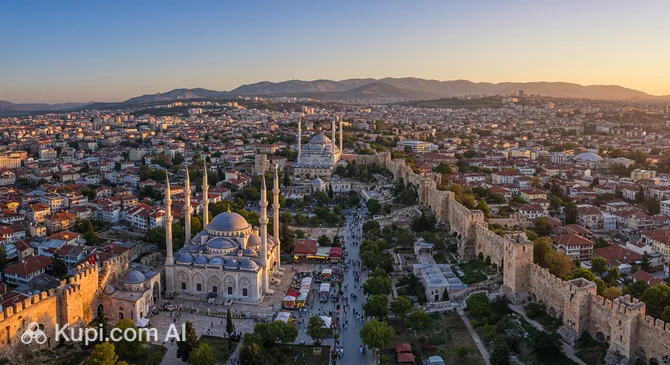
Antakya, historically known as Antioch, is a city where distinct cultures, religions, and traditions have intertwined for millennia. Located in the southernmost part of Turkey, this captivating destination serves as the seat of the Hatay Province. It sits gracefully on the banks of the Orontes River, surrounded by fertile plains and imposing mountains, offering a unique atmosphere that feels both ancient and vibrant.
Antakya. Source: Kupi.Binoculars

The city enjoys a Mediterranean climate with hot, dry summers and mild, wet winters, making it a pleasant destination for travelers throughout much of the year. With a population of approximately 378,000 residents, Antakya is a bustling hub that retains the charm of a place deeply connected to its roots. The history of Antakya is particularly significant, as it was once one of the largest cities in the Roman Empire and played a pivotal role in the early development of Christianity.

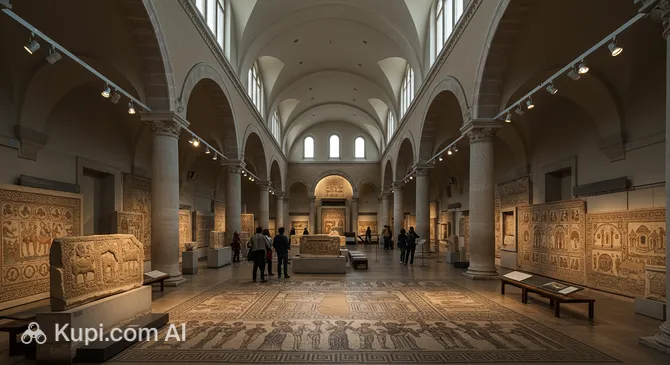
Travelers are drawn to the city's remarkable heritage sites, most notably the Church of Saint Peter, a cave church carved into the side of Mount Starius that is widely considered one of the oldest places of Christian worship. Another highlight is the Hatay Archaeology Museum, which houses one of the world's most extensive collections of Roman mosaics, showcasing the artistic brilliance of the ancient world. Beyond its monuments, Antakya is a gastronomic paradise, famous for its savory dishes and the legendary dessert, künefe.

Whether you are a history enthusiast eager to walk in the footsteps of ancients or a foodie looking to indulge in world-class cuisine, Antakya offers an unforgettable experience. Its blend of warm hospitality, rich cultural tapestry, and stunning archaeological treasures makes it a truly special place to explore.
Weather Overview

The climate in this region varies significantly across the seasons, offering distinct conditions for travelers. Summers are consistently hot and arid, with August seeing average temperatures of 27.6°C and daily highs reaching 32.0°C. This period is incredibly dry, as July and August typically record 0mm of precipitation and only about two wet days per month.

Conversely, the winter season brings cooler temperatures and frequent precipitation. January is generally the coolest month, with an average temperature of 9.5°C and approximately 17 wet days, requiring visitors to pack appropriate rain gear. The transitional months of spring and autumn provide a comfortable balance; May, for instance, enjoys a pleasant average of 20.8°C. To plan your trip with the most accurate expectations, you can check the detailed report on the weather in Antakya.

Expect hot, dry summers suitable for outdoor exploration and mild winters characterized by frequent rainy days.

Interesting Facts

Beyond the main attractions, Antakya holds many fascinating secrets and historical firsts that surprise even seasoned travelers. This city, standing at the crossroads of civilizations, offers stories that go far deeper than its surface beauty.
Habib-i Nejjar Mosque. Source: Kupi.Binoculars
  • The World’s First Illuminated Street: It is widely believed that Kurtuluş Street, known in ancient times as Herod Street, was the first street in the world to be illuminated by artificial light. In the Roman era, colonnades lining the road were fitted with torches and oil lamps, allowing social life and trade to bustle long after the sun went down.

  • A Milestone for Faith: Ancient Antioch is the precise location where the followers of Jesus were first called "Christians." The Church of St. Peter, carved directly into a mountainside, stands as a testament to this pivotal moment and is recognized as one of the oldest places of Christian worship in existence.

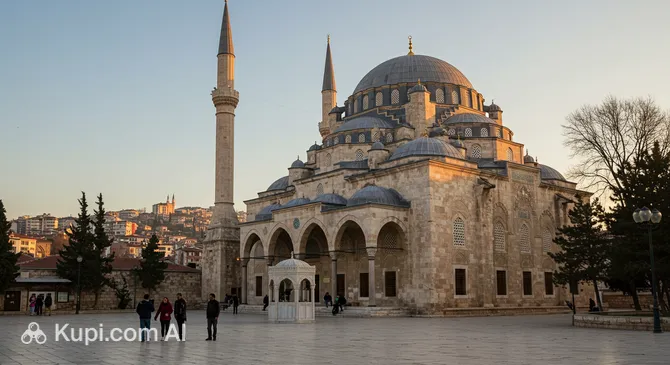
  • The First Mosque in Anatolia: The Habib-i Nejjar Mosque holds a special place in history as the first mosque ever built within the borders of modern-day Turkey. Originally constructed in the 7th century following the city's conquest by the Rashidun Caliphate, it symbolizes the early arrival of Islamic architecture in the region.

  • A UNESCO Gastronomy City: Antakya is one of the few cities globally designated as a UNESCO Creative City of Gastronomy. Its culinary culture is a unique blend of Middle Eastern and Mediterranean influences, boasting over 600 distinct dishes, including the world-famous dessert künefe.

How to Get There

Reaching this historic region is relatively straightforward, with air travel being the most convenient method for international and distant domestic visitors. For a comprehensive overview of all available routes and transport options, you can read more about how to get to Antakya to plan your journey effectively.

The primary gateway for travelers is Hatay Airport (HTY), located directly in Antakya, just 20.6 km from the city center. As the closest transport hub, it offers the most direct access to the region. A transfer by taxi or airport shuttle from here typically takes about 50 minutes. While it is a medium-sized facility, it handles a significant number of passengers annually, connecting the city with major hubs like Istanbul and Ankara.

For additional flight options, especially if direct connections are unavailable, you might consider flying into Çukurova International Airport (COV) in the city of Tarsus. This is a large international airport situated approximately 125 km from Antakya. The journey by road from Tarsus takes roughly 3.5 hours. Another alternative is Gaziantep Airport (GZT) in Gaziantep, which lies about 144 km away. Travelers arriving here can expect a transfer time of approximately 4 hours to reach Antakya.

For clarity, here is a summary of the main airports:

Airport Name City Passenger Traffic Km from City
Çukurova International Airport Tarsus Large 124.6
Gaziantep Airport Gaziantep Large 143.8
Hatay Airport Antakya Medium 20.6
Adiyaman Airport Adiyaman Small 266.3
Kahramanmaras Airport Kahramanmaras Small 164.2

Main Attractions

Antakya is a city where history is not just preserved in museums but lives in the streets, offering visitors a journey through time. From ancient religious sites to vibrant marketplaces, the city's landmarks reflect the diverse civilizations that have shaped this region over millennia.

Hatay Archaeology Museum. Source: Kupi.Binoculars

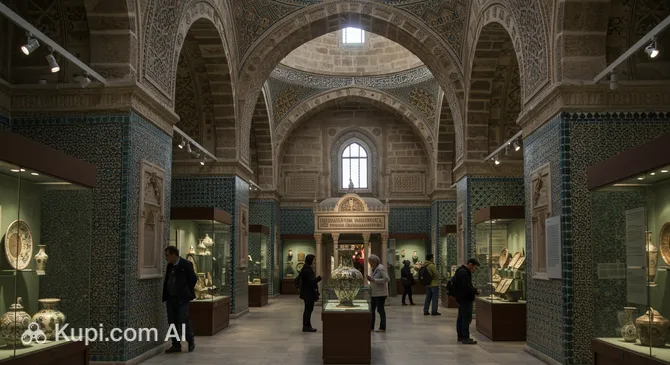
One of the most essential stops for any traveler is the Hatay Archaeology Museum. This world-class facility is renowned for housing one of the largest collections of Roman and Byzantine mosaics in existence. The intricate details of these ancient artworks, which depict mythological scenes and daily life, provide a stunning glimpse into the artistic grandeur of ancient Antioch.

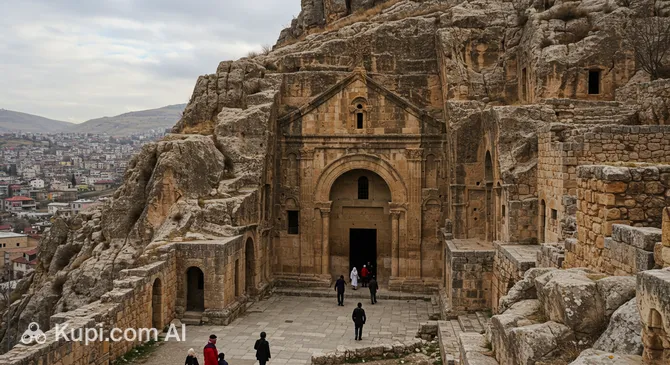
Church of St. Peter. Source: Kupi.Binoculars

Perched on the slopes of Mount Starius, the Church of St. Peter is a site of immense historical and spiritual importance. Considered one of the earliest places of Christian worship, this cave church features a striking stone facade added by Crusaders. Visitors can explore the cavernous interior, see traces of ancient frescoes, and enjoy a commanding view of the city below.

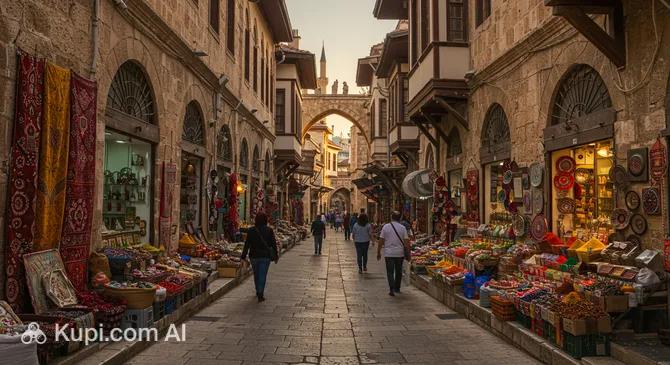
Antakya Long Bazaar. Source: Kupi.Binoculars

For those looking to experience the local atmosphere, the Antakya Long Bazaar is the beating heart of the city. This historic market weaves through the old town, filled with the scents of spices, laurel soap, and traditional pastries. It is an excellent place to observe daily life, shop for local handicrafts, and taste regional delicacies in an authentic setting.

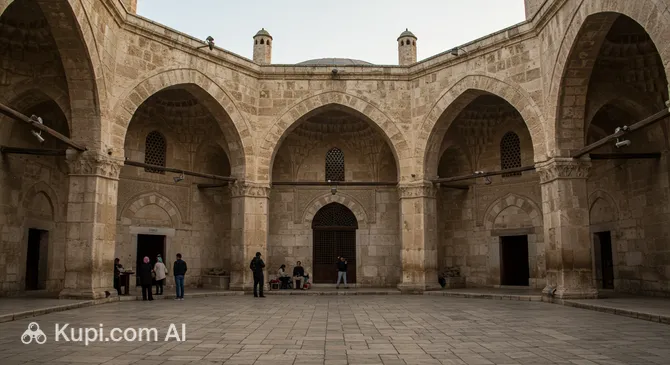
Kurşunlu Han. Source: Kupi.Binoculars

Another fascinating site is Kurşunlu Han, a beautifully restored 17th-century caravansarai. Historically used as a lodging for merchants, the building now serves as a center for culture and arts. Walking through its arched courtyard, visitors can watch artisans creating traditional crafts, making it a perfect spot to appreciate the city's enduring architectural and cultural heritage.

Local Cuisine

Antakya is widely celebrated as a gastronomic capital, holding the prestigious title of a UNESCO City of Gastronomy. The local cuisine is a fascinating blend of Mediterranean, Turkish, and Levantine influences, creating a flavor profile that is distinct from the rest of the country. Food here is known for its rich use of spices, pomegranate molasses, and fresh herbs, making every meal a vibrant journey for the palate.

Meat lovers will find themselves in paradise with the city's signature kebabs. The most famous dish is undoubtedly Tepsi Kebabı (Tray Kebab), consisting of minced meat seasoned with garlic and spices, pressed into a round tray, and baked in a wood-fired oven. A similar variation, Kağıt Kebabı (Paper Kebab), is cooked on oil-free paper to preserve its natural juices. Another local favorite is Oruk, the Antakya version of kibbeh, featuring a crispy bulgur shell filled with savory ground meat and walnuts.

No culinary tour of the city is complete without indulging in its legendary dessert, Künefe. This warm, golden pastry is made from shredded phyllo dough (kadayıf) layered with unsalted soft cheese, baked until crisp, and soaked in sweet syrup. It is typically served hot, topped with crushed pistachios and sometimes a dollop of kaymak (clotted cream). To accompany your meal or dessert, locals often drink Zahter tea, brewed from wild thyme gathered in the surrounding mountains, or refreshing Ayran served in copper cups.

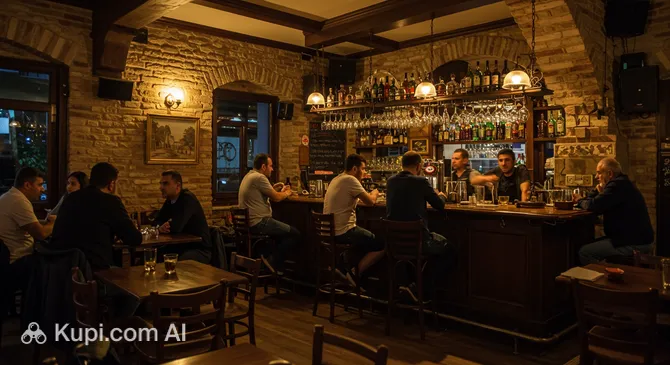
Sveyka Restaurant. Source: Kupi.Binoculars

The dining culture in Antakya is as much about the atmosphere as it is about the food. Many of the best eateries are located within restored traditional stone houses, offering a nostalgic setting in their courtyards. For an authentic experience, you can visit the Sveyka Restaurant, which serves a wide array of regional appetizers and main courses in a beautiful historic building. Similarly, the Antikhan Guest Culture House provides a unique opportunity to enjoy local recipes in an environment that reflects the city's rich heritage.

Beyond the restaurants, the food scene spills out into the streets. Visitors often explore the markets to find local ingredients like spicy pepper paste, olive oil, and salted yogurt. Whether you are sitting down for a lavish spread of mezes, such as spicy Muhammara and creamy Hummus, or grabbing a quick bite from a street vendor, the flavors of Antakya are sure to leave a lasting impression.

Travel Tips

Visiting Antakya is a journey into a rich tapestry of history and flavor, and a little preparation goes a long way. Here are some practical tips to ensure your trip to this ancient city is as smooth and enjoyable as possible.

  1. Clothing and Gear: Summers in Antakya are hot and dry, so pack breathable, light fabrics, sunglasses, and a wide-brimmed hat. If you visit during winter, bring a waterproof jacket and sturdy shoes, as rain is frequent. Since the city is a hub of religious diversity, it is respectful to dress modestly; carrying a scarf or shawl is recommended for visiting mosques and churches.
  2. Transportation: The city center, particularly around the historic Long Bazaar and the Orontes River, is best explored on foot to truly soak in the atmosphere. For longer distances, local dolmuş (minibuses) are a cheap and efficient way to get around. Taxis are readily available, but ensure the meter is turned on. Renting a car is generally only necessary if you plan to explore the wider Hatay province, such as the coast of Samandağ.
  3. Finances: The local currency is the Turkish Lira (TRY). While credit cards are widely accepted in hotels and established restaurants, cash is essential for street food vendors, small shops in the bazaar, and public transport. ATMs are plentiful throughout the city center, but it is wise to carry small change for minor purchases.
  4. Health and Safety: Antakya is generally safe for tourists, but standard precautions regarding personal belongings apply in crowded market areas. Pharmacies, marked as Eczane, are easy to find, and there is always a designated one open overnight (nöbetçi eczane) for emergencies. It is advisable to drink bottled water rather than tap water to avoid any stomach issues.
  5. Communication: Turkish is the primary language, though you will frequently hear a local dialect of Arabic spoken due to the region's cultural heritage. English is spoken in major hotels and tourist sites but may be limited in local markets. Downloading an offline translation app or learning basic phrases like merhaba (hello) and teşekkür ederim (thank you) will be greatly appreciated by locals.
  6. Local Etiquette: Hospitality is a cornerstone of life here. If a shopkeeper offers you tea, it is a gesture of friendship and welcome; accepting it is polite and often leads to wonderful conversations. When entering mosques or private homes, always remove your shoes at the door.
  7. What to Avoid: Avoid taking photographs of local people, especially women or those praying in religious sites, without asking for permission first. Additionally, public displays of affection should be kept to a minimum to respect local conservative norms.
  8. Local Insight: Many shops in the historic Uzun Çarşı (Long Bazaar) may be closed on Sundays, so plan your shopping for local spices, olive oil, and laurel soap for other days of the week. Also, be prepared to bargain politely in the bazaar; it is a traditional part of the shopping experience.

By keeping these tips in mind, you will be well-equipped to navigate the vibrant streets of Antakya with confidence. Embrace the local rhythm, enjoy the legendary hospitality, and let the city's timeless charm and culinary delights captivate you.

Entertainment & Nightlife

Antakya offers a nightlife experience that is distinctively different from the high-energy club scenes found in Turkey's coastal resorts. Here, the evening entertainment is deeply rooted in social connection, gastronomy, and history. The city comes alive after sunset with a relaxed yet vibrant energy, where the focus is on "Rakı Sofrası"—long, leisurely dinners accompanied by anise-flavored spirits, endless meze plates, and lively conversation. The atmosphere is welcoming and authentic, often filled with the sounds of traditional folk music echoing from restored stone courtyards.

The heart of the city's evening scene is centered around Saray Street (Saray Caddesi) and the historic Old Town. This area is lined with beautifully preserved houses that have been converted into boutique hotels, cafes, and bars. Walking through these illuminated narrow streets is an experience in itself, as the architecture takes on a magical quality at night. For a sophisticated evening in a historic setting, the Sveyka Restaurant is a popular choice. Categorized as a bar and restaurant, it offers a perfect blend of ambiance and local flavor, making it an ideal spot to unwind with a drink and enjoy the cool evening breeze.

Antikhan Guest Culture House. Source: Kupi.Binoculars

For those interested in a more cultural evening, the Antikhan Guest Culture House provides a unique glimpse into the region's traditions. Often serving as a venue for social gatherings and cultural events, it allows visitors to experience the famous hospitality of Hatay in a setting that feels like a journey back in time. The dress code in most venues is casual but smart; locals tend to dress well for dinner, so a neat appearance is appreciated.

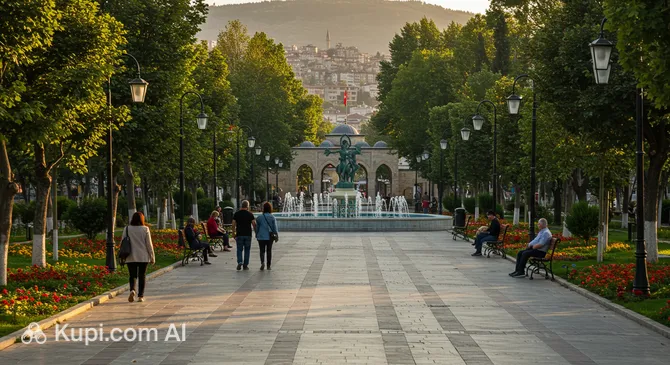
If you prefer a tranquil outdoor experience, the banks of the Orontes River (Asi Nehri) are perfect for a night walk. Ataturk Park, located centrally within the city, is a lush green space that remains lively into the evening. Families, friends, and couples often gather here to stroll, sit by the water, or enjoy tea at the park's cafes. It is a safe and refreshing way to digest a heavy meal while observing the local rhythm of life.

Ataturk Park. Source: Kupi.Binoculars

Regarding practicalities, Antakya is generally safe for night walks, particularly in the well-lit areas around Saray Street and the main squares. Yellow taxis are plentiful and can be easily hailed from the street or summoned via hotel receptions; they are the most convenient way to return to your accommodation late at night. Prices for food and drinks are typically moderate compared to larger metropolises like Istanbul. While the city focuses on evening dining, daytime entertainment is also available, with various cinemas, modern shopping centers, and cultural sites like the archaeology museum offering plenty to do before the sun goes down.

Parks & Museums

Parks & Museums:

Antakya offers a compelling mix of cultural institutions and green spaces that allow visitors to explore its rich heritage and relax in nature. The city's museums are not merely repositories of artifacts but gateways to understanding the diverse civilizations that have called this region home, while its parks provide a refreshing contrast to the stone architecture of the old town.

The most prominent cultural landmark is the Hatay Archaeology Museum. While it is globally famous for its mosaic collection, the museum also serves as a comprehensive chronicle of the region's history, featuring exhibits that span from the Paleolithic era to the Ottoman period. Visitors can admire ancient coinage, statues, and sarcophagi that highlight the city's strategic importance throughout the ages. For a more intimate perspective on local traditions, the Antikhan Guest Culture House offers a unique experience. Set within a beautifully preserved traditional house, this venue functions as a living museum where the architecture, ethnographic displays, and daily life objects transport guests back to the lifestyle of old Antakya.

In the heart of the city, Ataturk Park stands as the primary urban sanctuary. Located along the banks of the Orontes River, this expansive green space is a favorite gathering spot for locals and tourists alike. With its mature shade trees, walking paths, and tea gardens, it offers a peaceful respite from the bustling city streets. It is an excellent place to observe the local social life, enjoy a quiet afternoon picnic, or simply take a leisurely stroll by the water after a day of sightseeing.

Just a short distance from the city center lies the ancient site of Harbiye, historically known as Daphne. Although technically a few kilometers south, it acts as a major natural park for the city's residents. Famous for its cascading waterfalls and lush laurel groves, this area offers a cool, shaded retreat during the hot summer months. Legend holds that this is where the nymph Daphne turned into a laurel tree to escape Apollo, adding a layer of mythological allure to its natural beauty.

Getting Around

Public transport in Antakya is primarily road-based, relying on a network of municipal buses and privately operated minibuses known as dolmuş. There is no metro or tram system in the city, but the existing bus and minibus routes are extensive, covering the city center, the suburbs, and connecting to nearby districts within the Hatay province. For most tourists, the combination of these vehicles and walking is sufficient to reach major attractions, markets, and museums.

The municipal buses are modern, air-conditioned, and color-coded, usually yellow or purple. They operate on fixed schedules and stop only at designated bus stops. The dolmuş, on the other hand, offers a more flexible and quintessentially Turkish travel experience. These smaller vans follow specific routes displayed on their windshields but can often be hailed from the roadside and will stop anywhere along the route to let passengers off. They are frequent, fast, and an affordable way to navigate the city's bustling streets.

To use the municipal buses, you will need a Hatay Kart, the city's electronic travel card. Cash is generally not accepted on municipal buses. You can purchase this card and top it up at designated kiosks, small markets, or dealers displaying the "Hatay Kart" sign, which are widely available throughout the city center. The fare is deducted automatically when you tap your card on the reader upon boarding. For the dolmuş, payment methods can vary; while some lines are integrated into the card system, many still accept (and prefer) cash payment directly to the driver. It is always wise to carry small denominations of Turkish Lira for these trips.

Public transportation typically operates from early morning, around 06:00, until late evening, approximately 23:00, though frequencies drop significantly after sunset. If you plan to stay out late, you should have an alternative plan. For tourists, Google Maps and local transport apps can be helpful for checking bus routes, but asking locals or hotel staff is often the most reliable way to find the right dolmuş for your destination.

Taxis are a convenient alternative, especially if you are traveling with luggage or in a group. Yellow taxis can be found at designated stands or hailed on the street. They operate on a meter system, and it is recommended to ensure the meter is running when you start your journey. Car rentals are available and useful if you plan to explore the wider region, such as the Titus Tunnel or the beaches of Samandağ, but driving within the narrow, congested streets of Antakya's old town can be challenging.

A unique feature of the city's transport landscape is the Antakya Teleferik (Cable Car). While primarily a tourist attraction rather than a commuter link, it connects the lower city near the Long Bazaar to the heights of Habib-i Neccar Mountain. The ride offers spectacular panoramic views of the city and the Orontes River, making it a memorable way to travel between the historic center and the mountain viewpoints.

Accommodation

Accommodation in Antakya caters to a wide variety of preferences, ranging from charming historic guesthouses to modern city hotels. The most distinctive feature of the local lodging scene is the abundance of boutique hotels set within restored traditional stone houses. These establishments, often centered around lush courtyards with fountains and citrus trees, offer an authentic experience that reflects the city's rich cultural heritage. For those seeking more conventional comforts, there are also several mid-range and business-class hotels located in the newer parts of the city.

The most popular area for tourists is the Old Town, particularly the streets surrounding Kurtuluş Street and the banks of the Orontes River. Staying here places you within walking distance of major historical sites, the vibrant bazaar, and the city's celebrated restaurants. This district is ideal for travelers who want to immerse themselves in the atmosphere of ancient Antioch, where the call to prayer mingles with the sound of church bells. Conversely, the modern city center offers easier access to main roads and transport hubs, making it a practical choice for business travelers or those with a car.

When planning your trip, it is advisable to book in advance, especially if you wish to stay in one of the popular boutique hotels during the spring or autumn peak seasons. These smaller venues have limited capacity and tend to fill up quickly. Generally, accommodation prices in Antakya are quite reasonable compared to Turkey's coastal resort towns, offering excellent value for money. Most properties can be booked via major online platforms, though contacting smaller guesthouses directly can sometimes yield better rates or specific room requests.

Nearby Cities

For those looking to explore the surroundings, Antakya serves as an excellent base for day trips to several interesting nearby locations:

City Population Distance (km)
Yuregir 407,054 95
Iskenderun 297,943 42
Ceyhan 160,474 97
Samandag 121,109 22
Reyhanlı 98,534 37

Among these options, Samandağ is a favorite destination for both locals and visitors due to its close proximity and unique attractions. Located just a short drive towards the coast, it is home to the Titus Tunnel, an immense ancient Roman engineering marvel carved into the rock to divert floodwaters. Nearby, visitors can explore the Beşikli Cave, which houses rock-cut tombs, or relax on one of the longest sandy beaches in Turkey, making it a perfect spot for combining history with seaside leisure.

Another excellent choice for a day trip is Iskenderun, a major port city situated along the Mediterranean coast. Known for its modern palm-lined seaside promenade, it offers a distinct change of pace with a refreshing sea breeze and vibrant atmosphere. Travelers can enjoy fresh seafood at waterfront restaurants, visit the Naval Museum, or simply take a pleasant evening stroll along the corniche while watching the sunset over the gulf.

These nearby destinations offer a glimpse into the diverse culture and landscapes of the region, providing enriching experiences just a short distance from the city center.

Shopping & Souvenirs

Shopping in Antakya is less about visiting high-end boutiques and more about immersing yourself in a centuries-old trading culture. The city offers a vibrant marketplace atmosphere where the exchange of goods is accompanied by the scents of spices, the texture of fine textiles, and the warmth of local hospitality. For visitors, the experience centers on traditional products that reflect the region's rich history and agricultural abundance.

The heart of the city's commercial life is the Antakya Long Bazaar (Uzun Çarşı). Stretching through the historic district, this labyrinth of streets creates a sensory feast for travelers. Here, you can find everything from copperware and wooden molds for traditional cookies to everyday household items. It is the perfect place to observe the daily rhythm of the city, where locals shop for fresh produce and artisans work in their small shops just as they have for generations.

One of the most sought-after souvenirs from this region is laurel soap (defne sabunu). Made from pure olive oil and laurel oil, these blocks of soap are famous for their natural aroma and skin-care properties. You will see them stacked in geometric towers throughout the market. Another local specialty is Hatay silk. The region has a long history of sericulture, and you can find beautifully woven scarves and fabrics that make for elegant and lightweight gifts.

Gastronomic souvenirs are also a highlight for anyone visiting the city. The fertile lands around Antakya produce exceptional olive oil and pomegranate molasses (nar ekşisi), a staple in local cuisine. Spice shops offer a dazzling array of colors and flavors, including zahter (a blend of wild thyme and spices) and various pepper pastes that define the spicy character of Hatay's food. Don't forget to look for sürk, a spicy, dried cheese often preserved in olive oil, which is unique to this area.

Within the bazaar area, the historic Kurşunlu Han offers a slightly different pace. This restored caravansarai is now a hub for traditional handicrafts. Walking through its arched courtyard, you can browse workshops where artisans create glasswork, mosaics, and other handmade items. It provides a tranquil setting to appreciate the artistic heritage of the city while searching for a unique keepsake.

While the historical markets are the main attraction, Antakya also meets modern needs with several shopping centers located in the newer parts of the city. These malls feature international and Turkish brands, cinemas, and food courts, providing a familiar retail environment. However, for a truly authentic experience, the winding alleys of the Long Bazaar remain the undisputed center of shopping life in the city.

Reached the end of the page?

That means the route is fully explored