Support

Larnaca

About

Larnaca is a captivating port city located on the southern coast of Cyprus, known for its laid-back atmosphere and palm-lined waterfronts. As one of the island's premier gateways, it effortlessly blends the charm of a traditional Mediterranean town with the energy of a modern coastal resort. With a population of approximately 84,900 residents, the city offers a welcoming environment that feels both lively and intimate, making it a favorite destination for families and solo travelers alike.

Geographically, the city enjoys a strategic position with a stunning coastline and a warm, sunny climate that attracts visitors year-round. Beyond its beaches, the region is steeped in antiquity, standing on the site of the ancient city-kingdom of Kition. Travelers interested in the past can delve into the rich history of Larnaca, which is reflected in its diverse architecture and well-preserved archaeological treasures.
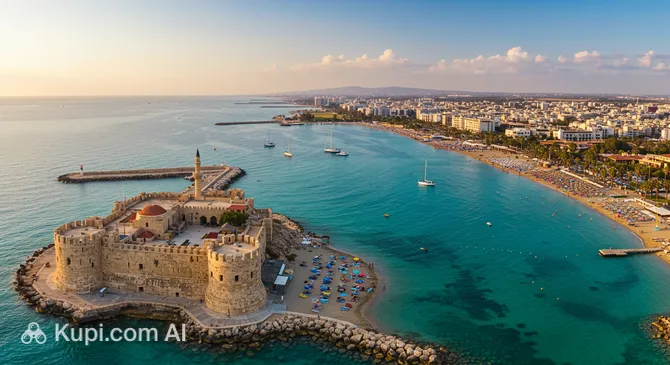
Larnaca. Source: Kupi.Binoculars

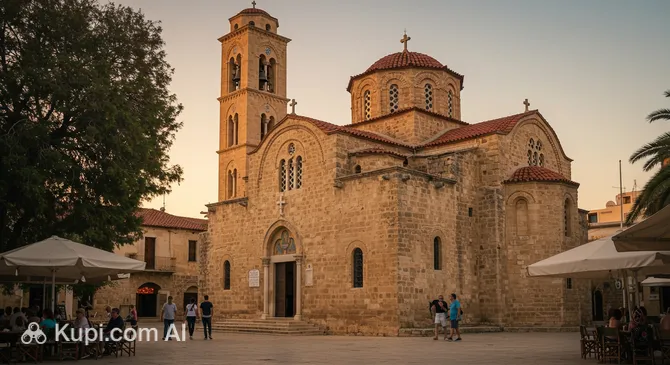
The city is home to several must-see landmarks, including the magnificent Church of Saint Lazarus, a stunning example of Byzantine architecture. For a relaxing stroll, the Finikoudes Promenade is the heart of the city's social life, bordered by the sea on one side and bustling cafes on the other. Nature enthusiasts should not miss the Larnaca Salt Lake, a unique ecosystem that fills with water in the winter and becomes a vibrant habitat for flocks of pink flamingos.

Whether you are looking to explore ancient ruins, enjoy fresh local cuisine by the sea, or simply soak up the sun, Larnaca promises an unforgettable experience. It is the perfect starting point for your Cypriot adventure.
Weather Overview

Larnaca enjoys a classic Mediterranean climate, characterized by long, hot summers and mild, somewhat wetter winters. Travelers planning a trip can generally expect bright sunshine and comfortable conditions for most of the year. For a more detailed breakdown of what to expect during your specific travel dates, you can check the weather in Larnaca before packing.

The summer months, particularly from June to September, are the hottest and driest, with average temperatures climbing to around 30.3°C in July. During this peak season, rainfall is virtually non-existent, and maximum temperatures can reach up to 35.0°C, making it perfect for beach activities. In contrast, winters are cooler and bring the majority of the region's rainfall. January is typically the wettest month with about 11 rainy days, though temperatures remain relatively mild with an average of 12.7°C and lows rarely dropping below 9.5°C.

Spring and autumn offer a pleasant balance, ideal for sightseeing without the intense summer heat. April and May see temperatures rising from 18.8°C to 23.2°C, while October retains the summer's warmth with averages around 23.5°C. Overall, visitors can expect sweltering, dry summers and mild winters with occasional rainfall.

Interesting Facts

Beyond the main attractions, Larnaca holds many fascinating secrets that reveal its deep historical and cultural layers. From ancient philosophy to underwater marvels, the city offers unique stories that surprise even the most seasoned travelers.

Church of Saint Lazarus. Source: Kupi.Binoculars
  • Larnaca is the birthplace of Zeno of Citium, the famous ancient Greek philosopher who founded the Stoic school of thought around 300 BC. Born in the ancient city-kingdom of Kition, which lies beneath the modern city, his legacy is commemorated with a statue near the marina.

  • Just off the coast lies the Zenobia, a Swedish ferry that sank on its maiden voyage in 1980. It is consistently ranked as one of the top ten wreck diving sites in the world, often referred to as the "Titanic of the Mediterranean," with its cargo of trucks still visible on the seabed.

  • The city is deeply connected to biblical history through the Church of Saint Lazarus. Tradition holds that after being resurrected by Jesus, Lazarus moved to Cyprus and served as a bishop here for 30 years; the church is built over his second and final tomb.

  • History enthusiasts can explore the Archaeological Site of Kition, which provides evidence that Larnaca is likely the oldest continuously inhabited city on the island, with roots stretching back over 3,000 years.

  • A curious local legend explains the creation of the famous Salt Lake. It is said that Saint Lazarus turned a lush vineyard into a salt lake as punishment after the owner refused to give him a bunch of grapes, claiming her basket was full of salt instead of fruit.

How to Get There

Reaching this coastal destination is straightforward, as it is home to the island's primary international gateway. Whether you are arriving directly or transferring from another part of the region, there are convenient options available. For a detailed overview of all travel methods, you can read more about how to get to Larnaca.

The most convenient way to arrive is by flying into Larnaca International Airport (LCA), which is located just 4.8 km from the city center. As the main entry point to the Republic of Cyprus, it handles a high volume of international traffic and offers excellent connectivity. Once you land, the journey to the city is very quick; a taxi ride takes approximately 10 to 15 minutes, while local bus services provide a cost-effective alternative for travelers. The airport is modern and well-equipped, welcoming over 8 million passengers annually.

Alternatively, travelers can fly into Paphos International Airport (PFO), situated in the city of Paphos, about 106 km west of Larnaca. This airport is a popular hub for charter flights and low-cost carriers. Although it is further away, the city is accessible via a 1.5 to 2-hour drive by taxi or airport shuttle bus. It serves as a reliable secondary option for those exploring the island, with a significant number of visitors arriving through its terminals each year.

For clarity, here is a summary of the main airports serving the Republic of Cyprus:

Airport Name City Passenger Traffic Km from City
Larnaca International Airport Larnaca High 4.8
Paphos International Airport Paphos Medium 106.1

Since there is no railway network in Cyprus, road transport is the primary means of navigating between cities. Visitors arriving at Paphos can rely on an extensive system of intercity buses and service taxis, or opt for car rentals to reach Larnaca comfortably.

Main Attractions

Larnaca offers a delightful mix of historical sites and coastal pleasures, ensuring there is something for every type of traveler. Beyond the famous Church of Saint Lazarus, the city boasts several other significant landmarks and leisure spots that define its unique character.

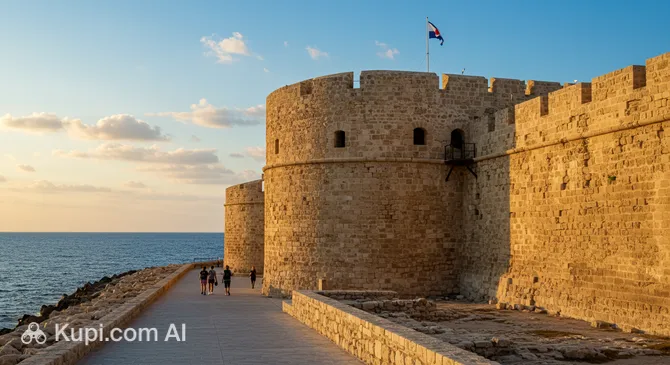
Standing proudly at the southern end of the Finikoudes promenade, the Larnaca Medieval Fort is a must-visit for history buffs. Originally constructed to defend the harbor, this imposing stone fortress now serves as a window into the past, housing a small museum with medieval pottery and artifacts. Visitors can walk along its ramparts to enjoy panoramic views of the Mediterranean Sea and the city's waterfront, offering a perfect vantage point for photos.

Larnaca Medieval Fort. Source: Kupi.Binoculars

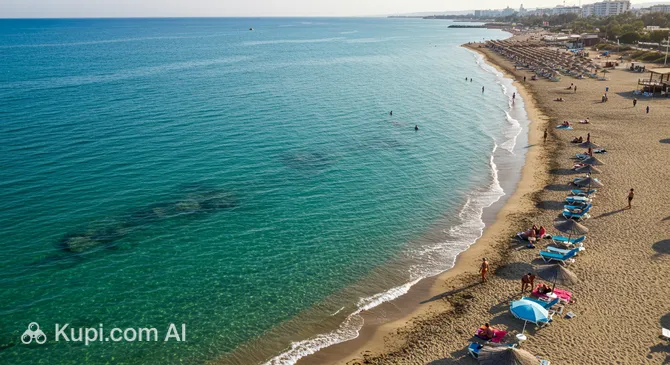
For those seeking sun and a lively atmosphere, Mackenzie Beach is one of the most popular coastal destinations in the area. Located just a short distance from the city center, this beach is famous for its fine grey sand and shallow, crystal-clear waters, making it safe for families. A unique highlight here is the opportunity for "plane spotting," as aircraft fly impressively low over the beach on their approach to the nearby airport. The shoreline is lined with trendy bars and restaurants, keeping the energy high from day into night.

Mackenzie Beach. Source: Kupi.Binoculars

A striking example of 18th-century engineering can be found on the outskirts of the city at the Kamares Aqueduct. Also known as the Bekir Pasha Aqueduct, this structure features a series of 75 arches that once supplied water to Larnaca. It stands today as a picturesque monument surrounded by walking paths, offering a peaceful setting for a stroll. The site is particularly enchanting in the evening when the arches are illuminated against the night sky.

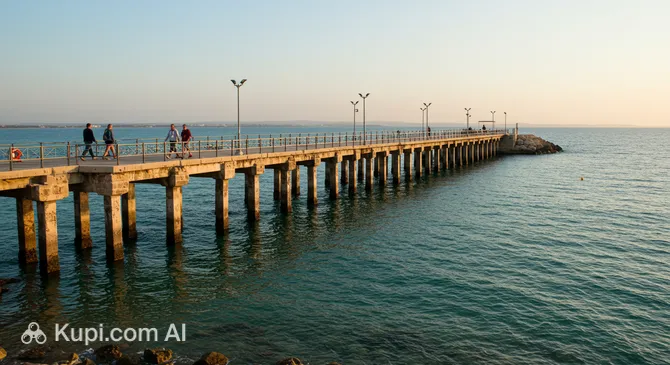
For a relaxing walk with scenic views, the Larnaca Pier is a charming spot to visit. Extending into the sea near the marina, it allows visitors to step away from the bustling streets and enjoy the fresh sea breeze. It is a favorite location for locals and tourists alike to admire the moored boats and take in the beautiful skyline of the city from a different perspective.

Local Cuisine

Larnaca's culinary landscape is a delightful journey through the flavors of the Mediterranean, heavily influenced by fresh ingredients and traditional recipes passed down through generations. The dining culture here revolves around the concept of sharing, best experienced through a traditional Meze. This feast of small dishes includes everything from dips like tzatziki and tahini to grilled meats, halloumi cheese, and fresh salads, allowing you to sample a wide variety of local tastes in one sitting.

For those seeking authentic Cypriot specialties, Sheftalia is a must-try. These juicy skinless sausages, made from minced pork and lamb mixed with herbs and wrapped in caul fat, are typically grilled over charcoal and served in warm pita bread. Being a coastal city, Larnaca also excels in seafood. Freshly caught octopus, calamari, and sea bream are staples at the tavernas lining the fishing harbor, often grilled simply with lemon and olive oil to highlight their natural flavors.

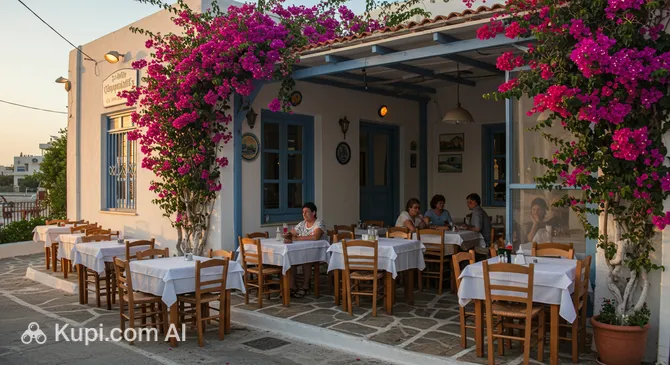
The city offers diverse dining settings, from the bustling seafront promenade of Finikoudes to the quiet, winding streets of the old town. In the heart of the city, you can find charming spots like To Kafe Tis Chrysanthi's, a cozy venue known for its welcoming atmosphere and delicious homemade cakes, perfect for a light lunch or an afternoon treat.

To Kafe Tis Chrysanthi's. Source: Kupi.Binoculars

Brunch has become increasingly popular in Larnaca, with many establishments serving creative twists on breakfast classics. A favorite among locals and visitors is Edem's Yard, celebrated for its generous portions of pancakes and savory dishes set within a beautiful courtyard. It is an ideal place to fuel up before a day of sightseeing.

No meal in Cyprus is complete without the appropriate beverage. Coffee culture is huge here, and sipping an ice-cold Frappé is a daily ritual for many locals to beat the heat. For something stronger, try Zivania, a potent pomace brandy served in shot glasses, or Commandaria, the island's famous sweet dessert wine. As the sun sets, the city's nightlife comes alive. Places like the Savino Rock Bar offer a great selection of drinks and music, providing a spirited end to a day of gastronomic exploration.

Travel Tips

To ensure your visit to Larnaca is as relaxing and trouble-free as possible, we have compiled a set of practical guidelines covering everything from logistics to local customs. These tips are designed to help you navigate the city with ease, allowing you to focus on enjoying the sun, sea, and rich history.

  1. Clothing and Gear: In the summer, lightweight, breathable fabrics are essential to cope with the heat, along with a high-SPF sunscreen and a hat. If you visit in winter, bring layers and a waterproof jacket, as evenings can be cool. Comfortable walking shoes are a must for exploring the old town. Note that Cyprus uses the Type G power plug (the same as the UK), so bring an adapter if your devices use European or American plugs. When visiting religious sites like the Church of Saint Lazarus, strict modesty is required: shoulders and knees must be covered.

  2. Transportation: The city is compact and walkable, especially around the promenade. For longer distances, the Cyprus Public Transport buses (often recognized by their blue color) are an affordable option, connecting the city center with the airport and tourist areas. However, to explore the surrounding region freely, renting a car is the best choice. Keep in mind that traffic moves on the left-hand side of the road. Ride-hailing apps like Bolt are available, and traditional taxis can be flagged down or found at designated ranks.

  3. Finances: The official currency is the Euro (€). Credit and debit cards are widely accepted in hotels, restaurants, and most shops, but it is wise to carry some cash for small purchases at kiosks, bus fares, or small tavernas. ATMs are easy to find throughout the city. While service charges are sometimes included, tipping is customary; leaving around 5-10% for good service is appreciated.

  4. Health and Safety: Larnaca is considered a very safe destination for tourists. Pharmacies are marked with a green cross; if you need one outside regular hours, look for the list of "night pharmacies" posted on the door of any chemist. The emergency number for police, fire, or ambulance is 112. Tap water is generally safe, but the high mineral content affects the taste, so most visitors prefer bottled water.

  5. Communication: The official language is Greek, but English is spoken fluently by almost everyone, particularly in the tourism sector. Learning a few local phrases like Kalimera (Good morning) and Efcharisto (Thank you) goes a long way with locals. Free Wi-Fi is available in most cafes and hotels. For mobile data, you can easily purchase a prepaid SIM card from providers like Cyta, Epic, or PrimeTel at the airport or local kiosks.

  6. Local Etiquette: Cypriots are known for their warm hospitality. Handshakes are the standard greeting. The pace of life here is often described as siga siga (slowly, slowly), so do not be surprised if service in tavernas is more relaxed than you are used to; it is an invitation to enjoy your time and company without rushing.

  7. What to Avoid: Respect the distinction between the beach and the city. Walking around the town center, shops, or restaurants in swimwear or without a shirt is considered disrespectful and is generally frowned upon. Cover up before leaving the sand.

  8. Shopping Hours: Be aware of the local schedule. Shops typically close early (around 1:30 PM or 2:00 PM) on Wednesday and Saturday afternoons, and most are closed on Sundays. Large malls and tourist-focused mini-markets may have extended hours, but traditional businesses follow this schedule.

By keeping these simple tips in mind, you will be well-prepared to embrace the laid-back lifestyle of Larnaca. Whether you are driving along the coast or enjoying a long, leisurely meze, blending in with the local rhythm will make your Cypriot holiday truly memorable.

Entertainment & Nightlife

Larnaca boasts a vibrant and diverse nightlife scene that caters to all tastes, from laid-back evenings by the sea to energetic nights of dancing. While it may not have the frenetic reputation of neighboring Ayia Napa, the city offers a sophisticated and lively atmosphere that keeps locals and visitors entertained well into the early hours. The action is primarily concentrated in two main areas: the bustling Mackenzie strip and the charming historic streets near the city center.

For those who love clubbing with a sea view, Mackenzie Beach is the ultimate destination. By day, it is a relaxing seaside spot, but as the sun sets, the beach bars transform into open-air clubs hosting international DJs and themed parties. The vibe here is trendy and chic, with a dress code that leans towards smart casual. It is the perfect place to sip cocktails while watching the waves, surrounded by a stylish, younger crowd.

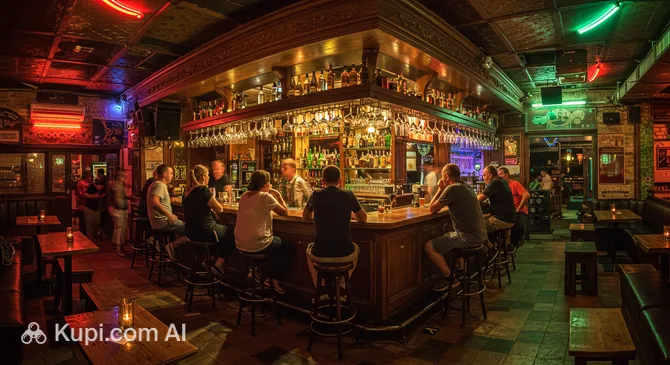
Alternatively, the old quarters near the Finikoudes promenade, particularly the area known as "Laiki Geitonia," offer a more condensed bar-hopping experience. This labyrinth of narrow streets is packed with cozy pubs, cocktail bars, and music venues. A legendary spot in this district is the Savino Rock Bar, a favorite among locals for its extensive whiskey selection and classic rock playlist. It offers a distinct alternative to the mainstream pop and house music found elsewhere, providing a gritty yet welcoming atmosphere.

Savino Rock Bar. Source: Kupi.Binoculars

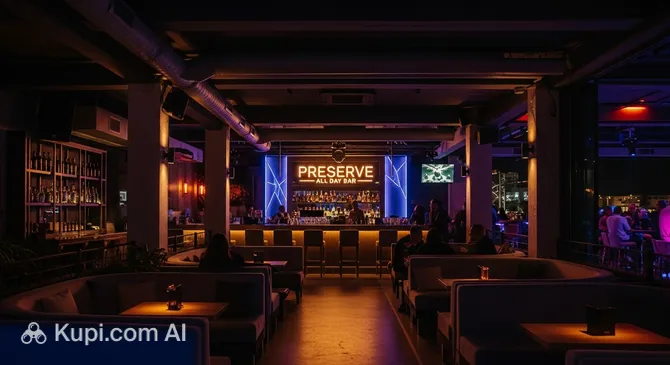
If you prefer a venue that seamlessly transitions from a daytime café to a nighttime hotspot, the Preserve All Day Bar is a great choice. Located in a beautifully restored building, it draws a friendly crowd enjoying expertly mixed drinks and a lively ambiance. For those seeking a more intense clubbing experience later in the night, venues like DSTRKT offer state-of-the-art sound systems and a high-energy environment that goes on until dawn.

Preserve All Day Bar. Source: Kupi.Binoculars

Practical advice for enjoying Larnaca's nightlife includes adjusting to the local schedule. Bars typically start filling up around 10:00 PM, while clubs do not hit their peak until well after midnight. Prices are generally moderate compared to other European resort cities. Getting around at night is easy and safe; while the city is walkable, especially within the main districts, it is best to use a taxi or a ride-hailing app like Bolt for longer distances or when returning to your hotel late at night. The city is very safe, but standard precautions should always be taken.

Beyond the nightlife, Larnaca offers plenty of daytime entertainment options. Shopaholics can spend hours exploring the Metropolis Mall, a modern shopping center featuring a wide range of international brands and dining options. For a more tranquil experience, the Pattichion Municipal Park provides a green oasis perfect for a relaxing afternoon walk or a picnic, offering a pleasant break from the coastal heat.

Parks & Museums

Larnaca is not only a destination for sea lovers but also a treasure trove for history enthusiasts and nature seekers. The city’s museums and green spaces offer a deeper insight into its rich cultural heritage and provide tranquil spots to escape the Mediterranean heat.

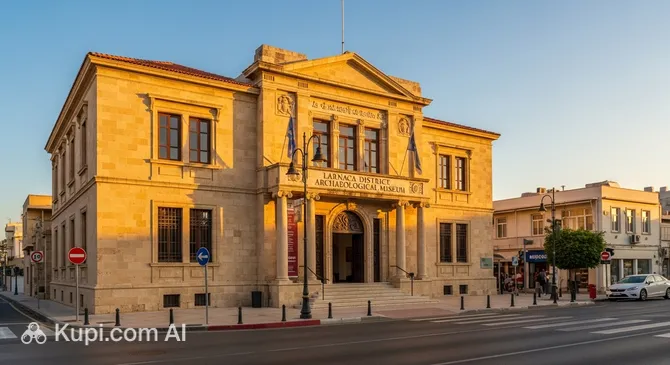
For a comprehensive look at the region's past, the Larnaca District Archaeological Museum is an essential stop. This facility houses an impressive collection of findings from the Neolithic age to the Roman period, including locally found pottery, sculptures, and glassware. It serves as a testament to the area's long-standing importance as a center of civilization and trade in the ancient world.

Larnaca District Archaeological Museum. Source: Kupi.Binoculars

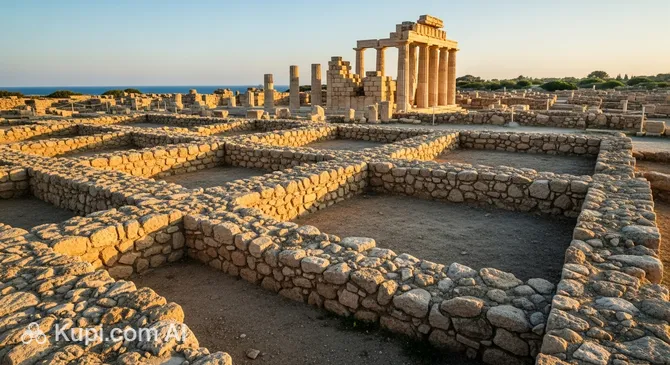
Just a short distance away lies the Archaeological Site of Kition, an open-air museum that allows visitors to walk through the ruins of the ancient city-kingdom upon which modern Larnaca is built. The site features the remains of five temples dating back to the 13th century BC and the monumental cyclopean walls. Exploring these foundations provides a tangible connection to the Phoenician and Mycenaean influences that shaped the island's history.

Archaeological Site of Kition. Source: Kupi.Binoculars

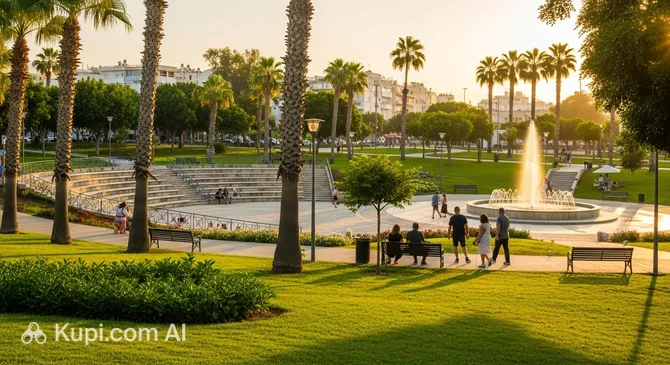
When it comes to green spaces, the Pattichion Municipal Park stands out as the city's largest urban garden. It is a popular recreational area for locals, offering shaded walkways, fountains, and a large amphitheater that hosts various cultural performances. The park’s natural setting makes it an ideal location for a relaxing afternoon stroll or a quiet break from the bustling city center.

Pattichion Municipal Park. Source: Kupi.Binoculars

Getting Around

Navigating Larnaca is relatively simple and stress-free, thanks to its compact size and straightforward transport options. Unlike larger European capitals, the city does not have a metro, tram, or rail system. Instead, the public transportation network relies entirely on a reliable fleet of buses that connect the city center, the waterfront promenade, residential areas, and the airport. For most tourists staying near the main attractions, walking is often the best way to get around, but the bus service is excellent for reaching beaches further afield or nearby villages.

The bus service is operated by Cyprus Public Transport, easily recognizable by their distinctive blue and white vehicles. These buses are modern, air-conditioned, and generally punctual. The network covers key tourist routes, including the connection between the airport and the Finikoudes promenade (Bus 425 is particularly popular among travelers). While there are no trolleybuses or trains, the bus system is efficient enough to meet the needs of most visitors.

Paying for your journey is convenient and user-friendly. You can purchase paper tickets directly from the driver using cash; however, it is highly recommended to have exact change or small notes, as drivers may not always have change for large bills. A standard single journey costs approximately €1.50 during the day, with the price increasing slightly for night buses (after 9:00 PM). For those planning to use the bus frequently, the Motion Bus Card is a smart option. This reloadable smart card can be topped up with various pass types, such as 1-day or 7-day unlimited travel tickets, offering significant savings.

Operating hours generally run from around 6:00 AM to 11:00 PM, though frequencies vary depending on the route and the season. During the peak summer months, services to popular beach areas may run more frequently. To plan your trip, it is advisable to download the official Pame App, which provides real-time updates, route maps, and arrival times, helping you avoid long waits in the heat.

If you prefer more privacy or speed, taxis are widely available 24/7. You can hail them on the street, find them at designated ranks near the main promenade, or book them via telephone. All legal taxis are equipped with meters, and you should ensure the driver switches it on at the start of the journey. Ride-hailing apps like Bolt are also active in the city, offering a transparent and often cashless way to secure a ride.

For a more active way to see the sights, bicycle rentals are a fantastic alternative. The city's terrain is predominantly flat, and there are dedicated bike lanes along the coast, making it a pleasant experience for cyclists of all levels. Several municipal bike stations and private rental shops are dotted along the coastline, allowing you to rent a bike for a few hours or a whole day to explore the Salt Lake or Mackenzie Beach at your own pace.

Accommodation

Where to Stay:

Accommodation in Larnaca caters to a wide variety of preferences and budgets, ranging from high-end beachfront resorts to family-run guesthouses and modern city apartments. Unlike some of the island's more exclusive resort towns, this city offers a grounded and accessible hospitality scene. Visitors can choose between waking up to the sound of the waves in a luxury suite or staying in a renovated traditional house tucked away in the narrow streets of the old quarter.

For those who want to be in the center of the action, the area around the famous Finikoudes promenade is the most popular choice. Staying here places you within walking distance of the main beach, the marina, and historical landmarks like the Larnaca Medieval Fort. This district is ideal for first-time visitors who want easy access to restaurants, cafes, and transport links without the need for a car.

Travelers seeking a trendier, more energetic vibe often prefer the Mackenzie Beach area. Located just a short drive from the city center and close to the airport, this neighborhood is famous for its upscale hotels and vibrant nightlife. It is a perfect base for those who plan to spend their days lounging by the sea and their nights exploring the local club scene.

If you prefer a quieter, more atmospheric setting, the historic neighborhood of Skala, surrounding the Church of Saint Lazarus, offers a charming alternative. Here, you will find boutique hotels and short-term rentals that provide a more authentic Cypriot experience. For a more resort-style holiday, the Dhekelia Road area to the east of the city features larger hotel complexes with extensive pools and private beach access.

Larnaca Pier. Source: Kupi.Binoculars

Prices vary significantly depending on the season. During the peak summer months of July and August, demand is high, and rates for even modest accommodations can rise. It is highly recommended to book at least two to three months in advance if you plan to visit during this period. The shoulder seasons of spring and autumn offer excellent value for money, with mid-range hotels and apartments available at much more attractive rates. Most properties can be easily booked via major online platforms, though direct booking with smaller establishments can sometimes yield better deals.

Nearby Cities

For those looking to explore the surroundings, Larnaca serves as an excellent base for day trips to several interesting nearby locations:

Just a short drive away lies Nicosia, the island's capital and the last divided city in Europe. It offers a fascinating blend of history and modern life, where visitors can walk along the Venetian walls, explore the vibrant Ledra Street, and visit numerous museums that showcase the island's rich heritage. The city’s unique atmosphere makes it a compelling destination for those interested in culture and history.

To the west is Limassol, a cosmopolitan coastal city known for its lively energy and seaside charm. It features a beautiful marina, a medieval castle where Richard the Lionheart is said to have married, and a bustling promenade lined with cafes and restaurants. It is an ideal spot for combining sightseeing with shopping and dining.

City Population Distance (km)
Nicosia 330000 37
Limassol 235056 59
Paphos 63600 111
Famagusta 40920 37
Kyrenia 33207 53

These nearby destinations offer a glimpse into the diverse culture and landscapes of the region.

Shopping & Souvenirs

Shopping in Larnaca offers a delightful mix of modern convenience and traditional charm, providing a relaxed retail experience compared to larger metropolitan hubs. While it may not be a massive fashion capital, the city boasts a variety of options ranging from international high-street brands to unique local boutiques. The compact nature of the city center allows visitors to easily explore different stores on foot, often interspersed with breaks at the many seaside cafes.

The heart of the city's commercial activity is centered around Zenon Kitieos Street and Ermou Street. These bustling thoroughfares run parallel to the popular waterfront promenade and are lined with a diverse array of shops, including fashion boutiques, jewelry stores, and shoe outlets. Walking through this district offers a lively atmosphere, particularly in the late afternoon when locals gather to shop and socialize in the pedestrian-friendly areas.

For a comprehensive retail experience under one roof, the Metropolis Mall is the premier destination in the city. As the largest shopping center in the district, it features a wide selection of global retailers, a large supermarket, and a modern food court. It serves as an excellent escape from the midday heat, offering a comfortable environment for families and fashion enthusiasts alike to browse the latest collections.

Metropolis Mall. Source: Kupi.Binoculars

Travelers interested in authentic local commerce should visit the open-air markets that occasionally pop up in the district. The Sunday Market, often located on the outskirts of the city, is a vibrant spot where vendors sell fresh local produce, inexpensive clothing, and household goods. It provides a genuine glimpse into the everyday life of the residents and is a great place to find fresh fruits or bargain textiles.

When searching for the perfect keepsake, visitors should look for goods that reflect the island's heritage. The most famous local handicraft is Lefkara lace, or Lefkaritika, an intricate embroidery technique originating from the nearby village of Lefkara. Other excellent souvenirs include handmade silverware, traditional pottery, and culinary delights such as halloumi cheese, virgin olive oil, and Commandaria, the island's historic sweet wine.

Store opening hours in Larnaca generally follow a Mediterranean schedule. Shops typically open around 9:00 AM and may close for a siesta between 1:30 PM and 4:00 PM, reopening until about 7:30 PM. However, on Wednesdays and Saturdays, many smaller businesses close in the afternoon and do not reopen. Large malls and supermarkets usually operate continuously throughout the day until late evening. The currency used is the Euro (€), and credit cards are widely accepted, though carrying some cash is useful for smaller market stalls.

Tourists from outside the European Union can take advantage of tax-free shopping at participating stores. Look for the "Tax Free" signage in shop windows to identify eligible locations. To claim a VAT refund, you must spend a minimum amount in one store and present your passport to receive the necessary forms, which can then be processed at the customs office at the airport before departure.

Reached the end of the page?

That means the route is fully explored