Navigating Adana is a straightforward experience, thanks to a well-integrated public transport network that combines modern infrastructure with traditional local methods. The system is designed to handle the city's sprawling layout, connecting the northern residential districts with the bustling city center and the southern commercial areas. For tourists, the most common ways to get around are the metro, municipal buses, and the ubiquitous minibuses known as dolmuş.
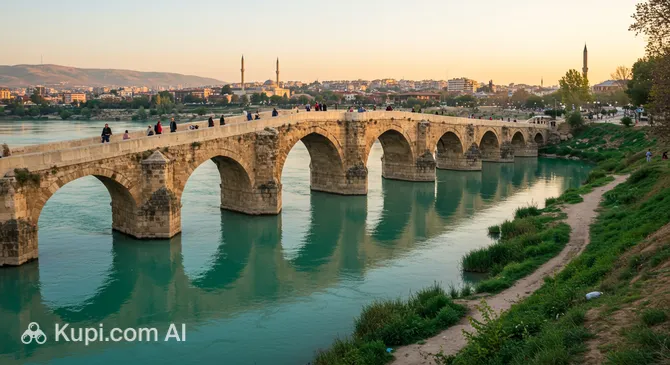
The Adana Metro is technically a light rail system that serves as the spine of the city's transit. It consists of a single line spanning approximately 13.5 kilometers with 13 stations, running from the Mental Health Hospital in the northwest to the Yüreğir district in the southeast. While it does not cover every corner of the city, it is the fastest way to travel between key points, bypassing surface traffic. The metro is particularly useful for reaching the city center and the old town area near the Stone Bridge. Trains typically run from 6:00 AM until roughly 11:00 PM, with frequencies varying between 10 to 15 minutes depending on the time of day.
For destinations not served by the metro, the extensive bus network is the primary alternative. There are two main types of buses: municipal buses (usually orange or red) and private public buses (often blue or green). Both cover a vast grid of routes, reaching even the most remote neighborhoods. The destination and route number are clearly displayed on the front and sides of the vehicles. While municipal buses are modern and air-conditioned, they can get quite crowded during peak commuting hours.
A quintessential part of the local travel experience is the dolmuş. These minibuses operate on fixed routes but without fixed timetables, departing once they are full or at frequent intervals. They are incredibly flexible, allowing passengers to hop on or off anywhere along the route, not just at designated stops. You simply wave a hand to hail one and say "Inecek var" (someone wants to get off) when you near your destination. Unlike the metro and buses, the dolmuş system operates strictly on cash, making it essential to carry small change.
To use the metro and municipal buses, you must obtain an Adana Kent Kart (City Card). This contactless smart card can be purchased and topped up at authorized kiosks, often located near major bus stops and metro stations, marked with "Dolum Yeri" signs. Upon boarding a bus or entering a metro turnstile, simply tap your card on the reader. In recent years, the system has been modernized to accept contactless credit and debit cards on municipal buses, offering a convenient backup if you haven't purchased a Kent Kart yet, though fares may be slightly higher.
Taxis are another reliable option, recognizable by their yellow color. They operate 24/7 and are widely available at taxi stands, shopping malls, and major squares. All legal taxis run on a taximeter; ensure the driver switches it on at the start of your journey. For those planning to explore the surrounding historical sites or the wider Cilician region, renting a car is a popular choice. The roads are generally wide and well-maintained, though parking in the historic city center can be challenging.
Finally, for travel to and from the newly operational Çukurova International Airport, dedicated airport shuttles (such as HAVAMAŞ) provide a direct and economical link to the city center. These buses are timed to coincide with flight schedules and offer a comfortable ride with luggage storage, bridging the distance to the city efficiently.