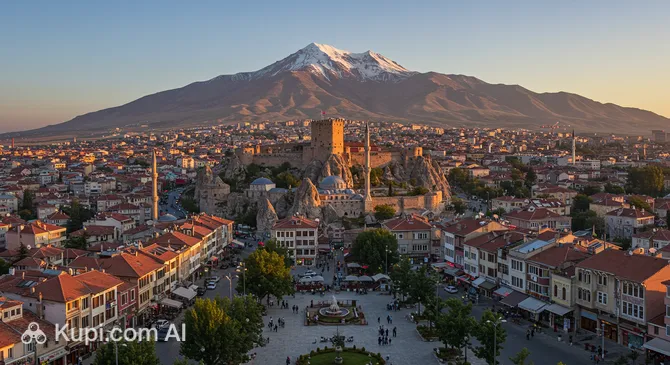
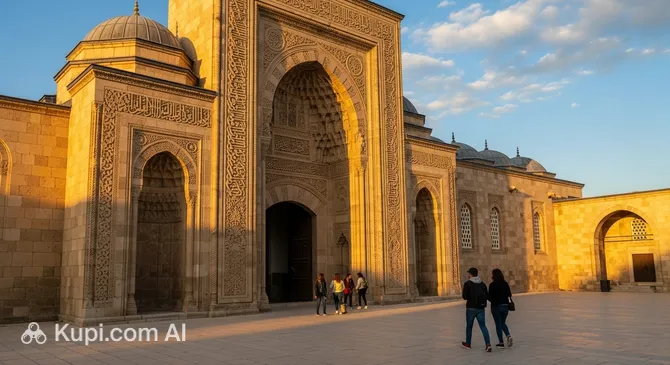
Kayseri is a captivating city located in the heart of Turkey, offering a unique blend of ancient heritage and modern dynamism. Situated at the foot of the majestic Mount Erciyes, this bustling metropolis in Central Anatolia serves as a major trade and industrial hub while retaining its deep cultural roots. Its strategic location has made it a crossroads of commerce and culture for centuries.
Kayseri. Illustration.
Source: Kupi.com AI
With a population exceeding 1.3 million residents, the city feels vibrant and alive. The fascinating history of Kayseri, formerly known as Caesarea, is etched into its streets, where distinct architectural styles from different eras coexist harmoniously. Visitors can wander through areas that seamlessly connect the past with the present.
Travelers are often drawn here by the imposing Mount Erciyes, which provides a stunning backdrop and serves as a premier destination for winter sports and mountaineering. The city center is adorned with remarkable examples of Seljuk architecture, such as the Hunat Hatun Complex. Additionally, Kayseri is famous across the region for its culinary delights, particularly its savory pastırma (cured beef) and delicious mantı (dumplings).
Whether you are looking to hit the ski slopes, explore historic monuments, or indulge in authentic local flavors, Kayseri offers a memorable experience. It is an excellent stop for anyone wishing to discover the authentic spirit of Anatolia.
Weather Overview
The climate in this region is continental, marked by distinct seasonal changes that shape the local lifestyle and travel opportunities. To help plan your activities and packing list, it is helpful to check the detailed weather in Kayseri before your trip.
Summers are generally warm and very dry. July and August are the hottest months, with average temperatures hovering around 22°C to 23°C and maximum highs reaching approximately 30°C. Rainfall is scarce during this period, with typically only 1 or 2 wet days per month. In contrast, winters are cold, with average temperatures in January often dropping slightly below freezing. Minimum temperatures can fall to -5°C, and wet days are more frequent, occurring about 8 to 11 times a month, which supports the ski season on the nearby mountains.
Spring and autumn serve as transitional periods with moderate temperatures. May is notably one of the wetter months, experiencing up to 14 days with precipitation, while September retains some summer warmth with highs around 26°C. Overall, you can expect warm, dry summers and cold winters with regular precipitation.
Average monthly temperature
Average monthly precipitation
Interesting Facts
Beyond the main attractions, Kayseri holds many fascinating secrets that reveal the depth of its cultural and historical heritage. From culinary legends to architectural marvels, these details offer a glimpse into the unique character of this Anatolian city.
The city is renowned for its tiny dumplings known as mantı. A popular local legend claims that a skillful cook should be able to fit exactly 40 of these miniature dumplings onto a single spoon, showcasing the incredible dexterity required in traditional Kayseri kitchens.
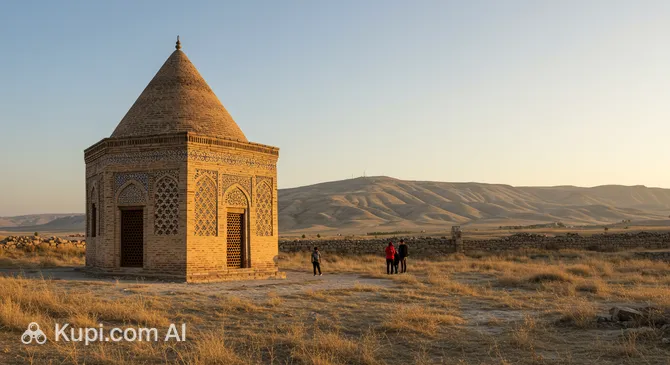
The Doner Kumbet, also known as the Revolving Tomb, is an architectural curiosity dating back to the 13th century. Despite its name, the structure does not actually rotate; its cylindrical shape and conical roof create a visual illusion of movement that has intrigued visitors for hundreds of years.
Kayseri is home to a pioneering institution in medical history. The building that now houses the Seljuk Civilization Museum was originally the Gevher Nesibe Madrasa, arguably the world's first hospital dedicated to treating mental illnesses using progressive methods like water sound therapy and music.
This region is considered one of the oldest trade centers in the world. Archaeological findings at Kültepe, just outside the city, unearthed thousands of clay tablets documenting the earliest organized trade networks in Anatolia, cementing the city's reputation as a commercial hub for over 4,000 years.
The city is the undisputed capital of pastırma, a highly seasoned, air-dried cured beef. The unique climatic conditions of Kayseri, particularly the intense daytime heat and cool night breezes from the mountains, are said to be the secret ingredients that give this delicacy its distinct flavor and texture.
Doner Kumbet. Illustration.
Source: Kupi.com AI
Traveler photos:
How to Get There
Reaching this central Anatolian hub is quite convenient, thanks to its status as a major commercial and transport center. For travelers planning their journey, you can read more about how to get to Kayseri and the various routes available. The most direct method for international and domestic visitors is by air, with the city hosting its own busy terminal.
The primary entry point is Kayseri Airport (ASR), which is located directly in Kayseri, just 5.7 km from the city center. It handles a significant number of visitors annually, making it a "Large" capacity hub for the region. Due to its close proximity, the transfer to the downtown area is very quick, typically taking around 30 minutes by taxi or shuttle. For those exploring the wider Cappadocia region, another option is to fly into Nevsehir (NAV). This airport is situated in the province of Nevsehir, approximately 82.6 km from Kayseri. The transfer time from there is reasonable, usually taking between 1 hour and 1 hour 15 minutes by road.
For clarity, here is a summary of the main airports in the region:
In addition to air travel, the city is well-integrated into Turkey's land transport network. Regular intercity buses connect Kayseri to major destinations across the country, arriving at the large bus terminal (Otogar) located to the west of the center. The city is also a key stop on the national railway lines, with trains such as the Eastern Express (Doğu Ekspresi) providing scenic journeys from Ankara and other cities.
Main Attractions
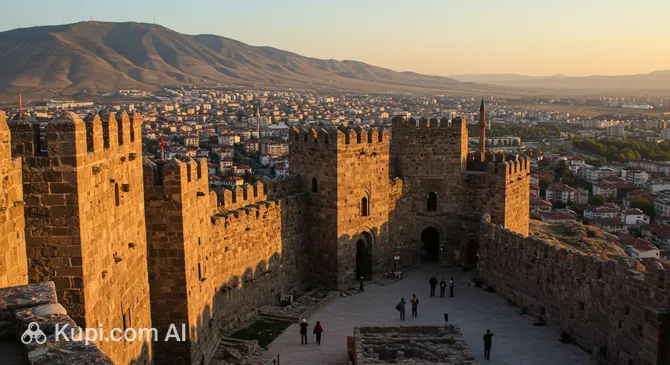
Kayseri is a city where history is woven into the very fabric of daily life, offering visitors a chance to explore centuries of architectural and cultural evolution. One of the most prominent landmarks is Kayseri Castle, a majestic fortification made of black volcanic stone that dominates the city center. Originally built during the Roman period and significantly reinforced by the Seljuks and Ottomans, the castle now serves as a vibrant cultural hub. Tourists can walk along its restored walls for panoramic views or explore the interior, which often hosts art exhibitions and houses a modern museum.
Kayseri Castle. Illustration.
Source: Kupi.com AI
Traveler photos:
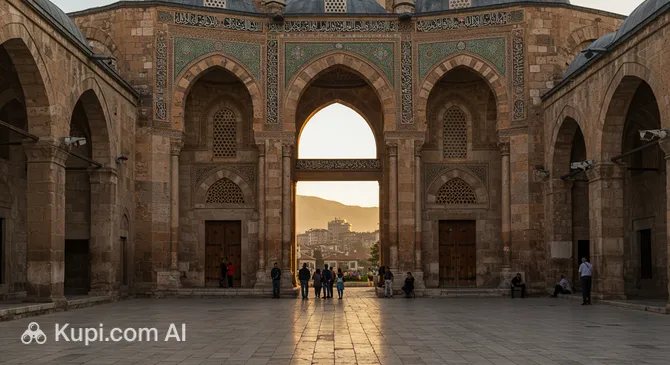
Just a short walk away lies the Hunat Madrasa, a stunning piece of Seljuk architecture dating back to the 13th century. Part of a larger complex that includes a mosque and a bath, this historical building was founded by Mahperi Hunat Hatun, the wife of Sultan Alaaddin Keykubad I. Today, it functions as a culture center where visitors can observe traditional artisans at work, sip tea in the courtyard, and admire the intricate stone carvings that characterize the era.
Hunat Madrasa. Illustration.
Source: Kupi.com AI
Traveler photos:
For those interested in the deep roots of civilization in Anatolia, the Kayseri Archaeological Museum is an essential stop. The museum houses a rich collection of artifacts, including the famous cuneiform tablets from Kültepe (Kanesh), which shed light on the earliest trade networks in history. The exhibits guide visitors through the Bronze Age, Hittite, Hellenistic, and Roman periods, making it a fascinating destination for history buffs.
The beating heart of the modern city is Kayseri Republic Square. This expansive plaza is not only a gathering place for locals but also an open-air museum of sorts, surrounded by monuments from different historical periods. Standing in the square, you can see the castle walls, the clock tower, and modern government buildings all at once, providing a perfect snapshot of how Kayseri bridges its ancient past with its dynamic present.
Local Cuisine
Kayseri is widely regarded as one of Turkey's most significant gastronomic capitals, boasting a culinary tradition that is rich, flavorful, and heavily focused on meat. The city's food culture is shaped by its history as a trade hub and its continental climate, which led to the development of unique preservation techniques still used today.
The most iconic delicacy here is undoubtedly pastırma, a highly seasoned, air-dried cured beef that is famous throughout the country. You will see it hanging in shop windows all over the city, coated in a spicy paste called çemen made from fenugreek, garlic, and red pepper. Alongside it, sucuk (spicy fermented sausage) is a staple, often grilled or fried with eggs for a hearty breakfast.
Another culinary masterpiece you must try is Mantı. While these dumplings are eaten all over Turkey, the Kayseri version is distinctively tiny and requires immense skill to prepare. They are typically served with a generous topping of garlic yogurt and a sauce made of tomato paste, oil, and sumac. For a unique local dish, look for Yağlama, consisting of layers of thin flatbread (lavash) stacked with a savory minced meat sauce and yogurt, often eaten by rolling the layers with your hands.
Chef Remzi Restaurant. Illustration.
Source: Kupi.com AI
Traveler photos:
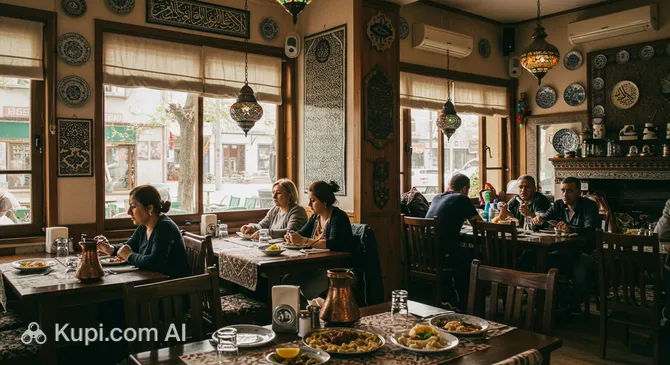
When it comes to dining out, the city offers everything from historic stone buildings serving traditional fare to bustling modern eateries. Visitors looking to sample authentic local dishes might enjoy a meal at Chef Remzi Restaurant, which is a welcoming spot to explore the regional palate. For those craving a casual and delicious meat experience, Nur Kebab Grill & Doner Bar is another popular stop where you can enjoy freshly prepared kebabs.
To accompany your meal, the most common choice is Ayran, a frothy salted yogurt drink that perfectly balances the spices of the meat dishes. For something truly unique to the region, ask for Gilaburu nectar. Made from the European cranberrybush berry which grows in the Kayseri province, this tart, red juice is renowned locally for its refreshing taste and health benefits.
Travel Tips
To make the most of your visit to this historic trade hub and gateway to Cappadocia, a little preparation goes a long way. These practical tips are designed to help you navigate local customs, logistics, and daily life in Kayseri with the ease of a seasoned traveler.
Clothing and Gear: The city experiences a continental climate, so pack according to the season. Summers are hot and dry, requiring light, breathable fabrics and sun protection, while winters can be freezing, especially if you plan to visit Mount Erciyes for skiing—bring heavy coats, gloves, and thermal wear. As Kayseri is somewhat conservative and home to many historic mosques, modest clothing is recommended; women should carry a scarf for religious sites, and both men and women should cover their shoulders and knees when visiting holy places.
Transportation: The city boasts an efficient and modern tram system known as Kayseray, which connects the intercity bus terminal, the city center, and the stadium. It is the easiest way to get around the main areas. Public buses are also available, and you will need a Kart38 transit card for both. Taxis are yellow, widely available, and operate on a meter. If you plan to explore the wider region or drive to Cappadocia, renting a car is a flexible option, though not strictly necessary for the city center itself.
Finances: The local currency is the Turkish Lira (TRY). While credit cards are widely accepted in hotels, shopping malls, and larger restaurants, cash is essential for small tea houses, local bazaars, and public transport card top-ups. ATMs are plentiful throughout the city. Tipping is appreciated but not mandatory; leaving 5-10% at restaurants or rounding up the fare for taxi drivers is a kind gesture.
Health and Safety: Kayseri is generally a very safe city for tourists. Pharmacies, marked by an "Eczane" sign with a red "E," are easy to find; they usually operate during business hours, with a rotating list of duty pharmacies (Nöbetçi Eczane) open 24/7 for emergencies. Tap water is chlorinated but often hard, so most locals and tourists prefer drinking bottled water.
Communication: Turkish is the primary language. While staff in major hotels and airport areas may speak English, it is less common in local shops and traditional eateries. Downloading a translation app or learning a few basic phrases like Merhaba (Hello) and Teşekkürler (Thank you) will be very helpful. Prepaid SIM cards can be purchased at the airport or from mobile provider shops in the city center to stay connected.
Local Etiquette: Turkish hospitality is legendary, and you may be offered tea (çay) by shopkeepers; accepting it is a sign of respect and friendship. When entering a mosque or a private home, always remove your shoes. Greetings often involve a handshake, but close friends may greet each other with kisses on the cheek. In this region, polite and respectful behavior towards elders is highly valued.
What to Avoid: Avoid taking photographs of local people, especially women, without asking for permission first. Public displays of affection should be kept modest to respect local norms. Also, refrain from discussing sensitive political topics; it is best to focus conversations on the rich culture, food, and football, which locals are passionate about.
Shopping Tip: If you plan to buy the famous local pastırma (cured beef) to take home, ask the shopkeeper to "vacuum pack" it for you. This seals the strong aroma, making it travel-friendly for your luggage and ensuring it stays fresh during your journey.
By keeping these simple guidelines in mind, you will be well-equipped to enjoy the warm hospitality and rich heritage of Kayseri. embrace the local rhythm, savor the incredible food, and enjoy a hassle-free adventure in the heart of Anatolia.
Entertainment & Nightlife
While Kayseri is known for its conservative and traditional lifestyle, the city offers a vibrant social scene that comes alive in the evenings, particularly driven by its large university population. Unlike the coastal resort towns of Turkey famous for loud nightclubs, nightlife here revolves around lively cafes, live acoustic music venues, and social dining. The atmosphere is generally relaxed and conversational, perfect for those who enjoy lingering over tea, coffee, or a meal with friends.
The heart of the city's evening entertainment is undoubtedly the Talas district, specifically the area known as "Osmanlı Sokağı" (Ottoman Street). Perched on a hill overlooking the city, this neighborhood features beautifully restored historic stone houses converted into trendy cafes, bistros, and restaurants. It is the go-to spot for students and locals to enjoy nargile (hookah), listen to traditional Türkü (folk music) or pop covers, and soak in the bustling atmosphere.
For those seeking a more active night out, there are several venues where music takes center stage. Kayseri Karaoke Piano Party House is a popular destination for groups looking to have fun and showcase their singing skills in a lively environment. If you prefer a place to enjoy a hearty meal accompanied by drinks and conversation, Kaygısız Grill offers a welcoming setting typical of the local tavern culture, where the focus is on good food and company.
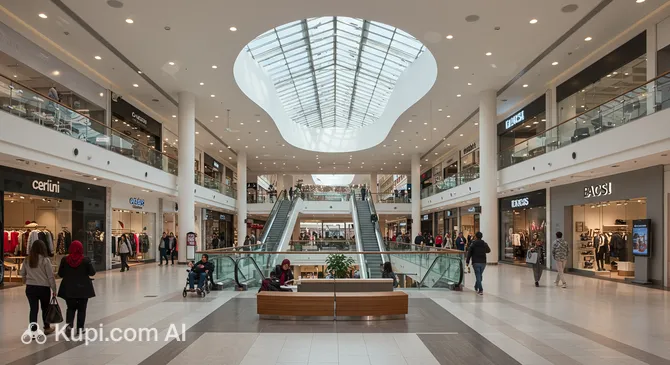
Modern shopping centers also play a significant role in the city's entertainment landscape, serving as major social hubs well into the evening. Forum Kayseri Shopping Center is a favorite meeting point, offering not just high-end retail stores but also a modern cinema complex, bowling alleys, and a variety of cafes with outdoor terraces.
Forum Kayseri Shopping Center. Illustration.
Source: Kupi.com AI
Traveler photos:
Daytime Entertainment
Before the sun sets, the city offers plenty of leisure activities. Families and nature lovers can visit Emirgan Park, a green oasis perfect for picnics and leisurely walks. For a mix of shopping and recreation, Kayseri Park is another major mall that frequently hosts events and activities for children. Additionally, the city is home to Mazakaland, a large amusement park that provides fun rides and attractions for all ages during the warmer months.
Practical Tips and Safety
Most evening venues in Kayseri are open until midnight or 1:00 AM, especially on weekends. The dress code is generally casual, though "smart casual" is appreciated in nicer restaurants and lounges in Talas. Prices for food and entertainment are significantly lower than in Istanbul or Ankara. The city is very safe for night walks, particularly in the busy areas of Talas and the city center. Public transport (trams and buses) slows down around midnight, so calling a yellow taxi is the most convenient and reliable way to get back to your hotel late at night. You can easily find taxi stands near major squares and shopping malls.
Parks & Museums
Kayseri offers a delightful balance between urban energy and cultural depth, boasting a variety of green spaces and museums that preserve the city's rich Anatolian heritage. Visitors can easily transition from a relaxing afternoon in a lush garden to an inspiring journey through centuries of history within the city's well-curated institutions.
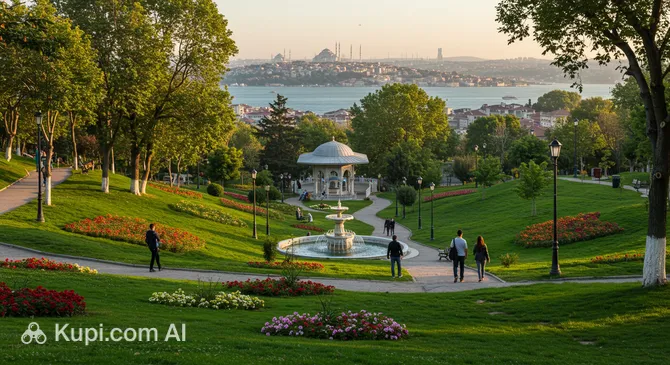
For those seeking fresh air and tranquility, Emirgan Park is a favorite local escape. This spacious recreational area features well-maintained walking paths, decorative pools, and ample seating, making it an ideal spot for families and nature lovers to unwind. Another popular green space is Barış Manço Park, named after the beloved Turkish rock musician. It provides a vibrant atmosphere with playgrounds and open areas where residents gather to socialize and enjoy the outdoors.
Emirgan Park. Illustration.
Source: Kupi.com AI
Traveler photos:
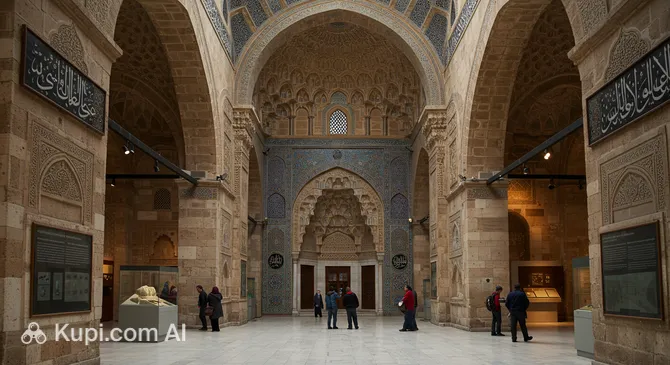
The city's museums are true treasure troves of history. The Seljuk Civilization Museum is a must-visit, housed in the historic Gevher Nesibe Madrasa. This building is significant in its own right as one of the world's earliest medical schools and hospitals. Inside, interactive exhibits and artifacts vividly tell the story of the Seljuk era, focusing on their art, architecture, and advanced medical practices.
Seljuk Civilization Museum. Illustration.
Source: Kupi.com AI
Traveler photos:
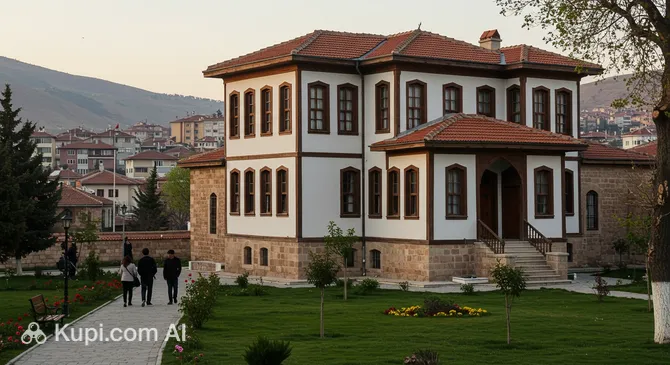
To understand the more recent history of the Turkish Republic, a visit to the Ataturk House Museum is highly recommended. Located in a beautifully preserved 19th-century mansion, this museum displays personal belongings, photographs, and documents related to Mustafa Kemal Ataturk's visits to Kayseri. Another significant institution is the National Struggle Museum, established in the historic Kayseri High School building, which chronicles the city's pivotal role during the Turkish War of Independence.
Ataturk House Museum. Illustration.
Source: Kupi.com AI
Traveler photos:
Kayseri's streets themselves often feel like an open-air museum, dotted with remarkable architectural landmarks. The Sahabiye Madrasa, built in 1267, stands as a stunning example of Seljuk stonework with its intricate geometric portal. Nearby, the elegant Kayseri Clock Tower in Republic Square serves as a nostalgic symbol of the city, dating back to the Ottoman period under Sultan Abdulhamid II.
Sahabiye Madrasa. Illustration.
Source: Kupi.com AI
Traveler photos:
For a unique cultural experience, look for the Tomb of Zeynel Abidin, a modest yet spiritually significant site that reflects the local reverence for historical figures. Additionally, science enthusiasts might enjoy a quick stop at the Erciyes Technopark Museum, which showcases regional advancements in technology and innovation.
Getting Around
The public transport network in Kayseri is modern, efficient, and designed to make navigating the city simple for visitors. The backbone of the system is the light rail network known as Kayseray. This tramway connects the eastern and western ends of the city, passing through key locations such as the intercity bus terminal, the main city square, and the university district. It is widely considered the most convenient and comfortable way for tourists to travel between major attractions and shopping areas.
For destinations not covered by the tram lines, an extensive fleet of municipal buses services the entire metropolitan area. These buses are essential for reaching specific neighborhoods or the base of Mount Erciyes during the ski season. The bus network is fully integrated with the tram system, allowing for seamless transfers. While minibuses (dolmuş) also operate on certain routes, the official municipal buses are generally easier for visitors to use due to their standardized stops and routes.
To use public transport, you will need a contactless smart card called Kart38. Cash is not accepted on board buses or at tram turnstiles. You can purchase these cards and top them up at kiosks labeled "Dolum Noktası" (Filling Point), which are conveniently located near tram stops and major bus hubs. For short-term stays, disposable magnetic tickets are available, and many validators now accept contactless credit and debit cards, providing a hassle-free payment option without the need to buy a local transit card.
Public transport typically operates from early morning, around 06:00, until midnight. During peak hours, trams run frequently, minimizing wait times. To check routes, schedules, and bus arrival times, you can use popular map applications or the local transport app, which provides real-time data. Remember to validate your card upon entering the tram station or boarding the bus; if you are transferring between vehicles within a certain timeframe, the system usually applies a discount.
If you prefer private transportation, yellow taxis are plentiful and operate 24/7. They can be found at designated stands near the airport, shopping malls, and the city center, or hailed on the street. Taxis run on a meter system, offering a reliable alternative for late-night travel or when carrying heavy luggage. Car rental agencies are also available, which is a popular choice for those planning to explore the wider region independently.
During the spring and summer months, the city offers an eco-friendly alternative known as KAYBIS, a smart bicycle-sharing system. With numerous stations scattered across the city, particularly near parks and flat avenues, renting a bike is a pleasant way to sightsee at a slower pace. The system is user-friendly and can often be accessed via a credit card or the transportation card, making it a favorite among locals and tourists alike for short trips.
Accommodation
Accommodation in Kayseri caters to a diverse range of visitors, from business travelers and history enthusiasts to winter sports lovers. The city offers a broad spectrum of lodging options, ranging from modern luxury chains and mid-range comfort hotels to budget-friendly guesthouses. Because Kayseri is a major commercial hub, the standard of hospitality is generally high, with many establishments providing excellent amenities and service at competitive prices.
For those interested in exploring the historical sights, the City Center is the most convenient area to stay. Hotels located near Republic Square or Kayseri Castle allow for easy walking access to major attractions like the Grand Bazaar and the various museums. Another popular district is Talas, situated slightly uphill from the center. This area is known for its historic atmosphere and restored stone houses, offering a more boutique and authentic experience compared to the high-rise hotels downtown.
If your primary reason for visiting is skiing or snowboarding, you might prefer staying directly on Mount Erciyes. During the winter season, the mountain hosts several ski resorts and chalets that offer direct access to the slopes. These accommodations are perfect for sports enthusiasts who want to maximize their time on the snow, though they tend to be pricier and in higher demand during the peak winter months compared to city-center options.
Generally, accommodation prices in Kayseri are quite reasonable compared to Turkey's coastal resort towns or Istanbul. You can often find high-quality rooms for a moderate budget. While walk-in availability is usually good in the city, it is highly recommended to book in advance if you plan to visit during the ski season (December to March) or during major trade fairs, as hotels can fill up quickly. Most properties are listed on major international online booking platforms, making it easy to secure your stay ahead of time.
Nearby Cities
For those looking to explore the surroundings, Kayseri serves as an excellent base for day trips to several interesting nearby locations:
Located just a short drive from the city center, Talas is a historic district that offers a charming escape into the past. It is renowned for its well-preserved stone mansions and narrow streets that reflect a blend of Ottoman and local architectural styles. Visitors often head here to enjoy panoramic views of Kayseri from the hills, explore the historic churches and mosques, or relax in the atmospheric cafes that line its old avenues.
A little further afield lies Urgup, one of the most popular gateways to the magical Cappadocia region. Famous for its unique fairy chimneys, cave hotels, and rock-carved dwellings, this town offers a surreal landscape that feels like another world. It is also a center for local wine production and high-quality handicrafts. Nearby, the provincial capital of Nevsehir serves as a central hub for accessing the wider Cappadocia area, including its famous underground cities and open-air museums.
For nature enthusiasts, Yahyali is a hidden gem known for its rugged natural beauty. It is the gateway to the spectacular Kapuzbaşı Waterfalls, a series of seven waterfalls bursting directly from a rock face, offering a refreshing retreat especially during the summer months.
City
Population
Distance
Talas
165 127
7 km
Incesu
26 353
23 km
Bunyan
31 497
35 km
Develi
65 322
37 km
Tomarza
22 808
41 km
These nearby destinations offer a glimpse into the diverse culture and landscapes of the region, ranging from ancient history to breathtaking natural wonders.
Shopping & Souvenirs
Kayseri has been a renowned center of commerce for thousands of years, earning a reputation as the "City of Merchants." Today, this trading heritage is alive and well, offering visitors a fascinating mix of historical bazaars and ultra-modern retail complexes. Whether you are looking for authentic local handicrafts, high-end fashion, or the city's famous culinary delights, shopping here is an integral part of the travel experience.
The heart of traditional shopping lies in the historic district surrounding the Kayseri Castle. The most prominent destination here is the Grand Bazaar (Kapalı Çarşı). Regarded as the second-largest covered market in Turkey after Istanbul's, it is a labyrinth of hundreds of shops selling everything from gold jewelry and textiles to spices and household goods. Adjacent to it is the Kazancılar Çarşısı (Coppersmiths' Bazaar), where the rhythmic sounds of artisans working on metal still echo, offering a glimpse into the city's craftsmanship.
For a more contemporary experience, the city boasts several large shopping malls that meet international standards. Forum Kayseri Shopping Center is a favorite among locals, featuring a wide range of global brands, a cinema, and dining options in a modern architectural setting. Another key spot is Kayseri Park, located near the city center, which offers a comfortable environment for families to shop for clothing, electronics, and cosmetics.
Kayseri Park. Illustration.
Source: Kupi.com AI
Traveler photos:
A unique highlight of shopping in Kayseri is the specialized food markets. The Pastırmacılar Çarşısı (Pastirma Bazaar) is an absolute must-visit for foodies. As you walk through this area, the air is filled with the distinct aroma of fenugreek and spices. Here, you can taste and purchase the highest quality pastırma (cured beef) and sucuk (spicy sausage) directly from historic producers who vacuum-pack the products for safe travel.
When it comes to souvenirs, edible goods top the list. Beyond cured meats, look for packs of dried Mantı (tiny dumplings) or bottles of Gilaburu nectar, a local berry drink. For non-food items, the region is famous for its hand-woven carpets and rugs, particularly those from the nearby towns of Bünyan and Yahyalı. These carpets are prized for their geometric patterns and high-quality wool, making them a timeless keepsake from Anatolia.
Store hours in Kayseri are generally consistent. Shopping malls typically operate from 10:00 AM to 10:00 PM, seven days a week. Traditional shops in the bazaars usually open around 08:30 AM and close by 7:30 PM, and many may be closed or have reduced hours on Sundays. Credit cards are widely accepted almost everywhere, including market stalls, but carrying some cash (Turkish Lira) is useful for small purchases or bargaining in the Grand Bazaar.
Tourists visiting Kayseri can also take advantage of the Tax-Free shopping system. Look for the "Tax Free" signage in the windows of larger stores and international brands. If you make a purchase above a certain minimum amount, you can ask for a refund form to reclaim the Value Added Tax (VAT) at the customs office upon your departure from Turkey.