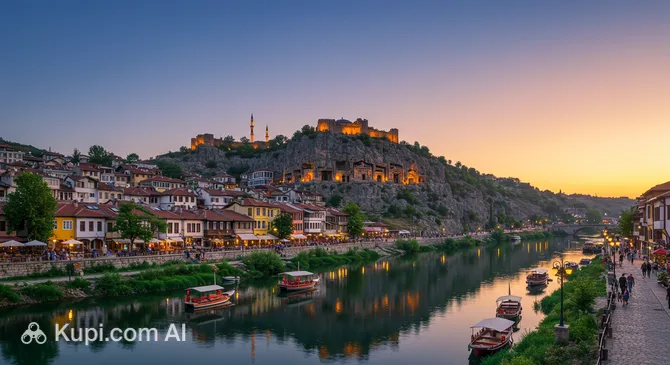
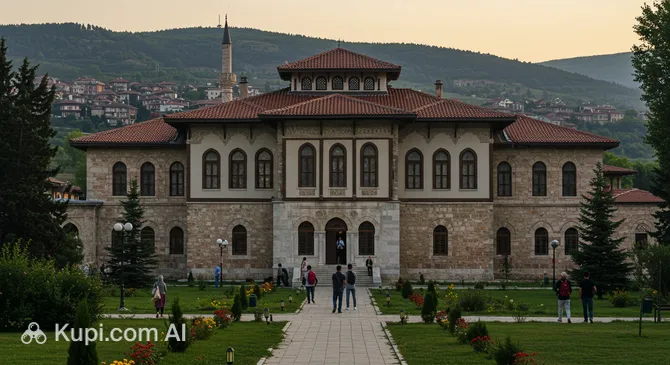
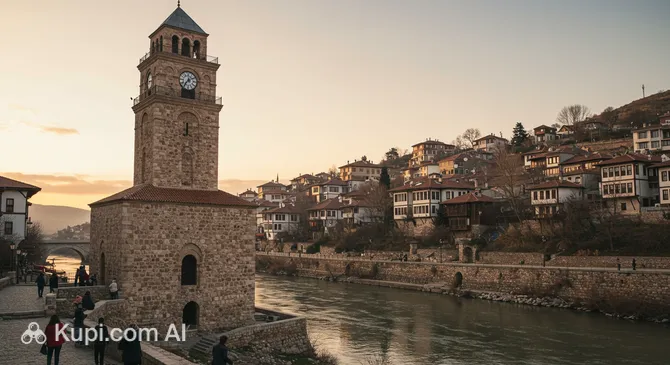
Nestled in a narrow valley along the banks of the Yeşilırmak River, Amasya is one of the most visually striking cities in northern Turkey. With its dramatic cliffs, lush greenery, and well-preserved architecture, the city offers a unique blend of natural beauty and cultural depth that captivates visitors immediately upon arrival. It stands out as an open-air museum where ancient legends and daily life seamlessly coexist.
Geographically, the city acts as a gateway between the Black Sea coast and inner Anatolia, surrounded by the towering Harşena Mountain. Home to a population of approximately 149,000 people, Amasya enjoys a pleasant climate that is famous for producing crisp, delicious apples. The history of Amasya is incredibly rich, having served as the capital of the Kingdom of Pontus and later as a crucial training ground for Ottoman princes, earning it the nickname "City of Princes."
Amasya. Illustration.
Source: Kupi.com AI
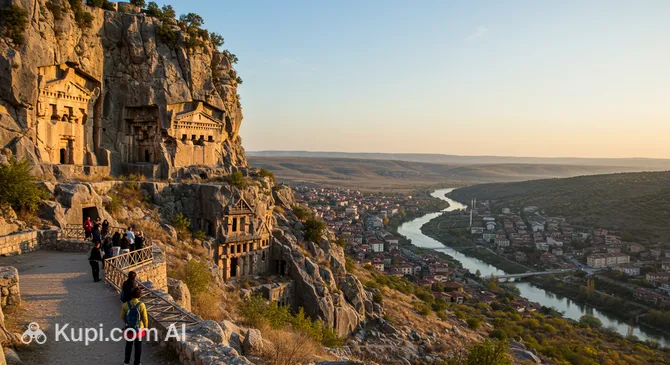
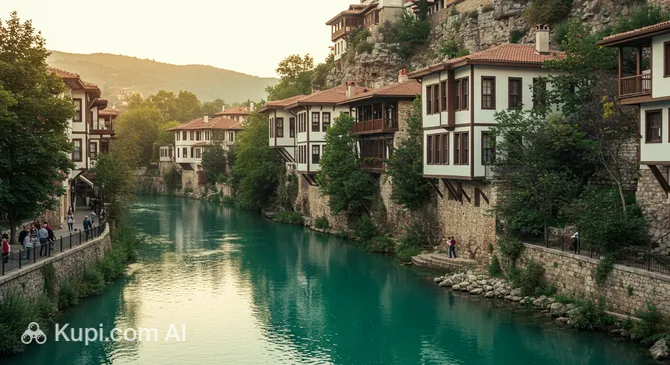
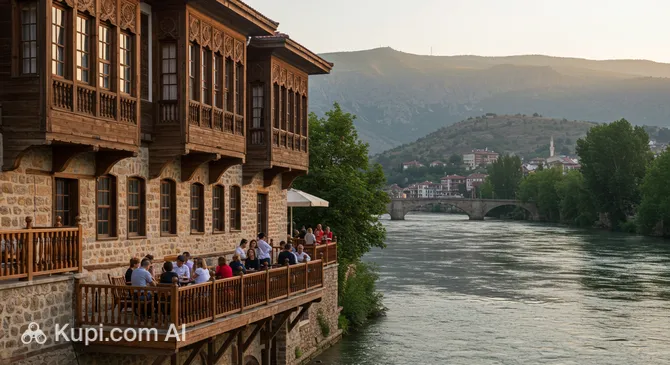
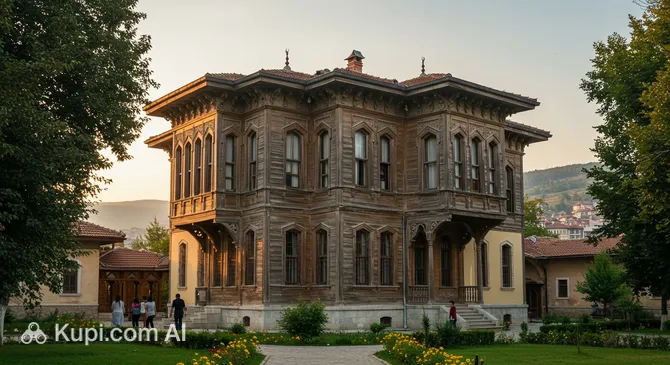
The city's most iconic feature is undoubtedly the Rock Tombs of the Kings of Pontus, which are monumental burial chambers carved directly into the sheer limestone cliffs looming above the town. Contrasting with these ancient wonders are the elegant Yalıboyu houses lining the riverbank. These traditional Ottoman-era wooden homes, with their characteristic overhanging balconies, create a postcard-perfect scene, especially when reflected in the emerald waters of the river.
Amasya offers a tranquil yet fascinating escape for travelers seeking authenticity away from the crowded coastal resorts. Whether you are strolling along the river promenade at sunset or exploring the ancient fortifications, the city invites you to step back in time and enjoy its enchanting atmosphere.
Weather Overview
The climate in Amasya varies significantly throughout the year, characterized by warm, dry summers and cold winters. During the peak summer months of July and August, the weather is generally pleasant with average temperatures hovering around 22°C and daily highs reaching approximately 28°C to 29°C. This period is also the driest, seeing almost no rainfall, which is perfect for exploring the outdoor museums and rock tombs.
In contrast, the winter season brings a distinct chill to the valley. January is typically the coldest month, with average temperatures dropping to 2.6°C and minimums occasionally falling below freezing. Spring offers milder weather but is also the wettest time of year; March, for instance, can experience up to 14 wet days. To help you choose the best dates for your visit and pack accordingly, you can check the detailed report on the weather in Amasya.
Average monthly temperature
Average monthly precipitation
Interesting Facts
Beyond the scenic riverbanks and famous rock tombs, Amasya holds a treasure trove of fascinating legends and historical curiosities. This ancient city offers surprising stories that range from tragic romances to pioneering medical treatments that were centuries ahead of their time.
The city is the legendary setting for the tragic romance of Ferhat and Shirin, a story often compared to Romeo and Juliet. According to local folklore, Ferhat dug a tunnel through the mountains with a simple sledgehammer to bring water to the city and win the favor of Shirin's father, a tale now immortalized at the Ferhat and Shirin Lovers Museum.
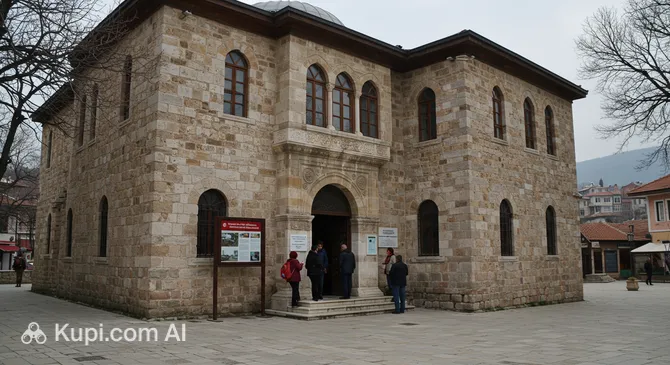
Amasya was a center for medical innovation during the Ottoman era. The Sabuncuoğlu Şerefeddin Museum of Medicine and History, originally built as a hospital in 1308, was one of the first institutions to treat mental illnesses using the soothing sounds of water and music therapy rather than harsh methods.
The Amasya Archaeology Museum houses a rare and somewhat eerie collection of mummies from the Ilkhanid period. Unlike Egyptian mummies, these bodies were preserved naturally due to the specific air and soil conditions of the region, and they are unique because their internal organs were not removed.
The famous ancient geographer Strabo, often called the "Father of Geography," was born in Amasya in 64 BC. He described the city's topography in great detail in his work Geographica, noting how the fortifications of Amasya Castle made the city nearly impossible to conquer.
Sabuncuoğlu Şerefeddin Museum of Medicine and History. Illustration.
Source: Kupi.com AI
Traveler photos:
How to Get There
Reaching this charming city in the Yeşilırmak Valley is relatively straightforward, thanks to its proximity to several regional transport hubs. While the city itself is tucked away between mountains, travelers have convenient options for arrival by air and road. For a complete guide on all available transport methods, you can read more about how to get to Amasya.
The city of Amasya does not have its own airport directly within the city limits, but the closest and most convenient option is Merzifon Airport(MZH), located in the neighboring town of Merzifon. It is situated approximately 33 km from the city center. The journey from there by taxi or airport shuttle typically takes around 45 minutes. Although it is a smaller airport with lower passenger traffic, it offers the most direct access to the region.
For travelers seeking more flight connections, Samsun-Çarşamba Airport (SZF) is a major alternative. Located in the coastal city of Samsun, about 90 km away, this international airport handles significantly higher passenger traffic and offers a wider range of flights. The transfer to Amasya from Samsun generally takes between 1.5 to 2 hours by road.
For clarity, here is a summary of the main airports:
In addition to air travel, Amasya is well-connected to the rest of Turkey by an extensive network of intercity buses. The main bus terminal is located a short distance from the city center, receiving daily services from major cities like Istanbul and Ankara. This makes road travel a reliable and popular choice for many visitors enjoying the scenic landscapes of Anatolia.
Main Attractions
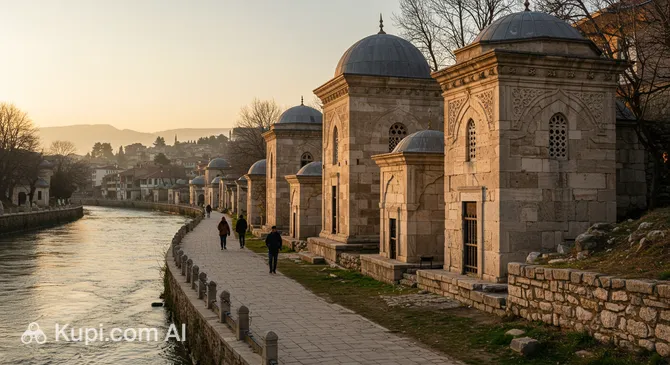
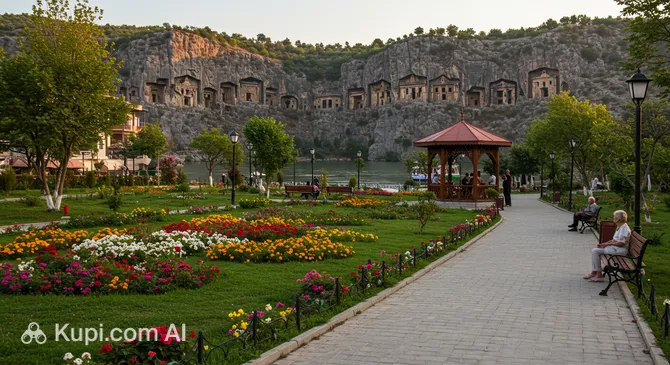
Amasya is a city where history is etched into the very landscape, offering a stunning array of sights that span from the Hellenistic period to the Ottoman era. The most defining silhouette of the city is created by the majestic Rock Tombs of the Pontic Kings. Carved deep into the limestone cliffs of Mount Harşena, these monumental burial chambers date back to the Kingdom of Pontus. Visitors can climb the steps to reach the tombs for a closer look at the ancient craftsmanship and to enjoy a breathtaking panoramic view of the city and river below. At night, the tombs are illuminated, casting a golden glow over the valley that is truly magical.
Rock Tombs of the Pontic Kings. Illustration.
Source: Kupi.com AI
Traveler photos:
Directly beneath the cliffs, lining the banks of the Yeşilırmak River, stand the historic Amasya Riverside Houses. These traditional Ottoman homes, known locally as Yalıboyu Evleri, are famous for their beautiful wooden architecture and overhanging balconies that project over the water. A walk along the promenade offers the perfect vantage point to admire these well-preserved structures, which serve as a living reminder of the city's architectural heritage. Some of these houses have been converted into cafes and hotels, allowing travelers to experience the historic atmosphere from within.
Amasya Riverside Houses. Illustration.
Source: Kupi.com AI
Traveler photos:
For those interested in the city's imperial past, the Museum of the Ottoman Princes is a fascinating stop. Since Amasya was a crucial training ground for future sultans, this museum is dedicated to the "Shahzades" who governed the city. Inside, visitors can see realistic wax statues and period costumes that depict the lives of these royal figures, providing a unique insight into the education and responsibilities of the Ottoman dynasty's heirs.
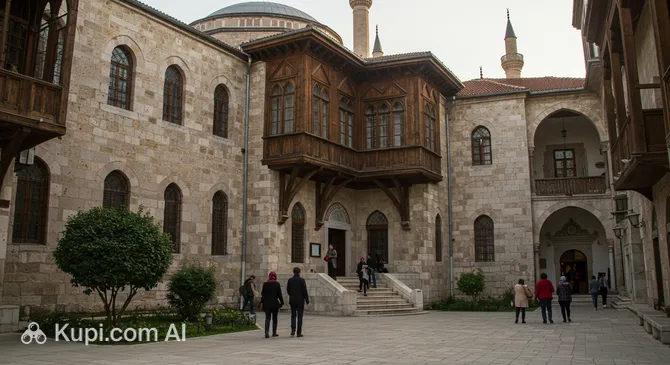
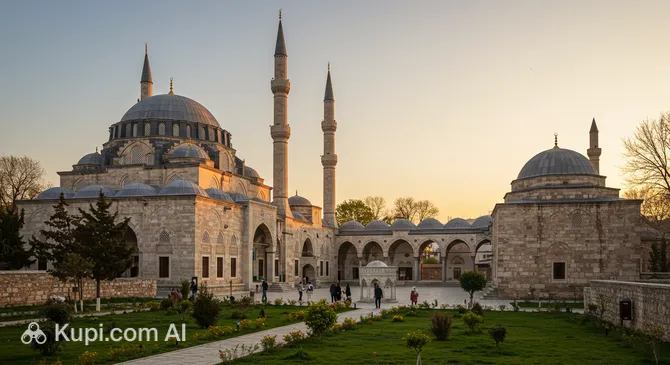
Another significant historical landmark is the Beyazid II Complex, a grand 15th-century külliye built in honor of Sultan Bayezid II. This sprawling site includes a mosque, a theology school (madrasah), and a fountain, all set within a peaceful courtyard. The complex is a masterpiece of Ottoman architecture, featuring elegant domes and intricate stonework. It remains a serene place for reflection and offers a glimpse into the religious and social life of the city during the height of the Ottoman Empire.
Beyazid II Complex (Amasya). Illustration.
Source: Kupi.com AI
Traveler photos:
Local Cuisine
The culinary landscape of Amasya is as rich and layered as its history, offering a blend of Central Anatolian traditions and fresh local produce. The city is most famous for its crisp, sweet, and aromatic Amasya apples (misket elması), which are not only a popular snack but also a symbol of the region's fertile soil. Visitors will find that fresh fruit and vegetables play a significant role in the local diet, ensuring that meals are always flavorful and wholesome.
Among the must-try main courses, Bamya Çorbası stands out as a signature delicacy. This soup is made from tiny, dried flower okra and is traditionally consumed after meals to aid digestion, though it is hearty enough to be a starter. Another celebratory dish often found in restaurants is Keşkek, a creamy stew of wheat and meat that requires hours of slow cooking. For a distinct local flavor, look for Bakla Dolması, where dried broad beans are uniquely stuffed with a spiced meat and bulgur mixture, offering a taste you won't easily find elsewhere in Turkey.
Ziyagil Mansion. Illustration.
Source: Kupi.com AI
Traveler photos:
Dining in Amasya is as much about the atmosphere as it is about the food. The most enchanting places to eat are located along the Yeşilırmak River, where historic architecture meets culinary culture. A prime example is Ziyagil Mansion, a beautifully restored structure that serves traditional dishes in an authentic Ottoman setting. Eating here allows you to savor local recipes while admiring the view of the river and the cliffs above. Another notable venue is Elit Otelhan, which offers a refined menu in a historical atmosphere.
Bakeries in the city are famous for Haşhaşlı Çörek, a spiral bun filled with poppy seed paste and walnuts. This savory pastry is a favorite breakfast item or midday snack. To accompany your meal, locals prefer refreshing glasses of Ayran or freshly brewed Turkish tea. In the evenings, tea gardens along the promenade are filled with people enjoying the cool breeze and the stunning view of the illuminated rock tombs.
Travel Tips
Visiting Amasya is like stepping into a living history book, but a smooth trip requires a little local know-how to navigate its unique geography and cultural nuances. To help you make the most of your time in this charming "City of Princes," here are some essential practical tips to keep in mind before you pack your bags.
Dress for the Terrain and Culture
Amasya is a conservative Anatolian city, so it is best to dress modestly; covering shoulders and knees is recommended for both men and women, especially when visiting religious sites like the Beyazid II Complex. Additionally, bring sturdy, non-slip walking shoes. The climb to the Rock Tombs involves steep stairs, and the streets in the old town are often cobbled.
Getting Around
The city center is compact and best explored on foot, particularly the promenade along the Yeşilırmak River. Public transport consists mainly of small buses (dolmuş) and taxis. While walking is perfect for the riverside, you might want to take a taxi up to Amasya Castle to save your energy for exploring the ruins, as the hike up is quite demanding.
Managing Your Finances
While hotels and larger restaurants accept credit cards, cash is still king in smaller establishments. You will need Turkish Lira (TRY) for buying souvenirs, paying for small entrance fees, or enjoying tea at a local garden. ATMs are widely available in the city center, and currency exchange offices can be found near the main square.
Health and Safety
Amasya is a very safe city for tourists, with low crime rates. For minor health issues, look for signs saying Eczane (Pharmacy); they are plentiful and pharmacists can often suggest over-the-counter remedies. In case of a serious emergency, dial 112 for an ambulance or police assistance.
Overcoming the Language Barrier
English is not as widely spoken here as it is in Istanbul or coastal resorts. It is highly recommended to download an offline translation app and learn a few basic Turkish phrases like Merhaba (Hello) and Teşekkürler (Thank you). Locals are incredibly hospitable and will appreciate the effort, often going out of their way to help even without a common language.
Local Etiquette
hospitality is a cornerstone of life here. If you are invited into a local home or enter a mosque, always remove your shoes at the entrance. When greeting people, a polite nod or a handshake is common, but be observant of social cues; men may not always shake hands with women unless she offers her hand first.
What to Avoid
Avoid public displays of affection, such as kissing, as this is frowned upon in this traditional region. Also, try to avoid photographing locals, especially women, without asking for permission first, as it can be considered intrusive and rude.
Seasonal Insight
If you visit in autumn, do not miss the chance to buy fresh Amasya apples from local street vendors. They are smaller and sweeter than typical varieties and are a source of great local pride. Even if you visit out of season, you can try dried apple chips or apple tea found in the bazaars.
By keeping these tips in mind, you will find it easy to blend in with the relaxed rhythm of daily life in Amasya. The city’s welcoming atmosphere and stunning scenery are best enjoyed when you feel prepared and respectful of local traditions, ensuring a memorable and hassle-free adventure.
Entertainment & Nightlife
Unlike the bustling metropolises of Istanbul or the party-centric coastal resorts, the nightlife in Amasya is defined by a serene and atmospheric charm rather than loud nightclubs or disco beats. As the sun sets, the city transforms into a visual spectacle. The massive limestone cliffs and the ancient Rock Tombs are dramatically illuminated, casting a golden reflection onto the Yeşilırmak River. This creates a magical backdrop for the city's primary evening activity: socializing along the riverbanks.
The heart of evening entertainment is undoubtedly the Şehzadeler Promenade Route. This riverside walkway comes alive at night, filled with locals and tourists alike enjoying the cool evening breeze. It is a vibrant social hub where you can find street vendors selling roasted corn, ice cream, and traditional crafts. The atmosphere here is family-friendly and relaxed, making it the perfect place for a long, leisurely walk (known locally as piyasa) to admire the illuminated Ottoman houses.
Şehzadeler Promenade Route. Illustration.
Source: Kupi.com AI
Traveler photos:
For those looking for a place to sit and relax, the promenade is lined with numerous tea gardens and cafes. Alcohol is not widely served in standard cafes due to the city's conservative nature, but you can find alcoholic beverages in hotel bars and select restaurants. Instead of thumping bass, the "nightlife" here often features live Turkish folk music (Türkü) drifting from the open windows of restored mansions. Venues near the Amasya Clock Tower often serve as convenient meeting points for friends before heading out to dinner.
If you prefer a quieter environment away from the main promenade, Pirler Park offers a more tranquil setting. It is a lovely spot to enjoy the night air surrounded by greenery, often frequented by locals seeking a peaceful respite. The dress code for evening outings in Amasya is generally "smart casual" but modest; you will feel most comfortable in attire that respects local customs, avoiding overly revealing clothing.
Practical Nightlife Tips:
Best Time: The riverside is most lively between 8:00 PM and 11:00 PM, especially during summer weekends.
Safety: Amasya is exceptionally safe for night walks. The main tourist areas are well-lit and populated. However, standard precautions apply; stick to the main streets if you are alone.
Transport: Since most evening attractions are concentrated along the river, walking is the best way to get around. If you need to return to a hotel further out, yellow taxis are readily available at designated stands or can be hailed by restaurant staff.
While the nights are for relaxing, the daytime offers a different kind of entertainment. Visitors can immerse themselves in culture at the city's various museums or enjoy family fun at local amusement parks. The daylight hours are best spent exploring the intricate details of the historical complexes that might be missed in the dramatic lighting of the evening.
Parks & Museums
Amasya is a city where cultural heritage and natural beauty are inextricably linked, offering visitors a chance to explore deep history while enjoying lush, green surroundings. From world-class museums housing ancient civilizations to peaceful parks shaded by centuries-old trees, the city provides a diverse array of spaces for education and relaxation.
For history enthusiasts, the Amasya Archaeology Museum is an essential stop. This modern facility hosts an impressive collection of artifacts spanning the Bronze Age, Hittite, Hellenistic, Roman, and Ottoman periods. Its most famous and intriguing exhibit is the collection of 14th-century mummies belonging to the Ilkhanid rulers of Amasya. Unlike the mummies of Egypt, these were naturally preserved, offering a rare glimpse into the past. The museum also houses the famous statue of the Hittite Storm God, Teshub, a bronze masterpiece discovered in the region.
Amasya Archaeology Museum. Illustration.
Source: Kupi.com AI
Traveler photos:
To experience the lifestyle of the Ottoman era, a visit to Hazeranlar Mansion is highly recommended. Located in the historic Hatuniye district, this elegant 19th-century wooden house serves as an ethnographic museum. Visitors can walk through its beautifully restored rooms, which are furnished with period-appropriate decor, carpets, and mannequins dressed in traditional attire. It provides an intimate look at the domestic life of a wealthy Amasya family and stands as a fine example of civil architecture.
Hazeranlar Mansion. Illustration.
Source: Kupi.com AI
Traveler photos:
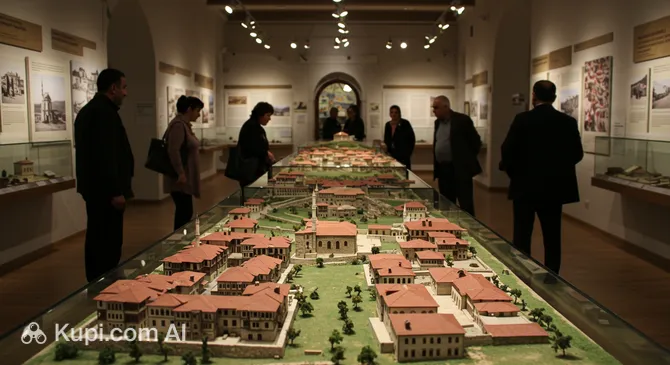
Another unique cultural venue is the Amasya Miniature Museum. Situated near the Sultan Bayezid II Complex, this museum features scaled-down models of the city's most significant historical structures. It is particularly interesting for tourists as it allows you to see the architectural details of buildings that might be difficult to access or view in their entirety. It serves as a great orientation point to plan your walking routes around the city.
Amasya Miniature Museum. Illustration.
Source: Kupi.com AI
Traveler photos:
When it comes to green spaces, Pirler Park offers a serene escape from the city streets. Known for its spiritual atmosphere, the park is home to ancient trees that have stood for centuries, providing deep shade and a sense of tranquility. It is a favorite spot for locals to sit, reflect, and enjoy the peaceful environment, often accompanied by the sound of birds and rustling leaves.
Pirler Park. Illustration.
Source: Kupi.com AI
Traveler photos:
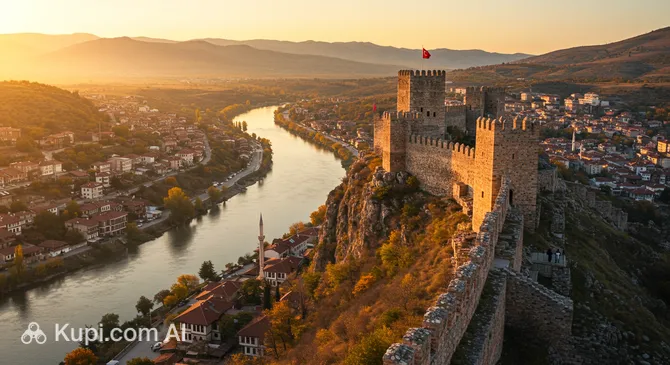
For those willing to combine a hike with historical exploration, Amasya Castle (Harşena Castle) sits atop Mount Harşena, overlooking the city. While the climb can be steep, the area around the castle ruins acts as a natural viewing platform. The site includes remains of cisterns, dungeons, and Ottoman-era baths. The panoramic view of the Yeşilırmak River winding through the valley is unrivaled, making the physical effort well worth it.
Amasya Castle. Illustration.
Source: Kupi.com AI
Traveler photos:
Significant historical landmarks also dot the city's landscape. The Saraydüzü Barracks National Struggle Museum and Congress Center is a reconstruction of the building where Mustafa Kemal Atatürk signed the Amasya Circular in 1919, a pivotal document in the Turkish War of Independence. The museum details this critical period in history. Nearby, the Atatürk Monument stands in the main square, serving as a central meeting point and a tribute to the city's role in the nation's founding.
Saraydüzü Barracks National Struggle Museum and Congress Center. Illustration.
Source: Kupi.com AI
Traveler photos:
For a truly authentic experience, take a moment to visit the Amasya Clock Tower near the river. Although the original was destroyed, the faithful reconstruction is a beloved local symbol. Visiting in the late afternoon allows you to see the tower and the surrounding mountains bathed in the warm "golden hour" light, perfect for photography.
Getting Around
Navigating Amasya is refreshingly simple due to its compact size and linear layout along the Yeşilırmak River. For the majority of tourists, the most effective way to explore the historic city center, including the riverside promenade and the main museums, is on foot. Most major attractions are concentrated within a short walking distance of each other, making pedestrian travel both practical and scenic.
For longer distances, such as reaching the intercity bus terminal (Otogar), the university, or outlying neighborhoods, the city relies on a network of public buses known as Özel Halk Otobüsü. These buses are typically modern and color-coded, often blue or green, and they operate on fixed routes that cover the entire length of the valley. They are a reliable option for travelers needing to transfer between the city center and the bus station, which is located a few kilometers away.
The payment system for public buses has been modernized to replace cash transactions. To use the bus, you will need to purchase a rechargeable smart card (often referred to locally as Elma Kart or simply Kent Kart). These cards can be bought and topped up at designated kiosks, small convenience stores, or buffets near major bus stops. In recent years, many systems have also started accepting contactless credit or debit cards directly on the bus validators, though it is always wise to have a local transport card or small change as a backup.
Another popular alternative for local transport is the dolmuş (minibus). These smaller vehicles follow specific routes but are more flexible than large buses, often stopping on demand to let passengers on or off. While some modernized minibuses may accept the electronic card system, many still operate on a cash-only basis. If you choose this method, keep some small banknotes or coins handy to hand directly to the driver upon boarding.
For those who prefer a more direct and private mode of transport, yellow taxis are widely available throughout the city. You can easily find them at designated taxi stands, particularly near the city square and the bus terminal, or hail one on the street. Taxis in the city operate on a taximeter system. It is standard practice to check that the meter is turned on when you start your journey. Taxi stands often have call buttons on trees or poles in busy areas, allowing you to summon a cab instantly.
Public transport generally operates from the early morning, around 06:30 AM, until approximately 11:00 PM. Service frequency is high during the day but drops significantly later in the evening. Since the city does not have a metro or tram system, traffic can occasionally be slow on the main road running parallel to the river during peak hours, so it is advisable to allow a little extra time if you have a tight schedule.
Accommodation
Accommodation in Amasya offers a delightful journey into the past, distinct from the typical hotel experience found in larger cities. The city is renowned for its boutique hotels housed in restored Ottoman mansions, known locally as konaks. These historical buildings, often centuries old, have been carefully renovated to provide modern comforts while retaining their authentic wooden architecture, high ceilings, and traditional decor. In addition to these characterful stays, the city also provides standard modern hotels, teachers' houses (öğretmenevi), and budget-friendly pensions.
The most sought-after area to stay is undoubtedly the Yalıboyu district, located directly along the banks of the Yeşilırmak River. Staying here places you right in the heart of the city's postcard-perfect scenery, with many rooms offering direct views of the illuminated Rock Tombs on the cliffs opposite. Waking up to the sight of the river and the ancient mountains is a highlight for many visitors. For travelers prioritizing practicality or business amenities, the modern city center behind the historical waterfront offers newer hotels with easier access to main roads and transport links.
Because the most popular accommodation options are often small, family-run boutique hotels with a limited number of rooms, availability can be tight. It is highly recommended to book your accommodation in advance, especially if you plan to visit during the spring or summer months, or if you specifically desire a room with a river view. These prime spots tend to sell out quickly during weekends and holidays.
In terms of pricing, Amasya is generally very affordable compared to Turkey's major tourist hubs like Istanbul or Cappadocia. Travelers can find excellent value for money, with prices ranging from budget-friendly options to mid-range rates for the top-tier boutique mansions. Booking is straightforward, with most properties listed on major international online travel platforms, though some smaller guesthouses may also accept direct reservations via phone or social media.
Nearby Cities
For those looking to explore the surroundings, Amasya serves as an excellent base for day trips to several interesting nearby locations:
Just a short drive north lies Samsun, the largest city in the region situated on the Black Sea coast. It offers a refreshing change of scenery with its sea breeze, expansive parks, and significant historical sites related to the Turkish War of Independence, such as the Bandırma Ferry Museum. It is an ideal spot for those wanting to combine history with a relaxing walk along the seaside promenade.
To the southeast is Tokat, a city that rivals Amasya in historical depth. Famous for its delicious cuisine, particularly the succulent Tokat Kebab, and its well-preserved Seljuk and Ottoman architecture, it is also the gateway to the magnificent Ballıca Cave. A visit here promises a rich journey through both culinary traditions and natural wonders.
Heading west brings you to Çorum, a city renowned across Turkey for its roasted chickpeas (leblebi). While the city center offers a modern vibe, it serves as the crucial gateway for history buffs eager to explore the nearby ruins of Hattusa, the ancient capital of the Hittite Empire and a UNESCO World Heritage site.
City
Population
Distance
Suluova
46 608
26 km
Turhal
79 916
37 km
Göynücek
10 703
39 km
Zile
55 673
40 km
Merzifon
71 916
40 km
These nearby destinations offer a glimpse into the diverse culture and landscapes of the region.
Shopping & Souvenirs
Shopping:
Shopping in Amasya is a delightful experience that focuses less on high-end luxury fashion and more on authentic, traditional craftsmanship and local produce. The city offers a relaxed atmosphere where visitors can browse through small boutiques, historical bazaars, and modern stores. It is the perfect place to find unique items that reflect the rich cultural heritage of the Black Sea and Central Anatolia regions.
The heart of the city's commercial life beats along the main streets running parallel to the Yeşilırmak River. Mustafa Kemal Paşa Street is a bustling artery lined with clothing stores, pharmacies, and local businesses. For a more tourist-centric experience, the areas surrounding the Amasya Clock Tower and the city square are filled with small shops selling gifts, local handicrafts, and regional delicacies. Walking through these streets allows you to soak in the city's vibrant daily life while hunting for treasures.
Amasya Clock Tower. Illustration.
Source: Kupi.com AI
Traveler photos:
While Amasya is steeped in history, it also caters to modern needs. The most prominent modern shopping destination is Amasya Park AVM. Located centrally, this mall offers a variety of national and international brands, a food court, and entertainment facilities. It provides a convenient stop for travelers looking for standard clothing, electronics, or a supermarket in a comfortable, climate-controlled environment.
For a taste of local culture, the traditional covered bazaar (Bedesten) and the open-air weekly markets are must-visits. Here, the air is filled with the scent of spices and fresh fruit. These markets are where locals do their daily shopping, buying everything from fresh cheese and olives to textiles. Wandering through the stalls near the Beyazid II Complex offers a glimpse into the traditional trade that has sustained the city for centuries.
When it comes to souvenirs, Amasya has several signature items. The most famous is undoubtedly the Amasya apple (misket elması), known for its small size and intense fragrance; you can buy them fresh in season or as dried apple chips year-round. Another culturally significant purchase is Yazma, traditional hand-printed headscarves featuring intricate woodblock patterns, a craft that has been preserved in the city for generations. Additionally, handmade samovars and items made from the local beige marble make for durable and beautiful keepsakes.
Shops in Amasya generally open around 09:00 AM and close by 08:00 PM or 09:00 PM. The shopping mall stays open later, typically until 10:00 PM. While the mall and larger retail stores accept credit and debit cards, smaller boutiques, souvenir stands, and market vendors often prefer or only accept cash (Turkish Lira). It is advisable to carry small banknotes when exploring the bazaars.
Visitors from outside Turkey may be eligible for a tax refund on substantial purchases made at stores displaying the "Tax Free" logo. This is mostly applicable in larger chain stores or the shopping mall. Be sure to ask for the necessary paperwork at the checkout if you plan to claim the VAT refund upon departure from the country.