Support

Kastamonu

About

Nestled in the lush landscapes of the northern Black Sea region, **Kastamonu** is a hidden gem that offers travelers an authentic glimpse into traditional life in Turkey. Far from the bustling tourist crowds of the coast, this city captivates visitors with its serene atmosphere, well-preserved urban texture, and surrounding natural beauty. It serves as a bridge between the vibrant green forests of the north and the rolling steppes of central Anatolia.

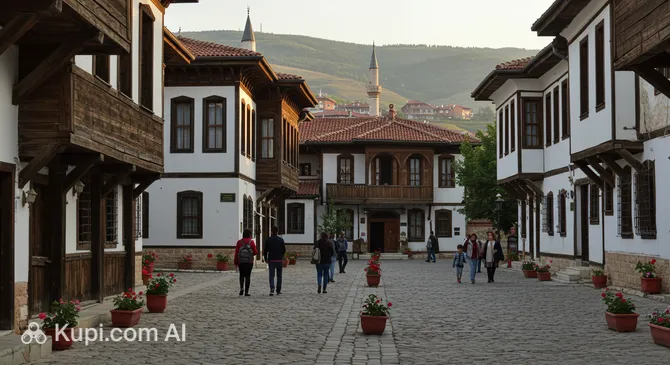
The city is the capital of its namesake province and is home to a population of approximately 149,000 people. Geographically, it sits in the Gökırmak valley, just south of the majestic Ilgaz Mountains, which provide a stunning backdrop of pine forests and fresh mountain air. The deep-rooted history of Kastamonu is evident in every corner, where ancient structures and winding streets whisper tales of the various civilizations that have thrived on this land for centuries.
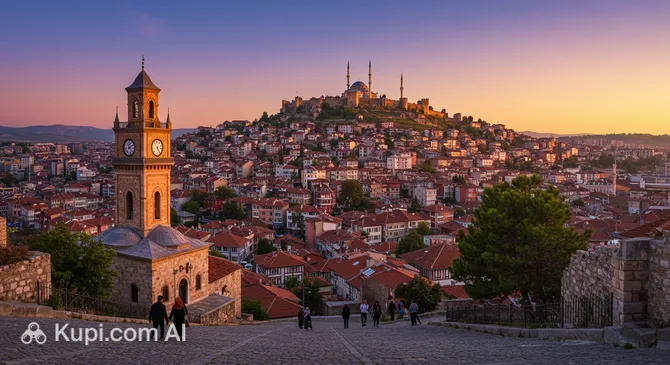
Kastamonu. Source: Kupi.Binoculars

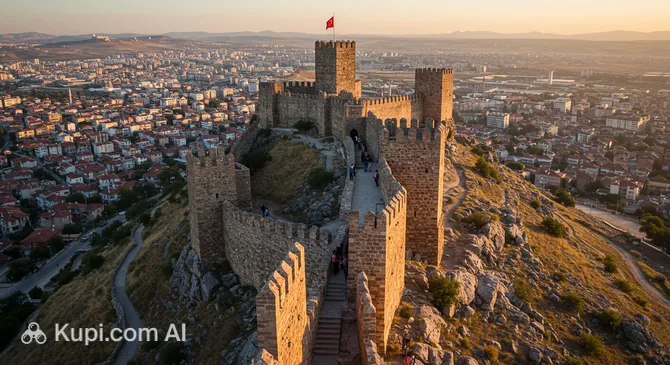
Visitors are often drawn to the imposing **Kastamonu Castle**, a medieval fortress perched on a rocky hill that commands panoramic views of the entire city. The downtown area is a treasure trove of heritage, featuring the historic **Nasrullah Mosque** with its famous fountain, and numerous beautifully restored Ottoman mansions known as konaks. For nature enthusiasts, the nearby **Ilgaz Mountain National Park** offers exceptional opportunities for skiing in the winter and trekking through pristine wilderness during the warmer months.

Whether you are eager to explore rich cultural heritage or seeking a peaceful retreat in nature, Kastamonu provides a memorable and distinct destination. Its unique blend of historical charm, culinary delights, and warm hospitality makes it a perfect stop for those wishing to discover a quieter, yet equally fascinating, side of the country.
Weather Overview

The climate in this region follows a distinct seasonal pattern, offering travelers different experiences depending on the time of year. Winters are generally cold, with January being the coldest month, featuring an average temperature of just 0.4°C and lows dropping to -3.4°C. This season is characterized by frequent precipitation, with up to 13 wet days in January, often creating a crisp and chilly atmosphere suitable for winter activities.

As the seasons shift, the weather warms up significantly. Summers are pleasant and much warmer, with August seeing average temperatures of 20.9°C and highs reaching 27.4°C. While spring remains quite damp with around 16 wet days in May, late summer becomes noticeably drier, with August having only about 5 wet days. To help pack the right gear for your trip, it is advisable to check the current weather in Kastamonu. Generally, expect warm summers with occasional rain and cold winters with frequent precipitation.

Interesting Facts

Beyond the main attractions, Kastamonu holds many fascinating secrets and historical anecdotes that define its unique character. From exiled monuments to legends of eternal return, the city offers curious travelers much more than meets the eye.
  • The Exiled Clock Tower: The city’s beloved clock tower has a peculiar and rebellious origin story. Legend has it that the clock was originally located in Istanbul at the Sarayburnu, but it was "exiled" to Kastamonu by an Ottoman Sultan because its bell rang too loudly and untimely, disturbing the peace of the royal harem.

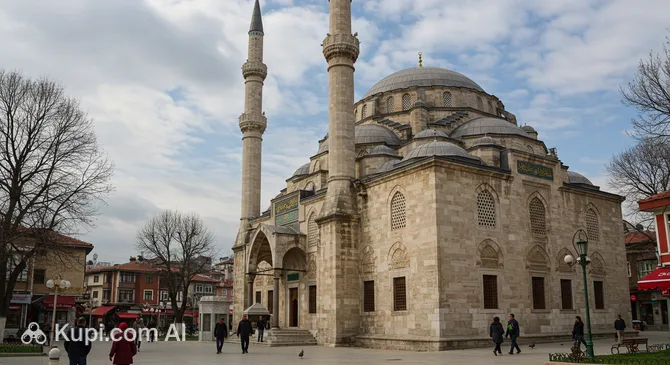
  • The Legend of the Fountain: Local folklore suggests a mystical connection to the Nasrullah Mosque. It is widely believed that anyone who drinks from the fountain in its courtyard is destined to stay in the city for seven years or will inevitably return to Kastamonu in the future.

  • Birthplace of the Hat Revolution: This city played a critical role in Turkey's modernization as the specific site where the "Hat Revolution" was launched. In 1925, Mustafa Kemal Atatürk visited the city and famously wore a Panama hat here for the first time, marking a significant cultural shift from the traditional fez to modern Western headgear.

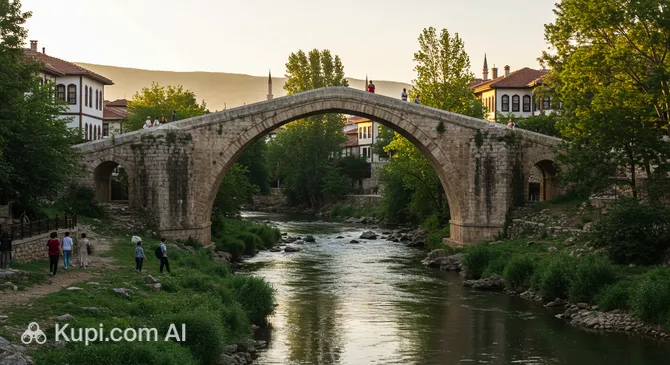
  • Architectural Resilience: The historic Humpback Bridge was ingeniously designed to survive nature's fury. Unlike typical flat bridges, this stone structure features a steep, pronounced arch specifically engineered to allow high floodwaters from the Karaçomak Stream to pass underneath without damaging the bridge.

Nasrullah Mosque. Source: Kupi.Binoculars

How to Get There

Reaching this captivating destination in the Black Sea region involves a journey through the scenic landscapes of northern Turkey. While the city is tucked away in the mountains, it remains accessible via several transport hubs in neighboring provinces. For a complete overview of routes and travel advice, you can read more about how to get to Kastamonu to plan your trip effectively.

Since the city relies heavily on regional connections, many visitors choose to fly into Esenboga International Airport (IATA: ESB) in the capital city of Ankara. Located approximately 154 km from Kastamonu, this major international hub offers the widest range of flight options. From the airport, the transfer by taxi or bus typically takes around 4 hours, allowing you to enjoy the changing scenery from the Anatolian steppe to the lush forests of the north.

Another option for travelers is Sinop Airport (IATA: NOP), situated in the coastal city of Sinop. This airport is about 130 km away from Kastamonu. Although it handles significantly less traffic than Ankara, it serves as a convenient entry point for those exploring the Black Sea coast. The drive from Sinop to Kastamonu generally takes about 3.5 hours.

For clarity, here is a summary of the main airports in the region:

Airport Name City Passenger Traffic Km from City
Esenboga International Airport Ankara Large 153.6
Samsun-Çarşamba Airport Samsun Medium 233.1
Merzifon Airport Merzifon Small 158.7
Zonguldak Zonguldak Small 141.8
Sinop Airport Sinop Small 130.0

Main Attractions

The city's rich past is best experienced through its remarkable array of historical landmarks, which stand as testaments to the diverse civilizations that have called this region home. At the top of the list is the majestic Kastamonu Castle, a fortress that has watched over the city for centuries. Built originally during the Byzantine era and later fortified by the Candarids and Ottomans, the castle sits atop a high rock ridge, offering the most spectacular panoramic views of the city and the surrounding valley. It is a perfect spot for photography and for understanding the strategic importance of the settlement throughout history.

Kastamonu Castle. Source: Kupi.Binoculars

Another architectural jewel is the İsmail Bey Complex, located on the western side of the city. Dating back to the 15th century, this külliye (Islamic social complex) is one of the finest examples of the art of the Principality of Candar. The site includes a mosque, a madrasa, a tomb, and a hamam, all featuring intricate stone craftsmanship. Visitors are often struck by the serene atmosphere and the unique rock tombs visible on the cliffs directly behind the complex, adding an ancient layer to the visit.

İsmail Bey Complex. Source: Kupi.Binoculars

For those interested in delving deeper into the region's heritage, the Kastamonu Museum is an essential stop. Housed in a building designed by the famous architect Vedat Tek, the museum showcases a fascinating collection of artifacts ranging from the Hellenistic and Roman periods to the Ottoman era. It also holds a special place in modern Turkish history, as it preserves memorabilia related to Atatürk’s visit and the announcement of the Hat Revolution in the city.

Kastamonu Museum. Source: Kupi.Binoculars

In the heart of the city center lies the historic Nasrullah Mosque, a grand structure built in 1506 during the Ottoman period. It serves as the city's primary gathering place and is renowned for its elegant calligraphy and spacious interior. The mosque is perhaps most famous for its large ablution fountain in the courtyard; local legend says that drinking from it ensures you will return to Kastamonu one day. It is a peaceful place to observe local life and admire classic Ottoman architecture.

Local Cuisine

The culinary landscape of Kastamonu is a delightful journey through traditional Anatolian flavors, characterized by the use of organic ingredients and centuries-old recipes. The city is famous for its rich pastry culture and meat dishes. A must-try specialty is Etli Ekmek, a savory flatbread that distinguishes itself from other regional versions by being folded and filled with minced meat or pastrami, often served with a side of pickles. Another iconic dish is Kuyu Kebabı (Pit Kebab), where whole lambs are slowly roasted in specially designed underground wells, resulting in meat that is incredibly tender and flavorful.

For those seeking unique local tastes, Banduma is a standout dish made from layers of dough soaked in turkey broth and generously topped with crushed walnuts. It is a hearty meal often enjoyed during special gatherings. Visitors should also look for Simit Tiridi, a resourceful and delicious meal prepared by soaking stale sesame bagels in bone broth and topping them with garlic yogurt and sautéed minced meat. This dish perfectly showcases the region's ability to turn simple ingredients into a feast.

By Şekerci. Source: Kupi.Binoculars

No gastronomic tour of the city is complete without indulging in its sweets. The most famous confectionery is Çekme Helva, a block of pressed sugar and flour floss that melts in your mouth. It is widely available throughout the city and makes for a perfect souvenir. You can sample traditional desserts and local treats at establishments like By Şekerci, which is a popular stop for those with a sweet tooth.

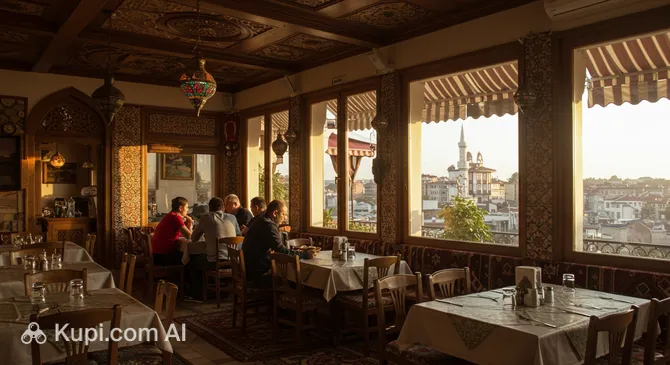
The dining culture here is often centered around restored Ottoman mansions, offering an authentic atmosphere where history and gastronomy blend. To wash down these rich meals, locals typically drink Ayran, a refreshing yogurt beverage, or Eğşi, a traditional sour drink made from fermented wild apples or pears. The city's markets are also vibrant spots to explore, overflowing with the famous Taşköprü garlic, wild mushrooms, and local dairy products that form the backbone of this distinctive cuisine.

Travel Tips

Welcome to Kastamonu, a city where history lives in every stone and the natural scenery takes your breath away. To make your journey through this authentic Black Sea gem as smooth and enjoyable as possible, we have gathered some essential practical advice for your trip.

  1. Clothing and Gear: The weather here varies significantly by season, so packing smart is key. If you visit in winter, bring heavy coats, thermal wear, and waterproof boots, as snow is common and temperatures drop below freezing. For summer trips, light and breathable clothing is perfect for the day, but always carry a light jacket for cooler evenings. As Kastamonu is a city with deep spiritual roots and many active mosques, modest clothing is appreciated; women should have a scarf handy for visiting religious sites like the Nasrullah Mosque.
  2. Transportation: The city center is compact and walkable, allowing you to explore many historic mansions and museums on foot. For longer distances within the city, local minibuses known as dolmuş are the most popular and affordable option; they have designated routes and you pay in cash upon boarding. Taxis are readily available at designated stands or can be called by your hotel. If you plan to explore the surrounding canyons or Ilgaz Mountain, renting a car is highly recommended for flexibility.
  3. Finances: The local currency is the Turkish Lira (TRY). While credit cards are widely accepted in hotels, larger restaurants, and supermarkets, cash is still king in traditional bazaars, small tea houses, and for public transport. ATMs are plentiful in the city center. It is wise to carry small denominations for tips and minor purchases. Tipping is not mandatory but is customary and appreciated in restaurants (around 10%).
  4. Health and Safety: Kastamonu is generally a very safe and peaceful city for tourists. Pharmacies, marked by an "E" sign (Eczane), are easy to find; they usually operate during business hours, with a designated "duty pharmacy" (Nöbetçi Eczane) open overnight for emergencies. For general medical assistance, the state hospital and private clinics are available. Standard travel precautions apply, but violent crime is rare.
  5. Communication: Turkish is the primary language, and while younger people and hotel staff may speak some English, it is not widely spoken in local markets or by older generations. Downloading an offline translation app or learning basic phrases like "Merhaba" (Hello) and "Teşekkürler" (Thank you) will go a long way. You can easily purchase a SIM card from major operators like Turkcell or Vodafone in the city center to stay connected.
  6. Local Etiquette: Hospitality is a cornerstone of local culture. If you are invited into a local home or a traditional carpet shop, you will likely be offered tea; accepting it is a sign of respect. When entering a house or a mosque, always remove your shoes. Greetings are warm, often involving a handshake or a nod of the head. It is polite to ask for permission before taking photos of local people, especially the elderly.
  7. What to Avoid: Avoid wearing overly revealing clothing, such as very short shorts or tank tops, when walking around the city center, as it is a traditional Anatolian city. Also, try not to refuse a gesture of hospitality bluntly; if you must decline food or tea, do so politely with a smile and a hand over your heart.
  8. Shopping Tip: Do not leave without visiting the historic bazaars behind the Nasrullah Mosque. This is the best place to buy local specialties like Taşköprü garlic (considered among the best in the world), pastırma (cured beef), and the famous cotton textiles known as "Kastamonu weaving." Most shops here are closed on Sundays, so plan your shopping spree for a weekday or Saturday.

Kastamonu is a destination that rewards the curious and respectful traveler with genuine warmth and unforgettable experiences. With these practical tips in hand, you are now ready to immerse yourself in the local rhythm and explore the winding streets of this historic city with confidence.

Entertainment & Nightlife

Nightlife in Kastamonu is far removed from the energetic clubbing scenes found in Turkey's coastal resorts or major metropolises. Instead, the city offers a serene and culturally rich evening atmosphere that revolves around socializing, dining, and enjoying the illuminated historical architecture. The nightlife here is characterized by long conversations over traditional Turkish tea, leisurely strolls in parks, and late-night shopping in modern centers.

The heart of the city's evening social life beats around **Nasrullah Square**. As the sun sets, locals gather in the surrounding tea gardens and cafes to unwind. The atmosphere is incredibly safe, family-friendly, and laid-back. You won't find loud nightclubs or a dedicated bar street here; instead, the "night out" is defined by community interaction and hospitality. For those seeking a more contemporary vibe, the **Kuzeykent** district, home to the university, offers a slightly younger energy with various cafes and bistros.

For a mix of entertainment and dining, **KASTAmall** serves as a modern hub in the city. It is the go-to destination for catching the latest movies at the cinema, enjoying a meal at the food court, or browsing shops until late in the evening. It provides a comfortable indoor environment, especially during the colder winter months.

KASTAmall. Source: Kupi.Binoculars

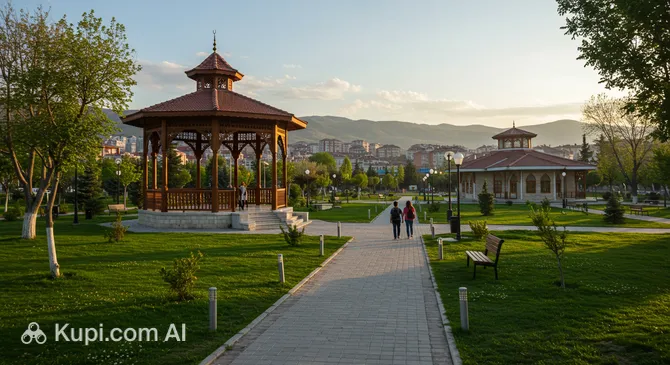
If you prefer fresh air, **Kışla Park** is a favorite spot for evening recreation. Beautifully lit at night, this park offers walking paths and green spaces where families and friends gather. It is a peaceful place to experience the local rhythm of life away from the city center's traffic.

Kışla Park. Source: Kupi.Binoculars

Travelers should note that Kastamonu is a traditional city, and alcohol is not widely served in standard cafes or restaurants. If you are looking for a drink, your best bet is to visit the bars located within major hotels or select restaurants that hold a license. The dress code is generally casual, but modest attire is recommended to blend in with the local culture.

Safety is rarely a concern in Kastamonu, even at night. The city center and major streets are well-lit and secure for walking. However, as the night deepens and public transport frequency decreases, it is advisable to use taxis to get back to your accommodation. Taxis are affordable and can be easily found at designated stands or called via hotel reception.

While the nights are quiet, the city offers various daytime cultural activities. Visitors can explore the Kastamonu Museum to dive into history or attend plays at the local state theater. The surrounding nature also provides ample ground for daytime trekking before settling down for a calm evening.

Parks & Museums

Kastamonu is a city where lush nature seamlessly intertwines with centuries of history, offering visitors a serene escape into both green spaces and cultural depth. The city’s location in the transition zone between the Black Sea forests and the Anatolian steppe provides a unique backdrop for its public gardens and historical collections.

For nature lovers, the region offers spectacular outdoor opportunities. While the famous Ilgaz Mountain National Park lies just south of the city, offering skiing in winter and trekking in summer, the city center itself features the charming Kışla Park. This urban green space is a favorite among locals for leisurely strolls and picnics. It serves as a peaceful retreat amidst the daily bustle, featuring well-maintained paths and shaded areas that are perfect for relaxing after a day of sightseeing.

The cultural landscape is equally compelling, with museums that preserve the region's diverse past. The Kastamonu Museum is a primary stop for history enthusiasts. Housed in an impressive early 20th-century building, it displays a vast collection of artifacts ranging from Roman glass and Hellenistic coins to ethnographic items from the Ottoman era. It provides a comprehensive overview of the civilizations that have shaped this territory.

Another significant site is the House of Bediüzzaman Said Nursi. This historical wooden house, where the Islamic scholar Said Nursi stayed during his exile, has been preserved to reflect the architectural style and living conditions of the period. It attracts visitors interested in recent history and traditional residential architecture, offering a glimpse into the life of one of Turkey's influential figures.

House of Bediüzzaman Said Nursi. Source: Kupi.Binoculars

Beyond the museums, the city's streets act as an open-air gallery of architecture. A standout landmark is the historic Humpback Bridge (Kambur Köprü), which spans the Karaçomak Stream. Built with a distinctively steep arch to withstand floods, this white stone bridge is an engineering marvel of its time and a picturesque spot for photography, connecting different quarters of the city with elegance.

Humpback Bridge. Source: Kupi.Binoculars

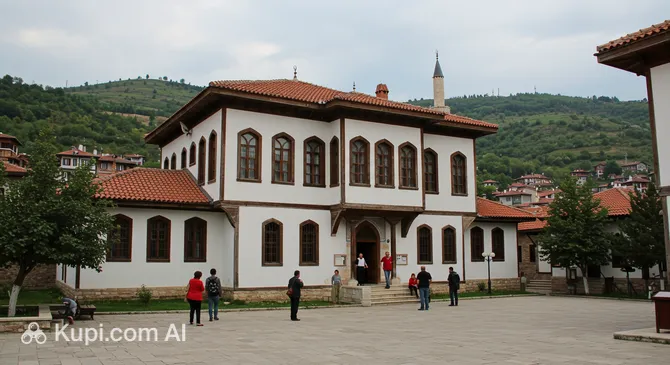
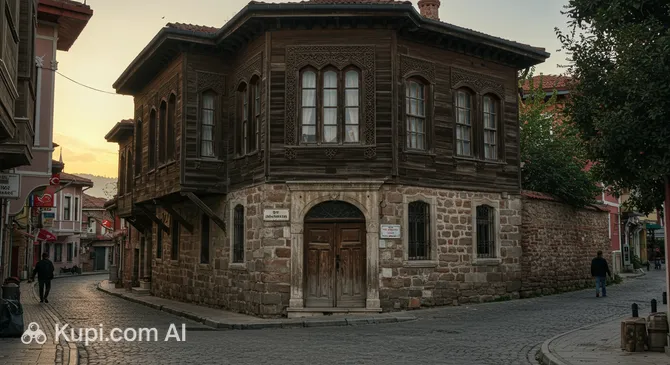
For an authentic experience, take the time to wander through the side streets leading up to the castle. Here, you will find numerous traditional Ottoman mansions, or konaks, many of which are still inhabited or converted into boutique hotels. These neighborhoods offer a quiet, atmospheric walk where you can appreciate the intricate wood craftsmanship and the slow pace of local life away from the main thoroughfares.

Getting Around

Navigating Kastamonu is relatively straightforward and stress-free, as the city does not rely on complex rail systems like metros or trams. Instead, the public transport network is primarily composed of municipal buses and the ever-popular minibuses known as dolmuş. These vehicles provide extensive coverage across the city center, residential neighborhoods, and the university district, making it easy for visitors to reach key attractions without needing a private vehicle.

The municipal buses operate on fixed routes and require a contactless smart card for payment, often referred to as the Kentkart or strictly a local transport card. You can purchase these cards and top them up at designated kiosks, small markets, or authorized dealers located near major bus stops. For tourists planning a short stay, it is important to note that cash is generally not accepted directly by the driver on these larger municipal buses, so acquiring a card beforehand is essential.

For a more flexible and quintessentially Turkish experience, the dolmuş system is highly recommended. These minibuses follow specific routes but can stop anywhere along the way to pick up or drop off passengers. Payment for the dolmuş is typically made in cash directly to the driver upon boarding. The fares are affordable, and the destination is usually displayed on a sign in the front window. It is a practical option if you do not wish to purchase a travel card or if you need to travel quickly between short distances.

Taxis are another convenient alternative, especially if you are traveling with luggage or returning to your hotel late at night. Taxis in the city are yellow and operate on a meter system. They can be easily found at designated taxi stands throughout the city center or called by your hotel reception. While the city center is compact and pedestrian-friendly, a taxi is often the best choice for reaching higher elevations like the castle if you prefer to avoid a steep hike.

Operating hours for public transport generally run from early morning, around 06:30 or 07:00, until late evening, typically winding down between 23:00 and midnight. Service frequency may decrease on weekends and public holidays. For those wishing to explore the surrounding canyons, waterfalls, or the Ilgaz Mountains, renting a car is arguably the best solution, as public transport options to these remote natural sites can be infrequent or non-existent.

Accommodation

Accommodation in Kastamonu offers a unique opportunity to immerse yourself in the region's history, as the city is renowned for its beautifully restored Ottoman mansions, known as konaks. Many of these historical buildings have been converted into charming boutique hotels, providing an authentic atmosphere with traditional wooden architecture, high ceilings, and warm local hospitality. Staying in a konak allows travelers to experience the city's heritage firsthand, often within walking distance of major sights like the castle and the historic bazaars.

For those who prefer modern amenities, the city also features several contemporary hotels ranging from mid-range to more upscale options. These are typically located slightly outside the oldest quarters or in the newer business districts, offering convenient parking and standard facilities. Additionally, if you are visiting for winter sports or nature trekking, you might consider staying in the mountain resorts located on the nearby Ilgaz Mountain, which offer log cabin-style lodging and easy access to ski slopes, though they are a short drive from the city center.

In terms of pricing, accommodation in Kastamonu is generally very reasonable and often more affordable than in Turkey's major tourist hubs or coastal cities. Options range from budget-friendly guesthouses to mid-range boutique hotels. While you can find luxury in the sense of historical grandeur, prices remain accessible for most travelers. It is advisable to book your stay in advance using online platforms, especially if you plan to visit during the winter ski season or national holidays, when the best rooms in the popular historic mansions tend to fill up quickly.

Nearby Cities

For those looking to explore the surroundings, Kastamonu serves as an excellent base for day trips to several interesting nearby locations. The region is dotted with historic towns and natural wonders that are easily accessible by car or public transport.

One of the most popular destinations is Karabuk, located approximately 99 kilometers away. While an industrial center itself, it is the gateway to the world-famous town of Safranbolu, a UNESCO World Heritage site. Visitors here can wander through cobblestone streets lined with hundreds of perfectly preserved Ottoman houses, visit historic caravanserais, and taste the famous local saffron-flavored Turkish delight.

Closer to home, just 84 kilometers from the city, lies Boyabat. This town is a hidden treasure known for its imposing castle perched atop a steep rocky hill, offering commanding views of the valley. Nature enthusiasts will also be drawn to the nearby basalt columns, a rare geological formation that creates a stunning and unique landscape perfect for photography.

If you prefer a route towards the coast, Bartın is another fantastic option. Situated about 124 kilometers away, it is known for its river—one of the few in Turkey navigable by ships—and its traditional timber houses. It also serves as the entry point to the charming seaside resort of Amasra, making it ideal for those who want to combine history with fresh sea air.

City Population Distance (km)
Corum 294,807 135
Bartın 155,016 124
Karabuk 131,989 99
Çankırı 96,025 87
Boyabat 44,004 84

These nearby destinations offer a glimpse into the diverse culture and landscapes of the region, allowing travelers to experience everything from ancient architecture to geological marvels within a single day.

Shopping & Souvenirs

Shopping in Kastamonu is a delightful exploration of local culture, where the focus shifts from mass-market trends to authentic regional products. The city’s commercial heart beats around the historic squares and restored caravanserais, offering visitors a chance to take home items that carry the spirit of the Black Sea region. From ancient weaving techniques to world-renowned flavors, the shopping scene here is deeply traditional and rewarding.

The most iconic souvenir from the city is undoubtedly Çekme Helva, a sweet, floss-like delicacy made from flour, sugar, and butter. It is available on almost every corner, but for a premium experience, you can visit By Şekerci, an establishment celebrated for its traditional confectionery. Alongside sweets, foodies should look for the famous Kastamonu pastırma, a sun-dried cured beef that rivals the best in the country, and the high-quality garlic from the nearby district of Taşköprü, which is a staple in local kitchens.

Beyond gastronomy, the city is a hub for unique handicrafts. Visitors should seek out Taş Baskı (stone print) textiles, a traditional method where intricate patterns are hand-stamped onto cotton fabrics using wooden molds. These make for beautiful tablecloths, scarves, and curtains. Woodworking is another local specialty, with artisans crafting intricate spoons, walking sticks, and decorative boxes that showcase the region's rich forestry heritage.

For those seeking a more contemporary retail environment, KASTAmall offers a modern shopping experience. As the city's primary shopping center, it houses a variety of Turkish and international clothing brands, technology stores, and a supermarket, providing a convenient stop for any travel essentials or standard shopping needs amidst your historical tour.

Reached the end of the page?

That means the route is fully explored