Support

Ankara

About

As the capital city of Turkey, Ankara is a sprawling modern metropolis that serves as the nation's administrative and cultural heart. While it is sometimes overshadowed by the fame of Istanbul, this vibrant city offers a unique blend of secular modernity and traditional hospitality. It is a place where government institutions, foreign embassies, and universities coexist with bustling shopping districts and lively cafes, creating a distinct and sophisticated atmosphere.

Geographically situated in the center of the Anatolian peninsula, Ankara sits at a high altitude, which contributes to its continental climate featuring hot, dry summers and cold, snowy winters. With a population exceeding **5.5 million** people, it is the country's second-largest city, acting as a vital hub for commerce, industry, and transportation across the region.
Ankara. Source: Kupi.Binoculars

The city is far more than just a modern capital; the deep history of Ankara stretches back thousands of years to the Bronze Age. Over the centuries, it has been home to Hattians, Hittites, Phrygians, Galatians, Romans, and Byzantines, all of whom left their mark on this strategic crossroads. Today, these layers of the past are visible in the archaeological sites scattered throughout the urban landscape.

Visitors will find several world-class attractions to explore. The most iconic landmark is **Anıtkabir**, the magnificent mausoleum of Mustafa Kemal Atatürk, which dominates the city's skyline and offers insight into the founding of the modern republic. The **Museum of Anatolian Civilizations** is another must-visit, housing one of the most important collections of ancient artifacts in the world. For a panoramic view, the ancient **Ankara Castle** (Citadel) provides a stunning vantage point over the red-tiled roofs of the old town.

Whether you are a history buff eager to explore ancient ruins or a traveler looking to experience the authentic daily life of Central Anatolia, Ankara is a destination that rewards curiosity. Its mix of grand history and contemporary energy makes it a fascinating stop on any Turkish itinerary.
Weather Overview

Ankara experiences a continental climate defined by distinct seasonal variations, making it important to choose the right time for your visit. The city generally sees hot, dry summers and cold winters, with transitional seasons offering milder conditions. For a more detailed forecast and historical trends, you can consult the guide to weather in Ankara before booking your trip.

The summer months of July and August are the warmest, with average temperatures climbing to around 24°C and daily highs frequently reaching 31°C. This season is notably dry, with August seeing virtually no precipitation and only about 2 wet days, making it ideal for outdoor exploration if you enjoy the heat.

Winters, specifically December through February, bring a sharp contrast. January is typically the coldest month, with average temperatures dropping to 1.2°C and lows dipping to -2.7°C. While the total precipitation volume remains relatively low, these months are damper, with up to 11 wet days in January, often resulting in snow or cold rain.

Interesting Facts

Beyond the government buildings and busy avenues, Ankara holds many fascinating secrets that reveal its deep historical layers and quirky cultural heritage. From ancient inscriptions hidden in plain sight to unique animal breeds that conquered the world, the city offers plenty of surprises for the observant traveler.
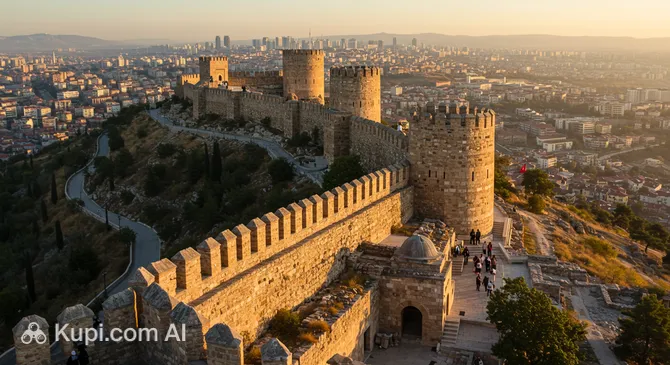
Ankara Castle. Source: Kupi.Binoculars
  • The city was historically known as Angora, a name that lives on through the famous animals that originated here. The region is the ancestral home of the Angora cat, the Angora rabbit, and the Angora goat, which is prized worldwide for its luxurious mohair wool.

  • If you look closely at the walls of Ankara Castle, you will notice a patchwork of marble columns, sarcophagi, and inscribed stones. These materials were recycled from earlier Roman and Byzantine structures to reinforce the citadel, creating an open-air museum of "spolia" embedded directly into the fortifications.

  • Located in the heart of the city, Swan Park (Kuğulu Park) is famous for its resident white swans. These elegant birds became a symbol of the park after they were gifted to the city by the municipality of Vienna, creating a unique cultural link between the Turkish and Austrian capitals.

  • The walls of the ancient Temple of Augustus and Rome, standing adjacent to the Hacı Bayram Mosque, contain a remarkable treasure. They bear the Res Gestae Divi Augusti, the most complete surviving copy of the autobiographical inscription by the first Roman Emperor, Augustus, detailing his achievements and life.

How to Get There

As the administrative center and capital of the nation, Ankara is exceptionally well-connected to the rest of the country and the world. Whether you are arriving by air or land, the city serves as a major transportation hub with modern infrastructure facilitating easy access. For a comprehensive guide on all available transport options, you can read more about how to get to Ankara.

The primary gateway for air travelers is Esenboga International Airport (IATA: ESB). Located approximately 24.5 km from the city center, it is a large and modern facility handling millions of passengers annually. It offers frequent domestic flights from across Turkey as well as numerous international connections. The journey from the airport to the city center typically takes around 57 minutes by taxi or shuttle bus, depending on traffic conditions.

While Ankara is best served by its own airport, there are other regional airports in neighboring provinces, though they are significantly further away. For instance, travelers might fly into Zonguldak Airport (ONQ), located in the city of Zonguldak. However, this airport is about 186 km from Ankara, meaning a transfer by road would take approximately 5 hours. Similarly, Nevsehir Kapadokya Airport (NAV) in Nevsehir is roughly 193 km away, with a travel time of over 5 hours to reach the capital. These airports primarily serve their local regions but are the closest alternatives if necessary.

For clarity, here is a summary of the main airports:

Airport Name City Passenger Traffic Km from City
Esenboga International Airport Ankara Large 24.5
Nevsehir Nevsehir Medium 193.6
Zonguldak Zonguldak Small 186.4
Anadolu University Airport Eskisehir Small 200.7
Konya Airport Konya Unknown 218.5

In addition to air travel, Ankara is the central hub of Turkey's railway network. The city is famous for its High-Speed Train (YHT) services, which connect the capital to Istanbul, Konya, and Eskisehir with remarkable speed and comfort. The main railway station, Ankara Gar, is centrally located, making it a convenient arrival point for those who prefer scenic overland journeys. Extensive bus networks also link Ankara to virtually every corner of the country.

Main Attractions

Ankara is a city where deep-rooted history meets contemporary life, offering visitors a fascinating array of sites that span from the Bronze Age to the modern Republic. While the city serves as the administrative capital, its tourism appeal lies in its world-class museums, restored historic districts, and monumental architecture. Below are some of the most compelling places to visit during your stay.

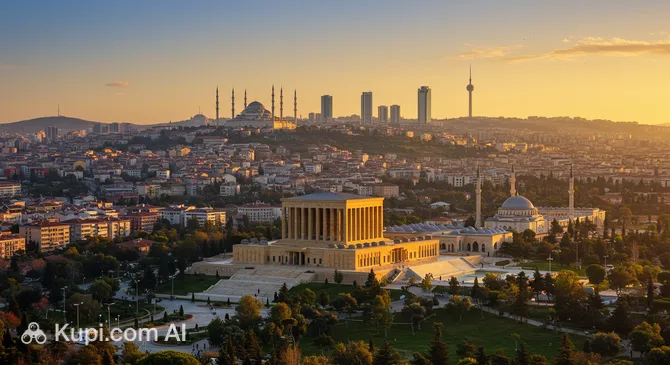
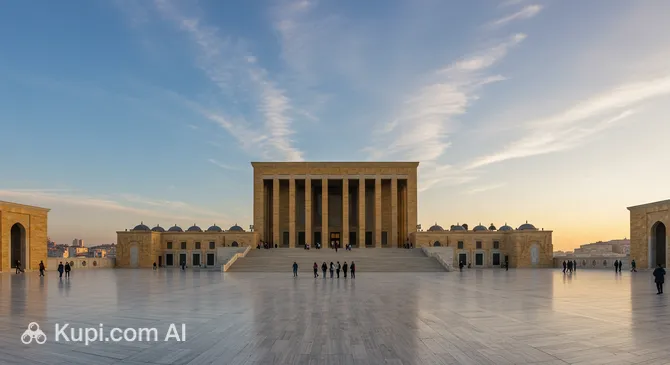
Undoubtedly the most significant landmark in the city is Anıtkabir. Situated on a prominent hill, this colossal complex is the mausoleum of Mustafa Kemal Atatürk, the founder of the Republic of Turkey. The site is awe-inspiring not only for its historical importance but also for its architectural grandeur. Visitors walk down the Road of Lions, flanked by neo-Hittite stone statues, leading to the vast ceremonial plaza. Inside, the Hall of Honor houses the tomb, while the surrounding museum displays personal artifacts and panoramic paintings depicting the War of Independence. It is a place of silence and respect, offering a profound insight into the nation's identity.

Anıtkabir. Source: Kupi.Binoculars

For history enthusiasts, the Museum of Anatolian Civilizations is an absolute treasure trove. Located on the southern side of Ankara Castle in a restored 15th-century market hall (bedesten), this museum is renowned worldwide for its unique collection. It takes visitors on a chronological journey through Anatolia's past, featuring artifacts from the Paleolithic era, Neolithic settlements like Çatalhöyük, and the Hittite, Phrygian, and Urartian civilizations. The carefully curated exhibits provide a comprehensive look at the cultures that have thrived in this region for thousands of years.

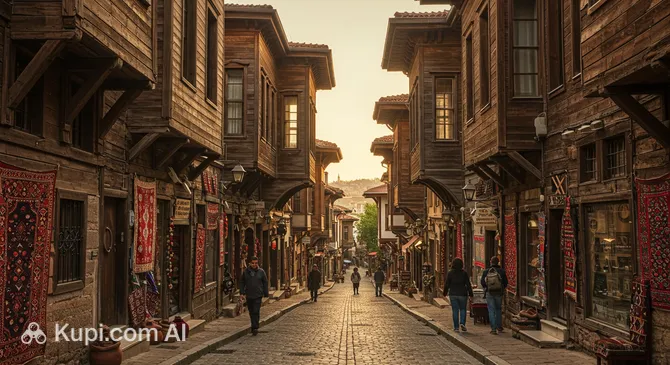
If you wish to experience the atmosphere of old Ankara, the Hamamonu Historical District is the perfect destination. This area has been meticulously restored to reflect the urban texture of the 19th century. Narrow cobblestone streets are lined with traditional white-washed Ottoman houses featuring timber frames and red-tiled roofs. Today, these buildings host quaint cafes, art galleries, and souvenir shops. It is a delightful place to wander, enjoy a cup of Turkish coffee/tea, and observe local artisans at work.

Hamamonu Historical District. Source: Kupi.Binoculars

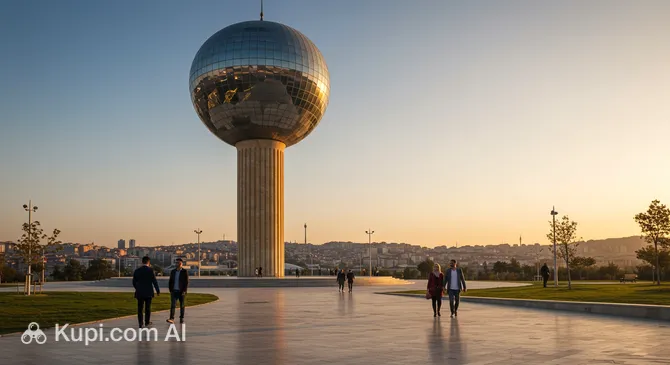
For a completely different perspective, head to Atakule, the city's iconic communication and observation tower. Standing 125 meters tall in the Çankaya district, it dominates the skyline and serves as a major landmark. The tower features an observation deck that offers breathtaking 360-degree views of the sprawling metropolis, which is particularly stunning at sunset. At the base of the tower, you will find a modern shopping mall with various dining and entertainment options, making it a popular spot for both locals and tourists seeking leisure and panoramic vistas.

Local Cuisine

Local Cuisine:

The culinary landscape of Ankara is a delightful reflection of its location at the heart of Anatolia. While the city gathers flavors from every corner of Turkey, it boasts distinctive traditions that prioritize high-quality ingredients and hearty portions. The local food scene is a mix of time-honored recipes passed down through generations and a vibrant street food culture that keeps the busy capital fueled.

One dish that truly defines the city is Ankara Tava. Historically prepared for weddings and special guests, this savory meal consists of tender lamb cooked with orzo or rice, often baked in a copper pan to seal in the rich flavors. For a quick snack, the Ankara Simit is a must-try; it is smaller, crispier, and darker than the sesame rings found in other cities, thanks to a generous dipping in molasses before baking.

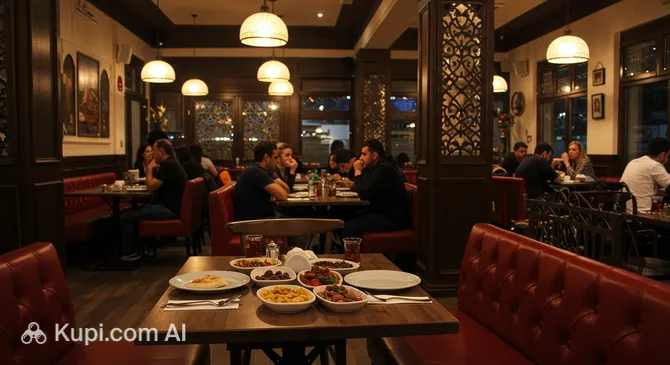
A unique phenomenon in the capital is the "ASPAVA" culture. The name is an acronym for a Turkish phrase wishing health, money, and appetite to the guest. These restaurants are legendary for their generosity; ordering a main dish—usually a döner wrap—triggers a parade of complimentary treats, including salad, cacık, french fries, and a semolina dessert with ice cream. Popular spots to experience this feast include Yildiz Aspava Emek and Ülgerler ASPAVA, both of which are local institutions.

Yildiz Aspava Emek. Source: Kupi.Binoculars

For a more leisurely evening, the city's meyhane (tavern) culture offers a sophisticated way to dine, focusing on conversation and shared plates. Afitap Meyhane Tunus is a well-regarded establishment known for its modern take on traditional appetizers and lively atmosphere. Similarly, Lavinia Meyhane provides a cozy setting to enjoy fresh meze and local music, making it a perfect spot to unwind after a day of sightseeing.

Travel Tips

Visiting Ankara offers a distinct experience compared to Turkey's coastal resorts, and a few practical insights can make your stay in this bustling capital much smoother. These tips are designed to help you navigate the city's unique rhythm, from handling local transport to understanding cultural nuances.

  1. Clothing and Gear: Ankara has a strict continental climate, so your wardrobe depends heavily on the season. Bring breathable, light fabrics and a hat for the hot, dry summers, but pack heavy coats, scarves, and waterproof boots if visiting in winter, as snow is common. Since the city is built on hills, comfortable walking shoes are essential. If you plan to visit mosques or the Anıtkabir mausoleum, dress modestly; women should carry a scarf to cover their heads when entering religious sites.
  2. Transportation: The most efficient way to get around is by using the AnkaraKart, a rechargeable transit card valid on the metro, Ankaray (light rail), and municipal buses. For a truly local experience, try the dolmuş (shared minibuses); they are faster than buses but accept cash only, so keep small change handy. Taxis are yellow and widely available; always ensure the driver switches on the meter (taksimetre). Ride-hailing apps like BiTaksi are also very useful for calling reliable cabs.
  3. Finances: The local currency is the Turkish Lira (TRY). While credit and debit cards are widely accepted in shopping malls, restaurants, and hotels, carrying cash is necessary for small expenses like street food, taxis, or the dolmuş. ATMs are abundant throughout the city. Tipping is appreciated but not mandatory; leaving about 5–10% in restaurants or rounding up the fare for taxi drivers is a kind gesture.
  4. Health and Safety: Ankara is generally a safe city for tourists, but standard precautions against pickpocketing in crowded areas like Kızılay are wise. Pharmacies are known as Eczane and are marked with a red "E" sign. They usually close by evening, but every neighborhood has a designated "Nöbetçi Eczane" (pharmacy on duty) that remains open 24/7; the location is often displayed in the window of other closed pharmacies. For emergencies, dial 112 for an ambulance or police.
  5. Communication: Turkish is the official language. While English is spoken in major hotels, universities, and trendy districts like Tunalı, it is less common in traditional areas or with older taxi drivers. It is helpful to learn a few basic phrases like "Merhaba" (Hello) and "Teşekkürler" (Thank you). Buying a local SIM card (Turkcell, Vodafone, or Turk Telekom) is recommended for reliable internet access, which you will need for maps and translation apps.
  6. Local Etiquette: Turkish hospitality is legendary, and you may be offered tea (çay) by shopkeepers; accepting it is a sign of friendship and respect. When greeting people, a handshake is standard. If you are invited into a Turkish home, remember to remove your shoes at the door. Public displays of affection should be kept modest to respect local norms.
  7. What to Avoid: Do not speak disrespectfully about Mustafa Kemal Atatürk, the founder of the Republic, or the Turkish flag. Ankara is the heart of the nation's political identity, and locals hold these symbols in extremely high regard. Also, avoid taking photographs of people, especially in more conservative neighborhoods, without asking for permission first.
  8. Shopping and Life Hacks: Unlike many European cities, shops and malls in Ankara stay open quite late, often until 10:00 PM. For a vibrant evening stroll, head to Tunalı Hilmi Street; it’s a favorite local spot for shopping and café culture where you can observe the modern social life of the capital away from the tourist crowds.

Armed with these practical tips, you are ready to explore the deep history and dynamic energy of Ankara with confidence. Embracing the local customs and moving through the city like a resident will undoubtedly reveal the warm and welcoming spirit that defines the Turkish capital.

Entertainment & Nightlife

Ankara comes alive after sunset, transforming from a serious administrative capital into a vibrant hub of social activity. Thanks to its large university population and diplomatic community, the city boasts a dynamic nightlife scene that is both diverse and welcoming. Unlike the chaotic energy of some coastal metropolises, evenings here are characterized by a warm, communal atmosphere where locals gather to unwind in stylish pubs, live music venues, and bustling entertainment districts.

The heart of the city's nightlife beats strongest in a few key neighborhoods. Tunalı Hilmi Street and the surrounding Kavaklıdere district are the epicenter of upscale leisure. Here, specifically on Bestekar Street, you will find a high concentration of pubs and bistros hosting live bands playing everything from Turkish rock to jazz. Another lively area is Bahçelievler, particularly around 7th Avenue (7. Cadde), which caters to a younger, energetic student crowd with casual bars and cafes.

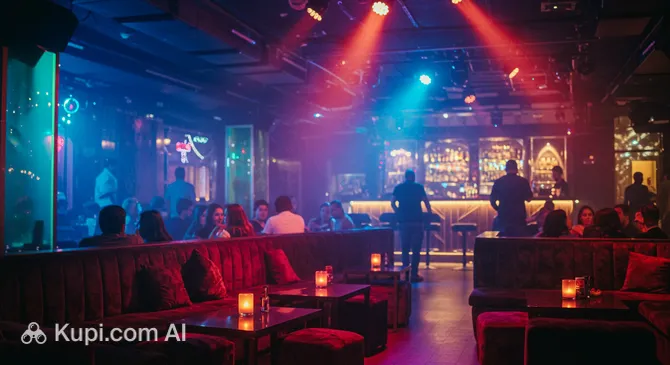
Central Bar Ankara. Source: Kupi.Binoculars

For those seeking a classic night out with good music and drinks, Central Bar Ankara is a popular choice. It captures the essence of the city's social scene, offering a relaxed environment to enjoy a cocktail and conversation. If you prefer a more interactive experience, O Ses Sensin Karaoke provides a fun setting where you can grab the microphone and sing your favorite tunes with friends, a favorite pastime for many locals.

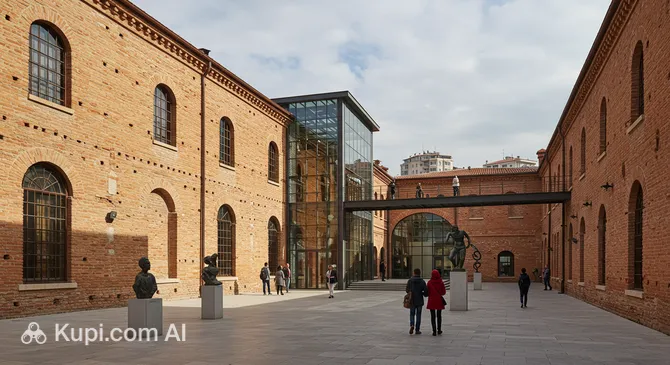
While the night belongs to the party-goers, Ankara offers plenty of entertainment during the day as well. Culture lovers should visit CerModern, a repurposed railway workshop turned into a modern arts center. It hosts exhibitions, concerts, and open-air film screenings. For families or thrill-seekers, the Keçiören Amusement Park offers a variety of rides and attractions to keep everyone entertained under the sun.

CerModern. Source: Kupi.Binoculars

Practical Advice for Night Owls:

  • Timing: The nightlife peaks on Friday and Saturday nights. Most bars stay open until 1:00 or 2:00 AM, while clubs may go later.
  • Dress Code: The style is generally smart-casual. While you don't need formal wear for most pubs, some upscale clubs in Çankaya may expect a polished look.
  • Getting Around: The metro system closes around midnight. After that, yellow taxis are the most reliable way to travel. They are abundant and relatively affordable compared to European standards.
  • Safety: Ankara is quite safe at night, especially in busy districts like Tunalı and Bahçelievler. However, it is always wise to stay in well-lit areas and avoid walking alone in empty parks or unlit side streets late at night.

Parks & Museums

While Ankara is the administrative core of the nation, it is also a city of surprising greenery and deeply curated cultural spaces. Beyond the well-known ancient history museums, the capital offers specialized institutions that explore everything from political history to rural traditions, alongside expansive parks that serve as the city's lungs.

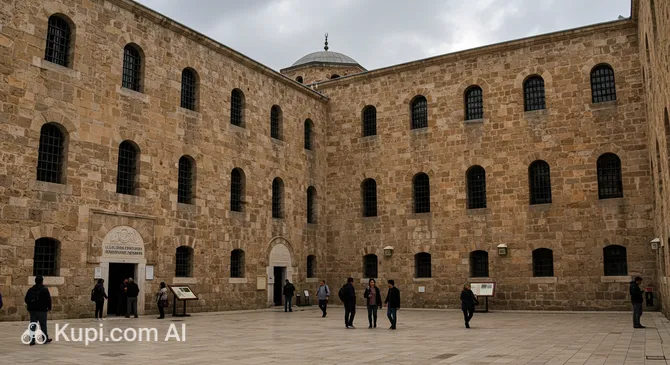
For those interested in the recent political past of Turkey, the Ulucanlar Prison Museum provides a moving and stark experience. Formerly a maximum-security prison that operated for 81 years, it has been converted into a museum that preserves the dormitories, isolation cells, and personal belongings of the renowned journalists, poets, and politicians who were once incarcerated here. It offers a raw and unforgettable glimpse into the country's turbulent 20th-century history.

Ulucanlar Prison Museum. Source: Kupi.Binoculars

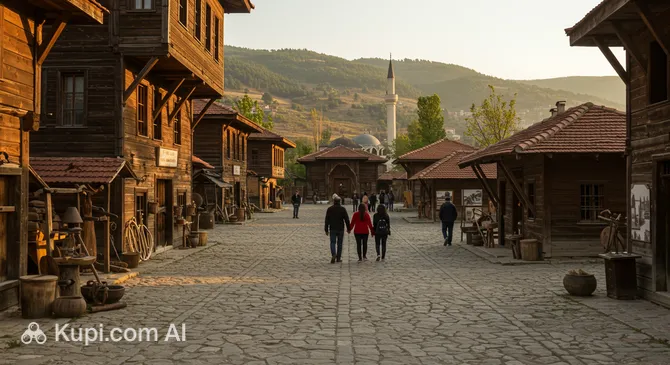
If you want to step away from the concrete city center and travel back in time, the Altınköy Open Air Museum is a perfect escape. This unique village museum recreates the traditional rural life of Anatolia from the 1930s to the 1950s. Visitors can walk among restored wooden houses, observe functioning watermills, and watch local artisans practicing forgotten crafts like weaving and ironworking. It is an immersive cultural park that feels miles away from the modern metropolis.

Altınköy Open Air Museum. Source: Kupi.Binoculars

Ankara is also home to the Republic Museum, located in the building that served as the second parliament. Walking through its legislative halls gives visitors a sense of the atmosphere during the early years of the Republic, where the foundations of modern Turkey were laid.

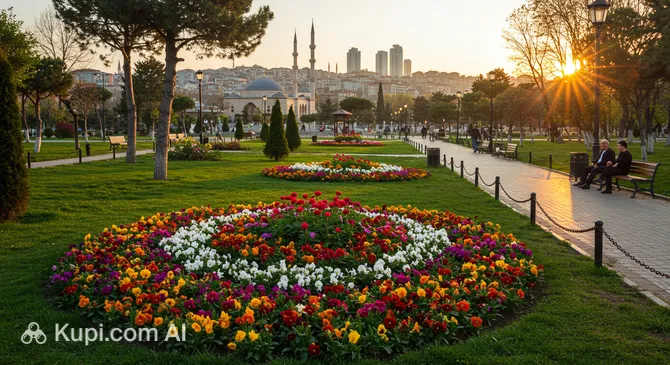
When it comes to relaxation, the city's parks are central to social life. Seğmenler Park, located in the Çankaya district, is one of the most popular green spaces. Known for its terraced landscape, open-air amphitheater, and bronze statues, it is a favorite gathering spot for students and families who come to enjoy picnics and live music on sunny afternoons.

Seğmenler Park. Source: Kupi.Binoculars

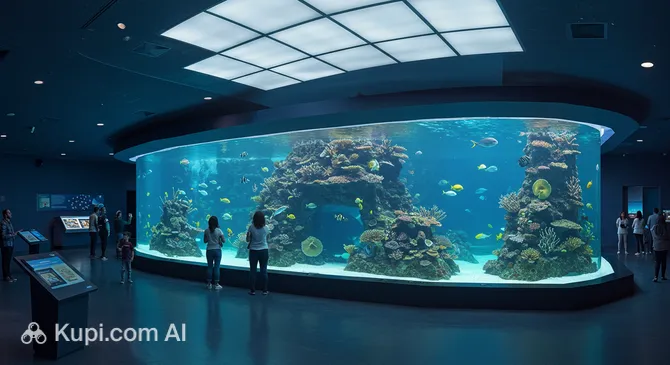
For a family-friendly adventure, the city offers impressive aquatic attractions. The Aqua Vega Aquarium is one of the largest in the region, featuring a long tunnel aquarium that allows you to walk beneath swimming sharks and rays. It provides a fascinating underwater journey right in the middle of the Anatolian plateau, making it an exciting stop for visitors of all ages.

Aqua Vega Aquarium. Source: Kupi.Binoculars

Getting Around

Public transportation in Ankara is efficient, extensive, and relatively easy for visitors to navigate. The city relies on a well-integrated network that combines underground rail lines, municipal buses, and a unique minibus culture. Whether you are heading to historical sites or shopping districts, you will find that most major attractions are accessible without the need for a private car.

The backbone of the system consists of the Metro and Ankaray lines. The Metro (marked with an "M") serves the suburbs and central districts, while Ankaray is a light rail line specifically useful for tourists as it connects the intercity bus terminal (AŞTİ) to the city center at Kızılay. Additionally, the Başkentray commuter line runs east-west, providing a fast link across the city. For a truly unique experience, you can ride the Teleferik (cable car) in the Yenimahalle district; unlike in many other cities, this cable car is a standard part of the public transit network and offers spectacular aerial views of the urban landscape.

Complementing the rail network are the municipal EGO buses, which reach virtually every corner of the city. However, for short hops or routes not covered by the metro, locals often prefer the dolmuş. These privately operated minibuses are a staple of Turkish transport culture. They follow specific routes but do not have fixed stops; you can hail one from the street and tell the driver where you want to get off. While they can be crowded, they are fast and frequent.

The payment system is streamlined through the AnkaraKart, a rechargeable smart card valid on the Metro, Ankaray, EGO buses, the cable car, and Başkentray. You can purchase and top up these cards at ticket vending machines located at all metro stations and various kiosks throughout the city. A single journey is very affordable, and the card allows for discounted transfers within a certain time window. It is important to note that the dolmuş system operates on a cash-only basis; you pass your fare to the driver (or pass it forward through other passengers) upon boarding.

For navigation, the official EGO CEP'TE mobile app is an invaluable tool. It allows you to track bus locations in real-time, plan your route, and check your AnkaraKart balance. Most public transport services operate from approximately 6:00 AM to midnight. While there are limited night bus services on main routes, they are less frequent, so it is wise to plan your return trip in advance if you are staying out late.

If you prefer more direct transport, yellow taxis are abundant and available 24/7. They can be hailed on the street, found at designated taxi stands, or ordered via apps like BiTaksi. Drivers are required to use the taximeter (taksimetre), so always ensure it is switched on when you start your ride. Taxis are a convenient alternative for late-night travel or when carrying heavy luggage, offering a comfortable way to move around the city at a reasonable cost.

Accommodation

Finding the perfect place to stay in {entity_name} is relatively easy, as the city offers a diverse range of accommodation options to suit every budget and travel style. As a major diplomatic and business hub, the Turkish capital boasts an impressive selection of high-standard establishments, from luxurious 5-star hotels operated by international chains to comfortable mid-range options and budget-friendly guesthouses. Unlike the coastal resort towns, the hospitality scene here is geared slightly more towards business and diplomatic travelers, ensuring a high level of service and modern amenities across the board.

For those who wish to be immersed in the city's rich history, the Ulus district and its surroundings are the ideal choice. This area is the oldest part of the capital and places you within walking distance of key attractions like the Ankara Castle and various museums. In recent years, the nearby Hamamonu Historical District has become a charming alternative, where travelers can find boutique stays in beautifully restored Ottoman-era mansions, offering an authentic and atmospheric experience.

If you prefer a more modern and upscale environment, the districts of Çankaya, Kavaklıdere, and Gaziosmanpaşa are highly recommended. These neighborhoods are the heart of contemporary Ankara, home to foreign embassies, fine dining restaurants, and chic boutiques. Staying here offers a sophisticated vibe and easy access to landmarks such as Atakule, the city's iconic observation tower. This area is particularly populated with luxury hotels and stylish business suites that provide excellent views of the city.

Atakule. Source: Kupi.Binoculars

Travelers prioritizing convenience and mobility might opt for Kızılay, the bustling city center. As the main transportation hub where metro lines and bus routes converge, it serves as a practical base for exploring different parts of the metropolis. While it can be noisy and crowded, the sheer number of shops, cafes, and mid-range hotels makes it a strategic location for those who plan to move around frequently.

Booking Tips and Prices: Generally, accommodation prices in Ankara are more affordable than in Istanbul or the popular Aegean resorts. However, since the city hosts numerous political summits and business conferences, hotels can fill up quickly during the week. It is advisable to book your room in advance, especially if you are visiting during the spring or autumn months. Online booking platforms are widely used and often offer the best rates, with options ranging from economical hostels to premium suites.

Nearby Cities

For those looking to explore the surroundings, Ankara serves as an excellent base for day trips to several interesting nearby locations:

City Population Distance (km)
Çankaya 914,501 11
Kırıkkale 193,093 56
Polatli 125,075 76
Çankırı 96,025 98
Beypazari 48,274 84

One of the most popular destinations for a cultural escape is Beypazari. Located about an hour and a half from the capital, this charming town is famous for its well-preserved Ottoman-era architecture. Visitors can stroll through cobblestone streets lined with traditional white houses, visit the "Living Museum," and sample local delicacies such as carrot juice and the town's signature 80-layer baklava. It offers a nostalgic glimpse into traditional Turkish life that feels worlds away from the modern city center.

For history enthusiasts, a trip to Polatli is essential, primarily because it serves as the gateway to the ancient city of Gordion. This archaeological site was the capital of the Phrygians and is the legendary home of King Midas. Visitors can explore the massive Tumulus of Midas, one of the oldest standing wooden structures in the world, and walk the grounds where Alexander the Great is said to have cut the Gordian Knot.

These nearby destinations offer a glimpse into the diverse culture and landscapes of the region.

Shopping & Souvenirs

Shopping in Ankara offers a fascinating mix of experiences, seamlessly blending the modern with the traditional. As the capital city, it boasts an impressive array of sophisticated shopping malls and high-end boutiques, yet it retains a deep connection to its roots through historic bazaars and artisan workshops. Whether you are looking for the latest international fashion or authentic handmade crafts, the city caters to every taste and budget.

For those who enjoy open-air strolling and window shopping, Tunalı Hilmi Street in the Kavaklıdere district is the place to be. This bustling avenue is lined with modern boutiques, bookstores, and music shops, interspersed with trendy cafes where you can take a break. On the other end of the spectrum is Çıkrıkçılar Yokuşu (Weavers' Road) in the historic Ulus district. This steep, winding street is the traditional heart of commerce in the city, offering everything from fabrics and dowry items to spices and hardware, providing a nostalgic atmosphere that contrasts sharply with the modern city.

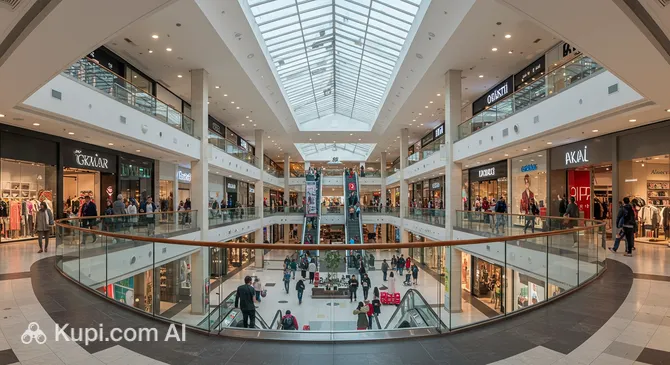
If you prefer the comfort and variety of large shopping centers, the city has numerous world-class options. ANKAmall is one of the largest and most popular shopping destinations in the region. Accessible directly via the metro, it houses hundreds of domestic and international brands, a cinema complex, and a vast food court. Another iconic spot is Atakule, located at the base of the city's famous observation tower. It offers a more boutique shopping experience with a selection of upscale dining venues and breathtaking views of the Botanical Park.

ANKAmall. Source: Kupi.Binoculars

For a truly authentic experience, you must visit the Samanpazarı area near Ankara Castle. This historic neighborhood is famous for its "Arasta" (bazaars) and the Bakırcılar Çarşısı (Coppersmiths Bazaar). Here, you can watch skilled artisans beating copper into plates, pots, and decorative items just as they have for centuries. It is also an excellent place to find antique dealers, carpet sellers, and shops selling traditional spices and dried foods.

When it comes to souvenirs, Ankara has several specialties worth taking home. Copperware is a top choice due to the high quality of local craftsmanship. You can also find excellent leather goods, hand-woven kilims, and items made from Mohair (Angora wool), which originates from the region's famous Angora goats. For edible treats, look for "Beypazarı Kurusu," a hard, savory biscuit that is a local favorite, or traditional Turkish delight.

Most shopping malls and modern stores operate daily from 10:00 AM to 10:00 PM. Traditional bazaars and smaller shops in districts like Ulus usually open earlier, around 9:00 AM, and close by sunset or around 7:00 PM; many may be closed on Sundays. Credit and debit cards are widely accepted almost everywhere, though having some cash (Turkish Lira) is recommended for small purchases in the historic markets.

Tourists visiting Turkey can take advantage of the Tax-Free shopping system. Look for the "Global Blue" or "Tax Free" signage in store windows. If you spend above a certain amount in a single store, you can ask for a tax refund form, which can be processed at the customs office at the airport upon your departure.

Reached the end of the page?

That means the route is fully explored