Support

Kutahya

About

Nestled in the western part of Anatolia, Kutahya is a city that beautifully preserves its traditional heritage while embracing modern life. Often celebrated as the capital of ceramics, this charming destination offers a unique blend of art, culture, and tranquil atmosphere, making it a hidden gem for travelers seeking an authentic experience.

Located in the inner Aegean region of Turkey, the city sits at a high altitude, which gifts it with a refreshing climate characterized by cool summers and snowy winters. With a population of approximately 266,000, it serves as a lively provincial center that maintains a welcoming, community-focused spirit.
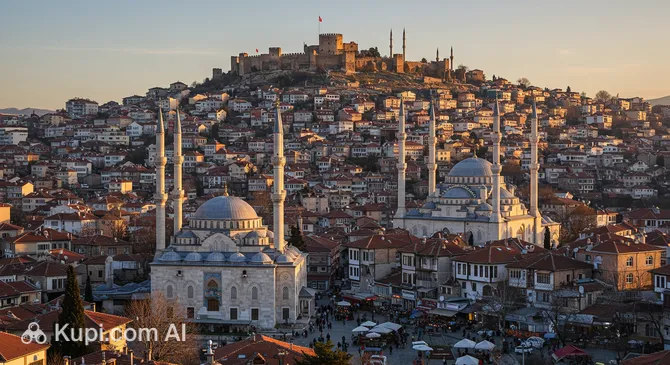
Kutahya. Source: Kupi.Binoculars

The city is one of the oldest continuous settlements in the region, boasting a deep and layered past. Exploring the history of Kutahya reveals a fascinating timeline that stretches from the ancient Phrygians to the grandeur of the Ottoman Empire. This rich legacy is evident in the architecture, the local customs, and the enduring artistic traditions found throughout the streets.

Visitors will find plenty to admire, starting with the imposing Kütahya Castle, which stands guard over the city and offers panoramic views of the surrounding landscape. A stroll down Germiyan Street is essential for architecture lovers, as it is lined with beautifully restored 19th-century Ottoman mansions. Furthermore, the city is world-renowned for its çini (tiles and pottery), and a visit to the Tile Museum provides a colorful insight into this exquisite craftsmanship.

Whether you are looking to shop for unique porcelain souvenirs, explore historic fortresses, or simply enjoy the thermal springs nearby, Kutahya invites you to discover the heart of Anatolian culture.
Weather Overview

The climate in this region is marked by distinct seasonal changes, offering a different atmosphere depending on when you visit. To help plan your activities and packing list, it is useful to review the detailed weather in Kutahya before your trip.

Summers are generally warm and pleasant, making them a popular time for tourism. August is typically the warmest month, with average temperatures around 22.2°C and daytime highs reaching nearly 30°C. This season is also the driest, with July and August experiencing only about 4 to 5 wet days per month, ensuring plenty of sunshine for exploring the city's outdoor attractions.

In contrast, winters bring a crisp chill to the area. January is usually the coldest month, where the average temperature hovers around 0.6°C, and nights can drop to -3.7°C. Travelers planning a visit during late spring or early summer, particularly in May and June, should be prepared for more frequent showers, as these months see the highest number of wet days, averaging around 14 days of rain.

Overall, expect warm, dry summers perfect for sightseeing and cold winters that require warm layers.

Interesting Facts

Beyond the main attractions, Kutahya holds many fascinating secrets and historical footnotes that surprise many visitors. Digging deeper into its past reveals unique connections to European history and legendary Ottoman figures that shaped the region's identity.
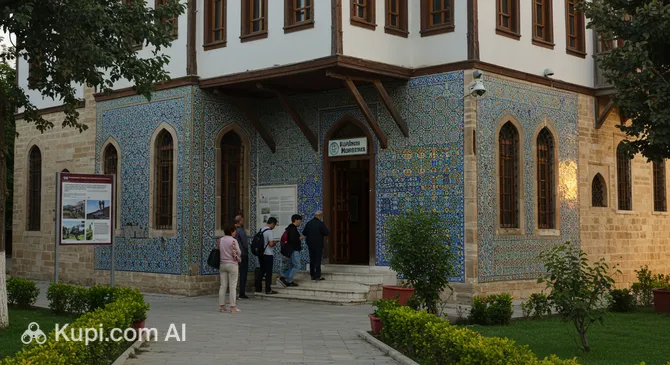
Kossuth Museum. Source: Kupi.Binoculars
  • A Sanctuary for a Hungarian Hero: In a surprising twist of history, the city served as a refuge for Lajos Kossuth, a famous Hungarian freedom fighter and statesman. During his exile in the 19th century, he lived in a traditional mansion that has since been converted into the Kossuth Museum, where he drafted a proposed constitution for Hungary.

  • Roots of a Legendary Traveler: Although the renowned Ottoman explorer Evliya Çelebi was born in Istanbul, his ancestral roots were firmly planted in Kutahya. He wrote extensively and fondly about the city in his monumental Seyahatname (Book of Travels), highlighting the legacy of his family and the Germiyanid dynasty from which they descended.

  • The "China" of Turkey: While Iznik is famous for historical tiles, Kutahya has been the industrial heart of Turkish ceramics for centuries. The city's craftsmanship is so revered that many masterpieces displayed in the Tile Museum rival those found in Istanbul's greatest palaces, and local artisans continue to produce widely exported porcelain today.

  • Ancient Stock Market: Just a short distance from the city center lies the ancient city of Aizanoi, which houses not only the best-preserved Temple of Zeus in Anatolia but also the world's first known stock exchange building, dating back to the Roman era.

How to Get There

Reaching this historic city is the first step of your journey into the heart of Anatolia. While the city is tucked away in the inner Aegean region, it is accessible via several transport hubs in neighboring provinces. You can read more about how to get to Kutahya and the specific routes available to plan your arrival.

Travelers often fly into nearby airports such as Anadolu University Airport (AOE) in Eskisehir, located approximately 63 km from Kutahya. From here, the journey by road typically involves a transfer or taxi ride, taking around 2 hours depending on traffic. Alternatively, for a wider range of international flight connections, many visitors choose Sabiha Gokcen International Airport (SAW) in Istanbul. Although it is situated about 174 km away, it serves as a major entry point, and a drive or bus ride to Kutahya generally takes around 4.5 to 5 hours.

For clarity, here is a summary of the main airports:

Airport Name City Passenger Traffic Km from City
Sabiha Gokcen International Airport Istanbul Very High 174.0
Cardak Airport Denizli Medium 183.1
Yenisehir Airport Bursa Small 99.6
Anadolu University Airport Eskisehir Small 63.0
Isparta Suleyman Demirel Airport Isparta Small 176.8

Main Attractions

Kutahya offers a captivating mix of history, architecture, and art. The city's landmarks tell the story of its transition through different empires, while its museums celebrate the artistic heritage that has defined the region for centuries. Here are some of the top places to explore during your visit.

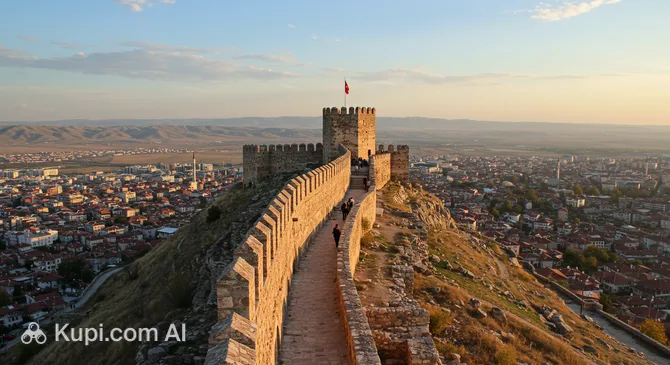
Dominating the city from a high hill, Kütahya Castle is a massive fortress that serves as a testament to the city's strategic importance throughout history. Originally built by the Byzantines and later expanded by the Ottomans, the castle features impressive walls and 72 towers. It is a favorite spot for tourists, not only for its historical ruins but also for the rotating restaurant and the breathtaking panoramic views of the city and surrounding mountains.

Kütahya Castle. Source: Kupi.Binoculars

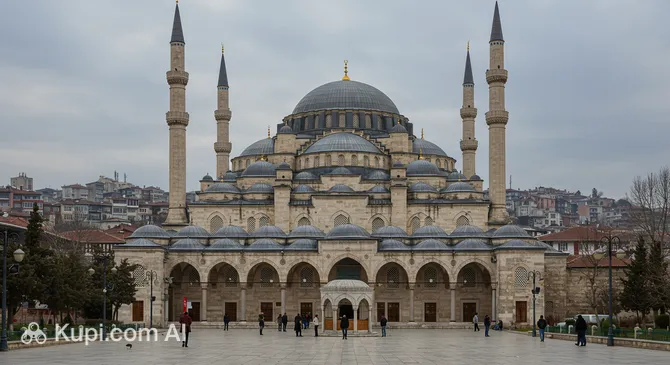
For those interested in religious architecture, the Great Mosque of Kütahya (Ulu Cami) is an essential stop. Completed in 1410, this grand structure is the largest mosque in the city and stands as a fine example of early Ottoman architecture. Visitors are often struck by its peaceful atmosphere and the spacious interior, which is illuminated by beautiful calligraphy and traditional design elements.

Great Mosque of Kütahya. Source: Kupi.Binoculars

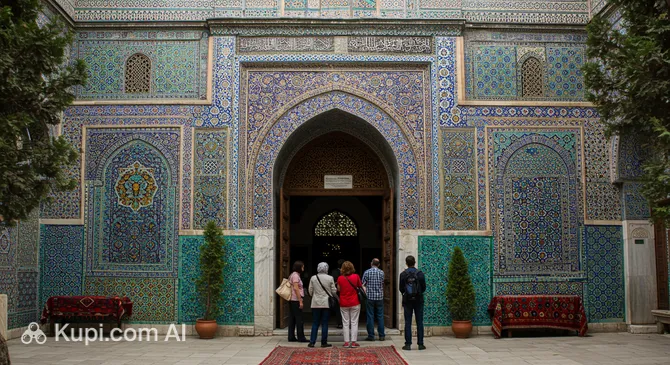
Given the city's reputation as the center of Turkish ceramic art, a visit to the Tile Museum is highly recommended. Located within the historical Vacidiye Madrasah, the museum houses a stunning collection of hand-painted tiles, pottery, and household items dating back to the 14th century. It offers a fascinating look into the craftsmanship that made Kutahya famous, displaying intricate blue-and-white patterns that rival those found in Istanbul's palaces.

Tile Museum. Source: Kupi.Binoculars

Local Cuisine

The culinary culture of Kutahya is deeply rooted in Anatolian traditions, featuring a hearty mix of dough-based specialties, rich meat stews, and locally grown ingredients. Given the city's fame for ceramics, it is no surprise that clay pots play a significant role in cooking, infusing dishes with a distinct, earthy flavor.

One of the most iconic local dishes is Cimcik, a type of pasta made from tiny, pinched pieces of dough served with garlic yogurt and butter. Another favorite is Sini Mantısı, where dumplings are arranged on a tray (sini) and baked until crispy before being soaked in broth. For soup lovers, Sıkıcık Çorbası, made with fine bulgur balls, tarhana, and yogurt, is a comforting choice often enjoyed during the colder months.

Meat dishes are central to the local diet, with Kütahya Güveci taking center stage. This slow-cooked casserole typically consists of lamb or beef combined with vegetables like eggplant and peppers, all simmered to perfection in the region's famous earthenware pots.

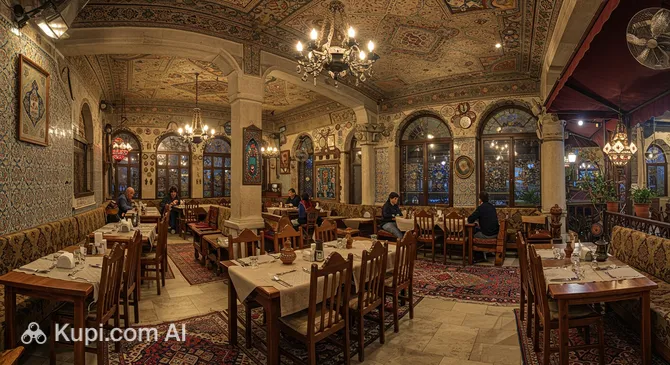
To experience authentic local hospitality and flavors, travelers have several excellent options. Feslegen Restaurant is a popular spot known for its warm atmosphere and diverse menu, making it a great place to sample traditional recipes.

Feslegen Restaurant. Source: Kupi.Binoculars

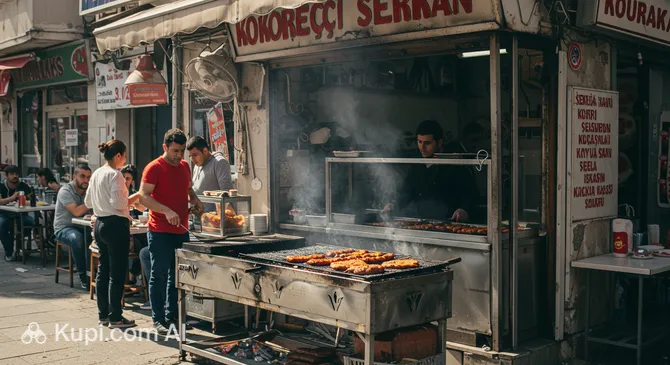
For those looking for a quick and delicious bite, particularly late at night or for a casual meal, Kokoreççi Serkan offers some of the best grilled intestines (kokoreç) in town, a beloved street food classic in Turkey.

Kokoreççi Serkan. Source: Kupi.Binoculars

No meal in Kutahya is complete without a sweet treat. The city is famous for Köpük Helva (foam halva), a light and airy dessert made from sugar, water, and soapwort extract. It has a unique texture and is often eaten with a spoon, sometimes garnished with tahini or walnuts.

Travel Tips

Visiting Kutahya offers a wonderful opportunity to experience authentic Anatolian culture, but like any destination off the beaten path, a little preparation goes a long way. To help you navigate the city of ceramics with ease and confidence, here are some practical tips to keep in mind for your journey.

  1. Clothing and Gear: The weather here varies significantly by season. If you are visiting in summer, pack lightweight, breathable fabrics and a hat for the sun. For winter trips, heavy coats, scarves, and thermal layers are essential as temperatures frequently drop below freezing. Since you will likely be walking up to the castle or strolling through cobblestone streets, bring sturdy, comfortable walking shoes. A scarf or shawl is also recommended for women to cover their heads when visiting religious sites like the Great Mosque.
  2. Transportation: The city center is relatively compact and walkable, allowing you to explore many historical sites on foot. For longer distances, the local public buses and dolmuş (shared minibuses) are the most convenient and affordable options. Taxis are readily available at designated stands or can be hailed from the street; they run on a meter, so there is no need to negotiate the price beforehand.
  3. Finances: The local currency is the Turkish Lira (TRY). While credit cards are widely accepted in hotels, larger restaurants, and established ceramic shops, it is wise to carry cash for small purchases, street food, or public transport. ATMs are plentiful throughout the city center. Tipping is appreciated; leaving about 5-10% in restaurants is a standard gesture of gratitude for good service.
  4. Health and Safety: Kutahya is generally a very safe city for tourists. Pharmacies, known as Eczane, are easy to find and usually have an "on-duty" (nöbetçi) pharmacy open 24/7 for emergencies. Tap water is chlorinated but it is generally recommended that tourists drink bottled water, which is cheap and widely available, to avoid any stomach upset.
  5. Communication: Turkish is the primary language, and English may not be widely spoken outside of major hotels or university areas. It is highly recommended to download an offline translation app or learn a few basic phrases like merhaba (hello) and teşekkür ederim (thank you). Buying a local SIM card upon arrival in Turkey is the best way to stay connected, as Wi-Fi is standard in hotels but may be spotty in public areas.
  6. Local Etiquette: Turkish hospitality is legendary, and locals are often curious and friendly towards visitors. If you are invited for tea (çay), it is a sign of friendship, and accepting it is polite. When entering a mosque or a private home, always remove your shoes. In public, polite and modest behavior is the norm, especially in more conservative neighborhoods.
  7. What to Avoid: Avoid taking photographs of people, especially local women or those praying in mosques, without asking for permission first. It is also best to avoid wearing overly revealing clothing when exploring the city center or religious landmarks, as this is a traditional provincial city.
  8. Shopping Tip: Since Kutahya is famous for its ceramics, you will likely want to buy souvenirs. When purchasing fragile tiles or pottery, explicitly ask the shopkeeper to wrap them for travel (paket). Many local artisans are experts at packaging items securely for long journeys, ensuring your treasures make it home in one piece.

By keeping these practical details in mind, you can focus on enjoying the rich history, the stunning artistry, and the warm hospitality that make Kutahya such a special destination. Have a safe and memorable trip!

Entertainment & Nightlife

Unlike the bustling coastal resorts of Turkey, the nightlife in Kutahya is more subdued and culturally rooted, revolving around social gatherings, dining, and relaxed conversations rather than loud nightclubs or discos. The city comes alive in the evenings with a vibrant café culture, largely driven by the significant student population from the local university. For visitors, this offers a chance to experience a more authentic and laid-back Turkish evening.

The heart of evening activity is often found in the city center, particularly around Zafer Square and the iconic Vase Statue (Vazo). Here, locals enjoy evening strolls along the illuminated streets. The atmosphere is friendly and safe, with families and groups of friends filling the tea gardens and pastry shops until late hours. The dress code is generally casual, though smart-casual is appropriate for nicer restaurants.

For a modern entertainment experience, many head to the Sera Kütahya Shopping Mall. As one of the largest activity hubs in the region, it is not just for shopping; it serves as a primary venue for evening entertainment. Visitors can catch the latest movies at the cinema, enjoy bowling, or dine at the food court, making it a perfect spot for families or travelers seeking a familiar, modern setting.

Sera Kütahya Shopping Mall. Source: Kupi.Binoculars

While alcohol is not as ubiquitous as in western Turkey, there are licensed restaurants and hotel bars where you can enjoy a drink with your meal. The nightlife here is often synonymous with late-night eating. After a long evening, it is a local tradition to grab a quick bite. Kokoreççi Serkan is a well-known spot for this, serving grilled specialties that are a favorite among night owls looking to satisfy their hunger after dark.

Daytime Entertainment: Before the sun sets, the city offers various leisure activities. Beyond the historical museums, the nearby Yoncalı district is famous for its thermal baths and spa facilities, offering a relaxing way to spend the day. For nature lovers, the pine forests surrounding the city provide excellent spots for picnics and fresh air.

Practical Advice: The city is very safe for night walks, especially in well-lit central areas like Atatürk Boulevard. Public transport slows down late at night, so taxis are the most reliable way to get back to your accommodation. Taxi stands are easy to find near major landmarks and the shopping mall, and prices are generally affordable.

Parks & Museums

Beyond its reputation for exquisite ceramics, the city offers a refreshing array of green spaces and cultural institutions that allow visitors to connect with its natural beauty and deep-rooted heritage. From pine-scented hills to museums housed in centuries-old buildings, exploring the parks and galleries here provides a peaceful yet enriching experience.

For those seeking fresh air and panoramic views, Çamlıca Hill (Çamlıca Tepesi) is a beloved local escape. Located just west of the city center, this park is enveloped in a dense pine forest, offering a cool retreat during the warm summer months. It is an ideal spot for a leisurely walk or a traditional Turkish tea at one of the garden cafes, where you can enjoy the scent of pine trees and a bird's-eye view of the city below. Another excellent natural getaway is the Enne Dam Nature Park. Situated a short drive from the center, this area features a serene lake surrounded by lush greenery, making it a perfect destination for picnics, nature photography, and relaxing lakeside strolls.

The city's museums are small but culturally significant, often located within historical structures that are attractions in themselves. The Tile Museum is a must-visit for art lovers. Housed in the 15th-century Vacidiye Madrasah, it is one of the first museums in the world dedicated entirely to tile art. Inside, visitors can admire a vast collection of ceramics ranging from the Seljuk period to modern times, showcasing the evolution of the "Blue and White" craftsmanship that put the city on the map.

History enthusiasts will find the Kossuth Museum fascinating. This 18th-century Ottoman mansion served as the residence of Lajos Kossuth, the Hungarian freedom fighter, during his exile. Today, it stands as a cultural bridge between Turkey and Hungary, displaying personal belongings of Kossuth alongside ethnographic items that depict a typical upper-class Ottoman household of that era. The house itself, with its beautiful woodwork and garden, is a splendid example of civil architecture.

In terms of historical landmarks, the Kütahya Castle is not just a fortress but an open-air museum of sorts. Walking along its ancient bastions offers a journey through Byzantine and Ottoman military history. Additionally, a walk down Germiyan Street is highly recommended. This historic avenue is lined with restored two- and three-story mansions that reflect the grandeur of the Germiyanid principality and the Ottoman period, effectively serving as a living museum of traditional urban life.

For a truly unique experience, consider a day trip to the ancient city of Aizanoi, located about 50 kilometers from the city center. It is home to the incredibly well-preserved Temple of Zeus and a unique stadium-theater complex, offering a quiet and atmospheric alternative to Turkey's more crowded archaeological sites.

Getting Around

The public transport system in Kutahya is straightforward and primarily relies on a network of buses that connects the city center with residential neighborhoods, the university campus, and major landmarks. There is no metro or tram system in the city, but the municipal buses and private public buses (known locally as Halk Otobüsü) provide extensive coverage. These buses are easily recognizable and are the most common way for locals and visitors to get around.

To use the bus system, you will need to obtain a Kart 43 (Kütahya Kart), which is the city's electronic travel card. Cash is generally not accepted directly on board municipal buses. You can purchase these cards and top them up at designated kiosks, markets, and filling points scattered throughout the city, particularly near major bus stops and the city center. For short-term visitors, disposable tickets valid for a limited number of rides are often available at these same sales points.

Technology has made navigating the city easier with the "Kütahya Kart 43" mobile application. This app is extremely useful for tourists as it allows you to plan your route, check bus times, and view the balance on your card. In some cases, the system also supports QR code tickets or contactless payments, offering a convenient alternative if you do not have a physical card. Validating your ride is simple; just tap your card or scan your phone at the electronic reader located at the front of the bus upon entry.

In addition to standard buses, minibuses (dolmuş) operate on specific routes and are a popular alternative for reaching areas that might be less accessible by large buses. These vehicles are smaller and faster, often stopping on demand along their designated path. While the main bus system uses the electronic card, payment policies for minibuses can vary, so it is always wise to carry some small cash (Turkish Lira) just in case.

For those who prefer more direct and private transportation, yellow taxis are widely available 24 hours a day. They operate on a taximeter system, and you can easily find them at designated taxi stands near squares, the bus terminal, and shopping centers, or hail one from the street. Taxis are a reliable option for late-night travel when bus services run less frequently.

Finally, it is worth noting that the historic city center of Kutahya is quite compact. Many of the main attractions, such as the museums and the old mansions, are located within walking distance of each other. Exploring on foot is often the best way to soak in the atmosphere, with public transport serving mainly to connect you to the university area, the bus terminal, or the thermal districts on the outskirts.

Accommodation

Accommodation in Kutahya caters to a variety of preferences, ranging from modern city hotels to charming boutique stays housed in restored Ottoman mansions. While the city does not have the vast array of luxury international chains found in major metropolises, it offers comfortable and authentic lodging options. Visitors can choose between convenient business hotels in the city center, budget-friendly pensions, and, most notably, thermal resorts that take advantage of the region's famous healing waters.

For those interested in history and culture, staying in the city center is the most practical choice. Hotels located near the Vase Statue or within walking distance of Germiyan Street allow easy access to the main museums, the castle, and the historic mosques. This area is perfect for travelers who want to explore the sights on foot and enjoy the local cafe culture in the evenings. Alternatively, tourists seeking relaxation often prefer the Yoncalı district, located a short drive from the center. This area is renowned for its thermal spa hotels, offering facilities like Turkish baths, saunas, and thermal pools, making it a popular retreat for health tourism.

The cost of accommodation in Kutahya is generally quite affordable compared to Turkey's coastal resort towns or Istanbul. Most options fall into the budget to mid-range category, providing excellent value for money. Prices can vary slightly depending on the season and the type of facility, with thermal resorts typically commanding a higher rate than standard city hotels. Booking can be done easily through major online travel platforms, though some smaller, family-run guesthouses may offer better rates if contacted directly.

Booking Tip: While it is usually easy to find a room, it is advisable to book in advance if you plan to visit during local festivals, the academic registration period for the university, or graduation season, as hotels can fill up quickly with visiting families.

Nearby Cities

For those looking to explore the surroundings, Kutahya serves as an excellent base for day trips to several interesting nearby locations:

City Population Distance (km)
Eskisehir 871187 60
Afyonkarahisar 299673 88
Inegol 268155 84
Tavsanli 101903 45
Bilecik 81723 80

Located just an hour away, Eskisehir is one of the most vibrant and modern cities in the region, largely due to its large student population. It is famously known as the "Venice of the East" thanks to the Porsuk River, where visitors can take charming gondola rides. The city also features the historic Odunpazarı district, a colorful neighborhood of restored Ottoman houses that hosts numerous museums and artisan workshops.

To the south lies Afyonkarahisar, a city dominated by a dramatic fortress perched atop a sheer volcanic rock. It is widely recognized as Turkey's capital of thermal tourism, offering numerous high-quality spa resorts. Additionally, the city is a major culinary destination, famous for its rich clotted cream (kaymak), Turkish delight, and spicy sausage (sucuk).

Another interesting option is Inegol, situated to the northwest. While it is an industrial hub, it is renowned nationwide for its culinary heritage, specifically the famous Inegol meatballs (köfte). Nature lovers visiting the area often head to the nearby Oylat Thermal Springs and Oylat Cave, which is one of the largest and most impressive caves in the country.

These nearby destinations offer a glimpse into the diverse culture and landscapes of the region.

Shopping & Souvenirs

Shopping in Kutahya is a distinctive experience that reflects the city's deep artistic roots. Unlike the commercial frenzy found in larger metropolises, the retail scene here is dominated by traditional craftsmanship and local heritage. Visitors will find that the city is essentially a vast showcase for ceramic art, offering a unique opportunity to acquire high-quality handicrafts directly from the source.

As the "Capital of Ceramics," the city is the best place in Turkey to purchase çini (tiles and pottery). You will find countless workshops and showrooms, particularly along the main roads and in the city center, displaying intricate hand-painted plates, bowls, and vases. These items, often featuring classic Ottoman tulip and carnation motifs, are sold here at significantly more reasonable prices than in Istanbul or Cappadocia. The "Ceramicists' Bazaar" (Çiniciler Çarşısı) is a popular stop where you can browse a wide variety of designs and often meet the artisans themselves.

For a more modern retail experience, the Sera Shopping Mall serves as the city's primary lifestyle center. It houses a diverse range of domestic and international brands, covering everything from clothing and electronics to home goods. The mall provides a comfortable, climate-controlled environment for families and travelers looking to pick up standard necessities or enjoy a break at the food court.

Sera Shopping Mall. Source: Kupi.Binoculars

Beyond porcelain, the region offers delicious culinary souvenirs. The province is famous for its roasted chickpeas (*leblebi*), which are produced in the nearby district of Tavşanlı but are widely available in Kutahya's markets. They come in dozens of varieties, including salted, spicy, and chocolate-coated. Another sweet treat to look out for is *köpük helva* (foam halva), a light, marshmallow-like dessert that is a local specialty.

A practical tip for shoppers: when buying ceramics, always ask the shopkeeper to package your items for travel (*paket*). Local vendors are experts at wrapping fragile goods with bubble wrap and sturdy boxing to ensure they survive the journey home intact. Most shops accept credit cards, but carrying some cash is advisable for smaller purchases in traditional bazaars.

Reached the end of the page?

That means the route is fully explored