Support

Istanbul

About

Istanbul is a mesmerizing metropolis where East meets West, creating a cultural tapestry unlike anywhere else in the world. As the only city situated on two continents, Europe and Asia, it serves as the vibrant cultural and economic heart of Turkey. The city's unique atmosphere is defined by the call to prayer echoing from minarets, the bustle of ancient bazaars, and the stunning skyline reflected in the surrounding waters.

Geographically, the city is divided by the Bosphorus Strait, a narrow waterway that connects the Black Sea to the Sea of Marmara. With a massive population of over 16 million people, it is one of the largest and most dynamic urban centers in the region. The climate generally features hot, humid summers and cool, wet winters, making it a year-round destination for travelers seeking diversity and energy.

Istanbul. Source: Kupi.Binoculars

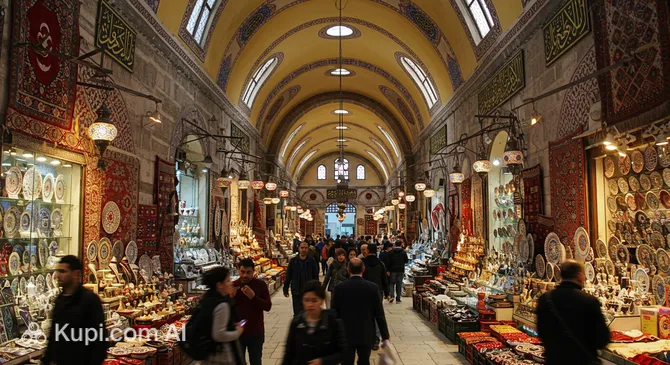
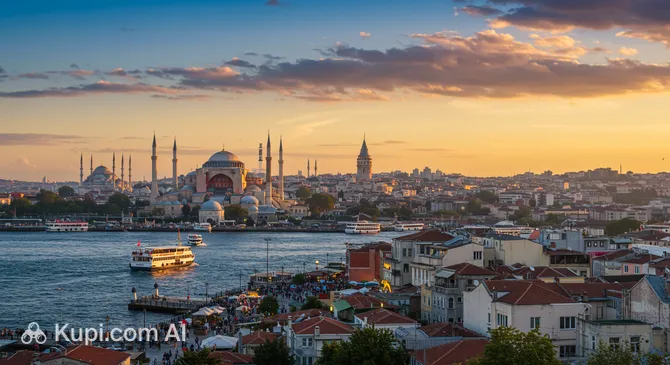
The history of Istanbul is deeply layered, having served as the capital for the Roman, Byzantine, and Ottoman empires. This rich heritage is visible on every corner, from the awe-inspiring Hagia Sophia with its massive dome to the elegant minarets of the Blue Mosque. Visitors can also wander through the labyrinthine streets of the Grand Bazaar, one of the oldest covered markets in the world, to experience the city's enduring commercial spirit.

Whether you are sipping traditional tea by the Bosphorus or exploring ancient palaces, Istanbul promises an unforgettable journey. It is a destination that seamlessly blends modern life with ancient traditions, inviting every traveler to discover its many secrets.

Weather Overview

The city experiences distinct seasons, offering a different atmosphere depending on when you visit. To help plan your itinerary and packing list, it is beneficial to review the typical weather in Istanbul. Generally, the climate is characterized by warm, dry summers and cool, damp winters, with mild transitional periods in between.

August is typically the warmest month, with an average temperature of 25.6°C and highs reaching nearly 29°C, accompanied by very few rainy days. In contrast, January is the coldest and wettest time of the year, averaging 7.4°C with approximately 14 wet days. Spring and autumn are pleasant, with May and October seeing average temperatures around 17°C, making them comfortable times for exploration. Overall, you can expect warm summers with minimal rainfall and cool winters with frequent precipitation.

Interesting Facts

Beyond the majestic skyline and bustling streets, Istanbul holds fascinating secrets that surprise even seasoned travelers. Digging a little deeper reveals a city of unexpected origins, literary history, and hidden subterranean worlds.
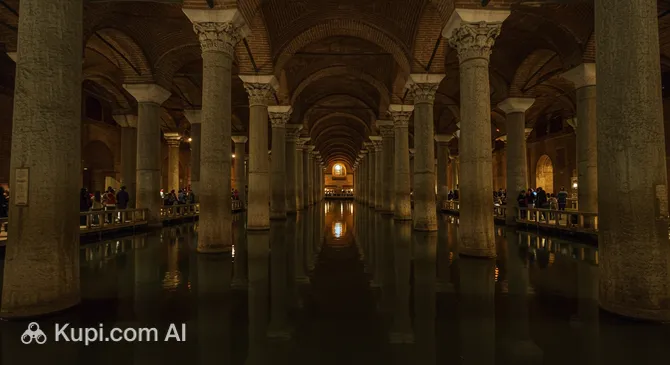
Basilica Cistern. Source: Kupi.Binoculars
  • While tulips are famously associated with the Netherlands, they actually originated in this region. The bulbs were sent from Istanbul to Vienna in the 16th century before eventually reaching the Dutch, sparking the famous "Tulip Mania" across Europe.

  • The city is built atop hundreds of ancient underground water reservoirs. The most impressive is the Basilica Cistern, a mysterious subterranean chamber supported by 336 marble columns, featuring two column bases carved with the head of Medusa.

  • Leonardo da Vinci once designed a bridge to span the Golden Horn in 1502. Although the Sultan rejected the sketches as impossible at the time, modern engineering studies have proven that his design was structurally sound and ahead of its time.

  • Legend has it that the famous mystery writer Agatha Christie wrote her masterpiece Murder on the Orient Express while staying in room 411 of the Pera Palace Hotel in Istanbul.

  • The Grand Bazaar is often cited as one of the world's oldest shopping malls. It is a massive labyrinth containing over 60 streets and 4,000 shops, attracting nearly 90 million visitors annually.

How to Get There

Reaching this vibrant metropolis is convenient thanks to its status as a major global transit hub. Whether you are arriving from a neighboring country or across the ocean, there are multiple entry points to suit your itinerary. You can find detailed information about all transport options on our page dedicated to how to get to Istanbul.

The primary gateway for most international travelers is Istanbul Airport (IST). Located approximately 34.5 km from the city center, it is a massive, modern facility handling a vast amount of passenger traffic annually, making it one of the busiest in the region. The journey to the downtown area typically takes around 72 minutes by taxi or shuttle bus, depending on traffic conditions.

Another popular option, especially for those staying on the Asian side of the city or flying with low-cost carriers, is Sabiha Gokcen International Airport (SAW). Situated about 30.4 km from the center, this airport also serves a large volume of travelers. A transfer from here to the main city districts usually takes about 65 minutes.

For clarity, here is a summary of the main airports serving the region:

Airport Name City Passenger Traffic Km from City
Istanbul Airport Istanbul Large 34.5
Sabiha Gokcen International Airport Istanbul Large 30.4
Yenisehir Airport Bursa Small 97.1
Anadolu University Airport Eskisehir Small 186.6
Çorlu Tekirdag Small 90.2

Main Attractions

Istanbul is a city where history comes alive, with a skyline punctuated by majestic domes and soaring minarets. Its attractions are a testament to the diverse civilizations that have called this place home, offering visitors a unique blend of Byzantine marvels and Ottoman grandeur.

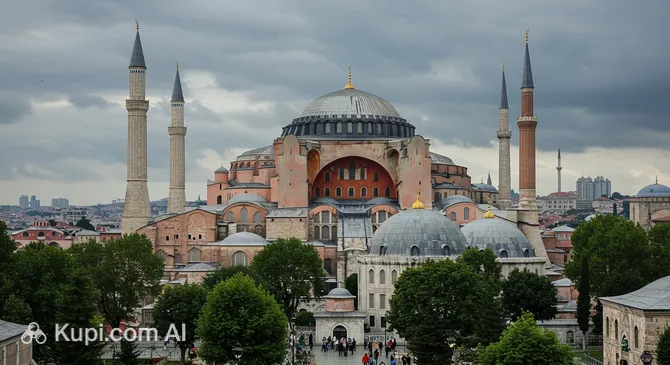
One of the most iconic structures in the world is the Hagia Sophia Grand Mosque. Originally built as a cathedral in the 6th century, it stands as a masterpiece of Byzantine architecture, famous for its massive dome that seems to float effortlessly above the nave. Visitors are captivated by its stunning mosaics, colossal calligraphy, and the palpable sense of history within its walls, representing a unparalleled convergence of religious heritage.

Hagia Sophia Grand Mosque. Source: Kupi.Binoculars

Just a short walk away lies the immense Topkapi Palace Museum, which served as the opulent residence of Ottoman sultans for nearly 400 years. This sprawling complex is not just a single building but a collection of pavilions, courtyards, and gardens overlooking the Bosphorus. It is fascinating for tourists due to its incredible collections of imperial treasures, holy relics, and the intriguing Harem section, offering a glimpse into the private lives of the fascinating Ottoman court.

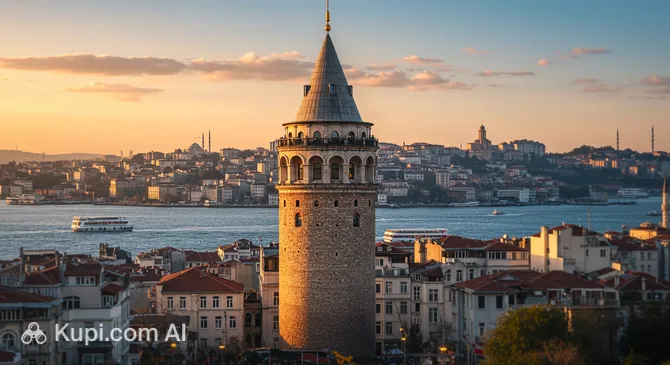
For a breathtaking perspective of the city, the Galata Tower is an unmissable landmark. Built by the Genoese in the 14th century, this medieval stone tower dominates the skyline north of the Golden Horn. Climbing to its observation deck rewards travelers with 360-degree panoramic views of the historic peninsula and the waterways that define Istanbul, making it a favorite spot for photographers and sunset watchers.

Galata Tower. Source: Kupi.Binoculars

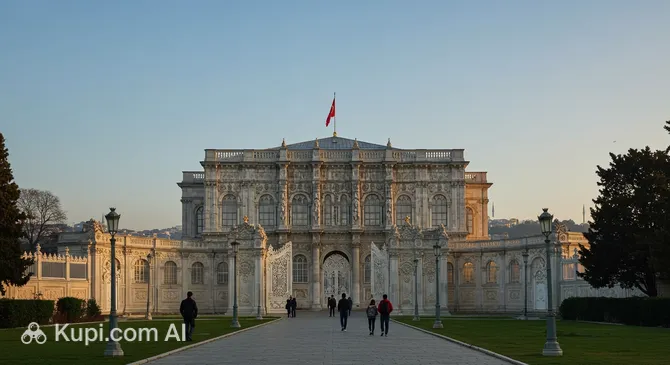
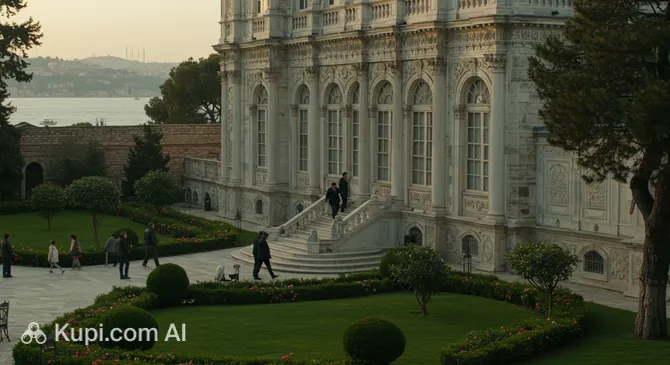
Moving towards the more modern era of the empire, the Dolmabahçe Palace showcases the city's shift towards European architectural styles in the 19th century. Located directly on the Bosphorus strait, this glamorous palace is filled with crystal chandeliers, gold leaf, and ornate furniture. It is historically significant as the final residence of the Ottoman sultans and the place where Mustafa Kemal Atatürk, the founder of the Turkish Republic, spent his last days.

Dolmabahçe Palace. Source: Kupi.Binoculars

Local Cuisine

The culinary scene in Istanbul is a magnificent reflection of its cultural heritage, blending Central Asian roots with Middle Eastern, Balkan, and Mediterranean influences. Food here is not just sustenance; it is a way of life that brings people together. From the wafting aroma of freshly baked bread in the morning to the sizzle of grilled meats in the evening, the city offers a sensory feast that caters to every palate.

When it comes to main dishes, the variety of kebabs is overwhelming, but the Iskender Kebab—thinly sliced lamb served over pita bread with tomato sauce and melted butter—is a must-try. For seafood lovers, a quintessential Istanbul experience is eating Balık Ekmek, a simple yet delicious grilled fish sandwich, often enjoyed by the waterfront near the Galata Bridge. Another beloved street food staple is Kumpir, a massive baked potato stuffed with an assortment of toppings like cheese, olives, corn, and sausage. The best place to enjoy this treat is at Ortaköy Square, where vendors line the streets against the backdrop of the Bosphorus.

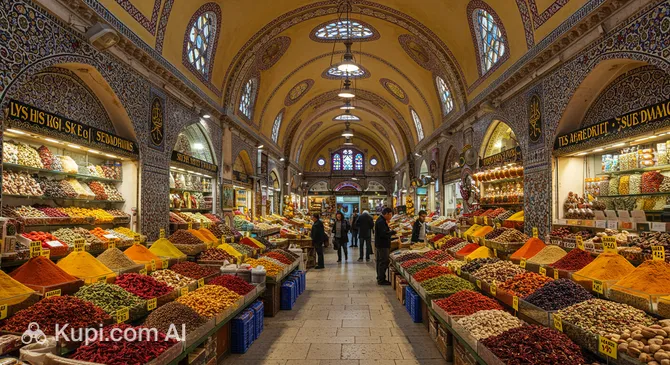
Spice Bazaar. Source: Kupi.Binoculars

No culinary journey here is complete without sampling the local beverages. Turkish tea (Çay), served in tulip-shaped glasses, is consumed throughout the day and is a symbol of hospitality. For a caffeine kick, try the potent Turkish coffee, often accompanied by a piece of Turkish delight. On the refreshing side, Ayran, a salty yogurt drink, is the perfect accompaniment to meat dishes. For those looking for an alcoholic option, Rakı, an anise-flavored spirit often referred to as "lion's milk," is the traditional drink of choice, usually enjoyed slowly with melon and white cheese.

The food culture in Istanbul revolves heavily around socializing. Locals often frequent meyhanes (traditional taverns) to spend hours dining on meze platters—small dishes of salads, dips, and seafood—before moving on to the main course. For a more market-centric experience, the historic Spice Bazaar is an essential stop. Here, you can wander through colorful alleys piled high with fragrant spices, dried fruits, and endless varieties of Lokum (Turkish Delight), perfect for taking a taste of the city home with you.

Dining options range from humble street carts selling Simit (sesame-crusted bread rings) to upscale establishments offering world-class cuisine. If you are looking for a memorable dinner with a view, The Bosphorus Restaurant offers a chance to enjoy traditional flavors while gazing out at the shimmering waters that divide the continents.

Travel Tips

Visiting Istanbul is an exhilarating adventure that spans two continents, but its size and energy can be overwhelming for first-time visitors. To help you navigate the bustling streets and cultural nuances with confidence, here are some essential practical tips for your journey.

  1. Clothing and Gear: Pack according to the season, as summers can be hot and humid while winters are often rainy and cool. Most importantly, dress modestly when visiting religious sites like the Blue Mosque or Hagia Sophia; women must cover their heads, and all visitors should cover their shoulders and knees. Sturdy, comfortable walking shoes are non-negotiable for navigating the city's seven hills and cobblestone streets.

  2. Transportation: The most efficient way to get around is by using the Istanbulkart, a reloadable travel card valid on the metro, trams, buses, and ferries. Traffic in Istanbul can be notoriously heavy, so avoid renting a car. Instead, utilize the extensive public transport network or hail a ride using apps like BiTaksi or Uber to avoid language barriers and ensure fair pricing.

  3. Finances: The local currency is the Turkish Lira (TRY). While credit cards are widely accepted in restaurants and malls, you will definitely need cash for street food, taxis, and shopping in the Grand Bazaar. ATMs are plentiful, but it is wise to carry small notes. Tipping is customary; leaving 5–10% of the bill in restaurants is a standard gesture of appreciation.

  4. Health and Safety: Pharmacies, identified by the sign Eczane, are widely available and usually have a pharmacist who speaks some English. Istanbul is generally very safe for tourists, but like in any major metropolis, keep a close eye on your belongings in crowded areas like Taksim Square or the trams to prevent pickpocketing.

  5. Communication: Turkish is the official language. While English is spoken in major tourist hubs and hotels, it is less common in local neighborhoods. Learning a few phrases like Merhaba (Hello) and Teşekkürler (Thank you) will be warmly received. Buying a local SIM card from providers like Turkcell or Vodafone is recommended for reliable map and translation access.

  6. Local Etiquette: Turkish hospitality is legendary. If a shopkeeper or host offers you a glass of tea (çay), it is polite to accept it as a sign of friendship. Additionally, always remember to remove your shoes before entering a mosque or a Turkish home.

  7. What to Avoid: Avoid taking photographs of local people, especially those praying or women in traditional dress, without asking for permission first. It is also respectful to refrain from loud conversations or public displays of affection when near places of worship.

  8. Insider Tip: Don't just treat the Bosphorus ferries as transport; they are a quintessential Istanbul experience. Taking a public ferry between the European and Asian sides is the cheapest and most scenic "cruise" you can find, offering unbeatable views of the skyline at sunset.

Armed with these practical insights, you are well-prepared to dive into the vibrant life of this historic city. Embrace the chaos, enjoy the endless cups of tea, and let the unique charm of Istanbul create memories that will last a lifetime.

Entertainment & Nightlife

When the sun sets over the Bosphorus, Istanbul transforms into a vibrant playground that rivals any European capital. The city's nightlife is as diverse as its history, offering everything from thumping techno clubs and sophisticated rooftop cocktail bars to traditional live music venues. The energy here is infectious, with locals and tourists alike filling the streets until the early hours of the morning.

The epicenter of the city's nightlife is undoubtedly the Beyoğlu district, specifically the streets branching off Istiklal Avenue. Here, the atmosphere is electric, with music spilling out from every doorway. For a slightly more alternative and relaxed vibe, hop on a ferry to the Asian side and explore the Kadıköy district. The "Bar Street" (Kadife Sokak) in Kadıköy is famous for its rock bars, pubs, and indie clubs where the crowd is generally younger and the dress code is casual.

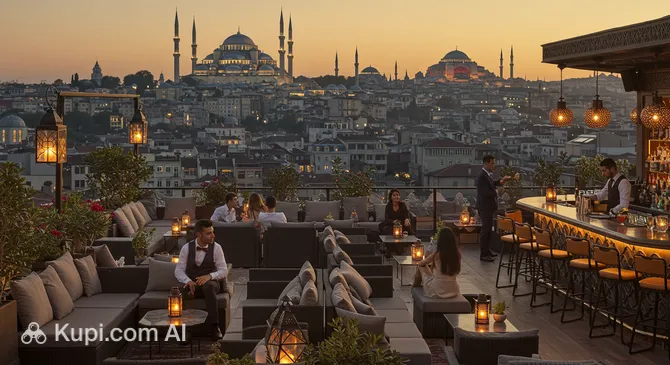
For those seeking a memorable evening with a view, rooftop venues are a staple of Istanbul's entertainment scene. Ritim Roof (Terrace) is a popular choice in Beyoğlu, offering a lively mix of DJ performances and stunning vistas of the city lights. If you prefer a high-energy dance atmosphere, Escape Club Istanbul is known for its pulsing beats and vibrant crowd, making it a great spot to dance the night away. For a more refined experience that combines gastronomy with evening drinks, GRACE Rooftop Restaurant provides an elegant setting to enjoy a cocktail while overlooking the historic peninsula.

Ritim Roof (Terrace). Source: Kupi.Binoculars

The nightlife culture in Istanbul starts late. Bars typically get busy around 10:00 PM, while nightclubs often don't fill up until well after midnight. In the upscale venues along the Bosphorus, particularly in the Ortaköy and Kuruçeşme areas, the dress code can be quite strict; smart casual or cocktail attire is expected, and reservations are highly recommended. Prices can vary significantly, with alcohol being relatively expensive due to taxes, especially in exclusive clubs.

Safety is generally not a major concern in the main entertainment districts, as they remain crowded and well-lit throughout the night. However, it is wise to stay in populated areas and avoid unlit backstreets in neighborhoods like Tarlabaşı. When heading home, use reputable taxi apps like BiTaksi or Uber to ensure a fair price and avoid common tourist scams. Public transport, including the metro and some bus lines, operates 24 hours on weekends, providing a convenient alternative.

While the nights are thrilling, the city also offers plenty of daytime entertainment. Families can enjoy a day of fun at KidZania Istanbul, an interactive city built for children, or seek thrills at Xtrem Aventures Istanbul. Culture enthusiasts can catch major sports events or concerts at the Sinan Erdem Dome, while shoppers can explore modern complexes like the Istinye Park Shopping Mall. For a more relaxed afternoon, the Guppy Center Aquarium offers a fascinating glimpse into marine life.

Parks & Museums

Parks & Museums:

While Istanbul is famous for its bustling bazaars and monumental mosques, it also offers serene green spaces and a diverse array of museums that go far beyond the standard tourist trail. Whether you are looking to escape the city noise among centuries-old trees or dive into the industrial and artistic heritage of the region, the city provides ample opportunity for exploration and relaxation.

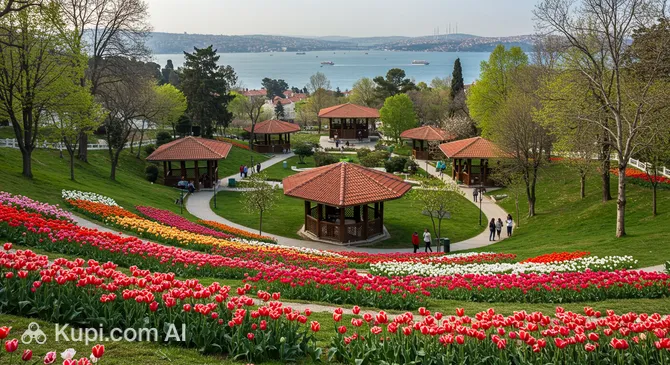
For a breath of fresh air right in the historic center, Gulhane Park is the perfect retreat. Once the private outer garden of the Topkapi Palace, it is now a public park filled with walnut and oak trees, offering cool shade and beautiful views of the Golden Horn. In the spring, the park becomes a riot of color during the annual Tulip Festival. Further away from the center, Emirgan Park is another favorite spot for locals, famous for its elaborate floral displays, jogging tracks, and historic pavilions where you can enjoy a traditional breakfast.

Emirgan Park. Source: Kupi.Binoculars
Emirgan Park

Nature enthusiasts seeking a more rugged experience should visit the Kemerburgaz Urban Forest. This expansive area offers hiking trails, adventure courses, and a chance to immerse yourself in nature without leaving the province. For those who prefer panoramic vistas, Çamlıca Hill on the Asian side provides one of the highest vantage points in the city, serving as a popular picnic spot with sweeping views of the Bosphorus and the European skyline.

Istanbul's museum scene is equally captivating. On the shores of the Golden Horn, the Rahmi M. Koç Museum is a fascinating industrial museum dedicated to the history of transport, industry, and communications. Housed in a former anchor foundry, it features everything from vintage cars and planes to a real submarine. Art and architecture lovers should not miss Salt Galata, located in the majestic former headquarters of the Ottoman Bank. It serves as a cultural institution with a library, gallery, and a museum detailing the financial history of the late Ottoman era.

Beylerbeyi Palace. Source: Kupi.Binoculars
Beylerbeyi Palace

For a glimpse into imperial life on the Asian shore, the Beylerbeyi Palace is an architectural gem. Built as a summer residence and guest house for visiting dignitaries, it impresses with its lavish interiors, featuring French clocks, Bohemian crystal chandeliers, and distinct maritime motifs that reflect the city's relationship with the sea.

Getting Around

Navigating Istanbul is an adventure in itself, as the city boasts a massive and diverse public transport network that spans two continents. The system is efficient and extensive, designed to help millions of residents and visitors move between the European and Asian sides daily. The backbone of the network consists of the modern Metro and Tram lines, which connect major tourist districts, shopping hubs, and residential areas. The T1 tram line is particularly useful for travelers, linking key sites like the Grand Bazaar, Sultanahmet, and the Galata Bridge.

One of the most remarkable engineering feats in the city is the Marmaray, an undersea rail tunnel that connects Europe and Asia in just minutes. For those who prefer a scenic route, the iconic ferries (Vapurs) are an absolute must. They offer a relaxing and affordable way to cross the Bosphorus, providing stunning views of the skyline that simply cannot be matched by road transport. Additionally, the Metrobus system operates on dedicated lanes, offering a rapid alternative to traverse the city's heavy traffic, although it can be extremely crowded during peak hours.

To use any public transport in the city, you will need an Istanbulkart. This reloadable smart card is valid on metros, trams, buses, ferries, and funiculars. You can purchase the card and top it up at yellow vending machines known as Biletmatik, found at most major stops and transport hubs. Recently, options to pay via QR code using the Istanbulkart mobile app or even contactless credit cards on certain lines have been introduced, but the physical card remains the most reliable and economical choice for tourists.

Fares are relatively low, and the system uses a pay-as-you-go model. It is important to remember to tap your card on the turnstiles when entering a station or boarding a bus. For the Marmaray and Metrobus lines, you must also tap your card upon exiting; these lines charge based on distance, and tapping out ensures you receive a refund for the unused portion of the maximum fare.

Public transport generally operates from 06:00 AM until midnight. However, Istanbul is a city that never fully sleeps; the Metrobus line runs 24 hours a day, and several key metro lines offer 24-hour service on weekends (Friday and Saturday nights). This makes it convenient for enjoying the city's nightlife without worrying about an expensive ride home.

If you prefer a more direct route, yellow taxis are abundant. It is highly recommended to use mobile apps like BiTaksi or Uber to hail a ride, as this ensures the meter is used and provides a route map to avoid misunderstandings. For short distances along the coast or in parks, the municipal bike-sharing system, Isbike, offers a fun and eco-friendly alternative.

Finally, transport here is not just about utility but also history. Be sure to ride the Tünel, the second-oldest subterranean urban rail line in the world, dating back to 1875. For a touch of nostalgia, the red Nostalgic Tram runs along Istiklal Avenue in Beyoğlu and a similar loop in Kadıköy, offering a charming, slow-paced journey through the heart of the city's cultural districts.
Accommodation

Accommodation in Istanbul caters to every taste and budget, reflecting the city's diverse character. Visitors can choose from charming boutique hotels housed in restored historic buildings, budget-friendly hostels ideal for backpackers, and opulent luxury resorts that line the waterfront. Whether you prefer the authentic atmosphere of an Ottoman-style guesthouse or the modern amenities of a high-rise international chain, the city provides a vast array of options to suit your needs.

For those who want to be in the heart of history, the Sultanahmet district is the most popular choice. Staying here places you within walking distance of major landmarks like the Hagia Sophia and the Blue Mosque, making it perfect for first-time visitors. Alternatively, the Beyoğlu and Taksim areas offer a more vibrant, modern energy with easy access to shopping, dining, and nightlife. If you are looking for a scenic retreat, the neighborhoods along the Bosphorus provide stunning views and a more relaxed, upscale pace.

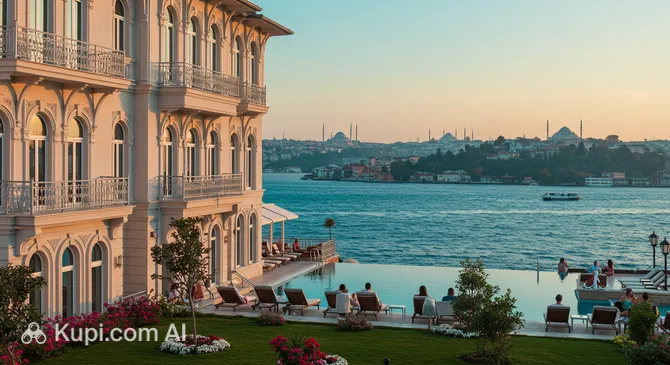
Travelers seeking a luxurious stay by the water might consider the Hotel Istanbul at the Bosphorus. Located right on the strait, it offers guests the chance to wake up to the sight of ferries crossing between continents. Another excellent option for a resort-style experience is the Bosphorus Resort, Istanbul, which combines comfort with exceptional Turkish hospitality, allowing visitors to unwind in style after a day of exploration.

Hotel Istanbul at the Bosphorus. Source: Kupi.Binoculars

Booking Tip: Istanbul is a year-round destination, but hotels in prime locations fill up quickly during the peak seasons of spring (April-May) and autumn (September-October). It is highly recommended to book your accommodation several months in advance to secure the best rates and views, especially if you plan to stay in the historic peninsula.

Prices vary significantly depending on the location and season. You can generally find comfortable budget options and mid-range hotels in the city center, while the exclusive palaces-turned-hotels along the Bosphorus command premium rates. Most accommodations can be easily booked through major online platforms, though contacting smaller boutique hotels directly can sometimes yield better offers or specific room requests.

Nearby Cities

For those looking to explore the surroundings, Istanbul serves as an excellent base for day trips to several interesting nearby locations:

One of the most popular escapes is a trip to the Princes' Islands (Adalar). Located just a short ferry ride away in the Sea of Marmara, these islands are famous for their car-free environment, charming Victorian-era wooden mansions, and relaxed atmosphere. Visitors can explore the streets by electric vehicle or bicycle, enjoying the fresh sea breeze and a pace of life that feels worlds away from the bustling city center.

For history and nature lovers, the city of Bursa offers a perfect mix of Ottoman heritage and natural beauty. Known as "Green Bursa" due to its many parks and the surrounding forests of Mount Uludağ, it was the first major capital of the Ottoman Empire. Travelers can visit the stunning Grand Mosque, explore the historic silk market, or take a cable car up the mountain for breathtaking views and winter sports.

On the Black Sea coast, the town of Şile is a favorite destination for those seeking rugged nature and sandy beaches. Famous for its historic lighthouse and traditional Şile cloth, this fishing town offers a scenic retreat with dramatic cliffs and hidden coves, making it an ideal spot for a summer swim or a peaceful nature walk in the cooler months.

City Population Distance (km)
Esenyurt 891120 27
Kucukcekmece 770317 17
Bagcilar 734369 14
Pendik 693599 28
Kartal 461155 22

These nearby destinations offer a glimpse into the diverse culture and landscapes of the region.

Shopping & Souvenirs

Shopping in Istanbul is a magnificent journey that bridges the gap between ancient tradition and modern luxury. The city offers a retail experience unlike any other, where you can haggle for centuries-old antiques in historic structures one moment and browse high-end international designer collections in futuristic complexes the next. Whether you are looking for authentic local crafts or the latest fashion trends, the city provides an endless array of options to satisfy every kind of shopper.

For those who enjoy the energy of street shopping, Istiklal Avenue in the Beyoğlu district is the beating heart of the city's retail scene. This pedestrian bustling street is lined with a mix of global brands, local boutiques, and historic passages. On the Asian side, Bagdat Avenue offers a more relaxed yet upscale experience, featuring wide sidewalks, luxury fashion houses, and chic cafes that stretch for kilometers along the coast.

If you prefer a modern shopping environment, the city boasts some of the most impressive malls in the region. Galataport Istanbul is a recent addition that has transformed the waterfront, offering a unique blend of shopping, dining, and culture with stunning views of the historical peninsula. Another top destination is Istinye Park Shopping Mall, known for its open-air section and glass-domed rotunda, housing some of the world's most exclusive luxury brands.

Grand Bazaar. Source: Kupi.Binoculars

However, the true soul of shopping here lies in its historic markets. The legendary Grand Bazaar is one of the oldest and largest covered markets in the world, a colorful labyrinth of over 60 streets and 4,000 shops. Here, you can find everything from hand-woven carpets to intricate jewelry. Just a short walk away is the aromatic Spice Bazaar, where mounds of colorful spices, dried fruits, and teas create a sensory feast.

When it comes to souvenirs, there are several quintessential items to bring back home. Turkish Delight (Lokum) and high-quality Turkish coffee are delicious edible gifts. For something more lasting, look for hand-painted Iznik ceramics, beautiful mosaic lamps, or the traditional evil eye (nazar) beads meant to ward off bad luck. High-quality textiles, such as cotton towels (peshtemal) and silk scarves, are also highly prized.

Store hours typically run from 10:00 AM to 10:00 PM for shopping malls and major street stores. Historic bazaars, however, operate differently; the Grand Bazaar is generally open from 08:30 AM to 07:00 PM and is closed on Sundays, so plan accordingly. While credit cards are widely accepted in malls and most shops, carrying cash (Turkish Lira) is essential for bargaining in the bazaars and for smaller purchases.

Tourists visiting Turkey can also take advantage of Tax-Free shopping. Look for the "Global Blue" or "Tax Free" signage in store windows. If you spend above a certain amount, you can request a refund form at the checkout, which can then be processed at the airport before your departure, allowing you to reclaim the value-added tax on your purchases.

Reached the end of the page?

That means the route is fully explored