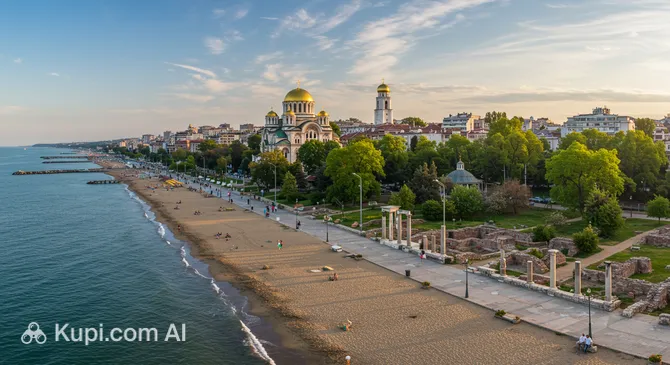
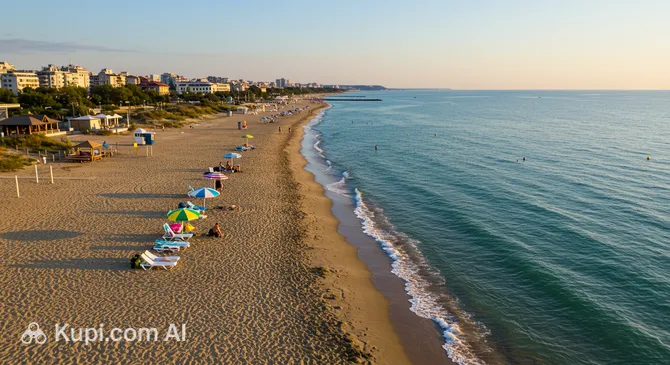
Varna is often referred to as the maritime capital of Bulgaria. This vibrant coastal city seamlessly combines the energetic atmosphere of a busy port with the relaxing vibe of a seaside resort. As the third-largest city in the country, with a population of approximately 350,000 people, it serves as a significant cultural and economic hub for the region.
Varna. Illustration.
Source: Kupi.com AI
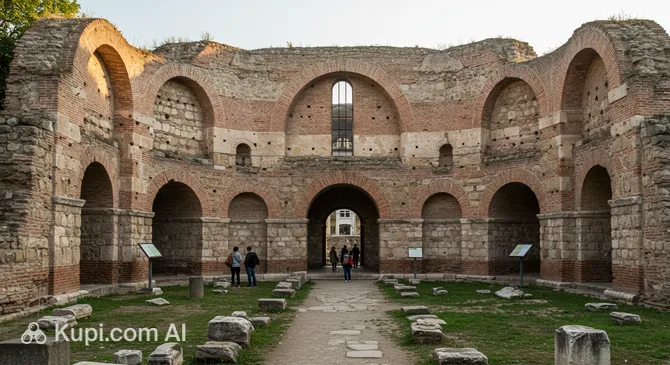
Located on the northern shores of the Black Sea, Varna enjoys a pleasant climate characterized by long, warm summers and mild autumns, making it a top destination for travelers. The city is not only about sandy beaches; it also possesses a deep and fascinating past. Those interested in the history of Varna will discover its roots as the ancient Greek colony of Odessos, a legacy that is still visible in its Roman baths and museums.
Among the city's highlights is the famous Sea Garden, an expansive landscaped park that stretches along the coast and provides a green sanctuary for leisurely strolls and recreation. Another iconic landmark is the Dormition of the Mother of God Cathedral, with its striking copper domes dominating the city center. Whether you are looking to explore the world's oldest gold treasure at the Archaeological Museum or simply want to enjoy the sea breeze, Varna offers a welcoming and memorable experience for every visitor.
Weather Overview
Varna enjoys a moderate climate typical of the Black Sea coast, characterized by distinct seasons that cater to various travel preferences. For a comprehensive forecast and monthly breakdowns to help you pack, you can consult the detailed guide to the weather in Varna. Generally, the city experiences warm, pleasant summers and cool winters, with the sea breeze often moderating the temperatures.
During the peak summer months of July and August, average temperatures hover around 23°C to 24°C, with daily highs frequently reaching 28°C, creating perfect conditions for beach holidays. However, June can be somewhat unpredictable, recording the highest frequency of precipitation with approximately 13 wet days. In contrast, winters are chilly but rarely severe; January and February see average temperatures between 3°C and 5°C, with lows occasionally dipping near freezing. Overall, travelers can expect warm summers with occasional rain and cool winters with moderate cloud cover.
Average monthly temperature
Average monthly precipitation
Interesting Facts
Beyond the main attractions, Varna holds many fascinating secrets that surprise even seasoned travelers. Here are some unique details about the city's heritage and geography that highlight its significance on the Balkan Peninsula.
Roman Thermae of Varna. Illustration.
Source: Kupi.com AI
Traveler photos:
The city is home to the oldest processed gold treasure in the world, dating back to 4600 BC. Discovered by accident in the 1970s, these priceless artifacts from the Copper Age are now displayed at the Varna Archaeological Museum, predating the civilizations of Sumer and Egypt.
The Roman Thermae of Varna are not merely local ruins; they are the fourth-largest preserved Roman baths in Europe and the largest in the Balkans, serving as a testament to the city's grandeur as the ancient metropolis of Odessos.
The beloved Sea Garden was designed by the acclaimed Czech landscape architect Anton Novak, who also worked on the Schönbrunn and Belvedere palaces in Vienna, bringing a distinct touch of Central European elegance to the Black Sea coast.
Spanning the canal that connects the Black Sea to Lake Varna, the Asparuhov Bridge is one of the largest structures of its kind in the region and serves as a popular venue for adrenaline seekers, offering the highest bungee jumping spot in Bulgaria.
How to Get There
Planning a trip to the Bulgarian coast is straightforward, as the city is well-connected by air and land. Whether you are arriving for a summer vacation or a cultural tour, you can find more about how to get to Varna and the most convenient routes for your journey below.
The most direct way to reach the city is via Varna Airport (VAR), which is situated just 7.6 km from the center. It welcomes flights from numerous international destinations, especially during the holiday season. A transfer by taxi or bus from the terminal to the city usually takes around 30 minutes. Another viable option is flying into Burgas Airport (BOJ) in the neighboring city of Burgas, located approximately 79 km away. The travel time from Burgas to Varna is about 2 hours and 20 minutes by road. For those connecting through major global hubs, Istanbul Airport (IST) in Istanbul is a significant entry point, though it is about 227 km away, requiring a longer transfer of roughly 6 hours.
For clarity, here is a summary of the main airports:
If you are considering rail travel from neighboring countries, you might route your journey through Bucharest North Station in the city of Bucharest. It is located about 202 km from Varna. While it is not in the city itself, it serves as a major regional hub. From there, you can continue your journey to Varna by bus or taxi, which typically takes around 5 hours and 20 minutes.
Below is a list of the closest railway stations listed for reference:
Station
Passenger traffic
Distance
Bucharest North Station
10 mln
202 km
Buzau Railway Station
—
231 km
Izmail Railway Station
—
249 km
Focșani Railway Station
—
283 km
Main Attractions
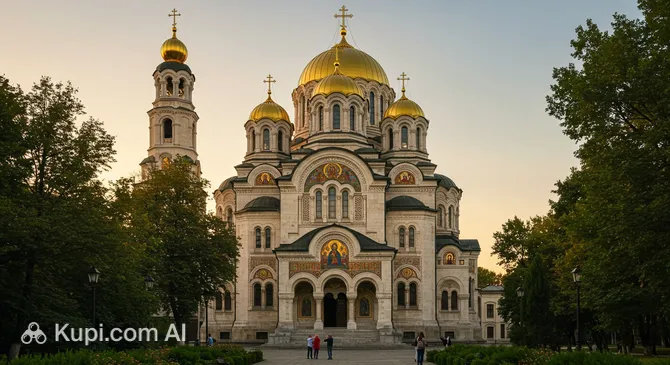
One of the most recognizable symbols of the city is the Dormition of the Mother of God Cathedral. Located in the city center, this majestic Orthodox temple is famous for its gleaming copper domes and intricate stained-glass windows. Visitors are often captivated by the vibrant murals inside and the impressive architecture, making it a must-visit for culture enthusiasts and spiritual seekers alike.
Dormition of the Mother of God Cathedral. Illustration.
Source: Kupi.com AI
Traveler photos:
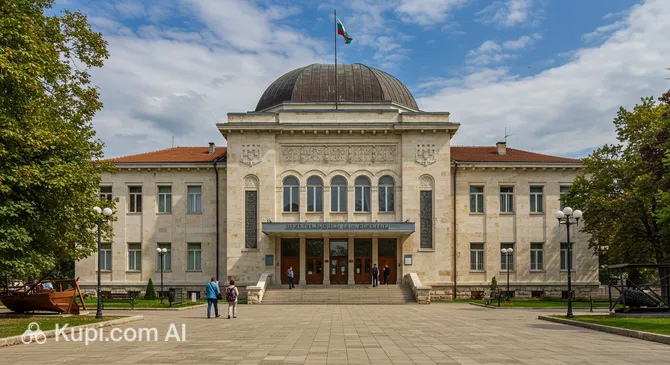
For those fascinated by the past, the Varna Archaeological Museum is an essential stop. Housed in a stunning Neo-Renaissance building, it offers much more than just the famous gold treasure. The museum displays a vast collection of ancient icons, Roman statues, and prehistoric tools that provide a comprehensive look into the sophisticated civilizations that once thrived in the region, ranging from the Paleolithic era to the late Middle Ages.
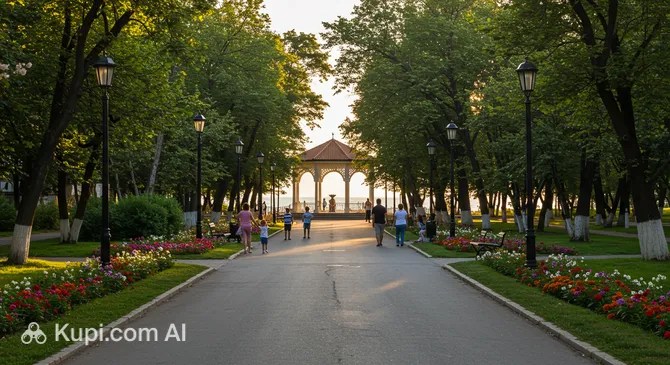
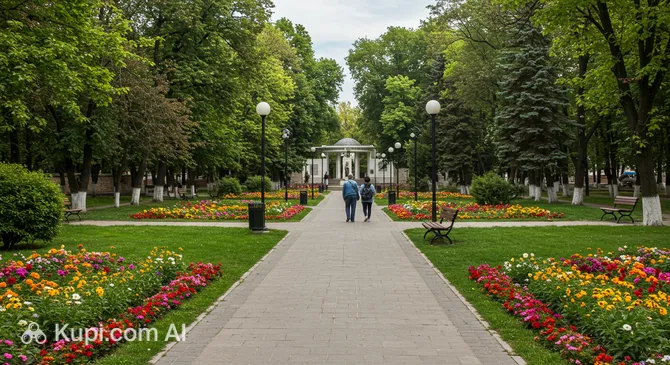
Nature lovers and families will find the Sea Garden to be the perfect escape from the urban bustle. This expansive seaside park stretches along the coast and features beautifully landscaped alleys, colorful flower beds, and shaded promenades. Inside the park, you can watch a show at the Dolphinarium Varna, the only one of its kind in the country, or visit the Varna Zoo, making it a versatile destination for relaxation and entertainment.
Sea Garden. Illustration.
Source: Kupi.com AI
Traveler photos:
A more unconventional but highly rated attraction is the Retro Museum, located within the Grand Mall. This museum takes visitors on a nostalgic journey back to the socialist era, featuring a meticulously restored collection of vintage cars like Trabants, Volgas, and Ladas. Alongside the automobiles, the museum showcases everyday items, wax figures of prominent historical personalities, and memorabilia from the period, providing a fascinating cultural insight for tourists.
Local Cuisine
The culinary scene in Varna is heavily influenced by its proximity to the Black Sea, offering a delightful mix of fresh seafood and traditional Bulgarian recipes. A trip to the city would not be complete without trying the local favorite, tsatsa (fried sprats). These small, crispy fish are typically served with a wedge of lemon and are best enjoyed as a casual beachside snack, often accompanied by a cold beer or a side of french fries topped with grated sirene cheese. Fresh mussels, often cultivated in nearby farms, are another highlight, usually steamed in white wine and herbs.
Beyond seafood, the city excels in classic national dishes that provide a refreshing respite from the summer heat. Tarator, a cold soup made from yogurt, cucumbers, garlic, dill, and walnuts, is a staple on almost every menu during the warmer months. For a hearty starter, the famous Shopska salad—a combination of tomatoes, cucumbers, peppers, and onions topped with a generous mound of white cheese—is a must-try experience that perfectly captures the fresh flavors of the region.
When it comes to beverages, locals take pride in their wine and spirits. The region is known for producing excellent white wines, particularly from the Dimyat grape variety, which pairs wonderfully with fish dishes. For something stronger, rakia (fruit brandy) is the traditional aperitif consumed at the start of a meal. If you prefer non-alcoholic options, ayryan, a savory yogurt drink mixed with water and a pinch of salt, is the standard accompaniment to most meals and street food.
Staria Chinar Port Varna. Illustration.
Source: Kupi.com AI
Traveler photos:
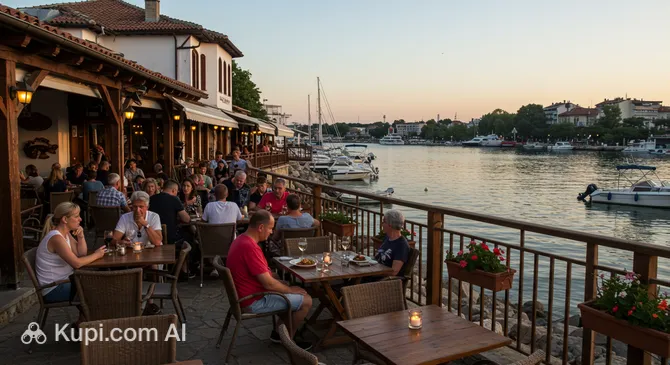
The dining culture in Varna ranges from casual street food stalls in the park to sophisticated establishments along the coast. The renovated port area has recently become a gastronomic hotspot, offering spectacular sea views alongside gourmet meals. A notable place to experience this atmosphere is Staria Chinar Port Varna, known for its modern take on traditional recipes and excellent game dishes. For those looking to unwind with a cocktail after dinner, the city center hosts vibrant spots like Habits Bar, where the local nightlife comes alive.
Travel Tips
Welcome to Varna! To ensure your visit to Bulgaria's maritime capital is as relaxing and hassle-free as possible, we have compiled a list of essential practicalities that will help you navigate the city with confidence. These tips cover everything from local customs to logistics, allowing you to focus on enjoying the sun and culture.
Clothing and Gear: If you are visiting in summer, light breathable fabrics, sunglasses, and high-SPF sunscreen are essential, as the sun can be quite strong. However, evenings by the sea can get breezy, so bringing a light jacket is wise. For winter visits, pack a windproof coat to handle the coastal gusts. When visiting religious sites like the Cathedral, remember to dress modestly; shoulders and knees should be covered. Comfortable walking shoes are highly recommended for exploring the Sea Garden and the pedestrian city center.
Transportation: The city center is very walkable, but for longer distances, the public bus and trolleybus network is reliable and affordable. You typically purchase tickets from a conductor on board or from vending machines at major stops; always have small change ready. Taxis are plentiful and yellow, but to avoid overcharging, it is best to order one by phone or use a reputable mobile app rather than hailing one off the street. Renting a car is generally not necessary unless you plan to explore the northern Black Sea coast.
Finances: The local currency is the Bulgarian Lev (BGN). While credit and debit cards are widely accepted in supermarkets, hotels, and larger restaurants, carrying cash is necessary for small souvenir shops, bus tickets, and local markets. ATMs are easy to find throughout the city. When exchanging money, avoid street booths with "no commission" signs that may offer poor rates; stick to banks or reputable exchange offices. Tipping around 10% in restaurants is customary if you are happy with the service.
Health and Safety: Varna is generally a safe city for tourists, but standard precautions against pickpocketing should be taken in crowded areas like the bus station or markets. Pharmacies (marked as Apteka) are common, and many in the center are open late or 24/7. The universal emergency number is 112. While tap water is technically safe, it often has a strong mineral taste, so most tourists prefer buying affordable bottled water.
Communication: The official language is Bulgarian, which uses the Cyrillic alphabet. In tourist areas, restaurants, and hotels, English is widely spoken, especially by the younger generation. However, learning a few basic phrases like "Zdravei" (Hello) and "Blagodarya" (Thank you) goes a long way. Free Wi-Fi is available in many public spaces, cafes, and the Sea Garden. If you need constant connectivity, buying a local prepaid SIM card from a mobile provider shop is quick and requires only your passport.
Local Etiquette: One unique Bulgarian trait that often confuses visitors is non-verbal communication: a nod typically means "No", while shaking the head side-to-side means "Yes". Keep this in mind to avoid misunderstandings! Bulgarians are generally hospitable and direct. Handshakes are the standard greeting. In public, it is polite to give up your seat on the bus to elderly people or pregnant women.
What to Avoid: Do not exchange currency with individuals on the street, as this is almost certainly a scam. Also, avoid leaving your belongings unattended on the beach while swimming. Be careful when crossing streets; while drivers generally stop at pedestrian crossings, it is always safer to make eye contact before stepping out.
Local Insight: Varna is famous for its mineral springs. You will find public fountains in the city, such as the one near the Roman Baths or along the promenade, where hot mineral water flows freely. Locals often fill up bottles here for home use, and you can try it too—it is warm and rich in sulfur, believed to have healing properties.
Armed with these practical tips, you are all set to explore the ancient history and modern charm of Varna. Whether you are navigating the local markets or deciphering the unique head gestures, embracing these local nuances will surely enrich your travel experience on the Black Sea coast.
Entertainment & Nightlife
Varna transforms after sunset, offering a vibrant nightlife scene that rivals its daytime beach appeal. The city is famous for its energetic evening atmosphere, particularly during the summer months when the entertainment moves outdoors. The epicenter of the action is the Coastal Alley (Kraybrezhna Aleya), a long promenade lined with bars, clubs, and restaurants right next to the sea. Here, you can sip cocktails with your feet in the sand or dance until sunrise with the sound of waves in the background. Another popular area is the city center around Sebastopol and the pedestrian zone, which hosts more relaxed bars and pubs perfect for starting the night.
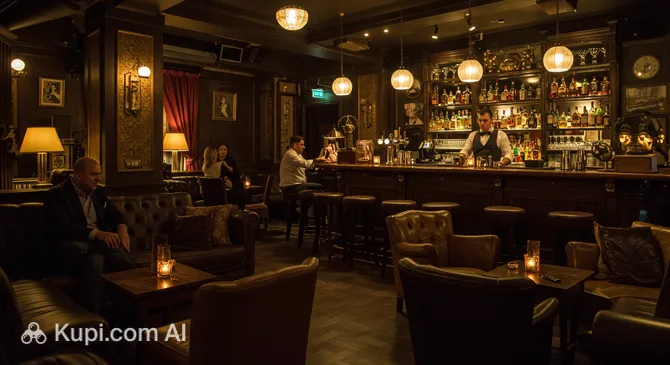
For those seeking a sophisticated start to the evening, Kultura Speakeasy Bar is a hidden gem in the central district. Known for its intimate atmosphere and expert mixologists, it offers a creative cocktail menu that attracts a trendy local crowd. If you are in the mood for live music or a retro vibe, the Retro Club is a legendary spot where hits from past decades keep the dance floor busy. The dress code in Varna is generally "smart casual" for city clubs, while beach venues are more relaxed, though swimwear is typically reserved for the daytime.
Kultura Speakeasy Bar. Illustration.
Source: Kupi.com AI
Traveler photos:
Visitors looking for a different kind of excitement might visit the Black Sea Casino, located near the entrance of the Sea Garden. It offers a mix of gaming and entertainment events in an elegant setting. Most nightlife venues in Varna stay open late, with clubs often filling up after midnight and closing only when the sun comes up. Prices are generally affordable compared to Western Europe; a cocktail typically costs between 10 to 15 BGN, and entry fees for clubs are modest or sometimes free on weekdays.
Safety is rarely an issue in Varna, and the main nightlife districts are well-populated and lit. However, it is always wise to keep an eye on your belongings in crowded places. When heading back to your accommodation, avoid hailing random taxis from the street. Instead, use reputable taxi apps or ask the venue staff to call a cab for you to ensure a fair rate. Walking in the city center at night is generally safe, but sticking to main streets is recommended.
While the nights are electric, Varna also offers plenty of daytime entertainment. Families and thrill-seekers can enjoy the Varna Seaside Amusement Park, situated in the Sea Garden. It features various rides and attractions suitable for all ages. Additionally, the city boasts a rich cultural calendar with performances at the Varna Opera and various open-air theaters that host concerts and festivals throughout the summer season.
Parks & Museums
Varna is a city where lush greenery and rich cultural heritage are inextricably linked, offering visitors a delightful mix of outdoor relaxation and intellectual exploration. Beyond its famous beaches, the city prides itself on well-maintained parks and a diverse array of museums that chronicle everything from maritime battles to fine art.
While the Sea Garden is undoubtedly the city's most famous green space, those seeking a blend of history and nature should visit the Vladislav Varnenchik Park-Museum. Located on the site of the 1444 Battle of Varna, this expansive park is not only a memorial complex featuring a mausoleum and museum but also a peaceful wooded area perfect for a quiet walk. It serves as a tribute to the Polish-Hungarian King Wladyslaw III Jagietto and offers a unique insight into medieval European history amidst a serene natural setting.
Vladislav Varnenchik Park-Museum. Illustration.
Source: Kupi.com AI
Traveler photos:
For a more rugged natural experience, a trip to Cape Galata is highly recommended. Situated at the southern end of the Varna Bay, this area is known for its dramatic rocky cliffs and panoramic views of the sea and the city skyline. It is an excellent spot for photographers and nature lovers who want to escape the urban environment and enjoy the raw beauty of the Black Sea coast. The area is also home to the Varna Lighthouse, which guides ships into the port.
Varna's connection to the sea is best explored at the Naval Museum. Located near the southern end of the Sea Garden, this institution houses a fascinating collection of uniforms, ship models, and maritime artifacts. The outdoor exposition is particularly impressive, featuring the famous "Drazki" torpedo boat, which played a crucial role in the Balkan Wars, as well as helicopters and naval guns that attract visitors of all ages.
Naval Museum. Illustration.
Source: Kupi.com AI
Traveler photos:
Art enthusiasts will find a haven at the Boris Georgiev City Art Gallery. Housed in a magnificent building that once served as a high school for boys, the gallery displays a significant collection of Bulgarian art from the early 20th century to the present day. The architecture of the building itself is a masterpiece, adding to the aesthetic experience of viewing the paintings and sculptures within.
Walking through the city center, you will encounter several significant landmarks. The Sevastopol Monument is a well-known meeting point for locals, marking the beginning of the pedestrian zone leading to the Sea Garden. Nearby, you can admire the Varna Clock Tower, a historic structure from the 19th century that stands as a symbol of the city's evolution and resilience.
For a truly authentic experience, take a stroll along the Wall of Heroes. This monument pays homage to those who perished in the fight against fascism and is located in a quiet part of the city, often overlooked by the main tourist crowds. It offers a moment of reflection and a deeper understanding of the local respect for history.
Getting Around
Navigating Varna is relatively straightforward, as the city offers a well-developed public transport network that connects the central areas with residential neighborhoods, the airport, and nearby beach resorts. The system relies primarily on buses and trolleybuses. Unlike some larger European capitals, Varna does not have a metro or tram system, but the bus fleet is modern, air-conditioned, and sufficient for the needs of most tourists.
For visitors, the most important bus route is arguably Line 409. This route acts as a vital artery, connecting Varna Airport to the city center, the large shopping malls, and continuing all the way to the popular Golden Sands resort. Operating frequently throughout the day, it provides a budget-friendly and convenient way to travel between the key points of interest without needing a private transfer.
The payment system has been modernized in recent years to make travel easier. Tickets are typically time-based (e.g., 60 minutes, 90 minutes, or all-day passes), allowing you to change vehicles within the validity period without purchasing a new ticket. You can purchase tickets using the official mobile app, TicketVarna, which is convenient for tech-savvy travelers. Alternatively, you can buy paper tickets from vending machines located at major bus stops or inside the vehicles. If buying on board, be prepared to use coins or a contactless bank card at the ticket machine.
Operating hours for public transport generally run from around 05:00 to 23:00. It is important to validate your physical ticket immediately upon boarding if it was not already activated at the point of purchase. Ticket inspectors check passengers frequently, and fines for traveling without a valid ticket can be issued on the spot. Always keep your ticket or active mobile QR code handy until you disembark.
If you prefer more direct transportation, taxis are a popular alternative. Licensed taxis in Varna are painted bright yellow. While you can hail them on the street, it is safer and often cheaper to order one via a mobile app or by phone to ensure you get a fair metered rate. Avoid drivers who approach you directly at tourist hotspots or the airport without a booking, as they may charge inflated prices. For short distances within the historical center and the Sea Garden, walking is the most pleasant option, as many attractions are clustered close together.
For those looking to explore the coastline at their own pace, renting a car is a viable option, though parking in the city center can be challenging due to the "Blue Zone" paid parking scheme. Cycling is also gaining popularity, with designated lanes appearing in parts of the city and the park, making bike rentals a fun way to see the seaside promenade on a sunny day.
Accommodation
Finding the perfect place to stay in Varna is relatively easy, as the city offers a diverse range of accommodation options to suit every preference and budget. Whether you are looking for a luxurious seaside resort, a comfortable mid-range hotel, or a budget-friendly hostel, the maritime capital has it all. In recent years, private apartments and guest houses have also become increasingly popular, offering a "home away from home" experience for families and long-term visitors.
For those who prioritize culture and history, the City Center is the most convenient area. Staying here places you within walking distance of the main pedestrian zone, the opera house, and the archaeological sites. The historic Greek Neighborhood (Grucka Mahala) is particularly charming, characterized by its quiet, leafy streets and proximity to the Roman Thermae. This area is ideal for travelers who want to be close to both the urban buzz and the port.
Varna Beach. Illustration.
Source: Kupi.com AI
Traveler photos:
If your primary goal is a beach holiday, look for accommodation near the Sea Garden or directly along the coast. This location offers easy access to the sandy shores of Varna Beach and the vibrant promenade lined with restaurants and clubs. For a quieter experience, the northern suburbs offer a more relaxed atmosphere while still being connected to the center by public transport.
Prices in Varna are generally affordable compared to Western European destinations. Budget travelers can find hostels or simple guest rooms for approximately 30 to 60 BGN per night. Mid-range hotels typically charge between 80 and 150 BGN, while luxury establishments and boutique hotels can range from 200 BGN upwards. Booking Tip: July and August are the peak tourist months. To secure the best rates and availability, especially for sea-view rooms, it is highly recommended to book your accommodation at least a month or two in advance using major online booking platforms.
Nearby Cities
For those looking to explore the surroundings, Varna serves as an excellent base for day trips to several interesting nearby locations:
City
Population
Distance
Devnya
8 915
29 km
Balchik
12 429
31 km
Provadia
12 556
39 km
Dobrich
90 419
40 km
Kavarna
15 834
42 km
One of the most culturally rich destinations for a day trip is Shumen. Located about an hour's drive inland, this city is steeped in history and is famous for the colossal Founders of the Bulgarian State monument, which dominates the skyline from the Shumen Plateau. Visitors can also explore the ancient Shumen Fortress, an archaeological site that offers panoramic views of the region and a glimpse into the area's medieval past.
If you prefer to stay along the coast, a visit to Burgas is highly recommended. As the second-largest city on the Bulgarian Black Sea coast, it offers a slightly different atmosphere with its own expansive Sea Garden, vibrant festivals, and the nearby healing mud baths of Atanasovsko Lake. It is a dynamic port city that combines modern urban life with relaxed seaside leisure.
Closer to Varna lies Dobrich, the heart of the Dobrudzha region. It is a quieter destination known for the "Old Dobrich" architectural-ethnographic complex, an open-air museum where traditional crafts are preserved and demonstrated. This charming spot allows travelers to step back in time and experience the authentic folklore and artisan traditions of northeastern Bulgaria.
These nearby destinations offer a glimpse into the diverse culture and landscapes of the region.
Shopping & Souvenirs
Shopping in Varna offers a delightful mix of modern convenience and traditional charm, making it an enjoyable activity for any visitor. The city caters to diverse tastes, ranging from high-end international fashion brands to unique local handicrafts. Whether you are looking to update your wardrobe with the latest trends or hunting for authentic Bulgarian keepsakes, the maritime capital provides plenty of options to explore amidst its relaxed coastal atmosphere.
The heart of the city's retail scene is undoubtedly the pedestrianized Knyaz Boris I Boulevard. This bustling promenade stretches through the city center towards the Sea Garden and is lined with a variety of boutiques, shoe stores, and souvenir shops. Walking along this vibrant street allows you to combine window shopping with coffee breaks at the numerous open-air cafes. It is the perfect place to find casual beachwear, jewelry, and leather goods while soaking in the lively urban vibe.
For a more comprehensive shopping experience under one roof, visitors often head to the city's modern shopping centers. Delta Planet Mall is one of the newest and largest complexes in Varna, featuring a vast array of international clothing chains, a cinema, and a food court. It is a popular destination for families and fashion enthusiasts alike. Another notable venue is the Palace of Culture and Sports, which, while primarily an event center, frequently hosts trade fairs and commercial exhibitions where you can find unique goods ranging from textiles to electronics.
Delta Planet Mall. Illustration.
Source: Kupi.com AI
Traveler photos:
To experience the local flavor, a visit to the city's markets is essential. The Kolhozen Pazar (Central Market) is the largest and most colorful market in Varna. Here, locals buy fresh seasonal fruits, vegetables, and regional delicacies like honey and nuts. It is a sensory experience filled with the aroma of fresh produce and the sound of lively bargaining. For a more curated selection of flowers and small gifts, the Chataldzha Market is another favorite spot among residents.
When it comes to souvenirs, Bulgaria is world-famous for its rose oil products. In Varna, you can find high-quality rose water, perfumes, and cosmetics that make for excellent gifts. Traditional ceramic pottery, painted with colorful "Troyan" patterns, is another popular choice. Additionally, you might consider buying a bottle of high-quality Bulgarian wine or rakia, or perhaps some locally produced jams and herbal teas to bring a taste of the country home with you.
Most large shopping malls and supermarkets in Varna are open daily, typically from 10:00 AM to 10:00 PM. Smaller boutiques and street shops usually operate from 10:00 AM to 7:00 PM and may close earlier on Sundays or take a lunch break. Credit and debit cards are widely accepted in malls and larger stores, but it is advisable to carry cash (Bulgarian Lev) when visiting open-air markets or purchasing small souvenirs from street vendors.
Tourists from outside the European Union may be eligible for tax-free shopping. Look for the "Tax Free" signage in store windows. If you spend above a certain threshold in a single receipt, you can ask for a VAT refund form, which needs to be stamped by customs upon leaving the country. It is a great way to save money on more significant purchases during your trip.