Support

Burgas

About

Welcome to Burgas, a vibrant and dynamic city located on the western coast of the Black Sea. As the fourth-largest city in Bulgaria, it serves as a crucial economic, cultural, and tourist hub for the region. Unlike typical resort towns, Burgas offers a lively urban atmosphere combined with the relaxing charm of a seaside destination, making it an appealing choice for travelers seeking both entertainment and tranquility.

Geographically, the city is uniquely situated between the sea and three large lakes—Atanasovsko, Burgas, and Mandrensko—which are protected nature reserves teeming with birdlife. With a population of approximately 210,000 residents, the city maintains a cosmopolitan feel while remaining accessible and friendly. The climate is generally mild, characterized by warm summers and fresh sea breezes that make exploring the outdoors a pleasure.
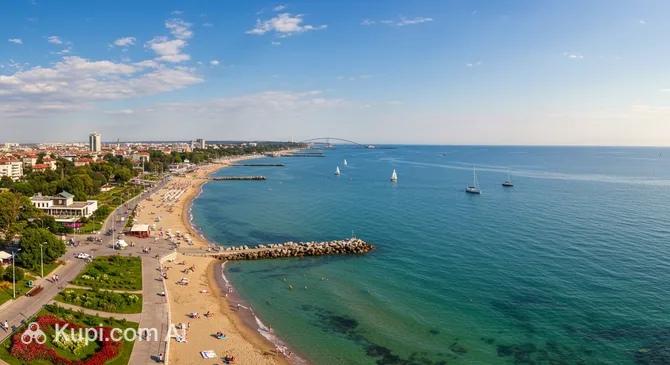
Burgas. Source: Kupi.Binoculars

While it is a modern port city today, the history of Burgas is deeply rooted in the past, evolving from ancient settlements into a significant maritime center. Visitors can sense this heritage in the local museums and the architecture of the city center, which blends various styles and eras.

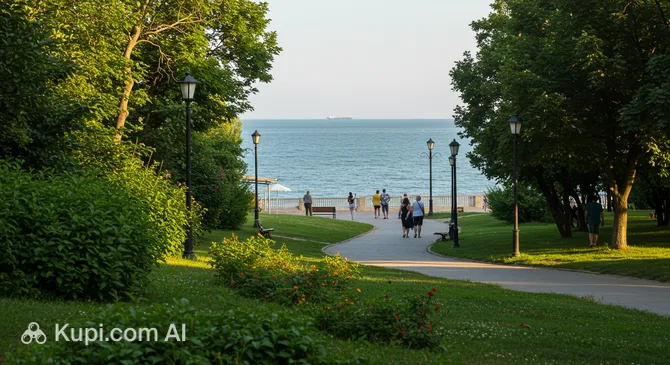
One of the city's most beloved features is the Sea Garden, a massive park that stretches along the coast, offering lush greenery, sculptures, and stunning views of the sea. It is the perfect place for a leisurely stroll leading to the iconic Burgas Pier, which extends into the blue waters and is a favorite spot for sunset watchers. Additionally, the city is famous for its summer festivals, including the Spirit of Burgas, which attracts music lovers from all over Europe.

Whether you are interested in birdwatching at the surrounding lakes, relaxing on the broad sandy beaches, or enjoying the vibrant nightlife, Burgas has something for everyone. We invite you to discover the warmth and hospitality of this coastal gem on your next journey.
Weather Overview

The city enjoys a humid subtropical climate with significant maritime influences, ensuring that extreme temperatures are rare. For travelers planning their itinerary, checking the specific weather in Burgas is recommended to pack appropriately for the season.

Summers are typically warm and sunny, making them ideal for seaside vacations. The peak season falls in July and August, when average temperatures range from 23.7°C to 24.3°C, with daily highs often reaching 29°C. August is notably the driest month, featuring only about 4 wet days, whereas June can be slightly more unpredictable with around 13 wet days and frequent refreshing showers.

Winters are generally cool, with January being the coldest month, seeing average temperatures of roughly 4.3°C and lows dipping near 0.8°C. The transition seasons of spring and autumn are mild and pleasant; September retains much of the summer's warmth with an average of 20.2°C, while May offers comfortable temperatures around 16.1°C. Overall, visitors can expect warm summers with occasional rain and cold, relatively damp winters.

Interesting Facts

Beyond the main attractions, Burgas holds many fascinating secrets that reveal its unique character and history. From natural phenomena to local legends, the city offers curious details that often escape the casual observer.
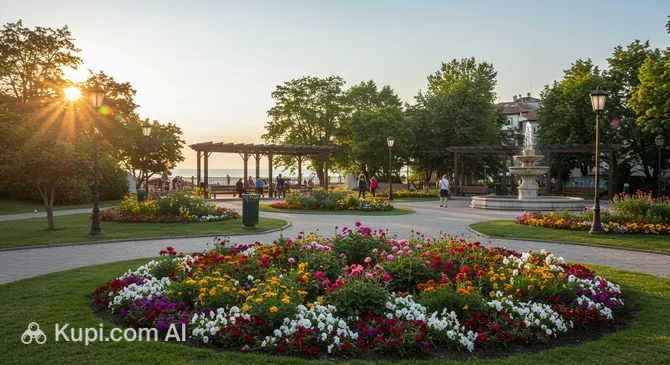
Sea Garden. Source: Kupi.Binoculars
  • The Pink Spa: Just north of the city lies Atanasovsko Lake, which frequently turns a vivid pink color due to microscopic brine shrimp and algae. Locals and visitors flock here not just for the surreal view, but to float in the salt lye pools and apply healing black mud in a natural, open-air spa.

  • A Garden of Exotics: The beloved Sea Garden is a masterpiece of landscape art, but few know its ambitious origins. It was designed by the passionate gardener Georgi Duhtev, who transformed a bare, windy hill into a lush park by importing hundreds of exotic plant species from various continents.

  • The Bird Highway: Burgas is situated directly on the Via Pontica, one of the most important bird migration routes in Europe. During migration seasons, the skies above the urban landscape are filled with thousands of storks, pelicans, and eagles traveling between Europe and Africa, making it a prime spot for ornithologists.

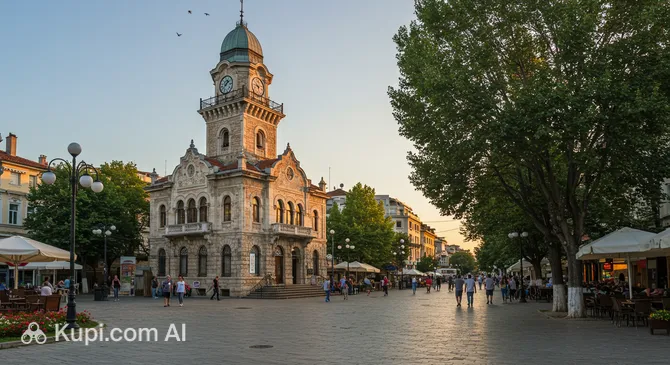
  • The Historic Meeting Point: For decades, The Clock has served as the ultimate rendezvous spot for residents. Located at a key intersection, this landmark is so ingrained in local culture that simply saying "at the Clock" is enough for anyone to know exactly where to meet, regardless of generation.

  • The "Bulgarian Alcatraz": Just off the coast lies Saint Anastasia Island, the only inhabited island in the Bulgarian Black Sea. Before becoming a tourist site with a museum and guesthouse, it served a fascinating variety of roles, including a medieval monastery and a high-security island prison.

How to Get There

Reaching this coastal city is straightforward, with several transport options available depending on your starting point. Whether you prefer flying directly to the seaside or traveling overland, you can find more about how to get to Burgas and choose the best route for your trip.

The most convenient entry point is Burgas Airport (IATA: BOJ), which is located directly in the city, just 8.4 km from the center. It is a popular international airport, especially during the summer season, serving millions of tourists. The journey to the city center is very short, taking approximately 33 minutes by taxi or bus.

Another viable option is Varna Airport (IATA: VAR), situated in the city of Varna. It is not in Burgas itself but is located about 86 km away. This international airport serves as a good alternative, with a transfer time of around 2 hours and 30 minutes by road.

For extensive international connections, travelers often use Istanbul Airport (IATA: IST). Located in Istanbul, this major global hub is approximately 174 km from Burgas. While it requires crossing a border and a longer transfer, the travel time by car or bus is roughly 4 hours and 40 minutes.

For clarity, here is a summary of the main airports:

Airport Name City Passenger Traffic Km from City
Istanbul Airport Istanbul High 174.1
Burgas Airport Burgas Medium 8.4
Varna Airport Varna Medium 86.1
Demokritos Airport Alexandroupoli Low 222.0
Çorlu Tekirdag Low 156.4

If you are considering arriving by train from neighboring countries, you might pass through Bucharest North Station. It is important to note that this station is not in Burgas but in Bucharest, Romania, which is about 243 km away. From this major railway hub, you can continue your journey to the Bulgarian coast by bus or taxi, which takes approximately 6 hours and 25 minutes.

Below is a summary of the nearest major railway stations listed:

Station City Passenger Traffic Km to Center
Bucharest North Station Bucharest High 243.3
Buzau Railway Station Buzau 297.5

Main Attractions

Burgas offers a delightful mix of natural beauty, historical depth, and modern entertainment. While the city is famous for its expansive seaside park, the specific landmarks within and around it define the local experience. From romantic walks over the water to diving into the region's ancient past, here are some of the top places to visit.

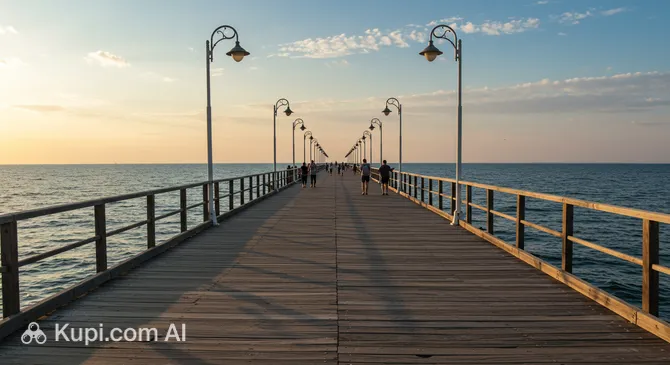
One of the most recognizable symbols of the city is the Burgas Pier. Stretching approximately 300 meters into the Black Sea, this structure is a favorite spot for both locals and tourists to take a relaxing stroll, enjoying the fresh sea breeze and panoramic views of the coastline. It is particularly enchanting in the evening when the lights reflect off the water, making it a perfect location for romantic walks or watching the sunset.

Burgas Pier. Source: Kupi.Binoculars

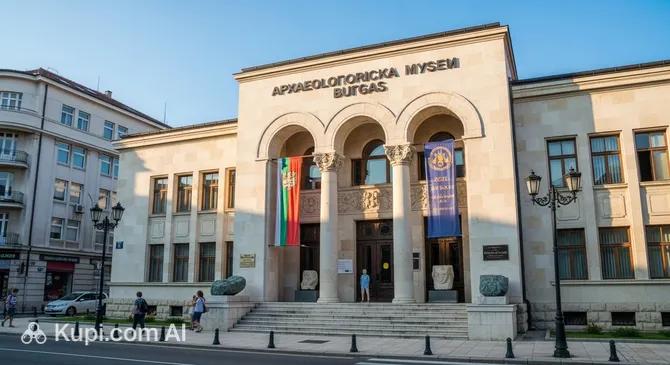
For those interested in history and culture, the Archaeological Museum Burgas is a must-visit destination. Housed in a charming historic building, the museum showcases a rich collection of artifacts from the ancient Thracian, Greek, and Roman periods. Visitors can explore displays of ancient pottery, jewelry, and tools that tell the story of the civilizations that once thrived along this coast, offering a fascinating educational break from the beach.

Archaeological Museum Burgas. Source: Kupi.Binoculars

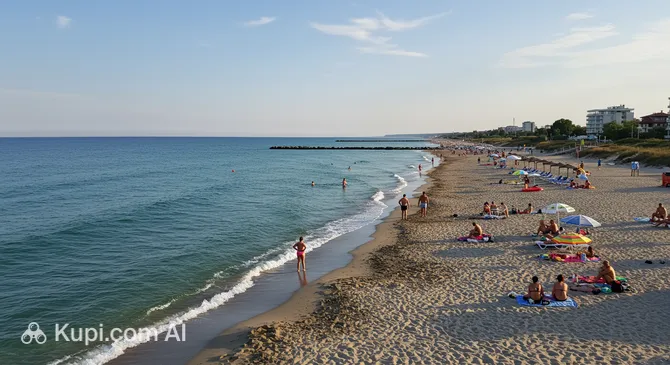
Right next to the city center lies the popular Burgas Beach. Unique for its dark, magnetite-rich sand, which is believed to have healing properties, this wide stretch of coastline is the heart of summer life in the city. It is well-maintained and equipped with umbrellas and sunbeds, offering a convenient escape for sunbathing and swimming without leaving the urban area.

Burgas Beach. Source: Kupi.Binoculars

Families traveling with children will find plenty of excitement at Luna Park. Located within the lush greenery of the Sea Garden, this amusement park features a variety of rides, bumper cars, and games suitable for different ages. It provides a lively atmosphere and a fun-filled afternoon for kids, serving as a cheerful contrast to the more tranquil parts of the park.

Local Cuisine

The culinary scene in Burgas is deeply influenced by its location on the Black Sea coast, offering a delightful mix of fresh seafood and traditional Bulgarian flavors. A visit to the city would not be complete without trying the local staple: crispy fried sprats, known as tsatsa, typically served with a squeeze of lemon and a cold beer. In the summer months, restaurants also feature fresh mussels, often harvested from nearby farms and prepared in savory sauces with garlic and dill.

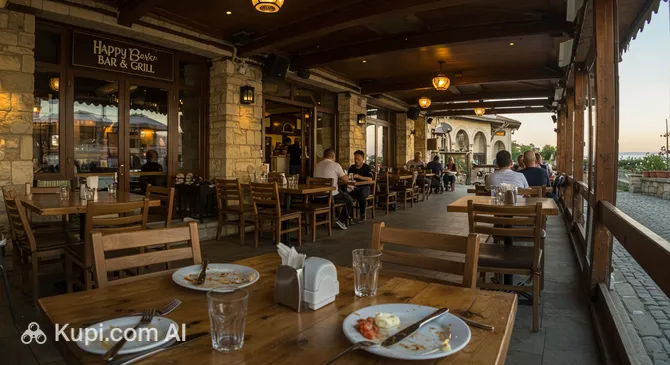
For a reliable dining experience that combines local favorites with international dishes, travelers often visit Happy Bar & Grill. This popular establishment is known for its extensive menu and casual atmosphere, making it a convenient stop for families and groups looking for a hearty meal in the city center.

Happy Bar & Grill. Source: Kupi.Binoculars

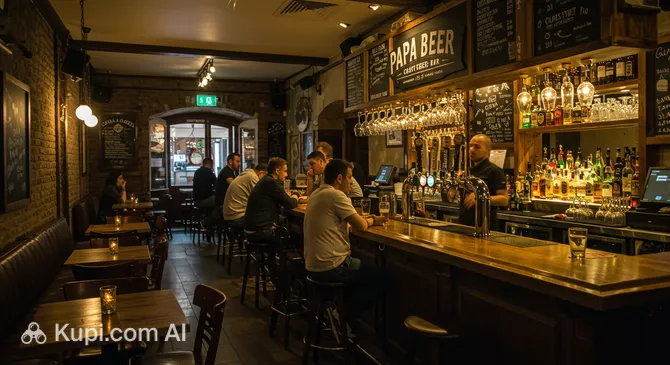
Those seeking a more distinct setting might enjoy Diverso, a restaurant praised for its stylish interior and diverse culinary offerings. The city also boasts a vibrant bar culture. Beer enthusiasts should head to Papa Beer Craft Beer Bar, which specializes in a wide selection of craft brews from Bulgaria and beyond, providing a perfect spot to relax after a day of sightseeing.

Papa Beer Craft Beer Bar. Source: Kupi.Binoculars

If you prefer enjoying a drink with a view of the sea, Baywatch Bar offers a relaxed beachside ambiance. Whether you are craving fresh fish at a seaside tavern or a modern cocktail in the city center, Burgas provides plenty of options to satisfy your appetite.

Travel Tips

To ensure your visit to Burgas is as smooth and enjoyable as possible, we have gathered some essential advice covering everything from packing needs to local customs. These practical tips will help you navigate the city with confidence and make the most of your seaside adventure.

  1. Clothing and Gear: Summers in Burgas are hot and sunny, so pack light, breathable clothing, sunglasses, and a hat. If you are visiting in autumn or winter, bring a windproof jacket and layers to protect against the damp sea breeze. Comfortable walking shoes are a must, as you will likely spend hours exploring the extensive Sea Garden. While the dress code is generally casual, remember to cover your shoulders and knees if you plan to enter Orthodox churches.
  2. Transportation: The city center is compact and pedestrian-friendly, making walking the best way to get around. For longer distances, the public bus network is modern and reliable; you can usually buy tickets directly from a conductor on board. Taxis are affordable and widely available, but always check that the meter is running to avoid overcharging. A rental car is not necessary for the city itself but is useful if you plan to explore the southern Black Sea coast.
  3. Finances: The official currency is the Bulgarian Lev (BGN). While credit cards are accepted in most hotels, supermarkets, and larger restaurants, you will definitely need cash for small souvenir shops, beach bars, and bus tickets. ATMs are plentiful throughout the city. Tipping is appreciated; leaving about 10% of the bill in restaurants is standard practice for good service.
  4. Health and Safety: Burgas is a safe destination for tourists, but standard precautions against pickpocketing in crowded areas apply. Pharmacies, marked as Apteka, are easy to find, and several operate 24/7 in the city center. The universal emergency number is 112. If you visit in summer, stay hydrated and use high-SPF sunscreen, as the sun can be quite strong near the water.
  5. Communication: The official language is Bulgarian, which uses the Cyrillic alphabet. In tourist areas and among younger people, English is widely spoken and understood. However, learning a few local phrases like Dobar den (Good day) and Blagodarya (Thank you) goes a long way. Free Wi-Fi is available in many public zones, including the Sea Garden, and prepaid SIM cards are easily purchasable at mobile shops with a passport.
  6. Local Etiquette: Bulgarians are known for their hospitality. A handshake is the standard greeting. One unique cultural trait to be aware of is body language: traditionally, shaking the head side-to-side can mean "yes," while a vertical nod can mean "no." This can be confusing, so it is often best to rely on verbal confirmation (da for yes, ne for no) to avoid misunderstandings.
  7. What to Avoid: Never exchange currency with individuals on the street, as this is a common scam; always use official banks or licensed exchange bureaus. Additionally, be very careful not to walk in the marked bicycle lanes in the Sea Garden. Locals take cycling seriously, and obstructing these paths can lead to accidents or frustration.
  8. Local Insight: If you plan to visit the open-air mud and lye pools at Atanasovsko Lake, bring an old swimsuit and a towel you do not mind ruining. The healing black mud is excellent for the skin, but it is very difficult to wash out of light-colored fabrics and can damage the elasticity of expensive swimwear.

With these practical tips in hand, you are fully prepared to relax and immerse yourself in the vibrant atmosphere of Burgas. Whether you are floating in the salt pools or enjoying a sunset stroll along the pier, a little preparation ensures a hassle-free and memorable holiday.

Entertainment & Nightlife

While Burgas is often recognized for its relaxed seaside ambiance during the day, the city transforms as the sun sets, offering a vibrant and diverse nightlife scene. Unlike the overwhelming crowds of nearby party resorts, the evening entertainment here is more sophisticated and urban, catering to a mix of locals and tourists who appreciate good music, signature cocktails, and a friendly atmosphere. The nightlife is heavily seasonal, peaking in the summer months when the beach bars are in full swing, though the city center remains active year-round.

The epicenter of evening activity is undoubtedly the area around Aleko Bogoridi Street and the Sea Garden coast. In the summer, the beachfront comes alive with a string of open-air bars and clubs where you can dance on the sand or enjoy a drink with the sound of waves in the background. For a lively night out, Hashtag Studio – The Culture Club is a popular choice. Known for its eclectic events, from DJ sets to live performances, it attracts a trendy crowd looking for a memorable experience near the port.

Hashtag Studio – The Culture Club. Source: Kupi.Binoculars

If you prefer a more laid-back evening by the water, the area around North Beach, Burgas offers several spots where the vibe is casual and refreshing. Here, the dress code is generally relaxed—smart casual is perfect for most venues, and beachwear is acceptable at the waterfront bars during the day, transitioning to summer casual at night. The crowd is diverse, ranging from young party-goers to families enjoying a late dinner.

For those interested in a different kind of evening entertainment, such as catching the latest movie or enjoying late-night shopping, Galleria Burgas is a modern hub that stays busy well into the evening. It provides a comfortable indoor alternative, especially outside the peak summer season.

Galleria Burgas. Source: Kupi.Binoculars

Regarding safety and logistics, Burgas is considered very safe for night walks, particularly in the well-lit pedestrian zones of the city center and the Sea Garden. Public transport runs until around 11:00 PM, after which taxis are the best way to get around. It is advisable to use reputable taxi companies or order via a mobile app to ensure fair pricing. Prices for drinks and entry fees are generally affordable compared to Western European standards, making a night out here excellent value for money.

Beyond the nightlife, the city offers plenty of daytime cultural entertainment. Visitors can explore the rich history at the local museums or enjoy high-class performances at the State Opera and the Puppet Theatre. During the summer, the city also hosts numerous art festivals and open-air concerts, ensuring that there is always something cultural to experience before the night begins.

Parks & Museums

Beyond its inviting beaches, the city of Burgas is a place of rich cultural heritage and expansive green spaces. The city seamlessly integrates nature into its urban design, offering residents and visitors alike plenty of opportunities to relax among trees and flowers, while its museums provide a deep dive into the history and traditions of the Southern Black Sea coast.

The crown jewel of the city's green areas is undoubtedly the Sea Garden. Spanning along the coastline, this beautifully landscaped park is not just a place for walking but a work of art, featuring manicured flower beds, exotic tree species, and sculptures. It serves as a natural buffer between the city and the sea, providing cool shade during hot summer days and hosting open-air stages for concerts and festivals.

For a quieter, more local experience, travelers can visit Boris's Garden. Located in the Vazrazhdane district, this is the oldest park in the city. It offers a more secluded atmosphere compared to the bustling seafront, making it ideal for a peaceful afternoon with a book or a leisurely jog. The park is well-maintained and features playgrounds and sports facilities, reflecting the everyday lifestyle of the local residents.

Boris's Garden. Source: Kupi.Binoculars

Culturally, the city is anchored by the Regional Historical Museum, which spans four different buildings. The most prominent for visitors is the Archaeological Museum Burgas. It houses an impressive collection of artifacts from the ancient Thracian, Greek, and Roman eras, including findings from the sunken settlements of the Black Sea. It is a fascinating stop for anyone interested in the ancient civilizations that once thrived in this region.

Another essential cultural stop is the Ethnographic Museum, located near the cathedral. Housed in a stunning 19th-century building, it showcases traditional costumes, fabrics, and jewelry, offering a colorful glimpse into the everyday life and rituals of the people of the Burgas region. Nature lovers should also seek out the Natural History Museum, which focuses on the unique biodiversity of the area, particularly the rich birdlife found in the surrounding lakes.

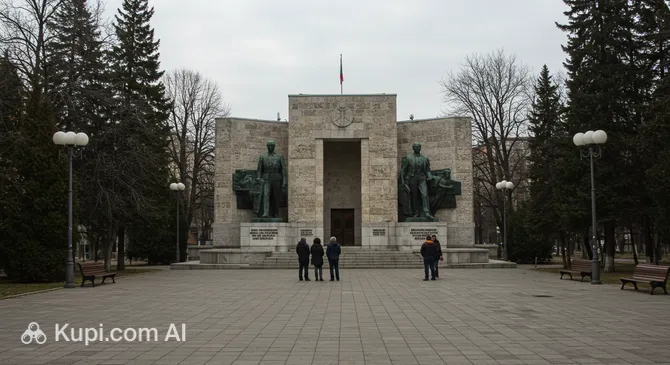
Among the city's significant monuments is the Pantheon of the Fallen Antifascists. Situated centrally within the Sea Garden, this imposing brutalist structure was built in 1981. While its historical context is specific to the socialist era, it remains a major architectural landmark and a common meeting point, surrounded by a spacious plaza that offers a solemn yet striking visual element to the park.

Pantheon of the Fallen Antifascists. Source: Kupi.Binoculars

Architecturally, the skyline is graced by the Cathedral of the Holy Brothers Cyril and Methodius. As the main church of the city, it is renowned for its beautiful stained-glass windows and intricate murals. It stands as a testament to the spiritual and architectural heritage of the turn of the 20th century and is a must-see for admirers of religious art.

For an authentic insider experience, consider visiting the Aviation Museum located near the airport. It is an open-air museum featuring a collection of civil and military aircraft where visitors can actually enter the cockpits, a rare treat that is often overlooked by tourists sticking strictly to the city center.

Getting Around

Navigating Burgas is remarkably easy and efficient, thanks to a well-developed public transport network that has undergone significant modernization in recent years. The city relies primarily on a system of buses and trolleybuses operated by the municipal company, Burgasbus. Unlike larger capitals, there is no metro or tram system here, but the "Smart City" initiative has introduced Bus Rapid Transit (BRT) lines. These high-speed lines, marked as B1 and B2, connect the main residential districts with the city center and the railway station, running frequently and using dedicated lanes to avoid traffic congestion.

For tourists, the payment system is convenient and flexible. You do not need to worry about complex zones; the city generally operates on a single-zone basis for urban routes. The most modern way to pay is by using a contactless bank card (Visa or Mastercard) or a smartphone directly at the validators inside the bus. Alternatively, you can purchase paper tickets from vending machines located at key bus stops or buy a ticket directly from the driver using cash, though it is helpful to have small change ready. Prices are very affordable, typically costing around 1.50 BGN for a single journey, with options for time-based transfers available if you use the electronic prepaid cards.

Public transport generally operates from early morning, around 05:00 AM, until approximately 11:00 PM. If you purchase a paper ticket from a machine or the driver, keep it with you for the duration of the trip for inspection. For those planning to stay longer, rechargeable plastic travel cards are available at transport centers, offering discounted rates for multiple trips. The buses themselves are modern, air-conditioned, and equipped with electronic displays announcing the next stop, making it easy for non-Bulgarian speakers to know when to get off.

If you prefer more direct transportation, taxis are plentiful and relatively inexpensive compared to Western European standards. Official taxis are yellow and must have a taximeter; it is advisable to check the rates displayed on the window before entering or to order one via a reputable mobile app to ensure a fair price. Avoid unmetered cars waiting directly outside tourist hotspots. For those who enjoy active travel, Burgas is one of the most bike-friendly cities in the region. The municipal bike-sharing system, Velo Burgas, allows you to rent bicycles from various stations across the city using a simple registration process, perfect for riding along the flat, scenic bike lanes that stretch through the Sea Garden.

A charming feature specific to the city's leisure culture is the mini-train that operates within the Sea Garden during the warmer months. While not part of the standard commuter network, this electric tourist train offers a fun and nostalgic way to travel from the city center towards the salt pans and remote beach spots without walking in the heat. It is a favorite among families and provides a relaxing alternative for sightseeing along the coast.

Accommodation

Finding the perfect place to stay in Burgas is relatively easy, as the city offers a wide spectrum of accommodation options to suit various tastes and budgets. Unlike the dedicated resort complexes found elsewhere on the Black Sea coast, the city provides a balanced mix of urban convenience and seaside relaxation. Visitors can choose from modern business hotels, charming family-run guest houses, budget-friendly hostels, and an increasing number of private apartment rentals.

The most popular area for tourists is undoubtedly the City Center. Staying here places you within walking distance of the main pedestrian streets, the railway station, and the cultural landmarks. It is the ideal location for those who want to be close to the restaurants, cafes, and vibrant nightlife while still being just a short stroll away from the beach. For a more scenic and upscale experience, look for properties located near the Sea Garden. Hotels in this area often offer stunning views of the Black Sea and immediate access to the park's lush promenades.

For travelers who prefer a quieter atmosphere or need to be close to the airport, the neighborhood of Sarafovo is an excellent alternative. Often referred to as the "Beverly Hills of Burgas," this district feels more like a separate coastal village, featuring its own beaches and a relaxed pace of life, yet it is connected to the city center by regular public transport.

Regarding costs, Burgas is generally considered an affordable destination compared to many Western European coastal cities. You can find excellent value in the mid-range category, where modern amenities are available at reasonable rates. Luxury options are available but are less exorbitant than in the exclusive resort towns nearby. While walk-ins are possible in the off-season, it is highly recommended to book your accommodation in advance if you plan to visit during the peak summer months of July and August, as the best locations tend to fill up quickly due to festivals and summer holidays.

Reservations can be easily made through major international online booking platforms, which are widely used by local hoteliers. However, for smaller guest houses or private apartments, contacting the hosts directly or checking local listings can sometimes yield better deals or more personalized service.

Nearby Cities

For those looking to explore the surroundings, Burgas serves as an excellent base for day trips to several interesting nearby locations:

One of the most popular destinations is Varna, often referred to as the "Maritime Capital of Bulgaria." Located just under an hour and a half away by car, it offers a wealth of attractions, including a massive Sea Garden, the famous Dolphinarium, and an Archaeological Museum that houses the oldest processed gold in the world. It provides a slightly more bustling urban experience compared to Burgas, with a vibrant cultural scene and Roman thermal baths open to visitors.

For travelers interested in history and monumental architecture, Shumen is an intriguing choice. Situated inland, it is home to the imposing Founders of the Bulgarian State Monument, which dominates the skyline from the plateau above the city. Nearby, visitors can also explore the Madara Rider, a UNESCO World Heritage site featuring an ancient rock relief carved into a cliff face, making for a unique cultural excursion.

Another excellent option for nature lovers is Sliven. Known as the "City of the 100 Voivodes," it sits at the foot of the Blue Stones Nature Park (Sinite Kamani). The area is renowned for its distinctive rock formations and fresh mountain air, offering a perfect contrast to the coastal atmosphere of Burgas. A chairlift ride up the mountain provides spectacular panoramic views of the region.

City Population Distance (km)
Varna 348,668 87
Sliven 115,241 96
Dobrich 90,419 122
Shumen 85,410 95
Yambol 70,782 79

These nearby destinations offer a glimpse into the diverse culture and landscapes of the region, allowing visitors to experience both the mountains and the rich history of eastern Bulgaria within a single day.

Shopping & Souvenirs

Burgas provides a pleasant shopping experience that combines the convenience of modern retail with the charm of pedestrian strolls. While it may not be a massive fashion capital, the city offers a well-balanced selection of goods ranging from international clothing brands to unique local handicrafts. Visitors can enjoy a relaxed atmosphere where window shopping is often accompanied by the fresh sea breeze and the opportunity to stop for a coffee at a nearby terrace.

The heart of the city's retail life beats along its two main pedestrian arteries: Alexandrovska Street and Aleko Bogoridi Street. These beautifully maintained promenades are lined with a variety of boutiques, shoe stores, and cosmetic shops. Walking here is a delight, as the streets are free of cars and decorated with fountains and sculptures. A key landmark in this area is The Clock, a popular meeting point that marks the intersection of these bustling thoroughfares. This area is perfect for those who prefer an open-air shopping experience amidst the city's architectural heritage.

The Clock. Source: Kupi.Binoculars

For a more concentrated and climate-controlled experience, especially during the hot summer afternoons, the city boasts modern shopping centers. Galleria Burgas is the premier destination, offering a wide range of international fashion chains, a cinema, and a food court. It is located slightly away from the pedestrian center but is easily accessible by bus or taxi. Another notable spot is Mall Burgas Plaza, which provides additional options for clothing, electronics, and home goods, ensuring that travelers can find everything they might need during their stay.

To get a taste of authentic local life, a visit to the Krasnodar Market is highly recommended. This bustling open-air market is where locals go to buy fresh seasonal fruits, vegetables, and regional cheeses. It is an explosion of colors and scents, offering high-quality produce often at better prices than supermarkets. While primarily a food market, it is an excellent place to pick up edible souvenirs like Bulgarian honey, spices, or traditional cured meats.

When looking for gifts to take home, focus on products that are quintessentially Bulgarian. The country is famous worldwide for its rose oil, and you can find high-quality rose-based cosmetics, perfumes, and soaps in many specialized shops along the main streets. Traditional Troyan ceramics, characterized by their colorful, intricate patterns, also make for beautiful keepsakes. Additionally, embroidered textiles and hand-painted religious icons are popular items that reflect the rich cultural heritage of the region.

Shopping hours in Burgas are generally tourist-friendly. Major shopping malls typically operate daily from 10:00 AM to 9:00 PM or 10:00 PM. High street shops usually open around 9:00 AM or 10:00 AM and close by 7:00 PM, though many stay open later in the summer season. While large stores and malls accept credit and debit cards (Visa and Mastercard) without issue, it is advisable to carry cash (Bulgarian Lev) when visiting open-air markets or smaller souvenir stalls, as electronic payment may not always be available.

Travelers from outside the European Union may be eligible for a VAT refund on purchases made in certain stores. Look for the "Tax Free Shopping" signage in shop windows. To qualify, you typically need to spend a minimum amount (often around 250 BGN) in a single store and ask for a tax refund form at the checkout, which must then be validated by customs upon leaving the EU.

Reached the end of the page?

That means the route is fully explored