Support

Komotini

About

Welcome to Komotini, a captivating city in Northern Greece where diverse cultures and traditions blend seamlessly to create a truly unique atmosphere. As the administrative capital of the Eastern Macedonia and Thrace region, Komotini is a vibrant hub known for its youthful energy, largely thanks to the local university, and its reputation as a crossroads of civilizations.
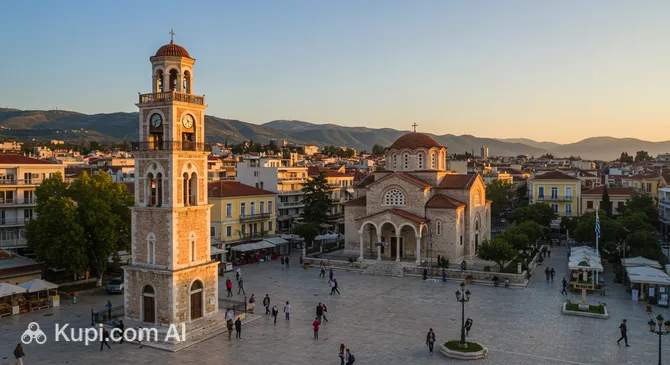
Komotini. Source: Kupi.Binoculars

Geographically, the city is situated in the Thracian plain near the foot of the scenic Rhodope Mountains, offering a mix of urban life and natural beauty. With a population of approximately 51,000 residents, it maintains a friendly, community-oriented feel while providing all the amenities of a modern regional center. The climate here is generally Mediterranean, though its northern location can bring cooler winters compared to the southern islands, making it a pleasant destination year-round.

The city's character is deeply rooted in its past. Visitors are encouraged to explore the history of Komotini to understand how the coexistence of Christian and Muslim communities has shaped its architecture and daily life. Walking through the streets, you will encounter a fascinating mix of neoclassical mansions, traditional houses, and monuments that tell the story of the city's multicultural heritage.

Among the top attractions are the remnants of the Byzantine Fortress walls, which stand as a testament to the city's medieval significance. The iconic Clock Tower and the Archaeological Museum of Komotini are also must-visit sites for culture enthusiasts. Furthermore, the city is famous for its gastronomy; be sure to taste the local soutzoukou loukoum, a traditional sweet that is a hallmark of the region.

Whether you are strolling through the lively central square, enjoying aromatic coffee in the cobbled lanes of the Old Market, or using the city as a base to explore the nearby mountains, Komotini promises an unforgettable experience. It is a destination that invites you to slow down and savor the authentic spirit of Thrace.
Weather Overview

The climate in this region blends Mediterranean and continental influences, characterized by distinct seasonal variations that offer different experiences depending on when you visit. For a detailed forecast and specific historical data, you can consult the guide to the weather in Komotini before your trip. Generally, travelers can expect warm summers with occasional rain and cold, wetter winters.

Summer is the warmest season, particularly in July and August, when average temperatures hover around 25°C and daily highs often reach 30.5°C to 31.4°C. This period is also the driest time of the year, with August seeing only about 4 wet days, making it excellent for exploring the outdoors. However, June can still be somewhat rainy with around 10 wet days, so early summer visitors might encounter some showers.

Winters are significantly cooler, with January being the coldest month, featuring an average temperature of 4.6°C and lows dropping to around 1.0°C. Precipitation becomes more frequent during this season; December and May are among the wettest months in terms of frequency, with up to 12 days of rain. Spring and autumn offer mild transitions, with pleasant average temperatures ranging from 12°C in April to 20.9°C in September.

Interesting Facts

Komotini is a city full of surprises, where tradition meets modern student life. Here are some interesting facts to know before you visit:

  • The City of Coffee: Komotini is famously referred to as the "coffee city" of Greece. Due to the massive student population and local social culture, the city boasts one of the highest numbers of cafés per capita in the country, with the central square and Old Market always buzzing with activity.
  • Famous Roasted Chickpeas: While the region is known for sweets, Komotini’s signature snack is stragalia (roasted chickpeas). Local family businesses have perfected the roasting process over generations, offering unique varieties ranging from salty and spicy to sweet, sugar-coated, and even chocolate-covered versions.
  • A Bicycle-Friendly Hub: Thanks to its location on the flat Thracian plain, the city is incredibly friendly for cyclists. Unlike many other Greek cities with steep terrain, Komotini sees residents of all ages using bicycles as a primary mode of daily transport.
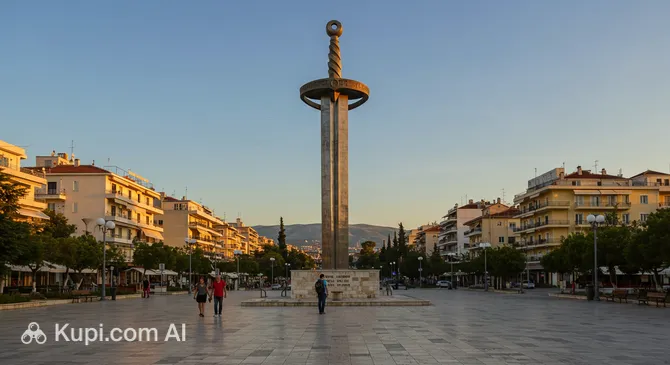
  • The Sword Monument: A defining landmark of the city is the massive Sword Monument (Iroon), located in the Central Park of Agia Paraskevi. Standing roughly 15 meters high, it serves as a tribute to historical struggles and is a major reference point for locals.
  • A University Metropolis: The city is home to the Democritus University of Thrace, which attracts thousands of students from all over the country. This influx of youth significantly shapes the city's economy, nightlife, and cultural events, keeping the atmosphere vibrant year-round.
Sword Monument. Source: Kupi.Binoculars

How to Get There

Reaching this administrative center of Thrace is quite straightforward, thanks to its position on the major transport axis of Northern Greece. Whether you prefer flying or taking the train, there are several convenient options. You can read more about how to get to Komotini and plan your specific route on our detailed page.

The city of Komotini does not have its own airport, but it is well-served by regional and international hubs nearby. The closest option is Demokritos Airport (AXD) in the city of Alexandroupoli, which is approximately 55 km from Komotini. The transfer time by road is usually between 45 and 60 minutes. Another convenient choice is Kavala International Airport (KVA), located about 70 km away in Kavala. The journey from there takes roughly 1 hour by car or 1.5 hours by bus. For travelers arriving from further abroad, the major gateway is Thessaloniki International Airport (SKG) in Thessaloniki. Although it is situated about 216 km away, it offers the most extensive international connections, with a subsequent travel time to Komotini of approximately 3.5 to 4 hours.

For clarity, here is a summary of the main airports:

Airport Name City Passenger Traffic Km from City
Thessaloniki International AirportThessalonikiLarge216.1
Kavala International AirportKavalaMedium70.2
Canakkale AirportCanakkaleSmall139.3
Demokritos AirportAlexandroupoliSmall54.9
ÇorluTekirdagSmall211.0

If you prefer traveling by rail, please note that while Komotini is connected to the national network, the main hub for transfers in Northern Greece is often considered to be the Thessaloniki Railway Station in the city of Thessaloniki. It is located about 215 km from Komotini. From this major station, you can catch connecting trains or intercity buses that travel eastwards through Thrace. The total travel time from Thessaloniki to Komotini by land transport generally takes around 3.5 to 4 hours depending on the service chosen.

Below is the information for the primary railway hub serving the wider region:

Station City Passenger Traffic Km to Center
Thessaloniki Railway StationThessaloniki215.4

Main Attractions

Komotini is a city where history and modern life coexist harmoniously, offering visitors a diverse range of sights and experiences. From imposing monuments that tell stories of the past to contemporary hubs of entertainment and gastronomy, there is plenty to discover within the city limits.

A central point of reference is the impressive Sword Monument. Located in the heart of the city, this massive structure is dedicated to the historical struggles of the region and stands as a proud symbol for the local community. It is a must-see landmark for anyone walking through the central park area.

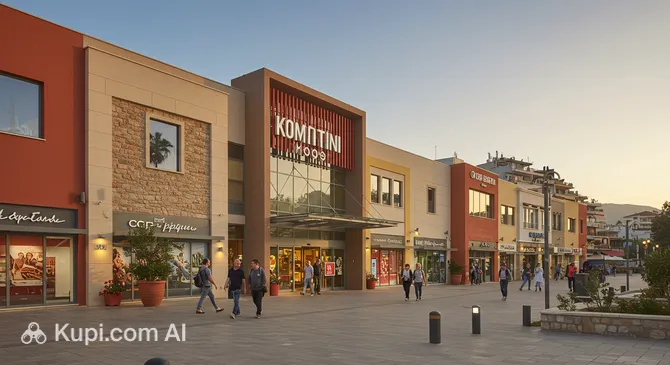
For a taste of the city's modern pulse, visitors can head to Kosmopolis. This shopping mall serves as a primary leisure destination in Komotini, featuring a variety of retail stores, entertainment options, and cafes. It is the perfect spot to take a break, do some shopping, or enjoy a movie in a comfortable, contemporary setting.

Kosmopolis. Source: Kupi.Binoculars

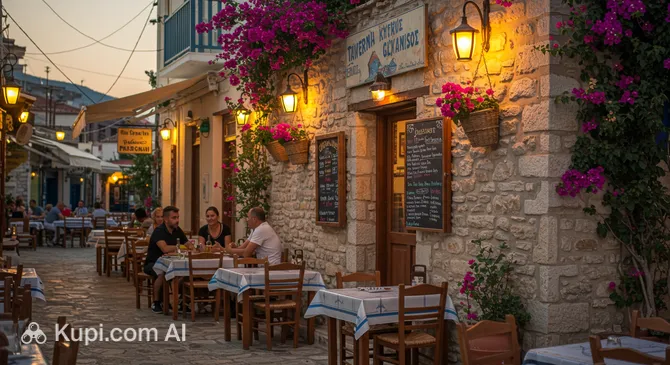
The city is also renowned for its vibrant student energy, which is best experienced in its numerous bars and eateries. Loukí is a popular bar where locals gather to enjoy the lively atmosphere and good music. For those looking to indulge in the local culinary scene, Taverna Glykanisos offers a welcoming environment to enjoy drinks and traditional meze. Similarly, Kapsouli is another excellent restaurant choice for savoring authentic flavors and experiencing the warm hospitality of Thrace.

Taverna Glykanisos. Source: Kupi.Binoculars

Local Cuisine

The gastronomy of Komotini is a delicious reflection of its multicultural history, offering a unique fusion of Thracian traditions and Oriental influences. The local cuisine is renowned throughout Greece for its intense flavors, aromatic spices, and high-quality ingredients. Visitors will find that food here is not just nourishment but a central part of social life, with a vast array of dining options ranging from old-school taverns to modern eateries catering to the large student population.

Meat lovers will be in paradise here. One of the most distinctive local delicacies is kavourmas, a type of cured meat that is often slow-cooked with spices and served with eggs or baked inside savory pies. Another staple is the succulent soutzoukakia (spicy meatballs), which are grilled to perfection and usually served with a side of fries or rice. For those with a sweet tooth, the city is famous for soutzoukou loukoum, a traditional sausage-shaped sweet made from grape must and walnuts, which is a must-try souvenir from the region.

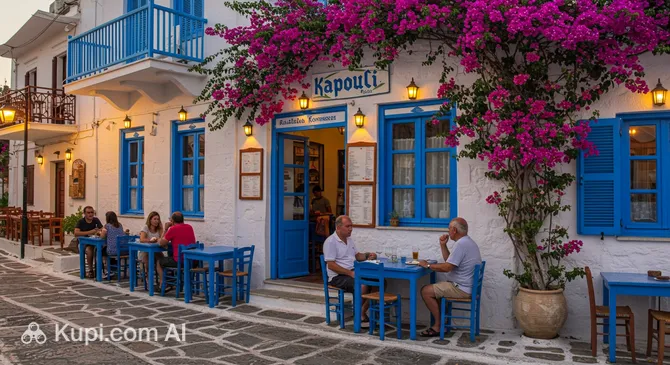
Kapsouli. Source: Kupi.Binoculars

Dining out in Komotini often revolves around the culture of the tsipouradiko. These are casual eateries where locals gather to drink tsipouro, a strong pomace brandy that is the region's favorite spirit. It is almost always accompanied by small plates of appetizers called meze, which can include cheeses, olives, seafood, and spicy dips. For a non-alcoholic alternative, the city's coffee culture is legendary, with traditional Greek coffee brewed slowly on hot sand being a popular choice in the older quarters.

To experience the authentic atmosphere of the city's food scene, you might visit Kapsouli. This restaurant is well-regarded for its welcoming environment and is a great place to sample traditional dishes prepared with care. Whether you are grabbing a quick snack from a street vendor or sitting down for a long, multi-course meal, the culinary landscape of Komotini promises to be a highlight of your trip.

Travel Tips

To help you navigate this vibrant, multicultural city with ease, we have compiled a list of essential practical tips for your visit. Whether you are here for the history, the gastronomy, or the lively student atmosphere, these suggestions will ensure a smooth and enjoyable journey.

  1. Clothing and Gear: The climate varies significantly by season; summers are hot and require light, breathable fabrics, while winters can be cold and damp, so a warm coat and waterproof shoes are necessary. Since Komotini is home to active Christian and Muslim communities, it is respectful to dress modestly—covering shoulders and knees—when visiting religious sites like churches and mosques.
  2. Transportation: The city center is compact and notably flat, making it perfect for walking or cycling; in fact, you will see many locals using bicycles for their daily commute. Taxis are affordable and easy to find for short trips. While you do not need a car within the city, renting one is highly recommended if you plan to explore the scenic Rhodope Mountains nearby.
  3. Finances: The official currency is the Euro (€). While most modern shops, restaurants, and hotels accept credit cards, carrying cash is essential for small purchases at traditional kiosks, street markets, or when buying local snacks. ATMs are widely available around the central square. Tipping is customary but casual; rounding up the bill or leaving a few euros is appreciated.
  4. Health and Safety: Komotini is generally very safe for travelers, with a lively atmosphere even at night due to the university crowd. Pharmacies are marked with a green cross, and there is always one on duty for after-hours emergencies. The general emergency number for police, ambulance, or fire services is 112.
  5. Communication: The official language is Greek. However, thanks to the large student population, English is widely spoken and understood, especially in cafes, bars, and shops. Learning a few basic words like Kalimera (Good morning) or Efcharisto (Thank you) is a great way to show respect and connect with the friendly locals.
  6. Local Etiquette: The "coffee culture" here is serious business; locals often spend hours sipping a single drink and socializing. Do not feel the need to rush your order in cafes—relaxing is part of the experience. Greetings are warm, and it is polite to acknowledge shopkeepers or waiters when entering an establishment.
  7. What to Avoid: As the region is located near a national border, strictly avoid taking photographs of military installations, vehicles, or personnel, as this is prohibited by law. Also, avoid entering places of worship during prayer times if you are not participating, to respect the privacy of the congregation.
  8. Local Flavor: Do not leave without buying fresh stragalia (roasted chickpeas), the city’s trademark snack. Visit the specialized roasters in the Old Market and ask to sample different varieties, such as the sugar-coated or spicy versions, before you buy.

By keeping these practical tips in mind, you will be well-prepared to embrace the authentic charm of this unique destination. Enjoy the warm hospitality, the rich flavors, and the fascinating cultural mosaic that makes Komotini a standout city in Greece.

Entertainment & Nightlife

Komotini transforms after dark, driven largely by its status as a major university hub. The nightlife here is energetic, diverse, and surprisingly affordable, catering to the thousands of students who call the city home. Unlike the seasonal rhythms of tourist islands, Komotini remains lively throughout the year, with evenings often starting with a relaxed coffee and transitioning seamlessly into late-night drinks and music.

The epicenter of evening entertainment is the area around the central square (Plateia Irinis) and the pedestrianized Venizelou Street. This network of cobbled lanes is packed with bars, cafes, and stylish hangouts that spill out onto the streets during warmer months. The "Old Market" area also hosts atmospheric taverns and smaller bars tucked away in historic buildings, offering a unique blend of traditional architecture and modern fun.

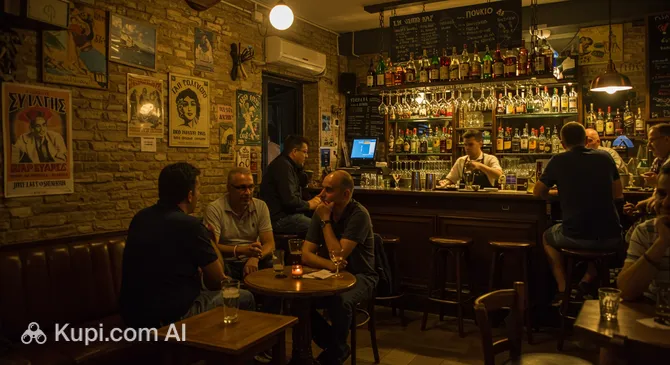
For a taste of the local bar scene, Loukí is a standout destination. Hidden away in a scenic alley, it is known for its artistic decor, great music choices, and vibrant crowd, making it a perfect spot to enjoy a cocktail or a cold beer. The venue perfectly captures the city's alternative and youthful spirit.

Loukí. Source: Kupi.Binoculars

If you prefer a more traditional evening centered around food and spirits, the city is famous for its tsipouradiko culture. Places like Taverna Glykanisos offer the classic experience where groups of friends gather for hours over small plates of meze and carafes of tsipouro or ouzo. The atmosphere in these venues is loud, warm, and incredibly welcoming, often lasting well past midnight.

Before the sun goes down, entertainment in Komotini is more laid-back. You can catch a movie or do some shopping at the Kosmopolis center, which serves as a modern leisure complex on the outskirts. Culture lovers might prefer visiting the Archaeological Museum or the Folklore Museum to soak in the region's history, or simply enjoying a long, leisurely coffee in the central park, a favorite local pastime.

Nightlife in Komotini kicks off relatively late. Bars start filling up after 10:00 PM, and the energy peaks around midnight. The dress code is generally casual to smart-casual; you will fit in wearing jeans and a nice top almost anywhere. The city is very safe for walking at night, especially in the illuminated center. If you need to travel further or return to your accommodation late, the main taxi rank is conveniently located at the central square, and fares are reasonable within city limits.

Parks & Museums

Komotini offers a refreshing balance of urban greenery and rich historical heritage, making it a delightful destination for those who enjoy both nature and culture. The city's layout encourages walking, allowing visitors to easily transition from the shade of leafy parks to the halls of museums that preserve the region's diverse past.

Agia Paraskevi Park is the central green lung of the city and a favorite gathering spot for locals of all ages. It is a well-maintained space perfect for a leisurely stroll or a break from sightseeing, featuring fountains, playgrounds, and plenty of benches under the trees. Within this park stands the imposing Sword Monument, a significant landmark dedicated to the heroes of World War II, which serves as a focal point for the city's commemorative events.

For a more immersive nature experience, the Nymfaia Tourist Grove is an absolute must-visit, located just a few kilometers north of the city center. This expansive pine forest offers paved paths for walking, running, and cycling, making it a haven for outdoor enthusiasts. At the top, visitors are rewarded with breathtaking panoramic views of the Thracian plain, and on clear days, you can even see as far as the Aegean Sea.

Culture seekers should head to the Archaeological Museum of Komotini, which houses an impressive collection of artifacts from across Thrace. The exhibits range from the Neolithic period to the Byzantine era, including sculptures, coins, and jewelry that highlight the area's strategic importance throughout history. Another cultural gem is the Folklore Museum, managed by the local cultural association. It provides a vivid picture of traditional life in the region, displaying authentic costumes, embroidery, and household tools that reflect the area's multicultural identity.

History is woven into the very streets of Komotini. The ruins of the Byzantine Fortress in the city center are a reminder of its medieval past, with parts of the ancient walls still visible today. Nearby, you can admire the Clock Tower and the Imaret, an Ottoman-era poorhouse that is considered one of the oldest surviving Ottoman monuments in Europe, showcasing the city's layered architectural history.

For a truly authentic experience, try visiting the Nymfaia forest in the late afternoon. It is a favorite local ritual to drive or cycle up to the fortress ruins within the forest to watch the sunset over the city, offering a peaceful moment to reflect on the beauty of the Thracian landscape.

Getting Around

Navigating Komotini is a straightforward and stress-free experience, as the city is compact and designed on a human scale. Unlike larger metropolises, there is no metro, tram, or trolleybus system here. Instead, the public transport network relies entirely on a reliable fleet of urban buses, known locally as "Astiko KTEL," which connects the city center with residential neighborhoods, the university campus, and nearby suburbs.

The urban bus system is the primary mode of motorized public transit. The most frequent and popular routes are those heading to the Democritus University of Thrace campus and the General Hospital. Since Komotini is a major student hub, these lines operate regularly throughout the day. The buses are generally modern and comfortable, providing an efficient way to reach areas outside the immediate historic center, such as the train station or the commercial zones on the outskirts.

Regarding payment, the system is traditional and simple. Tickets are typically paper-based and can be purchased at a lower price from street kiosks (periptera) or at the central bus office near the main square. While it is often possible to buy a ticket from the driver inside the bus, it usually costs slightly more, so it is advisable to buy them in advance. Once on board, you must validate your ticket in the machines provided to avoid fines. A standard single-journey ticket is very affordable, costing usually just over one euro.

For tourists, the most practical advice is to check the schedules posted at major bus stops, as operating hours can vary, particularly on weekends and holidays when frequency decreases. If you are planning to move strictly within the historic center, you likely won't need a bus at all, as the main attractions, markets, and cafes are clustered within a walkable pedestrian zone.

Taxis serve as a popular and convenient alternative, especially late at night or when carrying luggage. You can easily find them waiting at designated taxi ranks, with the most prominent one located at the central square, Plateia Irinis. Taxis are metered, and fares within the city limits are quite reasonable. There are also radio taxi services available if you need to book a ride from your hotel or a restaurant.

A distinctive feature of Komotini’s transport culture is the widespread use of bicycles. Thanks to the city's exceptionally flat terrain, cycling is a favorite mode of transport for locals and students alike. An extensive network of bike lanes runs through the city, making it safe and easy to explore on two wheels. While there isn't a massive automated bike-sharing scheme, the bicycle-friendly infrastructure makes renting a bike a fantastic option for visitors who want to blend in with the local rhythm.

Accommodation

Accommodation in Komotini is designed to serve a diverse mix of visitors, from business travelers and university-related guests to tourists exploring Northern Greece. The city offers a practical selection of lodging options, primarily consisting of mid-range city hotels, family-run guesthouses, and modern private apartments available for short-term rental. While the city does not typically feature sprawling luxury resorts, the available hotels are known for their cleanliness, warm hospitality, and convenient amenities.

For travelers who want to be in the heart of the action, the best area to stay is around the Central Square (Plateia Irinis) or near the historic Old Market. Choosing a hotel in this zone places you within easy walking distance of the main pedestrian shopping streets, the Byzantine Fortress, and the city's famous cafes and restaurants. Staying centrally means you can easily enjoy the vibrant nightlife and return to your room without needing a taxi.

Booking Tips: Since Komotini is a major university hub, accommodation demand fluctuates with the academic calendar. Hotels can fill up quickly during student enrollment periods in September and during graduation ceremonies throughout the year. If your trip coincides with these events, it is highly recommended to book your room several weeks in advance to secure the best availability and rates.

Generally, the price range in Komotini is quite affordable compared to the popular Greek islands or Athens. Visitors can expect reasonable rates for high-quality mid-range rooms. Most properties are listed on major online booking platforms, making reservations straightforward, though contacting smaller family-owned establishments directly can sometimes yield a friendly local discount.

Nearby Cities

For those looking to explore the surroundings, Komotini serves as an excellent base for day trips to several interesting nearby locations. Just a short drive west lies Xanthi, often referred to as the "city of a thousand colors." It is renowned for its beautifully preserved Old Town, which showcases traditional architecture, and its vibrant annual carnival, making it a cultural highlight of the region.

Heading south towards the coast, travelers can visit Alexandroupoli, a bustling port city distinguished by its iconic lighthouse and lively waterfront promenade. It also serves as a gateway to the unique ecosystem of the Evros Delta. Further along the coast is the picturesque city of Kavala, built amphitheatrically above the sea. Visitors here are treated to stunning views, the impressive Kamares aqueduct, and a historic fortress that dominates the skyline.

City Population Distance (km)
Thessaloniki824676214
Alexandroupoli7160150
Kavala6585786
Serres58287156
Xanthi5612244

These nearby destinations offer a glimpse into the diverse culture and landscapes of the region.

Shopping & Souvenirs

Shopping in Komotini offers a delightful mix of modern retail experiences and traditional charm, reflecting the city's multicultural identity. Visitors can find everything from contemporary fashion brands to handmade local crafts and unique culinary products. The city is particularly famous for its high-quality food items, making it a paradise for those who love to take edible souvenirs back home.

The heart of the city's commercial life beats in the pedestrianized streets surrounding the Central Square (Plateia Irinis) and along Venizelou Street. This area is lined with clothing boutiques, shoe stores, bookstores, and jewelry shops, offering a relaxed environment for window shopping. The atmosphere here is lively, especially in the evenings when locals combine their shopping trips with a coffee break.

For a more modern shopping experience, the city's primary destination is Kosmopolis. Located just outside the city center, this retail park features a variety of well-known chain stores, electronics shops, and a large supermarket. It provides a convenient one-stop location for travelers needing to purchase travel essentials, clothing, or groceries in a comfortable, air-conditioned setting.

However, the true soul of Komotini's trade is found in the historic Old Market. Walking through its narrow, cobbled lanes feels like stepping back in time. Here, small family-run businesses have operated for generations, selling traditional copperware, antiques, and religious icons. It is a fascinating place to explore, filled with the scents of freshly ground coffee and spices.

When it comes to souvenirs, local delicacies are the top choice. You simply cannot leave without buying stragalia (roasted chickpeas), which are the city's trademark snack; look for the salty, spicy, or sugar-coated varieties. Another must-buy is soutzoukou loukoum, a traditional sweet sausage made with grape must and walnuts. Bags of freshly roasted Greek coffee from local roasters also make for excellent gifts.

Store hours in Komotini typically follow the standard Greek schedule. Shops generally open around 9:00 AM and stay open until 2:00 PM or 2:30 PM. On Tuesdays, Thursdays, and Fridays, they reopen in the evening from roughly 5:30 PM to 9:00 PM. Mondays, Wednesdays, and Saturdays usually see shops closing after the afternoon shift. While major stores and the Kosmopolis center accept credit and debit cards, it is advisable to carry cash when shopping in the Old Market or at smaller kiosks.

For visitors from outside the European Union, tax-free shopping is available at participating stores that display the "Tax Free" signage. Be sure to ask for the necessary forms at the checkout to claim your VAT refund upon departure from the country.

Reached the end of the page?

That means the route is fully explored