Support

Skiathos

About

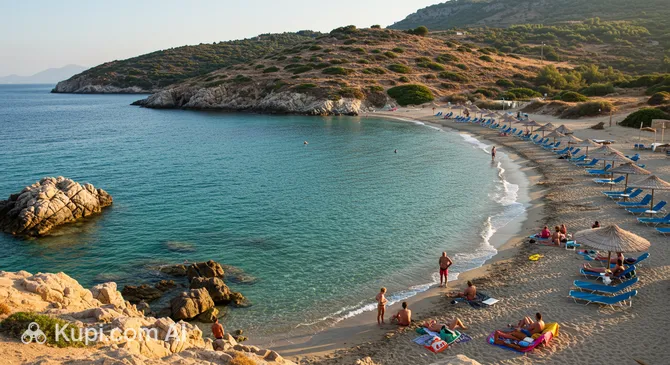
Skiathos is widely regarded as the most cosmopolitan island in the Northern Sporades group, renowned for its lush pine forests that often reach the water's edge and its vibrant atmosphere. This captivating destination offers a perfect blend of natural beauty and lively entertainment, making it a favorite among travelers seeking both relaxation and adventure. Despite its relatively small size, the island pulses with energy, particularly in its main town, which serves as the hub of local life and tourism.
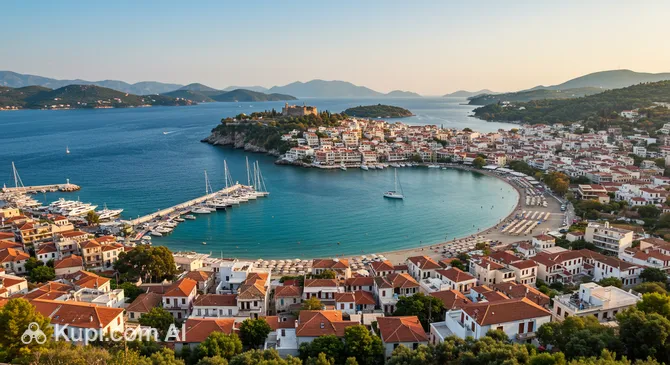
Skiathos. Source: Kupi.Binoculars

Located in the northwest Aegean Sea, this emerald isle is a jewel of Greece. Geographically, it is part of the Thessaly region and lies close to the mainland coast. The island enjoys a Mediterranean climate with hot, sunny summers and mild winters, attracting visitors primarily from May to October. While the permanent population is approximately 4,800 residents, this number increases significantly during the summer months as tourists flock to enjoy the pristine coastline.

Beyond its stunning beaches, the history of Skiathos adds a layer of cultural depth to any visit. The island has been inhabited since ancient times and has played a role in various historical epochs, from the Persian Wars to the Greek War of Independence. Remnants of this past can be seen in the architecture of the Old Town and the medieval ruins of Kastro, offering a glimpse into the island's heritage amidst its modern amenities.

Visitors are spoiled for choice when it comes to attractions. Skiathos is famous for having over 60 beaches, with Koukounaries being one of the most celebrated sandy stretches in the Mediterranean. For those seeking unique landscapes, the white pebbles and turquoise waters of Lalaria Beach are accessible only by boat and are truly unforgettable. Additionally, the Bourtzi peninsula, a small pine-covered promontory separating the old and new ports, provides a romantic setting for walks and cultural events.

Whether you are looking to dance the night away in the bustling clubs of Skiathos Town or relax under the shade of a stone pine by the sea, this island promises an unforgettable experience. It is a destination that effortlessly combines the charm of traditional island life with the excitement of a modern holiday resort.
Weather Overview

The island experiences a typical Mediterranean climate, characterized by distinct seasonal changes that shape the travel experience. Summers are generally hot and sunny, making them the peak season for beachgoers. August is typically the warmest month, with average temperatures hovering around 25.9°C and daily highs reaching up to 27.4°C. During this time, rainfall is scarce, with July and August seeing as few as 2 to 3 wet days per month.

Winters in Skiathos are mild but significantly wetter compared to the summer months. January is usually the coolest time of year, with average temperatures dropping to 9.9°C and lows around 8.3°C. The likelihood of rain increases during this season, with December and January averaging about 12 wet days each, marking a shift to a quieter, greener atmosphere on the island.

For travelers planning their trip, it is helpful to know that spring and autumn offer pleasant transition periods with moderate temperatures. For more specific data to help plan your dates, you can consult the detailed guide on the weather in Skiathos. Overall, visitors can expect hot, dry summers perfect for swimming and cool, damper winters suitable for cozy cultural exploration.

Interesting Facts

Beyond the main attractions, Skiathos holds many fascinating secrets and historical milestones that often escape the average visitor's notice. From aviation thrills to pivotal moments in Greek history, the island offers much more than just sun and sea.
Monastery of the Annunciation. Source: Kupi.Binoculars
  • The island played a crucial role in national identity as the birthplace of the modern Greek flag. In 1807, at the historic Monastery of the Annunciation, prominent chieftains gathered to weave and bless the very first flag featuring a white cross on a blue background.

  • Skiathos is famous among aviation enthusiasts worldwide as the "St. Maarten of Greece." Due to the airport's short and narrow runway, aircraft perform incredibly low landings just meters above the heads of spectators near Xanemos Beach, creating a thrilling spectacle.

  • The island served as a primary filming location for the smash-hit musical "Mamma Mia!", bringing Hollywood glamour to its shores. The Old Port was the setting for the iconic scene where the three fathers meet for the first time, attempting to catch a boat to the wedding.

  • Skiathos is the proud homeland of Alexandros Papadiamantis, one of the most significant figures in modern Greek literature. Known as the "saint of Greek letters," his house has been preserved as a museum, and his stories vividly chronicle the island's life in the 19th century.

How to Get There

Reaching this beautiful Aegean destination is part of the adventure, with options ranging from direct flights to scenic ferry rides. The island is well-connected, particularly during the summer season, making it accessible for travelers from around the world. For a detailed breakdown of all available routes and transport tips, you can read more about how to get to Skiathos on our dedicated page.

The most convenient entry point is the island's own Skiathos Airport (IATA: JSI), also known as Alexandros Papadiamantis Airport. Located just 1.9 km from the main town, it is famous for its runway situated close to the sea. The airport handles a medium volume of traffic, swelling significantly in summer with charter flights. The short journey to the town center takes approximately 20 minutes by taxi or bus.

Alternatively, many visitors choose to fly into Eleftherios Venizelos International Airport (IATA: ATH) in Athens. As Greece's largest transport hub with heavy passenger traffic, it offers connections from virtually anywhere. Although it is located about 142 km from Skiathos, travelers can easily catch a domestic connecting flight or take a bus to a nearby port for a ferry transfer. The total travel time for the land portion to the coast is roughly 4 hours.

Another viable option is Nea Anchialos (IATA: VOL) airport in the city of Volos, situated approximately 60 km away. This airport is particularly popular for charter flights and serves as a direct gateway to the region. From here, the travel time by road to the port of Volos, where ferries to Skiathos depart, is around 2 hours.

For clarity, here is a summary of the main airports:

Airport Name City Passenger Traffic Km from City
Eleftherios Venizelos International Airport Athens Large 141.9
Thessaloniki International Airport Thessaloniki Large 157.0
Skiathos Airport Skiathos Medium 1.9
Nea Anchialos Volos Medium 60.4
Skyros Airport Skyros Small 89.0

The city of Skiathos does not have a railway station, as it is located on an island. However, travelers preferring rail transport can arrive at the Thessaloniki Railway Station in the city of Thessaloniki, which is about 171 km from Skiathos. From there, you can get a taxi or bus to the port to catch a ferry, a journey that takes about 4.5 hours by road.

Below is the information for the nearest major railway hub:

Station City Passenger Traffic Km to Center
Thessaloniki Railway Station Thessaloniki 171.3

Main Attractions

Skiathos offers a delightful mix of historical sites, natural wonders, and unique vantage points that captivate visitors. While the island is famous for its lush coastline, exploring its landmarks reveals the rich culture and vibrant character that define this Aegean gem. Here are some of the top places to include in your itinerary.

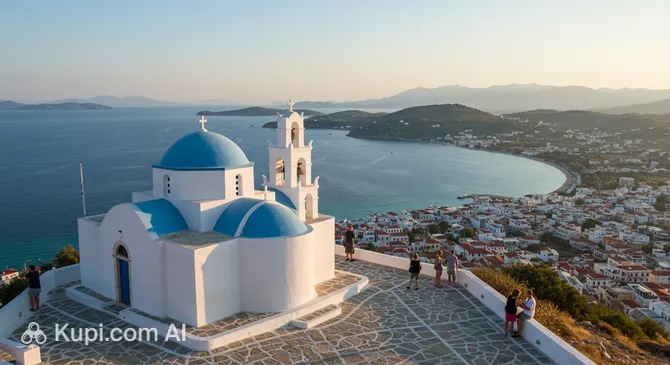
One of the most scenic spots in the capital is the Agios Nikolaos Church. Dominating the skyline above the old port, this small church is famous for its imposing clock tower and traditional whitewashed facade. The climb up the winding alleys and steps is well worth the effort, rewarding visitors with sweeping panoramic views of the bustling harbor, the red-tiled roofs of the town, and the nearby islets. It is an idyllic location to watch the sunset paint the Aegean Sea in hues of orange and pink.

Agios Nikolaos Church. Source: Kupi.Binoculars

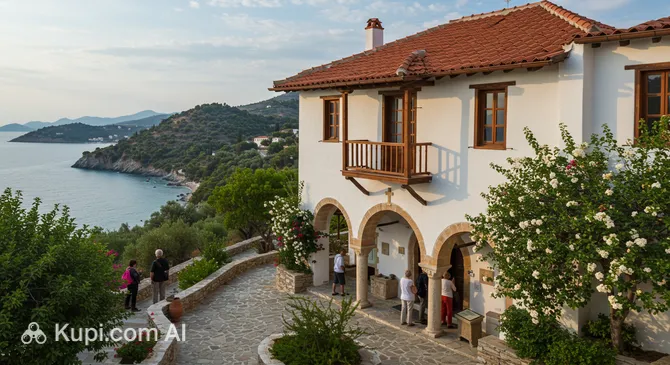
For a serene escape, the Monastery of the Annunciation offers a peaceful retreat nestled amidst a dense forest of pine and cypress trees about 4 kilometers from the main town. The complex features impressive stone architecture and a beautiful central courtyard that invites quiet contemplation. Inside, visitors can explore a well-curated museum showcasing a rich collection of ecclesiastical relics, rare manuscripts, and Byzantine icons, providing a window into the island's spiritual and artistic heritage away from the coastal crowds.

Travelers seeking a wilder, more rugged coastal experience should visit Xanemos Beach. Characterized by its mix of coarse sand and smooth white pebbles, this shoreline is known for its crystal-clear, deep waters and refreshing northern breezes, which are particularly welcome during the hot summer months. The beach maintains a more raw and natural atmosphere compared to the organized sandy strips on the south coast, making it an excellent choice for those who appreciate the sound of the waves and open horizons.

Xanemos Beach. Source: Kupi.Binoculars

Local Cuisine

The culinary landscape of Skiathos is a delightful reflection of its location in the Sporades, characterized by fresh ingredients, maritime traditions, and the influence of the nearby mainland. Seafood plays a central role in the local diet, with dishes like Kakavia, a rich and flavorful traditional fish soup, being a staple in many households and tavernas. Another signature delicacy unique to the island is Haimalia, a fried pastry filled with a mixture of walnuts and honey, then generously dusted with powdered sugar. This sweet treat is deeply rooted in local custom and is a must-try for any visitor.

When it comes to drinks, the island follows the strong traditions of the Thessaly region. Tsipouro is the beverage of choice for many locals, typically enjoyed slowly alongside small plates of appetizers known as meze. It is a potent, clear spirit that encourages socializing and relaxation. For those who prefer wine, the island's vineyards produce excellent varieties, particularly crisp whites that pair perfectly with the catch of the day, as well as refreshing locally made sodas for a non-alcoholic option.

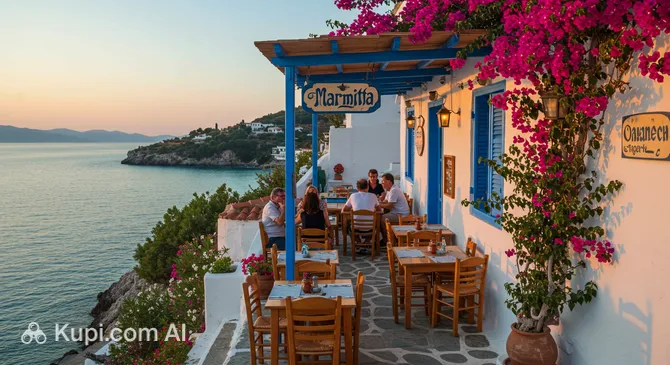
The dining scene in Skiathos is vibrant and varied, ranging from casual eateries by the waves to sophisticated restaurants tucked away in the town's alleys. For a blend of atmosphere and taste, Marmita is a popular destination. Located in a charming courtyard, it is renowned for offering creative twists on Greek classics using seasonal produce, making it a favorite for those seeking a modern gastronomic experience.

Marmita. Source: Kupi.Binoculars

For travelers who appreciate a meal with a view, Agnadio offers an exceptional setting to enjoy traditional recipes while overlooking the Aegean Sea. Whether you are sitting in a bustling ouzeri in the Old Port or grabbing a quick gyro from a street food stall, the food culture here is warm and inviting, centering on the joy of sharing good food in good company.

Travel Tips

Welcome to Skiathos! To ensure your island getaway is as relaxing and trouble-free as the gentle waves at Koukounaries, we have compiled a set of essential guidelines. These practical tips will help you navigate local customs, logistics, and the unique quirks of this beautiful destination with ease.

  1. Clothing and Gear: In summer, lightweight and breathable clothing is essential, but bring a light jacket for breezy evenings, especially if you plan to ride a scooter. While swimwear is perfect for the beach, it is polite to cover up when walking through Skiathos Town. If you visit religious sites like the Monastery of Evangelistria, modest dress is required; shoulders and knees must be covered. Comfortable flat shoes are a must for navigating the cobbled streets of the Old Town.

  2. Transportation: The island has an excellent and reliable bus system that runs along the southern coast from the main town (Stop 0) to Koukounaries (Stop 26). This is often the best way to get around, as taxis can be scarce during peak season. Renting a car or ATV is useful for exploring the rugged northern side, but be prepared for narrow, winding roads. Water taxis are also a fun way to hop between the Old Port and key beaches.

  3. Finances: The currency is the Euro (€). While credit and debit cards are widely accepted in hotels, restaurants, and larger shops, it is wise to carry cash. You will need small change for bus fares, small kiosks, and some remote beach tavernas. ATMs are plentiful in Skiathos Town but harder to find elsewhere. Tipping is not mandatory but is warmly appreciated; leaving a tip of around 5-10% or rounding up the bill is standard practice.

  4. Health and Safety: Skiathos is a very safe destination for tourists. Pharmacies are easily found in the main town and are marked with a green cross; they can provide advice for minor ailments like sunburn or insect bites. For emergencies, there is a health center in Skiathos Town. Tap water is generally safe for hygiene, but bottled water is recommended for drinking due to the high mineral content.

  5. Communication: The official language is Greek, but English is widely spoken, especially in the hospitality sector. Locals appreciate it if you try a few Greek words; a simple Kalimera (Good morning) or Efharisto (Thank you) goes a long way. Free Wi-Fi is available in most cafes and hotels, and EU residents can use their mobile data plans without roaming charges.

  6. Local Etiquette: Greeks are known for their hospitality (philoxenia). Greetings are warm, often involving a handshake or a smile. Life on the island moves at a relaxed pace, so don't be impatient with service—embrace the "siga siga" (slowly, slowly) lifestyle. When visiting tavernas, it is common to share several appetizer dishes (meze) rather than ordering just individual main courses.

  7. What to Avoid: Strictly avoid taking white pebbles from the famous Lalaria Beach. It is a protected natural landmark, and removing stones is illegal, carrying a hefty fine of up to €1,000. Also, do not flush toilet paper down the toilet; due to narrow piping systems in Greece, you should use the provided bins instead.

  8. Navigation Hack: The bus stops along the main route are numbered from 0 to 26, which makes navigation incredibly easy for non-Greek speakers. Instead of memorizing location names, you can simply remember that "Stop 26" is Koukounaries Beach or "Stop 4" is Acropolis. Ask your hotel for their nearest bus stop number to make your daily travels effortless.

By keeping these tips in mind, you will be well-prepared to enjoy everything Skiathos has to offer, from its golden sands to its vibrant nightlife. Pack your bags, respect the local charm, and get ready for an unforgettable Aegean adventure!

Entertainment & Nightlife

Skiathos is widely celebrated as the premier nightlife destination of the Sporades, offering a vibrant scene that rivals even the most famous Greek party islands. As the sun sets, the town transforms into a bustling hub of energy, catering to everyone from sophisticated cocktail lovers to energetic clubbers. The atmosphere is undeniably electric yet retains a welcoming, laid-back island charm where the dress code is generally "smart casual" or "island chic"—think linen shirts and summer dresses rather than formal attire.

The nightlife is primarily concentrated in two distinct zones within Skiathos Town. The first is the area around the Old Port, famous for its "cushion bars." Here, visitors sit on pillows arranged on the wide stone steps, sipping cocktails while enjoying views of the illuminated Bourtzi peninsula and the fishing boats. It is the perfect spot for a relaxed evening or a warm-up before heading to the clubs. The second hub is the legendary Bar Street (Polytechniou Street), located on the eastern side of the harbor. This strip comes alive after midnight and is lined with loud bars and clubs where the party often continues until the early hours of the morning.

A perfect evening in Skiathos often begins with a long, leisurely dinner. For a memorable start to the night, you might visit Marmita, located in a charming garden within the town's alleys. It is an ideal venue to enjoy refined Greek cuisine before immersing yourself in the town's bustle. Alternatively, if you prefer a quieter start with breathtaking sunset views before heading into town, Agnadio offers a spectacular vantage point overlooking the sea, setting a romantic tone for the evening.

For those seeking cultural entertainment, the island offers a unique cinematic experience. The open-air cinema in Skiathos Town is a beloved institution, famously screening the movie "Mamma Mia!" several times a week. Watching the musical under the stars, often with audience participation, is a quintessential Skiathos experience that appeals to all ages.

While the island is very safe for night walks, transportation can be a challenge during peak hours. Taxis are limited and can be difficult to hail after 2:00 AM when the clubs are busiest. It is often easier to stay in accommodation within walking distance of the town center or to pre-arrange a transfer if you are staying further out. Prices for drinks are comparable to other popular Greek destinations, with cocktails typically ranging from €10 to €15 depending on the venue.

During the daylight hours, entertainment shifts towards exploration and culture. Apart from the endless beaches, visitors can explore the house museum of Alexandros Papadiamantis or take boat trips to the majestic sea caves near Lalaria. Whether you are browsing the boutique shops in the narrow streets or enjoying water sports on the coast, the island ensures there is never a dull moment from dawn till dusk.

Parks & Museums

While the island is world-famous for its crystalline coastlines, the parks and museums of Skiathos offer a refreshing counterpoint, inviting visitors to explore its lush interiors and rich cultural tapestry. Beyond the sun loungers, you will find verdant peninsulas, protected wetlands, and historical collections that narrate the island's journey through the centuries.

One of the most accessible and enchanting green spaces is the Bourtzi Peninsula. Located at the entrance of the harbor, this small, pine-covered promontory divides the old and new ports and serves as a verdant oasis in the heart of the town. It was once the site of a Venetian fortress built in 1207, and today, visitors can walk among the ruins, enjoy the shade of towering trees, and visit the cultural center housed in an old school building. The views back towards the whitewashed amphitheater of the town are simply spectacular.

Nature enthusiasts should not miss the Strofilia Wetland, a protected nature reserve located directly behind the famous Koukounaries beach. This rare aquatic ecosystem is a haven for migratory birds and offers a peaceful setting for walking. A path winds through the forest of stone pines—one of only three such forests in Greece—allowing you to appreciate the island's biodiversity away from the bustling beach bars.

For a deep dive into local heritage, the Papadiamantis House Museum is an essential stop. Located near the port, this two-story building was the home of Alexandros Papadiamantis, one of Greece's most celebrated authors. Preserved exactly as it was in the 19th century, the museum offers an intimate look at the writer's ascetic life and the traditional island architecture of that era.

Another significant cultural site is the Monastery of the Annunciation (Evangelistria). Beyond its religious importance, the monastery houses an impressive museum featuring ecclesiastical artifacts, post-Byzantine icons, and a folklore collection. It also displays the loom on which the first Greek flag was woven, making it a place of immense national pride and historical interest.

In terms of architectural landmarks, the Agios Nikolaos Church is a defining feature of the town's skyline. While primarily a religious site, its location offers one of the best vantage points on the island. Visitors can also venture further afield to Kastro, the ruins of the medieval capital perched on a northern cliff, where the remains of old churches and fortifications tell the story of the island's defense against pirates.

For a truly authentic experience, trade your flip-flops for hiking boots and explore the island's extensive network of monopatia (hiking trails). One of the lesser-known routes leads from the monastery deep into the hills, revealing hidden springs and chapels that most tourists never see.

Getting Around

Navigating Skiathos is remarkably simple and stress-free, primarily because the island is small and the public transport system is designed with tourists in mind. Unlike large metropolitan centers, there are no metros, trams, or trains here. Instead, the local transport network relies entirely on a reliable bus service, a fleet of taxis, and the unique "sea buses" that take advantage of the island's maritime geography.

The backbone of the island's transportation is the public bus system, which is efficient and frequent, especially during the summer season. There are three main routes, but the most important one for visitors is the "South Route" connecting Skiathos Town to Koukounaries Beach. This route covers the majority of the popular beaches and resorts along the southern coast. Buses typically run every 15 to 20 minutes during peak hours, operating from early morning until well after midnight, ensuring you can enjoy the nightlife without worrying about a ride home.

A unique and incredibly practical feature of the Skiathos bus system is the numbered bus stops. Rather than relying on Greek names that might be difficult to pronounce or remember, stops are numbered from 0 (the Terminus at the New Port) to 26 (Koukounaries Beach). This makes navigation effortless; for instance, you simply need to know that your hotel is at "Stop 12" or that the beach you want to visit is at "Stop 16."

Regarding payment, the system is straightforward. You can purchase tickets at a kiosk at the main starting terminal in the port. If you board at an intermediate stop, you pay the conductor or driver directly inside the bus. It is highly recommended to carry cash, specifically coins or small notes, as card payments are not always available on board. Ticket prices are very affordable, typically ranging from €2.00 to €3.00 depending on the distance traveled. Keep your ticket until you disembark, as inspections can occur.

For a more scenic mode of travel, consider using the water taxis or "sea buses." These small boats operate from the Old Port and offer regular services to popular beaches like Koukounaries, as well as to the neighboring islets and the famous Lalaria Beach, which is inaccessible by road. While slightly more expensive than the bus—usually costing around €5 to €15 depending on the destination—they offer a faster and much more enjoyable journey, allowing you to skip the road traffic and enjoy the sea breeze.

Taxis are available but can be in short supply during July and August due to the high volume of tourists. You can find the main taxi rank near the port, right next to the bus terminus. Taxis operate on a meter, but for standard routes to popular beaches, fixed rates often apply. Since there are only a limited number of vehicles on the island, it is wise to book in advance if you have a tight schedule, such as catching a flight.

Finally, many visitors opt for rentals to explore the island's rugged northern side, which buses do not service frequently. Renting a scooter, ATV, or small car is a popular choice, giving you the freedom to discover hidden gems at your own pace. However, be aware that parking in Skiathos Town is extremely limited and strictly regulated. The town center itself is largely pedestrianized, making walking the best and often the only way to explore the charming alleys, shops, and restaurants of the capital.

Accommodation

Where to Stay:

Finding the perfect place to stay in Skiathos is a seamless part of the holiday experience, as the island offers a wide spectrum of accommodation to suit every budget and style. Options range from luxury beachfront resorts and boutique hotels to family-run studios and budget-friendly rooms. The island's layout dictates the two main choices for travelers: staying in the vibrant main town or choosing a more relaxed location along the sandy southern coastline.

For those who want to be in the heart of the action, Skiathos Town is the ideal base. Staying here means you are within walking distance of the bustling Old Port, the best restaurants, and the vibrant nightlife. It is also the most convenient location for transport, as both the ferry port and the central bus terminus are located here. Accommodation in the town ranges from charming guesthouses in the narrow alleys to modern hotels overlooking the harbor, perfect for travelers who prioritize convenience and evening entertainment.

Alternatively, the southern coast is dotted with hotels and apartments that cater to beach lovers. This area, serviced by the main bus route, offers direct access to famous beaches like Koukounaries and Vromolimnos. Staying here provides a quieter, resort-style atmosphere where you can wake up just steps from the sea. These areas are particularly popular with families and couples seeking a serene retreat while still being just a short bus ride away from the town's amenities.

Booking Tip: Skiathos is an extremely popular destination, particularly in July and August. During these peak summer months, the best accommodations sell out quickly, and prices are at their highest. It is highly recommended to book several months in advance to secure your preferred location. For those seeking better value, visiting in the shoulder seasons of late May, June, or September offers lower rates and a wider choice of availability.

Prices vary significantly depending on the season and proximity to the beach. While luxury resorts command premium rates, there are plenty of mid-range and budget options, especially if you look for "rooms to let" (domatia) slightly further back from the waterfront. Most accommodations can be easily booked via major online platforms, though contacting smaller, family-owned properties directly can sometimes yield better deals or more personalized service.

Nearby Cities

For those looking to explore the surroundings, Skiathos serves as an excellent base for day trips to several interesting nearby locations. While the island itself is captivating, a short journey across the water or further inland reveals the rich diversity of the Thessaly region and beyond.

Volos is the most accessible and popular choice for a day trip, serving as the mainland gateway to the Sporades islands. Located at the foot of Mount Pelion, this vibrant port city is famous for its mythical history as the home of Jason and the Argonauts. Visitors flock here to experience the authentic tsipouradika—traditional taverns serving the local spirit tsipouro accompanied by delicious meze dishes. A walk along the extensive waterfront promenade offers a lively atmosphere distinct from the island vibe.

Further inland lies Larissa, the capital of the Thessaly region. It is a bustling city that blends ancient history with modern urban life. Key attractions include the impressive First Ancient Theatre, which dates back to the 3rd century BC, and the city's extensive network of pedestrian streets filled with cafes and shops. It offers a glimpse into the contemporary Greek lifestyle and is an excellent destination for history enthusiasts and shoppers alike.

City Population Distance (km)
Larissa 144,651 106
Volos 144,449 52
Acharnes 108,130 122
Chalcis 59,125 78
Lamia 52,006 96

These nearby destinations offer a glimpse into the diverse culture and landscapes of the region, providing a rewarding contrast to the island life of Skiathos.

Shopping & Souvenirs

Shopping in Skiathos is a delightful experience that perfectly complements the island's cosmopolitan vibe. While you will not find massive department stores or international chains, the town offers a sophisticated array of independent boutiques, art galleries, and traditional shops. The retail scene here focuses on quality and uniqueness, allowing visitors to discover fashion, jewelry, and local crafts that capture the essence of the Aegean.

The undisputed center of commercial activity is Papadiamanti Street. This vibrant pedestrian thoroughfare stretches from the port into the heart of the town and is bustling with life from morning until late at night. Here, tourists can browse through racks of designer summer wear, handmade leather sandals, and stylish accessories. The narrow alleys branching off the main street are also worth exploring, as they often hide smaller, quainter shops selling antiques and unique home decor items.

Travelers accustomed to large commercial centers should be aware that there are no shopping malls on the island. The charm of shopping here lies in the small-scale, personalized service of family-run businesses and standalone boutiques. This absence of large complexes preserves the traditional architectural character of the town and supports the local economy.

Although there is no grand central market, the area near the Old Port is a great place to find fresh local products. In the mornings, you might find fishermen selling their catch or small stalls offering fresh fruits and vegetables. For a more tourist-oriented market experience, several shops along the waterfront display colorful collections of beach gear, sea sponges, and postcards, creating a lively, open-air bazaar atmosphere.

When it comes to souvenirs, Skiathos offers plenty of authentic treasures to take home. The island is famous for its high-quality jewelry, with many goldsmiths creating intricate designs inspired by ancient Greek history. For a taste of the island, look for bottles of local olive oil, jars of thyme honey, or the traditional sweet treat known as Haimalia (walnut and honey pastry). Hand-painted ceramics and icons are also popular gifts that showcase local artistic talent.

During the summer season, store opening hours are very convenient for tourists. Most shops in the main town stay open all day and continue operating until midnight or even 1:00 AM, allowing visitors to shop at their leisure after a late dinner. In terms of payment, major credit and debit cards are widely accepted in almost all boutiques and souvenir stores, though carrying some cash is useful for small purchases at kiosks or for buying fresh produce.

For visitors residing outside the European Union, tax-free shopping is available at participating stores. Look for the "Tax Free" signage in shop windows, and be sure to ask for the necessary forms at the checkout if you plan to claim a VAT refund upon your departure from Greece.

Reached the end of the page?

That means the route is fully explored