Support

Preveza

About

Preveza is a captivating destination that offers the charm of an island while being firmly rooted on the mainland. Situated at the mouth of the Ambracian Gulf in the Epirus region of Greece, this scenic city is surrounded by water on three sides, creating a unique coastal atmosphere. With a population of approximately 19,000 residents, it serves as a lively hub for yachting and coastal exploration, boasting a mild Mediterranean climate that makes it pleasant to visit throughout the year.

The city is steeped in stories from the past, most notably due to its proximity to the ancient city of Nicopolis, which was founded by Octavian Augustus. Visitors interested in the history of Preveza will find fascinating layers of heritage to explore, ranging from significant Roman ruins to the well-preserved Venetian castles of Agios Andreas and Pantokrator that still stand guard over the region.
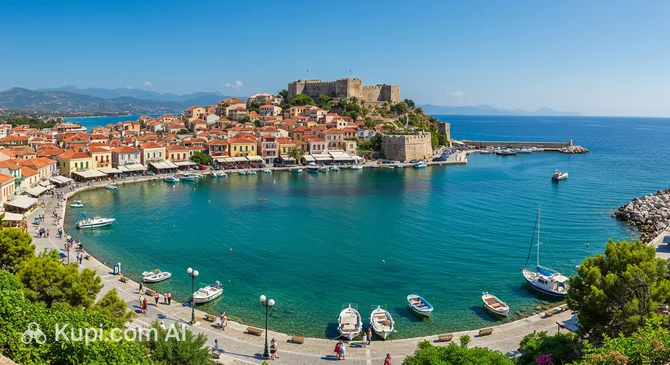
Preveza. Source: Kupi.Binoculars

Modern Preveza is known for its pedestrian-friendly waterfront, lined with traditional tavernas serving fresh seafood, particularly the famous local prawns. Nature lovers are often drawn to the immense Monolithi Beach, one of the longest sandy coastlines in Europe, as well as the rich ecological diversity found in the nearby wetlands. The city's historic center, with its narrow, flower-filled alleyways, invites leisurely strolls away from the crowds.

Whether you are watching a breathtaking sunset over the Ionian Sea or exploring its archaeological treasures, Preveza offers a relaxing and authentic travel experience. It is a perfect getaway for those seeking a harmonious blend of culture, nature, and seaside tranquility.
Weather Overview

Preveza experiences a classic Mediterranean climate, offering distinct seasonal patterns that shape the local lifestyle and travel opportunities. Visitors planning their trip and checking the weather in Preveza will generally find long, sun-drenched summers and mild, albeit wetter, winters.

The summer season is the warmest time of year, particularly in July and August, when average temperatures hover around 26°C and maximum highs frequently approach 30°C. This period is notably dry, with rainfall being very rare—typically occurring on just 2 or 3 days per month. It is the ideal time for beachgoers to enjoy the coastal waters under clear blue skies.

In contrast, the winter months bring a shift in conditions. From November through February, temperatures cool down to an average of roughly 10°C to 15°C, with nightly lows dipping to around 7°C in January. Expect warm summers with minimal rain and cooler winters characterized by frequent precipitation, as December and January can see up to 16 wet days each. The shoulder seasons of spring and autumn offer a pleasant middle ground, with comfortable temperatures ranging from 15°C to 23°C.

Interesting Facts

Beyond the main attractions, Preveza holds many fascinating secrets that reveal its rich character and unique history. Dig a little deeper, and you will discover intriguing features that distinguish this city from other Greek destinations.
  • Preveza is home to the first and only undersea tunnel in Greece. The Aktion-Preveza tunnel runs beneath the seabed at the mouth of the Ambracian Gulf, an engineering marvel that replaced the old ferry connection and significantly shortened the travel time between Epirus and Central Greece.

  • The city is often celebrated as the "Sardine Capital" of the region due to the rich marine life of the Ambracian Gulf. The local sardines, or "papalina," are so prized that the city hosts a dedicated Sardine Festival every August, where tons of fresh fish are grilled and offered to visitors for free.

  • One of the most charming streets in the historic center bears the curious name "Seitan Pazar," which translates to "Devil's Bazaar." Legend has it that a Turkish military commander cursed the steep, slippery alley after falling down, but today it is a picturesque spot filled with vibrant tavernas and jasmine-scented air.

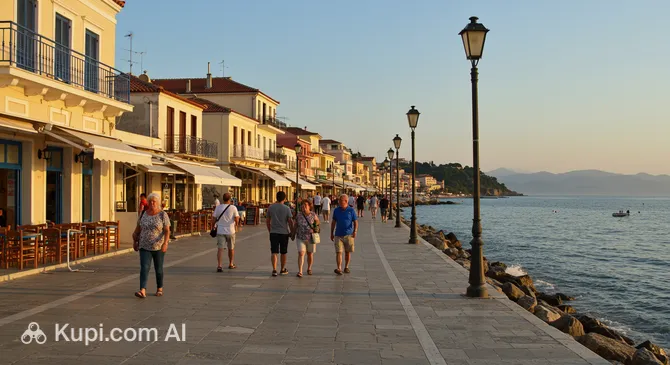
  • Despite being firmly attached to the mainland, the city has the atmosphere of an island because it is surrounded by water on three sides. A stroll along the Pantokratoras Promenade perfectly highlights this geography, offering views where the calm waters of the gulf meet the open Ionian Sea.

Pantokratoras Promenade. Source: Kupi.Binoculars

How to Get There

Reaching this coastal gem is relatively straightforward, with several convenient options available depending on your starting point. Whether you prefer flying directly to the region or combining your trip with a scenic drive, you can find more about how to get to Preveza and plan the best route for your itinerary.

The most direct way to arrive is via Aktion Airport (IATA: PVK), which is conveniently located in Preveza itself, just 3.9 km from the city center. This international airport serves as the primary gateway to the region, handling a significant volume of seasonal tourist traffic. Due to its close proximity, the transfer is incredibly quick; a taxi ride to the heart of the city typically takes only 5 to 10 minutes, while local bus services may take slightly longer depending on the schedule.

For those who cannot find a direct flight, Ioannina Airport (IATA: IOA) offers a viable alternative. Located in the city of Ioannina, about 82 km from Preveza, it is a smaller regional hub. The journey from Ioannina to Preveza by car or taxi usually takes around 1 hour and 15 minutes. Another option is Ioannis Kapodistrias Airport (IATA: CFU) on the island of Corfu, situated roughly 102 km away. While it is a major international airport with high passenger traffic, travelers choosing this route should account for a travel time of about 3 hours, which includes ferry connections to the mainland.

For clarity, here is a summary of the main airports:

Airport Name City Passenger Traffic Km from City
Ioannis Kapodistrias AirportCorfuLarge101.7
Zakynthos AirportZakynthosLarge134.6
Aktion AirportPrevezaMedium3.9
Araxos AirportPatrasSmall107.2
Ioannina AirportIoanninaSmall82.1

The city of Preveza does not have its own railway station. The closest major rail connection is the Thessaloniki Railway Station located in the city of Thessaloniki, which is approximately 264 km away. This is a significant distance, and a transfer from the station to Preveza by car would take roughly 3.5 to 4 hours, while a bus journey would require considerably more time. Due to the travel time involved, this option is generally less common for tourists unless they are planning a road trip across Northern Greece.

Below is the information regarding the nearest railway station:

Station City Passenger Traffic Km to Center
Thessaloniki Railway StationThessaloniki264.2

Main Attractions

Preveza offers a delightful mix of history, nature, and seaside charm, making it a joy to explore. The city’s layout encourages walking, with key sights located conveniently close to the vibrant waterfront and the historic center.

A highlight for any visitor is the Pantokratoras Promenade. This scenic coastal walkway is the perfect place for a leisurely stroll, offering uninterrupted views of the Ambracian Gulf meeting the Ionian Sea. The path leads towards the imposing Pantokrator Castle, providing a romantic setting that is particularly magical at sunset when the waters reflect the changing colors of the sky.

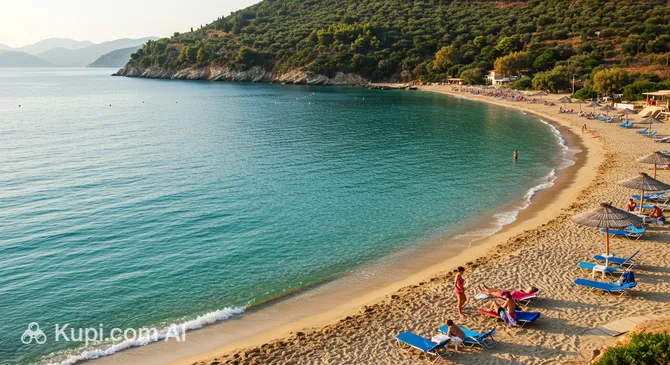
For those seeking relaxation by the sea, Kiani Akti Beach is a unique local treasure located just a short distance from the city center. Unlike typical sandy shores, this beach is renowned for the lush eucalyptus forest that grows right up to the edge of the sand, offering natural shade. Its shallow, calm waters make it an exceptionally safe and enjoyable spot for families with young children or anyone looking for a tranquil swim.

Kiani Akti Beach. Source: Kupi.Binoculars

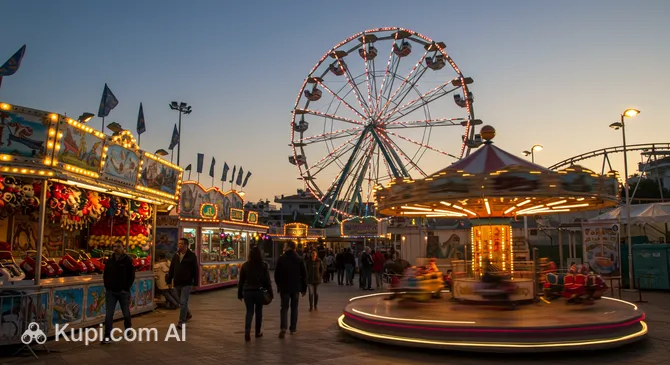
Travelers looking for evening entertainment, especially those with family, can visit the Luna Park. Situated near the port, this amusement area comes alive at night with lights and music. It features a variety of classic rides and games, offering a fun and lively atmosphere that contrasts perfectly with the more laid-back vibe of the rest of the city.

Luna Park. Source: Kupi.Binoculars

Local Cuisine

Local Cuisine:

The culinary identity of Preveza is inextricably linked to the Ambracian Gulf, a body of water teeming with marine life that defines the local diet. Seafood lovers will find themselves in a gastronomic paradise where freshness is paramount. The city is renowned for its simple yet flavorful approach to cooking, where the quality of the ingredients—such as locally pressed olive oil and fragrant herbs—takes center stage.

No visit to Preveza is complete without tasting the famous Ambracian prawns, locally known as "gambari." These large, sweet prawns are a trademark of the region and are often served grilled or in a savory tomato sauce. Another staple is the "papalina," a sardine unique to the gulf, which is typically grilled over charcoal and seasoned with lemon and oregano. For a true delicacy, adventurous eaters should try avgotaracho (bottarga), the salted and cured roe of the grey mullet, often enjoyed with a slice of warm bread.

The dining culture here is relaxed and social, centered around the traditional ouzeries that line the narrow, pedestrian-friendly streets of the historic center. Locals and visitors alike gather at small tables tucked away in flower-filled alleys to share "mezedes"—small plates of appetizers—accompanied by glasses of ouzo or tsipouro.

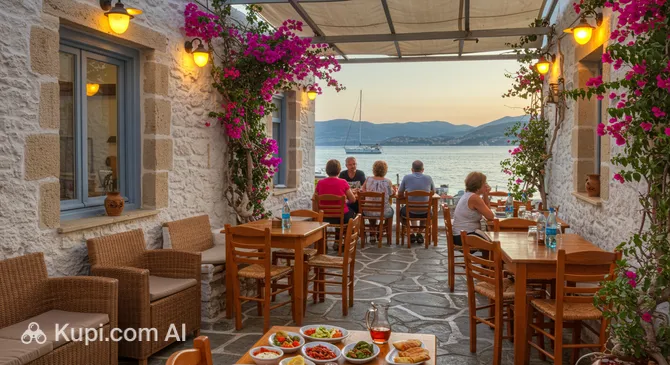
For those seeking an authentic atmosphere, Rebetiko Steki is a wonderful place to experience genuine Greek hospitality. This restaurant is a popular spot for enjoying hearty, traditional dishes in a setting that captures the vibrant spirit of the city.

Rebetiko Steki. Source: Kupi.Binoculars

Travel Tips

Welcome to Preveza! To help you make the most of your visit to this charming corner of Epirus, we have compiled a set of essential practical tips. Whether you are here for the pristine beaches or the rich history, this advice will ensure your trip is smooth, safe, and enjoyable.

  1. Clothing and Gear: If you are visiting in summer, lightweight, breathable clothing, sunglasses, and high-SPF sunscreen are absolute musts for the hot Mediterranean days. For winter trips, pack a waterproof jacket and layers, as it can be rainy and cool. Since the historic center is best explored on foot, bring comfortable walking shoes. Remember to dress modestly—covering shoulders and knees—when visiting churches or monasteries.

  2. Transportation: The heart of Preveza is compact and pedestrian-friendly, so walking is the best way to soak up the atmosphere. For exploring the wider region or reaching beaches like Monolithi, renting a car is highly recommended due to the flexibility it offers compared to local buses. Taxis are also readily available and affordable, particularly for the short transfer from Aktion Airport.

  3. Finances: The official currency is the Euro (€). While international credit and debit cards are widely accepted in hotels, supermarkets, and larger restaurants, smaller family-run tavernas and kiosks often prefer cash. ATMs are plentiful in the city center. Tipping is customary but not mandatory; rounding up the bill or leaving a 5-10% tip for good service is appreciated.

  4. Health and Safety: Preveza is generally a very safe city for tourists. Pharmacies are marked with a green cross and can be found throughout the town; they usually display a list of on-duty pharmacies in their windows for after-hours needs. The general emergency number for police, ambulance, and fire services is 112.

  5. Communication: Greek is the official language, but English is widely spoken in the tourism and service sectors. Locals appreciate it if you try a few basic Greek words, such as "Kalimera" (Good morning) and "Efcharisto" (Thank you). Wi-Fi is standard in almost all cafes and hotels, and you can easily buy a prepaid SIM card at local mobile stores for data access.

  6. Local Etiquette: Life here moves at a relaxed pace, often described as "siga siga" (slowly, slowly). Do not be impatient with service in tavernas; meals are meant to be social events lasting hours. A friendly handshake is a common greeting, and hospitality is taken seriously, so accept offers of treats or drinks with a smile.

  7. What to Avoid: Avoid planning shopping trips during the mid-afternoon hours (roughly 2:30 PM to 5:30 PM). Many local businesses close for a siesta and reopen in the evening. Additionally, never enter religious sites wearing swimwear or revealing beach clothes, as this is considered disrespectful.

  8. Local Insight: Embrace the local dining schedule. Greeks typically eat dinner quite late, often after 9:00 PM. If you arrive at a restaurant at 7:00 PM, you might find it empty. For a truly atmospheric evening, head to the "Seitan Pazar" alleyways later in the night when the area comes alive with locals enjoying mezedes and conversation.

With these practical tips in hand, you are well-prepared to navigate Preveza like a local. We hope your journey is filled with delightful discoveries, warm hospitality, and the relaxing rhythm of Greek coastal life.

Entertainment & Nightlife

Entertainment in Preveza is defined by its relaxed, authentic Greek character. Rather than large nightclubs with pounding beats, the city offers a vibrant social scene centered around conversation, music, and the enjoyment of the outdoors. The nightlife here is driven by the local custom of socializing in the open air, making the pedestrian streets and the waterfront the main stages for evening activity.

A central pillar of local life is the "volta," or evening promenade, which typically takes place along the Pantokratoras Promenade. As the sun sets, this waterfront stretch fills with families, couples, and groups of friends strolling by the harbor. It is a bustling, communal environment perfect for people-watching or enjoying a drink at a seaside bar while soaking in the cool sea breeze. Nearby, the Luna Park offers a cheerful stop for those enjoying the port area's evening energy.

In the historic center, the picturesque alleys known as "Seitan Pazar" transform after dark into a lively hub of activity. The area is packed with small bars and cafes where the atmosphere is warm and welcoming. For a touch of culture, visitors often head to Rebetiko Steki to experience the soulful sounds of traditional Greek music, which provides an atmospheric backdrop to a night out in the city.

Summer visitors should not miss the local festivities that serve as major entertainment highlights. The most renowned is the Sardine Festival held in August, a massive celebration deeply rooted in the city's maritime heritage. This event features live folk music, traditional dancing, and an abundance of grilled local sardines, offering a spirited and delicious way to experience Preveza's community life.

Parks & Museums

Preveza beautifully intertwines its natural landscape with a deep sense of history, offering visitors a chance to explore lush green spaces and cultural institutions that safeguard the region's heritage. From protected forests stretching along the coastline to museums that narrate stories of ancient empires, the city provides a diverse array of experiences for nature lovers and history buffs alike.

One of the most significant natural treasures in the area is the Monolithi Aesthetic Forest. Stretching for several kilometers along the Ionian coast, this protected area is a haven of biodiversity, featuring dense vegetation that runs parallel to the famous sandy beach. It is an ideal spot for hiking, jogging, or simply enjoying a picnic in the shade of pine and eucalyptus trees, offering a refreshing escape from the summer heat while listening to the sound of the waves nearby.

For those interested in the ecological importance of the region, the Ambracian Gulf Wetlands are a must-visit. This complex ecosystem is one of the most important in Greece, hosting rare bird species such as the Dalmatian pelican. The lagoons formed here create a tranquil environment perfect for birdwatching and photography, allowing visitors to connect with the raw, untouched beauty of Epirus.

Culturally, the city's crown jewel is the Archaeological Museum of Nicopolis. Located just a short distance from the modern city, this modern facility is dedicated to the ancient city of Nicopolis, founded by Octavian Augustus to commemorate his victory at the Battle of Actium. The museum displays an impressive collection of Roman statues, intricate mosaics, and everyday objects that offer a vivid glimpse into life during the Roman and early Byzantine periods.

In terms of architectural heritage, the Venetian Clock Tower stands as a proud landmark in the heart of the historic center. Built in the 18th century, it is a testament to the Venetian influence on the city's architecture and serves as a popular meeting point for locals. Nearby, the Castle of Agios Andreas dominates the northern part of the city. Although primarily a military fortification historically, its imposing walls and strategic position make it a fascinating site to explore, offering insights into the defense systems of the past.

For a truly authentic experience, take the time to visit the Thermal Springs of Preveza (Palaistaria). Located within the city, these historic baths have been used for their healing properties for decades. While the facilities are modest, the experience provides a unique connection to the local tradition of wellness and offers a relaxing break after a day of sightseeing.

Getting Around

Navigating Preveza is straightforward and stress-free, reflecting the city's relaxed pace and compact size. Unlike larger metropolitan areas, there is no metro, tram, or trolleybus system here. The primary form of public transportation is the bus network operated by KTEL Prevezas. These buses connect the city center with popular nearby beaches such as Monolithi and Kanali, as well as neighboring towns and the airport. For movement within the historic center itself, public transport is rarely needed, as the area is largely pedestrianized and best explored on foot.

The payment system for public transport is traditional and simple, relying mostly on cash. There are no complex travel cards, digital apps, or zone-based passes for short-term visitors. Tickets are typically purchased directly at the central bus station or, in many cases, on board from the driver or a conductor. The cost is quite affordable, with a standard one-way ticket for local routes usually costing between €1.50 and €2.00. It is advisable to carry small bills and coins, as drivers may not always have change for large banknotes.

For tourists relying on buses, it is important to check the schedules in advance, as frequency can vary significantly between the busy summer season and the quieter winter months. During summer, services to the beaches are frequent, but they may stop running earlier in the evening than you might expect. Tickets bought on the bus are validated immediately upon purchase, while those bought at a kiosk should be kept handy for inspection. The main bus terminal is located near the city center, making it an easy starting point for day trips to the surrounding region.

Given the limited scope of the bus network, many visitors opt for alternatives to explore with more freedom. Taxis are widely available and can be found at designated ranks at the port and central squares, or booked via phone. They are a convenient option for quick transfers, especially late at night when buses are not operating. However, for those planning to visit the ancient ruins of Nicopolis or secluded coves along the coast, car rental is the most popular choice. Having a car allows you to drive through the unique Aktion-Preveza undersea tunnel, which connects the city to the opposite coast.

A charming feature to look out for during the summer months is the small tourist train that often operates along the waterfront. While not a practical mode of transport for commuting, it offers a delightful way to see the main sights along the harbor and is particularly popular with families. For the most part, however, the joy of visiting this city lies in its walkability, allowing you to move seamlessly from the shopping streets to the seaside promenade without the need for a ticket.

Accommodation

Where to Stay:

Accommodation in Preveza caters to a variety of preferences, offering a blend of authentic Greek hospitality and modern comfort. Unlike some of the heavily commercialized islands, the city does not feature massive all-inclusive resort complexes within its center. Instead, visitors will find a charming selection of boutique hotels, family-run guesthouses, and an increasing number of private rental apartments. This variety ensures that whether you are a solo traveler on a budget or a family seeking a seaside retreat, there is a suitable option available.

For those who want to be in the heart of the action, staying in the historic center or near the port is the most convenient choice. Accommodation here places you within walking distance of the pedestrianized shopping streets, the vibrant waterfront promenade, and the best tavernas. It is an ideal location for travelers who enjoy evening strolls and want easy access to the city’s cultural sights without needing a car.

Travelers prioritizing proximity to the sea might prefer the areas just outside the main city, such as the coastal settlement of Mitikas or the area near Kanali. These locations are perfect for beach lovers, offering easier access to the long stretches of sandy coastline and a quieter, more resort-like atmosphere. Staying here often requires a car or reliance on local buses to reach the city center for dinner or sightseeing.

In terms of cost, Preveza is generally more affordable than the popular Cycladic or Ionian islands. The price range typically spans from budget-friendly rooms to mid-range hotels, with a few higher-end options offering luxury amenities. Booking is straightforward, with most properties listed on major online platforms, though contacting smaller family-owned establishments directly can sometimes yield better rates.

Booking Tip: While finding a room is usually easy during the shoulder seasons of spring and autumn, the city becomes a popular destination for both Greek and international tourists in July and August. If you plan to visit during these peak summer months, it is highly recommended to book your accommodation at least a few months in advance to secure the best locations and prices.

Nearby Cities

For those looking to explore the surroundings, Preveza serves as an excellent base for day trips to several interesting nearby locations:

One of the most compelling destinations is Ioannina, the capital of Epirus, located approximately an hour and a half away. This historic city is renowned for the beautiful Lake Pamvotis and its inhabited island, which is accessible by small boats. Visitors can wander through the castle of Ioannina, explore the silversmithing museums, and immerse themselves in the legends of Ali Pasha. The blend of Ottoman and Byzantine history makes it a culturally rich excursion.

Another favorite spot for a day trip is the picturesque town of Parga. Although not listed in the table below, it is situated just 60 km north of Preveza. Parga charms visitors with its colorful amphitheater-style houses, a Venetian castle overlooking the bay, and crystal-clear beaches like Valtos. It offers the atmosphere of a Greek island while remaining on the mainland, making it perfect for a relaxing day by the sea.

City Population Distance (km)
Patras 167446 117
Larissa 144651 162
Ioannina 113094 79
Agrinio 65000 68
Trikala 61653 110

These nearby destinations offer a glimpse into the diverse culture and landscapes of the region.

Shopping & Souvenirs

Shopping in Preveza offers a delightful and relaxed experience that perfectly mirrors the city's laid-back coastal atmosphere. Instead of massive commercial complexes, visitors will find a charming array of independent boutiques, family-run shops, and traditional stores scattered throughout the pedestrian-friendly streets. The city is particularly well-known for its high-quality local food products, making it an excellent destination for culinary souvenirs rather than high-end international fashion.

The heart of the shopping scene is located in the Historic Center. The main commercial artery is Ethnikis Antistaseos Street and the surrounding pedestrian alleyways near the clock tower. Here, travelers can wander through narrow, paved lanes lined with clothing boutiques, jewelry stores, and shops selling leather goods. This area comes alive in the evenings when locals combine their shopping trips with a coffee or a stroll along the waterfront.

Travelers looking for large-scale shopping malls will not find them in Preveza. The city maintains a traditional character, and retail therapy here is an open-air activity. While there are larger supermarkets and department stores on the outskirts of the city for varied needs, the charm of shopping in Preveza lies in exploring the small, individual storefronts in the town center rather than visiting enclosed malls.

For a taste of authentic local life, the Weekly Farmers' Market (Laiki Agora) is the place to be. Typically held on Saturdays, this bustling market offers an explosion of colors and scents. Stalls are piled high with fresh seasonal fruits, vegetables, and locally produced honey. Given the city's location on the Ambracian Gulf, you can also find exceptional fresh seafood if you have access to a kitchen during your stay.

When it comes to souvenirs, the best items to bring back are undoubtedly edible treasures. Preveza is famous for Avgotaracho (bottarga), the cured roe of the grey mullet, which is a protected designation of origin product and a true delicacy. Another excellent choice is locally produced Ouzo, with several family distilleries in the region offering distinct varieties. Olive oil, dried herbs, and handmade ceramics also make for wonderful, authentic gifts.

Opening hours in Preveza generally follow the traditional Greek split schedule. Shops typically open around 9:00 AM and stay open until 2:00 PM or 2:30 PM. On Tuesdays, Thursdays, and Fridays, they reopen in the evening from roughly 5:30 PM to 9:00 PM. On Mondays, Wednesdays, and Saturdays, most shops remain closed in the evening, and nearly everything is closed on Sundays. Regarding payment, major credit and debit cards are widely accepted in most boutiques and supermarkets, though it is always wise to carry some cash for small purchases at kiosks or the open-air market.

Visitors from outside the European Union may be eligible for Tax-Free shopping on purchases exceeding a certain amount at participating stores. Look for the "Tax Free" signage in shop windows, and remember to ask for the necessary refund forms at the checkout to process them at the airport upon your departure.

Reached the end of the page?

That means the route is fully explored