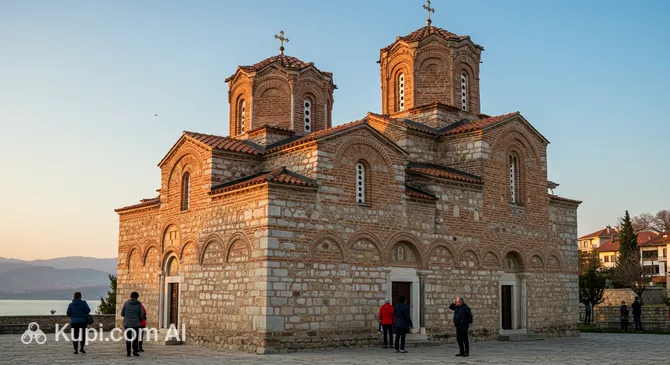
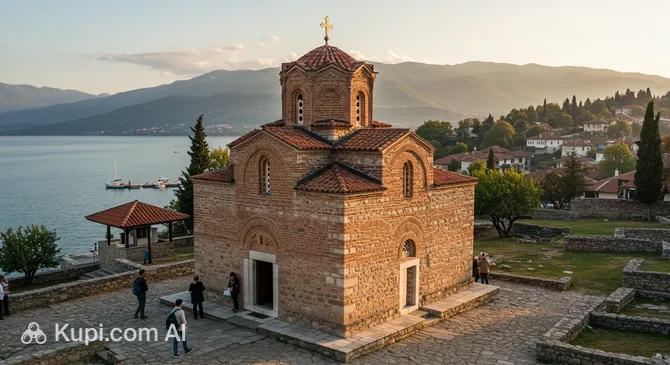
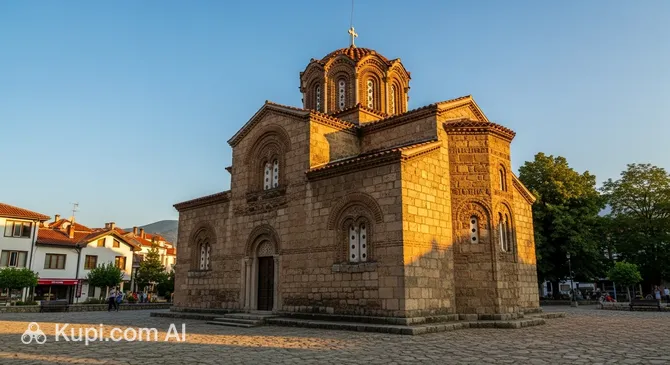
Support

Ohrid

About

Ohrid is a captivating destination that perfectly blends natural splendor with cultural depth. Often referred to as the "Jerusalem of the Balkans," this city is the pride of Macedonia and a UNESCO World Heritage site. Its atmosphere is serene yet vibrant, offering visitors a unique journey through time along the shores of one of Europe's oldest and deepest lakes.
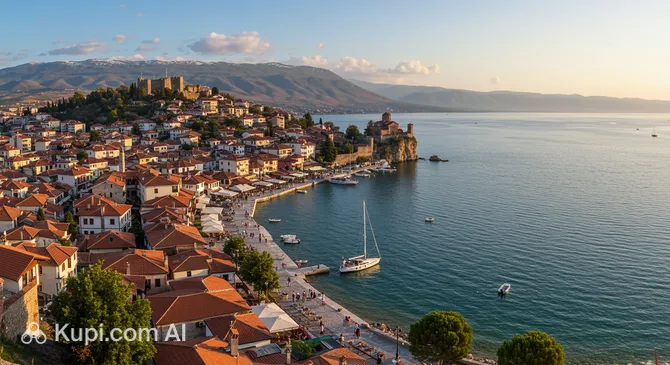
Ohrid. Source: Kupi.Binoculars

Geographically, the city is located in the Southwestern Statistical Region, nestled against the shimmering waters of Lake Ohrid. With a population of approximately 55,000 residents, it maintains a cozy, community feel while providing all the amenities of a major tourist hub. The majestic Galičica Mountain rises behind the city, creating a stunning backdrop and contributing to a generally mild and pleasant climate perfect for exploration.

The history of Ohrid runs deep, dating back to ancient times when it was known as Lychnidos. Walking through the Old Town feels like stepping into a living museum, where every cobblestone street tells a story. The city was once renowned for having 365 churches—one for every day of the year—and remains a significant spiritual and cultural center in the region today.

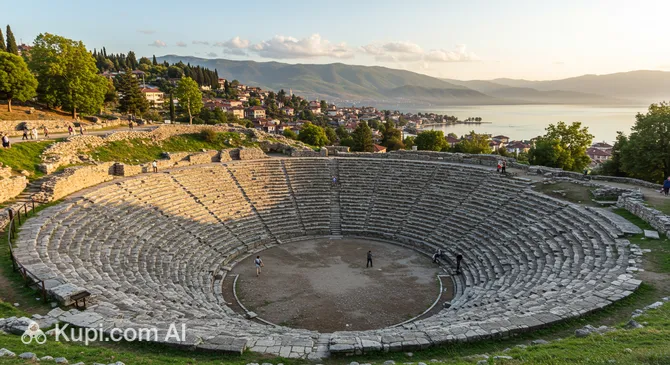
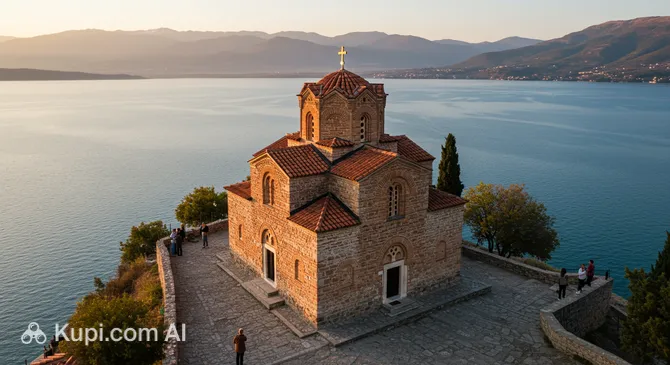
Among the must-see attractions is the iconic Church of St. John at Kaneo, which sits on a cliff overlooking the lake and offers breathtaking panoramic views. Visitors are also drawn to the imposing Samuel's Fortress, which stands guard over the city, and the well-preserved Ancient Theatre of Ohrid, which still hosts performances during the summer. The crystal-clear waters of the lake itself invite travelers for boat rides and relaxation.

Whether you are a history buff, a nature lover, or simply seeking a peaceful retreat, Ohrid promises an unforgettable experience. Its combination of stunning scenery, rich heritage, and warm hospitality makes it a top destination for anyone planning a trip to the Balkans.
Weather Overview

The climate in Ohrid varies significantly throughout the year, offering four distinct seasons that each bring a unique charm to the lakeside setting. Generally, the city enjoys a mild continental climate, where the presence of Lake Ohrid helps to moderate temperature extremes. Travelers can expect warm, pleasant summers and cold winters with more frequent precipitation.

For those planning their wardrobe, it is helpful to check the current weather in Ohrid. During the peak summer months of July and August, average temperatures sit comfortably around 21°C to 22°C, with daytime highs often reaching up to 27°C. These are also the driest months, typically seeing only about 7 wet days, making them perfect for outdoor activities.

Winter brings a crisp chill to the region, particularly in January and February, when average temperatures drop to between 1°C and 3°C and nightly lows frequently dip below freezing. The transition seasons are generally mild, though spring can be quite damp; May, for instance, often records the highest frequency of precipitation with around 16 wet days.

Interesting Facts

Beyond the main attractions and scenic views, Ohrid holds many fascinating secrets that often surprise visitors. From ancient mysteries hidden underground to unique local crafts found nowhere else, the city offers a wealth of stories for the curious traveler.

Ancient Theatre of Ohrid. Source: Kupi.Binoculars
  • The Buried Theatre: The Ancient Theatre of Ohrid is the only Hellenistic theatre in the country, but it lay hidden for centuries. Unlike other ancient sites that were destroyed by time, this theatre was deliberately buried by locals after the Roman era. It had been used for gladiator fights and executions, making it a despised site, and was only accidentally rediscovered and excavated in the 1980s.

  • Secret of the Pearls: The famous Ohrid pearls are not mined from oysters but are man-made using a unique and closely guarded technique. They are created using an emulsion made from the scales of the "plasica" fish, which is endemic to the lake. The exact secret recipe for this emulsion is known to only two local families, passed down through generations.

  • Europe's First University: The archaeological site of Plaošnik Archaeological Park is often cited as the location of one of the first universities in Europe. In the 9th century, Saint Clement of Ohrid established a literary school here, educating thousands of students in the Glagolitic alphabet and Slavic literacy long before many famous western universities were founded.

  • A Namesake in Space: The city and its lake have a celestial connection. NASA named a hydrocarbon lake on Titan, Saturn's largest moon, "Ohrid Lacus." This honor reflects the significance of Lake Ohrid on Earth, which is one of the oldest and deepest lakes in the world, containing over 200 endemic species.

How to Get There

Reaching this lakeside gem is relatively straightforward, with several options depending on your starting point. You can find more about how to get to Ohrid and detailed routes on our dedicated page. The most convenient entry point is the local Ohrid Airport (OHD), located just 8 km from the city center. It is a smaller facility, primarily handling seasonal and charter flights, with a quick transit time to the town of approximately 30 minutes by taxi or shuttle.

For more frequent international connections, many travelers choose Skopje Alexander the Great Airport (SKP) in the capital, Skopje. It is situated about 115 km away, and the journey by bus or taxi typically takes around 3 hours. Alternatively, Tirana International Airport (TIA) in neighboring Albania is a major hub located roughly 97 km from Ohrid. The drive from Tirana involves crossing the border and generally takes about 2.5 to 3 hours.

For clarity, here is a summary of the main airports:
Airport Name City Passenger Traffic Km from City
Tirana International AirportTiranaHigh97.1
Skopje Alexander the Great AirportSkopjeMedium115.5
Ohrid AirportOhridSmall8.0
Ioannina AirportIoanninaSmall158.4
Kukes ZayedKukesSmall106.2

Rail travel options are limited as the city of Ohrid does not have a railway station. The closest significant rail hub listed is Thessaloniki Railway Station in the city of Thessaloniki, Greece, which is approximately 187 km from Ohrid. Travelers arriving here would need to arrange a transfer by bus or taxi to complete the journey, a trip that takes roughly 5 hours.

For reference, here are the nearest railway stations:
Station City Passenger Traffic Km to Center
Thessaloniki Railway StationThessaloniki187.0
Brindisi Railway StationBrindisi247.3

Main Attractions

Ohrid is often described as a living museum, where every corner reveals a new layer of history. The city's rich heritage is best experienced through its remarkable collection of sacred sites and ancient architecture. Here are some of the most significant places to visit during your stay.

Undoubtedly the most iconic landmark in the city is the Church of St. John at Kaneo. Perched majestically on a rocky cliff overlooking the lake, this 13th-century church offers the most photographed view in the region. While the architecture itself is a beautiful blend of Armenian and Byzantine styles, the primary reason to visit is the breathtaking setting. It is the perfect spot to watch the sunset, offering a moment of absolute tranquility where the blue sky meets the deep waters of the lake.

Church of St. John at Kaneo. Source: Kupi.Binoculars

Another architectural jewel is the Church of Saint Sophia, located in the heart of the old town. Dating back to the 11th century, it is one of the most important medieval monuments in the country. Visitors are captivated by its grand interior and the rare, well-preserved frescoes that date from the 11th to the 14th centuries. The church also boasts a magnificent courtyard and incredible acoustics, making it a favored venue for classical concerts during the Ohrid Summer Festival.

Church of Saint Sophia. Source: Kupi.Binoculars

For a deep dive into the region's spiritual history, a visit to the Church of Saints Clement and Panteleimon is essential. Situated at the Plaošnik archaeological site, this imposing structure is a reconstruction of the original church built by St. Clement of Ohrid. It is historically significant as the site of the first Slavic university and houses the tomb of the saint himself. The surrounding area features intricate floor mosaics from early Christian basilicas, offering a fascinating glimpse into the distant past.

Church of Saints Clement and Panteleimon. Source: Kupi.Binoculars

Art lovers should not miss the Church of the Virgin Mary Peribleptos. Built in 1295, this church became the cathedral of the archbishopric during the Ottoman period. It is renowned for its stunning frescoes, which are considered masterpieces of Byzantine art. These paintings display a dramatic style and emotional expression that many art historians believe foreshadowed the Italian Renaissance, making it a crucial site for understanding the evolution of European art.

Church of the Virgin Mary Peribleptos. Source: Kupi.Binoculars

Local Cuisine

Local Cuisine:

Ohrid's culinary landscape is deeply rooted in its geography, offering a mouthwatering fusion of traditional Macedonian recipes and fresh, lake-sourced ingredients. The city is famous for its unique local specialties that are hard to find elsewhere. The crown jewel of the local menu is the Ohrid Trout (Ohridska Pastrmka), a delicious freshwater fish endemic to the lake, typically prepared grilled or in a soup. Another must-try is Gjomleze, a savory layered pie made from flour, water, and oil, baked for hours under a traditional metal cover known as a sač.

To experience authentic local flavors, visitors have excellent options. Kajche Restaurant is a charming spot located right on the water's edge. It is highly regarded for its seafood dishes and traditional Macedonian plates, allowing guests to dine while enjoying serene views of the lake.

For meat lovers and those seeking a casual meal, Vkusno Kebab Shop is a local staple. As the name suggests, it specializes in succulent kebabs (ćevapi) and grilled meats, served with fresh bread and onions—a perfect, hearty lunch after exploring the Old Town.

The city also boasts a vibrant cafe and bar scene. Shilla Coffee & Bar offers a stylish environment in the city center, ideal for a morning espresso or an evening cocktail. For those who prefer a beachside atmosphere, Cuba Libre Beach & Bar is a popular venue that transforms from a relaxing lounge during the day to a lively nightspot after sunset, serving a wide array of drinks accompanied by music.

Travel Tips

Planning a trip to Ohrid is exciting, but a few insider details can turn a good vacation into a seamless experience. Here are some practical recommendations to help you navigate the city’s cobblestone streets and cultural nuances with ease.

  1. Clothing and Gear: Comfortable walking shoes are non-negotiable; the Old Town is paved with uneven cobblestones and involves steep climbs to the fortress. If visiting in summer, bring light, breathable fabrics, but always pack a scarf or shawl to cover your shoulders and knees, as modest dress is strictly required when entering the many Orthodox churches.

  2. Transportation: The best way to explore the city center and Old Town is on foot, as many streets are narrow and pedestrian-only. For trips to further beaches or the Monastery of Saint Naum, utilize the water taxis or boat services at the harbor for a scenic journey. Taxis are affordable, but ensure the driver turns on the meter or agrees on a fixed price before you depart.

  3. Finances: The official currency is the Macedonian Denar (MKD). While major hotels and restaurants usually accept credit cards, smaller souvenir shops, bakeries, and local markets often operate on a cash-only basis. ATMs are plentiful in the city center, and tipping around 10% for good service is customary and appreciated.

  4. Health and Safety: Ohrid is generally a very safe destination for tourists. Pharmacies, marked with a green cross and the word Apteka, are easy to find for minor health needs. While tap water is often safe, coming from mountain springs, most tourists prefer inexpensive bottled water to avoid any adjustment issues.

  5. Communication: The official language is Macedonian, which uses the Cyrillic alphabet. However, English is widely spoken, particularly by younger generations and those in the hospitality sector. Learning a simple "Zdravo" (Hello) or "Fala" (Thank you) will be met with warm smiles from the locals.

  6. Local Etiquette: Macedonians are incredibly hospitable and take their coffee culture seriously; sitting in a cafe for hours is a social ritual, not loitering. When visiting religious sites, maintain a respectful volume and always check for signs before taking photographs, as flash photography is often prohibited inside churches.

  7. What to Avoid: Never enter a church or monastery wearing beachwear or overly revealing clothing, as this is considered highly disrespectful. Additionally, be cautious at pedestrian crossings; even if you have the right of way, local driving habits can be assertive, so always make eye contact with the driver before stepping onto the road.

  8. Authentic Souvenirs: If you plan to buy the famous Ohrid pearls, be aware that many street stalls sell cheap imitations. To ensure you are purchasing the authentic, hand-made product, buy from the certified studios of the Talev or Filev families, who possess the original patents and secret recipes passed down for generations.

Armed with these tips, you are ready to immerse yourself in the magic of Macedonia's cultural jewel without the stress of the unknown. Enjoy the stunning lake views, the rich history, and the warm hospitality that defines this unique Balkan destination.

Entertainment & Nightlife

While Ohrid is renowned for its tranquil daytime atmosphere, the city transforms as the sun sets, offering a vibrant and diverse nightlife scene. During the peak summer months, the energy shifts from the serene beaches to the bustling center, where music echoes through the cobblestone streets and across the water. The nightlife here is generally relaxed and welcoming, lacking the pretension of larger European capitals, making it easy to mingle with locals and fellow travelers.

The heart of the evening action is undoubtedly the lakeside promenade, known locally as the Kej, and the main pedestrian street in the Old Town. Here, you will find a dense concentration of cafes that turn into lively bars at night. For those seeking a unique atmosphere with a cult following, Jazz Inn is a must-visit. Tucked away in the narrow alleys near the Church of Saint Sophia, this venue is a legendary spot for music lovers, hosting live bands and offering a cozy, intimate vibe that contrasts with the louder commercial clubs.

For a more casual evening with a wide selection of drinks and a friendly crowd, Irish Pub Five is a popular choice located near the lake. It is a great place to start the night, often screening sports events and playing rock or pop music. The pub attracts a mix of international tourists and locals, creating a buzzing social environment perfect for meeting new people.

Beyond the bars, Ohrid offers rich cultural entertainment, particularly during the Ohrid Summer Festival held from mid-July to mid-August. This prestigious event features world-class concerts, opera, and theater performances. Many of these events take place at the spectacular Ancient Theatre of Ohrid, where the open-air acoustics and historical setting create an unforgettable experience under the stars.

Regarding practicalities, nightlife in Ohrid typically kicks off late, with bars filling up around 10:00 PM and clubs staying open until the early morning hours. The dress code is generally smart-casual; you will see everything from summer dresses and linen shirts to jeans and tees. Prices are quite affordable compared to Western Europe, with beers and cocktails costing a fraction of what you might pay elsewhere.

Safety is rarely a concern in Ohrid, even late at night. The city center and promenade are well-lit and populated, making them safe for walking. However, if your accommodation is further afield, registered taxis are readily available at designated stands or can be hailed by phone. They are inexpensive, but it is always wise to confirm the fare or ensure the meter is running before starting your journey.

For daytime entertainment, the city offers more than just history. Visitors can explore various museums, such as the Robevci Family House, or take boat trips to the springs of St. Naum. While there are no large amusement parks, the natural playground of the lake offers plenty of excitement with water sports, paragliding, and diving centers operating throughout the day.

Parks & Museums

Beyond its shimmering lake and ancient churches, Ohrid offers a variety of green spaces and cultural institutions that allow visitors to pause and appreciate the city's rich heritage in a different light. From centuries-old trees to archaeological parks that function as open-air museums, the city seamlessly integrates nature with history.

For a relaxing break from sightseeing, the Ohrid City Park is a favorite spot among locals and tourists alike. Located near the lake's promenade, this well-maintained green area offers a peaceful environment with manicured lawns and shaded paths. It serves as a perfect transition zone between the bustling city center and the tranquil waters of the lake, making it an ideal place for a leisurely afternoon stroll or a picnic with a view.

Another significant natural landmark, though not a traditional park, is the legendary Chinar Tree. Situated near the entrance to the Old Bazaar, this ancient plane tree is believed to be roughly 1,000 years old. Its massive trunk and sprawling canopy have witnessed the city's history unfold for a millennium. Today, it stands as a protected natural monument and a popular meeting point, surrounded by a small square and fountain where visitors can sit and soak in the atmosphere.

When it comes to museums, Ohrid itself is often called an "open-air museum," but several specific sites stand out. The Plaošnik Archaeological Park is one of the most important cultural complexes in the Balkans. Walking through this site is like peeling back layers of history; visitors can see the foundations of early Christian basilicas with intricate mosaics alongside the reconstructed Church of St. Clement. It acts as a comprehensive museum of the city's spiritual and educational past.

For those interested in ethnographic history, the National Museum of Ohrid, housed in the magnificent Robevci Family House, is essential. Although not linked here, this museum showcases archaeological artifacts, traditional costumes, and woodcarvings that define the region's identity. Additionally, the city's architecture itself serves as a gallery. Landmarks like the Ali Pasha Mosque demonstrate the Ottoman influence on the city. Built in the 16th century, its recent restoration has highlighted its architectural elegance, adding another layer to Ohrid's diverse cultural tapestry.

A stroll through the center often leads to St. Clement of Ohrid Square, the beating heart of the modern city. Surrounded by statues and monuments dedicated to the region's educators and saints, it is a cultural hub where history meets modern daily life.

Insider Tip: For a unique cultural experience, look for the Icon Gallery located near the Church of the Virgin Mary Peribleptos. It houses one of the most valuable collections of Byzantine icons in the world, second in importance only to the collection in Moscow. It is a quiet, often overlooked gem that offers a profound look into the artistic mastery of the medieval period.

Getting Around

Public transport in Ohrid is straightforward and scaled to the size of the city. Since there is no metro, tram, or urban rail network, the system relies primarily on a network of public buses and private minibuses. These vehicles serve as the main connection between the city center, the surrounding suburbs, and the popular tourist villages dotted along the lake shore, such as Peštani, Trpejca, and Ljubaništa. For most visitors, the historic city center is compact enough to be explored comfortably on foot, with transport mainly needed for reaching distant beaches or the bus station.

Paying for transport is refreshingly simple compared to larger European capitals. There are no complex travel cards, zoning systems, or mobile apps required for bus travel here. Tickets are purchased directly from the driver upon boarding. It is essential to carry cash in the local currency, as credit card terminals are rarely available on board. Prices are very affordable, typically ranging from a small fee for local city rides to slightly higher amounts for longer journeys to the southern end of the lake.

For tourists, the most relevant bus lines are those heading towards the Monastery of Saint Naum and the southern beaches. During the summer peak season, these buses run frequently, often every 20 to 30 minutes. However, travelers should be aware that in the off-season or late evenings, the schedule becomes much more limited. It is advisable to check departure times at the bus stops or ask locals, as official posted schedules may not always be strictly followed.

Taxis are a very popular and convenient alternative, widely available at designated stands throughout the city and near the main square. They offer a quick way to reach specific restaurants or beaches that might be far from a bus stop. While many taxis are equipped with meters, it is a common practice to agree on a fixed fare before starting the journey, especially for longer trips outside the city limits. Rates are generally reasonable, but confirming the price in advance helps avoid any misunderstandings.

A unique and highly recommended form of transport in this lakeside city is the water taxi or boat service. During the warmer months, small boats and larger ferries operate from the main harbor, shuttling visitors to various beaches and major attractions at the other end of the lake. While primarily viewed as a tourist activity, these boats offer a scenic and traffic-free way to navigate the coastline, effectively serving as a pleasant seasonal transport link.

For those who prefer independence, renting a bicycle is an excellent option for getting around. The terrain along the lakeshore is relatively flat and scenic, making it enjoyable for cyclists of all levels. Several rental agencies operate in the city center, and many hotels also offer bikes to their guests. Car-sharing apps are not widely established here, so relying on traditional car rentals, taxis, or simply walking remains the most effective way to navigate the city.

Accommodation

Where to Stay:

Finding the perfect place to stay in Ohrid is generally a stress-free experience, as the city offers a wide spectrum of accommodation options to suit every preference and budget. The hospitality sector here is well-developed, ranging from cozy, family-run guesthouses and private apartments to modern mid-range hotels and a few upscale lakeside resorts. Unlike many Western European destinations where standard hotels dominate, Ohrid has a strong tradition of private accommodation, with many locals converting floors of their homes into comfortable "villas" or apartments for tourists.

For those seeking atmosphere and history, the Old Town is the most popular area to stay. Nestled on the hillside, this area places you right next to ancient churches, the fortress, and the ancient theatre. Staying here means waking up to stunning panoramic views of the lake and being surrounded by traditional Ottoman-style architecture. However, travelers should be aware that this area involves steep, cobblestone streets which can be challenging for those with heavy luggage or mobility issues, and parking is often very limited.

If convenience is your priority, the City Center and Promenade (Kej) area is an excellent choice. Accommodation here is located on flat terrain, making it easy to walk to the main harbor, cafes, and shops. This area is perfect for families and those who want to be close to the evening buzz and public transport connections without the need for an uphill climb at the end of the day. For a quieter, resort-style experience, many visitors choose locations slightly outside the city along the Lake Coast, such as the settlements of Lagadin or Sveti Stefan, which offer direct beach access and a more relaxed pace.

In terms of pricing, Ohrid is considered a very affordable destination. Budget travelers can find excellent value in private rooms and hostels, while mid-range hotels offer high standards at a fraction of the cost found in other popular European lake destinations. Luxury options are available but are generally more understated compared to major international resort hubs.

Booking Tip: While it is possible to find "Sobe" (Rooms) signs held by locals at the bus station, this old-school method is fading. It is highly recommended to book your accommodation in advance, especially if you plan to visit during the peak summer months of July and August. During this time, the city is bustling with the Ohrid Summer Festival and local tourists, and the best properties with lake views sell out quickly.

Nearby Cities

For those looking to explore the surroundings, Ohrid serves as an excellent base for day trips to several interesting nearby locations. Just a short distance along the lakeshore lies Struga, often referred to as the "City of Poetry," where visitors can watch the Black Drim River flow out of Lake Ohrid. Further inland, the historic city of Bitola, known as the "City of Consuls," invites travelers to explore its elegant 19th-century architecture and the nearby ancient ruins of Heraclea Lyncestis. Another fascinating option is Debar, renowned for its thermal spas and scenic location near the radical landscapes of the Mavrovo National Park region.

City Population Distance (km)
Bitola 74,550 46
Prilep 66,246 68
Gostivar 35,847 76
Struga 16,559 12
Debar 14,561 50

These nearby destinations offer a glimpse into the diverse culture and landscapes of the region, providing a perfect opportunity to see more of Macedonia beyond the lake.

Shopping & Souvenirs

Shopping in Ohrid offers a delightful mix of traditional charm and modern convenience. Unlike large metropolises dominated by international chains, this lakeside city invites you to explore modest boutiques, artisan workshops, and family-run stores. The focus here is on unique, locally crafted items rather than mass-produced goods, making it an excellent destination for finding meaningful gifts and keepsakes while supporting the local economy.

The primary shopping artery is the bustling Old Bazaar, locally known as the Čaršija. This lively pedestrian zone runs along the street of St. Clement of Ohrid, stretching from the historic Chinar Tree down to the lakefront. As you stroll down this vibrant promenade, you will pass a diverse array of shops selling apparel, jewelry, and accessories. The street culminates at St. Clement of Ohrid Square, a central gathering point surrounded by cafes where you can rest after a shopping spree.

The bazaar is not just a commercial hub but also a place of historical significance. Amidst the modern storefronts, you can admire landmarks like the Ali Pasha Mosque, which stands as a testament to the area's rich history. The architecture of the bazaar adds a unique atmosphere to the shopping experience, blending the old with the new.

Travelers should not expect sprawling, multi-story shopping malls in Ohrid. The city retains a small-town feel, and large commercial complexes are rare. Most shopping is conducted in street-level stores within the city center. There are a few smaller shopping centers and department stores, but the true retail experience is found in the independent shops lining the pedestrian avenues and the narrow cobblestone streets of the Old Town.

For a taste of local life, a visit to the Green Market (Gradski Pazar) is essential. Located near the city center, this bustling market is where locals buy their fresh produce. It is a sensory delight filled with the colors of seasonal fruits and vegetables, as well as stalls selling homemade cheeses, nuts, and traditional Macedonian products like ajvar. It is the perfect place to pick up fresh snacks for a picnic by the lake or to see the daily rhythm of the city.

The most famous item to purchase is undoubtedly the Ohrid Pearl. Distinct from natural pearls, these are man-made using a secret emulsion derived from the scales of the plasica fish. When buying, look for certificates from the reputable Talev and Filev families to ensure authenticity. Beyond pearls, the city is known for exquisite silver filigree jewelry, copper crafts, and intricate woodcarvings that reflect the region's artistic heritage.

Most shops in the city center operate from 9:00 AM to 8:00 PM or 9:00 PM, Monday through Saturday. During the peak summer season, many stores extend their hours late into the evening to accommodate the influx of tourists. On Sundays, larger supermarkets remain open, but many smaller boutiques and family businesses may be closed or have reduced hours. While credit cards are accepted in hotels, supermarkets, and larger stores, it is highly advisable to carry cash (Macedonian Denar) for transactions in the market, souvenir stalls, and smaller shops.

Tax-free shopping is available for foreign tourists in Macedonia for purchases exceeding a certain threshold (typically around 6,000 MKD) in a single receipt. Look for the "Tax Free" signage in shop windows. However, given the nature of Ohrid's small businesses, this service may not be available in every souvenir shop or artisan studio, so it is best to ask the shop assistant before making a purchase.

Reached the end of the page?

That means the route is fully explored